Understanding Custom Business Card Printing
Custom business card printing is a specialized service that allows professionals and companies to create personalized cards that reflect their unique brand identity. Unlike standard business cards, which often feature generic designs and limited customization options, custom printing provides a comprehensive platform for tailoring every aspect of a card—from layout and color schemes to text and images. This process involves selecting specific design elements, materials, and finishes that resonate with the brand's personality, ensuring that the card not only conveys contact information but also leaves a lasting impression.
Professional branding relies heavily on visual consistency and high-quality presentation, making custom business cards an essential part of marketing and networking efforts. Well-designed cards facilitate immediate recognition and help forge a memorable first impression, which can be crucial in competitive business environments. They serve as tangible representations of a company's ethos, values, and industry presence, fostering trust and credibility among potential clients, partners, and stakeholders.
Moreover, the importance of custom business card printing extends beyond aesthetics. It enables organizations to incorporate innovative design elements, unique materials, and advanced printing techniques that set their cards apart. In an era where digital communication is predominant, a thoughtfully printed physical card remains a valuable tool for establishing personal connections and reinforcing brand recognition.
Choosing a reputable printing provider, such as expressprintingsi.com, ensures that the final product adheres to high-quality standards while offering flexibility for creative expression. From small startups to established enterprises, investing in custom business cards tailored to specific needs can significantly enhance professional networking efforts and overall brand perception.

When considering custom printing options, it is vital to understand the various elements that contribute to an effective and impactful card. These include the design layout, choice of materials, printing techniques, and finishing options—all of which work together to produce a cohesive and professional final product. Investing in well-crafted custom business cards not only underscores a company's commitment to quality but also strategically positions it within its industry niche.
Choosing Materials and Finishes for Custom Business Cards
One of the most influential aspects of custom business card printing is selecting appropriate materials and finishes that align with the brand's identity and desired aesthetic. The material choice not only impacts visual appeal but also determines durability, tactile experience, and overall impression. Options range from traditional cardstock to premium specialty materials like linen, textured paper, or eco-friendly options that communicate sustainability commitments.
Popular Material Options
- Standard Cardstock: A versatile choice offering affordability with a variety of finishes, suitable for most general professional settings.
- Matte Finish: Provides a smooth, non-reflective surface that enhances readability and lends a modern, understated elegance.
- Glossy Finish: Adds vibrancy and a shiny surface, perfect for bold graphic elements and eye-catching designs.
- Textured and Specialty Papers: Materials like linen, felt, or bamboo introduce tactile richness and uniqueness, making the card memorable.
- Recycled or Eco-Friendly Materials: Demonstrate corporate responsibility through sustainable choices without compromising quality.
Finishing options further enhance the perception of quality and creativity. Techniques such as matte lamination, spot gloss, foil stamping, embossing, and die-cut edges can add tactile and visual depth, elevating the design beyond simple printing. Properly selected finishes can emphasize brand motifs, highlight key information, or introduce interactive elements into the card design.
Implementing Finish Choices Strategically
- Brand Consistency: Match finishes to brand tone—luxury brands may prefer embossed or foil-stamped accents, while eco-conscious companies might opt for recycled finishes with minimal coatings.
- Functionality: Consider the card's purpose; a card designed for formal events may benefit from a matte, non-slip surface, while a promotional card could leverage gloss for vividness.
- Durability: For frequent handling, sturdy materials with protective coatings help maintain the card’s pristine appearance over time.
Ensuring Quality in Material and Finish Selection
Partnering with a reputable printer such as expressprintingsi.com assures access to a curated selection of high-grade materials and finish techniques. Experienced printers provide samples, guidance, and expertise to help clients make informed decisions that align with their budget and branding goals. The process involves assessing how different options will interact with each other, considering the environmental factors the card will be exposed to, and ensuring that the chosen materials support the design elements for a harmonious and impactful final piece.
Professional Approaches to Custom Business Card Printing
When it comes to producing high-quality custom business cards, utilizing reputable printing methods is crucial. Digital printing offers quick turnaround times and cost-effective solutions for small runs, providing vibrant color reproduction and detailed designs. Offset printing, on the other hand, is ideal for larger quantities, delivering sharp images and consistent color quality across bulk orders. Specialized techniques such as letterpress or thermography can add unique tactile qualities, giving your cards a distinguished feel that stands out. These methods not only enhance the visual aspect but also improve the overall durability, ensuring the cards withstand frequent handling and resist wear over time.

Another aspect to consider is the use of specialty inks, such as metallic or matte inks, which can create stunning visual effects. Spot UV coating is often employed to accentuate logos or key information, adding a subtle gloss contrast against matte backgrounds. In addition, foil stamping provides an elegant metallic finish, perfect for luxury branding. Embossing and debossing techniques introduce physical depth to specific design elements, delivering a tactile experience that reinforces brand identity. The strategic application of these advanced printing methods can significantly elevate the perceived value of your business cards, making them memorable and impactful.
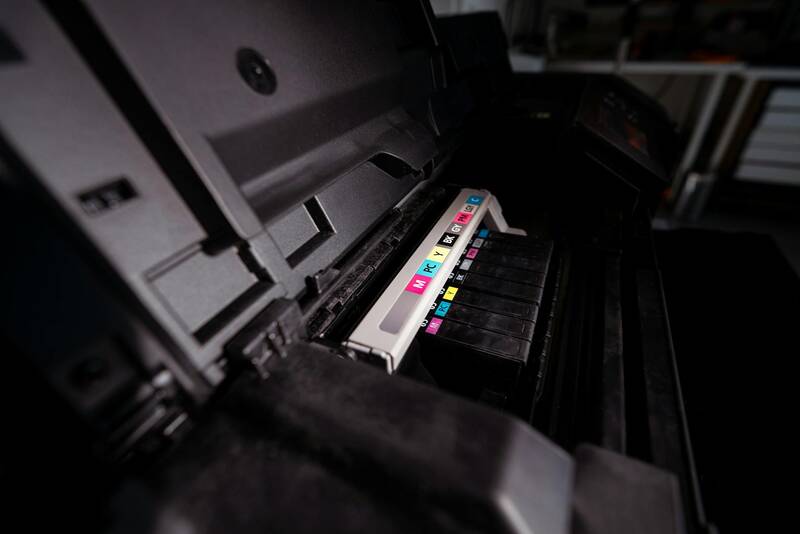
Partnering with a professional printing provider ensures access to the latest equipment and expertise in authentic and legitimate print methods. Reputable printers, such as those found through trusted platforms, offer consultation services to determine the most suitable techniques based on your specific needs, branding goals, and budget constraints. They can provide samples that showcase different finishes and materials, allowing clients to visualize the final product before committing. Proper alignment of technical choices with design objectives results in business cards that are not only attractive but also resilient and appropriate for their intended purpose.
Careful consideration of these official printing options ensures your business cards will meet the highest standards of quality, durability, and aesthetic appeal. Whether opting for a minimalist matte finish, intricate foil accents, or textured embossing, choosing legitimate, proven methods guarantees a professional result that enhances your brand’s image.
Understanding Custom Business Card Printing
Custom business card printing involves selecting specific design, material, and finishing options that align with your brand identity and industry standards. It is essential to work exclusively with reputable printing providers that utilize legitimate, certified printing methods. These providers adhere to industry best practices, ensuring consistent quality and durability in every card produced. Authentic printing processes include offset and digital printing, which guarantee vibrant colors and sharp details alongside the proper application of various finishes. When choosing a printing service, verify their credentials, inquire about their equipment, and review sample works to confirm their capacity to deliver premium results. Legitimate printers also follow strict quality control measures to ensure each batch of business cards meets high standards, avoiding common pitfalls such as mismatched colors or inconsistent quality, which can undermine your professional image.

Partnering with established printing experts enables access to advanced technology and authentic methods, including the use of certified inks and environmentally responsible processes. These practices not only ensure superior print quality but also support sustainable business operations. When evaluating potential printers, request detailed information about their methods, certifications, and client references. This transparency allows for an informed decision-making process, providing confidence that your business cards are produced through official channels that prioritize quality and reliability.
Selecting Design Elements for Custom Business Cards
Design elements play a crucial role in creating impactful business cards. Opt for designs that clearly communicate your brand's personality while maintaining professional aesthetics. Focus on legible typography, balanced use of whitespace, and visually appealing logos that adhere to your branding guidelines. Color choices should be vibrant yet appropriate for your industry, with an understanding that high-quality printing can faithfully reproduce complex color schemes and gradients when produced through reputable printing methods.
Incorporating official design techniques such as print registration and color calibration ensures your visuals remain consistent and true to your brand identity. Legitimate printers utilize industry-standard software and calibrated presses, which guarantee precise reproduction of design files. This results in business cards that are not only visually appealing but also consistent across large orders, maintaining a uniform professional appearance every time.
Choosing Materials and Finishes
The selection of materials significantly impacts the look, feel, and longevity of your business cards. Reputable printing companies offer a range of official materials, including high-quality cardstock, sustainable options, and innovative substrates such as clear or linen finishes. The choice of finish—matte, gloss, or satin—should complement your design while offering the desired tactile experience. Official finishing techniques like foil stamping, embossing, or spot UV coating are applied through precise, supervised processes, ensuring durability and high aesthetic standards.

Always involve professionals with certified equipment and proven methods when applying these finishes. Using unauthorized or unofficial techniques can lead to issues such as peeling, uneven coverage, or poor adhesion. Trusted print providers follow strict protocols, ensuring finishes are applied uniformly and securely, prolonging the lifespan of your business cards.
Overall, secure your investment by selecting legitimate, quality-assured methods for custom business card printing. This approach guarantees that your visual and tactile elements are executed flawlessly, contributing to a professional and lasting impression in every networking opportunity.
Understanding Custom Business Card Printing
Custom business card printing is a strategic process that combines creative design with precise execution to produce tangible representations of your professional identity. It involves selecting the right design elements, materials, and printing techniques that resonate with your brand image while adhering to industry standards. When done through reputable providers, this process ensures that every card reflects high-quality craftsmanship, durability, and a professional aesthetic.
In the realm of business, first impressions are crucial. Printed business cards serve as a physical and visual reminder of your brand, making the importance of official and legitimate printing methods undeniable. Opting for certified printing services guarantees that your cards are produced using industry-approved equipment, high-grade materials, and proven techniques that uphold quality standards. This approach not only enhances the visual appeal but also ensures functional longevity, enabling your cards to withstand wear and tear over time.
Companies committed to quality employ rigorous quality control measures at every step—from design validation to final production—to prevent issues like misalignment, color inconsistencies, or defective finishes. Utilizing official sources and methods also minimizes the risk of discrepancies that could harm your professional reputation, providing confidence that each card delivered accurately reflects your branding strategy.
Investing in legitimate printing processes emphasizes durability and consistency, vital for maintaining a cohesive brand image across large quantities of business cards. Trustworthy providers such as those with certified facilities utilize advanced printing technologies—such as digital, offset, and specialty presses—that produce sharp, vibrant images and texts, showcasing your brand in the best light.
By aligning the printing process with industry standards and leveraging verified techniques, your custom business cards will possess a refined look, tactile richness, and lasting durability. This commitment to quality not only elevates your professional presentation but also reinforces your credibility in the eyes of clients and partners, fostering enduring business relationships through high-caliber printed materials.

Ensuring Official and Proven Methods in Business Card Printing
When selecting a method for your custom business card printing, it is essential to focus on established, proven techniques that adhere to industry standards for quality, durability, and appearance. This ensures the final product reflects your brand's professionalism and leaves a positive impression on recipients. Reliable printing methods such as digital printing, offset printing, and specialty printing employ reputable technology and processes that guarantee consistency, sharpness, and vibrant color reproduction.
Digital printing has become the go-to choice for many businesses due to its efficiency and ability to handle small to medium print runs with quick turnaround times. It utilizes high-end inkjet or laser printers, allowing for precise details and rapid adjustments to designs, making it ideal for personalized or customized business cards with unique graphics or variations.
Offset printing, on the other hand, is favored for larger quantities due to its cost-effectiveness and superior image quality. This traditional method involves transferring ink from plates to rubber sheets, then onto paper, resulting in crisp, uniform results with rich color depth. It is especially suitable for companies requiring consistent high-volume print runs, ensuring each card maintains the same quality standards.
Specialty printing techniques, such as letterpress, embossing, foil stamping, and spot UV coating, further enhance the uniqueness and tactile appeal of business cards. These methods rely on specialized equipment and materials, used by authorized providers, to produce distinctive effects that elevate a card from mere contact material to a statement piece. Employing these officially sanctioned techniques guarantees compliance with quality standards, safety protocols, and industry best practices.
Utilizing these officially recognized methods reduces the risk of inconsistent results, smudging, misalignments, or inferior finishes. It also ensures that every card delivered is crafted according to precise specifications, reinforcing your company's visual identity and maintaining brand integrity. When engaging with trusted printing providers, always confirm their adherence to industry-standard processes, as this is fundamental to protecting your investment and upholding your professional image.
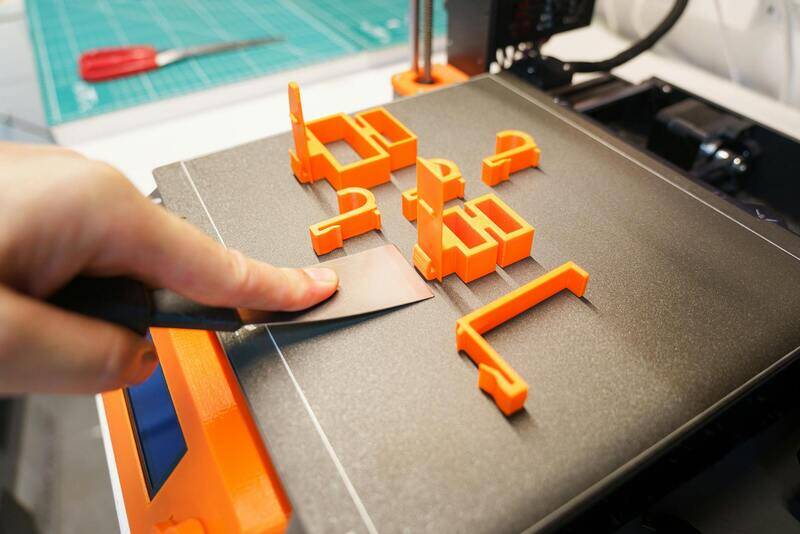
Moreover, certified printing facilities employ stringent quality control measures, inspecting each batch for accuracy, color fidelity, and structural integrity. This rigorous oversight ensures that your business cards meet high standards, minimizing errors such as registration issues or color inconsistencies. Working with established companies that utilize legitimate methods not only guarantees high-quality output but also aligns with best practices for environmental sustainability and safety regulations, further affirming your commitment to responsible business practices.
When specifying your requirements, clearly communicate the chosen legitimate printing technologies and request proof of their adherence to accepted standards. This transparency helps safeguard your specifications and enables you to make informed decisions about the production process. Remember, employing proven and authorized methods is the cornerstone of delivering professional, durable, and visually appealing custom business cards that effectively represent your brand in diverse industry settings.
Understanding Custom Business Card Printing
Custom business card printing involves the use of recognized, official methods to produce high-quality, durable cards that effectively represent your brand. The process begins with detailed specifications, which encompass design, materials, and finish options. Selecting a reputable printing firm that employs approved techniques ensures that each batch of business cards adheres to strict quality standards, guaranteeing consistency and visual appeal. Certified printing facilities utilize advanced machinery and follow industry-inspired protocols, which include precise color calibration and registration processes to produce vibrant, accurate results. These methods are instrumental in delivering a product that matches your vision and maintains its professional appearance over time.
Official printing techniques often involve the use of state-of-the-art digital, offset, or letterpress presses, each selected based on the desired run size, quality, and cost considerations. Digital printing offers fast turnaround times and is suitable for shorter runs with personalized variations. Offset printing, on the other hand, is preferred for larger quantities, providing superior color fidelity and sharp image reproduction. Letterpress printing introduces a tactile, embossed effect that imbues your cards with a distinctive, artisanal quality. Regardless of the method chosen, working with certified providers that utilize legitimate, tested processes is essential for achieving optimal results and ensuring your materials meet industry standards.

Selecting Design Elements for Custom Business Cards
Effective business cards rely on thoughtful design decisions that reflect professional standards while aligning with your brand identity. Key design elements include logo placement, font selection, color schemes, and overall layout. When opting for officially printed cards, it's vital to communicate your design preferences clearly with your printing provider. They may offer templates or custom design services that adhere to industry best practices, ensuring your branding remains consistent and impactful. High-resolution files and vector graphics facilitate sharp printing results, minimizing pixelation or distortion.
- Logo positioning should be prominent but balanced within the card layout.
- Font choices need to be legible and appropriate for your industry.
- Color schemes should align with your brand aesthetic while maintaining contrast for readability.
- White space can enhance visual hierarchy and focus.
Choosing a design that complies with printing specifications reduces the risk of issues such as color mismatches or layout shifts post-production. Professional consultation with the printing service can assist in optimizing designs for print readiness, ensuring your cards look polished and professional upon delivery.
Choosing Materials and Finishes
Material quality significantly impacts the tactile experience and longevity of your business cards. Reputable providers offer a variety of durable stock options, including standard cardstock, matte, gloss, or textured finishes. High-quality papers tend to withstand frequent handling and environmental exposure better, lending a sense of robustness to your brand presentation. Specific finishes—such as matte for a sophisticated, understated look; gloss for vibrant color enhancement; or soft-touch coatings for a premium feel—can be selected based on your brand personality and industry expectations.
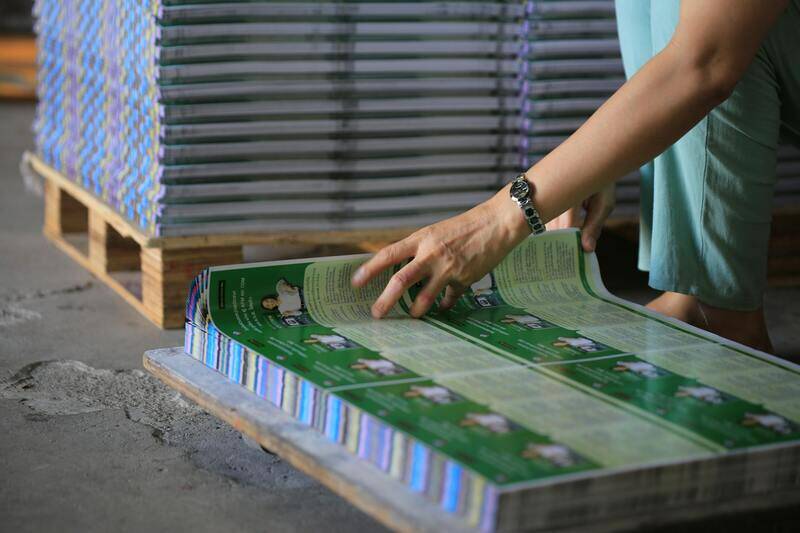
Engaging with official suppliers that provide certified, environmentally responsible materials assures your cards meet safety and sustainability standards. Custom finishing techniques like spot UV coating, foil stamping, embossing, or debossing add tactile and visual nuance, reinforcing your brand’s premium positioning. These enhancements are applied using legitimate, proven industrial processes, ensuring lasting quality and a professional appearance.
Innovative Printing Techniques
Advancements in printing technology expand the possibilities for creating eye-catching, distinctive business cards. Techniques like UV coating, holographic foil, or laser-cut edges allow for unique finishes that stand out in a crowded marketplace. These approaches depend on approved, precise manufacturing processes to achieve the desired effects without compromising structural integrity. Certified providers that employ such innovative techniques ensure consistency, color fidelity, and durability, making the investment in cutting-edge printing methods both effective and sustainable.
For example, foil stamping involves the application of heat and pressure to adhere metallic foils to the card surface, creating a reflective, luxurious effect. Embossing and debossing techniques produce raised or recessed elements, adding tactile depth to your design. When these methods are executed via legitimate, quality-controlled processes, they enhance the sophistication of your cards while maintaining structural stability and print fidelity.
Matching Business Card Styles with Industry and Brand Identity
Every industry has distinct expectations for professional presentation, which should be reflected in your business card design. Formal sectors such as finance or law might favor minimalist, clean layouts with understated colors and textured finishes, emphasizing stability and trustworthiness. Creative industries like advertising or design may opt for bold graphics, vibrant hues, or unconventional shapes to showcase innovation and originality. Determining which style best aligns with your brand identity involves careful consideration of your target audience and industry standards.
Choosing a compatible style ensures your business cards effectively communicate your brand ethos. Working with a reputable printing service that understands how to reproduce specific styles using official techniques guarantees that your vision is accurately translated into physical form. Whether it’s the sophistication of embossed details or the vibrancy of digital printing, matching design styles with your industry expectations reinforces your brand’s credibility and memorability.
Understanding Custom Business Card Printing
Custom business card printing is a strategic process that involves selecting the right design, materials, and printing techniques to craft cards that effectively represent your brand. It offers opportunities for enhanced visual appeal and tactile sophistication through various features such as embossed logos, textured finishes, and vibrant color schemes. When opting for custom printing, it is essential to collaborate with reputable providers who utilize official, high-quality methods to ensure the durability, clarity, and professional appearance of your cards. These methods include digital printing, offset printing, and specialty finishes, each suited to different design complexities and quantity requirements. Ensuring the fidelity of your design elements while maintaining cost-efficiency requires understanding the capabilities of established printing techniques and the materials best suited to your brand image.

Selecting Design Elements for Custom Business Cards
Design is central to creating impactful business cards that accurately convey your brand identity. Key elements include logo placement, typography, color schemes, and layout structure. Professional design choices involve using clean, legible fonts and a balanced hierarchy that guides the viewer’s eye across the card. Using official printing techniques such as foil stamping or textured embossing can add visual and tactile differentiation, making your card stand out. Choosing images and icons that represent your industry or brand values ensures a cohesive visual presentation. Opting for a minimalist or bold design depends on your industry standards and personal branding goals. It's crucial to work with skilled designers and trusted printing providers who can translate your digital designs into precise physical objects, maintaining color accuracy and structural integrity.
Material and Finish Selection
The material choice for business cards significantly impacts their durability and aesthetic appeal. Standard options include cardstock, which offers versatility and affordability, while premium materials like matte, gloss, or soft-touch finishes provide a luxurious feel. Specialty materials such as transparent PVC or textured linen create distinctive tactile experiences. Finishes such as matte or gloss coatings enhance color vibrancy and protect against wear and tear. Embossing, debossing, and spot UV coating can highlight specific design elements, adding depth and sophistication. All these choices should align with your brand’s personality and the industry’s expectations, ensuring your cards leave a memorable impression without sacrificing practicality.
Innovative Printing Techniques
Modern printing methods enable the creation of unique, visually striking business cards that surpass standard designs. Techniques such as thermography create raised text that provides a tactile feel, whereas foil stamping introduces metallic accents that catch the light and draw attention. Digital printing allows for high-resolution images and variable data printing, ideal for personalized cards. Lenticular printing offers 3D effects and movement, while die-cut shapes enable custom outlines beyond traditional rectangular formats. When executed using official processes and quality-controlled facilities, these techniques ensure consistent results, enhanced durability, and a professional finish that aligns with the intended design. Utilizing these innovative methods is key to differentiating your business in competitive markets.
Matching Business Card Styles with Industry and Brand Identity
Effective business card design must resonate with the expectations and standards of your industry. Formal sectors like finance, law, or consulting favor minimalistic, elegant designs with sturdy finishes, projecting trustworthiness and professionalism. Creative industries such as advertising, art, or tech might prefer vibrant colors, unconventional shapes, or matte textures to showcase innovation and creativity. The choice of style should reinforce the core values and personality of your brand, ensuring that your business cards communicate the right message at a glance. Working with skilled printers who understand how to reproduce specific styles through official techniques guarantees that your cards uphold industry standards while distinctly representing your brand’s identity.
Budgeting and Cost Considerations
Setting a clear budget for custom business card printing involves balancing quality, quantity, and design complexity. While premium materials and advanced printing techniques cost more, they also deliver a more compelling product. Bulk orders often reduce per-unit costs, making it economical for larger distributions. It is crucial to request detailed quotes from reputable providers, ensuring transparency about costs associated with materials, finishes, and special effects. Choosing a provider experienced in official printing methods ensures your investment results in durable, high-fidelity cards that align with your brand image. Establishing a cost-effective strategy involves prioritizing essential design features while considering future needs for reprints or promotional items.

Choosing a Printing Service in Singapore
Selecting a qualified printing service in Singapore requires evaluating their adherence to official printing standards and their ability to produce high-quality results consistently. Look for companies with a proven track record, positive client feedback, and extensive experience in producing varied business card styles. Services that offer consultation and proofing stages ensure your design is finalized accurately before production begins. Additionally, assess their range of available printing techniques, materials, and finishes to match your specific needs. A reliable provider will utilize official, high-capacity equipment, maintain quality control processes, and provide transparent pricing, ensuring your business cards are crafted to exact specifications and superior standards.