Overview of Business Card Printing Prices
Business card printing is a fundamental aspect of professional branding, serving as a tangible representation of your identity and value proposition in the business world. In Singapore, the cost of printing business cards varies based on multiple factors, including the type of printing service chosen, material quality, design complexity, and order quantity. Typically, prices for standard business card prints range from as low as $20 for small quantities of basic designs to several hundred dollars for premium materials and customized finishes in larger batches.
Pricing is influenced heavily by the printing method used, with digital and offset printing being the most common. Digital printing offers cost efficiency for small orders and quicker turnaround times, often starting at affordable rates. Offset printing, while possibly more expensive initially, becomes economical for larger quantities due to reduced per-unit costs.
Material selection plays a significant role in determining overall costs, with options ranging from standard cardstock to high-end textured or specialty papers. Additionally, printing companies may charge extra fees for innovative finishes such as embossing, foil stamping, or spot UV coating, which enhance visual appeal but also add to the expense. The complexity of the design—such as intricate graphics or custom shapes—can further influence pricing, especially when special equipment or finishing techniques are required.
Common Pricing Models for Business Cards
Pricing models for business card printing typically fall into fixed packages or customizable quotes. Fixed packages often include a set number of cards at a predetermined price, suitable for standard needs. Custom quotes are more flexible, allowing clients to specify exactly how many cards they require, along with specific materials and finishes. Budget-conscious businesses often opt for smaller initial orders, which can be more economical and easy to replenish as needed.
Material and Cardstock Options and Their Impact on Price
The choice of material has a direct impact on the cost of business cards. Basic options such as 300gsm matte or gloss paper are usually the most affordable, ranging from $30 to $50 for 100 cards. Premium choices, such as linen, textured, or matte soft-touch finishes, often cost between $60 and $120 for the same quantity. Specialty materials like transparent PVC or eco-friendly recycled papers tend to be priced higher due to their unique properties and manufacturing processes.
Image Placeholder:
Design Complexity and Customization Cost Factors
Design complexity significantly affects the cost of printing business cards. Simple designs with minimal colors and standard fonts are typically cheaper, often included in basic packages. However, elaborate designs featuring custom illustrations, multiple colors, die-cuts, or embossed effects require additional setup, design work, and specialized printing techniques. These factors can increase the overall price by 20% to 50% depending on the intricacy involved.
Quantity and Order Size Effects on Pricing
Order volume plays a critical role in determining unit cost. Small quantities, such as 100 or 200 cards, often come with higher per-card costs due to setup fees and minimum order charges. Larger orders—such as 500, 1000, or more—benefit from bulk discounts, reducing the cost per card substantially. For big bulk orders, the price per card can be reduced by up to 50% compared to smaller batches, making high-volume printing a strategic choice for businesses needing extensive networking materials.
Additional Costs: Finishing, Special Effects, and Accessories
Finishing options and special effects can elevate a simple business card into a memorable marketing tool, but they also add to the overall cost. Techniques such as foil stamping, embossing, debossing, lamination, or spot UV coating typically incur extra fees. Accessories like lanyard holes, rounded corners, or custom shapes can also increase production costs. When budgeting, it’s essential to account for these extras if a premium look and feel is desired.
Comparing Online and Local Printing Service Prices
Online printing platforms often offer competitive rates due to their streamlined processes and bulk printing capabilities, making them an attractive option for cost-conscious buyers. Local printing shops provide the advantage of face-to-face consultations, immediate feedback on design, and quicker turnaround times. Prices between online and local services can vary considerably depending on the chosen specifications, with online options generally being more affordable for standard designs and larger orders. It is important to evaluate both for quality, service, and versus value before making a decision.
Tips for Finding Affordable Business Card Printing Services
- Compare multiple quotes from different providers to identify competitive rates.
- Opt for standard materials and designs to keep costs manageable.
- Leverage volume discounts by ordering larger quantities if feasible.
- Consider combining design and print packages from a single provider for better deals.
- Evaluate online options for bulk orders to benefit from lower unit prices.
Overview of Business Card Printing Prices
Business card printing costs vary significantly depending on the chosen material, printing techniques, and customization options. Standard cardstock options like 14pt or 16pt thickness provide a solid balance between quality and affordability, with prices typically starting at a few cents per card for bulk orders. Premium materials, such as textured or specialty papers, naturally command higher prices, especially when combined with additional finishing techniques.
Specialty printing methods contribute markedly to costs. Foil stamping, embossing, or debossing adds a tactile component and visual appeal but incurs extra charges depending on the complexity and coverage area. Lamination and spot UV coating also elevate the final price, offering durability and a distinctive glossy or matte finish, respectively. Accessories like rounded corners, cut-outs, or custom shapes further influence overall expenses, particularly when these require special dies or extra processing steps.

Influence of Design and Customization on Pricing
Design intricacy plays a crucial role in the pricing structure. Simple layouts with minimal artwork or text are generally economical, especially when selecting standard fonts and uncomplicated color schemes. Conversely, elaborate designs that involve multiple colors, complex graphics, or custom fonts may necessitate additional setup time and higher printing costs.
Customization options, such as unique finishes, embossed logos, or special die-cut shapes, provide visual distinctiveness but also elevate costs. Many providers charge setup fees for complex jobs, and these fees are often spread across the total quantity, influencing the unit price for smaller runs. Selecting pre-designed templates or straightforward layouts can be an effective way to manage budget while still achieving a professional appearance.
Effect of Order Quantity on Business Card Prices
Quantity is a primary factor impacting the per-unit price of business cards. Bulk orders typically benefit from volume discounts, making larger quantities more cost-effective on a per-card basis. For instance, ordering 500 to 1,000 cards often results in significantly lower costs than smaller runs of 100 or 250, due to the spread of fixed setup fees over a larger number of units.
Many printing services offer tiered pricing, where prices decrease as order size increases. For small batches or one-off designs, opting for a local print shop might be preferable if immediate turnaround or personalized service is required, although costs could be higher. Conversely, online platforms excel at providing economical rates for large-volume orders thanks to efficient production pipelines.
Additional Costs for Finishing, Effects, and Accessories
Enhancements such as foil stamping, spot UV, matte or gloss lamination, and embossed elements heighten the visual appeal but also add to the overall cost. These effects are typically priced based on coverage area and intricacy, with some providers offering package deals or bulk discounts for combined effects.
Accessories like lanyard holes, rounded corners, or custom shapes also contribute to the final expense. Special die cuts require custom tooling, which can be costly for small orders but more economical when amortized across larger quantities. When budgeting, it’s critical to consider the cumulative impact of these extras to maintain control over the overall project cost.
Comparing Online and Local Printing Service Prices
Online printing services regularly provide competitive pricing due to their ability to streamline production and leverage bulk manufacturing. Their cost advantages allow consumers to access a wide array of standard options at lower unit costs, especially suitable for large orders and basic designs.
Local printing shops, on the other hand, often produce quicker turnarounds and provide personalized assistance during the design process. Although their prices may be higher for comparable services, the value lies in direct communication, customization flexibility, and immediate feedback. For budget-conscious buyers, comparing both options based on the desired quality, turnaround time, and total costs ensures an optimal decision without compromising on professional standards.

Material and Cardstock Options and Their Impact on Price
Choosing the right material and cardstock is one of the most significant factors that influence the overall cost of business card printing. Different types of cardstock offer varying levels of durability, texture, and appearance, which in turn affect pricing. Standard cardstock, usually 14-16pt thickness, provides a cost-effective base option suitable for most professional needs. Its affordability makes it an ideal choice for bulk orders and basic designs.
Premium cardstock options such as linen, matte, glossy, or textured finishes introduce additional costs but significantly enhance the tactile and visual appeal of the cards. These finishes add layers of complexity to the printing process, often requiring specialized equipment or inks, which may increase unit prices. For instance, embossed or embossed foil finishes demand precise die-cutting and additional setup, elevating the overall expense, especially for small orders.

Furthermore, custom options like thick felt-like stock or environmentally friendly recycled paper tend to be priced higher due to their unique production requirements or sustainable sourcing. When selecting materials, businesses should weigh the desired aesthetic and durability against budget considerations, as these choices directly impact manufacturing costs and final pricing.
Design Complexity and Customization Cost Factors
The complexity of a business card's design plays a crucial role in determining printing costs. Simple designs with minimal color use, straightforward text, and basic layouts often incur lower charges, especially when produced in large quantities. Conversely, intricate designs featuring multiple colors, gradients, detailed illustrations, or custom graphics require more advanced printing techniques and higher ink coverage, which can escalate costs.
Custom features such as unique die cuts, rounded edges, or variable data printing (e.g., personalized names or contact details) also influence pricing. These elements may require additional setup time or specialized equipment, leading to increased costs per card. Nonetheless, such customization options enable businesses to create distinctive and memorable cards, justifying the extra investment.

Design complexity should be carefully planned to balance visual impact with budget constraints. Creating a detailed, multi-layered design inherently involves higher costs, especially with custom finishes or effects. Clients are advised to work closely with their printing service to understand how different design choices affect overall pricing and to identify feasible options that align with their branding strategy.
Design Complexity and Customization Cost Factors
When evaluating business card printing expenses, the intricacies involved in the design process significantly influence overall costs. Features such as intricate patterns, detailed artwork, and the use of multiple colors increase the labor and material requirements, leading to higher expenses. Advanced finishing techniques, like embossing, foil stamping, spot UV coating, or gloss/matte overlays, further elevate production costs due to additional steps in the printing process and specialized equipment usage.
Customization options for individual or bulk orders add another layer of expense. For example, variable data printing allows for each card to feature unique contact information or names, necessitating more complex data management and setup. Unique die cuts or rounded edges also involve custom die creation, which incurs extra setup fees but offers distinctive aesthetic qualities that help businesses stand out.
Understanding these factors enables businesses to make informed decisions about their design choices, balancing visual appeal with budget considerations. Choosing simpler layouts with fewer colors and minimal effects can significantly reduce costs, especially for large quantities. Conversely, opting for elaborate designs and premium finishes might be justified for branding purposes or high-profile networking events. Close collaboration with printing providers ensures that design ambitions align with financial constraints, maximizing the impact while maintaining cost-efficiency.

Quantity and Order Size Effects on Pricing
The size of your order directly affects the per-unit cost of business card printing. Larger quantities typically benefit from bulk discounts, making them more cost-effective on a per-card basis. For example, printing 1,000 cards instead of 100 often results in a substantial decrease in unit price, due to economies of scale that lower setup and material costs for the printer.
Economies of scale mean that as order volume increases, the fixed costs associated with setup, plate creation, and initial preparations are distributed across more units. This results in lower incremental costs for each additional card produced. However, it's important to balance the need for quantity with specific branding or design requirements, as excess inventory can lead to wastage if the design or branding is later updated or changed.
Affordable pricing models often offer tiered discounts based on order size, encouraging clients to opt for larger runs when feasible. Strategic planning around order size can aid in reducing overall expenses while ensuring enough cards are available to meet upcoming marketing or networking needs.

Additional Costs: Finishing, Special Effects, and Accessories
Beyond basic printing, many additional features contribute to the overall cost of business cards. Finishing options such as matte, glossy, or soft-touch coatings add tactile quality and visual appeal but can also add to production expenses. Embossing and debossing techniques that create raised or recessed designs are more labor-intensive and require specialized dies, thus increasing costs.
Special effects, such as foil stamping or spot UV coating, enhance durability and aesthetic appeal but involve extra materials and processing steps. These effects often need additional setup time and precise application, which can increase the price per card. Accessories like rounded corners, custom shapes, or embedding small visual elements demand bespoke die cuts or cutting techniques, further influencing costs.
When planning your budget, consider which finishing options or effects align with your branding objectives. Balancing the desired visual impact with cost considerations ensures a final product that resonates with your audience without exceeding financial limits.

Overview of Business Card Printing Prices
Understanding the pricing landscape for business card printing is essential for making informed decisions that align with your branding and budget objectives. Factors such as printing techniques, material choices, customization levels, and order volume play crucial roles in determining the final cost. A typical range for business card printing prices can vary from as low as a few cents per card for high-volume bulk orders to several dollars each for premium, highly customized designs. Different printing methods, such as digital, offset, or letterpress, also influence pricing due to variations in setup costs and production complexities. For those prioritizing affordability without sacrificing quality, digital printing offers a cost-effective solution suitable for smaller quantities or simpler designs. Conversely, offset printing may be more economical for large orders and provides superior color consistency. When evaluating options, consider the total expenditure—including design, material, finishing, and additional effects—rather than just the unit price, to ensure the final product meets your expectations and budget constraints.

Common Pricing Models for Business Cards
Business card printing prices typically adhere to several common models, each tailored to different business needs. The most prevalent models include:
- Per-Card Pricing: This straightforward approach charges a fixed rate per card, often scalable based on quantity. It’s ideal for small to medium orders where customization is minimal.
- Set Package Pricing: Offers a bundle of cards at a predetermined price, which can be more economical for bulk purchases. This model frequently includes standard sizes and finishes.
- Tiered Pricing: Discounts are applied based on tier levels of order quantities. Larger orders benefit from reduced per-card costs, encouraging volume procurement.
- Custom Quotes: For highly intricate designs or special finishes, printers may provide bespoke estimates factoring in specific requirements and complexities.
Choosing the appropriate model hinges on your order size, design complexity, and timeline. While basic print jobs favor straightforward models, specialized cards with custom features benefit from tailored quotations to accurately reflect added expenses.
Material and Cardstock Options and Their Impact on Price
The foundation of any business card, the material, substantially influences the overall cost. Common cardstock options include:
- Standard Cardstock: Typically 14-16 point thickness, offering durability at a budget-friendly price point. Ideal for everyday networking cards.
- Premium Paper: Thicker, with weights of 18-32 points, providing a more luxurious feel and enhanced durability. Slightly higher in price due to material quality.
- Textured and Specialty Papers: Materials like linen, suede, or metallic foils add tactile and visual differentiation, often incurring additional costs owing to their unique properties.
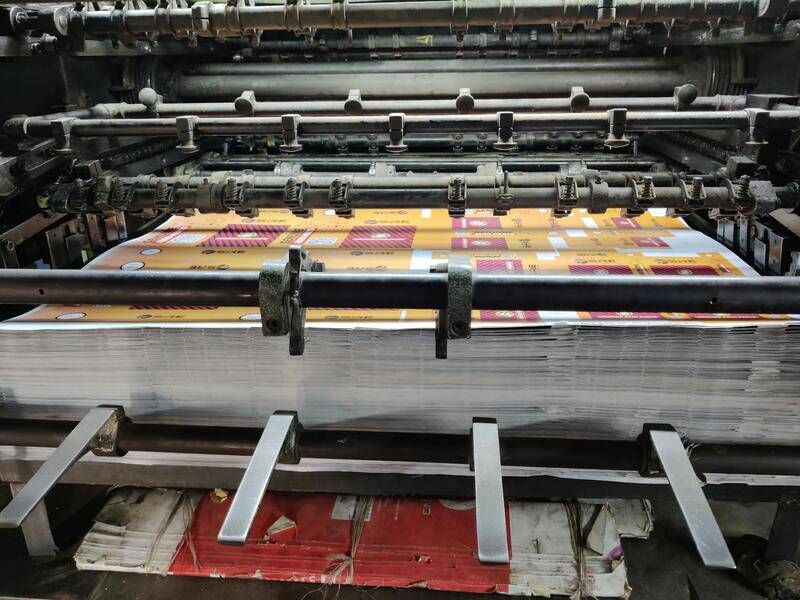
The choice of material affects not only the tactile impression but also the printing process. Thicker or specialty papers may require specific printing techniques and handling, which can increase production costs. Additionally, customized finishes like matte, gloss, or soft-touch coatings provide enhanced visual appeal and protection but come with their own price implications. Selecting the right material and finish involves balancing the desired aesthetic, brand image, and budget considerations to achieve a professional, impactful result.
Design Complexity and Customization Cost Factors
The intricacy of a business card’s design plays a significant role in its total expense. Basic designs involving standard text and minimal graphics generally incur lower costs. However, as customization increases—such as incorporating detailed illustrations, multiple colors, or custom shapes—the price per unit can rise accordingly.
Design features that influence costs include:
- Color and Printing Method: Full-color designs utilizing offset or digital printing tend to be more affordable compared to spot color or specialty printing techniques.
- Complex Layouts and Artwork: Elaborate layouts requiring multiple layers, precise alignment, or intricate artwork increase setup time and printing complexity.
- Special Effects: Embossing, debossing, foil stamping, and spot UV coatings add both visual appeal and additional costs due to the labor and materials involved.
- Custom Shapes and Die Cuts: Unique shapes or rounded corners necessitate bespoke die creation, which entails setup fees and additional manufacturing time.
By carefully planning design elements and opting for necessary features, you can optimize your budget without compromising on the impact or professionalism of your business cards. Professional designers often help streamline the process, balancing aesthetic appeal with cost efficiency to produce a card that clearly represents your brand identity.
Overview of Business Card Printing Prices
The cost of business card printing varies significantly based on multiple factors, including the choice of materials, design complexity, quantity, and additional finishing options. Understanding these elements helps in making cost-effective decisions while ensuring your cards effectively reflect your brand identity. Prices can range from inexpensive options suitable for bulk distribution to premium designs that emphasize a unique, high-quality appearance. Since pricing structures differ across service providers, it’s essential to thoroughly evaluate what’s included in each quote and how different specifications influence the total expense.

Common Pricing Models for Business Cards
Most printing companies adopt established pricing models that hinge on factors such as order size, printing technology, and material choice. The typical models include:
- Per-Card Pricing: This approach calculates the cost on a per-unit basis, often decreasing with larger order quantities due to bulk discounts.
- Set Package Pricing: Companies may offer fixed packages that bundle certain quantities and finish options at a predetermined rate, simplifying budgeting.
- Variable Pricing Based on Features: Additional charges may be applied for special features like embossing, foil stamping, or premium cardstocks.
Being aware of these models enables strategic planning, especially when comparing service providers or estimating costs for your project. Larger orders typically reduce the overall cost per card, making investment in higher quality or custom features more feasible at scale.
Material and Cardstock Options and Their Impact on Price
The choice of material profoundly influences the final price of business cards. Standard cardstock options like 14-point or 16-point glossy or matte stocks are generally affordable and widely used for professional but cost-conscious solutions. Conversely, specialty materials such as textured cardstock, recycled paper, or plastic opt for a premium segment, which increases expenses but offers durability and distinctive tactile qualities.
Durability and appearance are crucial considerations when selecting cardstock. For instance, thicker, high-quality cardstock not only enhances the perceived value but also resists wear and tear. Additionally, materials like clear or translucent plastics provide a modern, distinctive look but at a higher cost due to increased manufacturing complexity.
Design Complexity and Customization Cost Factors
The intricacy of your business card design and the level of customization directly affect production costs. Simple, straightforward designs with standard fonts and minimal graphics are economical and quick to produce. However, if your branding calls for detailed illustrations, multi-layered artwork, or unique features, these elements introduce additional costs due to increased setup time and technical manufacturing processes.
- Color and Printing Technique: Digital printing is generally more affordable for full-color designs, whereas offset printing suits high-volume, multi-color jobs more efficiently.
- Complex Layouts and Artwork: Intricate designs requiring multiple colors, precise alignment, or special artwork increase costs, especially if professional graphic design services are involved.
- Special Effects: Techniques like foil stamping, embossing, or spot UV coating provide visual impact but involve additional setup, materials, and labor costs.
- Shape and Die Cuts: Custom shapes or rounded corners necessitate bespoke die creation, adding to manufacturing expenses.
Quantity and Order Size Effects on Pricing
The volume of your order significantly influences the unit price of business cards. Larger quantities benefit from economies of scale—the more cards ordered, the lower the cost per card. For small batches, setup fees and minimum run requirements can make each card more expensive. Conversely, bulk orders leverage reduced setup and production costs, often allowing for more elaborate designs or premium materials within your budget.
Price breaks are commonly provided at predefined thresholds, such as 500, 1,000, or 2,000 units, encouraging clients to consider larger orders for cost savings. Strategic planning around order size can lead to substantial savings over time, especially for businesses that regularly distribute cards at networking events or trade shows.
Additional Factors Influencing Business Card Printing Prices
While the primary elements affecting business card costs include material choices, design intricacies, and order volume, several supplementary factors can further influence the overall pricing structure. These nuances allow businesses to tailor their cards not only to aesthetic preferences but also to budget considerations, ensuring a strategic approach to brand representation.
Finishing Options and Their Cost Implications
Finishing touches significantly enhance the tactile feel and visual appeal of business cards, often justifying a higher investment. Common finishes such as matte, gloss, or satin coatings provide durability and aesthetic quality, with gloss and specialty coatings typically commanding premium prices. Depending on the desired finish, additional preparation and material application steps are involved, consequently increasing the costs.
Ultraviolet (UV) coating, for instance, offers a shiny, high-gloss surface that not only amplifies colors but also adds a protective layer against smudges and scratches. This type of finish generally incurs higher costs due to the additional curing process and material use. Conversely, matte finishes deliver a subdued, professional appearance at a slightly lower price point but may require extra handling to avoid fingerprints and smudges during production.
Special Effect Techniques and Their Cost Impact
For brands seeking to stand out, specialty effects such as foil stamping, embossing, debossing, or spot UV coating can create tactile and visual distinctions that elevate the perceived value of cards. These techniques involve additional layers of setup, requiring bespoke dies, precise registration, and extra labor—factors that contribute to higher costs.
Foil stamping, which adds metallic accents, is especially popular for luxury branding, and its price depends on the complexity and extent of the foiled areas. Embossing and debossing create a raised or recessed effect, respectively, requiring specialized equipment and increasing both material and labor expenses. Spot UV coating, used selectively on specific areas to highlight logos or text, demands additional processing time and material application, often making it a premium enhancement.
Accessories and Additional Customization
Beyond standard printing and finishing, various accessories can be integrated into business card design to add functionality or aesthetic value. Rounded corners, die-cut shapes, or slots for card holders introduce unique physical features that often require custom dies or advanced cutting techniques—factors that increase production costs.
Embedding QR codes or augmented reality markers involves design considerations and potentially additional software or printing techniques, which can also influence expense. Including custom packaging or presentation boxes, although not strictly necessary, can further elevate the presentation but will add to the overall expenditure.
Influence of Turnaround Time on Pricing
Urgent order requirements can also impact costs. Priority processing, expedited shipping, or extra manpower dedicated to fast delivery options often entail premium fees. Planning ahead allows for more economical options, as standard turnaround times typically benefit from lower pricing structures due to streamlined production schedules.
Comparison of Pricing Structures and Cost-Benefit Analysis
Understanding the variations in business card printing prices requires analyzing the underlying pricing structures adopted by various printing providers. Standardized pricing models generally include per-unit costs, set-up fees, and tiered discounts based on order volume. Bulk printing often benefits from significantly reduced unit costs, making large orders more economical for businesses aiming for extensive branding strategies. Conversely, low-volume or one-off print jobs tend to have higher per-card prices due to fixed setup and labor costs distributed across fewer units.
Providers may also employ tiered pricing, where initial quantities incur higher per-card costs, which decrease as the order size increases. This approach incentivizes larger orders and allows customers to plan their inventory needs accordingly. Analyzing these models against your anticipated quantity can help identify the most cost-effective options without sacrificing quality or customization capabilities.

Material Selection and Its Influence on Cost
The choice of material significantly impacts the overall business card printing cost. Common options include standard cardstock, premium matte, glossy finish, textured or metallic papers, and eco-friendly recycled materials. Each material variant offers distinct visual and tactile qualities, influencing the perceived value of the final product.
- Standard Cardstock: Most economical, suitable for bulk orders where cost-efficiency is prioritized.
- Premium Finishes: Matte or glossy surfaces add a sophisticated touch but increase material and processing costs.
- Specialty Papers: Metallic, textured, or recycled options tend to command higher prices due to material rarity and manufacturing complexity.
It’s essential to balance material choice with your branding goals and budget constraints. While premium materials elevate the tactile experience, they also contribute markedly to printing expenses, particularly when combined with other enhancements such as embossing or foil stamping.
Impact of Design Complexity and Customization
Design intricacy directly correlates with production costs. Simple, clean layouts typically require less time and fewer resources, making them more budget-friendly. However, more complex designs incorporating detailed graphics, custom illustrations, or intricate typography demand advanced printing techniques and often specialized labor, resulting in higher prices.
Customization features such as embossing, foil stamping, die-cut shapes, or spot UV coating add visual complexity and tactile appeal but considerably influence cost. For example, embossing and debossing necessitate customized metal dies, which involve setup fees. Similarly, die-cut shapes require precise cutting dies, increasing production expenses, especially for elaborate or unique shapes.
Understanding these factors allows for careful design planning that balances visual appeal with cost considerations. Opting for strategic customizations ensures impactful branding without disproportionately inflating the project budget.
Quantitative Effects of Order Size
Order quantity plays a pivotal role in pricing strategies. Larger quantities often result in lower per-card costs due to economies of scale. When estimating budgets, consider incremental discounts associated with tiered pricing models for extensive runs, which can significantly reduce the unit cost. Conversely, small batch orders or customization-heavy designs tend to have higher unit prices, emphasizing the importance of strategic planning in order sizing.
Additional Cost Factors: Finishing, Effects, and Accessories
Adding special finishes or physical enhancements increases the overall cost but can dramatically improve the appeal of a business card. Finishing techniques like matte, gloss, or satin coatings provide protective and aesthetic benefits with moderate additional costs. Specialty effects such as foil stamping or spot UV coating enhance specific design elements but involve extra setup time and material application, making them more premium options.
Accessories and custom features, including rounded corners, die-cut shapes, or slots for cardholders, introduce further costs due to the need for custom tooling or specialized equipment. Introducing embedded QR codes or augmented reality features requires additional design effort and possible software integration, impacting the total expense.
While these enhancements elevate the perception of the card, careful selection based on branding priorities and budget considerations can ensure an effective yet economical presentation.
Customized Finishes and Special Effects
- Spot UV Coating: Adds localized gloss, emphasizing logos or text but incurs extra material and labor costs.
- Foil Stamping: Introduces metallic accents; requires specialized dies and pressing, raising costs significantly.
- Die-Cuts and Embellishments: Unique shapes or physical features increase production complexity and costs, especially for intricate designs.

Evaluating Online Versus Local Printing Service Pricing
The choice between online and local printers can markedly affect the business card printing price. Online providers commonly offer competitive rates due to streamlined operations, bulk discounts, and lower overhead costs. They also provide an extensive range of templates, materials, and finishing options, often with transparent pricing structures that facilitate online comparison.
Local printers, on the other hand, may charge higher prices but offer personalized consultations, immediate revisions, and rapid turnaround times. They often excel in handling customized requests, such as specialty finishes or intricate die-cuts, owing to closer proximity and specialized expertise.
When comparing prices, consider not only the base per-card cost but also additional expenses such as shipping fees, rush order premiums, and consulting charges. Achieving the right balance involves assessing your project’s quality standards, deadlines, and budget constraints.