Factors Influencing Name Card Printing Costs
When considering the expense of producing professional name cards, understanding the various factors that influence the overall cost is essential. These elements include material choices, design intricacy, order quantity, and the finishing details applied to the cards. Each factor plays a critical role in determining the final price, allowing businesses and individuals to tailor their purchasing decisions according to their budget and branding needs.

Materials and Finish Options
The selection of materials substantially affects the printing cost. Standard cardstock remains the most economical choice, offering durability and a professional appearance. However, premium materials such as matte or glossy finishes, textured papers, or specialty stocks can increase expenses due to their unique textures and higher manufacturing costs. Finishing options like embossing, foil stamping, or spot UV coatings add an extra layer of sophistication but also contribute to a higher price point.
Design Complexity
Simple, minimalistic designs typically require less time and fewer resources, resulting in lower costs. In contrast, elaborate designs that incorporate intricate graphics, custom illustrations, multiple colors, or complex layouts demand more advanced printing techniques and longer production times, which translate into higher charges. It is important to collaborate with designers and printers to balance aesthetic appeal with budget considerations.
Quantity and Printing Method
The number of cards ordered significantly influences per-unit costs. Bulk printing reduces the cost per card due to economies of scale, making it an economical option for companies requiring a large quantity. Additionally, the chosen printing method—such as digital, offset, or letterpress—impacts the overall expense. Digital printing is cost-effective for small batches and quick turnarounds, whereas offset printing is better suited for larger orders with consistent designs. Specialty methods like letterpress, though luxurious, tend to be more costly due to their intricate and labor-intensive processes.
Additional Cost Factors and Services
- Design services or customization fees
- Specialized die-cut shapes and sizes
- Envelope printing and packaging options
- Rush order or expedited production charges
- Proofing and sample costs
These supplementary services can influence the overall investment, so it's crucial to understand the scope of what is included in the initial quote and what might incur extra charges.
Making Informed Choices for Cost Efficiency
To Optimize Your expenses, it is advisable to compare different material and finish options, consider order quantities that benefit from bulk pricing, and select appropriate printing techniques based on your design complexity and deadline requirements. Working with reputable printing service providers ensures transparency in pricing and access to legitimate quality options that align with your branding objectives.
Material and Finish Options Affecting Cost
Choosing the right material and finish for your name cards is essential not only for achieving the desired aesthetic but also for managing your overall costs. Standard cardstock options such as PVC or matte finish paper tend to be more budget-friendly and widely available. These materials provide a clean, professional appearance suitable for most business needs.
For a more luxurious touch, options like gloss, matte, or soft-touch finishes can elevate the perceived value of your name card. These finishing techniques often come with additional costs but significantly enhance durability and tactile appeal, making a memorable impression.
Specialty materials such as textured paper, clear or transparent plastic, or recycled eco-friendly options involve higher expenses due to their unique production requirements. Incorporating embossed, foil-stamped, or laser-etched details adds visual interest but also increases the cost, especially if intricate design elements are involved.

Design Complexity and Its Impact on Price
The intricacy of your name card design directly affects the printing expenses. Simple, straightforward layouts typically cost less because they require fewer production steps and shorter setup times. Conversely, complex designs with multiple colors, gradients, or detailed graphics may necessitate additional printing processes, increasing overall costs.
Incorporating special effects such as spot UV coating, foil stamping, or embossing can further elevate the sophistication but also raise the price. If your branding requires elaborate logos, custom illustrations, or intricate patterns, it’s essential to balance design complexity with your budget to avoid unforeseen expenses.
Quantity and Printing Method Effect on Cost
The number of name cards ordered plays a crucial role in determining the overall cost. Larger quantities benefit from economies of scale, reducing the unit price. For small batches, digital printing offers an affordable, quick solution with high-quality output, suitable for personalized or short-term needs.
Offset printing becomes more cost-effective with bulk orders of hundreds or thousands, especially when the design is consistent across all units. It also allows for high-volume production with fast turnaround times. Meanwhile, specialty printing methods like letterpress or foil stamping, while more expensive per piece, are usually reserved for premium batches or special events due to their labor-intensive processes.
Additional Costs and Printing Services
Beyond the basic printing, several supplementary services can add to your total expenditure. Design fees are common if you require professional assistance in creating or refining your branding visuals. Custom die-cut shapes or unique sizes also cost more due to additional tooling and setup requirements.
Options such as printing on envelopes, packaging, or adding special finishes like foil edging or embossed logos will increase costs. Rush orders or expedited production services are available but come at a premium, reflecting the urgency of the delivery timeline. Proofing and sample costs are also to be considered if you need assurance of quality before mass production.
How to Choose Affordable Name Card Printing Options
To maximize your budget, prioritize essential quality features while exploring cost-effective materials and finishes. Comparing providers' offerings and requesting detailed quotes helps identify the best value for your needs. Selecting standard sizes and minimal customizations can substantially reduce expenses.
Opt for bulk printing to enjoy lower per-unit costs, especially if your branding necessitates a significant number of cards. Consider digital printing for quick turnaround and lower setup fees for small batches. Be mindful of additional services and only include those that align with your branding strategy.
Budgeting Tips for Name Card Printing
Establish a clear budget early in your planning process, and communicate it with your print provider to receive tailored options. Request sample kits to assess material quality before committing to a large order. Balance design details with cost considerations—sometimes a minimalistic design can be just as impactful as a complex one.
Lastly, plan ahead to avoid rush fees, and consider consolidating printing needs with other marketing materials to benefit from volume discounts and streamline production costs.
Material and Finish Options Affecting Cost
Choosing the right materials and finishes is a critical factor in determining the overall cost of name card printing. Standard cardstock, typically 250-300gsm, offers a balance between durability and affordability, making it a popular choice for most business needs. Premium materials like heavyweight paper, textured finishes, or eco-friendly options tend to increase production costs but can enhance the tactile experience and perceived value of your cards.
Specialty finishes such as gloss lamination provide a shiny, protective layer that enhances color vibrancy and durability but add to the expense. Matte coatings offer a subtle, non-reflective surface, which can be ideal for a sleek, modern look, often with comparable pricing to gloss finishes. Embossing and debossing introduce tactile elements to your design, creating a three-dimensional effect that significantly elevates the visual impact but also involves additional setup and labor charges.

It’s essential to evaluate the importance of these finishes in relation to your branding strategy and budget. For instance, incorporating foil stamping or spot UV coating can create distinctive highlights but should be reserved for high-end branding to justify the extra costs. Conversely, choosing standard finishes and materials can be a practical approach for routine professional networking needs while maintaining visual appeal.
When selecting materials and finishes, consider the printing environment and how the card will be handled. Thicker, more durable options ensure longevity and a premium feel, making a memorable impression on recipients. Balancing these preferences against your budget can help achieve an effective, cost-efficient presentation without sacrificing quality where it matters most.
Design Complexity and Its Impact on Price
Design intricacy plays a significant role in determining the overall cost of name card printing. Simple, minimalist designs typically require less time and fewer resources, making them more budget-friendly. However, when a design involves elaborate artwork, custom graphics, or detailed patterns, it necessitates more advanced printing techniques and meticulous attention to detail, which can increase production costs.
Special features such as foil accents, intricate embossing, and spot UV coatings enhance visual appeal but also contribute to higher expenses. For instance, a card with a complex embossed logo or metallic foil highlights will require additional setup and craftsmanship, adding to the final price. On the other hand, straightforward designs employing standard fonts, uncomplicated layouts, and basic color schemes tend to be more economical.
It's important to consider the balance between design complexity and intended branding impact. A highly detailed, custom-designed card can create a memorable impression and reflect professionalism, but it should align with your budget and overall brand image. Collaborating with professional designers can help optimize design elements to achieve a premium look without unnecessarily escalating costs.

Quantity and Printing Method Effect on Cost
The number of name cards ordered directly influences the unit price. Smaller quantities typically incur higher per-unit costs due to setup fees, especially with digital printing methods. Conversely, larger print runs benefit from economies of scale, reducing the cost per card and making bulk orders more economical.
Choosing the appropriate printing method is also crucial. Digital printing offers cost-effective solutions for small batches and quick turnaround times, whereas offset printing is more suitable for larger quantities, producing high-quality images consistently at lower costs as order size increases. The selection depends on your specific needs, timeline, and budget constraints.
Additional Costs and Printing Services
Beyond the basic printing costs, several supplementary services can elevate the quality and effectiveness of your business cards, often at additional expense. These include premium packaging, express delivery, and customized cuts. Options like foil stamping, laser cutting, and textured finishes offer distinctive tactile experiences but come with extra charges.
Many printing providers offer design assistance, proofreading, and rush services, which can incur fees but ensure your cards meet professional standards and deadlines. It's essential to clearly understand and evaluate these extras so you can allocate your budget appropriately and avoid unexpected expenses during the ordering process.
How to Choose Affordable Name Card Printing Options
To maintain quality while managing costs, prioritize essential design features and select materials that balance durability and budget. Opt for standard finishes like matte or gloss unless special effects are necessary for branding impact. Selecting common paper thicknesses and sizes can also help minimize expenses.
Request quotes from multiple providers and compare their offerings, paying attention to included services and potential extras. Consider bulk ordering to benefit from discounts and streamline your supply chain. Additionally, choose reputable providers with proven track records for delivering quality results within your timeline and financial parameters.
Budgeting Tips for Name Card Printing
- Estimate your total order quantity to leverage volume discounts.
- Determine the minimal design enhancements required to stay within budget.
- Prioritize features that reinforce your brand identity without excessive cost.
- Compare different printing methods and finishes to find the most cost-effective options.
- Plan for additional expenses such as expedited shipping or design services.
- Request detailed quotes and transparent pricing from multiple vendors.
- Keep an eye on seasonal promotions or bulk order discounts that can significantly reduce costs.
Factors Influencing Name Card Printing Costs
When determining the overall expense of name card printing, several key factors come into play. Foremost among these is the choice of material, which directly impacts both durability and appearance. Premium materials such as thick cardstock, textured finishes, or specialty papers tend to increase costs but offer a more luxurious feel and presentation, crucial for making a strong professional impression. Conversely, standard paper stock provides a cost-effective alternative suitable for bulk orders or less formal settings.
Design complexity also significantly influences the price. Simple layouts with minimal graphics usually incur lower costs, as they require fewer printing passes and less intricate setup. In contrast, detailed designs involving custom artwork, gradients, or multiple colors demand advanced printing techniques and additional setup time, which can elevate the final price.
Finish options, such as matte, gloss, or satin coatings, add layers of visual interest and tactile quality but also vary in cost. Special effects like embossing, foil stamping, or spot UV coating provide unique enhancements that boost the perceived value but naturally come with higher charges. These finishing touches can be vital for brands seeking to stand out and leave a lasting impression on clients or partners.
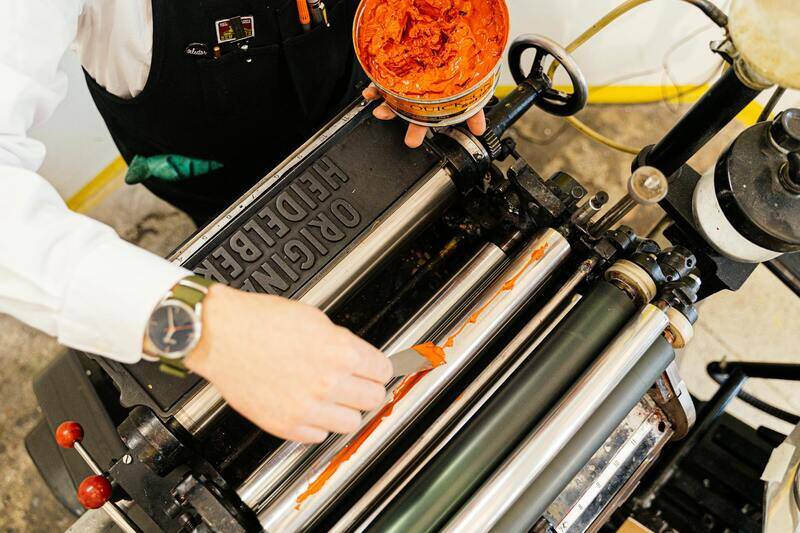
Order quantity plays a critical role in cost management, with larger volumes typically benefiting from bulk discounts. Many printing providers offer tiered pricing, making it economical to order in multiples of hundreds or thousands to get the most competitive rates. Additionally, the printing method—digital versus offset—affects pricing, with digital printing being more suitable for small runs due to lower setup costs, while offset printing is more cost-effective at higher volumes with consistent quality across larger batches.
Pricing Range for Different Types of Name Cards
Pricing for name cards can vary widely based on the specifications chosen. Basic standard cards made from basic cardstock or paper typically fall within a lower price bracket, often ranging from a few cents to a dollar per card when ordered in bulk. These are suitable for everyday use or initial networking needs where cost efficiency is prioritized. Mid-tier options that feature thicker paper, matte or gloss finishes, and simple designs generally range from $0.50 to $1.50 per card, providing a balance of quality and affordability.
For premium name cards with specialty features such as foil accents, embossed logos, textured finishes, or custom die-cut shapes, prices can escalate to $2 or more per card. These options are ideal for high-end branding, luxury services, or industries where visual impact and tactile experience significantly influence perception. Large-volume orders tend to reduce unit costs, so investing in bulk purchase options can lead to substantial savings over time.
Material and Finish Options Affecting Cost
The selected paper quality and finishing details profoundly influence the overall cost structure. Standard cardstock, generally 14-16 pt thickness, offers a reliable balance between sturdiness and affordability. Upgrading to heavier weights, like 18-32 pt, adds a sense of robustness but increases material expenses. Textured or specialty papers—such as linen, linen, or recycled materials—also tend to be more expensive but can provide a distinctive tactile experience that sets your cards apart.
Finish choices like matte or gloss coatings are relatively standard but can vary in price depending on the supplier. Matte finishes tend to be more affordable and provide a smooth, non-reflective surface suitable for printing intricate designs or vibrant colors. Glossy finishes enhance color vibrancy and shine, often costing slightly more but adding a premium look. For additional flair, special effects such as foil stamping, holographic accents, or spot UV coating deliver visual and tactile richness at a premium, often doubling the base cost of a card.

Design Complexity and Its Impact on Price
The intricacy of your card design directly influences production costs. Minimalist designs with straightforward text and simple color schemes are less resource-intensive and can be produced efficiently. Conversely, complex designs featuring detailed illustrations, custom artwork, gradients, or multiple colors require advanced printing techniques, multiple passes, and fine adjustments, all of which add to the total cost.
Multicolored designs, especially those with delicate shading or intricate graphics, often necessitate high-resolution files and precise calibration to ensure fidelity. Custom die-cut shapes or embossed patterns, while impactful, involve additional manufacturing steps and specialized equipment, leading to increased expenditure. Therefore, balancing aesthetic appeal with practical considerations can help manage costs effectively.
Ordering templates or pre-designed layouts can streamline the process and reduce both design and production time, minimizing expenses. Working with a professional designer to optimize your artwork for printing accuracy can avoid costly reprints or adjustments later in the process.
Factors Influencing Name Card Printing Costs
When assessing the price of name card printing, several elements come into play. The choice of material, finish, design complexity, quantity ordered, and the printing process all significantly impact your overall costs. Premium materials such as thick cardstock or specialty finishes tend to elevate prices due to their quality and production requirements. Likewise, intricate design features like embossing or foil accents, while visually impressive, naturally incur higher costs because of additional processing steps. The printing method—whether digital, offset, or letterpress—also influences the expense, with each technique offering different advantages and price points suitable for various quantities and design intricacies.

Pricing Range for Different Types of Name Cards
Prices vary considerably depending on the type of cards you select. Basic, standard name cards typically range from $0.05 to $0.15 per piece for bulk orders, making them affordable for most small businesses or startups. Mid-range options, which might include textured finishes or custom die-cut shapes, generally cost between $0.20 and $0.50 each. For luxury cards featuring premium materials like thick matte or glossy finishes, foil stamping, or embossed details, prices often exceed $0.50 and can approach $1.00 or more per card, especially for small quantities.
- Standard Paper Cards: $0.05 - $0.15
- Enhanced Finish or Design: $0.20 - $0.50
- Luxury and Specialty Materials: $0.50 - $1.00+
Material and Finish Options Affecting Cost
The physical properties and surface treatments of your name cards play a critical role in pricing. Common materials include matte, gloss, or uncoated paper, with prices slightly increasing for thicker stocks or specialty papers like linen or textured finishes. High-end choices such as transparent PVC, magnetic paper, or metallic foils come at a premium due to their manufacturing complexities. Finish options like spot UV coating, embossing, or foil stamping not only elevate visual appeal but also add to costs through additional production steps. Ink color choices matter as well; full-color, multi-color printing on both sides will cost more than single-color or front-only designs. These details, while adding to the expense, significantly impact the perceived quality and professionalism of your card.
Design Complexity and Its Impact on Price
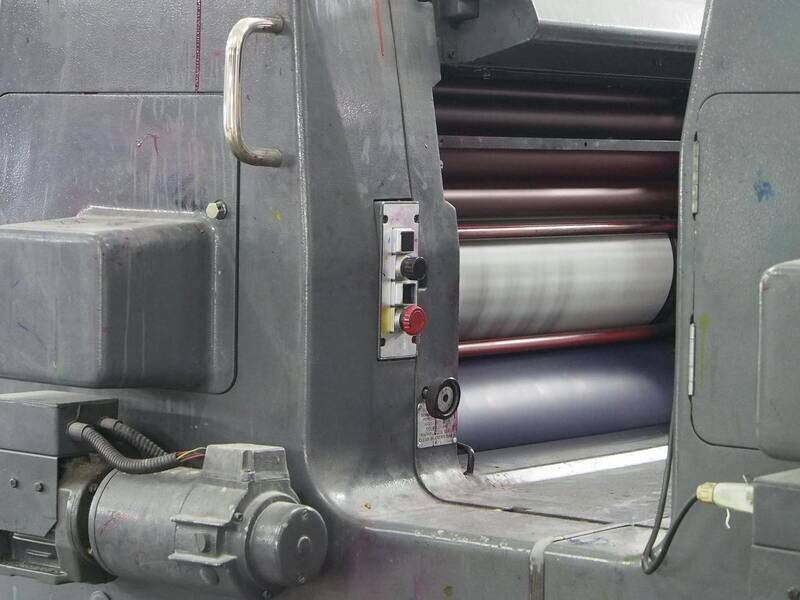
The intricacy of your design directly correlates to the overall printing cost. Simple layouts with minimal text, clean lines, and limited colors require less time and fewer resources, making them cost-effective and quick to produce. Conversely, complex designs with detailed illustrations, custom artwork, multiple colors, gradients, and fine line work necessitate high-resolution files and precise calibration. Special features such as embossed logos, die-cut shapes, or textured surface treatments add layers of complexity, requiring additional tooling, setup, and processing time. It is essential to strike a balance between visual appeal and practicality; simple yet impactful designs often deliver the best value without compromising professionalism. Utilizing templates or working with experienced designers can optimize your artwork for efficient printing, reducing chances of costly reprints.
Quantity and Printing Method Effect on Cost
The volume of cards ordered significantly influences per-unit costs. Digital printing provides a cost-effective solution for smaller quantities, typically up to a few hundred cards, due to its quick turnaround and minimal setup fees. Offset printing, optimal for larger quantities, benefits from economies of scale, reducing costs per piece as order volume increases. The chosen printing method also determines production time and flexibility—digital allows quicker turnaround, while offset excels in large-run consistency. For premium finishes or special effects, costs tend to be higher, especially in smaller batches. Planning your order size carefully can help optimize your budget, balancing quality with cost efficiency.
Factors Influencing Name Card Printing Costs
When evaluating the expenses involved in name card printing, several key elements come into play. Material selection, the intricacy of the design, the volume of cards ordered, and the choice of printing technique all significantly influence the final price. In addition, optional features like special finishes, embossing, or die-cut shapes contribute to the overall cost structure. Understanding these factors ensures that businesses and individuals can make informed decisions to align their branding needs with their budget constraints, achieving a professional look without unnecessary expenditure.
Material and Finish Options Affecting Cost
The type of material chosen for name cards is fundamental in determining printing costs. Standard options like matte or glossy cardstock are typically affordable, while premium materials such as textured or metallic finishes tend to be more costly. The weight and thickness of the cardstock not only impact the tactile perception but also influence price; thicker cards usually signify higher quality but come at a premium. Special surface treatments, including soft-touch coatings or embossed textures, enhance the aesthetic appeal but add to production expenses. Careful selection that balances durability, visual impact, and budget is crucial for optimal results.

Design Complexity and Its Impact on Price
The intricacy of a name card's design directly affects its printing cost. Simple designs utilizing a limited color palette and minimal graphics are generally more economical, especially when produced in large quantities. Conversely, complex designs featuring multiple colors, detailed illustrations, gradients, or fine line work require advanced printing techniques and high-resolution files, increasing setup and production time. Custom artwork, intricate logo embossing, or die-cut shapes further add layers of complexity, necessitating specialized tools and procedures. Striking a balance between visual sophistication and straightforwardness can optimize costs without sacrificing professionalism.
Quantity and Printing Method Effect on Cost
The volume of name cards ordered influences unit costs significantly. Digital printing is suited for smaller batches, offering quick turnaround times and minimal setup costs, making it an ideal choice for urgent needs or limited quantities. Offset printing, on the other hand, becomes more economical with larger quantities due to its ability to distribute setup costs over a high volume of output. This method also provides consistency and high-quality results for bulk orders. Additionally, the choice of printing method can impact turnaround time and flexibility, allowing organizations to select options that best fit their project timelines and budget considerations.
Additional Costs and Printing Services
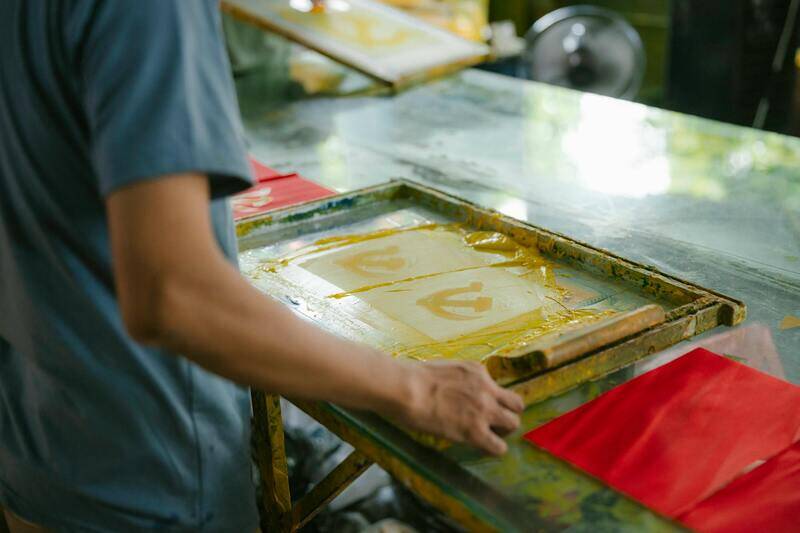
Beyond standard printing, extra features and services contribute to the overall cost of name cards. These include lamination, foil stamping, embossing, UV coating, or specialty die-cut shapes. Many providers also offer graphic design assistance, custom artwork creation, or expedited processing, each with associated fees. When planning for name card printing, it’s essential to consider these additional services, as they can enhance branding impact but may also escalate expenses. Clearly outlining requirements and working with experienced printers can help manage costs while achieving a polished final product.
Factors Influencing Name Card Printing Costs
The price of name card printing varies based on multiple factors that directly impact the overall budget. These factors include design intricacy, material choices, printing techniques, and additional finishing options. Understanding these elements helps in making informed decisions that balance quality with affordability, ensuring that your business or personal branding remains professional without unnecessary expenditure.
Design Complexity and Its Impact on Price
The complexity of your design plays a significant role in determining printing costs. A minimalist design with simple graphics and limited colors generally requires less time and resources, resulting in lower expenses. Conversely, intricate artwork, detailed illustrations, or multiple color layers demand advanced printing techniques and additional setup time, which can increase costs. Ensuring that your design is optimized for printing can help control expenses while maintaining visual appeal.
Material and Finish Options Affecting Cost
Material selection is crucial in cost considerations. Standard paper stock is more budget-friendly, whereas premium materials like textured papers, plastic, or metal enhance durability and aesthetic appeal but come at a higher price point. Finishing options such as matte, gloss, or soft-touch coatings not only improve tactile quality but also influence the final cost. Specialty finishes like foil stamping, embossing, or UV coating add an extra layer of sophistication, though they tend to increase the overall price.

Quantity and Printing Method Effect on Cost
The number of name cards ordered significantly impacts individual unit costs. Small batches often incur higher per-card expenses due to setup fees, especially with offset printing. Digital printing offers a cost-effective solution for smaller quantities, providing quick turnaround and flexibility. Larger orders benefit from offset printing, which reduces per-unit costs by spreading setup expenses over a high volume of cards. Additionally, the chosen printing method can affect production speed and customization options, allowing organizations to align their budget with their project timeline and scale.
Additional Costs and Printing Services
Beyond the basic printing process, several supplementary services contribute to the final price. These include lamination for durability, foil stamping for decorative accents, embossing for texture, and specialty cut-outs for unique shapes. Many printing providers offer design assistance, custom artwork, and expedited processing, which can enhance branding impact but also increase costs. Carefully evaluating which additional features are necessary ensures that you achieve a professional appearance without overspending.
How to Choose Affordable Name Card Printing Options
To manage costs effectively, prioritize essential features and select a straightforward design that aligns with your branding goals. Opt for standard materials and finishes if budget constraints are tight, and consider digital printing for small to medium batches. Request detailed quotes from multiple providers to compare prices and identify the best value. Planning ahead and ordering in bulk not only reduces the unit price but also ensures timely delivery of your name cards without rush fees. Working with experienced printing specialists can also help identify cost-saving opportunities while maintaining quality standards.