Comprehensive Guide to Card Printing Services: Types, Features, and Best Practices
Types of Cards Offered by Printing Services
Professional card printing services cater to a diverse array of needs by offering several types of cards, each serving unique purposes for individuals and businesses alike. Among the most prevalent options are business cards, which are vital for professional networking, providing essential contact information in a compact format. These are often customized to reflect brand identity through specific color schemes, logos, and fonts.
Membership cards are another popular choice, used by organizations, gyms, clubs, and loyalty programs to enhance customer engagement. These cards typically include member details, membership tier, and expiry date, sometimes integrating magnetic strips or QR codes for quick access to accounts.
Gift cards serve as versatile tools for retail and service industries, enabling prepaid transactions. They are designed to be visually appealing and durable, often incorporating security features such as holograms or unique serial numbers to prevent fraud.
Other notable card types include ID cards for employee or student identification, access control cards for secure facilities, and event passes or tickets designed for quick recognition and entry management. Each type of card is tailored to specific functional requirements, with options for customization to align with branding, security, and usability needs.

Materials and Finishes for Card Printing
Choosing the right material is crucial for durability, appearance, and functionality. Common materials include covered cardstock, PVC, and PET films, each offering different levels of rigidity and waterproofing. Cardstock options provide affordability and flexibility, suitable for prototypes or short-term use, while PVC and PET materials are preferred for their robustness and resistance to wear and tear.
Finish options significantly influence the visual appeal and tactile experience of cards. Matte finishes reduce glare and conceal fingerprints, making cards easier to handle, whereas gloss finishes enhance color vibrancy and sharpness. Specialized finishes such as luster or satin can balance the aesthetics by providing a semi-gloss effect, while UV coating adds an extra layer of protection to prolong lifespan.
Design Options and Customization
Design flexibility is a key advantage of professional printing services. Customers can upload their artwork or collaborate with graphic designers to create unique layouts, incorporating logos, images, and various fonts. Advanced features include the use of special effects such as embossing, foil stamping, and spot UV to add textures or metallic highlights.
Templates are also available for standard card formats, making the design process easier while maintaining high-quality output. Fully customizable elements—like edges, corners, and insert slots—allow clients to tailor the physical structure to their functional needs, whether it's for enhanced security or aesthetic appeal.

Print Quality and Resolution
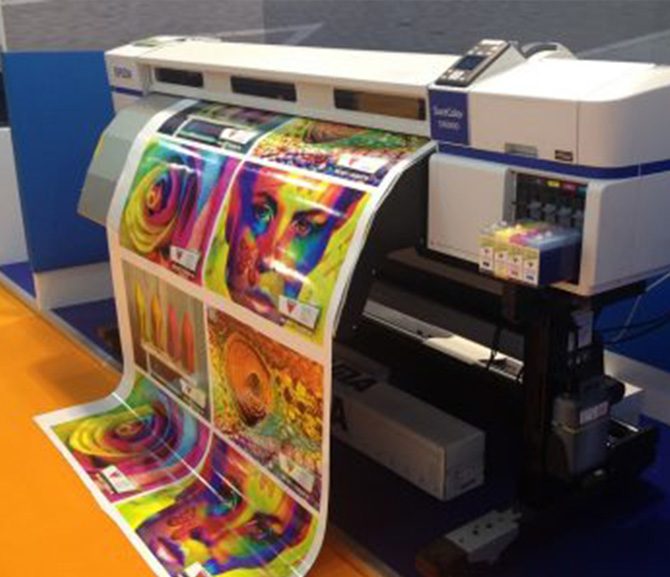
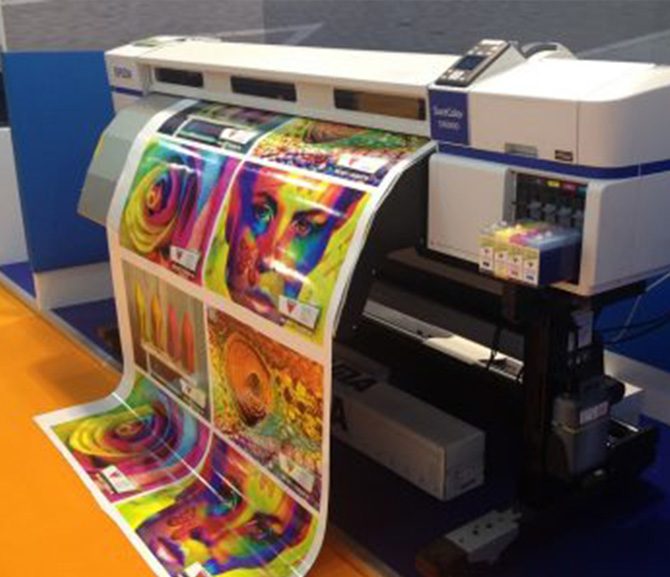
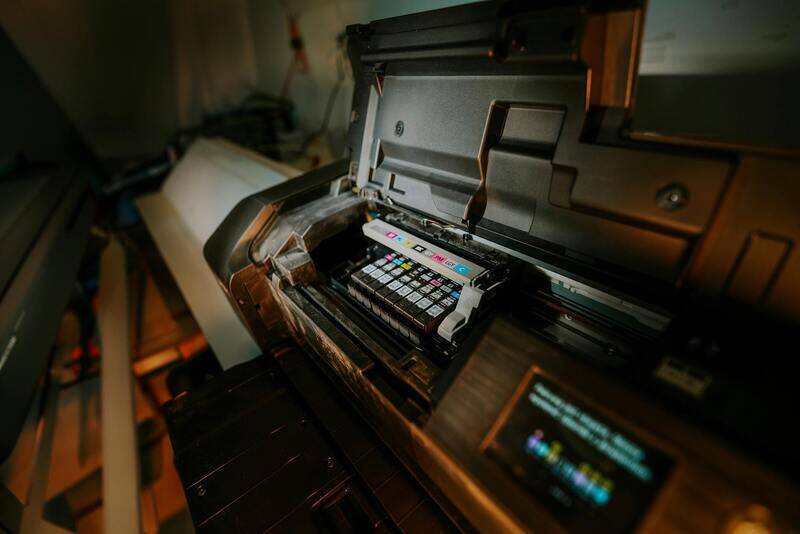
High-quality printing is essential to produce cards that are both visually striking and long-lasting. Reputable services employ advanced printing technology, such as digital offset or UV printing, capable of achieving resolutions of 300 DPI or higher. This level of detail ensures that fine fonts, intricate artwork, and security features are rendered sharply, maintaining clarity even on close inspection.
Color consistency is maintained through calibrated printers and premium inks, resulting in vibrant, true-to-design colors. For expressive designs, CMYK color models are used to accurately reproduce hues, while Pantone matching can be requested for specific brand colors.

Pricing and Turnaround Time
Pricing varies based on factors such as card material, quantity, complexity of design, and finishing options. Bulk orders generally benefit from volume discounts, making professional printing cost-effective for large-scale needs. Transparent pricing structures allow clients to estimate expenses accurately, balancing quality and budget.
Turnaround times are typically expedited through digital printing methods, often completing standard orders within 24 to 72 hours. For custom finishes or special security features, processing might extend slightly, but many providers offer rush options to meet tight deadlines. Clear communication about delivery schedules ensures that clients receive their cards promptly without surprises.
Environmental Considerations in Card Printing
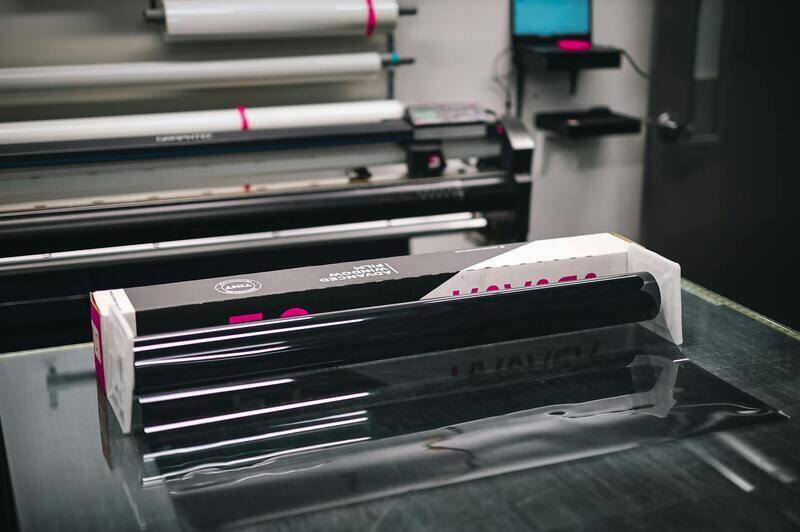
Sustainable practices are increasingly integrated into professional printing processes. Reputable companies utilize eco-friendly inks, renewable materials, and recycling programs to minimize environmental impact. PVC-free or biodegradable options are also available, aligning with eco-conscious business policies and reducing long-term waste. These environmentally mindful solutions do not compromise on quality, allowing clients to promote sustainability alongside their branding efforts.
How to Choose the Right Card Printing Service
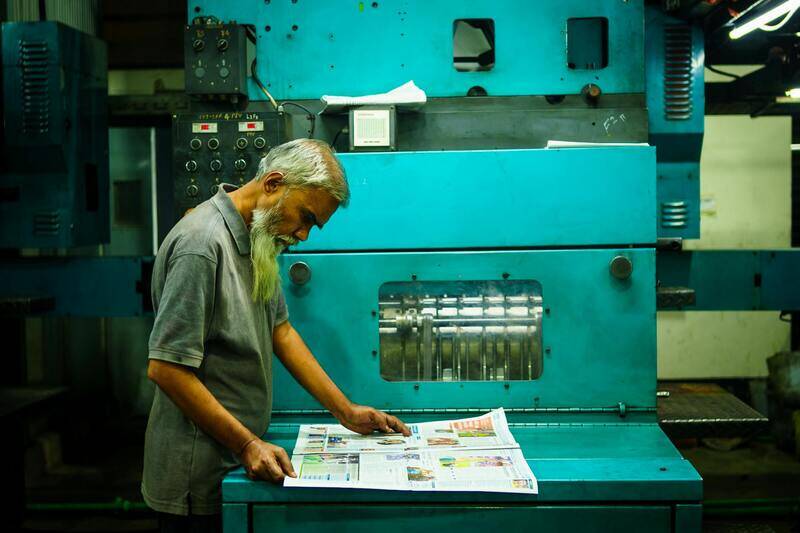
Selecting an appropriate printing partner involves evaluating several critical aspects. First, review their portfolio and customer testimonials to gauge proficiency and satisfaction levels. Confirm their capability to handle the specific card types and customization options you require. Check for adherence to high print quality standards and the availability of advanced security features if needed.
Pricing transparency and clear turnaround timelines are also essential. A service that offers detailed quotations and can meet your deadlines will simplify project management. Lastly, consider their environmental policies and the use of sustainable materials, especially if eco-friendliness is a priority.

Maintaining and Reordering Printed Cards
Proper storage and handling extend the lifespan of printed cards. Keep cards in dry, cool environments to prevent warping or fading. Using protective sleeves or cases adds extra durability for frequent handling. When reordering, providing consistent design files and material specifications ensures uniformity across batches, maintaining brand consistency.
Storing digital templates securely allows for quick reorders, minimizing delays. Regularly check inventory levels of commonly used cards to ensure timely replenishment, especially for high-traffic applications such as membership or access cards. This proactive approach helps businesses maintain seamless operations and consistent presentation across all printed materials.
Materials Used in Card Printing
Choosing the appropriate material for card printing is essential to ensure the final product meets your functional and aesthetic needs. Standard options include high-quality cardstock, which is ideal for event passes, loyalty cards, and staff badges due to its rigidity and ease of customization. For more durable, water-resistant applications, polyvinyl chloride (PVC) offers a resilient surface that withstands daily wear and tear. Specialty materials such as transparent acetate or metallic foils are perfect for unique branding elements or luxury cards, adding visual appeal and sophistication.
In addition to material selection, finishes play a crucial role in final presentation. Matte finishes lend a non-reflective, understated look suitable for professional or subdued designs. Gloss finishes amplify colors and offer a shiny surface that draws attention, ideal for promotional or vibrant designs. Spot UV coating adds a tactile element by selectively highlighting areas of the card with a glossy finish, creating contrast and visual interest. These finishing options not only elevate the aesthetic appeal but also contribute to the longevity of printed cards by protecting against scratches and fading.
Finishes to Enhance Card Appeal
- Matte Finish: Soft, non-glossy surface that reduces glare and fingerprints, suitable for a refined look.
- Gloss Finish: High-shine surface that enhances color vibrancy and visual impact.
- Spot UV: Selectively applied glossy coating for emphasizing specific design elements.
- Silk/Satin: Smooth, semi-matte finish offering a sophisticated texture.
Your choice of material and finish can significantly influence the perception of your brand and the durability of your cards. Reliable printing services offer a variety of options, allowing customization to match your specific requirements and budget.
Types of Cards Offered by Printing Services
Professional card printing services provide a diverse range of card types tailored to meet various branding and personal needs. These include business cards, loyalty cards, membership cards, gift cards, and event or ID badges. Each type serves a distinct purpose and is designed with specific functionalities and aesthetics in mind.
Business cards remain a fundamental tool for networking, offering a compact, portable way to showcase contact information and brand identity. They are customizable in size, shape, and finish, allowing companies to make a memorable impression. Loyalty cards, often used by retail and hospitality sectors, incentivize repeat business and customer engagement. These cards are typically durable, featuring magnetic stripes or QR codes for quick transaction processing.
Membership cards help organizations foster club identity and enhance member engagement through personalized design elements. Gift cards act as versatile payment options, requiring high-quality printing to reflect the brand's premium nature and to withstand frequent handling. Event or ID badges incorporate security features and professional aesthetics, often including holograms or barcodes for identification and access control.

Choosing the appropriate card type depends on the intended use, branding goals, and functional requirements. Reliable printing providers ensure each card type is produced with precision, using suitable materials and finishes to meet specific application needs.
Materials and Finishes for Card Printing
Examining the materials and finishes available allows clients to enhance both durability and visual appeal. Typical materials include cardstock, PVC, and specialty options like transparent acetate or metallic foils, each chosen based on the intended use and desired aesthetic.
- Cardstock: A versatile, cost-effective material suitable for standard business cards, available in various thicknesses.
- PVC: Durable and water-resistant, ideal for loyalty and membership cards that require longevity and frequent handling.
- Specialty Materials: Transparent acetate provides unique visual effects, while metallic foils add an element of luxury and sophistication.
Finish options further elevate the final product, with choices that include matte, gloss, silk/satin, and spot UV coatings. Matte finishes offer a subdued, professional look with reduced glare, while gloss finishes maximize color vibrancy and eye-catching appeal. Silk or satin finishes provide a smooth, semi-matte surface with a sophisticated tactile feel. Spot UV coating allows for selective glossy accents on specific design elements, creating contrast and visual interest.
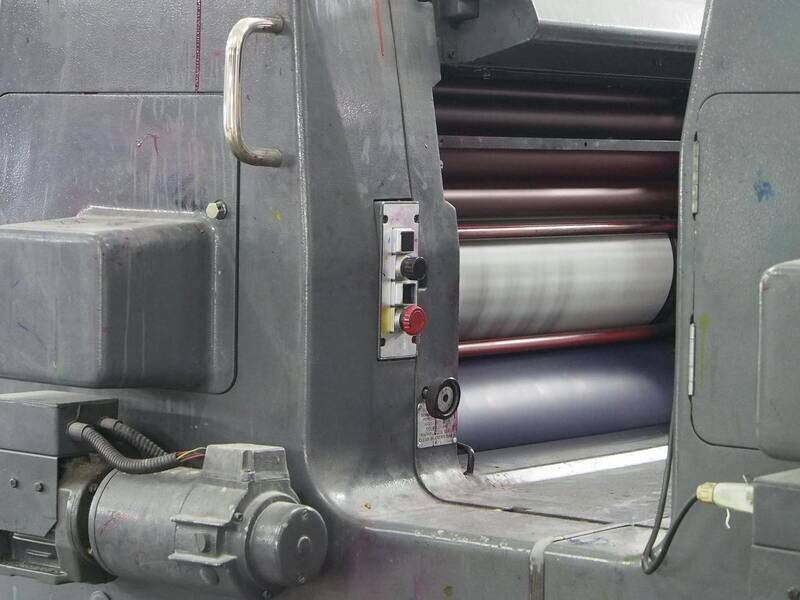
These options are not only essential for aesthetic enhancement but also contribute significantly to the durability and protective qualities of printed cards, safeguarding them against scratches, fading, and daily wear.
Types of Cards Offered by Printing Services
When selecting a card printing service, understanding the range of card types available is essential. Different card types serve specific purposes, from professional branding to promotional campaigns. Common options include business cards, membership cards, loyalty cards, gift cards, and identification badges. Each type can be customized to match the specific branding and functional needs of a business or individual.
Business cards remain a staple in professional networking, often designed with various shapes, sizes, and finishes to make a memorable impression. Membership and loyalty cards are frequently used in retail and hospitality sectors, requiring durable materials such as PVC for longevity. Gift cards are designed to be both functional and visually appealing, often featuring enhanced security features or distinctive finishes to prevent counterfeiting.
Additional specialized options include event pass cards, access control badges, and promotional cards. These are often integrated with security features or RFID technology for enhanced functionality. The diversity of card types allows businesses to choose solutions tailored specifically to their operational needs, ensuring that each card fulfills the intended role while reflecting brand identity.
Materials and Finishes for Card Printing
Examining the materials and finishes available allows clients to enhance both durability and visual appeal. Typical materials include cardstock, PVC, and specialty options like transparent acetate or metallic foils, each chosen based on the intended use and desired aesthetic.
- Cardstock: A versatile, cost-effective material suitable for standard business cards, available in various thicknesses.
- PVC: Durable and water-resistant, ideal for loyalty and membership cards that require longevity and frequent handling.
- Specialty Materials: Transparent acetate provides unique visual effects, while metallic foils add an element of luxury and sophistication.
Finish options further elevate the final product, with choices that include matte, gloss, silk/satin, and spot UV coatings. Matte finishes offer a subdued, professional look with reduced glare, while gloss finishes maximize color vibrancy and eye-catching appeal. Silk or satin finishes provide a smooth, semi-matte surface with a sophisticated tactile feel. Spot UV coating allows for selective glossy accents on specific design elements, creating contrast and visual interest.

These options are not only essential for aesthetic enhancement but also contribute significantly to the durability and protective qualities of printed cards, safeguarding them against scratches, fading, and daily wear.
Types of Cards Offered by Printing Services
When selecting a card printing service, understanding the variety of card types available is essential to ensure your needs are met precisely. Different card types serve diverse functions, from branding and marketing to identification and loyalty programs. Commonly offered options include business cards, ID cards, loyalty cards, gift cards, membership cards, and custom cards tailored for specific campaigns or events.
Standard business cards remain a staple for professional networking, providing a compact, personalized touchpoint for clients and colleagues. They typically feature the individual’s contact information, logo, and company branding. For companies seeking greater durability or a premium look, premium options like embossed or foil-stamped business cards are also available.
ID cards are crucial for security and access control, often integrated with magnetic strips, barcodes, or RFID chips for seamless identification. Loyalty and gift cards are designed to enhance customer retention, frequently incorporating features like holograms or magnetic stripes for transactional purposes. Membership cards often combine durability with aesthetic appeal, reflecting the organization’s branding and value proposition.
In addition to these standard types, many printing services offer highly customizable options to match specific brand identities or functional requirements. Specialized card types may include transparent or semi-transparent options like acetate cards, which offer unique visual effects and high-end appearances. Metallic foil cards can add a sense of luxury, catching the eye with reflective surfaces and textured finishes. These options can be further customized with different shapes, sizes, and embedded security features, making them suitable for exclusive events or high-value branding initiatives.

Materials and Finishes for Card Printing
The durability and aesthetic appeal of printed cards depend significantly on the materials and finishes selected. Common materials include cardstock, PVC, and specialty options such as transparent acetate or metallic foils. Each material offers unique benefits suited to specific applications and branding goals.
- Cardstock: A versatile, cost-effective choice that can be customized in various thicknesses. Ideal for standard business or loyalty cards, offering straightforward printability and a professional look.
- PVC: Water-resistant and durable, making it perfect for frequent handling cards such as membership or access cards. PVC ensures longevity and maintains a pristine appearance over time.
- Specialty Materials: Transparent acetate presents a modern, distinctive aesthetic, often utilized for promotional or luxury cards. Metallic foils deliver a premium feel, ideal for holiday or corporate gift cards.
Finish options can dramatically influence the final appearance of printed cards. Common finishes include matte, gloss, silk/satin, and spot UV coatings. Matte finishes provide a smooth, glare-free surface suitable for professional contexts, while gloss enhances color vibrancy for eye-catching designs. Silk or satin finishes lend a semi-matte tactile experience, combining elegance with practicality. Spot UV coating selectively enhances certain design elements with gloss, adding contrast and visual interest that makes cards stand out.
Different Types of Cards Offered by Printing Services
When selecting a card printing service, understanding the variety of card types available is essential for aligning your printing needs with your branding objectives. The most commonly offered types include standard business cards, loyalty cards, membership cards, gift cards, and event passes, each designed with specific functionalities in mind.
Standard business cards remain a staple, serving as portable and professional tools for networking and branding. These cards are typically printed on high-quality cardstock, offering a balance between durability and cost-effectiveness. Loyalty and membership cards often require enhanced durability, making materials like PVC or layered options favorable. Gift cards and event passes benefit from creative finishes and custom shapes to distinguish them from competitors.
Materials and Finishes for Card Printing
The choice of materials significantly influences both the aesthetic and functional qualities of your printed cards. Standard options include sturdy cardstock, which is suitable for everyday business cards and promotional materials. For applications demanding water resistance and longevity, PVC is a popular choice due to its durability and resistance to wear and tear.
Specialty materials such as transparent acetate lend a modern and sophisticated look, perfect for luxury branding or promotional items. Metallic foils add a shiny, eye-catching element, elevating premium cards designed for special occasions or corporate gifts.
- Cardstock: Versatile, cost-effective, available in various thicknesses, ideal for commonplace cards.
- PVC: Water-resistant, durable, suitable for cards needing frequent handling.
- Transparent acetate: Modern aesthetic, perfect for distinctive promotional or luxury cards.
- Metallic foils: Adds a premium feel, great for holiday or corporate gift cards.
Finishing options such as matte, gloss, silk/satin, and spot UV coatings further enhance the visual appeal and tactile experience of each card. Matte finishes offer sophistication without glare, while gloss coatings provide vibrant color renditions that command attention. Silk or satin finishes strike a balance with a semi-matte surface that feels elegant yet practical. Spot UV coatings are applied selectively to highlight specific design elements, adding contrast and dimension to the overall design.
Design Options and Customization
Customization remains a key factor in producing unique and impactful cards. Printing services typically provide a diverse range of design templates and the ability to fully personalize your cards using your artwork, logos, and branding elements. Advanced digital printing technologies support complex color schemes and detailed graphics, ensuring your vision is faithfully realized.
Shape customization, such as rounded corners, cut-outs, or non-standard silhouettes, can set your cards apart. Incorporating embossed or debossed elements adds tactile depth, enhancing the perceived quality and professionalism of your cards. Additionally, options for dual-sided printing allow for more information or creative designs without increasing the card size.

Print Quality and Resolution
High-resolution printing is fundamental to achieving sharp, vibrant, and professional-looking cards. Medium resolution (around 300 dpi) ensures that intricate details such as logos, text, and graphics appear crisp and clear. For photographic or highly detailed designs, resolving full-color images at resolutions of 600 dpi or higher guarantees that every nuance is captured accurately.
Digital printing technologies, including UV and dye-sublimation printing, are capable of producing high-detail results with consistent color fidelity. Offset printing may be preferable for large-volume orders to maintain uniformity across many cards. No matter the method, utilizing quality inks and substrates maximizes the durability and appearance of the final product. Durable, fade-resistant inks contribute to the longevity of your cards, maintaining their vibrancy over time.
Pricing and Turnaround Time
Pricing varies based on the type of card, materials, finishes, and quantity ordered. Typically, bulk orders benefit from lower per-unit costs, enabling cost-effective branding initiatives. Premium materials and specialty finishes naturally command higher prices but offer a distinctive, high-end appearance that can elevate your brand image.
Turnaround times are influenced by order complexity, material availability, and the printing process used. Standard orders often take 2-5 business days for production, with expedited options available for urgent requirements. Additional time may be incurred for custom shapes or specialized finishes, so early planning and consultation with a printing provider like expressprintingsi.com are recommended to ensure timely delivery.
Types of Cards Offered by Printing Services
Printing services like expressprintingsi.com provide a diverse array of card types tailored to meet various professional and personal needs. Common options include business cards, loyalty cards, gift cards, membership cards, ID cards, and event passes. Each type serves a unique purpose, demanding specific design features, durability levels, and functional qualities.
Business cards remain a staple for professionals, emphasizing branding and contact information with options for matte, gloss, or textured finishes. Loyalty and gift cards often incorporate magnetic strips, holographic elements, or embedded chips to enhance functionality and security. ID cards might include photo identification, barcode scanning, or RFID tags for streamlined access control. Event passes are designed for quick recognition, often integrating perforations, wristbands, or barcode systems for efficient management.

Materials and Finishes for Card Printing
The foundation of a high-quality printed card is the choice of materials and finishes. Standard materials range from card stock and PVC to premium metals or specialty substrates, each offering distinct visual and tactile qualities. PVC remains the most popular for its flexibility, durability, and cost-effectiveness, suitable for various card types and finishes.
- Card Stock: Usually thicker and more durable, with options for matte, gloss, or satin finishes.
- PVC: Provides water resistance and flexibility, ideal for cards that require frequent handling.
- Metal or Specialty Substrates: Offer a premium look for high-end branding or security features, though at a higher cost.
Regarding finishes, embossing, UV coating, matte varnish, glossy coatings, and soft-touch laminates are available to enhance aesthetics and protection. Textured finishes like linen or embossed patterns can add tactile appeal, making your cards stand out. Also, incorporating protective layers helps resist scratches, fading, and moisture, extending the lifespan of your cards in everyday use.

Design Options and Customization
The range of customization options offered by professional printing services allows for highly personalized card designs that accurately reflect brand identity or personal style. From vibrant color schemes to complex graphics, these options ensure each card is unique and impactful.
- Full-Color Printing: Enables vivid images, logos, and intricate artwork with high-resolution clarity.
- Custom Shapes and Sizes: Moves beyond standard rectangular formats to include circles, ovals, or die-cut shapes that enhance visual interest.
- Embossing and Debossing: Adds a tactile dimension that increases perceived quality and sophistication.
- Foil Stamping and Holographic Effects: Introduce reflective or shimmering elements for security features and brand distinction.
- Personalization Options: Incorporating individual names, QR codes, or unique serial numbers for security and engagement.
Collaboration with experienced designers can help translate ideas into effective visual layouts, ensuring that the final product aligns with branding strategies or personal preferences.

Print Quality and Resolution
Achieving high-quality, crisp, and vibrant card prints depends heavily on the resolution and printing technology employed. Professional printers utilize advanced digital or offset methods capable of producing images at resolutions of 600 dpi or higher, ensuring sharp graphics, fine details, and smooth color gradations.
For photographic images, high-resolution files are essential, as they preserve detail and prevent pixelation during enlargements. Digital printing methods like UV and dye-sublimation are particularly effective at rendering detailed, full-color images with consistent color fidelity across batches. Offset printing is advantageous for large-volume runs, providing uniformity and cost efficiency while maintaining high resolution.
Color accuracy is also achieved through meticulous calibration of printers and the use of premium inks. This ensures color consistency across multiple batches, critical for maintaining brand standards and visual appeal. Whether employing vivid CMYK processes or specialty inks for metallic or fluorescence effects, precise color management results in a polished, professional appearance.
Pricing and Turnaround Time
Costs related to card printing vary according to factors such as material selection, complexity of design, finishes, and total quantity ordered. Bulk purchases typically benefit from reduced unit prices, supporting larger branding initiatives or extensive distribution. Premium options, including specialty materials or intricate finishing effects, naturally command higher prices but significantly enhance the perceived value of the final product.
Turnaround times are influenced by order size and customization requirements. Standard orders usually complete within 2 to 5 business days, while expedited services can accelerate production for urgent needs. While most prints are ready within a week, customized shapes or special finishes might extend the timeline. Early planning and detailed communication with the printing provider are essential to meet deadlines effectively.
For large-volume orders, advanced planning allows for batching and scheduling, which minimizes delays and ensures consistent quality. Transparent pricing models and timeline estimates are typically provided upfront, enabling clients to budget accordingly and coordinate distribution efforts efficiently.

Types of Cards Offered by Printing Services
printing services typically provide a diverse array of card types designed to meet various business and personal needs. Standard options include business cards, ID cards, membership cards, loyalty cards, and gift cards. Each type serves a specific purpose, whether for professional branding, security, or customer engagement. Many providers also offer specialty cards such as embossed cards, transparent or translucent cards, magnetic stripe cards, and smart cards embedded with chips for enhanced functionality. Custom shapes and sizes are often available, allowing businesses to create unique identifiers that stand out. Depending on the intended use, printing providers can recommend the most suitable card type, ensuring durability, security features, and aesthetic appeal align with the client's objectives.
Materials and Finishes for Card Printing
The choice of materials significantly impacts both the appearance and longevity of printed cards. Common materials include PVC, which offers durability and a glossy finish suitable for frequent handling, and polyester or PET for added strength and resistance to wear. Some providers also offer paper-based cards with laminate coatings for cost-effective options. Finishes enhance the visual appeal and tactile experience, with options such as matte, gloss, satin, or soft-touch coatings. Specialty finishes like metallic foil, spot UV, or embossed textures add an element of sophistication, making the cards more attractive and memorable. UV coating provides extra protection against scratches and fading, extending the lifespan of the card, especially for outdoor or high-traffic uses.
Design Options and Customization
Professional card printing services offer extensive design customization to align with branding and personal preferences. Clients can utilize pre-designed templates or provide custom artwork created in graphic design software. Advanced customization options include the addition of logos, photographs, QR codes, and holograms. Unique typographies, color schemes, and graphic elements can be integrated to create a distinctive look. Die-cut shapes allow for non-standard outlines, giving the card a unique profile. Layering and embossing techniques can add texture and depth, enhancing the card’s tactile appeal. Many services also support variable data printing, enabling the personalization of each card with individual names, membership numbers, or barcodes, which is especially useful for loyalty programs or employee IDs.
Print Quality and Resolution
High-quality printing ensures that every detail, from vibrant colors to sharp text, is crisp and clear. Most reputable printing services utilize advanced digital presses capable of outputting at 600 dpi or higher, delivering sharp resolution and precise color reproduction. Color management systems help maintain consistency across batches, ensuring that the printed cards accurately reflect the designed artwork. Specialty printing techniques such as offset printing or UV digital printing may be employed for large runs to achieve superior quality and color fidelity. Proper print resolution not only enhances the aesthetic value but also ensures that security features like microtext, holograms, or fine lines are legible and tamper-evident.
Pricing and Turnaround Time
Costs associated with card printing are influenced by several factors, including material type, card complexity, print quantity, and finishing features. Bulk orders generally benefit from reduced per-unit costs, making them ideal for large-scale marketing campaigns or corporate branding efforts. Premium options, such as specialty finishes or custom shapes, typically incur higher costs but significantly elevate the final product’s perceived value. Turnaround times vary based on order volume and customization. Standard productions typically take between 2 to 5 business days, with expedited options available for urgent needs. For complex designs or custom features, longer lead times should be anticipated. Clear communication and early planning enable clients to align their schedules with production timelines, avoiding delays and ensuring timely distribution.
Environmental Considerations in Card Printing
Sustainable printing practices are increasingly prioritized by clients and providers alike. Many printing services use eco-friendly materials such as biodegradable PVC alternatives or recycled paper-based options. Vegetable-based or soy-based inks reduce harmful emissions and are safer for the environment. Water-based coatings replace solvent-based finishes, lowering the ecological footprint of the process. Certifications for environmentally responsible practices, such as FSC or PEFC, may be sought to ensure materials are sourced sustainably. Additionally, efficient print batching minimizes waste and energy consumption. Clients can inquire about these options to ensure their printed cards meet environmental standards without compromising quality or durability.
How to Choose the Right Card Printing Service
Selecting a reliable card printing provider involves evaluating their product quality, range of customization options, pricing transparency, and turnaround capabilities. It is vital to review samples of finished work to assess print clarity, material quality, and finish options. Recommendations and client testimonials can offer insight into the company's reliability and customer service standards. Prioritize providers that utilize advanced printing technology, offer sustainable options, and communicate clearly about timelines and costs. Discussing your specific needs upfront—such as design complexity, volume, and deadline—helps ensure the provider can deliver the desired results efficiently. Establishing a clear understanding of pricing structures, revision policies, and after-sales support further contributes to a smooth, successful partnership.