Overview of Name Card Printing in Singapore
In Singapore’s highly competitive business environment, the importance of professionally crafted name cards cannot be overstated. These small but impactful pieces serve as essential networking tools that leave a lasting impression. A well-designed and printed name card reflects the professionalism and credibility of an individual or company, making it a vital component of brand identity. As businesses and professionals seek to stand out, the role of high-quality name card printing has gained significance. The city-state offers a broad spectrum of options for printing name cards, from basic single-color designs to elaborate, customized options. The proliferation of printing services ensures that clients can select solutions that align with their branding requirements and budget constraints. High-resolution printing coupled with a variety of customization options enables clients to develop unique and compelling cards that encapsulate their brand essence. Additionally, the focus on detail and quality in Singapore’s printing industry guarantees durable, attractive cards that can withstand everyday handling while maintaining their aesthetic appeal. Whether for corporate presentations, networking events, or personal branding, the right choice of printing method and design significantly contributes to the card's effectiveness in fostering professional relationships and promoting brand recall.
Reasons for the Growing Demand
- Increasing emphasis on personal branding and professional image
- Need for customized designs that reflect company identity
- Desire for durable and aesthetically appealing cards that make a strong impression
- Availability of advanced printing technology and materials
- Competitive business landscape encouraging differentiation through unique branding tools
Businesses and individuals recognize that a thoughtfully designed name card functions as a portable marketing tool. Effective name cards often include essential contact details, corporate branding elements such as logos and taglines, and a clean, professional layout. With the advancement of printing technology and diverse material options, Singapore offers unparalleled flexibility in creating name cards that meet high standards of quality and visual appeal. The combination of innovative design and premium printing techniques ensures that name cards are more than just contact details; they are a representation of professionalism and brand personality.
Types of Name Card Printing Methods
Singapore’s printing industry has evolved to include a variety of methods tailored to meet diverse business and individual needs. Understanding the differences among these techniques helps in selecting the most suitable option for your branding goals and budget.
- Digital Printing: This method utilizes digital files to produce high-quality name cards with quick turnaround times. It is ideal for small to medium print runs and allows for easy customization, such as variable data printing, which can be particularly useful for personalized contact details or targeted marketing campaigns.
- Offset Printing: Offset printing offers superior image quality and cost efficiency for larger quantities. It is suited for professional branding with consistent color reproduction and crisp detail. This process is often preferred by corporations seeking a uniform appearance across bulk orderings.
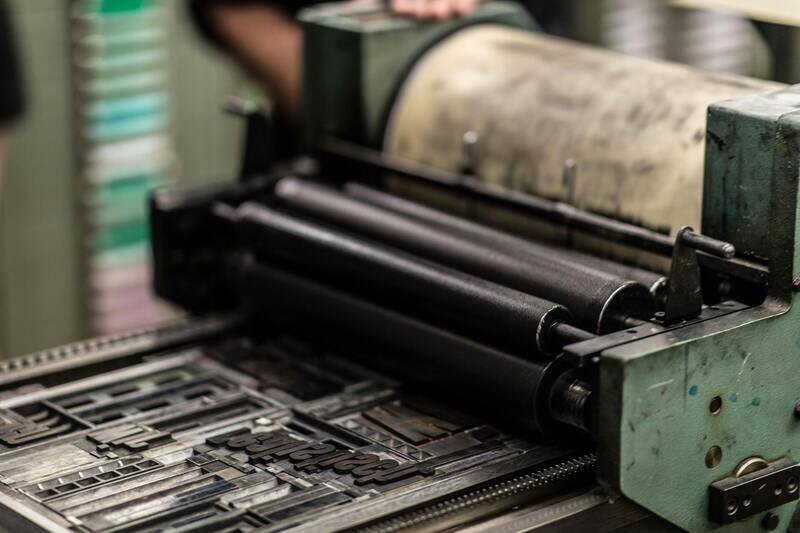
- Letterpress Printing: Known for its tactile and visual appeal, letterpress printing creates an embossed effect that enhances the text and design elements. Despite being more labor-intensive, it adds a touch of sophistication and exclusivity to high-end brand representations.

Design Considerations for Name Cards
Design plays a crucial role in making a memorable impression through a name card. It should encapsulate your brand identity while remaining functional and easy to read. Here are some key factors:
- Brand Consistency: Incorporate your logo, brand colors, and fonts to reinforce your corporate identity.
- Clarity and Readability: Ensure contact information is legible with appropriate font sizes and contrasting colors.
- Balance and Layout: Maintain a clean layout with balanced spacing to avoid clutter, allowing important elements to stand out.
- Unique Touches: Consider innovative design elements, such as die-cuts or foil stamping, to differentiate your card.
Material and Finish Options
Choosing the right material and finish enhances the tactile quality of your name card and influences the perceived value of your brand. Common options include:
- Paper Quality: From standard matte or gloss finishes to premium textured papers, materials should reflect your brand's professionalism and style.
- Special Coatings: UV coating, matte lamination, or soft-touch finishes can provide added durability and visual appeal.
- Unique Materials: Plastic, metal, or transparent sheets are suitable for creating modern, durable cards that stand out.
Printing Costs and Budgeting
Budget considerations influence the choice of printing methods, materials, and design complexity. Generally, digital printing offers cost-effective solutions for small batches, while offset printing benefits larger runs with economies of scale. Custom finishes and premium materials naturally increase costs. It’s essential to balance quality expectations with budget constraints to achieve the best results within your financial plan.
Choosing the Right Printing Service Provider
Selecting a reputable printing partner ensures your name cards meet high standards of quality and accuracy. Look for providers with extensive experience, positive client reviews, and a diverse portfolio of completed projects. Clarify turnaround times, revision policies, and additional services such as design assistance or sample proofs before finalizing your decision.
Tips for Effective Name Card Usage and Distribution
Once printed, the focus shifts to maximizing your name card’s utility. Distribute your cards strategically at networking events, conferences, and through direct meetings with potential clients. Always present your card with professionalism—use both hands, offer it confidently, and follow up with recipients. Regularly updating your cards to reflect new contact details or branding changes maintains their relevance and impact.
Legal and Ethical Considerations
When engaging in name card printing, adhering to legal and ethical standards is fundamental to maintaining professionalism and respect within the business community. This involves ensuring that all information included on the card is accurate, up-to-date, and authorized by the individual or company. Misrepresentation or falsification of contact details, titles, or affiliations can lead to misunderstandings and damage your reputation.
It is also important to respect intellectual property rights. When using logos, images, or design elements, obtain proper permissions or licenses to avoid infringement issues. This ensures that your name card design remains compliant with copyright laws and intellectual property regulations.
Moreover, transparency in your contact information and company branding fosters trust and credibility. Avoid embellishments that could mislead recipients about your services or expertise. Clear, honest communication through your name card reinforces your integrity and encourages genuine business connections.
Practicing good ethical standards extends to the distribution process as well. Distributing name cards in appropriate contexts—such as networking events, professional meetings, or industry conferences—demonstrates respect for recipients' time and preferences. Unsolicited or intrusive distribution methods can be perceived as intrusive and diminish the effectiveness of your outreach efforts.
Material and Finish Options for Name Card Printing in Singapore
When selecting materials and finishes for your name cards, the choices significantly influence the overall impression your cards leave. Premium cardstock remains the most popular option, offering durability and a solid feel that exudes professionalism. Common weights range from 300gsm to 400gsm, with heavier cards providing a more luxurious touch. For businesses seeking a modern or innovative look, plastic cards offer heightened durability and a sleek appearance, often resistant to water and wear.
Textured paper options, such as linen or felt finishes, add tactile interest and can set your name card apart from standard smooth surfaces. These textures create a unique sensory experience that reinforces brand identity and demonstrates attention to detail. In addition, specialty materials like transparent or frosted plastic can lend a contemporary edge, making your contact information stand out vividly.

Finishing options further enhance the look and feel of your name card. Matte finishes provide a subtle, understated elegance, reducing glare and making text easy to read. Gloss coatings, on the other hand, impart vibrancy and shine to colours, making images and logos pop. Soft-touch coatings offer a velvety surface that feels luxurious to the touch, combining sophistication with durability.
Spot UV coatings allow for selective gloss effects on specific design elements, adding depth and emphasis where needed. Additionally, edge colouring—such as gold or silver edges—can provide a refined aesthetic and represent high-end branding. Combining a high-quality material with the right finish ensures your name card not only conveys professionalism but also aligns with your company's brand image.

Choosing the appropriate material and finish requires careful consideration of your brand’s personality, target audience, and the message you want to communicate. For example, eco-conscious brands might prefer recycled paper or sustainable materials, while luxury brands might opt for thicker cardstock with metallic accents. Consulting with professional printing providers ensures that your selections are feasible and align with your budget without compromising quality. The right combination of material and finish elevates your branding and leaves a memorable impression on recipients, making your contact details stand out in any professional setting.
Official and Recognized Methods for Name Card Printing in Singapore
When seeking to produce professional-grade name cards in Singapore, it is essential to rely on reputable printing methods that ensure quality, consistency, and durability. These methods are standardized and adhere to industry practices, giving businesses and individuals confidence in the final product.
One of the most prevalent techniques is digital printing. This method involves directly transferring digital images or designs onto the chosen material. It is highly versatile, suitable for both small batches and quick turnaround times, making it ideal for startups and professionals requiring rapid delivery. Digital printing maintains crisp image quality and allows for easy customization, including variable data printing where each card can have unique information.

Offset printing stands out as the preferred choice for larger quantities due to its cost efficiency per unit at high volumes. This process involves transferring ink from a flexible plate onto a rubber blanket, then onto the printing surface. Offset printing produces vibrant, sharp images with consistent color reproduction, which is vital for brand integrity. It also offers a broader selection of finishes and special effects, such as spot UV or embossing, enhancing the tactile experience of the finished cards.
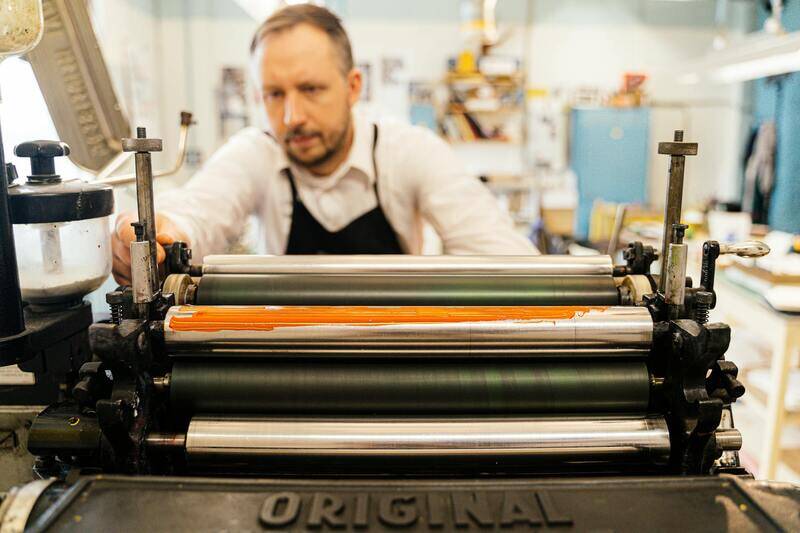
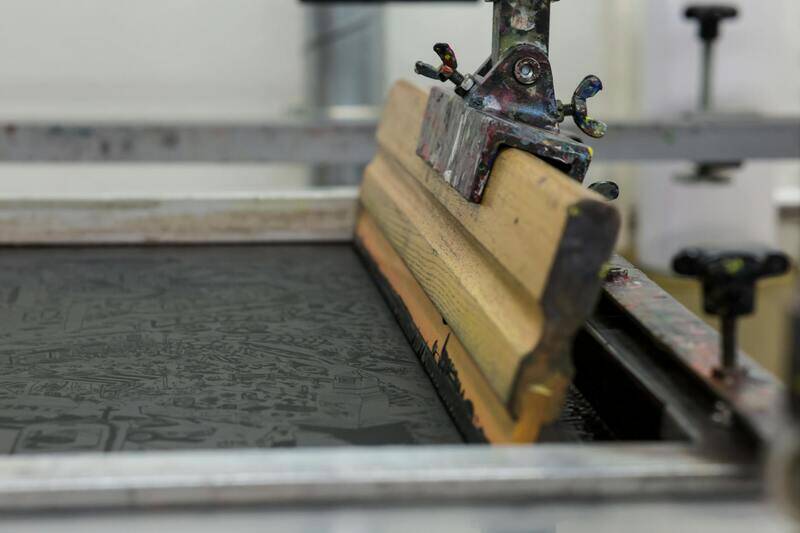
Letterpress and foil embossing are specialized methods often used to elevate premium branding. Letterpress involves pressing inked designs into the card material, providing a tactile, embossed effect that exudes sophistication. Foil stamping, where metallic or pigmented foils are applied under heat and pressure, imparts a luxurious metallic accent that can emphasize logos or key design elements. These traditional methods are perfect for high-end branding and corporate exclusivity.
Official Process Workflow for Name Card Printing in Singapore
- Design Verification: Before proceeding, all design elements must be reviewed and approved, ensuring clarity and correctness. This step often involves communication with the printing provider to confirm color profiles, dimensions, and finishes.
- Material Selection: Choose appropriate cardstock, considering thickness, texture, and finish based on your branding goals. Engage with the printer to discuss options like matte, gloss, or textured finishes.
- Proofing Stage: A printed or digital proof is usually provided for final approval. This sample helps visualize the final product, allowing for adjustments to color accuracy or design placement.
- Production & Quality Control: Once approved, the printing process begins. Reputable providers implement rigorous quality checks throughout to ensure consistent color, proper alignment, and adherence to design specifications.
- Delivery & Inspection: The final batch is carefully inspected upon delivery to verify quality and completeness. Any discrepancies or defects are addressed promptly, maintaining professionalism and standards.
Material and Finish Options
When selecting the material for name card printing in Singapore, businesses and individuals have a variety of choices that can significantly influence the card’s impression and durability. Commonly used materials include premium cardstock, linen paper, and textured options, each offering unique tactile experiences. Cardstock with a higher GSM (grams per square meter) weight, such as 300GSM or above, provides sturdiness and a luxurious feel, suitable for professional environments.
Beyond basic paper choices, finishing techniques further enhance the visual appeal and tactile quality of the cards. Glossy finishes lend a sleek, shiny surface that accentuates vibrant colors and intricate designs, making images and logos pop. Matte finishes, on the other hand, produce a subdued, sophisticated look, reducing glare and fingerprint visibility. Textured finishes, such as embossed or linen textures, add a distinctive feel that can make your card stand out among standard designs.
Additional Customization Techniques
For businesses aiming to project a prestigious brand image, additional embellishments can be incorporated:
- Embossing and Debossing: Creates a raised or recessed design element, adding depth and tactility.
- Foil Stamping: Applies metallic or pigmented foil under heat and pressure, imparting a luxurious metallic accent.
- Spot UV Coating: Adds a shiny, protective layer to specific areas, highlighting logos or key information.
- Die-cut Shapes: Custom shapes and intricate cut-outs create a distinctive profile that captures attention.
Utilizing these techniques requires careful coordination with your printing service provider to ensure precision and the desired visual impact are achieved.
Printing Costs and Budgeting
Understanding the cost factors associated with name card printing in Singapore helps in planning and optimizing budgets effectively. Several variables influence the pricing, including:
- Quantity: Larger print runs typically reduce the per-unit cost, benefiting bulk orders.
- Material Choice: Premium materials and textured finishes generally command higher prices.
- Design Complexity: Intricate designs, multiple colors, and special effects like embossing or foil stamping increase costs.
- Printing Method: Digital printing is generally more economical for short runs, while offset printing is cost-effective for large quantities with consistent designs.
- Additional Customizations: Techniques such as die-cutting, spot UV, or specialty finishes add to the overall expense.
Budgeting involves balancing quality expectations with cost considerations, ensuring the final product accurately reflects your branding while remaining within financial constraints. Consulting with a reputable print provider can help identify cost-effective options tailored to your specific needs.
Overview of Name Card Printing in Singapore
Name card printing in Singapore is a crucial aspect of professional branding and networking. With a vibrant business environment, companies and entrepreneurs frequently rely on high-quality, visually appealing name cards to make meaningful connections. The digital landscape has not replaced traditional name cards; instead, they complement modern marketing strategies by providing tangible, memorable representations of a brand or individual. The variety of printing options available today allows businesses to craft personalized cards that reflect their identity and professionalism, ensuring they stand out in competitive marketplaces.
From startups to established corporations, the demand for sophisticated, impactful name cards is continually rising. The careful selection of design elements, materials, and printing techniques plays a significant role in achieving desired impressions. Singapore’s printing industry offers a comprehensive range of services, accommodating diverse preferences and branding requirements, all while emphasizing quality consistency and customer satisfaction.
Types of Name Card Printing Methods
Understanding the different printing methods helps businesses choose the most suitable options for their branding goals. Each method offers unique advantages that cater to various design complexities and budgets:
- Digital Printing: Ideal for small batches and quick turnaround times, digital printing provides cost-effective solutions without compromising quality. It supports full-color designs with sharp details and is perfect for personalized or on-demand requirements.
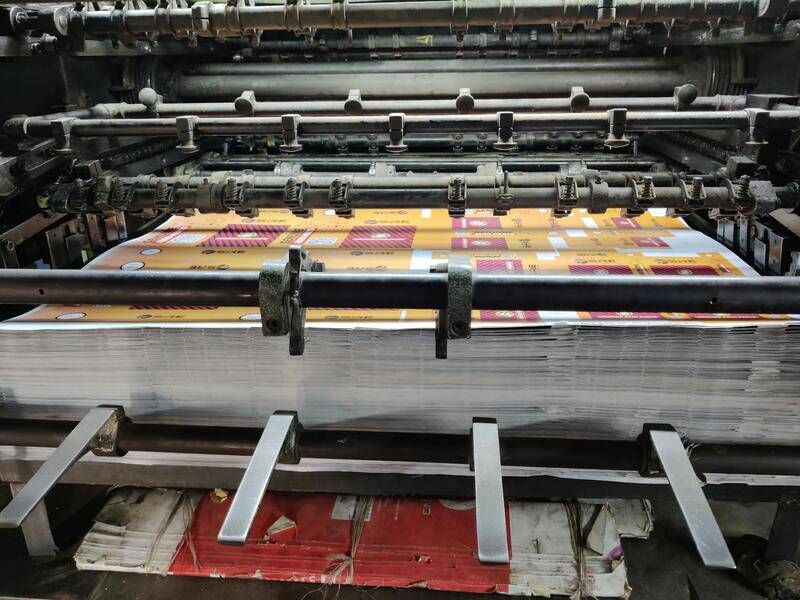
- Offset Printing: Suitable for larger quantities, offset printing ensures high consistency and color accuracy across bulk orders. It is preferred for its efficiency and ability to produce intricate designs with vibrant hues.
- Letterpress and Engraving: These traditional techniques add an element of tactile luxury, creating embossed or debossed effects that enhance the texture and visual appeal of the card.
- Specialty Techniques: This includes foil stamping, spot UV coating, and die-cutting. These methods allow for creative edge finishes, intricate cut-outs, or shiny metallic accents, elevating the design to a premium level.
Design Considerations for Name Cards
Effective name card designs balance aesthetics with clarity. Key considerations include:
- Simplicity and Readability: Clear fonts, minimalistic layouts, and strategic use of space ensure contact information is easy to read and leaves a strong impression.
- Brand Alignment: Incorporate logos, color schemes, and design motifs consistent with your company's branding for cohesive visual identity.
- Unique Elements: Use of textures, embossing, foil accents, or custom die-cut shapes can make your card stand out while maintaining professionalism.
- Information Hierarchy: Prioritize essential details such as name, title, company, contact number, email, and website for quick reference during networking.
Material and Finish Options
The choice of material and finish significantly influences the tactile experience and durability of a name card. Popular options include:
- Paper Types: From standard matte and gloss finishes to premium options like textured linen, recycled paper, or thickcard stock, selection depends on desired weight and feel.
- Specialty Materials: Plastic, transparency, or metallic substrates add a modern edge, suitable for tech or luxury brands.
- Finishings: Matte coatings provide a sophisticated matte finish, while gloss enhances vibrancy. Soft-touch coatings add a velvety feel, and spot UV can highlight specific design elements.
Printing Costs and Budgeting
Cost considerations are integral to planning effective name card campaigns. Several factors impact pricing:
- Order Quantity: Higher volumes typically reduce the unit cost, making bulk orders more economical.
- Material Quality: Premium papers and specialty finishes carry higher prices but confer a more refined appearance.
- Design Complexity: Multi-color designs, special effects like foil stamping, or textured finishes add to cost.
- Printing Method: Digital options are more suited for small runs, while offset printing offers savings on large batches.
- Additional Customizations: Die-cut shapes, embossing, or intricate foil details increase expenses but deliver distinctive branding.
Effective budgeting involves aligning these costs with branding priorities and ensuring the final product reflects the desired professional image within financial parameters. Collaborating with reputable printers can offer insights into cost-saving strategies without compromising quality.
Legal and Ethical Considerations in Name Card Printing in Singapore
When undertaking name card printing in Singapore, adhering to legal and ethical standards is crucial to ensure professionalism and respect for intellectual property. This involves understanding the appropriate use of copyrighted and trademarked content, as well as respecting individuals' privacy rights. Careful attention to these aspects helps maintain a reputable brand image and prevents potential disputes.
Intellectual Property Rights
Design elements, logos, and brand names used on name cards should be either original or properly licensed. Incorporating copyrighted images, fonts, or trademarks without authorization can lead to infringements. It's vital to verify that all visual and textual content is either created in-house, licensed, or in the public domain to avoid legal complications.
Respect for Privacy
Personal information included on name cards, such as phone numbers, email addresses, or home addresses, must be handled with care. Ensuring that this information is accurate and obtained with consent helps maintain trust. When distributing name cards, consider the context to avoid infringing on individuals' privacy, especially in sensitive or private settings.
Data Protection and Confidentiality
For corporate clients, safeguarding proprietary information displayed on name cards is essential. This includes avoiding the dissemination of confidential project details or sensitive data through printed materials. Implementing secure data handling protocols during the design and print process can mitigate risks of misuse.
Environmental Responsibility and Ethical Sourcing

Choosing environmentally responsible materials and finishes not only aligns with sustainable business practices but also appeals to eco-conscious clients and partners. Ethical sourcing of paper and printing supplies is integral to maintaining transparency and fostering trust with stakeholders.
Professional Conduct in Distribution
Effective and respectful distribution of name cards involves targeting relevant contacts and avoiding intrusive or unsolicited sharing. This ensures that networking efforts are perceived as professional and considerate, reinforcing positive relationships within the business community.
Conclusion
Embedding legal and ethical considerations into your name card printing process in Singapore elevates your brand's integrity and helps build durable professional relationships. By choosing reputable providers like expressprintingsi.com, you benefit from authoritative guidance and high standards that align with best practices in the industry.