Importance of Effective Business Card Design
In today's competitive marketplace, a professionally designed business card serves as a vital tool for establishing a memorable brand identity and fostering meaningful connections. It acts as a tangible representation of a company's values, professionalism, and attention to detail. A well-crafted business card not only conveys essential contact information but also leaves a lasting impression that can influence future business opportunities. Its role extends beyond simple contact sharing; it embodies the brand's personality, reinforces credibility, and differentiates one from competitors.
Effective business card design is integral to creating a positive perception among potential clients, partners, and colleagues. An aesthetically pleasing and functional card provides clarity, ease of contact, and a visual narrative that aligns with the company's mission. With the explosion of digital communication, the significance of a well-designed physical card persists, offering a personal touch that digital profiles often cannot replicate. As a result, investing in thoughtful design and quality printing techniques ensures visibility and fosters a professional image that resonates long after the initial exchange.
Moreover, the design of a business card influences how recipients perceive your brand's professionalism and reliability. A cluttered or poorly executed card may undermine credibility, whereas a sleek, strategic design communicates competence and meticulousness. Recognizing the importance of this small but impactful marketing tool underscores the necessity of prioritizing its design and production, ultimately enhancing brand recognition and reinforcing your company's market presence.

Choosing the Right Materials and Finishes
Selecting appropriate materials and finishes for your business cards is crucial in achieving a professional appearance and durable product. Premium cardstock options, such as matte, gloss, or uncoated finishes, influence both the tactile sensation and visual impact of the card. Thick, high-quality paper typically exudes a sense of stability and reliability, making a strong first impression. It’s essential to balance durability with aesthetic appeal, ensuring the card withstands handling and transportation without compromising design integrity.
Advanced finishes such as foil stamping, embossing, or spot UV coating can significantly enhance visual texture and prestige. Foil accents add a metallic sheen that captures attention, while embossing creates a tactile layer that stands out to recipients. Spot UV coating selectively highlights specific design elements, adding a subtle shine that draws focus without overwhelming the overall look. These finishing techniques not only elevate aesthetic appeal but also demonstrate attention to detail and quality craftsmanship.
Design Principles for Visual Appeal
Effective business card design hinges on visual harmony and clarity. The strategic use of whitespace prevents clutter, directing focus toward key information and branding elements. A balanced layout ensures that contact details, logo, and other graphics are easily readable and aesthetically pleasing.
Choosing an appropriate font style and size is fundamental to readability. Sans-serif fonts like Helvetica or Arial offer modern simplicity, while serif fonts lend a more traditional, formal tone. Consistency in typographic style reinforces brand identity, and contrast between text and background enhances legibility.
Color schemes should align with corporate branding, leveraging psychology and visual impact. Bright, bold colors grab attention but should be used judiciously to prevent overwhelming the recipient. Subtle, muted tones create a sophisticated appearance, fostering trust and professionalism. Incorporating hierarchy through size variations or color contrast helps emphasize critical information, ensuring the recipient can quickly locate essential contact details.

Incorporating Branding and Unique Features
Customization in business card design is key to memorable branding. This involves integrating logos, taglines, and brand colors seamlessly into the layout. Consistent branding across all marketing materials, including business cards, reinforces recognition and trust.
Unique features can distinguish your business card from competitors. Die-cut shapes, textured surfaces, or innovative fold designs add a tactile and visual uniqueness that leaves a lasting impression. Incorporating QR codes for quick digital contact sharing or embedding augmented reality features can also enhance interactivity and engagement.
Using these creative elements thoughtfully ensures that your business card is not just functional but also a compelling extension of your brand identity. Such distinctive features should align with your industry standards and target audience preferences to maximize their impact.

Choosing the Right Materials and Finishes
Selecting the appropriate materials and finishes for business cards plays a vital role in conveying professionalism and ensuring durability. High-quality paper stocks, such as heavyweight matte or satin finishes, provide a sturdy feel and a premium appearance. These materials are less prone to creasing or damage, maintaining their integrity through regular exchanges.
Finishes like gloss, matte, or soft-touch can dramatically influence the tactile experience and visual impact. A gloss finish enhances vibrant colors and creates a sleek look, ideal for designs with bright imagery or logos. Conversely, matte finishes offer a sophisticated, understated aesthetic that reduces glare and fingerprints, suitable for minimalist or elegant designs.
Textured surfaces, such as linen, embossed, or letterpress finishes, add a distinctive tactile dimension that can reinforce brand identity. Embossing or debossing can highlight logos or key information, creating a captivating layered effect. These finishes also offer increased durability against everyday wear and tear.

Moreover, specialty materials like kraft paper, translucent plastics, or metal provide unique options for standing out in competitive industries. These choices often depend on the nature of your business and target audience preferences, emphasizing quality, innovation, and brand personality.
When selecting finishes, consider aspects such as ease of writing, resistance to smudges, and compatibility with printing techniques. Combining durable materials with thoughtful finishes ensures your business card remains pristine over time, leaving a lasting impression.
Choosing the Right Materials and Finishes
When it comes to crafting a memorable business card, selecting appropriate materials and finishes plays a crucial role in conveying professionalism and aligning with your brand identity. The material base influences the card's durability, weight, and tactile impression, all of which can significantly impact how your card is perceived by recipients.
Premium paper stocks such as silk, matte, and recycled options offer diverse visual and tactile qualities to suit different brand personalities. Silk cards provide a smooth, velvety feel that exudes sophistication, ideal for luxury brands. Matte finishes reduce glare, making printed content easier to read and offering a sleek, understated appearance perfect for minimalist designs. Recycled materials appeal to environmentally conscious audiences, reinforcing a commitment to sustainability.
Finishing techniques further enhance the card’s appeal. Gloss finishes amplify vibrant colors and create a reflective surface that catches the eye. Soft-touch or matte lamination can evoke a sense of understated elegance, adding a velvety or non-reflective surface that invites interaction. Textured options, such as linen or embossed finishes, add a tactile layer that can reinforce branding through physical sensation. Embossing or debossing emphasizes logos or key elements, creating a layered, three-dimensional effect that draws attention and emphasizes brand features.

Beyond paper choices, specialty materials such as translucent plastics, metal, or kraft paper introduce unique dimensions to business card design. Translucent plastic cards offer a modern, sleek aesthetic, often used in tech or creative industries. Metal business cards communicate durability, innovation, and a premium feel, making them perfect for executive-level branding. Kraft paper cards appeal to eco-friendly and artisanal brands with their natural, rustic appearance, reinforcing authenticity and craftsmanship.
In selecting the appropriate material and finish, consider the card’s intended use, target audience, and the message you want to communicate. Durable choices preserve the card’s condition over time, ensuring your contact information remains pristine through repeated handling. Compatibility with printing techniques, such as foil stamping or letterpress, should also influence the final material and finish selection to achieve optimal printed quality and visual impact.
Design Principles for Visual Appeal
Effective business card design hinges on fundamental visual principles that ensure the card is both attractive and functional. Achieving a balanced and cohesive layout requires careful attention to hierarchy, contrast, and spacing.
- Hierarchy: Prioritize key information such as your name, title, and contact details. Use size, weight, and color to distinguish primary elements from secondary details, guiding the viewer’s eye naturally through the information.
- Contrast: Create visual interest by contrasting colors, fonts, or textures. High contrast between text and background enhances readability, especially for vital contact details.
- Alignment and Spacing: Maintain consistent margins and alignments to produce a clean, organized appearance. Adequate whitespace prevents clutter, ensuring each element has room to breathe and is easily legible.
- Balance: Distribute visual weight evenly across the card to create harmony. Symmetrical designs evoke stability, while asymmetrical layouts can add dynamism and modern flair.
Integrating these principles with a cohesive color palette and intentional typography results in a business card that communicates professionalism and leaves a memorable impression.
Incorporating Branding and Unique Features
Embedding brand identity into your business card design elevates recognition and reinforces your professional image. Consistent use of brand colors, fonts, and logos ensures your card aligns seamlessly with other corporate materials, creating a cohesive visual identity. Incorporating these elements prevents confusion and builds trust with your audience.
Beyond basic branding, innovative features like embossed logos or textured finishes add tactile dimension, making your card memorable upon touch. Embossing lifts the logo or key text off the surface, providing a subtle yet sophisticated 3D effect that draws attention. Specialty cuts, such as rounded corners or uniquely shaped edges, break away from conventional rectangular cards, offering a distinctive appearance that sets your business apart.
Integrating these features should maintain functionality; the design must remain practical, ensuring essential contact details are easily readable and accessible. Properly balancing branding elements with creative features results in a business card that not only communicates your professional identity but also leaves a lasting visual and tactile impression.

Strategies for Verifying Authentic Business Card Designs
Ensuring the authenticity and legitimacy of a business card design involves employing multiple credible methods that are recognized within the professional community. Utilizing reputable design agencies or certified printing companies is one of the foundational approaches. These entities follow industry standards and ethical practices, providing clients with designs that uphold professional integrity and quality.
Another effective method is to request a detailed proof or sample prior to full-scale printing. This step allows for meticulous review of design elements, color accuracy, and material quality. When working with established providers, clients receive comprehensive previews, often in digital formats, that mimic the final product closely. This process minimizes errors and confirms that the design aligns perfectly with the intended branding specifications.
Furthermore, relying on industry-standard specifications for design, such as vector-based logos and high-resolution images, enhances the legitimacy of the final product. Authentic designs adhere to these technical standards, which guarantee clarity and scalability across different printing formats. This prevents distortions or pixelation that can diminish professionalism.
Requesting certifications, such as quality assurance labels or warranties from reputable printing providers, can also serve as validation indicators. These certifications confirm that the production process aligns with recognized quality benchmarks. Additionally, maintaining transparent communication throughout the design process with the service provider fosters a collaborative approach that ensures legitimacy and adherence to agreed standards.
In the digital era, verifying that the design is rooted in legitimate software and templates rather than unofficial sources can help prevent counterfeit or substandard outputs. Professional design files created in approved software like Adobe Illustrator or Photoshop are more reliable and produce consistent, high-quality results.

Ultimately, the combination of working with established providers, reviewing proofs thoroughly, adhering to technical standards, and requesting quality assurances ensures that your business card design is both authentic and professional. These methods foster confidence that the final product accurately represents your brand and sustains your business’s reputation for quality.
Design Principles for Visual Appeal
Creating a business card that captures attention and leaves a lasting impression involves meticulous attention to visual design principles. Consider the balance between text, images, and white space to prevent clutter and ensure clarity. Symmetry can evoke stability, while asymmetry introduces dynamic interest, depending on the brand identity. The use of contrasting colors enhances readability and highlights key information, ensuring critical details like name, title, and contact information stand out effectively.
Typography selection plays a crucial role in establishing professionalism. Opt for fonts that are clean and legible across different sizes and formats. Consistency in font style and size across your business card enforces a cohesive look that aligns with your branding. Color palette choices should reflect your brand personality and industry standards, avoiding overly vibrant or clashing hues that could detract from the card’s professionalism.
Alignment and hierarchy are fundamental in guiding the recipient’s eye through the card naturally. Proper placement of elements such as logo, name, and contact details ensures the design is intuitive and aesthetically pleasing. Use grid systems and guides to maintain alignment, creating a visually balanced layout. When structured correctly, the design communicates a clear message, reinforcing trust and credibility.

Incorporating Branding and Unique Features
Business cards serve as tangible representations of your brand. Consistent use of logos, brand colors, and taglines across all marketing materials fortifies brand recognition. Subtle branding elements, such as patterns or watermarks, add a layer of sophistication without overwhelming the layout. Incorporating a unique feature—like embossed logos, foil accents, or textured finishes—can differentiate your card from generic designs and foster a memorable impression.
It's essential to preserve brand integrity by adhering to established style guides and visual identity standards. This consistency reassures recipients of your professionalism and commitment to quality. Additionally, strategically positioning branding elements ensures visibility without compromising the overall aesthetic, resulting in a balanced and impactful design.

Trends in Business Card Design
Keeping abreast of current design trends can elevate your business card's effectiveness and relevance. Minimalist designs with clean lines and ample white space are increasingly popular, emphasizing clarity and sophistication. Monochrome palettes with strategic use of color can create a modern, sleek look that resonates across industries.
Analog and tactile elements, such as embossed details, spot UV coating, or textured paper stocks, contribute to a high-end feel and sensory experience. These features invite interaction and make the card more memorable. Furthermore, innovative shapes and die-cut patterns offer visual interest and stand out amidst conventional rectangular designs.
Digital integration, like QR codes or augmented reality features, can bridge physical and digital contact points seamlessly. Ensuring these elements are designed tastefully and function reliably maintains professionalism while embracing innovative trends. A well-designed business card reflects not only current aesthetic preferences but also your company’s forward-thinking approach.
Maintaining Quality and Precision in Business Card Printing
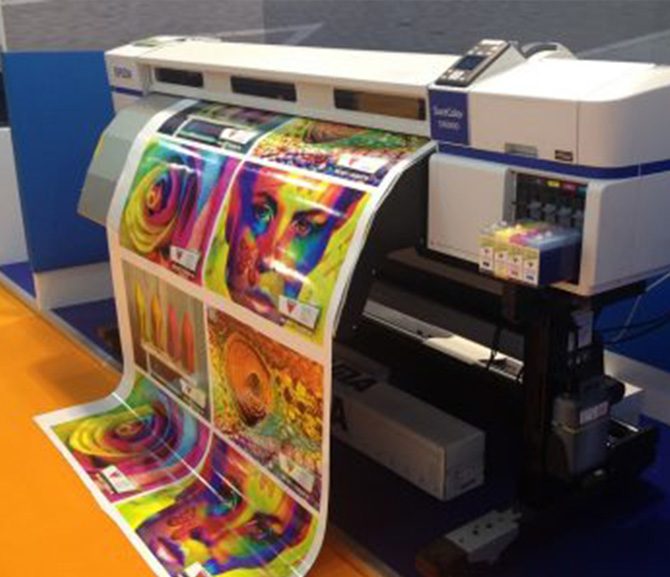
Ensuring that every aspect of your business card design is faithfully rendered during printing is crucial to achieving a professional and polished appearance. Utilizing high-resolution files, typically at 300 DPI or higher, guarantees sharp text and crisp graphics, which are essential for conveying credibility. Detailed specifications regarding color modes—preferably CMYK—must be adhered to, so colors translate accurately from digital design to physical print. Discrepancies in color output can undermine brand consistency, making precise color management a vital component of quality assurance.
Moreover, selecting the appropriate printing technology directly influences the final product’s quality. Offset printing is favored for bulk orders due to its superior color fidelity and consistency, while digital printing offers flexibility for smaller runs and quick turnarounds. Both methods have their merits, but clarity in process and expectations ensures the end result aligns with your design vision.
Print testing is an essential step before committing to large quantities. Conducting proofs allows for a thorough review of color accuracy, layout, and overall aesthetic appeal. Any necessary adjustments can be made during this phase, preventing costly reprints and ensuring the final product meets your standards.
Attention to detail extends beyond visual elements to include the precision of cuts and finishing touches. Utilizing professional trimming and die-cutting services results in clean, crisp edges and intricate shapes that enhance visual interest. Additionally, quality control checks, such as inspecting for ink smudges, registration errors, and uniformity, uphold professional standards and reinforce your company’s reputation for excellence.

Implementing these thorough quality assurance measures ensures that your business cards serve as reliable ambassadors of your brand, leaving lasting impressions that reflect your company's commitment to excellence and attention to detail.