Understanding Business Card Printing
Business card printing is a fundamental component of professional branding, serving as a tangible representation of a company's identity and a convenient tool for networking. High-quality printed business cards leave a lasting impression, convey professionalism, and facilitate connections in various business contexts. The process involves several crucial steps, from selecting the appropriate material to choosing the right design and print techniques, each influencing the final product's durability and visual appeal.
Determining the right approach to business card printing begins with understanding the core elements that contribute to an effective card. These include the choice of material, layout design, printing technique, and finishing touches that enhance durability and aesthetics. Considering these factors ensures the creation of a card that not only communicates essential information but also aligns with the brand's image and industry standards.

In professional environments, a well-crafted business card can serve as a memorable object that reflects the company's values and attention to detail. For businesses aiming to stand out, investing in top-tier printing practices and premium materials can make a difference, turning an ordinary card into a powerful branding tool.
Effective business card printing combines official methods and industry best practices, ensuring each card produced meets high standards of quality and professionalism. This level of expertise involves adhering to precise specifications, utilizing proven printing techniques, and selecting suitable materials that align with the desired visual and tactile outcomes.
Ultimately, understanding the fundamentals of business card printing aids businesses in making informed decisions that enhance their professional image and facilitate successful networking opportunities. From essential design considerations to technical execution, every detail plays a role in producing a business card that genuinely represents the brand and communicates its message effectively.
Choosing the Correct Business Card Material for Your Needs
When selecting the material for business card printing, it is essential to consider both functionality and presentation. The choice of material directly influences the card's durability, tactile experience, and visual appeal, ultimately affecting how clients and partners perceive your brand.
Paper stock remains the most traditional and versatile option, available in a variety of weights, finishes, and textures. Matte, gloss, and uncoated finishes each serve different purposes; matte provides a sophisticated, non-reflective surface ideal for elegant branding, while gloss offers a vibrant, eye-catching look suitable for colorful designs and high-resolution images. Uncoated paper offers a natural feel that is excellent for writing or additional printing, making it a practical choice for personalized or minimalist designs.
Plastic or PVC cards are increasingly popular for their durability and resistance to wear and tear. These materials lend a modern, sleek appearance and are suitable for cards that need to withstand frequent handling or exposure to moisture. Options such as clear, frosted, or matte-finished plastic expand possibilities for creative and durable business cards.
Specialty materials can elevate your business card’s professionalism and uniqueness. Textured surfaces like linen or tactile finishes offer an engaging sensory experience, adding a sense of luxury and craftsmanship. Foil stamping or embossing on metallic or textured surfaces can further reinforce brand identity, providing visual and tactile differentiation. Additionally, eco-friendly options such as recycled paper or biodegradable plastics cater to environmentally conscious brands committed to sustainable practices.
Choosing the right material aligns with your brand’s industry standards, target audience, and the message you want to convey. For instance, a law firm or financial institution might opt for heavyweight matte card stock to denote stability and sophistication, while creative agencies could favor innovative materials like transparent or textured plastics to showcase innovation and creativity.
Ultimately, the selection process involves weighing durability, aesthetic goals, cost considerations, and the intended use of the business cards. Consulting with printing professionals can provide valuable insights into the best materials suited for your design ambitions and budget constraints.
Understanding Business Card Printing
Business card printing remains a fundamental aspect of professional branding, serving as a tangible representation of your company's identity. Advanced printing technologies enable businesses to produce cards that are not only visually striking but also durable and versatile. Selecting the appropriate printing method involves considering factors such as print quality, production speed, cost efficiency, and the desired tactile experience. These variables play a crucial role in ensuring that the final product aligns with your brand’s image and operational needs.
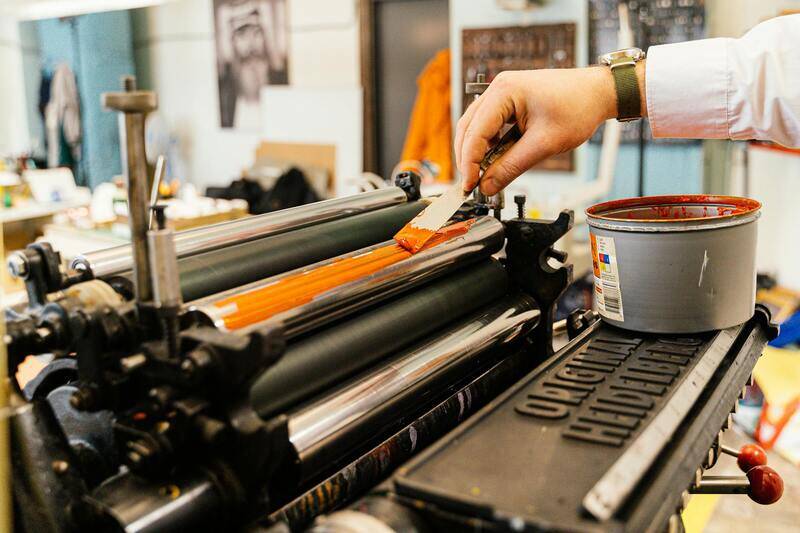
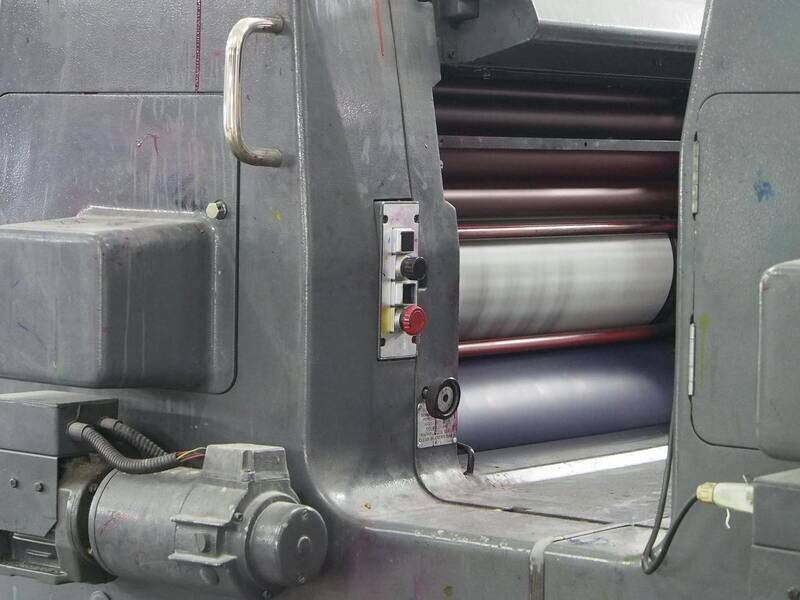
Traditional offset printing offers high-fidelity color reproduction and consistency, making it suitable for bulk orders requiring precise color matching. Digital printing, on the other hand, provides quick turnaround times and is cost-effective for smaller quantities or customized designs. For added visual impact, specialty print techniques such as letterpress, foil stamping, embossing, or spot UV coating can be employed to accentuate specific design features or create a tactile experience that leaves a lasting impression. These methods can be tailored to emphasize logos, taglines, or unique design elements, reinforcing brand identity through both sight and touch.
Considerations for Effective Business Card Printing
- Color Fidelity and Consistency: Use high-quality inks and color calibration to ensure your design appears vibrant and professional across all printed items.
- Resolution and Image Quality: Opt for high-resolution artwork (at least 300 dpi) to prevent pixelation and maintain sharpness.
- Alignment and Margins: Maintain precise margins and alignment to produce a clean, balanced layout that reflects meticulousness and attention to detail.
- Proofing and Samples: Always review proofs or samples before mass printing to identify potential issues and verify color accuracy, font readability, and layout consistency.
Adhering to industry standards in printing ensures your business cards accurately represent your brand’s professionalism and commitment to quality. Partnering with reputable printing providers guarantees that your specifications are meticulously followed, resulting in a product that resonates with your target audience and elevates your corporate image.
Official Methods for Business Card Printing
Business card printing must adhere to recognized industry standards that ensure consistency, durability, and professional appearance. The most reputable methods involve established processes such as digital and offset printing, both of which are widely accepted for producing high-quality business cards that meet commercial expectations.
Digital printing offers a flexible approach suitable for small to medium production runs. It allows quick turnarounds without compromising on print quality, making it ideal for businesses that frequently update their contact information or require personalized details on each card. This method employs digital files directly transferred to print, maintaining sharpness and color fidelity.
Offset printing, on the other hand, is preferred for larger quantities due to its cost-effectiveness and superior color consistency. It involves creating plates for each color in the design, which are then used to transfer ink evenly onto coated paper. This process ensures crisp details and vibrant colors, crucial for maintaining a professional brand image across bulk orders.

Beyond basic printing techniques, specialized methods such as letterpress and screen printing are recognized for adding tactile qualities and fine detail to business cards. These methods are executed by industry-trained artisans and involve creating impressions or applying precise ink layers, which comply with established standards of craftsmanship and quality assurance.
Legitimate Finishing Techniques for Business Cards
Finishing options play a pivotal role in elevating the appearance and durability of your business cards. Genuine, professionally applied finishes include matte, gloss, spot UV, and embossing. These techniques are applied according to industry specifications to ensure uniformity and high standards of appearance.
- Matte Finish: Provides a non-reflective surface that enhances readability and imparts a sophisticated look. This finish is often used for minimalist or modern brand aesthetics.
- Gloss Finish: Offers a shiny surface that accentuates colors and details, making images pop with vibrancy. Suitable for designs that require eye-catching appeal.
- Spot UV: Applies a high-gloss coating to specific areas of the card, emphasizing logos, text, or design elements. This finish adds depth and visual interest while adhering to printing industry standards.
- Embossing/Debossing: Creates raised or recessed elements on the card to add tactile dimension. This technique requires precise registration and high-quality pressure application to meet professional benchmarks.
Adopting these finishes through reputable printing providers ensures that visual and tactile effects are consistently delivered, reinforcing your branding efforts with top-tier presentation standards.

It’s essential to select methods and finishes that align with your branding objectives while fulfilling recognized industry standards. Partnering with experienced print specialists ensures that your project adheres to these standards, resulting in a final product that accurately reflects your professionalism and commitment to quality. This approach not only preserves the integrity of your design but also guarantees the durability and consistency expected of high-caliber business cards.
Understanding Business Card Printing
Secure and effective business card printing hinges on utilizing official and reputable methods that adhere to industry standards. The process begins with selecting high-quality printing providers that employ advanced equipment and rigorous quality control measures. Such providers utilize proven printing techniques, ensuring consistent color reproduction, sharp text, and durable finishes aligned with professional standards. They commit to transparency regarding their processes, providing detailed information about their printing protocols, material sourcing, and finishing options. This transparency ensures that clients receive products that meet their specific needs without compromise, fostering a relationship built on trust and legitimacy.
Utilizing official methods also involves strictly adhering to established color management systems, which guarantee that the final printed business cards reflect the intended brand colors accurately. State-of-the-art calibration routines and the use of industry-standard color profiles prevent color discrepancies and ensure visual consistency across large batches. Additionally, legitimate printing services rely on standardized file preparation guidelines—such as proper bleed, safe zones, and resolution requirements—reducing errors and enhancing the quality of the final product. Engaging with certified print specialists often includes consultation opportunities to optimize design and material choices, further ensuring that the end result aligns with established professional norms.
Bulk production through reputable providers also offers advantages like quality assurance checks at multiple stages, certifications for environmentally responsible practices, and adherence to safety and quality regulations applicable across the printing industry. These measures reinforce the trustworthiness of the service, providing clients with peace of mind that their business cards will possess excellent craftsmanship and withstand daily handling. Moreover, choosing official channels ensures support for legitimate supply chains and material sourcing, which is crucial for maintaining product integrity and consistency.

In summary, implementing legitimate printing methods involves careful selection of certified providers, adherence to industry standards for color and file preparation, and a commitment to quality assurance protocols. These measures guarantee that your business cards will not only meet aesthetic expectations but also perform reliably in their intended professional contexts, projecting a credible and polished brand image. By prioritizing official practices, businesses ensure their printed materials reflect their values and maintain the highest level of professionalism in every detail.
Official and Reliable Methods for Business Card Printing
To ensure your business cards meet all necessary standards of quality, durability, and professionalism, it is essential to engage with reputable printing providers that adhere strictly to established industry practices. Certified printers employ rigorous quality control procedures throughout the production process, from pre-press proofing to final output. This includes precise color management, accurate file handling, and adherence to specified dimensions, which collectively guarantee that each batch of business cards reflects your brand accurately and maintains consistency across different orders.
Authorized printing channels also prioritize the sourcing of approved materials, which is critical for maintaining product integrity and compliance with safety standards. Using certified paper and ink supplies means your business cards will not only look exceptional but will also endure the rigors of daily handling and environmental exposure. Such providers often possess industry accreditations and certifications that attest to their adherence to quality standards, further assuring clients of the dependability of their services.
Choosing official methods also involves working with suppliers that employ transparent supply chains and sustainable sourcing practices. This commitment supports environmentally responsible manufacturing, ensuring that your business cards are produced with minimal ecological impact while complying with relevant regulations. These practices protect your brand's reputation and demonstrate a dedication to integrity and social responsibility.
Furthermore, engaging with established and licensed printing companies often provides access to comprehensive consultation services. This includes expert advice on material selection, design optimization, and finish options. Such collaborations facilitate tailored solutions aligned with your branding goals while ensuring compliance with print standards and regulations.
In addition, process transparency is a hallmark of legitimate printing services. Clients can typically verify credentials and review quality assurance measures, ensuring that the final product meets professional expectations. Multiple quality checks at various stages of production minimize the risk of errors and defects, resulting in a polished, high-caliber business card that effectively represents your brand identity.
Employing these official and legitimate methods ultimately translates into a result that combines visual appeal with functional durability, projecting professionalism to your clients and partners. It underscores your commitment to quality and fosters trust, establishing a positive impression that can influence business relationships and opportunities.
Understanding Business Card Printing
Business card printing is a fundamental aspect of professional branding, encompassing the selection of appropriate materials, precise design, and reliable printing methods to ensure a lasting impression. Professionals seeking to produce high-quality business cards must rely on established, reputable printing services that adhere to stringent standards of quality assurance. These services utilize certified equipment and processes to guarantee color accuracy, sharpness, and durability, aligning with the desired visual identity of a brand. When engaging with legitimate printing providers, clients have access to comprehensive consultations, enabling optimal choices in material, finishing options, and design customization. Such partnerships help create a cohesive and impactful visual presentation that resonates with target audiences while maintaining professional standards across the board.

Choosing the Right Business Card Material
The foundation of an effective business card lies in the selection of quality materials. Leading printing companies offer a variety of options that cater to different branding needs, including traditional paper stocks, textured materials, and eco-friendly alternatives. Standard cardstock remains popular for its balance of durability and affordability, but premium options such as matte, gloss, or brushed finishes elevate the tactile experience. For brands aiming to demonstrate environmental responsibility, recycled and biodegradable materials are increasingly available. Proper material selection not only influences the card’s aesthetic appeal but also its longevity and resistance to wear and tear, ensuring that your contact information remains pristine after multiple exchanges.
Design Elements for Business Cards
Effective business card design integrates critical visual elements to reinforce brand identity. These include your logo, color palette, typography, and layout consistency. Clear hierarchies of information facilitate quick comprehension, with essential details like your name, title, contact channels, and company slogan prominently displayed. Maintaining simplicity while incorporating distinctive branding elements helps your card stand out without overwhelming the recipient. Strategic use of negative space and high-resolution imagery ensures readability and professional appearance. Licensed designers and official printing services can assist in optimizing designs for different formats and ensuring maximum visual impact when printed across various materials and finishes.
Print Techniques and Finishes
To achieve quality results, reputable printing providers employ specialized techniques such as offset, digital, or letterpress printing, each suited to different production volumes and design complexities. High-end finishes like embossing, foil stamping, and spot UV coating add tactile and visual appeal, highlighting specific design elements or branding features. These techniques elevate a standard business card into a memorable marketing tool. Additionally, protective coatings or lamination are often applied to enhance durability and resistance to moisture, smudging, and daily handling. Collaborating with authorized printers ensures that these advanced techniques are executed precisely, aligning with your branding goals and delivering a polished, professional final product.

Size, Shape, and Layout Options
While the standard size for business cards is 3.5 x 2 inches, custom shapes and sizes are increasingly popular for making a memorable statement. Rounded corners, square formats, or uniquely die-cut shapes allow your card to stand out in a crowded networking environment. The layout should prioritize clarity and flow, strategically positioning elements to maximize readability and aesthetic balance. Incorporating margins, grids, and alignment help maintain consistency, especially when producing large quantities. Professional printing services can guide clients through the selection process, recommending functional and innovative options that enhance the effectiveness of the card’s design and distribution potential.
Cost and Lead Time Factors
The investment in high-quality business card printing varies based on material choice, technique complexity, and order volume. Standard designs produced with digital printing often have shorter turnaround times and lower costs, making them suitable for quick distribution needs. Conversely, bespoke finishes, custom shapes, and larger quantities typically require additional lead time and higher budgets. It is essential to establish clear communication with your printing provider to align expectations concerning deadlines and costs. Working with licensed and reputable providers ensures transparency and adherence to schedules, facilitating a smooth process from file preparation to final delivery. Proper planning in this regard guarantees that your business cards are ready for distribution at optimal times for networking and marketing efforts.
Understanding Business Card Printing
Business card printing is a critical element of professional branding and marketing strategies. It involves transforming your digital designs into tangible, high-quality cards that leave a lasting impression. This process encompasses selecting appropriate printing methods, materials, and finishes to ensure the final product accurately reflects your brand identity. Reliable printing services employ advanced technology and proven techniques to deliver sharp visuals, vibrant colors, and durable cards that withstand handling over time. When choosing a business card printing provider, it is important to consider their expertise, quality control measures, and adherence to timelines to guarantee a seamless experience from design submission to delivery.

Choosing the Right Business Card Material
Material selection significantly influences the tactile quality and durability of your business cards. Common options include:
- Standard cardstock: Offers a balanced combination of affordability and durability, suitable for bulk printing.
- Premium cardstock: Thicker and more substantial, elevating the perception of quality.
- Plastic or PVC: Waterproof and highly durable, ideal for contact details that need to withstand the elements.
- Recycled paper: Eco-friendly option that supports sustainable business practices.
Each material type provides different tactile sensations and visual effects. For example, textured finishes like linen or matte add a sophisticated feel, while gloss coatings highlight vibrant colors. Your choice should align with your brand message, intended audience, and budget considerations. Consulting with a reputable printing service assists in selecting the optimal material to achieve your desired outcome while maintaining cost-effectiveness.
Design Elements for Business Cards
Effective business card design combines clarity with visual appeal. Essential elements include your company logo, contact information, and a succinct tagline or value proposition. It's crucial to maintain consistency with your brand’s color scheme, typography, and overall style. Strategic use of whitespace enhances readability, while contrasting colors draw attention to key information. Incorporating subtle design elements such as icons or patterns can make your card more memorable but should not overwhelm the overall layout. Ensuring that all critical information is easily accessible at a glance increases the likelihood of your contact details being retained and shared.
Print Techniques and Finishes
The choice of printing techniques and finishes affects the tactile experience and visual impact. Popular methods include:
- Digital printing: Cost-effective and quick, suitable for small to medium runs with vibrant color reproduction.
- Offset printing: Ideal for large quantities, offering high-quality and consistent results.
- Letterpress: Creates a tactile impression, adding a luxurious feel through embossing or debossing techniques.
- Foil stamping: Adds metallic accents, elevating the visual richness of the design.
Finishes such as matte, gloss, velvet, or soft-touch coatings further enhance the card's aesthetics. Matte finishes lend an understated elegance, while gloss highlights vivid colors and sharp details. Special finishes like spot UV coating can be applied to specific areas to add depth and focus.
Size, Shape, and Layout Options
Standard business cards typically measure 3.5 x 2 inches, but customization offers creative flexibility. Die-cut shapes, rounded corners, or unconventional sizes can help your cards stand out. When considering shapes and sizes, it’s essential to balance visual interest with practicality—ensuring cards are easy to store and handle. The layout should prioritize a logical flow, with contact details and branding elements positioned for quick visibility. An organized layout minimizes clutter and enhances professionalism, making your cards both functional and eye-catching.
Cost and Lead Time Factors
Costs associated with business card printing depend on material choices, complexity of design, printing techniques, and order quantity. Basic digital printing on standard cardstock generally provides quick turnaround times and lower costs, making it suitable for frequent updates or urgent distribution. Custom shapes, specialty finishes, and larger orders naturally incur higher expenses and require additional preparation time. Collaborating with your printing provider to plan early allows for adjustments and ensures delivery aligns with your marketing schedule. Transparent communication about expectations helps manage budgets and timelines effectively, resulting in a smooth production process.
Best Practices for Printing and Distribution
To maximize the impact of your business cards, ensure the files are print-ready, with high-resolution images and correctly formatted for the chosen printing method. Proofing samples before the full run helps identify and rectify potential issues. When distributing cards, target relevant networking opportunities and maintain a professional presentation to reinforce your brand message. Consistent quality in printing and strategic placement increase the likelihood of your contact details being retained and shared, fostering meaningful connections and potential business growth.