Overview of Large Picture Printing in Singapore
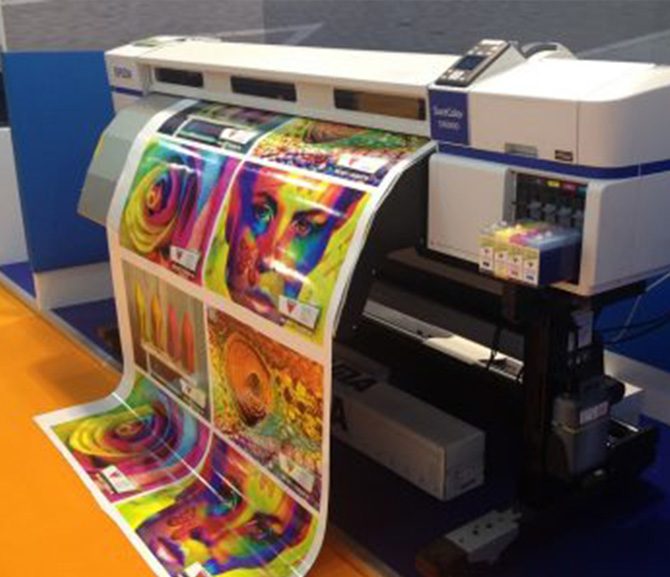
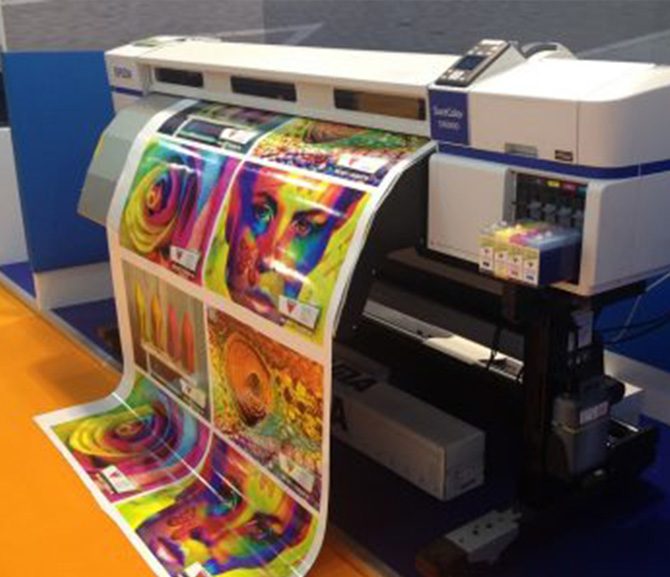
Large picture printing is a specialized printing technique that involves creating high-quality, oversized visuals suitable for various commercial, artistic, and personal applications. In Singapore, this service has gained significant popularity due to its impactful visual appeal and versatility. Businesses utilize large prints for advertising, branding, and interior décor, while artists and photographers leverage this medium to showcase their work on a grand scale. Additionally, event organizers often incorporate large picture prints for backdrops and promotional displays, making them a vital element in visual storytelling and brand communication.
Implementing large picture printing requires precision and attention to detail to ensure clarity, color accuracy, and durability. The vibrant and sharp images produced can transform ordinary spaces into compelling environments that attract attention and leave lasting impressions. Given Singapore’s dynamic commercial landscape and a vibrant creative scene, the demand for high-quality large format prints continues to grow, supported by advanced printing technologies and skilled service providers.
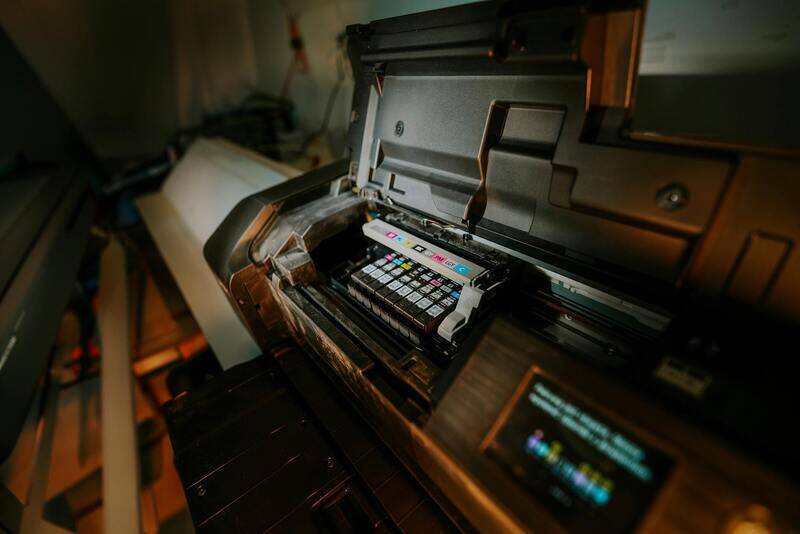
From outdoor billboards and building wraps to interior murals and gallery displays, large picture printing plays a pivotal role in visual marketing and artistic expression. Its application spans retail spaces, corporate offices, hotels, and event venues, providing an effective way to convey messages and evoke emotional responses.
The popularity of large picture printing in Singapore is also driven by the availability of advanced printing technology, eco-friendly materials, and proficient service providers. These factors ensure that clients receive durable, vibrant, and visually stunning prints that meet their specific needs and expectations.

Materials and Surfaces for Large Prints
Choosing the appropriate materials and surfaces is crucial to achieving optimal results in large picture printing. The selection depends on the intended application, environment, and desired visual effects. For outdoor applications, durable materials such as vinyl banners or mesh fabrics are popular choices due to their weather-resistant properties. These materials can withstand exposure to sunlight, rain, and wind without significant deterioration, maintaining vibrancy over extended periods.
Indoor large prints, such as wall murals or gallery displays, often utilize high-quality substrates like canvas, acrylic, or fine art paper. Canvas offers a textured finish that adds depth and a classic aesthetic, ideal for artistic displays and exhibitions. Acrylic panels provide a sleek, glossy surface that enhances color vibrancy and contrast, making images pop in retail or corporate environments. Fine art papers are suitable for photographic prints that require fine detail and subtle color gradations.
Specialty materials are also available to meet specific requirements, including eco-friendly options made from recyclable or biodegradable substrates. These are particularly appealing to brand owners seeking sustainable solutions without compromising quality. The surface finish—glossy, matte, or satin—further influences the visual impact, with matte finishes reducing glare and reflections, making them suitable for environments with bright lighting or where minimal reflection is desired.
It is vital to consult with printing professionals who understand the properties of each material. They can recommend substrates that best suit the installation environment and longevity requirements, ensuring that the final output maintains its quality and appearance over time.
Materials and Surfaces for Large Prints
Choosing the appropriate material is essential for achieving optimal visual impact and longevity in large picture printing. Common materials used include vinyl, fabric, aluminum, foam boards, and acrylic sheets, each offering distinct advantages tailored to different environments and aesthetic preferences.
Vinyl remains a popular choice due to its versatility, durability, and cost-effectiveness. It is suitable for both indoor and outdoor applications, such as banners and signage, thanks to its resistance to weather elements. High-quality vinyl with laminate overlay can further enhance longevity and resist scratches or UV rays, ensuring that the printed images stay vibrant over time.
Fabric materials, including canvas and textiles, are preferred for art reproductions, gallery displays, or interior decor. Fabric printing offers a textured, refined finish that adds depth to visual presentations. These materials are often chosen for their ability to produce rich colors and subtle gradations, especially suitable for photographic images and fine artwork.
Aluminum and metal panels are celebrated for their sleek appearance and structural stability. Aluminum prints are highly durable, resistant to corrosion, and suitable for both modern indoor settings and outdoor environments. They reflect light effectively, creating an eye-catching display that enhances the vibrancy of the printed image.
For interior installations, foam boards and acrylic sheets offer lightweight yet sturdy options. Foam boards are easy to mount and handle, making them ideal for temporary or event displays. Acrylic surfaces provide a high-gloss, crystal-clear finish that amplifies color contrast and detail, making them popular in retail environments or corporate lobbies.
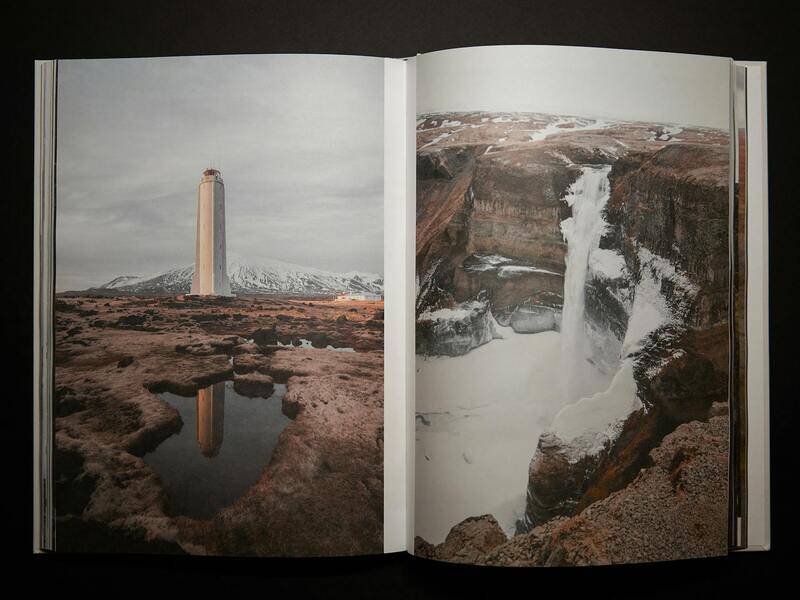
The choice of surface finish—glossy, matte, or satin—also dramatically influences the final aesthetic. Glossy finishes emphasize color vibrancy and sharpness but may reflect light, which can cause glare. Matte finishes reduce reflections and glare, offering a muted, sophisticated appearance that works well in brightly lit environments. Satin finishes strike a balance, providing a soft sheen that elevates image depth while minimizing glare. Consulting with printing professionals helps in selecting the right material and finish to match the intended environment and visual goals.
Types of Large Picture Printing Methods
When selecting the appropriate printing technology for large images, it is essential to understand the diverse methods available, each offering distinct advantages tailored to specific needs. The most common large picture printing techniques include solvent printing, UV printing, dye sublimation, and aqueous inkjet printing. Each method impacts the final output's durability, color quality, and surface compatibility.
Solvent Printing
Solvent printing employs solvent-based inks that are absorbed into the material's surface, providing excellent adhesion and resistance to environmental factors. This method is optimal for outdoor signage, banners, and large format posters that require high durability. Solvent prints boast vibrant color reproduction and are resistant to moisture, UV rays, and scratches, making them suitable for long-term displays in various weather conditions.
UV Printing
UV printing utilizes ultraviolet light to cure inks instantly upon contact with the substrate. This technique allows for printing on a wide range of materials, including unconventional surfaces such as glass, wood, and metal. UV printing delivers high-resolution images with sharp details and a matte or glossy finish. Its quick curing process minimizes smudging and enables printing on rigid surfaces for customized signage and art installations.
Dye Sublimation
Particularly favored for fabric and soft surfaces, dye sublimation transforms dye-based inks into gas under heat, infusing the material with vivid colors that are long-lasting and resistant to fading. This method is highly suitable for producing photographic prints, fabric banners, and even customized apparel. The results are characterized by rich, vibrant hues and a smooth, seamless appearance, ideal for art exhibitions or promotional displays.
Aqueous Inkjet Printing
This technique involves water-based inks that are environmentally friendly and produce high-quality images with excellent color accuracy. Aqueous printing is often used for indoor applications such as gallery prints, fine art reproductions, and high-end photographs. Although it offers less resistance to weather conditions compared to solvent or UV printing, it excels in producing detailed and color-rich images for display in controlled environments.
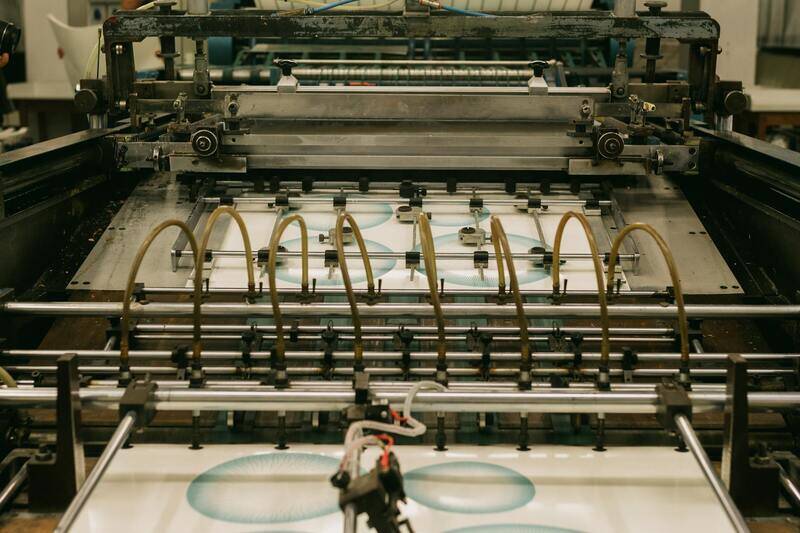
The choice of printing method hinges on factors such as the intended display environment, material compatibility, longevity requirements, and budget constraints. Consulting with experienced printing professionals ensures the selection of a technique that aligns precisely with the project goals, guaranteeing a vibrant, durable, and visually impactful large-format print.
Cost Considerations for Large Picture Printing
When planning to create large picture prints in Singapore, understanding the cost structure is essential to ensure your project remains within budget while achieving the desired quality. Several key factors influence the overall expense:
- Size and Dimensions: The larger the print, the higher the material costs and printing fees. Precision in dimensions ensures that the final output aligns with your specifications, and larger sizes typically require specialized equipment, which can add to the cost.
- Material Selection: Different materials, such as vinyl, canvas, acrylic, or fabric, come with distinct price points. Premium options like high-quality canvas or specialized textured surfaces will naturally cost more but offer enhanced visual appeal and durability.
- Print Resolution and Detail: High-resolution images with intricate details demand advanced printing technology and longer production times, impacting overall costs. Opting for detailed, vibrant imagery requires professional-grade equipment and inks.
- Durability and Finish: Additional treatments such as lamination, UV coating, or framing can significantly increase expenses. These finishing options extend the lifespan of the print and enhance its aesthetic appeal.
- Quantity: Bulk orders often benefit from discounted rates per unit. For businesses or organizations planning multiple large prints, negotiating project-specific pricing can lead to substantial savings.
Investing in quality printing services ensures that your large picture print not only looks visually impressive but also endures the conditions where it will be displayed. Consulting with experienced providers allows for personalized quotes based on your specific needs, balancing quality and cost-efficiency.

Another important aspect to consider is the potential for unforeseen costs, such as transportation and installation, especially for oversized prints. Clarifying these aspects during the initial planning stage helps prevent unexpected expenses and ensures a smooth project workflow.
Installation and Maintenance of Large Prints
Proper installation is crucial to preserve the aesthetic appeal and structural integrity of large-format prints. When choosing a professional printing service in Singapore, it is advisable to select providers that also offer installation services. Skilled installers ensure that the print is mounted securely and aligned correctly, preventing issues such as warping, sagging, or uneven mounting that could compromise the visual impact.
For diverse surfaces—including walls, glass, or textured canvases—different mounting techniques are employed. For instance, wall-mounted prints may require specialized hardware like float mounts or concealed brackets, while prints on glass might use adhesive films or clamps to avoid damage. Ensuring that the appropriate methods are used enhances the longevity and appearance of the display.
Maintenance of large picture prints involves regular cleaning and inspection to prevent dust buildup or damage caused by environmental factors. Use of gentle cleaning solutions and soft cloths is recommended to avoid scratching or degrading the surface. In some cases, UV-protective coatings can be applied during printing or as a maintenance step, shielding the image from fading caused by prolonged sun exposure.
Environmental considerations such as humidity, temperature fluctuations, and outdoor exposure should guide maintenance routines. For outdoor displays, additional weatherproofing measures—like sealing or protective lamination—help to extend the lifespan of the print, keeping it vibrant and intact over time.
Overview of Large Picture Printing in Singapore
Large picture printing in Singapore has become an integral component of commercial and residential interior design, corporate branding, and event decorations. The demand for high-quality, visually striking prints drives the industry toward adopting advanced printing technologies and premium materials. As Singapore continues to position itself as a hub of innovation and aesthetic excellence, the precision and detail achievable through large-scale printing have set new standards. Whether for creating impactful wall murals, eye-catching exhibition displays, or personalized home décor, the process involves meticulous planning, professional craftsmanship, and a keen eye for design balance.
Clients seeking large format prints are advised to collaborate with reputable service providers that specialize in professional image reproduction. These providers typically employ cutting-edge large format printers capable of producing high-resolution images across various materials. Additionally, Singapore’s diverse climate requires printers to consider environmental factors—such as humidity and temperature variations—to choose materials and finishes that preserve visual integrity over time.
Types of Large Picture Printing Methods
- UV-Printing: Utilizes ultraviolet light to cure the inks instantly on various substrates, delivering vibrant colors and durable surfaces suitable for both indoor and outdoor use.
- Solvent and Eco-Solvent Printing: Known for their weather resistance, these methods are ideal for outdoor banners, murals, and signage, providing excellent color vibrancy and longevity.
- Latex Printing: Provides flexible, eco-friendly options that are safe for indoor environments, offering high-quality images with a matte or semi-gloss finish.
- Giclée Printing: Used primarily for art reproductions, this method offers high-detail output on canvas or fine art papers, perfect for gallery-quality displays.
Materials and Surfaces for Large Prints
Choosing the appropriate material is crucial for achieving the desired aesthetic and durability of large prints. Different surfaces serve specific purposes based on environmental exposure and visual effects.
- Vinyl: Popular for banners and outdoor advertisements, vinyl is weather-resistant and easy to install.
- Canvas: Suitable for art reproductions and interior murals, offering texture and depth similar to traditional paintings.
- PVC and Dibond: Rigid materials used in signage and wall-mounted displays, providing a sleek, modern look with excellent durability.
- Glass and Acrylic: Ideal for premium displays and photo frames, adding sophistication and a contemporary feel.
- Textured Surfaces: Canvas or fabric options can add artistic texture, enhancing visual interest especially on large art pieces.
Design Preparation and File Requirements
To ensure optimum quality in large picture printing, thorough design preparation is essential. Files should be produced following specific resolution and format guidelines to prevent pixelation or color discrepancies. Typically, design files are expected to be at least 300 DPI at the final print size, with vector files preferred for logos and text to maintain sharpness.
- Color Mode: CMYK is recommended for accurate color reproduction, aligning with the printing process.
- File Format: Preferred formats include PDF, TIFF, or EPS, which preserve image quality and support embedded color profiles.
- Bleed Margins: Incorporate bleed areas (generally 2-5mm) to avoid unwanted white borders after trimming or mounting.
- Proofing: Digital proofs or sample prints are advisable for color calibration and layout confirmation before the full run.
Collaborating with experienced printers can streamline the process, ensuring files are correctly prepared and capable of producing vibrant, accurate results. Proper pre-press checks prevent costly reprints and delays, providing a seamless experience from design to final installation.
Installation and Maintenance of Large Prints
Proper installation is critical to ensure the visual impact and longevity of large picture prints in Singapore. The process typically involves precise measuring, mounting, and securing techniques to prevent sagging, warping, or detachment over time. Professionals utilize specialized tools such as levelers, t-screws, brackets, and adhesives suited for different materials and surfaces. For outdoor installations, weather-resistant fixtures and secure fastening are essential to withstand Singapore’s humid environment and dynamic weather conditions. Additionally, consideration should be given to accessibility, ensuring the print is positioned at an optimal viewing height and angle for maximum impact.
Maintenance plays a vital role in preserving image quality. Regular cleaning using non-abrasive, lint-free cloths and appropriate cleaning solutions can prevent dust, dirt, and environmental pollutants from accumulating thickly on surfaces. For prints on glass or acrylic, gentle wiping and avoiding harsh chemicals safeguard against scratching and clouding. When installing prints on external facades, periodic inspections are recommended to detect any signs of loosening or damage caused by weathering, requiring prompt repair or re-anchoring.

Furthermore, implementing UV protective coatings or laminates can greatly enhance resistance to fading, especially for outdoor displays. This is particularly beneficial in Singapore’s tropical climate, where high humidity and intense sunlight pose risks to paper-based or delicate materials. Advanced protective films also aid in safeguarding against scratches and chemical damage, maintaining the print’s clarity and vibrance over time. Consulting with professional printing services about appropriate protective measures can result in more durable and visually appealing large picture installations.
In environments where frequent updates or changes are desired, modular or framed systems provide flexibility for easy replacement or maintenance without the need for extensive disassembly. Proper storage of unused or replacement prints in controlled conditions further prolongs their lifespan and readiness for any future installation needs. Ensuring that maintenance protocols are consistently followed helps sustain the investment in high-quality large picture prints and maximizes their impact over years of display.