Understanding Large Format Printing
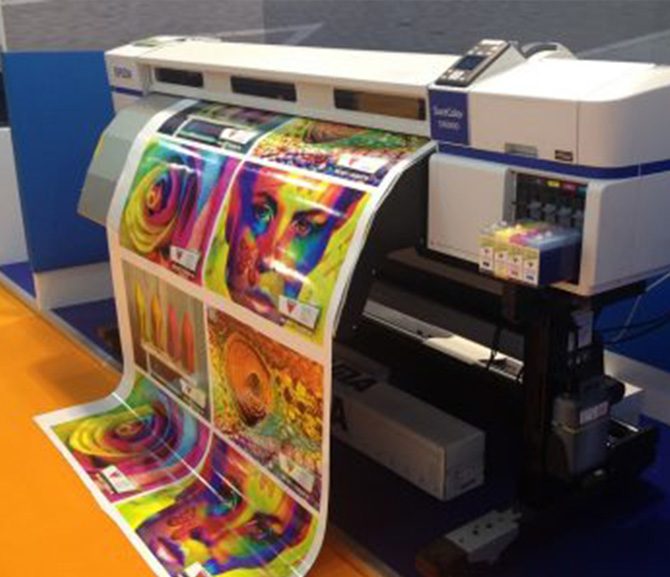
Large format printing is a specialized process designed to produce images that are significantly bigger than standard photographic prints. This method is essential for creating impactful visual displays in a variety of industries, including advertising, interior design, art exhibitions, and event promotion. Unlike traditional printing techniques that accommodate smaller image sizes, large format printing allows for the production of banners, wall murals, posters, backdrops, and fine art reproductions at sizes that command attention and convey messages powerfully.
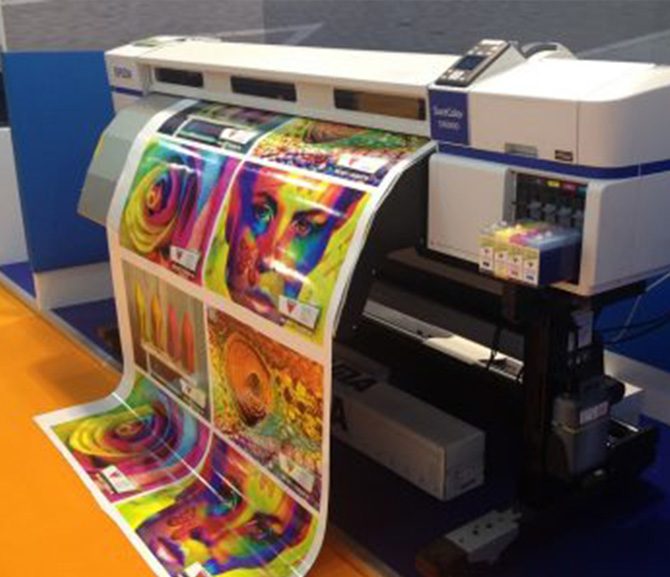
At its core, large format printing involves the use of high-capacity printers capable of handling wide media rolls—often up to 10 feet in width or more. This process not only requires advanced printing machinery but also thorough knowledge of material characteristics and image processing. With growing technological advancements, large format printing has become more accessible and versatile, enabling businesses and artists to realize their creative visions at scale and detail levels that were previously unattainable.
One of the most significant aspects of large format printing is its ability to produce high-quality images that retain color accuracy, resolution, and detail even at massive sizes. This quality makes it suitable for commercial murals, vehicle wraps, trade show displays, architectural visualizations, and gallery exhibits. The visual impact achieved through large format printing can dramatically enhance branding, marketing campaigns, or artistic statements, making it a vital tool across many sectors that aim to make a bold impression.
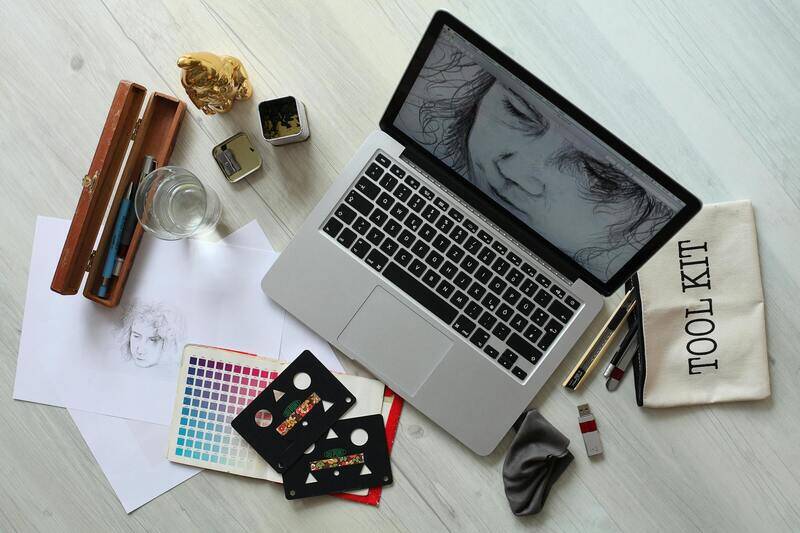
Choosing the right large format printing solution depends on understanding the specific requirements of the project, including size, material, durability, and display environment. Proper planning and execution ensure that the final product not only meets aesthetic expectations but also withstands environmental conditions such as sunlight, moisture, and handling. As technology evolves, suppliers like expressprintingsi.com continue to expand their capabilities, offering a broad range of solutions tailored for diverse large-scale printing needs.
Choosing the Right Photo Resolution
When aiming to print large size photos, ensuring optimal resolution is critical to achieving a crisp, detailed appearance without pixelation or blurriness. Images intended for large format printing should ideally have a resolution of at least 150 dots per inch (DPI) at the final display size, although many professionals prefer 300 DPI for highly detailed visuals. The key is to balance resolution with the final print dimensions, as enlarging a low-resolution image can lead to a noticeable loss of detail and sharpness.
To determine whether an image is suitable for large-format printing, start by examining its pixel dimensions. For example, a 24 x 36-inch poster printed at 150 DPI requires an image with pixel dimensions of at least 3600 x 5400 pixels. Images with insufficient pixel data may be resampled, but this process can sometimes compromise quality. Thus, capturing high-resolution images from the outset or sourcing high-detail files significantly enhances the fidelity of large prints.
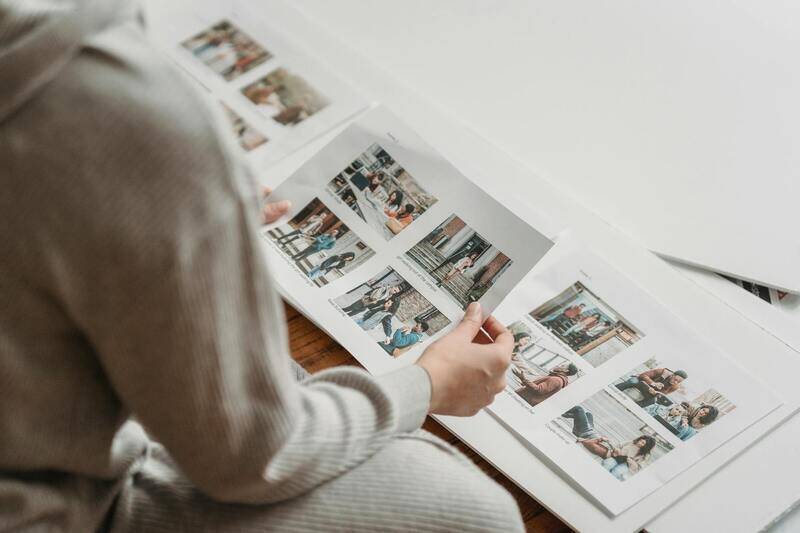
Adjusting image resolution during the file preparation stage can prevent issues related to pixelation. It’s recommended to work with original files whenever possible, as they contain the maximum amount of detail. Editing tools like Adobe Photoshop enable users to check and modify resolution settings, ensuring the image meets the specifications required for large prints while maintaining optimal quality.
Strategies for Optimizing Images for Large Scale Prints
- Start with high-resolution files: Always source images captured at the highest possible quality, especially if the final size will be substantial.
- Use professional editing software: Utilize programs capable of managing large files and adjusting resolution without loss of detail.
- Keep aspect ratio intact: Avoid distortion by maintaining the original proportions during resizing or cropping.
- Apply sharpening: Slight sharpening after resizing can enhance edge detail, making photos pop at large sizes.
- Preview at final size: Use digital mockups to assess how the image will appear when enlarged, enabling adjustments as needed.
By adhering to these practices, customers can ensure that their large photos maintain high fidelity, vibrant color, and excellent detail, effectively capturing every nuance intended in the original shot.
Selecting Suitable Materials and Substrates
When it comes to printing large photos, the choice of material significantly influences the final appearance, durability, and suitability for the intended environment. Common options include vinyl, canvas, and poster paper, each offering unique benefits tailored to different applications.
Vinyl: Ideal for outdoor displays, vinyl is durable, weather-resistant, and capable of handling exposure to sunlight and moisture. Its flexibility makes it suitable for installation on curved surfaces or irregular structures. Vinyl prints are often laminated to enhance UV protection and longevity, ensuring vibrant colors remain intact over time.
Canvas: Providing a classic, textured look, canvas is favored for interior decor, gallery displays, or artistic presentations. It offers a sophisticated aesthetic and can be stretched over frames for a polished finished piece. Canvas prints are typically coated with a protective layer to prevent fading and allow for easy cleaning.
Poster Paper: Best suited for temporary displays or interior use where cost-efficiency is a priority, poster paper offers a lightweight and versatile substrate. It provides excellent color reproduction but may lack the durability of vinyl or canvas, making it less suitable for outdoor applications or high-traffic areas.
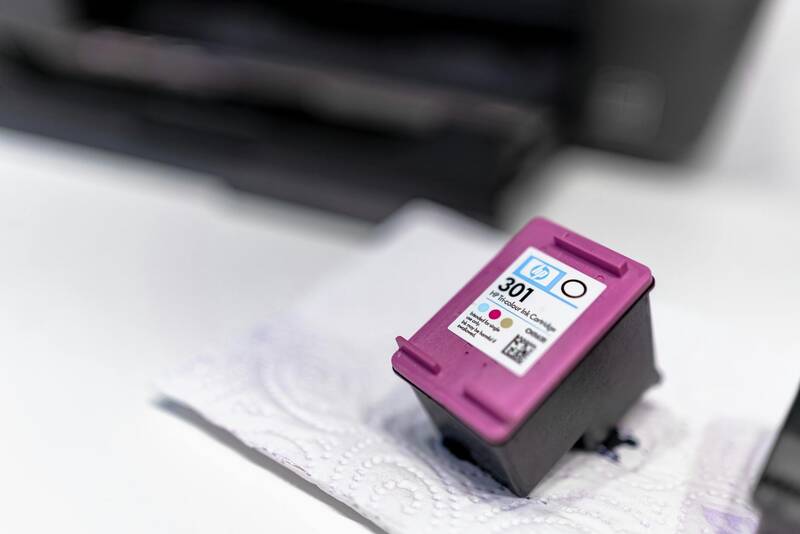
Additional considerations include the thickness of the material, adhesive type (if applicable), and whether a special coating is necessary to achieve the desired finish. Selecting the appropriate substrate ensures that large photos are not only visually striking but also resilient enough to withstand environmental conditions and handling during installation.
File Preparation and Optimization
Proper file preparation is paramount to achieving impeccable large-format prints. This process involves ensuring that images are embedded with the correct resolution, color profiles, and dimensions to match printing specifications.
- Resolution and Dimensions: Confirm that the image resolution adheres to industry standards—commonly 300 DPI for large prints—while matching the final desired print size. Use professional editing software to resize images without compromising sharpness.
- Color Profiles: Embed or assign appropriate color profiles (such as Adobe RGB or sRGB) to ensure color consistency between digital files and printed results. Consistent color management minimizes discrepancies and helps achieve the intended visual impact.
- File Format: Save images in high-quality formats like TIFF or PSD to preserve detail and allow for edits. Avoid compressed formats such as JPEG, which may introduce artifacts detrimental to large prints.
- Clean Files: Remove any background noise, dust spots, or unwanted marks. Use retouching tools to enhance clarity and correct imperfections before sending files for printing.
- Mockups and Proofs: Conduct digital mockups and, if possible, create proof prints to preview how the final product will look. This allows for adjustments in color, contrast, or composition prior to the full run.
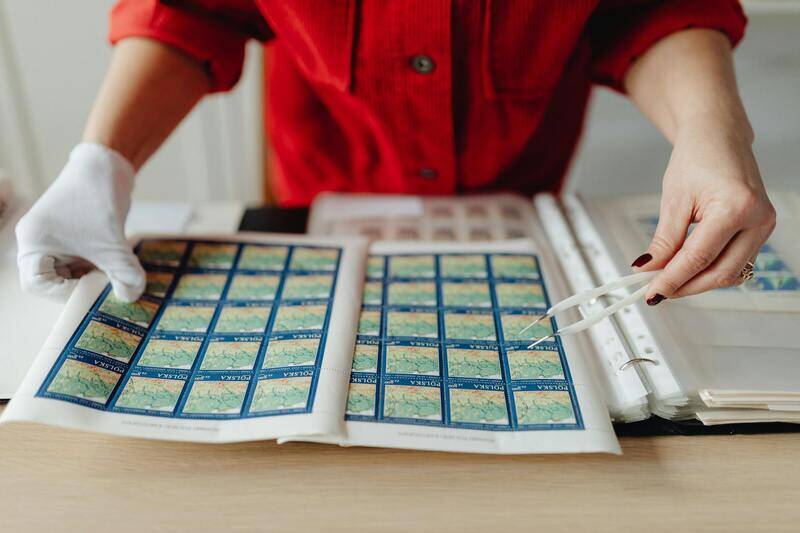
By diligently preparing and optimizing digital files, clients can significantly enhance the quality, color accuracy, and overall appearance of their large photo prints, ensuring they meet professional standards and visual expectations.
Proper File Preparation and Optimization for Large Photo Prints
Achieving stunning large-scale photographs requires meticulous file preparation. High-resolution images are fundamental to ensure clarity and detail when printed in sizable formats. Use professional image editing software to resize images to the exact dimensions required, maintaining a resolution of 300 DPI or higher. This prevents pixelation and maintains sharpness across large surfaces. When resizing, avoid stretching or compressing images, which can compromise visual integrity.
Color consistency plays a vital role in large photo printing. Embedding and assigning appropriate color profiles, such as Adobe RGB or sRGB, ensures the colors in the digital files translate accurately to the physical output. Consistent color management protocols help minimize discrepancies, especially when printing on different materials or substrates.
File formats used during preparation significantly influence print quality. Saving images in non-compressed formats such as TIFF or PSD maintains the integrity of detail and color depth. These formats are suitable for professional large-format printing, allowing for high-quality reproduction. Avoid lossy formats like JPEG, which may introduce compression artifacts that diminish image sharpness and detail in large prints.
Before submitting files for printing, review and clean up your images. Remove dust, noise, or unwanted marks using retouching tools. Enhancing contrast and sharpness ensures that the images retain their richness when enlarged. Digital mockups and test proofs can also be invaluable for previewing how the final print will appear, giving an opportunity to make adjustments to color, brightness, or composition.
Proper file preparation not only guarantees vibrant and sharp images but also streamlines the printing process, reducing the need for revisions and reprints. Consistent attention to resolution, color accuracy, and cleanliness of digital files results in large prints that vividly capture the intended visual story, blending technical precision with artistic vision.
Choosing the Appropriate Printing Method for Large Photos
When it comes to printing large-sized photos, selecting the right printing technology is crucial for achieving high-quality results that meet your expectations. Different printers utilize various mechanisms, each with its own advantages tailored to specific needs and applications.
Overview of Digital Printing Technologies
The two primary technologies used for large photo prints are inkjet and solvent printing. Understanding their unique features helps in making an informed decision on the best method for your project.
Inkjet Printing for Large Photos
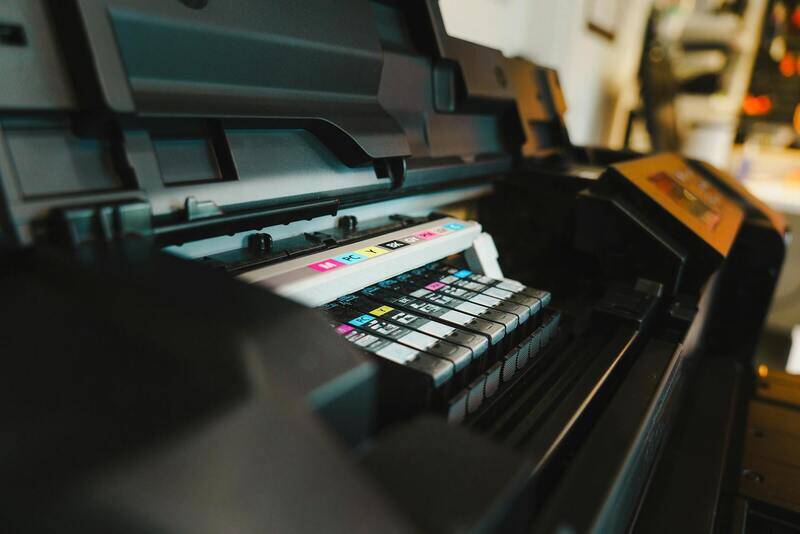
- High Resolution and Color Fidelity: Inkjet printers deliver remarkable detail and color accuracy, making them a popular choice for photographic reproductions.
- Wide Range of Media Compatibility: These printers can handle diverse substrates such as photographic papers, canvas, vinyl, and fine art papers.
- Excellent Image Sharpness: Capable of producing smooth gradients and crisp details, essential for high-resolution images.
- Limitations: Typically, inkjet printers may have slower production speeds and higher ink costs, which are important factors for large volume printing.
Solvent and Eco-Solvent Printing
- Durability and Weather Resistance: Suitable for outdoor use, these printers produce prints that withstand elements like moisture and UV exposure.
- Vibrant Colors and Smooth Finishes: The solvent inks offer rich, deep hues ideal for large banners, signage, and displays.
- Versatility in Media: Compatible with vinyl, mesh, and rigid materials, making it beneficial for versatile applications.
- Limitations: The chemical solvents involved require proper handling and ventilation during the printing process.
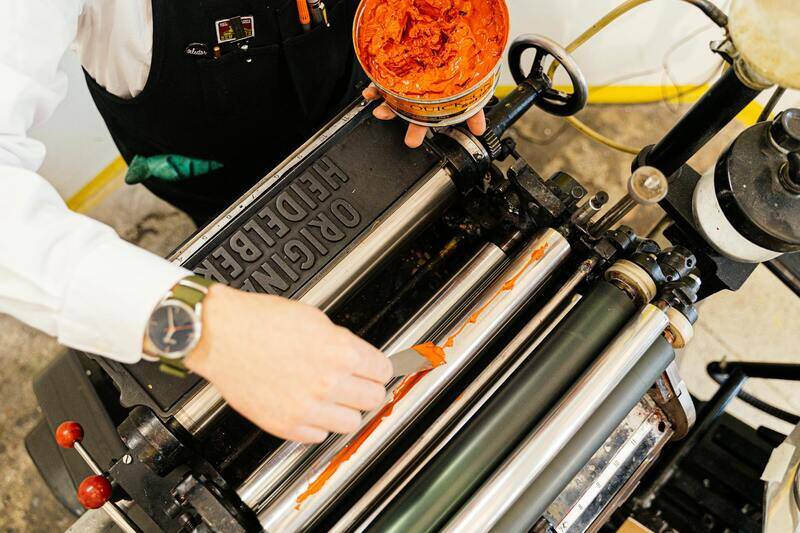
Matching Printing Technologies to Project Goals
Choosing the most suitable printer hinges on assessing specific project requirements, including the intended display environment, durability needs, color quality, and budget constraints. For indoor gallery displays where vibrant details are needed, high-resolution inkjet printers are typically preferred. Conversely, for outdoor signage requiring longevity and resistance, solvent-based options provide the durability needed to sustain visual impact over time.
Implementation Considerations
Beyond the choice of printer technology, factors such as print size, resolution settings, and media compatibility influence the overall outcome. Working closely with a professional printing service, like those available through expressprintingsi.com, ensures access to advanced equipment and expertise that can optimize the printing process for your large-scale photographic needs.
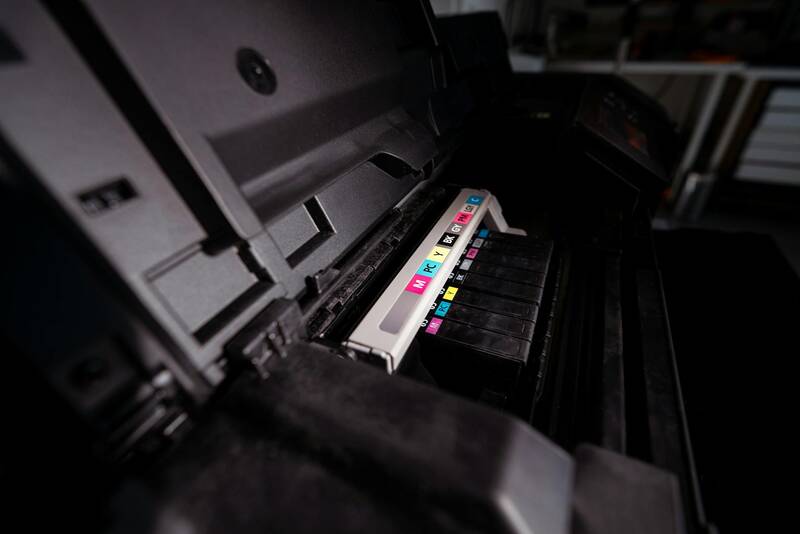
Understanding Large Format Printing
Large format printing encompasses a variety of advanced techniques designed to produce high-quality images on oversized media. When it comes to printing large size photos, selecting the right process is essential to achieve vivid detail and durability. This approach involves specialized high-resolution printers capable of handling expansive dimensions while maintaining sharpness and color fidelity. Customers seeking to print large photos for commercial displays, artwork, or personal projects should consider the technical nuances that influence the final appearance, including print quality, media compatibility, and environmental resistance.

Choosing the Right Photo Resolution
One of the most vital elements in large photo printing is ensuring the image resolution supports expansive enlargement without loss of clarity. For images destined for large prints, a minimum resolution of 300 dpi (dots per inch) at the final print size is recommended, though this can vary depending on viewing distance and material. Higher resolution files provide intricate detail necessary for close-up displays, while slightly lower resolutions may suffice for large banners viewed from a distance. To achieve the best outcome, verify that your digital files are high resolution and free from compression artifacts, avoiding pixelation or blurriness in the final print.
Ideal Image Specifications
- Minimum resolution of 300 dpi at the desired print dimensions
- Use of uncompressed or minimally compressed image formats such as TIFF or PNG
- Proper color profiles embedded in the files to facilitate accurate color reproduction
- Ensuring the original file contains sufficient pixel data to support large scaling
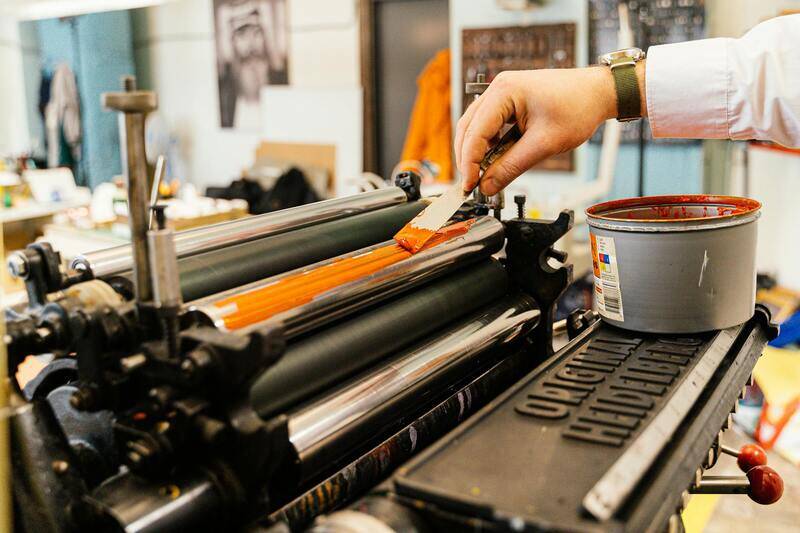
Selecting Suitable Materials and Substrates
The choice of materials for large photo printing significantly influences the durability, appearance, and functionality of the final product. Common substrates include vinyl, canvas, paper, and rigid panels like aluminum or foam board. For outdoor applications or areas exposed to environmental elements, weather-resistant media such as vinyls with UV coatings or laminate finishes are recommended to prevent fading and damage. Indoor displays benefit from finer materials like photo-grade papers or canvas, which enhance color vibrancy and texture. Collaborating with experienced printers enables you to select the appropriate substrate tailored to your specific needs, ensuring optimal performance and longevity.
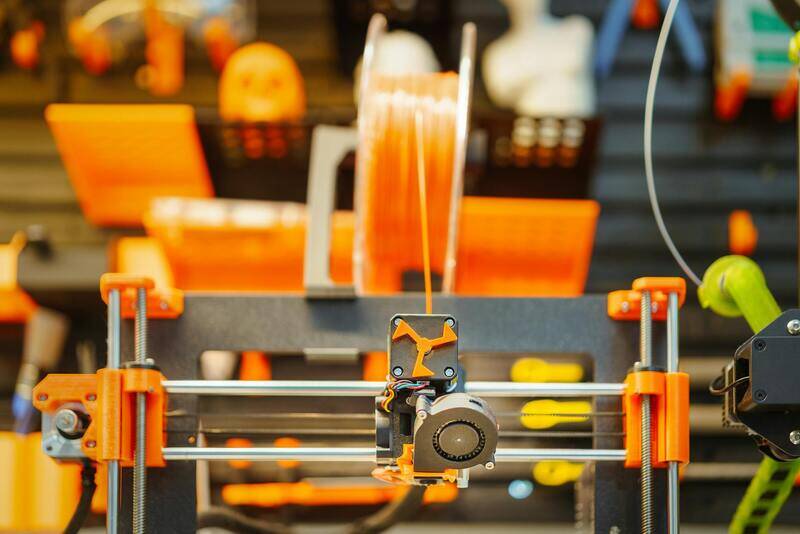
File Preparation and Optimization
Preparing the digital files correctly is a critical step for high-quality large format printing. Use image editing software to set the correct dimensions, resolution, and color profiles. Avoid resizing images beyond their native pixel dimensions to prevent loss of quality. Sharpening images appropriately and adjusting contrast can highlight details, especially for images with intricate textures or vibrant colors. Flattening layers or saving files in print-ready formats like TIFF or PDF ensures compatibility with the printer's software. Proper file management, including naming conventions and version control, minimizes errors during the printing process.
Best Practices for File Optimization
- Set output resolution to 300 dpi at the final print size
- Use color management tools to embed CMYK profiles matching print equipment
- Maintain a high bit depth to preserve color nuances
- Remove unnecessary layers and convert to flattened files for smooth processing

Printer Types and Technologies for Large Photos
The selection of printing technology greatly affects output quality, form factor, and application suitability. Wide-format inkjet printers with advanced piezoelectric or thermal bubble technology are dominant choices for high-resolution photographic prints, offering exceptional color accuracy and detailed gradation. Solvent and UV printers expand capabilities for outdoor signage and durable displays, with options for a variety of substrates and finishes. Dye sublimation printers are also employed for specific applications where vibrant, high-definition images on fabrics or hard surfaces are desired. Each technology has unique strengths, and partnering with a professional printing service like expressprintingsi.com guarantees access to the latest equipment and expertise necessary to produce stunning large format photographs.
Understanding Large Format Printing
Producing large size photos warrants an in-depth understanding of the printing process to achieve optimal quality and durability. Large format printing involves specially designed printers capable of handling wide media, often exceeding 24 inches in width, without compromising resolution or color accuracy. This process is essential for creating impactful visual displays, banners, art reproductions, and commercial signage. The choice of printing method, materials, and finishing techniques directly influences the final product's appearance and longevity. High-resolution output, precise color matching, and material compatibility are critical factors that distinguish professional large-scale prints from subpar reproductions.
Choosing the Right Photo Resolution
Resolution plays a central role in ensuring that enlarged photos retain their sharpness and detail. When enlarging an image, the pixel density, measured in dots per inch (DPI), must be carefully considered. For large size photos, a minimum of 150 DPI at the final print size is recommended for viewing at arm's length, while 300 DPI is optimal for close-up inspection. Starting with a high-resolution original minimizes the degradation of image quality during enlargement, capturing fine details and subtle color gradations. It is equally important to verify that the file’s pixel dimensions are suitable for the desired print size; larger print dimensions with insufficient resolution risk appearing pixelated or blurry.
Technical Tips for Resolution Optimization
- Use highest-quality original files, such as RAW or high-resolution TIFFs.
- Calculate the total pixel dimensions needed for your print size based on DPI requirements.
- Resample images with care, avoiding unnecessary enlargements that compromise clarity.
- Utilize image editing software to sharpen and enhance details prior to printing.

Selecting Suitable Materials and Substrates
The durability and appearance of large photographs depend heavily on the materials and substrates used in printing. The choice varies based on application, environmental exposure, and desired finish. Common options include glossy, matte, or satin photographic papers, each offering unique textures and brightness levels that enhance visual impact. Canvas prints are popular for artwork reproduction, providing a textured surface suitable for framing or gallery display. Vinyl or PVC banners are ideal for outdoor signage, with weather-resistant coatings that protect against fading and moisture. Specialty materials like backlit films or transparent substrates serve specific needs such as backlit displays or window graphics.
Considerations When Selecting Materials
- Environmental durability (indoor vs. outdoor use)
- Finish texture (glossy, matte, satin)
- Size and weight of the substrate for installation ease
- Color retention and lightfastness properties
- Cost-effectiveness for large quantities or repeated prints
Understanding Large Format Printing
Large format printing involves specialized processes to produce high-quality images on sizable surfaces, often exceeding traditional print dimensions. This technique is essential for creating impactful visual displays in commercial advertising, gallery exhibitions, or personal projects that demand bold, striking visuals. The process requires careful consideration of multiple factors, including print resolution, material selection, and printer technology, to ensure that the final product maintains clarity, color accuracy, and durability. Advanced large format printers utilize precise ink delivery systems and high-resolution capabilities to render images with vibrant details even at expansive sizes, allowing for exceptional visual fidelity across various applications.
Choosing the Right Photo Resolution
Securing adequate resolution is fundamental when printing large photographs. A common guideline recommends a resolution of at least 150-300 DPI (dots per inch), depending on viewing distance and material. For instance, an image intended for a billboard viewed from afar may necessitate a lower DPI, whereas a gallery piece viewed up close requires higher pixel density. To determine the necessary pixel dimensions, multiply the desired print width and height by the targeted DPI. For example, a 4-foot-wide print at 150 DPI warrants an image with at least 7200 pixels in width. Care must be taken when enlarging images; excessive upscaling can lead to pixelation and loss of detail. Utilizing specialized image editing software allows for sharpening and subtle enhancements, improving the print’s sharpness without artificially inflating resolution.
Selecting Suitable Materials and Substrates
The material or substrate used in large format printing significantly influences the durability, appearance, and application of the final product. Common options include glossy, matte, or satin photographic papers, each offering distinct visual textures and brightness levels. Canvas prints provide a textured surface, suitable for artistic reproductions and gallery displays, lending a traditional and sophisticated look. Vinyl or PVC banners are preferred for outdoor signage, thanks to weather-resistant coatings that resist fading and moisture exposure. Specialty substrates, like backlit films or transparent acrylics, serve specific needs such as illuminated displays or window graphics.
- Environmental durability: indoor vs. outdoor use
- Finish texture: glossy, matte, satin
- Size and weight considerations for installation
- Color retention and lightfastness
- Cost-effectiveness for large quantities
Choosing the right material influences both aesthetic qualities and the lifespan of large photos, ensuring that your investment delivers lasting visual impact.
File Preparation and Optimization
Optimal file preparation is critical for achieving high-quality large format prints. Files should be saved in lossless formats like TIFF or PDF to preserve image integrity. Ensuring correct dimensions and resolution, as well as color profiles compatible with the printer, is essential. Embed or assign standardized color profiles such as Adobe RGB or sRGB to maintain color consistency across devices. Before printing, perform a proofing process to verify color fidelity and contrast, and employ soft-proofing features in editing software to simulate how colors will appear after printing. Minor touch-ups, sharpening filters, and noise reduction can further enhance print quality. Ultimately, well-prepared files minimize the risk of errors, ensuring the final output aligns with your expectations.
Printer Types and Technologies for Large Photos
Various printer technologies cater to the nuances of large size photo printing, each offering specific advantages. Wide-format inkjet printers are among the most prevalent, utilizing multiple ink cartridges to produce a broad color gamut and smooth gradations. Artists and photographers often favor printers with archival-quality inks, which resist fading over time. UV flatbed printers allow direct printing onto rigid substrates like acrylic or wood, ideal for custom interior decor or signage. Solvent and eco-solvent printers are suited for outdoor applications, providing weather resistance and vibrant color output. Selection hinges on the intended use, material compatibility, and longevity requirements, making it crucial to choose a printer that matches your project's specifications.
Color Management and Accuracy
Achieving color consistency across large format prints requires meticulous color management practices. Utilizing calibrated monitors, color profiles, and standardized workflows ensures that digital images accurately translate to the print medium. Color calibration hardware and profiling tools help maintain device uniformity, minimizing variations between screens and printers. Soft-proofing allows visualization of the final output, enabling targeted adjustments before printing begins. Layered color adjustments, including brightness, contrast, and saturation, can enhance visual impact without sacrificing realism. Consistent testing with color charts and test prints provides feedback for fine-tuning the process, resulting in richly accurate colors that meet professional standards.
Cost Factors and Budgeting for Large Prints
Cost considerations for large format printing encompass several key aspects, including material costs, ink consumption, printer depreciation, and finishing services. Larger dimensions inherently require more ink and material, impacting the overall expense. Premium materials or specialized substrates tend to increase the price but offer enhanced durability and aesthetic qualities. Additionally, intricate files with rich color details may necessitate longer print times and higher labor costs. Budgeting should also account for mounting, framing, and protective coatings, which are essential for preserving the integrity and presentation of large photos. To optimize costs, clients should evaluate the balance between quality and budget, selecting suitable materials and resolution parameters that fulfill project needs without overspending.