Understanding Big Prints of Photos
Big prints of photos refer to large-scale reproductions of images, typically utilized for decorative, promotional, or professional purposes. These prints often range from several feet in width and height, making them suitable for prominent display areas such as galleries, offices, trade show booths, and home interiors. The significance of large photo prints extends beyond aesthetics; they serve as powerful visual statements that can evoke emotions, convey messages, and enhance branding efforts.
In various settings, big prints of photos are employed to create impactful visual impressions. For instance, in commercial environments, large-format images can act as compelling backdrops that attract customer attention or reinforce brand identity. In art galleries, expansive photographic prints allow viewers to experience intricate details and textures that might be overlooked in smaller versions. Similarly, in residential settings, large-format photographs serve as striking focal points that enhance interior design.
These prints are often produced using specialized printing techniques that ensure the preservation of image quality at larger scales. The selection of appropriate materials, resolutions, and installation methods plays a critical role in achieving a professional appearance. Whether for personal use or business purposes, understanding the fundamental aspects of big photo printing helps ensure that the final product meets expectations and effectively communicates its intended message.
Additionally, advances in printing technology have expanded the possibilities for producing high-quality large-format images, making these options more accessible and customizable. Proper planning and execution are essential to maximize the visual impact and longevity of big photo prints, ensuring they remain vibrant and attractive over time.
Choosing the Right Printing Material
When it comes to big prints of photos, selecting the appropriate printing material is crucial in achieving a high-quality, durable, and visually appealing result. Different materials offer unique textures, finishes, and resilience, which can significantly influence the overall impact of the print. The most common options include glossy, matte, luster, canvas, and vinyl, each suited to specific environments and aesthetic preferences.
Glossy prints stand out due to their reflective surface, which enhances color vibrancy and contrast, making images appear sharp and lively. This finish is ideal for imagery with rich colors and fine details, often utilized in commercial displays or personal art collections. Matte prints, on the other hand, provide a non-reflective surface that minimizes glare, offering a sophisticated look and easier maintenance. They are especially suited for large-format photographs displayed in well-lit spaces where reflections could detract from visibility.
Luster finishes offer a balanced sheen, combining the vibrancy of glossy with the subdued effect of matte, making them versatile for a variety of settings. Canvas printing presents a textured surface that emulates traditional art, imparting a unique tactile quality and depth, ideal for creating gallery-style displays or artistic renditions. Vinyl materials are highly durable and weather-resistant, making them suitable for outdoor big prints or installations exposed to the elements.
Durability is another crucial factor in material choice. For instance, vinyl and canvas are resistant to moisture, UV rays, and tears, ensuring longevity even in challenging environments. Conversely, paper-based materials like glossy or matte papers may require additional protective coatings, such as laminates, to withstand outdoor elements or prolonged display periods. Understanding the intended location and desired lifespan of the print guides appropriate material selection, helping ensure the final product maintains its visual integrity over time.
Ultimately, the right material will depend on the image's purpose, environment, and budget constraints. Collaborating with a professional printing service can assist in choosing the optimal substrate that aligns with project goals, ensuring a polished and long-lasting presentation of your big photo prints.
Understanding the Factors Influencing Large Photo Print Quality
When creating oversized prints of photos, the quality of the final product hinges on several critical factors, foremost among them being image resolution and print technology. High-resolution images are essential to avoid pixelation or blurriness, especially when enlarging images significantly. Typically, a resolution of at least 150 pixels per inch (ppi) is recommended for large prints, though higher resolutions such as 300 ppi produce more detailed and sharp images. Ensuring that the original digital file has sufficient pixel dimensions before printing is a fundamental step in achieving professional results.
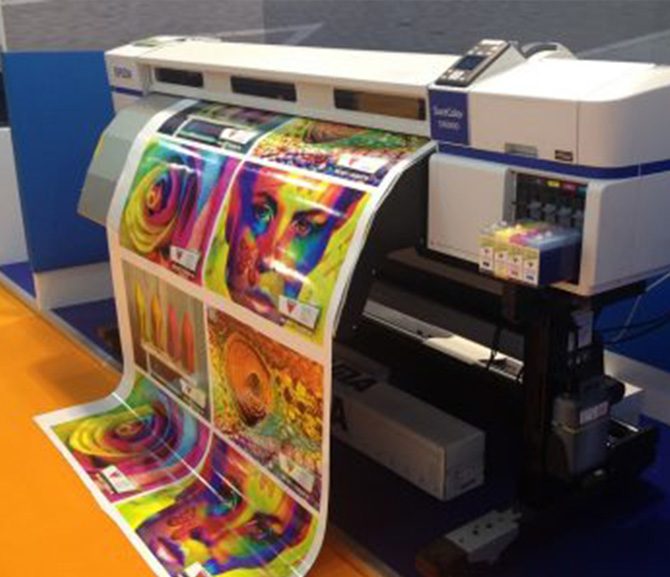
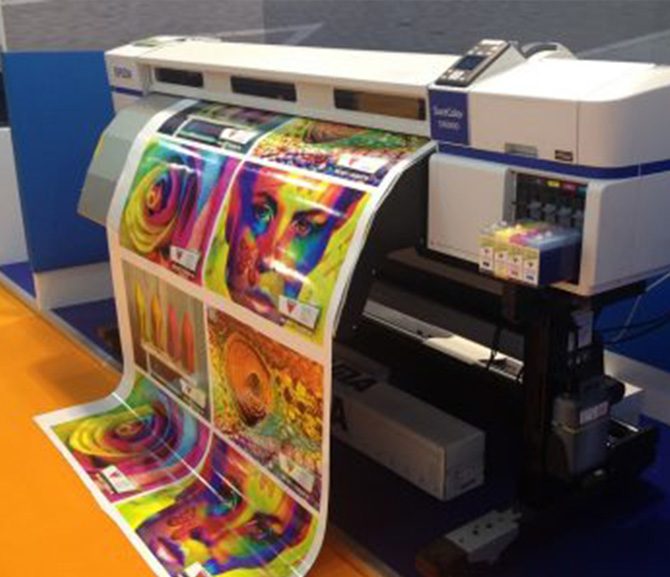
Another essential aspect is the choice of printing technology. Wide-format printers equipped with advanced inkjet systems are typically employed for producing large photos. These printers utilize high-quality inks that adhere well to various substrates, ensuring vivid colors and longevity. Additionally, printing techniques such as dye sublimation or UV-printing may be used depending on the material and environmental conditions. Each method offers unique advantages — dye sublimation provides rich, vibrant colors on specially coated fabrics, while UV-printing allows for direct printing onto rigid surfaces with excellent durability.
Optimal Settings and Workflow for High-Quality Large Prints
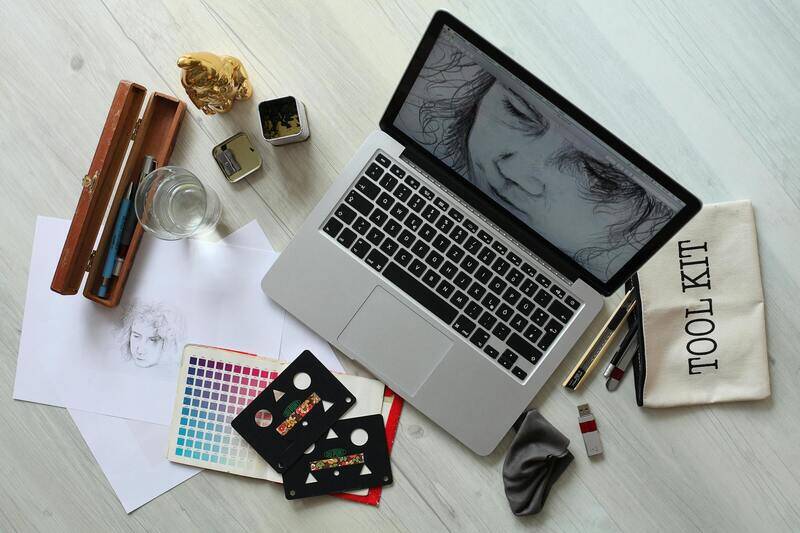
To maximize image quality, it is crucial to prepare files correctly. This includes embedding the color profiles consistent with the printing device, avoiding compressing files excessively in formats like JPEG, and ensuring accurate color management throughout the workflow. Techniques such as soft proofing can help visualize how the image will appear when printed, allowing adjustments to color balance, contrast, or sharpness as needed.
Color consistency is also vital, particularly when creating a series of large prints or matching prints to existing color schemes. Employing calibrated monitors and color management systems ensures that digital colors match the printed output closely. When possible, consulting with the printing provider about resolution, color profiles, and file formats can streamline the process and reduce the risk of subpar results.
Finally, understanding the limits of your chosen print method—such as maximum printable resolution and color gamut—helps set realistic expectations and ensures the final product aligns with your artistic or display goals. Whether producing a monumental gallery display or a large-scale outdoor installation, meticulous attention to image quality and printing parameters produces the most compelling results in big prints of photos.
Understanding Big Prints of Photos
Creating impressive large photo prints involves more than just enlarging an image. It requires a comprehensive approach that considers detail preservation, color accuracy, and material choice to achieve a visually stunning result. When scaling photographs for big prints, the key challenge is maintaining image clarity and avoiding pixelation or loss of detail. High-resolution images are essential, as they contain more pixel data, which translates into sharper, more defined prints at large sizes. Additionally, selecting the appropriate printing technique and material plays a significant role in the final aesthetic and durability of the print.
Size isn't the only factor; the viewing distance also influences design decisions. Larger prints are often viewed from a distance, allowing minor imperfections to blur into the overall composition. This understanding helps inform whether additional enhancements, such as increased contrast or retouching, are necessary before printing. Ultimately, a meticulously prepared digital file that aligns with the specifications of the chosen printing method ensures the final piece maintains its artistic integrity and visual impact.
Selecting Professional Image Formats and Settings
To optimize the printing process, it's important to work with the correct image formats. Lossless formats like TIFF or PNG are preferred because they retain image quality without compression artifacts that can degrade details in large prints. When exporting files, embedding color profiles such as Adobe RGB or sRGB helps maintain color consistency during printing. Ensuring the image is set at the correct resolution—typically 300 DPI for high-quality prints—helps prevent pixelation and ensures that enlarged photos appear crisp and detailed.
Color Management and Proofing
Accurate color reproduction is critical for striking large-scale images. Implementing professional color management systems, including calibrated monitors and consistent workflow procedures, reduces discrepancies between digital previews and printed results. Soft proofing tools allow previewing how the image will appear once printed, providing an opportunity to make necessary adjustments before the final production. This process is especially important when matching single images or series where color uniformity is desired.
Final Checks and File Preparation
Prior to submitting files for printing, perform a final review to confirm resolution, color profiles, and embedded data. Inspect the image at 100% zoom to identify any unwanted artifacts, pixelation, or color inconsistencies. Confirm that the background is clean and that the image’s edges are crisp. When working with clients or collaborators, providing the files in the recommended format with clear specifications minimizes the risk of errors and delays, ensuring the end product meets the intended vision.
Preparing Photos for Large-Scale Printing
To achieve stunning big prints of photos, meticulous preparation and editing of digital images are essential. This process ensures that the final product maintains clarity, vivid colors, and strong visual impact. The initial step involves color correction to balance tones, enhance contrast, and optimize color saturation. Utilizing professional editing software allows precise adjustments, ensuring the image looks its best on a large canvas.
Scaling the image appropriately is critical when preparing for large-format printing. Enlarging a photo without proper resampling can lead to pixelation and loss of detail. Therefore, resizing tools that employ advanced algorithms can help interpolate image data, maintaining sharpness while increasing size. It’s equally important to work with high-resolution originals, ideally captured with professional cameras or scanned from high-quality prints, to ensure maximal detail retention during enlargement.
Beyond basic editing, applying subtle sharpening boosts edge clarity, making the large image more visually striking. Noise reduction might also be necessary, especially if the original photos were shot in low-light conditions or at high ISO settings. Striking a balance between noise reduction and preserving fine details helps prevent a muddied appearance in the final print.
When preparing files, adhering to the recommended specifications of the printing service is fundamental. Typically, this includes setting the resolution to 300 DPI, with dimensions matching the intended final size. Embedding accurate color profiles such as Adobe RGB or sRGB ensures consistent color reproduction across different devices and during the printing process. Cropping and composition adjustments should be finalized before exporting, avoiding any last-minute changes that could compromise quality.
Additionally, it is prudent to review the image at 100% zoom on calibrated screens. This magnification reveals any flaws or artifacts that might become more apparent when enlarged. By performing these checks and adjustments in the editing phase, clients and artists can ensure their large prints of photos will be visually captivating and true to their creative vision.
Understanding Big Prints of Photos
Creating large prints of photos involves more than just enlarging an image on paper or canvas— it requires careful consideration of several critical factors. The overall goal is to ensure that the enlarged photograph maintains sharpness, color accuracy, and visual impact. When working with big prints, image resolution becomes paramount; an image that lacks sufficient pixel data will appear pixelated or blurry once scaled up. Typically, high-resolution images with a minimum of 300 DPI at the desired print size deliver crisp detail and vibrant color reproduction. This resolution standard minimizes the risk of quality degradation, making the printed image as stunning as the original. Furthermore, professional-grade imaging software allows for detailed editing, sharpening, and noise reduction, which are vital steps before sending files to the printer. These parameters are essential for translating digital quality into tangible artwork that commands attention in large formats.

Choosing the correct printing material significantly influences the final presentation of big photos. Common options include high-quality photo papers, canvas, and vinyl, each offering different aesthetic qualities and durability. Fine art paper provides a luxurious, matte finish that suits classic, gallery-quality displays, whereas canvas adds texture and depth, ideal for more artistic or interior decor-focused projects. Vinyl offers weather-resistant properties suitable for outdoor displays. The selection should align with the intended environment and the style of the photograph, ensuring that the material complements the visual message while providing longevity. Additionally, some materials may require specific handling or finishing techniques, such as lamination or framing, to maximize their visual appeal and protect against environmental exposure.
Resolution and Image Quality for Large Prints
Allocating sufficient resolution is the cornerstone of producing compelling big prints of photos. Images captured with professional cameras typically offer enough detail, but if sources are low-resolution or compressed files, enlargements can reveal deficiencies such as pixelation or loss of sharpness. To mitigate this, image files should be processed with specialized software that preserves and enhances resolution. It is also advantageous to check the image at 100% zoom on a calibrated monitor, as this allows for the detection of artifacts, blurriness, or noise that could undermine the print's quality. Vector-based graphics are preferred for certain design elements because they can be scaled infinitely without losing resolution, but photographic images depend heavily on raster resolution. Ensuring files are prepared with appropriate color profiles like Adobe RGB or sRGB guarantees consistent color matching between digital and printed versions. Maintaining these standards prevents color shifts and ensures faithful reproduction, especially across different printing substrates.
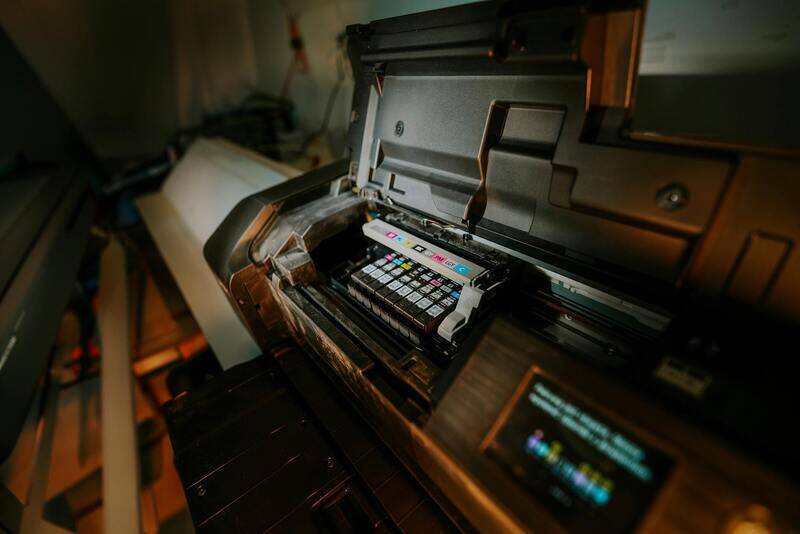
In addition to resolution, mastering the technical aspects of printing techniques enhances the overall quality of big photos. Advanced printer types, including inkjet models designed for photo printing, utilize a variety of ink sets to produce a broad color gamut and smooth gradations. The choice between matte, gloss, or semi-gloss finishes affects how light interacts with the surface, altering the visual perception of the photograph. Some printing services employ giclée technology, which ensures archival quality with fade-resistant inks and precise color matching. Proper calibration of printers, along with test prints and color proofs, ensures the final output aligns with the original digital image. Implementing these techniques effectively reproduces intricate details and subtle tonal variations, making large photographs stand out with exceptional clarity and vibrancy.
Understanding Big Prints of Photos
Creating impressive large prints of photographs involves a careful balance of technical skill and artistic vision. These oversized images serve as statement pieces that can dramatically transform any space, whether for personal display or professional environments. To achieve optimal results, it is essential to understand the intricacies involved in the printing process, including selecting appropriate materials, ensuring image quality, and employing suitable printing techniques. The visual impact of big prints hinges on meticulously preparing digital files, choosing the right substrate, and working with reputable printing providers who utilize state-of-the-art equipment. When executed correctly, large photo prints deliver stunning clarity, vibrant colors, and sharp details that captivate viewers at any distance, making them a compelling addition to both interior decor and commercial displays.
Choosing the Right Printing Material
The selection of printing material plays a pivotal role in the overall appearance and durability of large photo prints. Common options include photographic paper, canvas, vinyl, and specialty fabrics, each offering unique traits. Photographic paper, especially with a glossy or semi-gloss finish, enhances color vibrancy and fine detail, making it ideal for high-quality photographic reproductions. Canvas wraps, on the other hand, provide a textured surface that adds depth and artistic flair, making them suitable for gallery-style displays or for pairing with frames. Vinyl and fabric substrates are often chosen for their durability and weather resistance, which is especially important for outdoor signage and large-format commercial applications. When selecting printing materials, consider the intended display environment. Indoor displays benefit from materials with smooth finishes, ensuring clarity and precise color reproduction. Outdoor displays require tougher materials that withstand environmental factors such as UV exposure and moisture, maintaining their visual integrity over time. Additionally, some printing services offer hybrid options, such as canvas mounted on rigid backing or laminated prints, to enhance longevity and ease of installation. Choosing high-grade materials ensures that big prints of photos retain their vividness and sharpness throughout their lifespan, regardless of the setting.
Resolution and Image Quality for Large Prints
To produce impactful large-scale photographs, start with high-resolution digital files. Images should ideally have a minimum resolution of 150 to 300 pixels per inch (dpi) at the final print size to maintain sharpness and detail. For instance, a 40x60-inch print demands a resolution of at least 6000x9000 pixels to capture fine nuances without pixelation. It's crucial to work with high-quality source images, avoiding images with excessive compression or low resolution, which can result in blurry or pixelated prints when enlarged. Color accuracy is equally significant in large prints. Ensuring that digital files are prepared with color profiles like Adobe RGB or sRGB is vital for consistent output across different devices and substrates. Color management workflows involve calibrating monitors, soft-proofing images with printer profiles, and performing test prints. These practices help replicate colors faithfully, especially when reproducing subtle tonal variations that contribute to a photograph's overall depth and realism. Increases in image resolution coupled with proper color management enable large prints to replicate the original digital visual experience, ensuring that every detail, shadow, and highlight is preserved faithfully in the final output. When these technical standards are met, large prints deliver stunning clarity and vibrancy that elevate any display environment.
Printing Techniques for Large Photos
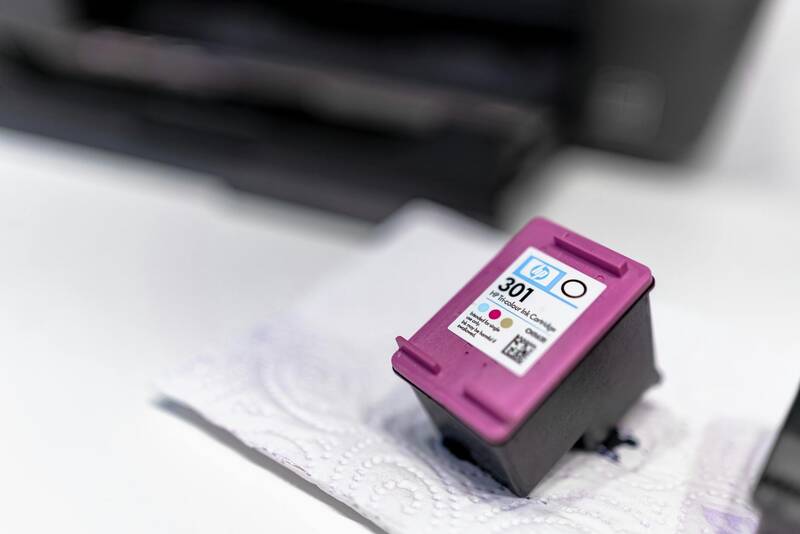
Modern large-format printing employs various advanced techniques tailored to achievement of high quality and durability. Inkjet printing remains the predominant method, especially for photographic images, owing to its ability to produce fine detail and a broad color gamut. High-end inkjet printers use capillary technology to deposit tiny ink droplets directly onto substrates, creating smooth gradations and sharp images. Giclée printing, a variant of inkjet technology, is often used for art reproductions and professional photographic prints. It employs archival-grade inks and specialized media, resulting in durable, fade-resistant images suitable for gallery displays. Additionally, some printers utilize UV-curable inks for outdoor applications or vinyl signs, offering resistance against weathering. The choice between matte, gloss, and semi-gloss finishes influences light reflection and overall aesthetic. Gloss surfaces enhance vibrancy and contrast but may reflect ambient light, while matte finishes reduce glare and provide a softer appearance. Semi-gloss options strike a balance, delivering both vibrancy and reduced reflections. Calibration and color profiling of printers are critical to ensure that the printed images match digital expectations. Including test prints and proofing stages in the production workflow allows adjustments to be made before final output. These meticulous procedures guarantee that intricate details and tonal variations are faithfully reproduced, resulting in large photos that captivate viewers with clarity and richness.

Understanding Big Prints of Photos
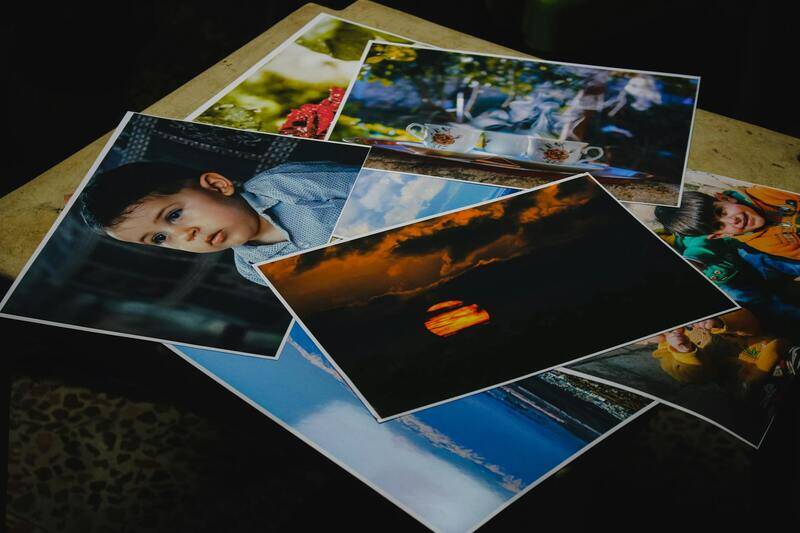
Large-scale photo printing is an art that combines technical precision with artistic vision. When creating big prints of photos, it’s essential to consider the purpose of the display, the environment where the print will be showcased, and the intended audience. These oversized images can transform empty walls into visual storytelling canvases or serve as focal points in commercial spaces. Achieving a striking result involves selecting appropriate formats, maintaining image integrity at scale, and ensuring that every detail remains sharp and vibrant. Professional big prints often require meticulous planning and high-quality materials, making it crucial to work with experienced printing professionals who understand the nuances of large-format production.
Choosing the Right Printing Material
The material selection significantly influences the durability, appearance, and overall impact of your big photo prints. Common options include:
- Canvas: Offers a textured, artistic look with a slight softness that suits gallery-style presentations. Canvas prints are stretchable, enabling framing without glass, providing a contemporary aesthetic.
- Photo Paper: Available in gloss, matte, and semi-gloss finishes, this material enhances color vibrancy and detail sharpness. Matte surfaces reduce glare, making them ideal for brightly lit environments.
- Vinyl and Polyester Banners: Suitable for outdoor or high-traffic areas due to their weather resistance and durability. These materials can accommodate vibrant printing techniques and are cost-effective for large volumes.
- Aluminum and Dibond: Known for their rigidity and sleek look, these substrates resist warping and are perfect for modern, professional displays.
The choice of material influences the lifespan and maintenance of the print, as well as the visual experience. For outdoor installations, weather-resistant options like vinyl or aluminum are preferred. Indoor displays benefit from the fine detail and color depth achievable with high-quality canvas or photo paper.
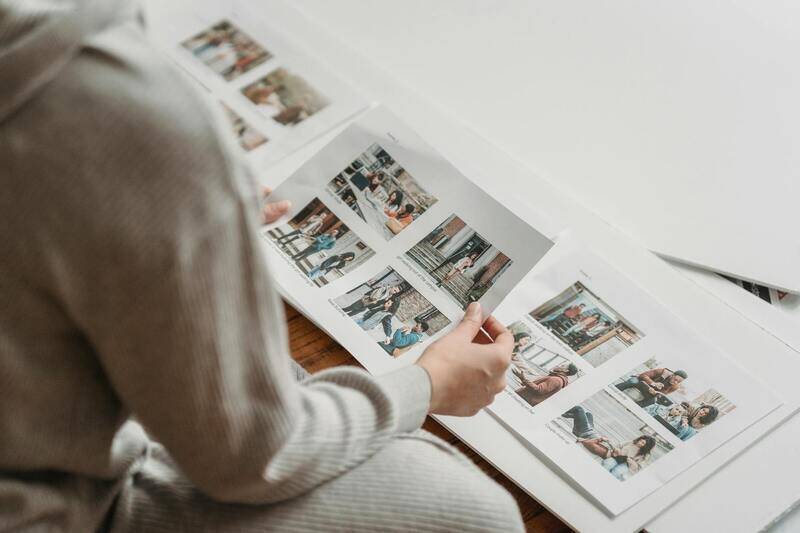
Resolution and Image Quality for Large Prints
One of the pivotal factors in creating impressive big photo prints is ensuring the image resolution is sufficient. For large formats, a high pixel count minimizes pixelation and maintains clarity at viewing distance. Typically, a resolution of at least 150-300 DPI (dots per inch) is sought, but practical considerations for size mean that files can often be prepared at lower DPI while still appearing crisp when viewed from a reasonable distance.
Careful attention should be paid to the original image quality—lens sharpness, focus, and exposure all influence the final result. Low-resolution images or those heavily compressed can result in blurry or grainy prints once enlarged, detracting from their visual appeal. To avoid this, high-resolution images should be captured using professional cameras and appropriate settings, or provided through high-quality digital files from reputable sources.
Professional image editing and scaling techniques, such as upscaling with algorithm-based software, can enhance images for large-format printing. These tools fill in pixel data effectively, preserving detail and minimizing artifacting. Incorporating a preview of the print in the planning stage helps confirm that the image quality meets expectations before committing to production.
Printing Techniques for Large Photos
The selection of printing technology influences the color depth, detail, and longevity of big photo prints. Advancements in large-format printing include:
- Archival Inkjet Printing: Utilizing high-grade inks and specialized printers, this method produces vivid, fade-resistant images suitable for display over decades. Giclée printing exemplifies this, offering exceptional tonal range and color accuracy.
- UV Curing: Ideal for outdoor displays, UV-curable inks are rapidly dried and cured with ultraviolet light, creating highly durable prints resistant to weathering and scratches.
- Solvent and Eco-Solvent Printing: These techniques provide vibrant colors with excellent adhesion on non-porous surfaces, making them popular for banners, murals, and vehicle wraps.
Each method has its distinct advantages, depending on the material, intended environment, and aesthetic goals. Professional printers often employ precise calibration and color profiling to ensure consistency across large runs, resulting in uniform and high-quality large images.
Preparing Photos for Large-Scale Printing
Preparation begins with selecting high-resolution images, preferably captured with professional equipment. Photographers should ensure their images are in the correct color space (such as Adobe RGB) and are free from compression artifacts. Cropping and aspect ratio adjustments should be done carefully to avoid loss of important details or composition issues when enlarging.
Retouching and color correction enhance vibrancy and consistency, making sure the final print aligns with the original vision. Soft-proofing, which involves simulating the projected print on a calibrated monitor, allows designers to spot potential issues before printing. Adjustments can then be made to optimize tonal balance and contrast, ensuring the actual print matches expectations.
It’s also vital to communicate with the printing service about file specifications, including resolution, file format, and color profiles. Properly prepared files reduce production errors and help achieve a seamless transition from digital file to physical masterpiece.

Design Tips for Impactful Large Photos
Designing for large-scale printing requires an emphasis on simplicity and clarity. High-contrast elements and bold compositions tend to have a greater visual impact at larger sizes. Avoid overly intricate details that can get lost or look cluttered when viewed from a distance.
Using large, legible typography or minimal text can enhance the overall message. Consider the viewing environment—whether it’s a bright lobby or a dim gallery—and choose colors and finishes accordingly to optimize visibility. Framing and spacing should be planned so the viewer’s eye is naturally drawn toward the focal points.
Creating a balance between negative space and visual elements ensures the image doesn’t appear overwhelming. Test prints or scaled mock-ups provide valuable insight into how the final piece will be perceived, allowing for adjustments to enhance visual clarity and emotional resonance.