Understanding Large Image Printing
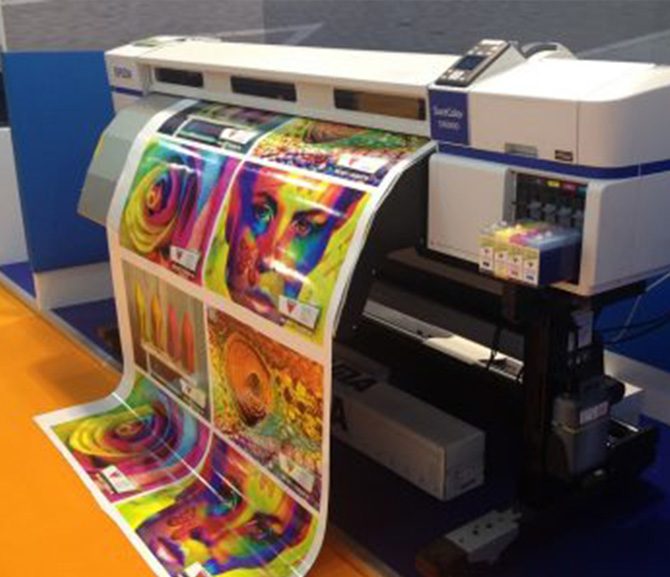
Large image printing is a specialized process that involves producing high-quality prints at significantly larger scales than standard-sized images. This method is essential for various applications, from advertising billboards and wall murals to fine art reproductions and event backdrops. The primary goal of large image printing is to create visually impactful displays that can be viewed from a distance while maintaining clarity and detail upon close inspection.
The process requires meticulous attention to detail, particularly regarding resolution and material selection, to ensure that the enlarged image preserves sharpness and color accuracy. Common applications include commercial advertising, interior design, photographic exhibitions, and branding installations. Each of these uses demands different specifications and finishes, which are addressed through careful planning and the appropriate choice of printing techniques.
High-resolution images are crucial in large-scale printing to prevent pixelation and ensure the final product appears crisp and professional. Artists, photographers, and businesses opt for high-quality image files to maximize visual impact and boost engagement. Modern large image printing services leverage advanced technology to handle complex designs and produce consistent results across different substrates.
The benefits of utilizing large image printing with high-resolution files extend beyond aesthetics. They contribute to increased visibility, brand recognition, and the ability to make bold statements within a physical space. Whether for a retail environment, a gallery exhibit, or an outdoor display, the clarity and vibrancy of large prints can significantly influence audience perception.
Types of Large Image Printing Techniques
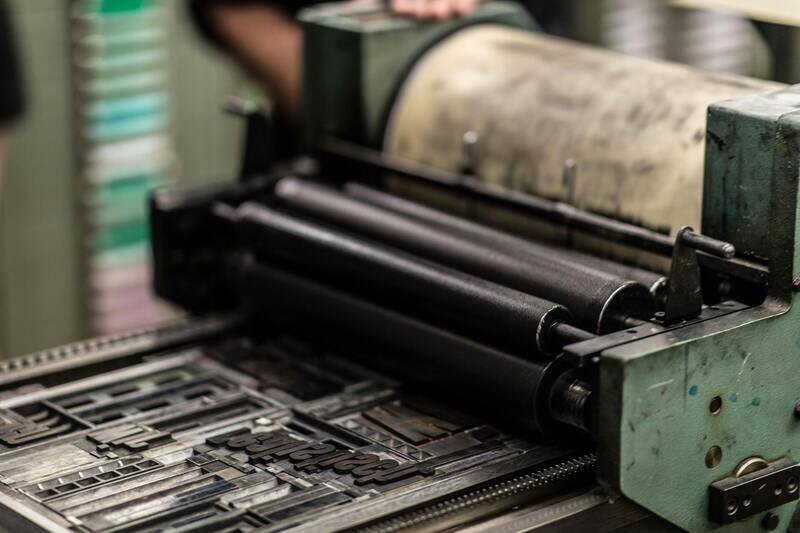
Choosing the appropriate printing method is essential to achieve optimal image quality, durability, and cost-effectiveness for large-scale projects. Among the most prominent techniques are inkjet printing and UV printing, each offering distinct advantages suited to different applications and material choices.
Inkjet Printing
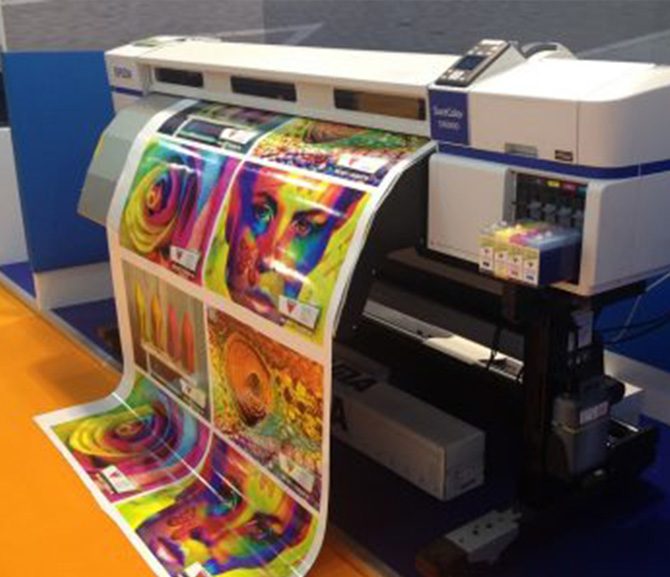
Inkjet printing remains the most widely used method for producing high-resolution large images. This technique involves propelling tiny droplets of liquid ink onto a substrate with precision control, creating vibrant and detailed images. Modern industrial inkjet printers utilize advanced print heads capable of producing resolutions that support crisp details even at large scales. The flexibility of inkjet printing allows for a broad selection of substrates, including canvas, vinyl, backlit films, and fine art papers. This versatility makes it ideal for interior murals, banners, fine art reproductions, and photographic displays.
UV Printing
UV printing employs ultraviolet light to instantly cure the ink as it is applied to the surface. This method produces highly durable prints with excellent adherence to various substrates, including plastics, metals, glass, and certain rigid materials. UV printing is particularly advantageous for outdoor signage and displays that require resistance to weather conditions, UV exposure, and physical wear. The process can handle thick and textured surfaces, enabling innovative design effects and three-dimensional textures. The resulting images are waterproof, scratch-resistant, and maintain their vibrancy over extended periods.
Other Techniques and Innovations
- Solvent and Eco-Solvent Printing: Used for large vinyl banners and vehicle wraps, these methods offer high durability and vivid color reproduction.
- Dye Sublimation: Ideal for fabric and soft substrates, creating vibrant, photo-realistic images suitable for decorative textiles and fashion items.
- Laminating and Coating: Enhances longevity, glare reduction, and moisture resistance for various large print applications.
Each printing technique caters to specific needs, balancing factors such as substrate compatibility, environmental durability, color fidelity, and cost. Careful consideration of these elements ensures the final output meets both aesthetic and practical requirements, delivering an impactful visual experience across diverse settings.
Understanding Large Image Printing
Large image printing involves reproducing visual content at scales that surpass standard dimensions, creating impactful visuals suitable for a variety of display environments. This process demands specialized equipment and techniques to ensure that the image retains clarity, color accuracy, and durability when scaled to substantial sizes. High-resolution digital files are essential, often requiring images with a minimum of 300 dots per inch (DPI) at the final size to maintain sharpness and detail. The selection of the appropriate printing method depends on several factors, including the substrate type, environmental exposure, budget constraints, and the intended purpose of the large print.
Choosing the right approach involves understanding the characteristics of available printing techniques and how each can meet specific project objectives. For instance, rigid substrates like acrylic or metal are ideal for high-end displays and signage demanding longevity, while flexible materials such as vinyl or fabric are suitable for banners and wraps that require portability or installation on curved surfaces. The layering of protective coatings, lamination, and finishing touches further enhances the lifespan and visual appeal of the final product, ensuring that large images remain vibrant and intact over time.
Technological Advancements in Large Image Printing
Over recent years, innovations in digital printing technology have expanded the possibilities for creating large images with remarkable precision and color fidelity. Wide-format printers equipped with advanced inkjet heads can handle wider media, producing seamless prints without visible joins. Additionally, improvements in ink formulations, including UV-cured and eco-solvent inks, provide enhanced durability and environmental resistance, making large prints suitable for outdoor deployment. High-speed printing capabilities shorten turnaround times, allowing for large-scale projects to be completed efficiently without compromising quality.
Moreover, the integration of digital file management and color calibration tools ensures consistency across multiple prints, an essential factor for branding and client-specific applications. Creative options have also evolved, enabling the reproduction of textured effects, three-dimensional illusions, and intricate shading that elevate the visual impact of large-format images. These technological strides position large image printing as a versatile medium capable of high-end artistic expression, commercial advertising, and functional signage.
Choosing the Correct Printing Methods for Large Images
When selecting a technique for large image printing, it is essential to consider the desired durability, finish, and application. Common methods include inkjet printing, eco-solvent printing, UV printing, and dye-sublimation. Each method offers unique benefits tailored to different project requirements. Inkjet printers are widely used due to their high resolution and versatility, capable of reproducing intricate details and vibrant colors on a variety of substrates. Eco-solvent printing provides excellent outdoor resistance, making it ideal for banners and signage exposed to the elements. UV printing stands out for its rapid curing process, enabling printing on rigid surfaces like foam boards, glass, or metal with a durable finish. Dye-sublimation, primarily used for fabrics and textiles, allows for vivid, long-lasting images with a soft finish.
Understanding these options helps ensure the selection of the most suitable printing method for specific large-scale projects, whether they involve indoor displays, outdoor advertising, or fine art reproductions.
Technological Innovations Enhancing Large Image Printing
Modern advances in printing technology have profoundly influenced the scope and quality of large image production. Today's wide-format printers incorporate high-resolution inkjet hardware capable of producing seamless images with pixel precision. The advent of UV-cured and eco-solvent inks has significantly improved environmental resistance and longevity of large prints, making them suitable for outdoor use without degradation. Faster printing speeds achieved through sophisticated print head designs and increased media handling capacity streamline production timelines while maintaining quality standards. Digital workflow enhancements, such as precise color management and calibration tools, deliver consistent, vibrant output across multiple prints, vital for branding and consistency in large projects.
Creative possibilities have expanded with textured printing effects, three-dimensional illusions, and detailed shading techniques. These innovations enable artists and businesses to craft visually stunning displays that captivate audiences and convey messages with clarity and impact. The integration of digital file management systems also simplifies the process of preparing complex images for printing, ensuring that color accuracy and resolution are maintained throughout the production cycle.
Critical Factors That Affect Large Image Print Quality
Achieving optimal results in large image printing involves attention to several key elements. The resolution of the digital file directly affects the sharpness and detail of the final print. Higher resolution files, typically 300 DPI or more, are essential for close viewing distances to avoid pixelation. Color fidelity is equally important, necessitating precise color management and calibrated output devices to match on-screen colors with print results. The choice of substrate plays a vital role, influencing both appearance and durability. Smooth, coated surfaces generally produce sharper images with vibrant colors, whereas textured materials can add artistic depth but may reduce sharpness.
Finishing options, such as lamination, UV coating, or framing, also contribute to the longevity and aesthetic appeal of large prints. Proper application of these finishes can protect the image from environmental damage, UV fading, and physical wear, ensuring the product remains visually striking over time. Additionally, environmental conditions during printing, including temperature and humidity, should be controlled to prevent issues such as ink smudging or paper distortion. By meticulously managing these factors, quality and consistency are maintained, resulting in large images that meet professional standards and client expectations.
Factors Influencing Large Image Printing Quality
Achieving high-quality large image prints hinges on a meticulous understanding of several critical factors. Among these, the digital file resolution plays a pivotal role. For large-format prints, it is recommended to use files with a resolution of 300 DPI or higher, especially for images intended for close inspection. This ensures that details remain sharp and clear, avoiding pixelation or blurriness that can detract from the visual impact. When preparing files, it is essential to work with high-resolution sources, such as professionally shot photographs or vector graphics, to maintain fidelity at expanded sizes.
Color management is another essential aspect. Accurate color reproduction depends on calibrated output devices and proper color profiles to match digital sources with printed results. Consistency in color ensures that the final image appears vibrant and true to the original design, which is vital for branding, artwork, or photographic displays. Utilizing industry-standard color profiles, such as Adobe RGB or sRGB, and ensuring that design files are embedded with the correct profiles can significantly improve color accuracy.
The choice of substrate or printing surface can dramatically influence the final look and durability of large images. Smooth, coated materials like gloss or matte photo paper yield vibrant, crisp images with excellent color saturation. Conversely, textured substrates, such as canvas or fabric, add artistic character but may slightly reduce sharpness. The selection should align with the intended application, aesthetic preferences, and exposure conditions. For outdoor displays prone to weather elements, durable materials like vinyl or weather-resistant fabrics are advisable.
Post-print finishing treatments can further enhance and protect large images. Lamination, UV coating, or specialized framing can shield prints from UV radiation, moisture, scratches, and environmental wear. These enhancements not only prolong the lifespan of the print but also improve its visual appeal, making it suitable for both indoor galleries and outdoor advertising. Proper finishing is especially crucial in commercial settings where the longevity of displays impacts brand image and investment value.
Environmental considerations during the printing process also shape the output quality. Maintaining controlled temperature and humidity levels helps prevent issues such as ink smudging, paper warping, or adhesion problems. These environmental controls are particularly critical when printing on sensitive substrates or with specialized inks. Consistency in environmental conditions ensures uniform coloration and adhesion, resulting in professional-grade large-format prints.
In summary, understanding and managing these factors—resolution, color fidelity, substrate selection, finishing options, and environmental conditions—are paramount for producing large images that meet high standards of clarity, vibrancy, and durability. Collaborating with experienced printing professionals who are well-versed in these elements guarantees that each project achieves its visual and functional objectives, effectively communicating your message or showcasing your artwork at an optimal scale.
Working with a Printing Service Provider
Engaging a reputable printing service provider is essential for ensuring high-quality large image prints that meet your specific needs. Professional printers bring specialized expertise, advanced equipment, and access to premium materials, all of which are crucial for achieving consistent and visually striking results.
When selecting a provider, it is important to evaluate their experience with large-format printing. Look for companies that demonstrate a comprehensive portfolio of previous projects, highlighting their capability to handle diverse substrates and complex designs. In addition, check for references or client testimonials that attest to their reliability and quality standards.
Consultation and communication play significant roles in the process. A seasoned service provider will work closely with you to understand your vision, discussing options for materials, finishes, and mounting methods. They should also offer guidance on file preparation, resolution requirements, and color management to ensure your digital files translate perfectly into the final print.
Quality control is another crucial consideration. A responsible printer will implement rigorous review procedures, conducting test prints or proofing sessions when necessary. This transparency allows for adjustments before the production run, minimizing material wastage and ensuring the final output aligns with your expectations.
Furthermore, understanding their production timeline and delivery options helps in planning your project effectively. Timely completion and proper handling during transportation are vital for safeguarding large prints, especially those intended for outdoor or high-traffic environments.
Partnering with experienced professionals also facilitates access to specialized finishing techniques, such as lamination, mounting, framing, or UV coating. These enhancements not only improve aesthetics but also extend the longevity and practicality of your large-scale prints in various environments.
Ultimately, selecting the right printing partner ensures that your large images will be executed with precision, durability, and visual impact. Detailed project planning, clear communication, and collaboration with a qualified provider are the cornerstones for successful large image printing endeavors, resulting in a display that effectively communicates your message or showcases your artwork at an optimal scale.
Understanding Large Image Printing
Large image printing is a specialized process that requires meticulous attention to detail to produce vibrant, high-resolution visuals at substantial sizes. It involves translating digital images into physical formats that maintain clarity, color accuracy, and durability. The process begins with selecting the appropriate printing technique, depending on the desired application, substrate, and budget. The production workflow typically includes pre-press preparations, color calibration, and rigorous quality control checkpoints to ensure that the final output meets specific standards of excellence. Ensuring color consistency across large formats often demands advanced color management systems, calibrated monitors, and consistent workflow procedures. Additionally, understanding the environmental conditions during printing—such as lighting and humidity—can significantly influence color fidelity and adhesion. A well-executed large image print not only serves as a visual centerpiece but also acts as a lasting impression, necessitating careful consideration of materials and printing methods tailored to the intended display environment.
Types of Large Image Printing Techniques
Choosing an appropriate printing method is crucial for achieving optimal results in large-scale images. The primary techniques include:
- UV Printing: Uses ultraviolet light to cure inks instantly on various substrates, ideal for rigid surfaces like acrylic, metal, or wood. It offers high durability and vibrant color reproduction.
- Giclée Printing: A high-quality inkjet printing process that provides excellent detail and color preservation, suitable for fine art applications and photographic displays.
- Solvent and Eco-Solvent Printing: Employs solvent-based inks that produce weather-resistant and durable prints, often used for outdoor signage and banners.
- Dye Sublimation: Ideal for fabric or soft substrates, it enables vibrant, long-lasting colors, making it suitable for textiles and soft wall coverings.
- Latex Printing: Combines the advantages of solvent and UV printing, offering flexibility and durability on a variety of materials, suitable for banners and vehicle wraps.
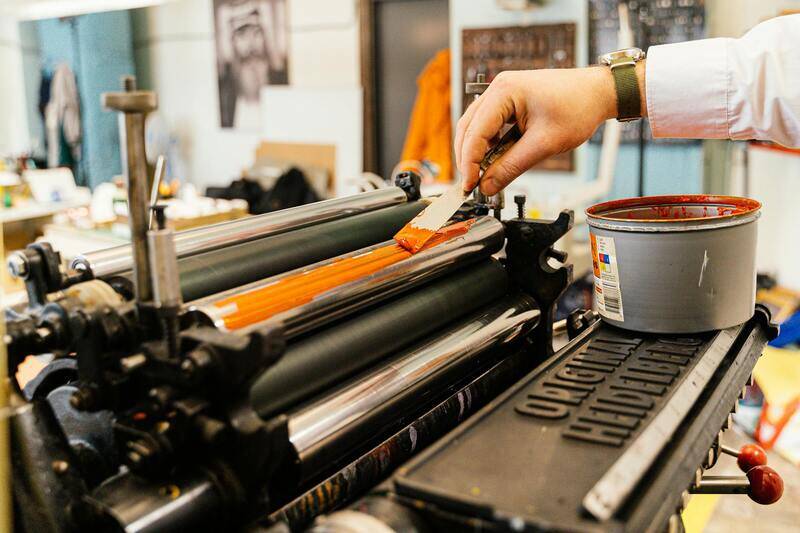
Choosing the Right Materials and Substrates
The selection of materials directly influences the visual impact, longevity, and installation process of your large image. Common substrates include:
- Vinyl: Versatile and durable, ideal for banners, murals, and outdoor signage due to its resistance to weather conditions.
- Canvas: Provides a textured, artistic appearance, typically used for gallery prints and interior decorations.
- Acrylic: Offers a sleek, modern look with sharp image clarity, perfect for display panels and signage.
- Aluminum: Lightweight and corrosion-resistant, suitable for outdoor signage and high-end displays.
- Fabric and Textiles: Used for soft signage, drapery, and wall coverings, offering flexibility in installation.
Selecting the appropriate substrate depends on the environment where the print will be displayed, the required durability, and the desired aesthetic. For outdoor use, waterproof and UV-resistant materials are essential to withstand environmental elements. For indoor displays, premium materials like artist canvas or acrylic can enhance visual quality and add a professional touch.
Factors Influencing Large Image Printing Quality
Several key elements contribute to the quality of large image prints. Ensuring these factors are optimized will result in superior visuals:
- Image Resolution: High-resolution files (typically 300 DPI or higher at the intended print size) are crucial to prevent pixelation and maintain sharp details.
- Color Management: Accurate color profiles, calibration, and proofing ensure the final print matches digital expectations.
- Printer Calibration and Maintenance: Regular calibration of the printer ensures consistent color output and prevents color shifts over time.
- Material Compatibility: Using compatible substrates that respond well to the chosen ink type maximizes adhesion and color brilliance.
- Environmental Conditions: Stable temperature, humidity, and minimal dust during printing and drying phases prevent defects and imperfections.

Design Preparation and File Requirements
Proper design preparation is vital for achieving high-quality large images. Files should be created with sufficient resolution, typically 300 DPI at print size, to ensure clarity. It is essential to work with color profiles such as Adobe RGB or sRGB, depending on the printing process, to maintain color accuracy. Files must be formatted in compatible formats like TIFF, PDF, or JPEG, with bleed and margins included for proper trimming and finishing. Additionally, vector graphics refine line work and text, preventing pixelation in enlarged formats. Careful attention to cropping, aspect ratio, and resolution guarantees the image translates well from digital to physical form. Some printers recommend a soft proof or color preview to visualize potential results before final printing, facilitating necessary adjustments for optimal output.
Applications of Large Image Printing
Large image printing finds extensive applications across various sectors, including:
- Advertising and Branding: Creating eye-catching banners, billboards, and trade show displays that effectively communicate your message.
- Interior Decor: Producing murals, wall coverings, and fine art prints that enhance aesthetic appeal and ambiance.
- Event and Exhibition Displays: Designing large backdrops, stage sets, and visual installations that captivate audiences.
- Outdoor Signage: Constructing weather-resistant signs, vehicular wraps, and directional banners that withstand external elements.
- Architectural Features: Fabricating custom architectural elements and facade enhancements to promote brand identity or artistic expression.
Understanding Large Image Printing
Large image printing involves transferring high-resolution images onto sizable surfaces, demanding precision in both technology and materials to achieve vibrant, durable results. The process requires meticulous attention to detail, including proper file preparation, choice of printing techniques, and selection of appropriate substrates. This ensures that the final product maintains clarity, color accuracy, and longevity, regardless of scale. Whether for activating brand presence through impactful signage or transforming interior spaces with artistic murals, understanding the fundamentals of large image printing is crucial for obtaining professional-grade results that meet or exceed expectations.
Types of Large Image Printing Techniques
Several printing methods are employed in large format printing, each suited for different applications, substrates, and budget considerations. The most common techniques include:
- UV Printing: Utilizes ultraviolet light to cure inks instantly on various surfaces such as glass, metal, or plastic, resulting in highly durable, vibrant images with excellent adhesion and scratch resistance.
- Solvent and Eco-Solvent Printing: Employs solvent-based inks that penetrate substrates like vinyl or weather-resistant fabrics, offering vibrant colors and weatherproof finishes ideal for outdoor signage.
- Latex Printing: Uses water-based latex inks capable of printing on flexible and rigid surfaces, providing eco-friendly solutions with quick drying times and excellent durability.
- UV-LED Printing: A variation of UV printing, LED curing offers energy efficiency and longer lifespan of printheads, making it suitable for high-volume, high-quality applications.
- Dye Sublimation: Best suited for fabric materials, this technique involves transferring dye-based inks into textiles through heat, producing soft, vibrant images perfect for banners and fabric displays.
Choosing the Right Materials and Substrates
The success of large image printing heavily relies on selecting suitable materials that complement the specific technique and purpose. Common substrates include:
- Vinyl: Popular for outdoor signage, vehicle wraps, and banners due to its weather resistance and flexibility.
- Canvas: Ideal for artistic displays, murals, and fine art reproductions, offering a textured surface that enhances visual depth.
- Polyester and Fabric: Used in dye sublimation and textile printing, providing vibrant colors and durability for fabric-based applications.
- Acrylic and Glass: Suitable for high-end signage, displays, and architectural features, delivering glossy, modern aesthetics.
- Wood and Metal: For custom architectural elements or artistic installations requiring a unique tactile quality.
In addition, selecting the right coatings or laminates can add protection against UV rays, scratches, and environmental wear, prolonging the lifespan of your large prints.
Factors Influencing Large Image Printing Quality
Achieving optimal quality in large image prints involves multiple variables. Critical factors include:
- Resolution: Ensuring digital files have the appropriate resolution, typically 150-300 DPI at the final print size, to prevent pixelation and maintain image sharpness.
- Color Management: Using color profiles such as Adobe RGB or sRGB to preserve color fidelity across digital and print mediums is essential for consistent results.
- Printer Calibration: Regular calibration of printers, inks, and substrates ensures that color reproduction aligns with the original design intentions.
- Inks and Accessories: High-quality inks compatible with chosen substrates enhance color vibrancy and durability.
- Environmental Conditions: Stable temperature and humidity during printing and curing processes help avoid issues such as ink smudging, warping, or color shifts.
Design Preparation and File Requirements
Properly preparing digital files is fundamental for large image printing. Considerations include:
- File Format: Using high-resolution formats like TIFF, PDF, or JPEG ensures image integrity and compatibility with professional printers.
- Resolution: Files should be created at the required DPI, usually 300 DPI at actual size, to guarantee clarity.
- Color Profiles: Embedding accurate color profiles within the files prevents color shifts upon printing.
- Bleed and Margins: Incorporate bleed zones and margins to facilitate trimming and prevent unwanted white borders.
- Vector Graphics: Utilizing vector elements for text and design components maintains crispness when enlarged.
- Aspect Ratio and Cropping: Maintain the original aspect ratio to avoid distortion, and crop images carefully to fit final dimensions.
Previewing the file through soft proofing tools allows adjustments prior to printing, resulting in a more accurate final outcome.
Applications of Large Image Printing
The versatility of large image printing extends into numerous sectors, including:
- Advertising and Branding: Creating impactful banners, billboards, and vehicle wraps that increase visibility on a large scale.
- Interior Decoration: Designing murals, feature walls, and art installations that add character and aesthetic value to spaces.
- Event and Exhibition Displays: Crafting large backdrops, stage sets, and eye-catching visual installations to engage audiences effectively.
- Outdoor Signage: Constructing durable signs and banners capable of withstanding weather elements in outdoor environments.
- Architectural Features: Developing custom facade elements and artistic architectural enhancements to elevate building appearances and brand identity.
Cost Factors and Budgeting for Large Prints
Estimating costs for large format printing involves assessing multiple components:
- Size of the Print: Larger dimensions require more material and longer production times, influencing overall costs.
- Material Choice: Premium substrates like acrylic or textured canvases tend to be more expensive than standard vinyl or fabric options.
- Printing Technique: Advanced methods such as UV printing or dye sublimation may carry higher equipment and material costs.
- Quantity and Turnaround: Higher volume and faster turnaround times can impact pricing due to equipment utilization and labor.
- Finishing and Lamination: Additional protective layers, mounting, or framing options contribute to the final expense.
Setting a clear budget early in the planning process facilitates selecting appropriate materials and techniques without compromising quality, ensuring a cost-effective approach to large image printing projects.