Understanding Big Photography Prints
Big photography prints have become a popular choice for both home interior decoration and professional presentation purposes. These large-scale images serve as focal points that draw attention and elevate the ambiance of any space. The defining characteristic of big photography prints is their size, typically ranging from 24 inches to several feet in width and height, allowing viewers to immerse themselves fully in the visual narrative conveyed by the photograph. The appeal of such prints lies in their ability to transform a simple image into a captivating masterpiece that can dramatically alter the perception of a room or display environment.
In terms of visual impact, big photography prints offer unparalleled clarity and detail. When printed on suitable materials with advanced printing technologies, these large images can reveal textures and nuances that might go unnoticed in smaller formats. This makes them particularly attractive for professional photographers showcasing their work, interior decorators aiming to create memorable focal points, or collectors seeking to enhance their collections. Additionally, the scale of large prints facilitates versatile design applications, from expansive wall murals in commercial spaces to statement pieces within personal living rooms.
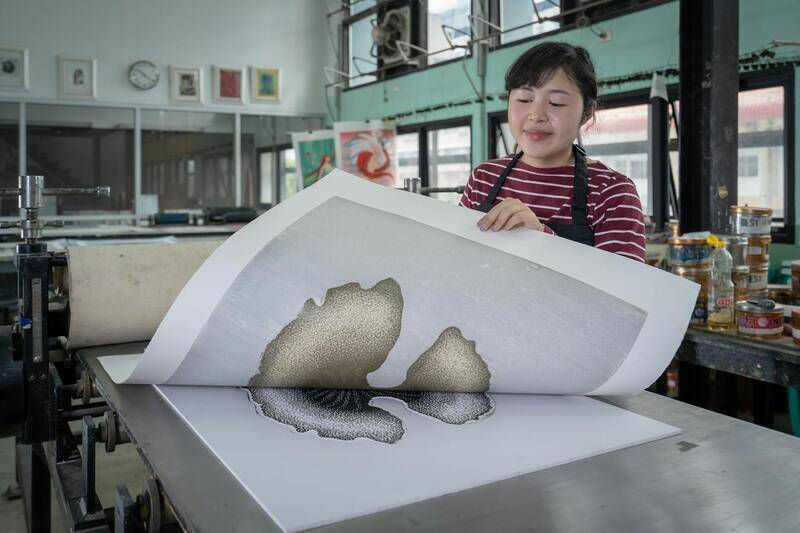
The trend toward big photography prints also reflects advancements in printing technologies and materials, which enable high-quality output at impressive sizes without compromising image fidelity. As a result, the interest in creating bespoke, eye-catching displays continues to grow, fueling demand for professional printing services capable of producing large, durable, and vibrantly detailed prints that meet both aesthetic and functional needs.
Types of Materials Used for Large Prints
When selecting materials for big photography prints, the choice significantly influences the final appearance, durability, and suitability for various environments. Common options include:
- Canvas: Known for its textured finish, canvas offers a classic and artistic look. It is flexible, lightweight, and suitable for stretching or framing, making it a popular choice for interior decor.
- Photo Paper: Available in glossy, semi-gloss, or matte finishes, photo paper provides sharp image quality with vibrant colors. It's ideal for framing behind glass or acrylic.
- Acrylic: This material enhances color vibrancy and offers a modern, sleek appearance. Acrylic prints are durable and resistant to fading.
- Metal (Aluminum): Metal prints provide a contemporary aesthetic with a metallic sheen that enhances contrast and detail. They're also highly durable and weather-resistant, suitable for both indoor and outdoor use.
- Vinyl or Fabric Banners: Used for large-scale murals or temporary displays, these materials are lightweight and easy to install, ideal for commercial or event use.
Choosing the appropriate material depends on the intended environment, desired visual effects, and budget considerations. Each material offers distinct advantages that can heighten the impact of large photographic prints when matched properly to the display context.
Understanding Big Photography Prints
When embarking on the process of creating large photography prints, selecting the appropriate material is foundational to achieving the desired visual impact, durability, and suitability for specific display environments. The choice of material not only governs the texture and appearance of the final print but also influences its longevity and resilience to elements such as light, moisture, and handling.
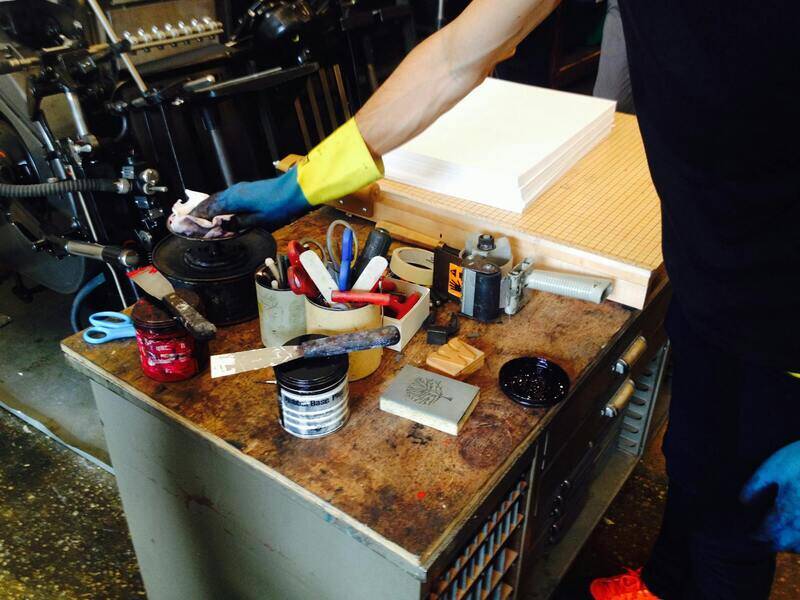
In-Depth Look at Popular Material Options
Understanding the distinct characteristics of each material helps in making informed decisions tailored to your project’s needs. Below are some of the most commonly used materials for sizeable photographic displays:
- Canvas: A versatile choice that lends an artistic, textured appeal to large prints. Canvas is flexible and lightweight, making it ideal for stretching or framing. Its surface offers a tactile quality that complements fine art photography, creating a classic and sophisticated aesthetic. Durability is enhanced through protective coatings, which guard against scratches and fading.
- Photo Paper: This traditional option is preferred for its sharp reproduction of image details and vibrant colors. Available in glossy, semi-gloss, and matte finishes, photo paper is best suited for indoor displays behind glass or acrylic, providing excellent image clarity and color accuracy. Its surface helps reduce glare, especially in well-lit environments.
- Acrylic: Known for boosting color vibrancy with a sleek, contemporary look, acrylic offers exceptional clarity and depth. The material's polished surface enhances contrast and fine details, making it suitable for high-end exhibitions or personal collections. While more resilient against fading, acrylic prints require careful handling to avoid scratches.
- Metal (Aluminum): Metal prints bring a modern aesthetic with a metallic sheen that promotes contrast and visual sharpness. They are highly durable, resistant to weather conditions, and suitable for both outdoor and indoor settings. Metal materials are often preferred for their minimal maintenance and sophisticated appearance.
- Vinyl or Fabric Banners: For large-scale murals, promotional displays, or temporary installations, vinyl and fabric materials excel in portability and ease of installation. These materials are lightweight, flexible, and resilient, making them ideal for events, temporary signage, or expansive interior decor.
The selection process should consider environmental factors, display purpose, aesthetic preferences, and budget. Investing in the right material ensures that the big photography print not only looks stunning but also maintains its integrity over time, regardless of the setting it is displayed in.
Considerations for Material Selection
Choosing the optimal material for large photography prints involves evaluating several key aspects:
- Environmental Conditions: Consider exposure to sunlight, humidity, and potential for physical contact to determine suitable durability and protective coatings.
- Visual Effect: Decide if a textured, glossy, matte, or sleek appearance aligns with the desired artistic expression.
- Installation Space: Large prints for outdoor use often demand weather-resistant materials like metal or acrylic, whereas interior displays might favor canvas or fine art paper.
- Budget Constraints: Material costs vary, with some options like acrylic and metal generally commanding higher prices compared to canvas or vinyl.
- Longevity and Maintenance: Prioritize materials that offer resistance to fading, scratches, and environmental wear, especially for long-term installations.
Detailed Examination of Materials for Large Photographic Prints
When selecting materials for big photography prints, it is essential to understand the strengths and limitations of each option to achieve the desired visual impact and durability. High-quality large prints demand materials that can withstand environmental conditions while maintaining sharpness, color vibrancy, and overall presentation quality.
Canvas is a popular choice for large art photography due to its textured surface that adds a classic, gallery-like appearance. It is lightweight and flexible, allowing for easy installation, and can be coated with protective layers to enhance durability. Canvas prints are often mounted on sturdy frames, granting a sophisticated look suitable for interior spaces.
Metal prints, typically made from aluminum, provide a sleek, modern aesthetic with vibrant color reproduction and high durability. They are highly resistant to weather, making them ideal for outdoor signage or installations expected to endure the elements. Metal prints can be finished with matte or glossy coatings tailored to enhance specific image qualities.
Acrylic floating mounts create a contemporary, high-gloss appearance with remarkable depth and clarity. This material reflects light, giving photographs a luminous quality that accentuates details and colors. Acrylic is suitable for both interior displays and high-end gallery exhibitions, but it may require more careful handling during installation due to its fragile edges.

Vinyl and fabric materials are also prevalent in large-format printing, especially for murals and temporary installations. They are lightweight, easy to transport, and facilitate quick setup. However, they may not provide the same level of fine detail as metallic or acrylic options but excel in versatility and cost-efficiency.
- Fine Art Paper: Offers a subtle, refined appearance with high archival quality, ideal for gallery display but less suitable for outdoor use.
- Wood Panel: Adds a natural, textured finish, providing a sturdy and eco-friendly option for rustic or contemporary interiors.
Each material choice must be aligned with the intended display environment, aesthetic goals, and longevity requirements. Using protective coatings and correctly handling the materials during manufacturing and installation are crucial steps to amplifying the lifespan and appearance of large photography prints.
Understanding Big Photography Prints
Big photography prints serve as a powerful way to showcase imagery on a grand scale, transforming simple photographs into captivating visual experiences. These prints are characterized by their impressive dimensions, often exceeding typical frame sizes, which necessitates specialized printing techniques and high-quality materials to ensure clarity, color accuracy, and durability. The process begins with selecting images that retain integrity at large scales, maintaining sharpness and detail when enlarged. High-resolution images are essential to avoid pixelation or loss of detail, especially when viewing from close distances. The aesthetic impact of large prints can dramatically enhance interior decor, serve as bold focal points in commercial spaces, or create immersive environments in galleries. Their size requires careful planning in terms of material choice, printing technology, and mounting solutions to fully realize the potential of every detail captured in the image. Moreover, understanding the different production options available ensures that clients can achieve their desired look and longevity, making big photography prints a versatile and impactful element in visual storytelling.
Types of Materials Used for Large Prints
The selection of material plays a pivotal role in the final appearance and durability of big photography prints. Common options include:
- Metal Prints: Known for their sleek finish and vibrant color reproduction, metal prints offer high durability and resistance to environmental factors. They can be finished with matte or glossy coatings tailored to enhance specific image qualities.
- Acrylic: Acrylic surfaces provide outstanding depth and clarity, creating a luminous effect that accentuates fine details and colors. They lend a contemporary feel to large displays and are suitable for high-end gallery exhibits. Proper handling during installation is essential due to the fragile edges of acrylic sheets.
- Vinyl and Fabric: These materials are often used for murals and temporary exhibitions. They are lightweight and easy to install, making them a practical choice for large-scale projects requiring portability. While they may not match the fine detail of metallic or acrylic options, they are cost-effective and versatile.
- Fine Art Paper: For those prioritizing a subtle, elegant presentation, fine art papers offer high archival quality and a refined aesthetic. This material suits indoor gallery settings but may not withstand outdoor conditions.
- Wood Panel: Eco-friendly and textured, wood panels bring a natural warmth to photographs. They are sturdy and appropriate for rustic or contemporary interiors.
Choosing the Right Image for Large Prints
Optimizing an image for a large-format print involves understanding resolution, composition, and subject matter. The image should be captured or created at a high resolution, typically at least 300 DPI when scaled to the final print size, to prevent pixelation. Composition is equally important; details that work well at smaller sizes might become overwhelming or lose impact at larger scales. Therefore, images with strong focal points and balanced elements tend to translate best into large prints. Color correction and retouching are crucial steps to ensure vibrancy and clarity, especially when the print viewing environment involves varied lighting conditions. Additionally, choosing images with high contrast and sharp details helps in maintaining visual interest and depth at large sizes. The goal is to select photographs that tell compelling stories and evoke emotional responses once they are enlarged, ensuring they are impactful on a grand scale.
Understanding Big Photography Prints
Creating impressive large-format photographs involves careful consideration of various technical and artistic elements. Far more than simply enlarging an image, big photography prints require attention to detail in resolution, color fidelity, and material selection to ensure the final piece maintains its clarity, vibrancy, and emotional impact. Professionals utilize specialized printing methods and high-quality materials to achieve these results, emphasizing the importance of methodical preparation and precise execution. The visual effect of a large print can dramatically influence a space, transforming a photograph into a captivating focal point that engages viewers and accentuates any environment. Ensuring that every component—from image selection to finishing—is executed with accuracy and care is essential for producing a compelling piece of wall art that meets high standards of presentation and durability.
To achieve this level of excellence, it is vital to select an appropriate printing technique that aligns with the intended display environment, whether indoor or outdoor. The choice of material also plays a significant role, as it influences both the aesthetic appeal and longevity of the artwork. Working with experienced printing professionals ensures that the technical aspects, such as resolution, color accuracy, and file preparation, are properly addressed before the printing process begins. This meticulous approach guarantees that the final piece does not just appear enlarged but also retains the finer details, true colors, and depth that make a photograph exceptional when viewed at a larger scale.
Types of Materials Used for Large Prints
Various materials are available to enhance the quality and impact of big photography prints, each suited to different display settings and aesthetic preferences. The choice of material can influence the visual depth, texture, and durability of the print, making it a crucial consideration during the planning stage.
- Canvas: Canvas prints provide a classic, textured look that mimics traditional art paintings. They are lightweight, easy to hang, and suitable for both indoor galleries and home decor. Canvas coatings also offer protection against UV rays and minor physical abrasions, extending the lifespan of the print.
- Metal (Aluminum): Metal prints deliver a modern and sleek appearance with vibrant, sharp colors. The glossy or matte finishes available can complement contemporary interior styles. Metal is highly durable, weather-resistant, and easy to clean, making it ideal for high-traffic or outdoor areas.
- Acrylic: Acrylic prints produce a luminous effect with high transparency and color depth. They add a sophisticated touch to any large-format piece, especially when illuminated, and are resistant to moisture and fading.
- Wood Panels: Offering a natural, textured aesthetic, wood panel prints are suitable for rustic or organic themes. They are sturdy, eco-friendly, and add warmth to photographs, making them appealing for both indoor and semi-outdoor settings.
- Art Papers: For gallery-quality indoor displays, high-quality art papers such as fine art or textured papers provide a refined aesthetic. These materials support high-resolution images and are often favored for their archival qualities, though they may not withstand outdoor exposure.
Choosing the Right Image for Large Prints
Enlarging an image to a large scale demands a strategic approach to ensure the photograph retains its visual impact. The foundation of a compelling large print lies in the quality and composition of the original image. High-resolution images—typically captured or designed at 300 DPI or higher—are essential to prevent pixelation and maintain detail at enlarged sizes. Ensuring that the image is properly composed, with a strong focal point and balanced elements, allows for seamless transformation into a large-format piece without overwhelming the viewer.
Color correction and retouching are critical steps to enhance vibrancy, contrast, and clarity before printing. These adjustments ensure the large print remains lively and true to the original intent, especially when viewed under different lighting conditions. Images with high contrast, sharp focus, and compelling subject matter are more likely to evoke emotional responses once scaled, making strategic selection of photographs crucial. A well-chosen image can evoke feelings of awe, serenity, or inspiration, intensifying the viewer’s experience as a large-format print. Proper preparation and selection facilitate a final piece that is not only visually stunning but also tells a meaningful story that resonates on a grand scale.
Understanding Big Photography Prints
Big photography prints serve as impactful visual statements, transforming cherished images into commanding displays that capture attention and evoke emotion. These oversized prints are utilized across various settings, including art exhibitions, commercial advertising, personal collections, and interior decor. The appeal of large-format photography lies not only in its size but also in its ability to reveal intricate details and textures that might be overlooked in smaller formats. Successfully producing such prints involves meticulous attention to the selection of images, materials, and printing methodologies, ensuring that the final product delivers exceptional clarity, color fidelity, and durability.
Types of Materials Used for Large Prints
Choosing the appropriate material is fundamental to achieving optimal results with big photography prints. The material not only influences the aesthetic aspect but also impacts longevity and suitability for display environment. Common options include:
- Photographic Paper: Offers high resolution and vibrant color reproduction. Premium glossy or semi-matte papers provide a sleek, professional appearance, suitable for indoor displays.
- Canvas: Adds a textured, artistic feel, making it ideal for creating gallery-quality pieces. Canvas prints are often stretched over a wood frame, providing a dimensional, museum-like presentation.
- Metal (Aluminum): Creates a modern, sleek look with high durability. Metal prints are resistant to weather elements, making them suitable for both indoor and outdoor environments.
- Acrylic: Delivers a contemporary, high-gloss effect that intensifies colors and enhances depth. Acrylic is popular for exhibitions and statement pieces.
- Vinyl and Durable Plastics: Primarily used for large banners or outdoor displays, these materials are resistant to UV rays and weather conditions, suitable for high-traffic or exterior locations.
The selection of material often depends on the intended display environment, budget, and desired aesthetic. High-quality materials paired with advanced printing technologies help ensure the durability and vividness of big photography prints over time.
Choosing the Right Image for Large Prints
The foundation of an impressive big photography print is a carefully selected image. Enlarging a photograph significantly demands that the original possesses sufficient resolution and compositional strength. Images captured at a minimum of 300 DPI at the intended final print size help prevent pixelation and ensure crisp details. Prioritizing images with strong focal points, clear subject matter, and well-balanced composition is essential to maintain visual impact at large scales.
Beyond technical resolution, post-processing plays a vital role in optimizing the photograph for large-format printing. Color correction, contrast adjustments, and sharpening are performed to enhance vibrancy and clarity, ensuring the print remains captivating under different lighting conditions. Selecting images with compelling narratives or emotional resonance amplifies their effect when scaled to a large format. An artwork that captures movement, emotion, or awe can become a centerpiece that commands attention and provokes thought.
Strategic image selection ensures that the final large print not only preserves the original's integrity but also elevates its storytelling potential. Proper preparation, including resizing and retouching, guarantees the artwork translates seamlessly into an enlarged format that delights viewers and withstands the test of time.
Understanding Big Photography Prints
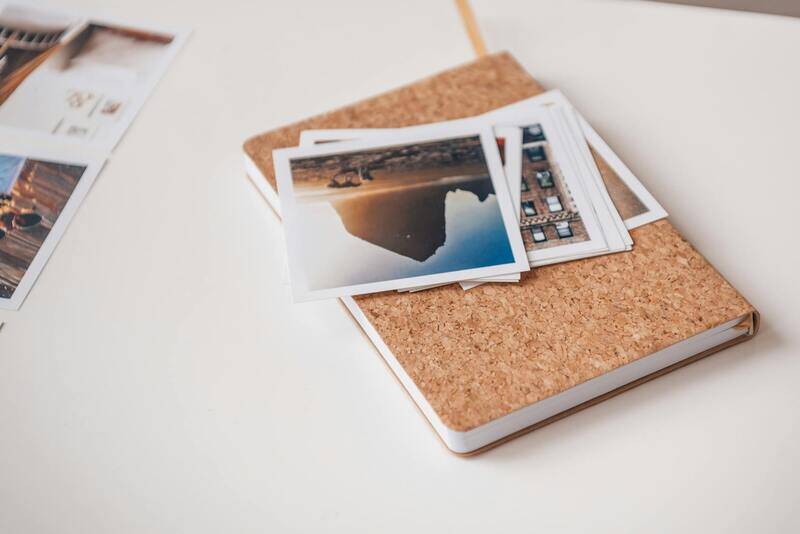
Big photography prints serve as striking visual statements capable of transforming any space into a gallery-like environment. These prints are often displayed in commercial settings, such as offices, hotels, and retail spaces, as well as private homes seeking a bold aesthetic. The process of producing high-quality large-format images requires attention to detail, from selecting the appropriate materials to employing advanced printing techniques that preserve the integrity of the original image while enhancing its visual impact at scale.
Types of Materials Used for Large Prints
- Canvas: Popular for its textured finish that adds a fine art feel, canvas is highly versatile and suitable for murals or gallery displays. It provides a classic look while offering natural resistance to fading when properly treated.
- Acrylic: Known for its vibrant color reproduction and glossy finish, acrylic panels bring a modern and sleek appearance. They are also resistant to moisture and easy to clean, making them ideal for high-traffic or humid environments.
- Metal (Aluminum): Offering a contemporary aesthetic, metal prints are distinguished by their high gloss and durability. They are resistant to scratches and UV light, ensuring longevity in various settings.
- Photographic Paper: For more traditional large prints, high-quality photographic paper mounted on foam core or other backing supports provides an elegant presentation with fine detail and color accuracy.
Choosing the Right Image for Large Prints
The selection of an appropriate image is fundamental when creating impressive big photography prints. Ensuring that the image has sufficient resolution—typically a minimum of 300 DPI at the intended final size—prevents pixelation and maintains sharpness. Additionally, the image should possess strong visual elements, such as a clear focal point, compelling composition, and vibrant color schemes, to thrive at larger scales.
Post-processing enhances the final appearance by adjusting contrast, saturation, and sharpness. This step ensures the image's features are well-defined and visually appealing even when scaled up. Choosing images that evoke emotion or tell a story increases their impact, making them more than just large visuals but powerful art pieces that engage viewers deeply.
Printing Technologies for Big Photography Prints
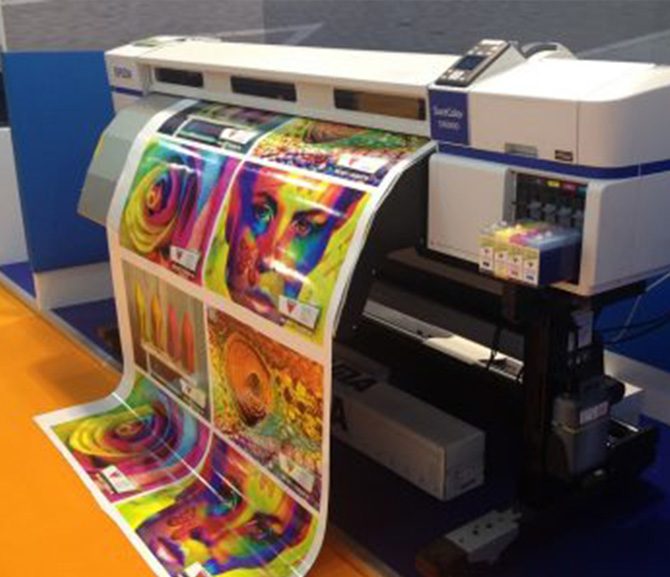
High-quality large-format prints often utilize advanced printing technologies to achieve precise color accuracy, detail, and durability. Inkjet printers, especially those employing wide-format capabilities, are prevalent due to their ability to handle various materials and produce fine detail. These systems use UV-resistant inks, which help prevent fading over time and under different lighting conditions, all while maintaining vivid color reproduction.
Some printers incorporate hybrid techniques or employ multi-layered ink application to expand the tonal range and improve image longevity. The choice of technology will influence the final quality, cost, and production speed, making it essential to select an experienced provider capable of leveraging the best methods for each project.
Size and Aspect Ratio Considerations
When planning for large-scale photography prints, understanding the importance of aspect ratio is critical. It ensures the image maintains its proportions without unwanted cropping or distortion. Common aspect ratios like 16:9 or 3:2 are frequently used, but custom ratios can be tailored to suit specific wall spaces or artistic visions.
Deciding on the size involves considering the viewing distance, room dimensions, and intended impact. Larger prints demand careful framing to ensure they dominate the visual environment without overwhelming the space. Consultation with a printing professional can help determine optimal dimensions that balance visual appeal and technical feasibility.
Finishing and Mounting Options
Finishing processes enhance the durability and aesthetics of big photography prints. Laminating adds a protective layer that resists scratches and environmental damage, while framing options range from traditional wood to sleek aluminum profiles. Mounting techniques, such as acrylic mounting or direct wall adhesives, are chosen based on the material and desired presentation style.
- Framing: Frames provide structural support and can complement the artwork’s style—ranging from classic to minimalist.
- Wall Mounting: Mechanical hanging systems ensure stability, especially for heavy or large formats, preventing sagging or shifting over time.
- Float Mounting: Creates a sense of depth by suspending the print slightly away from the wall, ideal for acrylic or metal prints.
Each finishing and mounting decision plays a role in the longevity of the print and how it is perceived, emphasizing the importance of professional guidance to achieve a seamless and enduring presentation.
Understanding Big Photography Prints
Creating large-scale photographic displays involves several critical factors, from selecting high-resolution images to choosing proper materials and printing techniques. Big photography prints serve as statement pieces in both residential and commercial spaces, transforming ordinary walls into immersive visual experiences. Ensuring the clarity, color accuracy, and durability of these expansive images requires meticulous planning and execution by experienced professionals. Proper framing, mounting, and finishing further enhance the impact and longevity of the print, making it a valuable addition to any environment.

Types of Materials Used for Large Prints
Choosing the appropriate material for big photography prints is essential to achieving the desired aesthetic and durability. Some common options include:
- Photo paper: Glossy or satin finishes provide vibrant colors and sharp details, suited for indoor displays with controlled lighting.
- Canvas: Offers a textured surface that lends a fine-art feel, ideal for large murals and gallery exhibits.
- Acrylic: Provides a sleek, modern look with enhanced color depth and UV resistance, suited for contemporary spaces.
- Metal (Aluminum): Lightweight yet sturdy, metal prints are highly durable with a reflective surface that adds a distinctive look.
The choice of material directly influences the visual appeal, environmental resilience, and installation method of the final piece.
Image Placeholder
Choosing the Right Image for Large Prints
Optimum image selection is fundamental for bold, impactful large-format prints. High-resolution images with a minimum of 150 dpi at the final print size are preferred to maintain sharpness. When enlarging photographs, focus on images with minimal noise and strong composition to avoid loss of detail. Artistic considerations, such as color vibrancy and subject clarity, enhance visual engagement. Preparing your image with professional retouching ensures color consistency, correct cropping, and removal of blemishes, creating a polished final product.
Factors to Consider
- Resolution and source quality
- Color accuracy and consistency
- Composition and focal point clarity
- Avoiding complex patterns that may become muddled at large scales
Printing Technologies for Big Photography Prints
Advanced printing technologies ensure that large-format images are reproduced with exceptional precision and color fidelity. Some of the leading methods include:
- Inkjet printing: Known for its high resolution, color accuracy, and versatility across various materials, inkjet remains the preferred choice for fine art and photographic prints.
- UV printing: Suitable for hard surfaces like acrylic and metal, UV printing provides durable, scratch-resistant output with vibrant colors.
- Lithography and other traditional methods: Predominantly used for special applications where unique textural effects are desired.
When selecting a provider, inquire about their use of specialized, large-format inkjet printers capable of handling customized sizes with consistent color output.
Image Placeholder
Size and Aspect Ratio Considerations
Deciding the optimal dimensions for your big photography print involves understanding the space where it will be displayed, as well as the composition of the image. Larger prints necessarily require higher resolution files to preserve detail. Common aspect ratios like 16:9 or 3:2 are widely used because they align well with cinematic or photographic standards. Custom aspect ratios can be tailored to fit specific wall dimensions or artistic requirements. Balancing size with viewing distance ensures that the print remains impactful without overwhelming the space.
Measuring the intended display area and consulting with a printing professional can help determine the most suitable size, ensuring that the final piece integrates seamlessly into its environment while maintaining its visual integrity.
Image Placeholder
Finishing and Mounting Options
Proper finishing and mounting are crucial to both protect and display big photography prints. Finishing processes like laminating add a protective barrier that guards against scratches, UV exposure, and environmental factors. Framing options, such as wood, aluminum, or modern sleek profiles, not only support the print structurally but also complement its aesthetic style.
Mounting techniques vary depending on the material and desired presentation:
- Framing: Adds a classic, polished look that can enhance color depth and provide structural support.
- Float mounting: Suspends the print slightly away from the wall, creating a sense of depth, especially effective with acrylic or metal surfaces.
- Acrylic or glass mounting: Offers a modern, sleek appearance with added protection against dirt and moisture.
Choosing the right combination of finishing and mounting options ensures the longevity and aesthetic quality of your large-format photographic art.
Image Placeholder

Pricing and Turnaround Time
The final cost of big photography prints depends primarily on size, material choice, and complexity of finishing. Large-format printing often involves higher material costs and specialized equipment, which are reflected in the overall price. Turnaround times vary based on the scope of the project and the provider’s workload, typically ranging from several days to a few weeks.
For projects requiring precise color matching, custom framing, or expedited service, additional fees may apply. Engaging with a professional printing service early in the planning process enables accurate scheduling and budget management, ensuring your large photo masterpiece is delivered on time and within expectations.