Understanding Large Print of Photos
Defining Large Print of a Photo
Large print of a photo refers to the process of reproducing an image on a significantly bigger scale than standard photo sizes, often ranging from a few feet in dimension to murals that span entire walls. These large-scale prints are distinguished by their ability to retain the image's clarity, detail, and color accuracy when viewed at close or medium distances. The definition of "large" can vary depending on the context, but generally, any print that exceeds 24 inches in width or height falls within this category.
Such prints serve various purposes, including commercial displays, personal memorabilia, artwork exhibitions, and home decor. Their prominent size makes them ideal for making impactful visual statements, whether in galleries, offices, or living spaces. The importance of large prints in printing services lies in their ability to bridge the gap between traditional photo enlargements and artistic installations, provided they are produced with high-quality materials and precise techniques.
Common Uses of Large Print Photos
- Decorative Art: Large photographs are often used as focal points in interior design, transforming a plain wall into an eye-catching feature.
- Commercial Displays: Retail stores, hotels, and offices utilize large prints to promote branding and create engaging environments.
- Exhibitions and Galleries: Artists and photographers showcase their work on a grand scale to engage viewers and provide immersive experiences.
- Event Decor: Weddings, celebrations, and corporate events employ large prints for banners, backdrops, and signage.
- Personal Mementos: Family portraits or significant life moments enlarged for personal appreciation or gifting.
The Significance of Large Printing Services
Choosing a reputable printing service for large photos is crucial. A professional provider ensures that the image maintains its integrity and vibrancy through advanced printing techniques and quality materials. Proper handling, editing, and finishing are essential to produce a striking final product that meets the client’s expectations. As the demand for large photo prints continues to grow, understanding what constitutes a large print and the factors influencing its quality helps consumers make informed decisions when investing in their visual displays.

Key Factors Impacting the Quality of Your Large Print of a Photo
When preparing to commission a large print of a photo, understanding the critical elements that influence the final outcome is essential. These factors not only determine the visual impact but also ensure longevity and durability of the print as a display piece.
Resolution and Image Resolution
The foundation of a successful large photo print is a high-resolution image. A resolution of at least 300 dots per inch (DPI) is generally recommended for prints larger than 24 inches in width. This level of detail prevents pixelation and maintains sharpness when viewed from standard distances. For immensely large prints intended for close viewing, a higher resolution or images captured through professional-grade cameras is advantageous.
Image Quality and Editing
Beyond resolution, the overall image quality profoundly affects the print's impact. Proper editing, including color correction, contrast adjustments, and noise reduction, ensures the image appears vibrant and true to life when printed on a larger scale. Employing professional photo editors or utilizing advanced editing software can mitigate issues like color shifts or compression artifacts that may occur during printing.
Selection of Materials
The choice of material—such as photo paper, canvas, vinyl, or acrylic—plays a significant role in the final presentation. Each material offers distinct textures, finishes, and durability characteristics. For instance, glossy finishes enhance color vibrancy, while matte surfaces reduce glare, and canvas provides a textured look reminiscent of fine art. Matching the material to the intended display environment ensures longevity and maintains visual appeal over time.
Color Management and Proofing
Accurate color reproduction begins with proper color management processes. Color profiles, calibrated monitors, and proofing prints help guarantee that the colors seen on screen will match the final print. Considering test prints or proofs before the full run minimizes surprises and ensures the colors align with expectations, especially vital for artworks or photographs with specific color palettes.
Consideration of Viewing Distance
The intended viewing distance influences critical decisions such as resolution, detail refinement, and material choice. For wall-mounted pieces viewed from afar, slightly lower resolutions may suffice, but for closer inspection, attention to finer details and high-quality finishes become essential. Design decisions should harmonize with how the print will be experienced in its space, optimizing visual effectiveness and appreciation.
Employing these considerations when planning for a large print of a photo ensures a product that is visually striking, accurately represented, and suitable for its display context. Professional printing services that prioritize these factors utilize advanced technology and quality materials, resulting in impressive large-scale photographs that meet high standards of clarity and durability.
Types of Printing Technologies for Large Photos
When selecting a method for producing your large print of a photo, understanding the available printing technologies is essential. Each approach offers distinct advantages that influence color fidelity, material compatibility, durability, and overall image quality.
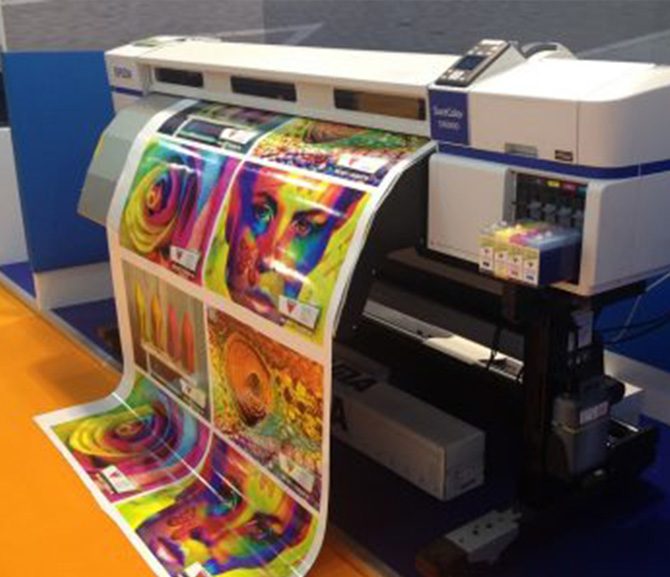
- Digital Printing: Digital printing is highly versatile and ideal for custom or short-run projects. It employs inkjet or laser-based systems to directly transfer images onto a variety of substrates. This method allows for excellent color accuracy and high-resolution outputs, making it a popular choice for personalized large photo prints. Digital printers can accommodate wide-format sizes and produce detailed, vibrant images with minimal setup time.
- Inkjet Printing: Inkjet technology is renowned for its ability to produce high-quality, detailed images with a broad color spectrum. It works by propelling tiny droplets of ink onto the printing surface, enabling smooth gradations and sharp details. Inkjet printers are often used with specialized inks like pigment-based options, which enhance color longevity and resistance to UV fading—crucial factors for large, display-quality photographs.
- UV Printing: UV printing uses ultraviolet light to cure inks instantly upon contact with the material, resulting in durable, vibrant images. This method is especially suitable for non-traditional surfaces such as acrylic, metal, or glass, providing a sleek, modern finish. UV printing offers excellent adhesion, resistance to scratches, and long-lasting color retention, making it an excellent choice for large decorative or commercial displays.
Each printing technology offers unique benefits, and the optimal choice depends on factors including the material, intended display environment, and desired longevity of the print. Selecting a professional printing service that utilizes the most appropriate technology can significantly impact the final outcome, ensuring your large print of a photo is both stunning and resilient.

Understanding Large Print of Photos
Large print of photos serves as an impactful way to showcase cherished memories or professional images in a visually striking format. These prints are not only larger representations of original photographs but also require specific considerations regarding resolution, color accuracy, and overall quality to ensure they retain clarity when scaled up. Printing a photo at a large size demands careful preparation, including selecting high-resolution images that can withstand enlargement without losing detail or appearing pixelated.
Achieving an impressive large print involves more than just enlarging a digital file. It encompasses a comprehensive understanding of the technical parameters that influence the final presentation, such as dpi (dots per inch), image compression, and color profiles. Professional printing services employ industry-grade equipment and techniques to preserve the integrity of your images, resulting in large prints that are vivid, sharp, and true to the original capture.
When considering a large print of a photo, it’s essential to evaluate the intended display environment. Indoor displays may benefit from glossy or semi-gloss finishes that enhance color vibrancy, whereas outdoor installations require materials resistant to weather elements and UV exposure. For instance, canvas or aluminum substrates tend to offer durability along with aesthetic appeal, making them suitable choices for large-scale decorative pieces.
Factors to Consider When Printing Large Photos
Several key factors influence the quality and longevity of a large print of photo. These include:
- Resolution: Ensuring your image has a resolution of at least 150-300 dpi at the desired print size is vital for sharpness and detail.
- Color Accuracy: Proper color calibration and color profiles adhere to ensure the print matches what is seen on the screen.
- Material Selection: Choosing the appropriate substrate—such as photo paper, canvas, or vinyl—affects appearance and durability.
- Print Size and Aspect Ratio: Maintaining the aspect ratio prevents distortions, and selecting an appropriate size respects the image’s original proportions.
- Ink and Finish: High-quality inks, like pigment-based, and finishes such as matte or gloss, contribute to the aesthetic and lifespan of the print.
Types of Printing Technologies for Large Photos
Two primary technologies dominate the production of large photo prints: inkjet and UV printing. Each offers unique advantages tailored to specific needs.
Inkjet Printing is widely favored for its ability to reproduce detailed images with a broad color spectrum. It works by depositing tiny droplets of ink onto a range of substrates, enabling high-resolution images with smooth gradations. Pigment-based inks used in professional-grade inkjet printers enhance color longevity and UV resistance, making them suitable for decorative and display purposes.
UV Printing utilizes ultraviolet light to rapidly cure inks as they contact the surface. This process produces durable, vibrant images on non-traditional surfaces like acrylic, glass, or metal. UV printing’s resistance to scratches and fading makes it an excellent choice for long-term installations and commercial applications.
Choosing the Right Material for Large Prints
When pursuing a large print of a photo, selecting the appropriate material is crucial to achieving the desired visual impact and ensuring durability. Different substrates are suited for various display environments and aesthetic preferences, making it essential to understand the options available.
Common materials include:
- Photo Paper: Ideal for capturing fine details and vibrant colors, photo paper offers a high-gloss or matte finish, suited for indoor displays and gallery settings. Its smooth surface enhances image sharpness, but it’s less resistant to environmental factors like moisture and sunlight.
- Canvas: Known for its textured appearance, canvas provides a classic, artistic touch to large prints. It’s durable and suitable for framing without glass, making it perfect for home or office decor. Canvas prints often benefit from protective coatings to prevent fading over time.
- Vinyl: Highly versatile and weather-resistant, vinyl is ideal for both indoor and outdoor applications. It can adhere to various surfaces and withstand exposure to elements, making it popular for signage and large banners.
- Acrylic and Metal: Offering a modern look, these materials deliver depth and vibrancy, with a glossy finish that enhances color richness. They are durable and suitable for high-end displays or commercial environments.
Choosing the right material depends on several factors, including the intended display setting, environmental exposure, desired aesthetic, and budget considerations. Collaborating with a professional printing service can provide insights into the best substrate options tailored to specific needs.
Understanding Large Print of Photos
Creating a large print of a photo involves several technical and artistic considerations to ensure the final product accurately reflects the original image while maintaining high visual quality. The process begins with selecting the image resolution; high-resolution images are crucial to avoid pixelation when enlarged. Typically, a minimum of 150 DPI (dots per inch) at the final print size is recommended for sharp details. Image editing might be necessary to enhance brightness, contrast, and color balance, ensuring the print appears vibrant and true to life at a larger scale. Another aspect to consider is the aspect ratio of the original image. Maintaining the correct aspect ratio during scaling prevents distortion, which can detract from the overall aesthetic. If needed, cropping can reframe the composition, focusing on the most impactful elements of the photo. The print size also significantly influences the choice of printing method and material. Larger prints require specialized equipment capable of handling sizable media while maintaining precision and color accuracy. Working with experienced professionals ensures that these technical challenges are managed effectively, resulting in a stunning large print that preserves the integrity of the original photograph. Proper visualization and planning are vital. Using digital mock-ups or preview tools helps clients and artists anticipate how the enlarged image will look in the designed space. It allows adjustments in framing, cropping, or color correction before the actual printing, reducing the risk of dissatisfaction. Getting a large print of a photo is not just about scaling up an image; it’s about thoughtfully translating that image into a physical masterpiece that stands out in its display environment. Understanding these foundational elements ensures that the final product surpasses expectations, delivering a statement piece suitable for various presentation settings.
Understanding Large Print of Photos
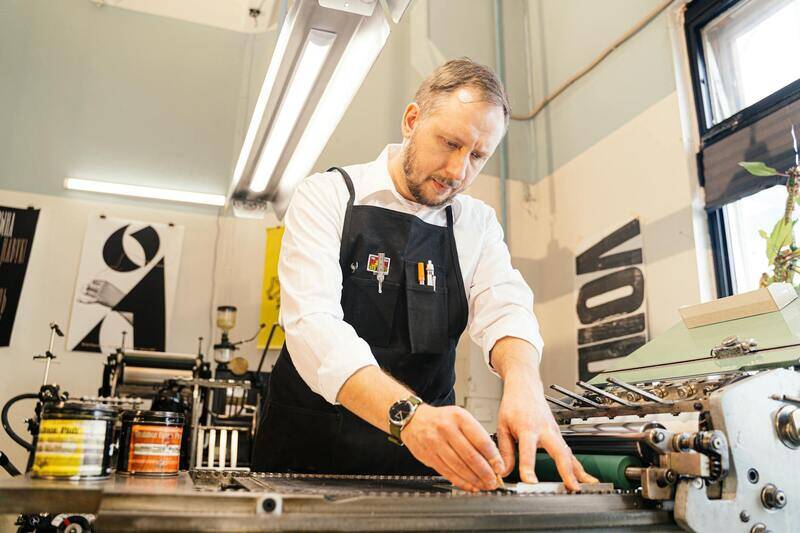
Creating a large print of a photo involves more than simply enlarging the original image. It requires careful attention to detail, resolution, and print quality to ensure the final product maintains visual integrity and impact. The process begins with selecting images that possess high resolution and sharpness, which are critical in preserving details when scaled up. Digital images with a low pixel count or compression artifacts tend to lose clarity and appear pixelated or blurry in larger formats. As such, sourcing high-resolution files or digitally enhancing the image before printing can enhance the final outcome.
Another important aspect is understanding the technical specifications required for large-format printing. This includes ensuring the image is formatted in an appropriate color space, typically Adobe RGB or sRGB, which optimizes color accuracy. Moreover, aspect ratio considerations are vital; maintaining the original proportions of the photo prevents distortion, ensuring the perceived proportions stay true to the original scene or subject. When necessary, cropping and framing adjustments should be completed digitally to emphasize the most compelling elements of the image, providing a balanced composition suitable for large-scale display.
Large photo prints serve as impactful visual statements in various environments, from corporate offices and galleries to personal residences. The choice of material and technology used for printing significantly influences the character and durability of the final piece. Working with experienced printing professionals who understand the nuances of large-format output ensures that the color fidelity, clarity, and overall aesthetic are preserved. These professionals utilize specialized equipment designed for large-scale productions, capable of handling large media with precision and consistency.
Factors to Consider When Printing Large Photos
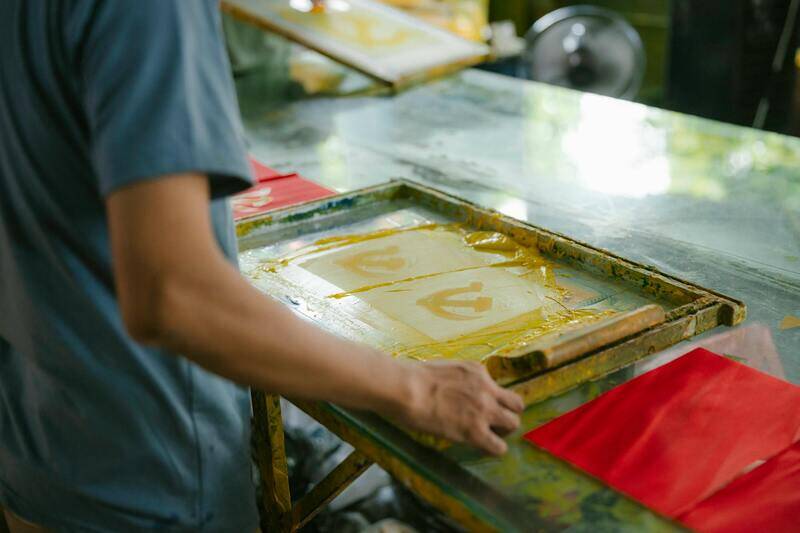
Beyond resolution and image quality, several factors influence the success of a large print. Lightfastness and material durability are crucial for long-term display, especially for prints intended to be hung in well-lit or exposed environments. Choosing materials with archival qualities helps prevent fading over time, maintaining the vibrancy and clarity of the image regardless of exposure conditions.
The printing process itself also affects the overall quality. Inkjet printing, for example, offers excellent color reproduction and detail, making it a popular choice for professional large-format prints. In contrast, dye sublimation may be used for certain materials, providing benefits such as vivid color and resistance to UV damage. Each technology has strengths suited to specific applications and display requirements.
Types of Printing Technologies for Large Photos
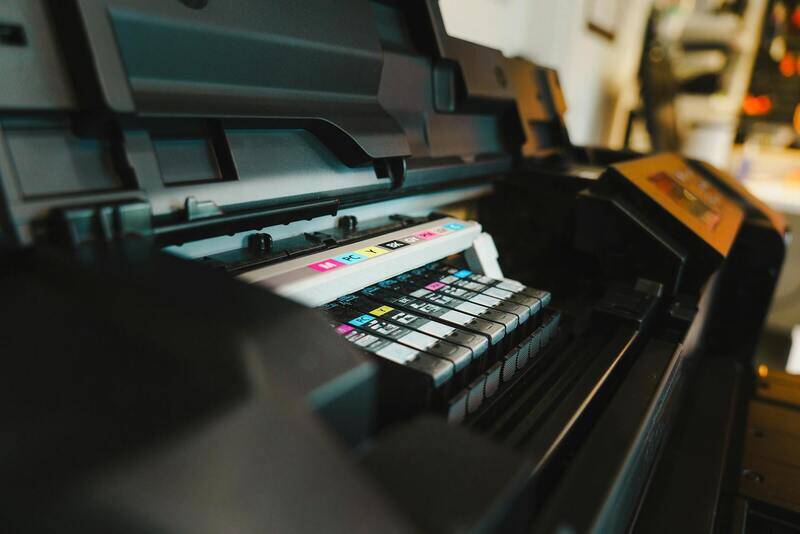
Understanding the available large-format printing technologies helps ensure optimal results. Inkjet printing remains the industry standard due to its high resolution, broad color gamut, and ability to print on diverse materials. Advanced wide-format inkjet printers utilize multiple ink channels with pigment-based inks, offering superior scratch and UV resistance, making them ideal for gallery-quality images.
Similarly, solvent and eco-solvent printers are suitable for outdoor or high-traffic display areas because of their durability and weather resistance. These printers use solvent-based inks that adhere well to rigid substrates and deliver vibrant, long-lasting colors.
Another emerging technology includes UV-curable printing, which employs ultraviolet light to instantly cure inks onto surfaces such as acrylic or metal. This method produces highly durable prints with a glossy or matte finish, perfect for modern decor or installation art.
Selecting the Right Material for Large Prints
The material choice dramatically influences the visual texture, durability, and installation options for large prints. Common options include canvas, which provides an artistic, textured finish suitable for galleries and home decor, and photographic paper, which offers sharp detail and vibrant colors for a more polished look.
For outdoor applications or high-moisture areas, weather-resistant materials such as vinyl or aluminum panels are popular choices. These materials withstand environmental factors, ensuring the longevity of the print. DiBond and acrylic substrates also offer sleek, modern appearances with excellent durability.
Choosing the appropriate material hinges on the intended display environment, desired aesthetic, and budget. Collaborating with printing professionals helps match the material to the specific needs of the project, delivering a high-impact, lasting piece.
Understanding Large Print of Photos
Creating a large print of a photo involves translating a digital or physical image into a sizable physical display that preserves its clarity, color accuracy, and overall visual impact. When approaching large-format printing, it is essential to understand the processes that ensure high-quality reproduction. The primary goal is to maintain the integrity of the original image while adapting it to a format that stands out in both indoor and outdoor environments. Large photo prints are often used for professional exhibitions, home decor, commercial advertising, and event backdrops, making it critical to select appropriate techniques and materials. Properly processed, a large print can vividly display details that might be lost at smaller sizes, creating an immersive viewing experience.
Factors to Consider When Printing Large Photos
Several key aspects influence the successful production of large photo prints. Resolution is paramount; images should ideally have a high DPI (dots per inch) to avoid pixelation when enlarged. The original file quality significantly impacts the clarity of the final product, necessitating the use of high-resolution images for large-scale display. Color fidelity and consistency across the print are equally vital, especially for images with intricate tones or subtle gradations. Additionally, the viewing distance can guide choices regarding detail and sharpness—closer views demand higher resolution, while larger, distant displays may tolerate slightly lower resolutions. The environment where the print will be displayed also influences material and finisher selection. For instance, outdoor installations require weather-resistant materials, whereas indoor displays might benefit from more refined, textured surfaces that enhance visual appeal. Lastly, budget constraints and production timelines are crucial factors to consider but should be balanced against quality expectations to achieve the desired outcome.
Types of Printing Technologies for Large Photos
Choosing the appropriate printing technology ensures the longevity and appearance of your large photo print. Giclée printing is a popular choice for fine art and photographic reproductions, utilizing fade-resistant inkjet technology to produce high-resolution, vibrant images with exceptional detail. This method is ideal for gallery-quality displays due to its ability to utilize wide color gamuts and produce archival-quality results. Laser printing, while less common for high-end art, offers speed and precision for producing large posters or commercial displays. Its crispness and consistency are well-suited for large quantities or quick turnaround needs. UV printing is another evolving technology that employs ultraviolet light to cure inks instantly, resulting in highly durable finishes suited for outdoor or high-traffic spaces. Each of these technologies offers distinct advantages based on project requirements, making it vital to collaborate with experienced print providers to select the best method for your specific needs.
Selecting the Right Material for Large Prints
Material choice plays a significant role in the visual presentation and durability of large photo prints. Canvas is a favored option for artistic, textured effects that lend a gallery-like feel, making it suitable for interior decor. Photographic paper, especially in larger formats, offers sharp details and vibrant colors, ideal for high-resolution images where clarity is paramount. For outdoor or humid environments, weatherproof options such as vinyl or durable aluminum panels provide resistance against moisture and UV rays. These materials also support various mounting options, including adhesive backing, hanging systems, or frame-ready edges. Premium materials like acrylic or DiBond offer sleek, modern aesthetics and contribute to a professional appearance with enhanced durability. Selecting the right material involves assessing the intended installation context, desired visual impact, and long-term maintenance considerations. Professional consultation can aid in pinpointing the most suitable option to ensure a lasting and impactful display.
Design and Editing Tips for Large Prints
Optimizing your image before printing large scales is crucial for achieving the best possible outcome. Start with a high-resolution original file to ensure maximum detail retention. Utilize professional editing software to adjust color balance, contrast, and sharpness, tailoring the image to meet the specific aesthetic goals of your project. Scaling images requires careful resizing to prevent pixelation. Use interpolation techniques that retain image quality, and consider applying sharpening filters post-resizing. It's also helpful to prepare preview proofs at actual size or within the scaled dimensions to evaluate visual consistency. Incorporate visual elements like borders or framing within the design to enhance presentation. For images with fine details, consider increasing contrast or saturation slightly to ensure they stand out when enlarged. Collaborate closely with your printing service to understand their specifications and recommendations, ensuring your digital files are correctly prepared for large-format output.
Cost Factors and Pricing of Large Photo Prints
The price of large photo printing varies based on multiple factors. The size of the print directly influences material costs and labor; larger dimensions require more ink and longer production times. The choice of material impacts pricing as well, with premium options like canvas or acrylic costing more than standard photographic paper or vinyl. Printing technology also affects cost. Fine art printers with UV or giclée capabilities may have higher charges due to the precision involved. Additional finishes, such as matte or glossy coatings, framing, or mounting, add to the overall expense. Turnaround time can influence pricing, with expedited services commanding higher fees. While budget considerations are important, investing in quality is essential to ensure durability and visual impact. Engaging with multiple vendors to compare quotes while reviewing their portfolio can help strike a balance between affordability and professional standards.
Care and Maintenance of Large Printed Photos
Proper care extends the life and preserves the vibrancy of large photo prints. Indoor displays benefit from protection against direct sunlight and humidity, which can cause fading or warping over time. Using UV-protective glass or acrylic coverings provides an extra layer of defense against harmful rays. Cleaning should be handled with care, preferably with soft, lint-free cloths to remove dust or smudges without scratching surfaces. For prints on canvas or fabric, occasional gentle dusting is usually sufficient. Outdoor or high-traffic installations require regular inspections to address environmental effects, and resealing or recoating might be necessary for certain materials. Proper framing and mounting also contribute to the longevity of large prints. Choosing the correct hanging hardware and ensuring secure installation prevents accidental damage. Regular maintenance, including dusting and protective covering updates, helps maintain the visual appeal and ensures your large print remains an impressive focal point for years to come.