Understanding Large Format Photo Printing in Singapore
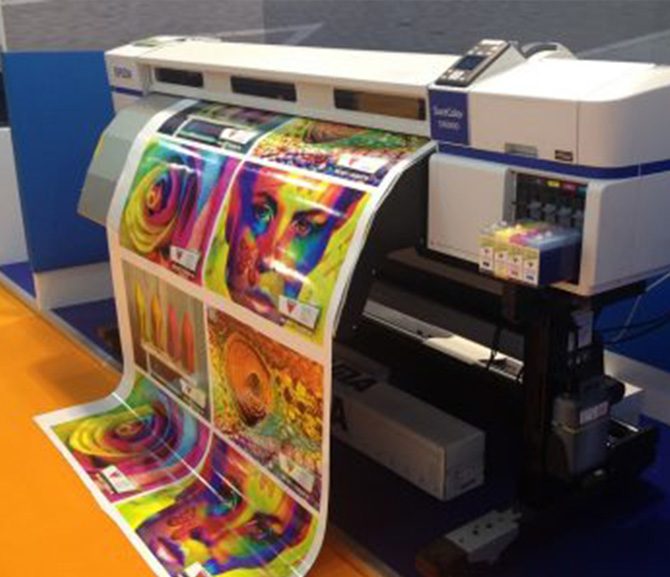
Large format photo printing has become an essential service for a variety of industries and personal projects in Singapore. As a vibrant metropolis known for its dynamic business landscape and creative community, Singapore places high demand on high-quality visual displays. Large format printing involves producing prints that exceed standard paper sizes, typically ranging from 24 inches to several meters in width, suitable for banners, wall murals, trade show displays, and fine art reproductions.
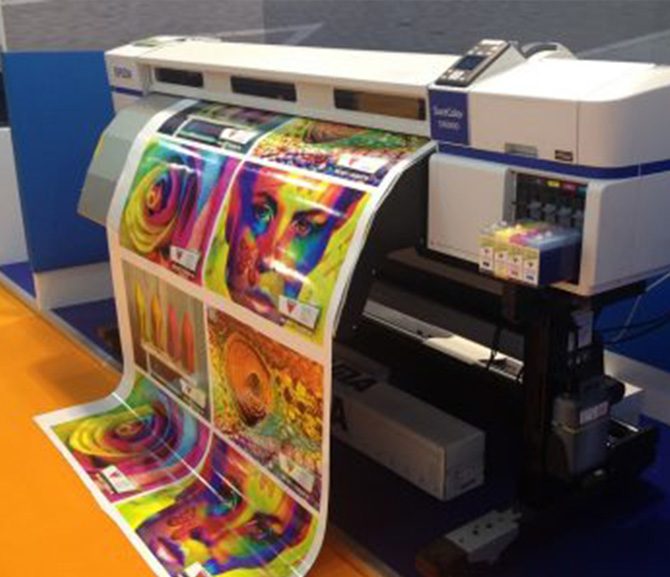
This form of printing enables the creation of visually impactful images that can transform spaces and captivate audiences. The technology behind large format photo printing combines specialized printers, inks, and materials to achieve exceptional clarity, color fidelity, and durability. With Singapore's strategic location and access to cutting-edge printing technology, local businesses and individuals benefit from rapid turnaround times and top-tier output.
In recent years, the demand for large format printing has grown significantly, driven by industries such as retail, hospitality, real estate, and the arts. From promotional banners for events to personalized decorative murals in homes and offices, large format photo printing provides versatile solutions that cater to diverse needs.
The significance of this service extends beyond aesthetics; it plays a crucial role in branding, marketing, and artistic expression. Professional-grade large format prints create memorable impressions and serve as powerful visual communication tools. As such, choosing the right printing provider in Singapore ensures high-quality results that meet the specific demands of each project, whether for commercial displays or personal artworks.

Understanding the essentials of large format photo printing—including the types of materials, technology involved, and the preparation required—empowers clients to make informed decisions. Whether it’s for a grand promotional campaign or an artistic installation, mastering these fundamentals ensures the final output meets expectations and enhances visual impact.
Types of Large Format Printing Materials
Choosing the appropriate material is fundamental to achieving the desired visual impact and ensuring the longevity of your large-scale photo prints. Different projects necessitate specific substrates, each with unique benefits and limitations. Below are some commonly utilized materials in large format photo printing in Singapore.
- Vinyl: Vinyl is a versatile and durable material ideal for outdoor applications such as billboards, banners, and signage. It resists weather elements like rain and sunlight, making it suitable for long-term display. High-quality vinyl can produce vibrant, sharp images that retain color fidelity over time.
- Canvas: Canvas offers a textured finish that mimics traditional painting surfaces, perfect for artistic prints or decorative pieces. It’s usually stretched on a wooden frame and can be treated for water resistance. Canvas prints often add a sophisticated aesthetic to both commercial and residential spaces.
- Polyester Fabric: Lightweight and flexible, polyester fabric is used for both indoor banners and event displays. It provides a matte finish that prevents glare, emphasizing photographic details. Fade-resistant variants ensure vibrant colors even after extended exposure to light.
- PVC and Foam Board: Rigid substrates such as PVC and foam board are popularly used for promotional displays, retail signage, and art exhibitions. They provide a sturdy, flat surface that holds detailed images well, though they are less suitable for outdoor environments unless specifically treated.
- Backlit Films: Special films designed for backlit displays are ideal for illuminated signage or posters. When combined with appropriate lighting, these materials enhance visual clarity and color vibrancy, making images stand out even in low-light conditions.
Printing Techniques and Technologies
Advanced printing techniques are crucial for capturing the fine details and color spectrum required for high-quality large format photo prints. Many local service providers in Singapore utilize state-of-the-art printers that combine precision technology with high-grade inks, ensuring vibrant, durable results. Key techniques include:
- UV Printing: Utilizing ultraviolet light to cure inks instantly on various surfaces, UV printing offers high-resolution outputs with excellent adhesion and scratch resistance. It’s particularly suitable for printing on rigid substrates like acrylic, metal, or wood, broadening the scope of creative applications.
- Solvent and Eco-Solvent Printing: Known for its superb color vibrancy and weather resistance, solvent printing is widely used for outdoor banners and billboards. Eco-solvent variants are environmentally friendlier, emitting fewer VOCs while maintaining high-quality output.
- Latex Printing: Employing water-based inks, latex printing delivers flexible, eco-friendly images with exceptional color accuracy. Its quick-drying feature accelerates production timelines, making it a popular choice for large-scale projects requiring fast turnaround times.
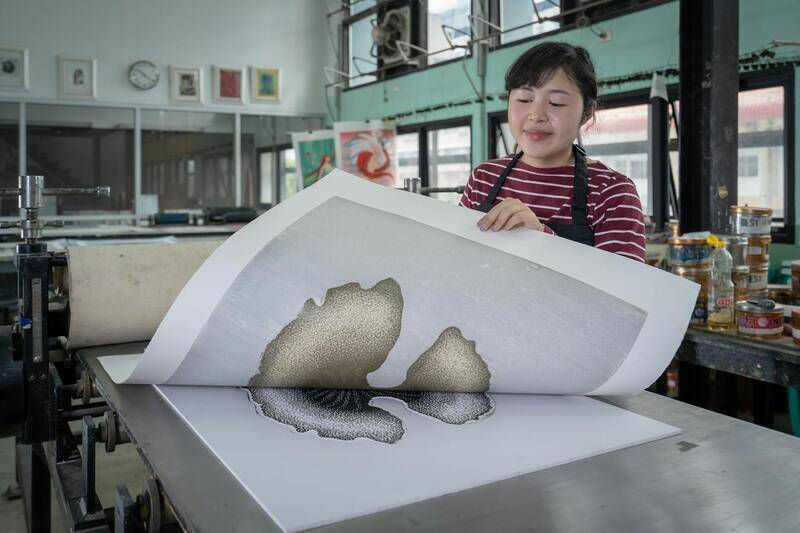
- Giclée Printing: Although traditionally associated with fine art reproductions, giclée technology is also employed in large format printing when premium quality and color nuance are priorities. The use of archival inks ensures artwork longevity.
Selecting the Right Size and Resolution
Determining the appropriate size and resolution for your large format photo print is critical in achieving optimal visual clarity. Larger prints necessitate higher pixel densities to maintain sharpness and detail. A general rule of thumb is to aim for a resolution of at least 150 DPI (dots per inch) at the final viewing distance. For very large displays that are intended to be viewed from afar, a lower DPI may be acceptable without compromising visual quality. Key considerations include:
- Viewing Distance: The further the viewer, the lower the resolution needed. For instance, a billboard viewed from a distance can be produced at a lower DPI compared to an interior wall piece intended for close inspection.
- Image Quality: High-resolution source images—ideally at least 300 DPI—are essential for enlargements to prevent pixelation and ensure sharp, vibrant results.
- Aspect Ratio: Maintaining the aspect ratio of your original image during resizing prevents distortion, preserving the integrity of your photograph.

Design Preparation and File Requirements
Preparing your digital files properly is vital to realizing your desired print quality. Adhering to specific guidelines helps avoid common issues like color discrepancies, pixelation, or incomplete designs. Here are essential tips for preparing your artwork:
- File Formats: Use high-resolution formats such as TIFF or PDF to retain image quality and facilitate accurate color reproduction. JPEGs should be saved at maximum quality to minimize compression artifacts.
- Color Profiles: Incorporate CMYK color profiles compatible with the printing device to ensure consistent color output across different devices and media.
- Bleed and Margins: Include bleed areas (usually 3-5mm) to accommodate trimming during finishing. Keep critical elements within the safe zone to prevent accidental cropping.
- Resolution: As mentioned, ensure images are at least 150 DPI at final size to maintain clarity.
- Layer Management: Flatten or properly organize layers in your design software to avoid printing errors and facilitate smoother production workflows.
Printing Techniques and Technologies in Singapore
Singapore’s large format photo printing industry employs a diverse range of advanced printing techniques to cater to various requirements, ensuring high-quality output for both indoor and outdoor displays. Understanding these methods can help clients select the most appropriate option for their specific project needs.
One prevalent printing technology is UV printing, which utilizes ultraviolet light to instantly cure inks on a variety of surfaces. This method is highly versatile, capable of printing on non-porous materials like acrylic, glass, and metals, making it suitable for striking wall murals and signage that demand durability and vibrant colors. UV printing also offers excellent resistance to fading, scratches, and weathering, making it ideal for outdoor applications.
Another widely used method is solvent printing, which employs solvent-based inks capable of penetrating substrates to produce weather-resistant and color-rich images. This technique is especially favored for outdoor banners, vehicle wraps, and signage that require longevity in challenging environmental conditions. Solvent printers also offer excellent color density and an extensive gamut, ensuring the reproduction of vivid, impactful visuals.
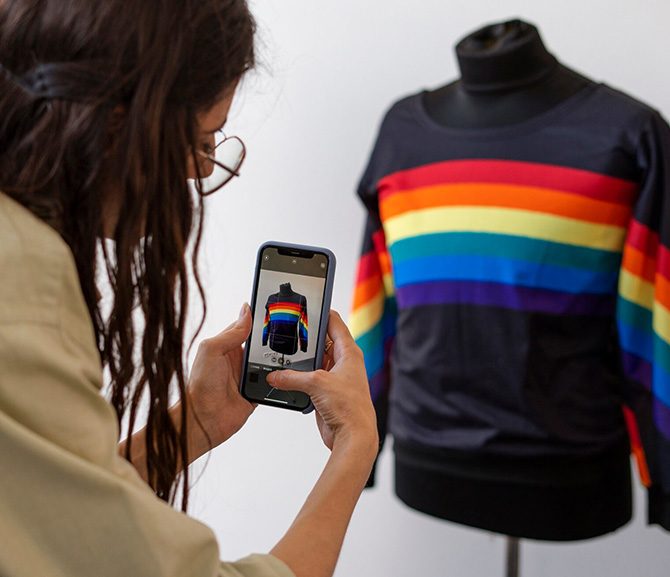
Dye sublimation is a specialized printing process primarily used for fabric graphics, producing vivid, washable images ideal for fabric banners, curtains, and textiles. This process involves turning dye inks into gas under heat, which then bonds with polyester fibers in the fabric, resulting in vibrant, long-lasting prints with excellent color retention.
Singapore’s top print service providers also incorporate the latest digital printing technologies, such as eco-solvent and latex printing. Eco-solvent printers emit fewer volatile organic compounds (VOCs), making them an environmentally friendly choice that still delivers high-quality, durable images. Latex printing combines water-based inks with polymer technologies to produce flexible, weather-resistant prints that are suitable for a wide range of applications.

Staying abreast of technological advancements ensures that clients benefit from improved resolution, faster production times, and longer-lasting results. Leading printing companies in Singapore integrate these cutting-edge methods to provide high-definition, vibrant, and durable large format images that meet industry standards and client expectations.
Ensuring Optimal Size and Resolution for Your Large Format Photos
Properly selecting the size and resolution of your large format photo is essential to achieve a stunning visual impact without sacrificing image clarity. When deciding on the dimensions, consider the viewing distance and the physical space where the display will be installed. Larger prints intended for outdoor signage or murals are best viewed from afar, allowing slightly lower resolutions to still produce crisp images. Conversely, displays designed for close-up viewing, such as gallery prints or interior décor, require higher resolutions to maintain detail and sharpness.
There is a general guideline in large format printing: for optimal quality, aim for a resolution of at least 150 DPI (dots per inch) at the final viewing distance. For interior applications where viewers are likely to get closer, a resolution of 300 DPI or more is recommended. When preparing your digital files, ensure that the images are scaled appropriately without unnecessary enlargement, which can cause pixelation and reduce overall quality. Using high-resolution source images — preferably 300 DPI at the intended print size — helps maintain clarity during the printing process.
In addition, it is vital to work closely with your printing provider to determine the maximum printable size without compromising resolution. Professional printers utilize sophisticated software that can verify if your images meet the necessary specifications. They can advise on margin allowances, bleed areas, and other technical details to prevent unwanted cropping or distortion, ensuring your final print remains true to your original vision.
By following these guidelines, you can confidently select the appropriate size and resolution for your large format photo, resulting in a display that is both visually striking and technically sound. Collaborating with experienced printing professionals ensures that technical considerations such as file format, color profiles, and file preparation are properly managed, leading to a seamless production process and an impressive final product.
Web-Optimized File Preparation and Color Management
For achieving premium quality in large format photo printing, meticulous preparation of digital files is essential. Starting with the correct resolution, images should ideally be at least 300 DPI at the desired print size to ensure sharp detail and vibrant clarity. Files that are too low in resolution may result in pixelation, compromising the visual impact of large prints. It is recommended to work with high-quality, uncompressed image formats such as TIFF or PSD, which preserve maximum image fidelity. JPEGs can also be used, but they should be saved at the highest quality setting to minimize compression artifacts.
Color accuracy plays a vital role in producing visually compelling prints. Utilizing the correct color profiles, such as Adobe RGB or ProPhoto RGB, helps maintain consistent color reproduction from digital files to print. It is advisable to embed color profiles within image files and communicate your color management preferences with the printing service to ensure precise color matching. Professional printers often use calibrated monitors and color management workflows to guarantee that the final output aligns with your original vision, especially when specific colors are critical for branding or artistic purposes.
Design Considerations and Final Checks
Before sending files for printing, ensure that your artwork is correctly sized and positioned within the printable area, considering margins and bleed settings. Avoid placing important details too close to the edges, as trimming may affect the composition. It's important to double-check that all text and key visual elements are free of pixelation and that the overall image appears sharp and properly aligned. Additionally, confirming that the files are in the preferred formats and color profiles recommended by your printing provider can streamline production and prevent delays.
Preparation includes verifying that design layers are flattened if necessary, and that color and layer effects are correctly rendered. This minimizes discrepancies during printing. Advanced tools like soft-proofing can simulate how the colors will appear on the final print, allowing adjustments before final submission. By adhering to these best practices, clients can minimize errors and achieve the desired aesthetic, ensuring that the extensive visual details of their large format photo are accurately preserved and vividly displayed.
Technical Support and File Submission
Many professional printing services in Singapore provide detailed guidelines for file submission, often including specifications for file size, resolution, and color space. Leveraging this guidance ensures that your files are compatible with their high-end printers and software workflows. When in doubt, consulting with the printing provider's technical team can help clarify requirements and prevent common issues such as color mismatches or file corruption. Providing well-prepared files, along with detailed instructions regarding your desired output, reduces turnaround times and enhances overall satisfaction with the finished product.
Installation and Maintenance Tips
Ensuring your large format photos retain their vibrant appearance over time involves proper installation and ongoing maintenance. When it comes to installation, it is crucial to select a suitable location that avoids exposure to direct sunlight, extreme humidity, or other environmental factors that could degrade the print. Using professional mounting techniques can prevent damage such as warping or peeling. For example, employing high-quality adhesives or mounting frames designed specifically for large prints ensures stability and durability.
Proper handling during installation minimizes the risk of creases, tears, or smudges. Employing tools like rubber gloves or soft trowels can prevent fingerprint marks. Additionally, ensuring the surface where the print is mounted is clean, level, and free of dust or debris provides a smooth and professional finish.

Periodical maintenance extends the life of your large format photo. Cleaning should be done with soft, lint-free cloths and appropriate cleaning solutions tailored to the material. Avoid harsh chemicals or abrasive materials that may scratch or discolor the surface. For prints on vinyl or fabric, regular dusting and gentle wiping are usually sufficient. Maintaining a consistent environment, including optimal humidity and temperature levels, will preserve the integrity of the print.
If the print is displayed outdoors, consider protective coatings such as UV-resistant laminates. These coatings shield the print from solar damage, fading, and dirt, significantly increasing its lifespan. In scenarios where the print becomes dusty or stained, immediate cleaning with proper materials prevents buildup that could compromise the visuals.
For long-term outdoor displays, routinely inspecting the mounting and protective coatings helps identify early signs of wear or damage. Prompt maintenance and repairs ensure the visual impact of your large format photo remains uncompromised, and the investment continues to impress viewers for years.
Ensuring Accurate Color Representation and Material Compatibility
Achieving true-to-life colors in large format photo printing requires careful consideration of both the printing process and the materials used. Color accuracy is vital for professional displays, artistic reproductions, and commercial signage. High-quality printers utilize advanced color management systems, including ICC profiles and calibration tools, to ensure that the colors in the digital file are faithfully reproduced onto the chosen material.
Material compatibility is equally important, as not all substrates respond identically to printing inks. For instance, glossy substrates tend to enhance vibrant colors and contrast, making images pop, but may produce glare under certain lighting conditions. Matte materials reduce reflections and are better suited for prolonged viewing or outdoor displays. Vinyl, fabric, or specialty films each offer unique benefits and challenges. Selecting the appropriate material involves assessing environmental factors, intended viewing distance, and durability requirements.
Weather-Resistant and Protective Coatings for Outdoor Installations
For outdoor large format photo displays, incorporating weather-resistant coatings is essential for preserving visual fidelity over time. Protective laminates, such as UV-resistant and waterproof coatings, shield the print against damaging elements like sunlight, rain, and dirt. UV protective layers specifically prevent fading caused by prolonged exposure to sunlight, thereby maintaining color vibrancy and sharpness.
Applying these coatings involves a precise lamination process that ensures a smooth, bubble-free finish. The choice of laminate depends on the specific environmental conditions and the material of the print. For instance, gloss laminates enhance color depth, while matte laminates reduce glare and reflections. Proper application and periodic inspections are crucial for detecting early signs of deterioration, such as peeling or discoloration, enabling timely maintenance to prolong the lifespan of your large format print.
Transportation and Handling of Large Format Prints
Safe transportation and handling are critical steps that prevent damage and ensure the print arrives in perfect condition. When moving large format photographs, use sturdy protective packaging, including cardboard tubes, corner protectors, and padded carriers designed specifically for large prints. Handling with clean gloves can prevent fingerprints, smudges, and surface abrasions.
For installation or display purposes, employing professional rigging and mounting techniques minimizes the risk of tears, warping, or misalignment. It’s advisable to work with experienced installers who understand the nuances of handling large-scale materials, especially when dealing with delicate surfaces or intricate mounting setups.
Maintaining the integrity of your large format print during transportation requires strategic planning, such as choosing suitable routes, avoiding exposure to harsh weather conditions, and ensuring a stable, level installation site. This approach limits the chances of damage and upholds the visual quality of your investment.
Understanding Large Format Photo Printing in Singapore
Large format photo printing in Singapore has become an integral part of both commercial and personal visual communications. Whether for vibrant advertising billboards, artistic exhibitions, or memorable personal displays, choosing the right printing method ensures the visual impact and durability of the final product. The process involves specialized printers capable of producing high-resolution images on oversized media, which requires careful attention to material selection, printing technology, and finishings.
Types of Large Format Printing Materials
The selection of printing materials significantly influences the overall aesthetic, durability, and suitability for specific applications. Commonly used materials include:
- Vinyl: Versatile, weather-resistant, ideal for outdoor banners and signage.
- Canvas: Adds a textured, artistic quality suitable for gallery displays or home decors.
- Backlit Films: Designed for lightboxes and illuminated signs, providing vibrant color transmission.
- Mesh Banners: Perfect for large outdoor events, allowing wind passage without tearing.
- Leather or Textured Fabrics: Used for premium displays or bespoke interior decor.
Printing Techniques and Technologies
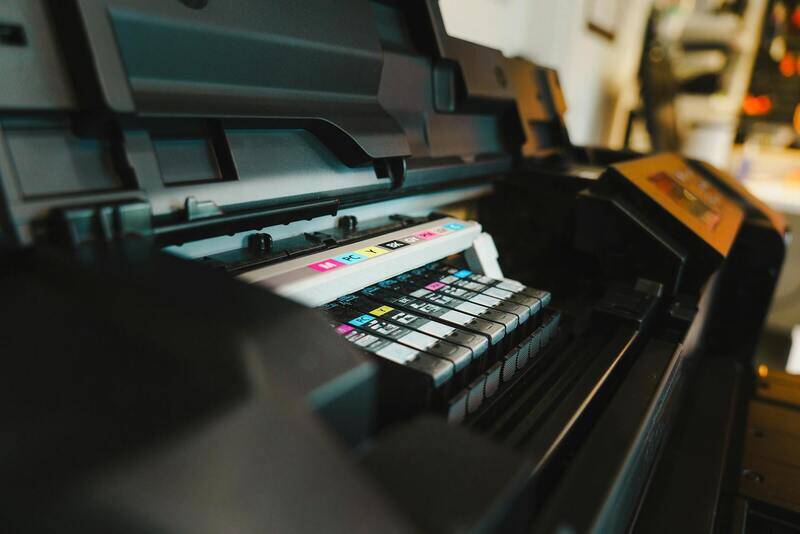
Employing advanced printing technologies guarantees the sharpness, color accuracy, and longevity of large format prints. The most prevalent methods include:
- UV Printing: Utilizes ultraviolet light to cure inks instantly, resulting in high durability and vivid color reproduction. Suitable for rigid substrates like acrylic or metal panels.
- Solvent and Eco-Solvent Printing: Offers excellent color depth and outdoor resilience, perfect for banners and signage exposed to weather elements.
- Latex Printing: Combines environmentally friendly inks with flexibility, ideal for fabric banners and wallpaper applications.
- Dye Sublimation: Transfers dye into coated substrates or fabrics, producing vibrant, detailed images that are resistant to fading.

Selecting the Right Size and Resolution
Matching the print size and resolution to the viewing distance and purpose is essential. For large-scale displays viewed from afar, a resolution of approximately 72 dpi (dots per inch) suffices, as high detail is less noticeable. Conversely, detailed close-up prints, such as for gallery exhibitions, require resolutions of 150 dpi or higher to render fine details accurately. Determining the appropriate dimensions also involves measuring the installation space accurately, accounting for aspect ratios, and considering the natural viewing angles to ensure the print appears sharp and proportionate.
Design Preparation and File Requirements
Preparing print-ready files involves adhering to specific technical standards to ensure quality output. High-resolution images, ideally 300 dpi, are preferred, especially for close-view applications. File formats such as TIFF and PDF preserve detail and color fidelity, whereas formats like JPEG should be used with care to prevent compression artifacts. Design files must include bleed areas and crop marks for precise cutting and mounting. Color calibration and proofing are crucial steps, ensuring the final print accurately reflects the intended visual aesthetics.
Cost Factors and Pricing
Pricing for large format photo printing varies based on several factors, including material choice, print size, complexity of the design, and finishings. Additional costs may include lamination, mounting, and edge trimming. While premium materials and advanced printing techniques elevate the price, they also substantially enhance longevity and visual impact. Understanding these factors helps in budgeting effectively and selecting options that meet both aesthetic and functional requirements within your financial plans. It’s advisable to request detailed quotes from multiple service providers, comparing inclusions and turnaround times to make an informed decision.
Installation and Maintenance Tips
Proper installation ensures that your large format print remains pristine over time. This involves selecting suitable mounting surfaces, using quality adhesives or tension systems, and ensuring level alignment. During setup, handle prints carefully, avoiding contact with inks or surface textures that could tarnish the image. Regular maintenance includes periodic cleaning with suitable materials, inspecting for signs of damage, and applying protective coatings when necessary to guard against environmental factors like UV rays, moisture, and dirt. Proper storage — rolling or flat storage in climate-controlled environments — extends the lifespan of your large format photographs, especially for sensitive materials like fabric or delicate paper-based media.