Understanding Big Size Photo Printing
Big size photo printing involves creating high-quality images in dimensions significantly larger than standard photographs. These expansive prints are designed to be visually impactful and are employed across various sectors, including commercial advertising, interior decor, personal memorabilia, and artistic displays. Large-format prints can range from sizeable posters and banners to grand wall murals, making them versatile tools for communication and aesthetic enhancement.
The main purpose of big size photo prints is to grab attention and deliver a message with clarity and vibrancy. In commercial settings, they often serve as promotional billboards or trade show displays, emphasizing branding and product features. In residential and corporate interiors, large prints transform space by adding focal points that reflect personal style or corporate identity. Artists also utilize big size printing to showcase their works in galleries and public installations, where scale amplifies emotional impact and visual engagement.
Understanding the scope and potential of big size photo printing is essential for selecting the appropriate materials, design, and printing techniques. It ensures the final product achieves the desired aesthetic and functional objectives, whether for commercial advertising, personal decoration, or artistic endeavors. Precision in this process not only enhances visual quality but also guarantees durability and ease of handling, making big size prints an effective solution for large-scale visual communication.
Choosing the Right Material for Large-Format Prints
The selection of material impacts the visual appeal, longevity, and suitability of your large photo print for its intended environment. Common options include vinyl, canvas, PVC, fabric, and specialty papers, each offering unique characteristics.
- Vinyl: Durable and weather-resistant, ideal for outdoor displays, banners, and signage.
- Canvas: Offers a textured, artistic appearance suitable for interior decor and gallery displays.
- PVC and Polypropylene: Rigid, waterproof, and lightweight, perfect for detailed images with sharp resolution.
- Fabric: Breathable and lightweight, used in tension displays and soft signage.
- Specialty Papers: Transfers for unique textures and effects, mainly for framed interior displays.
Choosing the right material involves considering the environment where the print will be displayed, desired durability, and cost considerations, ensuring the final product meets both aesthetic and functional expectations.
Design and Resolution Considerations
Designing for large format printing requires careful attention to resolution and image quality. Since oversized prints are viewed from varying distances, optimizing resolution is vital for clarity and detail.
- Image Resolution: Typically, a minimum of 150 dpi (dots per inch) at the final print size is recommended for large format prints to maintain crispness without unnecessary file size.
- File Format: Use high-quality formats such as TIFF or PDF, which support lossless images and color profiles.
- Design Elements: Ensure text, logos, and graphics are scalable and maintain legibility at large sizes. Vector graphics are preferred for logos and text to prevent pixelation.
- Color Accuracy: It is essential to work within color profiles (like Adobe RGB or sRGB) to preserve color fidelity during printing.
Planning the design with these considerations ensures the final print is sharp, vibrant, and aligns with your visual objectives.
Printing Techniques for Large Photos
Large photo printing employs specific techniques to achieve high-quality results. The choice of technique depends on the material used, the desired print durability, and the visual effect desired.
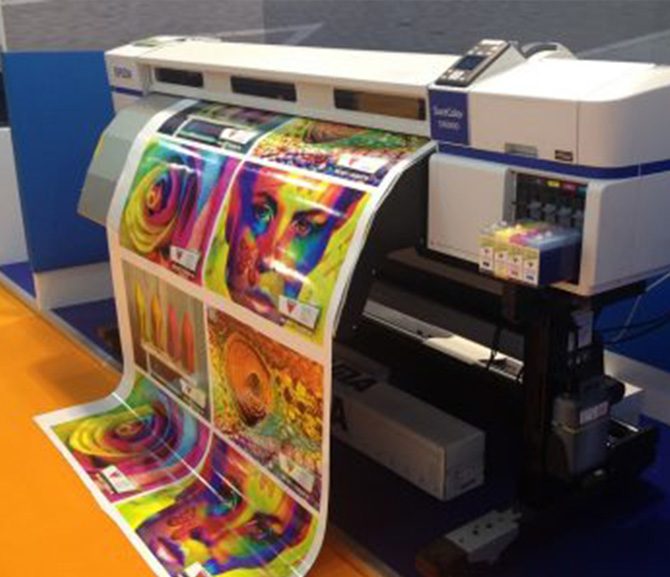
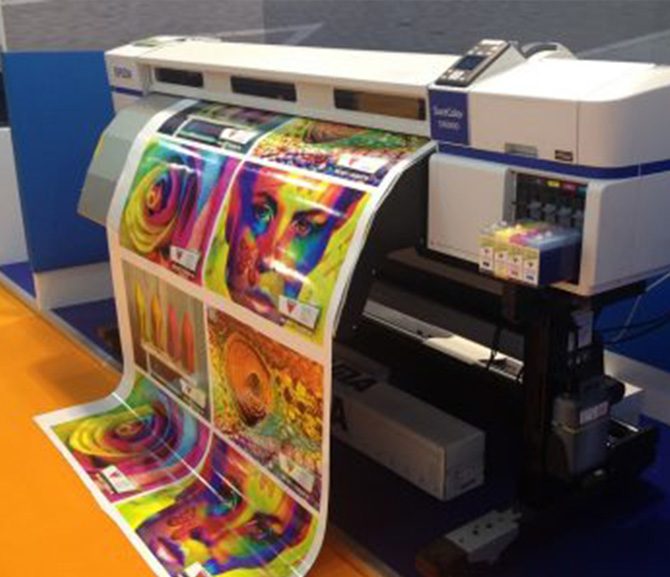
- Inkjet Printing: The most common method for large format photos, utilizing high-resolution printers with UV, solvent, or eco-solvent inks. Provides vibrant colors and sharp details.
- Solvent and Eco-Solvent Printing: Offers excellent durability and weather resistance, suitable for outdoor displays.
- Latex Printing: Combines vibrant color output with environmental friendliness and flexibility, ideal for versatile indoor and outdoor applications.
- Dye Sublimation: Converts dye into gas for vibrant, durable prints on fabric materials, perfect for soft signage and banners.
Each printing technique brings specific benefits, allowing for customization based on project requirements and environmental conditions.
Color Management and Calibration
Maintaining consistent and accurate color throughout the printing process is critical for achieving professional results. Proper color management involves calibrating devices, using color profiles, and controlling lighting conditions.
- Device Calibration: Regularly calibrate monitors, printers, and colorimeters to ensure color consistency across all equipment.
- Color Profiles: Utilize ICC profiles tailored for specific printers and materials, facilitating precise color reproduction.
- Lighting Conditions: Store and display large prints in consistent lighting to accurately assess color fidelity.
- Proofing: Produce test prints to evaluate and adjust color accuracy before final output.
Attention to these aspects prevents color discrepancies, ensuring the final print reflects the intended visual impact.
Choosing the Right Material for Large-Format Prints
Selecting the appropriate material is fundamental to achieving optimal results in big size photo printing. The choice depends on the intended display environment, durability requirements, and aesthetic preferences. Among the most popular options are canvas, vinyl, and backlit fabrics, each offering distinct advantages and ideal for specific applications.
Canvas
Canvas is renowned for its textured surface that mimics traditional art canvases, making it suitable for high-quality art reproductions and gallery displays. It offers excellent color depth and can be stretched or framed easily. Canvas prints are ideal for indoor settings where a sophisticated, artistic ambiance is desired. Its resistance to UV fading, when properly coated, ensures longevity, though it is less suited for highly humid environments.
Vinyl
Vinyl stands out for its durability and weather resistance, making it a preferred choice for outdoor signage, banners, and large-format advertising. Its smooth surface allows for vibrant color reproduction, and it can withstand exposure to sunlight, moisture, and temperature fluctuations. Vinyl can be laminated for added protection and enhanced aesthetic appeal, extending the lifespan of the print.
Backlit Fabrics
Backlit fabrics are designed specifically for illuminated displays, such as lightbox signage or window displays. They offer excellent light transmission and vivid color output, creating eye-catching visuals even at night. These materials are flexible and lightweight, easing transportation and installation while providing a sleek, modern look for retail or exhibition environments.
Key Factors in Material Selection
- Environmental Conditions: Outdoor displays require weather-resistant materials such as vinyl, while indoors, canvas or fabric may be preferred for aesthetic reasons.
- Durability: Consider the exposure to sun, moisture, and handling to choose the material that maintains quality over time.
- Print Quality: Ensure the chosen substrate can reproduce high-resolution images sharply and vibrantly.
- Installation Method: Some materials are easier to mount or stretch, influencing ease of installation and overall presentation.
Professional Material Consultation
Engaging with experienced printing professionals can help determine the best material choice aligned with project goals. They can advise on surface texture, weight, and compatibility with specific printing techniques, ensuring that the final output meets expectations for both appearance and durability.
Images and Material Samples

Understanding Big Size Photo Printing
Large-format photo printing involves transforming high-resolution digital images into expansive physical prints that serve various purposes, from promotional displays to personal art collections. The process demands meticulous attention to detail, ensuring color accuracy, sharpness, and durability. When selecting the right approach, factors such as material selection, image resolution, and printing technology play critical roles in achieving an outcome that is both visually striking and long-lasting.
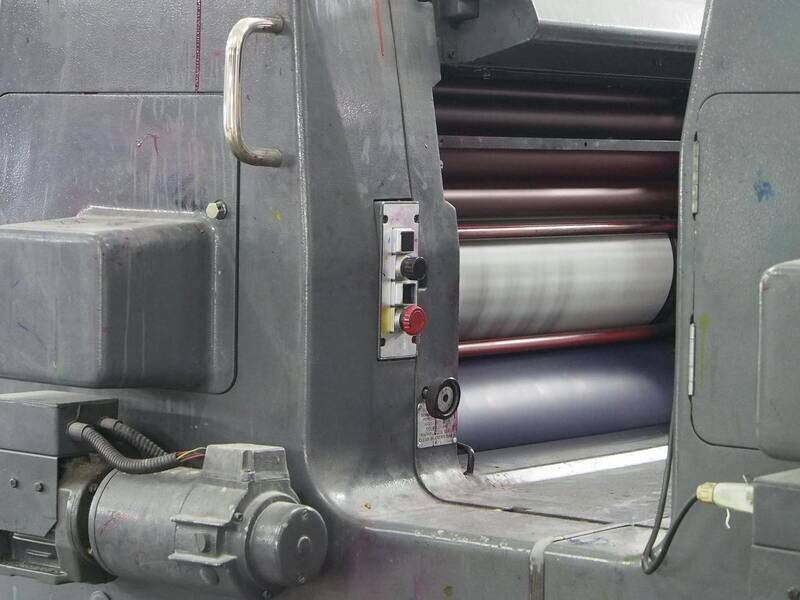
Essential Elements for Big Size Photo Printing
- High-Resolution Images: To prevent pixelation or blurriness, images should have a minimum of 150 DPI at the final print size. Typically, the larger the print, the higher the resolution needed to maintain clarity and detail.
- Color Accuracy: Consistent color reproduction relies on proper color management techniques, including calibration of devices and use of standardized color profiles.
- Material Selection: The choice of substrate impacts the visual effect, longevity, and installation ease of the print. Common options include canvas, vinyl, and photo paper, each offering distinct advantages for different environments and aesthetic preferences.
- Printing Technology: Wide-format digital printers utilizing solvent, latex, or UV curing inks provide high fidelity output necessary for large photo prints, ensuring vibrant colors and durability.
Importance of Proper File Preparation
Preparing the image file correctly is fundamental in large size photo printing. This includes setting the correct resolution, cropping to the desired aspect ratio, and ensuring the file is in a suitable color space such as Adobe RGB or sRGB. Additionally, applying soft-proofing techniques can help predict how colors will appear in the final print, reducing surprises after printing.

Considering Aspect Ratios and Composition
Choosing the right aspect ratio is vital for ensuring the image fits the intended display space without distortion or cropping. Careful composition and framing during the preparation stage guarantee that essential visual elements remain prominent in the final print. For instance, panoramic views may require a wider aspect ratio, while portraits demand a tall, narrow format. Proper planning simplifies the printing and installation process, resulting in a seamless visual impact.
Consulting with Printing Professionals
Engaging an experienced printing service familiar with large-format projects can significantly enhance the outcome. They can provide insights into selecting the most suitable materials, optimizing image files for maximum quality, and choosing the appropriate printing technique. Additionally, professional printers often offer sample proofs or color tests, helping clients visualize the final product before completing a full-scale production.
Incorporating these considerations ensures that big size photo prints meet aesthetic, structural, and functional expectations, whether for commercial displays or personal artwork. Correct planning and expert input are essential in achieving a flawless, impactful large-format print that stands the test of time and environment.
Color Management and Calibration
Maintaining color accuracy is vital when producing large size photo prints. Variations in color can occur due to differences in display settings, printing equipment, and environmental factors. To ensure the final output matches the intended visual impact, professional color management techniques are employed during the printing process. This involves using calibrated monitors for digital file preparation, ensuring consistency between the on-screen image and printed product. Color profiles such as ICC profiles are applied to manage color reproduction across different devices and materials. Regular calibration of printers and monitors is essential to prevent color drift, which can compromise the vibrancy and fidelity of large-format images. An experienced printing service will utilize specialized software and hardware tools for color calibration, testing proofs, and making precise adjustments before full production. This meticulous approach minimizes surprises, saves costs on reprints, and guarantees that the rich tones, subtle gradients, and accurate hues are faithfully rendered in the final print. Reliable color management directly contributes to the professional quality and visual appeal of big size photo projects.
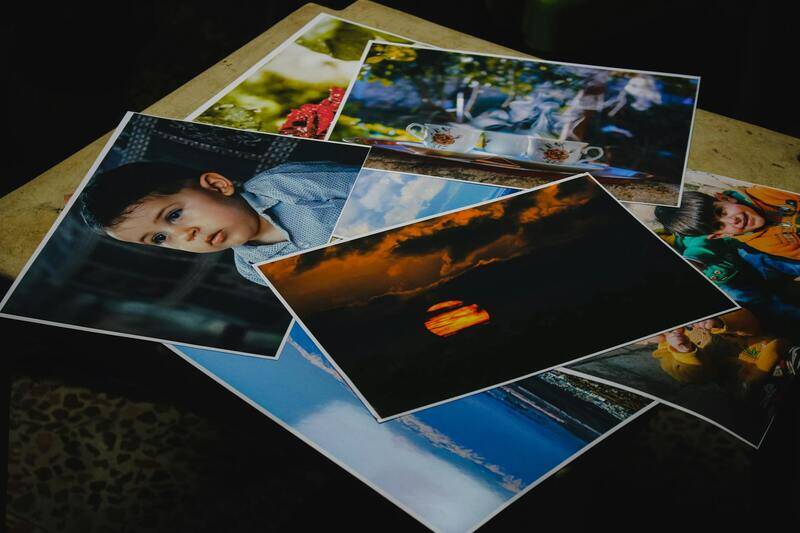
Installation and Handling of Large Photo Prints
Proper installation and handling are crucial for preserving the quality and longevity of big size photographs. Large prints are often more susceptible to damage during transport, mounting, and display. Careful planning and the use of appropriate tools and techniques help safeguard the integrity of your images. Handling large prints with clean, soft gloves prevents fingerprints and smudges on the surface. When transporting, rolled posters should be stored in protective tubes, and flat prints must be supported with rigid boards to avoid bending or creasing. During installation, professional-grade mounting materials—such as archival adhesives or framing options—ensure secure and damage-free placement. Mounting large photographs requires precision to avoid warping or misalignment. Using level tools and secure fixtures guarantees an even, visually appealing display. Additionally, environmental factors like humidity, temperature, and exposure to sunlight should be controlled to prevent fading or deterioration over time. Choosing a professional installation service can simplify the process and ensure safety. Their expertise results in a seamless presentation that maximizes the visual impact while maintaining the print’s structural integrity and aesthetic appeal for years to come.
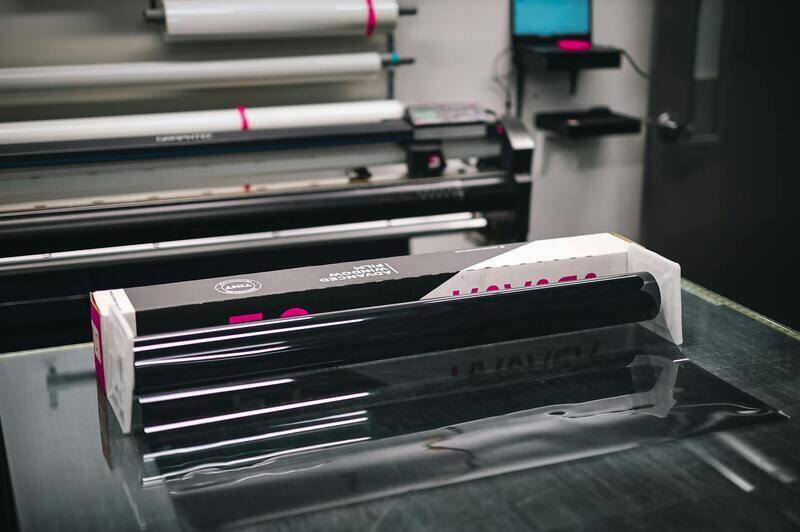
Understanding Big Size Photo Printing
Producing high-quality large-format photographs requires careful consideration of multiple factors, from selecting the appropriate materials to understanding the technical aspects of printing. Big size photo printing involves ensuring that images retain clarity, color accuracy, and sharpness even when scaled to significant dimensions. It is essential to start with high-resolution digital files, ideally with a resolution of at least 300 DPI at the final print size, to prevent pixelation and maintain image integrity. The process begins with evaluating the purpose of the print—whether for decorative, commercial, or display purposes—as this influences material choice and finishing options. Mastering the fundamentals of large-format printing ensures that each big size photo becomes an eye-catching centerpiece that captivates viewers and stands the test of time.
Choosing the Right Material for Large-Format Prints
The material selection plays a pivotal role in the final appearance and durability of big size photo prints. Common options include gloss, matte, and satin finishes, each offering distinct visual effects and protection levels. Glossy surfaces amplify color vibrancy and sharpness but can produce glare under bright lighting, while matte finishes reduce reflections, making images more viewable from different angles. Satin finishes provide a balanced look with moderate glare and enhanced color depth.
In addition to paper types, canvas printing is a popular choice for large photos, imparting a textured, artistic feel that enhances visual appeal. Vinyl and banner materials are suitable for outdoor or high-traffic settings due to their weather-resistant properties. When opting for materials, consider the environment where the print will be displayed, the necessary longevity, and ease of maintenance. Using premium substrates ensures that colors remain vivid over time and that the print withstands environmental challenges without warping or fading.

Design and Resolution Considerations
Design plays an integral part in achieving stunning large photo prints. When preparing artwork or photographs for big size printing, it is vital to use high-resolution images with sufficient pixel density to maintain clarity. Typically, a minimum resolution of 300 DPI at the final print size ensures sharp details and smooth gradients.
It is equally important to consider the composition and layout within the dimensions of the print. Large-format images benefit from clean, focused designs that avoid clutter, making the central elements prominent. Properly calibrated color profiles and careful adjustments in photo editing software help optimize colors, contrast, and brightness, ensuring that the final print matches the intended visual impact. Proofing the digital file through soft proofs and test prints can reduce discrepancies, allowing for adjustments before the final run.

Proper Handling and Installation Techniques for Large Photo Prints
Handling large-sized photographs requires a careful approach to preserve print quality and facilitate safe installation. Using appropriate tools such as gloves prevents fingerprints and smudges on the surface, especially with glossy or matte finishes. When moving the print, support it from the edges or use a clean, flat surface to avoid creases, dents, or tears that can compromise visual integrity.
Framing presents an additional layer of protection and aesthetic enhancement. Selecting a frame that complements the artwork and aligns with the environment helps anchor the image securely and prevents warping over time. For oversized prints, custom frames are often recommended to ensure precise fit and support.

Mounting methods vary depending on the display setting and substrate used. Common techniques include:
- Adhesive Mounting: Using specialized adhesives suitable for large prints ensures a smooth, bubble-free surface without damaging the print or backing.
- Frameless Mounting: Utilizing mounting tapes or gels designed for large-format images provides a sleek appearance while maintaining durability.
- Suspension Systems: For in-gallery or exhibition settings, robust hanging systems with high-capacity hooks and cables provide safe suspension of large prints.
Best Practices for Safe and Effective Installation
Prior to installation, verify the wall's structural integrity, and ensure it can support the weight of the large print, especially when framed or mounted on rigid substrates. Use levels and measuring tools to align the artwork precisely. When working at heights, employ appropriate support equipment to prevent accidents.
Environmental conditions during installation are equally crucial. Avoid proceeding in high humidity or during adverse weather, which can cause warping or adhesion issues. Once mounted, periodically inspect the installation to address any signs of shifting or damage, maintaining visual quality over time.
Understanding Big Size Photo Printing
Big size photo printing involves transforming high-resolution digital images into large-format physical displays that can range from expansive wall murals to detailed banners and fine art pieces. This process demands careful consideration of image quality, material durability, and printing technology to ensure the final product maintains visual integrity at a larger scale. When opting for big size photo prints, it is essential to understand the importance of resolution, image retouching, and the constraints posed by available materials. Proper planning ensures that the enlarged image remains sharp, vibrant, and true to the original composition, making it an impactful addition to personal or commercial spaces.
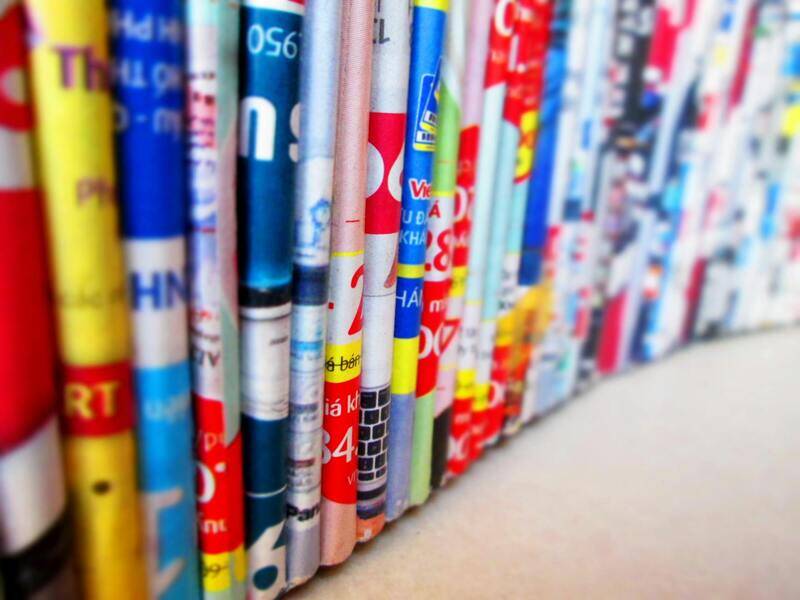
Choosing the Right Material for Large-Format Prints
Selecting suitable material is crucial for ensuring longevity, appearance, and suitability for different environments. Some common options include:
- Vinyl: Known for its durability and weather resistance, ideal for both indoor and outdoor displays.
- Canvas: Offers a textured, artistic look perfect for gallery-quality prints, though it may require UV coating for enhanced protection.
- Photo Paper: High-gloss, satin, or matte finishes are available for indoor applications, providing sharp detail and vibrant colors.
- Backlit Materials: Suitable for illuminated displays or lightbox effects, enhancing visibility and impact.
Material choice depends on the intended use, location, and desired aesthetic outcome. Consulting with a printing specialist can help determine the best fit based on these factors.
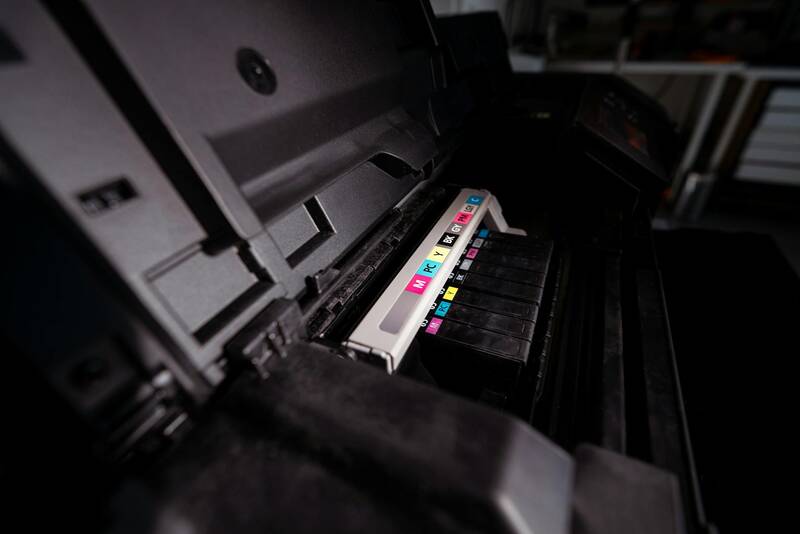
Design and Resolution Considerations
Effective big size photo printing starts with high-quality digital content. A key factor is the image resolution, which should be optimized to avoid pixelation or blurriness at large dimensions. Typically, a resolution of at least 150-300 DPI (dots per inch) at the final print size is recommended, although larger formats often allow for lower DPI values due to viewing distance. Ensuring the original file is in a high-resolution format, such as TIFF or RAW, provides the necessary clarity for enlargement. Additionally, color accuracy and contrast adjustments are vital to maintain vibrancy and detail in the final print.
Designers should be mindful of composition and cropping, especially when adapting images for a larger format, to preserve focal points and visual balance. Utilizing professional editing tools can enhance details, correct color variations, and prepare files specifically optimized for large-scale output.

Printing Techniques for Large Photos
Different printing methods are employed to produce large photo prints, each with its own advantages:
- UV Printing: Uses ultraviolet light to cure inks instantly, resulting in vivid colors and durable finishes ideal for outdoor or high-traffic environments.
- Giclée Printing: A fine art printing process that offers exceptional color accuracy and detail, suitable for gallery-quality engagements.
- Solvent and Eco-Solvent Printing: Provides water-resistant, durable outputs for outdoor applications, with a broad color gamut and quick drying times.
- Latex Printing: Combines vibrant color capabilities with environmentally friendly inks, suitable for a variety of substrates and applications.
Choosing the best technique depends on the specific requirements like longevity, environment, and budget considerations. Professional printing providers often employ multiple methods to match client needs with optimal results.
Color Management and Calibration
Accurate color reproduction is essential for large photo prints to meet client expectations and preserve artistic intent. Professional printers utilize color calibration tools and ICC profiles to manage color consistency across devices. This process involves calibrating monitors, printers, and viewing environments so that colors seen during editing match the physical print output closely. Color profiling ensures that hues are accurately rendered, especially when reproducing intricate details or subtle gradients.
Monitoring ambient light conditions during printing and viewing is also crucial. High-quality large prints may be subjected to controlled lighting conditions that enhance color vibrancy and prevent chromatic distortions. Regular calibration routines help maintain consistency across multiple prints and over time, minimizing color shifts and ensuring the integrity of the original design.

Finalizing Your Big Size Photo Print Project
When preparing to execute a large photo print, selecting a qualified printing service provider is crucial for ensuring the final product aligns with your expectations. Research local and online companies that specialize in large-format printing, paying close attention to their portfolios and customer reviews. A provider with extensive experience in handling big size photo prints will typically demonstrate a deep understanding of color fidelity, material selection, and finishing techniques. Prioritize companies that utilize advanced printing technologies and maintain high standards for quality control. Inquire about their calibration processes, print resolution capabilities, and available substrates. Transparent communication about your project requirements, including size, material preferences, and intended display environment, facilitates a smoother collaboration. Evaluate the scope of their service offerings such as custom sizing, mounting, framing, and delivery options. Many reputable providers also offer sample proofs or mock-ups, enabling you to preview the final appearance before proceeding with the full print. This step greatly reduces the risk of dissatisfaction and helps you confirm that the colors, details, and overall presentation meet your artistic vision. Understanding their turnaround times and customer support policies can also influence your choice. An efficient, responsive team will assist in addressing potential challenges early, ensuring timely completion of your big size photo print.