Overview of Large Format Photo Printing
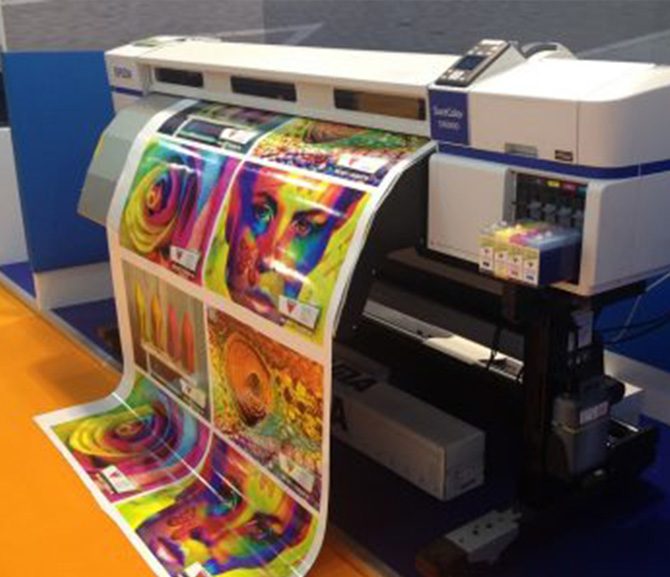
Large format photo printing has become an essential service for a wide array of applications, ranging from personal artistry to commercial advertising. This technique involves producing high-quality images on significantly larger scales than standard printing sizes, often exceeding 24 inches in width and extending to several feet in height. The process is designed to create impactful visual displays that captivate viewers and convey messages effectively in public spaces, galleries, or private settings.
Typical sizes in large format photo printing vary depending on the intended application, with common widths including 24, 36, and 48 inches. These dimensions allow for excellent visibility from a distance, making them ideal for billboards, murals, trade show displays, and interior decor. The choice of material plays a crucial role, influencing the aesthetic, durability, and cost of the final print.
Materials utilized in large format photo printing span from traditional glossy and matte papers to more specialized substrates like canvas, vinyl, fabric, and rigid panels such as foam board or aluminum composite. Glossy finishes enhance color vibrancy and detail, often used for gallery-grade displays. Matte surfaces reduce glare, ideal for environments with ambient lighting. Vinyl and fabric options provide flexibility and durability, suitable for both indoor and outdoor applications.
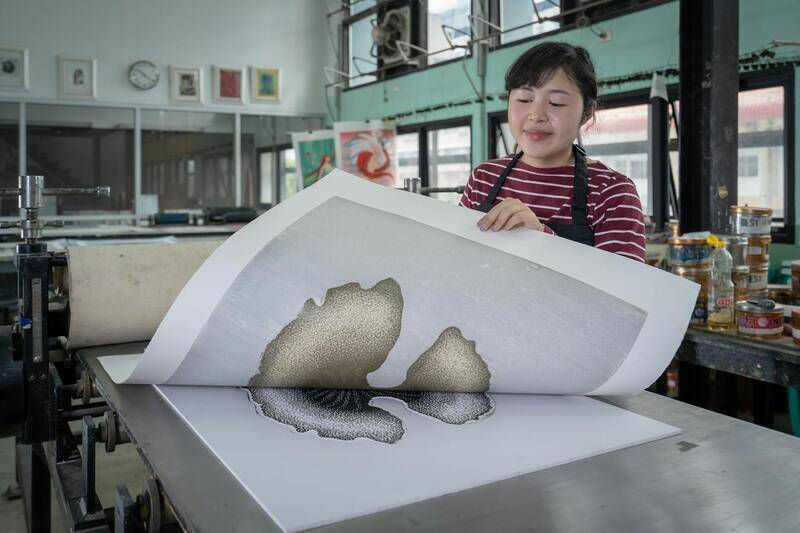
Common uses for large format photo printing include decorative wall art, sponsorship banners, storefront signage, event backdrops, and promotional posters. With the advent of advanced printing technologies, clients can now achieve ultra-high resolution images that retain clarity and color accuracy even at substantial sizes. These capabilities open avenues for highly detailed creative projects, branded displays, and large-scale reproductions of photographic works.
Types of Materials for Large Format Photo Prints
The selection of suitable material significantly influences the quality and longevity of large format prints. For indoor displays, glossy or matte photo papers and canvas are often preferred for their aesthetic appeal and ease of framing. Outdoor applications demand materials with weather-resistant properties, such as vinyl banners with UV protection or aluminum panels designed to withstand the elements. Additionally, fabric substrates are popular for their lightweight and flexible characteristics, making installation easier and suitable for curved surfaces.
Printing Technologies Used in Large Format Photo Printing
Various printing technologies enable precise and vibrant large format photo outputs. The most prevalent include inkjet printing, known for its detailed color reproduction and adaptability across multiple materials. UV printing is another advanced solution that employs ultraviolet light to cure inks instantly, resulting in highly durable prints with rich colors. Solvent and eco-solvent printers are favored for outdoor signage due to their resistance to fading and moisture. These state-of-the-art methods ensure high-resolution imaging, sharp detail, and color depth, essential for professional presentation.
Color Quality and Resolution Standards
Achieving optimal visual impact in large format photo printing hinges on precise color reproduction and high-resolution outputs. Quality control processes include careful calibration of printers to ensure color consistency across prints, especially vital for branding purposes or fine art reproductions. Modern large format printers typically support resolutions ranging from 150 to 300 dots per inch (dpi), allowing for sharp details and smooth gradations even at expansive sizes. To meet professional standards, color management workflows integrate high-quality color profiles and advanced software, ensuring that printed images closely match digital originals. This is particularly important for clients seeking exact color fidelity—a critical factor in fashion, fine art, and corporate branding projects. High resolution is essential for capturing intricate details, such as textures in photographs or minute design elements. When selecting a printing service, inquire about their resolution capabilities and quality assurance measures, as these directly influence the clarity and vibrancy of the final product. Besides resolution, the gamut—the range of colors a printer can reproduce—is equally crucial. A printer with a broad color gamut can produce more vibrant, nuanced images, enhancing the visual appeal and impact of large photos. Fine art and commercial projects demand meticulous attention to these standards to satisfy professional expectations and client specifications.

Customization Options and Design Assistance
Most reputable large format printing services offer comprehensive customization options tailored to meet specific project needs. This includes choices in material, size, finishing, mounting, and framing, allowing clients to create personalized displays that align with branding or artistic vision. Design assistance can be a vital part of the process, with teams providing expert advice on layout, color correction, file preparation, and optimal material selection. Whether clients bring fully prepared digital files or need help developing their artwork from scratch, professional printers ensure that the final output aligns perfectly with their expectations. Efficient communication and dedicated support help streamline the process, minimize errors, and achieve desired results. Many services also provide proofs or digital previews, enabling clients to review and approve designs before production begins—a critical step in ensuring satisfaction with the final large-scale print. From decorative wall murals to large banners and photographic displays, customization options empower clients to create visually compelling and cohesive environments with detailed guidance from experienced professionals.
Overview of Large Format Photo Printing
Large format photo printing is a specialized service that transforms high-resolution digital images into expansive physical displays, suitable for a wide array of professional, commercial, and artistic applications. These services excel in producing vivid, true-to-life reproductions, allowing photographers, artists, and businesses to showcase their visuals on a grand scale. The process demands precision and attention to detail to maintain the integrity of color, clarity, and resolution, ensuring that each print meets the expectations for quality and longevity. With advancements in printing technology, large format photo printing now offers exceptional sharpness and depth, making it an ideal choice for gallery displays, promotional banners, and decorative wall art.
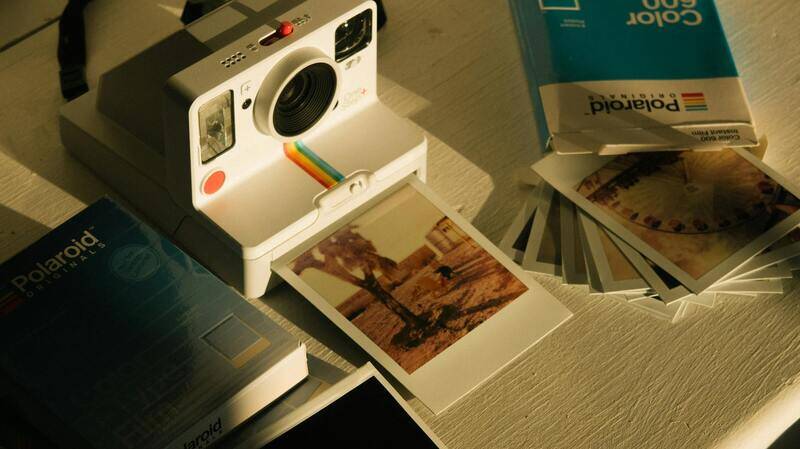
Clients benefit from professional large format printing services when seeking to make a lasting impression through striking visual displays. The capability to produce prints that capture every nuance of the original image is crucial across multiple sectors, including advertising, interior decoration, and fine art. These services leverage cutting-edge technology and high-quality materials to ensure durability and color fidelity, regardless of environmental exposure or time. Selecting a reputable provider—such as expressprintingsi.com—can significantly influence the final outcome, as their expertise ensures the alignment of print quality with client specifications, all while adhering to industry standards for consistency and presentation.
Types of Materials for Large Format Photo Prints
A wide selection of materials is available for large format photo printing, each offering unique advantages tailored to specific display environments and aesthetic goals. Common options include:
- Vinyl Banner Material: Known for its durability and weather resistance, ideal for outdoor signage and banners.
- Canvas: Provides a textured, artistic appearance that enhances fine art reproductions and home décor pieces.
- Backlit Film: Suitable for illuminated displays, ensuring images remain vibrant when lit from behind.
- PVC and Foam Board: Rigid options for framed displays, exhibits, and point-of-sale displays that require sturdy support.
- Wallpaper Cohesion: Perfect for large wall murals, offering seamless visuals with a matte or satin finish.
Professional printing services often assist clients in selecting the most appropriate material based on project scope, venue conditions, and artistic intent. Factors like UV resistance, moisture tolerance, and ease of mounting are critical considerations when choosing the optimal substrate for large-scale photo displays.

Furthermore, the compatibility of selected materials with printing technologies like UV-curable, solvent, or eco-solvent inks influences the durability and color performance of the final product. By working with seasoned print professionals, clients can ensure they receive a product that not only meets visual expectations but also withstands environmental factors and aging processes, thereby maintaining its visual impact over time.
Overview of Large Format Photo Printing
Large format photo printing serves as a vital solution for transforming digital images into striking visual displays suitable for a variety of environments, from corporate offices and galleries to outdoor advertising spaces. This process involves reproducing high-resolution images on expansive substrates, ensuring vivid color, crisp detail, and lasting quality. Whether for gallery exhibitions, promotional banners, or decorative wall art, the ability to print on a grand scale opens up creative possibilities that traditional print sizes cannot achieve. Advanced printing techniques, coupled with diverse material options, allow businesses and individuals to customize their visual communications with precision and impact.

Types of Materials for Large Format Photo Prints
The selection of an appropriate substrate is crucial for achieving desired visual effects and ensuring the longevity of large photo prints. Different materials serve specific aesthetic and functional needs, ranging from promotional displays to fine art reproductions.
- Vinyl: Durable, weather-resistant, ideal for outdoor signage and banners that must withstand elements over time.
- Canvas: Offers a textured, artistic appearance similar to fine art, making it perfect for gallery-quality reproductions and home decor.
- Backlit Film: Suitable for illuminated displays; enhances vibrancy when lit from behind, making it a popular choice for retail signage and event backdrops.
- PVC and Foam Board: Rigid options that provide sturdy support for framed displays, exhibits, and point-of-sale stands. These materials are easy to mount and suitable for indoor environments.
- Wallpaper Materials: Seamless wall coverings like murals and photo wallpapers that create immersive environments, available with matte or satin finishes to suit various lighting conditions.
When selecting materials, it is essential to consider environmental factors such as UV exposure, moisture, and installation requirements. Modern printing processes utilize UV-curable and solvent-based inks compatible with these substrates, ensuring vibrant, long-lasting results. Consulting with seasoned printing professionals can provide valuable insights into the best material choices aligned with project goals, environmental conditions, and aesthetic preferences.
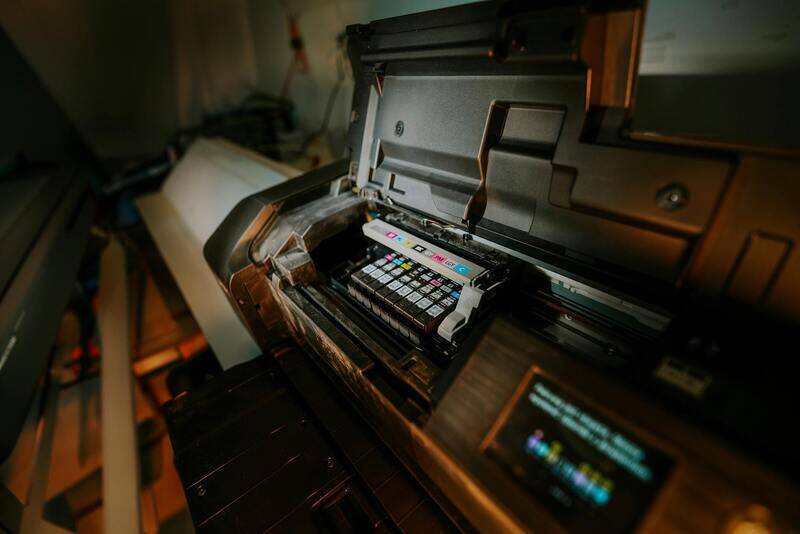
Printing Technologies Used in Large Format Photo Printing
Advancements in printing technology have paved the way for impeccable large-scale images that meet high standards of resolution and color fidelity. UV-curable, solvent, eco-solvent, and latex printing techniques are common, each offering unique advantages in quality, speed, and environmental impact. UV-curable printers, for example, are known for producing sharp, vibrant prints on a variety of materials, with excellent durability and resistance to fading. Solvent and eco-solvent printers excel at printing on vinyl and other flexible substrates, providing intense color saturation and weather resistance. Latex printing combines environmental benefits with high-quality output, offering flexible, removable, and recyclable prints suitable for indoor and outdoor use.
Choosing the appropriate printing technology depends on factors such as the desired material, environmental exposure, color accuracy, and budget considerations. Working with experienced print providers ensures that the selected technology maximizes the potential of the chosen substrate, resulting in a high-resolution, color-rich finished product that captures every detail of the digital image.
Understanding the Different Printing Technologies for Large Format Photos
When selecting a large format photo printing service, it is essential to comprehend the various printing technologies available, as each offers distinct advantages tailored to specific project requirements. The most prevalent methods include UV-curable, solvent, eco-solvent, and latex printing, and understanding their unique features helps in making an informed decision that guarantees high quality and durability.
UV-Curable Printing
UV-curable printing employs ultraviolet light to instantly cure the ink onto diverse substrates, including rigid and semi-rigid materials. This technology produces exceptionally sharp images with vivid color reproduction, making it ideal for gallery-quality prints and promotional displays. UV printers are also recognized for their resistance to scratching, fading, and environmental factors, making the prints suitable for both indoor and outdoor applications.
Solvent and Eco-Solvent Printing
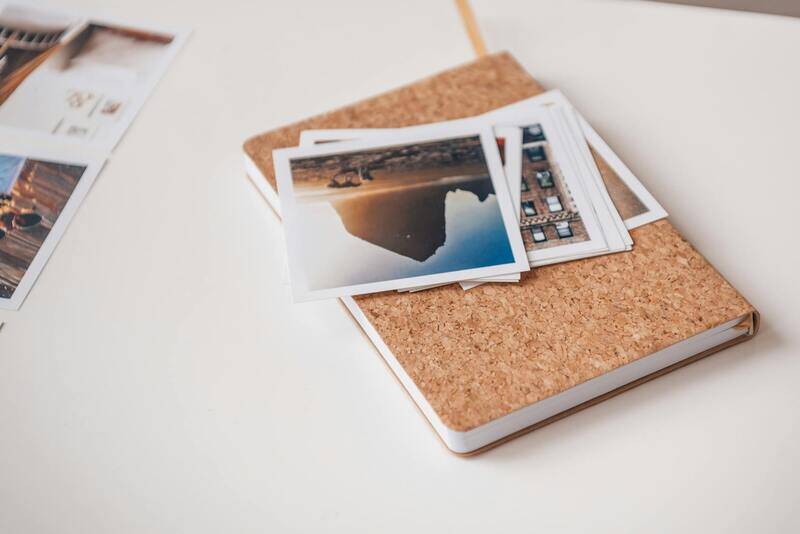
Solvent printing involves inks that contain solvents which penetrate the substrate, affording high color saturation and weather resistance. This method is particularly effective on vinyl and flexible materials used in outdoor signage, banners, and vehicle wraps. Eco-solvent inks are formulated to be less toxic and emit fewer volatile organic compounds, aligning with environmentally conscious practices while delivering comparable quality to traditional solvent printing. These options are favored for their longevity and ability to withstand harsh outdoor conditions.
Latex Printing
Latex printing offers a versatile and environmentally friendly solution, utilizing water-based inks that are flexible and quick-drying. The technology is capable of producing vibrant, highly detailed images that are suitable for both indoor and outdoor use. Latex prints can be easily removed or repositioned, making them ideal for temporary displays or situations necessitating frequent updates. Their high durability, resistance to scratching, and eco-conscious profile contribute to widespread adoption in professional large format printing.
Determining the Right Technology for Your Project
The decision on which technology to utilize depends on several factors, including the type of material, environmental exposure, required image quality, and budget constraints. For instance, UV printing is preferred for rigid substrates in high-end displays, while solvent and eco-solvent techniques excel in outdoor signage and vehicle graphics. Latex printing complements projects that value recyclability and safety, especially for indoor environments. Collaborating with experienced providers ensures the optimal matching of technology to project goals, maximizing visual impact and longevity of the finished product.
Color Quality and Resolution Standards
Achieving superior color reproduction and sharp image details requires adherence to industry-standard resolution and color management practices. In large format photo printing, resolution is typically measured in dots per inch (DPI), with high-quality prints demanding at least 150 DPI at final viewing size. This ensures crisp visuals without pixelation or blurriness, particularly for displays intended for close inspection.
Color accuracy is equally critical. Advanced large format printing services employ color calibration techniques and ICC color profiles to guarantee precise color matching across various materials and print runs. Consistency is maintained through regular calibration of printers and the use of high-quality inks, which collectively deliver vibrant, life-like images that meet professional standards.

Customization Options and Design Assistance
Customization elevates the impact of your large format displays, allowing tailored sizing, mounting, and finishing options that align with your specific requirements. Leading printing providers offer comprehensive design support, guiding clients through optimal image selection, layout, and material choices to enhance visual appeal and durability.
Design assistance often includes professional layout optimization, color correction, and preparation for edge finishing or mounting. Additionally, advanced online tools and consultations enable clients to visualize their customizations pre-production, fostering a collaborative process that ensures the final product aligns seamlessly with your branding or display goals.
Overview of Large Format Photo Printing
Large format photo printing is a specialized service that transforms high-resolution digital images into expansive visual displays suitable for murals, banners, gallery displays, and promotional installations. This printing process allows for a true representation of detailed imagery, ensuring that every color nuance and fine detail is preserved at a scale that can dominate an entire space. High-quality large format prints serve as impactful visual tools in various environments, including commercial, artistic, and personal settings. The process requires meticulous attention to detail, including proper material selection, advanced printing technology, and precise color calibration, all of which contribute to a professional and durable outcome.
Types of Materials for Large Format Photo Prints
The choice of material is foundational to the success and longevity of large format photo prints. Common options include:
- Vinyl: Durable and flexible, ideal for both indoor and outdoor applications, with options for matte or gloss finishes.
- Canvas: Provides a textured, artistic appearance, often used for gallery-quality displays and fine art reproductions.
- Backlit Media: Designed for illuminated displays, these materials enhance vibrancy and eye-catching effects when used with backlighting systems.
- Polyester and Synthetic Fabrics: Offer water resistance and UV protection, suitable for outdoor signage and environments exposed to weather conditions.
- Fine Art Paper: Utilized for high-end art reproductions, offering archival quality and a refined aesthetic.
Each material type possesses unique properties that influence the appearance, durability, and installation process of the final print. The choice hinges on the intended environment, desired aesthetic, and longevity requirements.
Printing Technologies Used in Large Format Photo Printing
Leading large format printing providers utilize advanced printing technologies to achieve precise, high-quality results. Among the most common are:
- Solvent and Eco-Solvent Printing: Known for producing vibrant colors with excellent adhesion on a variety of substrates, suitable for outdoor banners and murals.
- UV Printing: Uses ultraviolet light to cure inks instantly on diverse surfaces, resulting in highly durable and scratch-resistant images.
- Latex Printing: Combines environmental friendliness with flexibility and exceptional color vibrancy, ideal for versatile applications and indoor use.
- Piezoelectric Inkjet Technology: Offers high resolution and precise ink placement, critical for detailed photographic reproductions.
The selection of technology impacts color fidelity, material compatibility, and environmental considerations, ensuring that each project meets specific client needs with consistency and quality.
Color Quality and Resolution Standards
To produce compelling large format images, adherence to strict color quality and resolution standards is vital. High resolution—typically at least 300 dpi at final viewing size—ensures sharpness and detail, particularly when viewers are close to the display. For large murals or banners viewed from a distance, slightly lower DPI settings may be acceptable, provided that image quality remains visually impressive.
Color accuracy is maintained through rigorous calibration of printers and color profiles, utilizing ICC (International Color Consortium) standards. This process guarantees that colors in the digital file translate accurately onto the chosen material, providing consistency across print batches. Vibrant, true-to-life hues are achieved through the use of high-quality inks and precise color management techniques, ensuring each image reflects the original intent and artistic quality.
Customization Options and Design Assistance
Customization options significantly enhance the impact of large format photo prints. Options include tailored sizing, special mounting solutions, finishing techniques such as laminating or framing, and specialized edge treatments for seamless installation. Many professional printing services provide comprehensive design support to help clients create visually compelling presentations that align with branding or artistic vision.
Design assistance typically involves professional layout optimization, color corrections for print accuracy, and preparation for installation methods. Interactive online tools and consultations are often available, allowing clients to visualize different configurations and finishes before committing to a final design. This collaborative approach ensures that the final product not only meets structural and aesthetic expectations but also maximizes visual impact.
Durability and Maintenance of Large Prints
Ensuring longevity requires understanding the environmental exposure and maintenance needs of large format prints. Protective coatings, such as laminate or UV-resistant finishes, extend lifespan by shielding against scratches, UV degradation, and moisture. Proper installation methods further preserve print quality and prevent damage from environmental factors like wind or impact.
Routine cleaning should involve gentle methods, using soft cloths and mild detergents, avoiding harsh chemicals that can deteriorate the ink or material. When properly maintained, large format prints can retain their vibrancy and structural integrity for many years, making them a sustainable choice for high-visibility displays and valuable art reproductions.
Ensuring Proper Handling and Storage of Large Format Photo Prints
Proper handling and storage are essential aspects of maintaining the quality and longevity of large format photo prints. These expansive visuals are often delicate and require specific precautions to prevent damage during transport, installation, and storage. When managing these prints, always handle them with clean, dry gloves to avoid transferring oils or dirt onto the surface, which can compromise color integrity and lead to deterioration over time. It is advisable to support the print evenly, preferably with rigid backing, to prevent bending, creasing, or tearing. During transportation, use protective coverings such as weather-resistant film or cardboard edge protectors to secure edges and surfaces from scratches, dust, and environmental elements.

Optimal Storage Conditions for Large Format Prints
Storing large format prints in ideal environmental conditions is key to preserving their visual appeal. Environmentally controlled storage spaces should maintain a temperature between 65°F and 75°F (18°C - 24°C) and humidity levels around 40-50%. Extreme fluctuations in temperature or humidity can cause warping, ink degradation, or mold growth. To protect the prints from UV exposure that may fade colors, store them in dark, sealed environments or use UV-filtering storage cases. Flat storage is recommended whenever possible, with acid-free backing or interleaving materials to prevent chemical interactions that could compromise the print quality. Rolled storage is acceptable for temporary periods, provided that prints are carefully wound on cores with protective layers, avoiding tight bends that can cause creases or stress points.
Techniques for Safe Display and Installation
Displaying large format prints requires precision and appropriate hardware to prevent damage and ensure an eye-catching presentation. Use sturdy, stable mounting systems aligned with the material and weight of the print. For example, aluminum frames or mounting rails with secure fasteners provide reliable support, particularly in high-traffic or outdoor environments. When installing, utilize professional-grade anchors and tools to evenly distribute weight and avoid stress points that may lead to warping or tearing. Protective barriers or framing with UV-resistant glass or acrylic can further safeguard the print from environmental damage and accidental contact. Regular inspection after installation helps identify early signs of wear or deterioration, allowing for timely maintenance.

Long-Term Care and Periodic Maintenance
Maintaining the vibrancy of large format photographs involves regular cleaning and inspection. Use soft, lint-free cloths and gentle, pH-neutral cleaning solutions to remove dust, fingerprints, or dirt. Avoid harsh chemicals or abrasive materials that could damage the ink or surface coating. For outdoor or high-exposure displays, applying additional protective lamination or UV-resistant coatings periodically can extend operational life. Scheduled professional inspections help identify potential issues such as fading, peeling, or environmental intrusion early, allowing for timely interventions such as re-lamination or re-framing. These proactive steps preserve the aesthetic and structural qualities of large prints, ensuring they remain impactful over time.
Custom Solutions and Expert Support
When managing large format prints, consulting with experienced specialists can optimize both preservation and presentation. Many providers offer tailored solutions such as custom framing, mounting, and protective coatings designed to match specific usage environments. Design consultation services further enhance the final appearance, ensuring the prints align with intended visual narratives or branding standards. These expert insights not only prolong the lifespan of the display but also maximize its visual impact, making company branding, art exhibitions, or large-scale advertising more effective.