Understanding Big Photo Prints
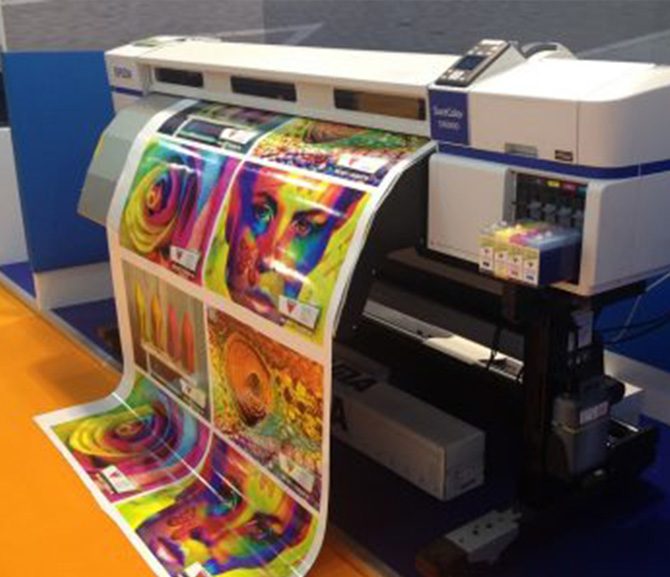
Big photo prints represent a category of photographic reproductions characterized by their substantial dimensions, often exceeding traditional sizes to enhance visual impact and create a striking presence in various environments. The primary purpose of large photo prints is to serve as focal points, transforming spaces into engaging and dynamic displays of art, personal memories, or promotional content.
Size considerations are paramount when selecting big photo prints, with common dimensions ranging from 24 x 36 inches to expansive murals exceeding 10 feet in width. The scale of a print directly influences its application, with mediums such as canvas, metal, acrylic, or vinyl frequently chosen to complement the intended aesthetic and functional requirements.
In residential settings, big photo prints are popular for feature walls, adding a personal touch to living rooms, bedrooms, or home offices. Commercially, they are widely utilized in retail stores, restaurants, hotels, and corporate offices to create memorable branding experiences or enhance interior decor. In art galleries and exhibitions, large-format prints serve as impactful visual statements that draw viewers and evoke emotional responses.
When considering big photo prints, it is essential to account for various factors such as viewing distance, space availability, and the overall design theme. Large prints are not merely scaled-up photographs but are curated displays that require careful planning and execution to maximize their visual appeal and longevity. By understanding the unique attributes of big photo prints, users can make informed decisions to achieve the desired aesthetic impact while aligning with their functional needs.
Materials and Substrates for Large Prints
Choosing the appropriate material or substrate is crucial to ensure the durability, visual quality, and overall impact of big photo prints. Different surfaces are suited for specific environments and presentation styles, making it important to understand their unique properties and benefits.
Common Materials Used in Big Photo Prints
- Canvas: Popular for its textured surface, canvas provides an artistic look reminiscent of fine art paintings. It is ideal for creating warm, inviting atmospheres in residential and gallery settings. Canvas prints are typically mounted on frames, making them easy to hang and display.
- Vinyl: Known for its durability and flexibility, vinyl is an excellent choice for both indoor and outdoor applications. Its resistance to moisture and weather elements makes it suitable for murals, signage, and promotional displays in retail and hospitality environments.
- Photo Paper: High-quality photo paper produces sharp and vibrant images, perfect for fine art reproductions, photographic exhibitions, or custom gifts. When enlarged, it maintains excellent detail and color fidelity, provided the correct printing technique is used.
- Acrylic: With a sleek, modern appearance, acrylic substrates offer high transparency and light diffusion. They add depth and vibrancy to images, making them ideal for contemporary decor, gallery installations, or corporate branding displays.
- Metal: Metal prints are prized for their cutting-edge aesthetic and robustness. Metal surfaces reflect light, creating a striking visual effect. They are suitable for modern commercial spaces, high-end interiors, or custom art pieces intended to make a bold statement.
- Fabric: Fabric substrates, often used for tapestry-style displays or banners, provide a soft, textured appearance. They are lightweight, portable, and suitable for indoor exhibitions or temporary displays.

Factors Influencing Material Choice
When selecting a material for your large photo print, consider the environment where it will be installed, the intended viewing distance, and the desired aesthetic. For outdoor applications, materials like vinyl and metal are preferable due to their resilience against weather conditions. Conversely, for indoor gallery displays, canvas and acrylic provide a sophisticated appearance with excellent color reproduction.
Additionally, the substrate's texture and finish can influence how the artwork is perceived. Glossy finishes enhance color vibrancy and contrast, making images pop, while matte finishes reduce glare and provide a softer visual experience.

Environmental and Longevity Considerations
For long-term installations, it is beneficial to select materials with proven durability and resistance to environmental factors such as UV exposure, humidity, and temperature fluctuations. Protective coatings or laminates can further extend the lifespan of giant photo prints, safeguarding color integrity and preventing physical damage.
Ultimately, the choice of material must align with the intended use, aesthetic requirement, and budget constraints, ensuring a satisfying and lasting display of large-scale photographs that capture attention and evoke emotion.
Materials and Substrates for Large Prints
Selecting the right material for big photo prints is crucial to achieving the desired visual impact and ensuring longevity. Among the most popular options are canvas, vinyl, acrylic, and metal, each offering unique advantages tailored to specific display environments and aesthetic preferences.
When choosing a substrate, consider factors such as installation location, environmental exposure, and the viewer's distance from the artwork. For outdoor settings or areas with high humidity, durable materials like weather-resistant vinyl or metal are ideal due to their resilience against environmental elements. Vinyl is particularly popular for banners and large-scale displays because of its flexibility and weatherproof properties. Metal prints, often made with aluminum, provide a modern, classy appearance and exceptional durability suitable for both indoor and outdoor environments.
For indoor gallery or living space displays, canvas and acrylic are often preferred because they deliver a sophisticated display with excellent color accuracy. Canvas prints provide a textured, art-like quality, adding depth and warmth to the photograph. Acrylic prints, on the other hand, offer a glossy, high-end finish that enhances color vibrancy and detail clarity. Additionally, the choice of finish—glossy or matte—affects the overall presentation, with glossy finishes amplifying colors and contrast, while matte finishes minimize glare and reflections.
Environmental and longevity considerations play a vital role in substrate selection. Long-term displays, especially those exposed to sunlight or fluctuating temperatures, benefit from materials with UV resistance and stable physical properties. Coatings such as laminates or UV-protective layers can extend the lifespan of the print, maintaining its appearance and structural integrity over time. Choosing substrates that are designed for specific environmental conditions helps ensure that your big photo prints remain vibrant and undamaged for years to come.
Ultimately, the decision hinges on balancing aesthetic goals, durability needs, and budget constraints. Careful assessment of these factors allows for an optimal presentation that captivates viewers and preserves your photographic investment.
Understanding Big Photo Prints
Big photo prints serve as a compelling way to showcase imagery on a grand scale, transforming personal moments or artistic creations into striking visual statements. The process involves more than simply enlarging a photograph; it requires an understanding of the technical and material considerations that influence the final result. When selecting the right approach, factors such as resolution, image quality, and intended display environment become critical. High-resolution images are essential to maintain sharpness and detail, especially when printing at large sizes. This ensures that every visual element remains crisp and engaging, regardless of viewing distance.
It's also important to consider the aspect ratio of the original photograph. Maintaining proportion avoids unnecessary cropping or distortion, preserving the integrity of the composition. Color accuracy plays a pivotal role in reproducing the photograph as envisioned, requiring effective color management and calibration during the file preparation process. Additionally, file formats need to support high-resolution data without compression artifacts, with formats like TIFF or PNG often preferred for their fidelity.
Understanding the interplay between these elements guides the creation of big photo prints that are both impactful and true to the original image. Whether for home décor, gallery displays, or commercial environments, a well-executed large print captures attention and evokes emotion, making it a valuable investment in visual storytelling.

Materials and Substrates for Large Prints
The choice of substrate significantly influences the aesthetic quality, durability, and environmental performance of big photo prints. Common options include paper-based materials, canvas, acrylic, and metal surfaces, each offering distinct visual effects and practical benefits. High-quality photo papers are often selected for detailed images requiring fine color reproduction, available in glossy, semi-gloss, or matte finishes. Canvas prints provide a textured, art-like appearance that enhances depth and adds a tactile element to the photograph. Their durability makes them suitable for both indoor and monitored outdoor installations.
Acrylic substrates deliver a sleek, glass-like appearance with exceptional color vibrancy and clarity, making them ideal for modern, high-impact displays. Metal prints, often made from aluminum, offer a contemporary look with excellent weather resistance, suitable for outdoor environments and high-traffic areas. Laminates and protective coatings can be applied across materials to enhance UV resistance and protect against scratches or environmental damage, extending the lifespan of the print.
Environmental considerations, such as exposure to sunlight or moisture, influence substrate selection. UV-resistant coatings and appropriate wall mounting systems ensure that large photo prints maintain their visual appeal over time. Selecting the right material depends on the specific use case, aesthetic preferences, and budget constraints, but prioritizing quality ensures the longevity and impact of your large-scale photographic display.

Advanced Techniques and Finishing Options for Big Photo Prints
To achieve optimal visual impact and durability, various finishing techniques can be employed when producing large photo prints. These enhancements not only elevate the aesthetic appeal but also offer protection against environmental factors. For instance, applying a high-gloss or semi-gloss laminate can intensify color vibrancy and create a striking visual presence, ideal for vibrant landscapes or dynamic cityscapes. Matte finishes, on the other hand, reduce glare and fingerprints, making them suitable for spaces with strong lighting or high foot traffic.
For added protection and longevity, UV coatings are often applied, shielding prints from fading caused by sunlight exposure. Anti-scratch coatings further preserve the surface integrity, especially for prints placed in public or high-contact settings. Additionally, certain mounting and framing options can enhance the visual presentation and ease of installation. Float mounting techniques, for example, create a sense of depth by suspending the print slightly away from the wall, offering a modern, gallery-like appearance.
When selecting a finishing method, consider the environment where the print will be displayed. Outdoor settings demand durable, weather-resistant coatings, while indoor displays might prioritize visual effects and tactile textures. It is also critical to work with printing specialists who can customize finishes according to your specific needs, ensuring that each large-format print maintains its intended appearance over time.
Innovative technologies like dye-sublimation and UV printing allow for comprehensive customization, including the addition of textured finishes or personalized borders that complement the photograph's aesthetics. Such options help create a truly unique and impactful display, tailored to the viewer’s experience and the environment’s demands.
Understanding Big Photo Prints
Big photo prints serve as impressive visual statements, capturing the essence of a moment or scene in a way that smaller images cannot achieve. By enlarging high-resolution images, you create a sense of immersion and bring to life details that might be overlooked in standard sizes. These large-format prints are ideal for decorating expansive walls in homes, offices, galleries, or commercial spaces, offering versatility in their application. The process involves careful planning to ensure that image quality, color accuracy, and material durability are maintained throughout the printing journey. When executed with precision, big photo prints not only enhance aesthetics but also evoke emotional responses, making them a powerful tool for storytelling and personal expression.
It's essential to understand that producing big photo prints requires specialized equipment and techniques to ensure every detail is preserved. Achieving crisp images with vibrant colors at large scales involves high-resolution files and expert handling. The selection of appropriate materials and printing technologies impacts the final appearance, durability, and longevity of the print. Whether for personal memorabilia or professional displays, these prints provide an unparalleled visual presence, elevating any environment where they are showcased.
Materials and Substrates for Large Prints
The choice of materials significantly influences the look, feel, and durability of big photo prints. Common substrates include:
- Glossy Paper: Enhances color vibrancy and sharpness, ideal for detailed images and artistic photography.
- Matte Paper: Reduces glare and fingerprints, suitable for spaces with strong lighting or high foot traffic.
- Canvas: Adds texture and a sense of depth, giving a fine art feel that complements artistic photography and paintings.
- Acrylic: Provides a sleek, modern aesthetic with high clarity and vividness, enhances image sharpness.
- Metal (Aluminum): Offers durability and a contemporary look, perfect for industrial or modern decor.

In addition to aesthetics, consideration should be given to environmental exposure and placement. For outdoor displays, weather-resistant substrates like aluminum or specialized vinyl banners are recommended. These materials withstand elements such as moisture, UV exposure, and temperature fluctuations, preserving image fidelity over time. Selecting the right substrate is crucial to ensure the longevity of your big photo prints and maintain their visual appeal across different environments.
Printing Technologies and Techniques
Advancements in printing technology enable high-quality production of large-format images with precise color reproduction and detail. Some of the most commonly employed techniques include:
- Chromogenic (Traditional) Printing: Used for photographic enlargements with accurate color matching and fine detail.
- Giclée Printing: A high-resolution inkjet process favored for art reproductions, offering a broad color gamut and archival quality.
- UV Printing: Utilizes ultraviolet light to cure inks instantly on various substrates, allowing for quick production and adhesion to non-porous surfaces like acrylic and metal.
- Dye-Sublimation: Ideal for producing vibrant images on substrates such as fabric or specially coated surfaces, with excellent color vibrancy and durability.
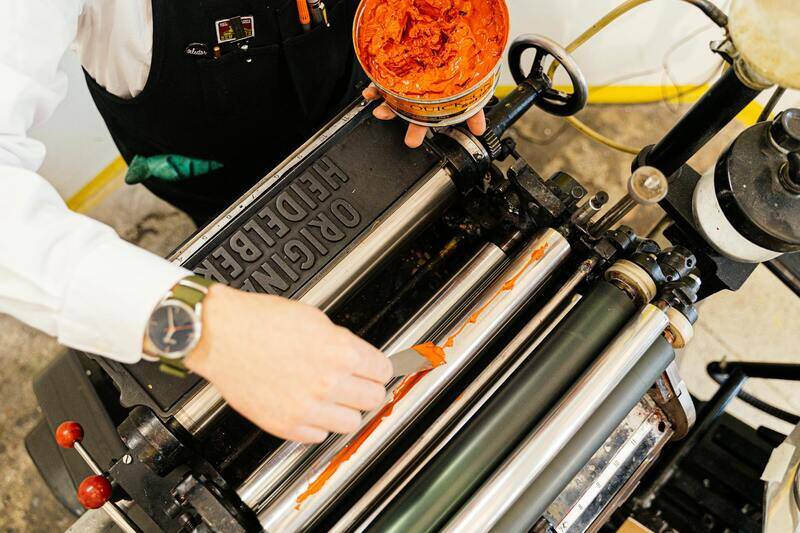
Choosing the appropriate technique depends on the desired result, material compatibility, and environmental considerations. For example, UV printing is perfect for outdoor signage, while giclée offers gallery-quality artwork reproduction. Combining these technologies with professional printers enables customization options such as textured finishes, gloss or matte effects, and even personalized borders, elevating the overall impact of large-scale images.
Design Considerations for Big Photos
Crafting an impactful large photo involves thoughtful design choices. To optimize visual impact and viewer engagement, consider the following:
- Resolution: Ensure your digital files are high-resolution, typically at least 300 dpi at the final size, to prevent pixelation.
- Composition: Use strong focal points and balanced framing to guide the viewer’s eye and enhance storytelling.
- Color Management: Maintain consistent color profiles and calibrate monitors to produce accurate prints.
- Spacing and Borders: Adequate margins and borders can improve framing and display options.
- Subject Matter: Choose images with clarity, depth, and emotional resonance to maximize the aesthetic appeal.
Properly designed large photos should have a clear visual hierarchy, avoiding overly cluttered elements that could detract from the main subject. Collaborating with professional designers or utilizing specialized software can assist in optimizing your images for large-scale printing, ensuring they look stunning when displayed.
Understanding Big Photo Prints
Big photo prints serve as impactful visual statements, transforming ordinary images into captivating displays suitable for various environments such as galleries, home decor, commercial spaces, and events. Their size allows details to be appreciated from a distance, creating an immersive experience that enhances the subject matter and overall aesthetic appeal. When selecting big prints, it is essential to consider the intended display space, viewing distance, and the purpose of the print, whether for artistic expression, advertising, or commemorative projects. Properly executed large-scale photo printing combines technical precision with artistic intent, achieving a final product that commands attention and sustains visual integrity over time.

Materials and Substrates for Large Prints
Choosing appropriate materials and substrates for big photo prints is fundamental to achieving durability, visual fidelity, and desired finish. Several options are available, each suitable for different environments and display requirements:
- Photo Paper: Heavyweight, glossy or matte finishes ideal for indoor displays. Provides sharp color reproduction but less weather-resistant.
- Canvas: Offers a textured, artistic look that mimics traditional paintings. Suitable for gallery-like presentations and interior decor.
- Acrylic: Provides a sleek, modern appearance with vibrant color depth and UV resistance. Suitable for both indoor and outdoor installations with appropriate backing.
- Aluminum (Dibond): Heavy-duty, weather-resistant substrate perfect for outdoor or high-traffic areas. Enables crisp, high-definition images with minimal warping.
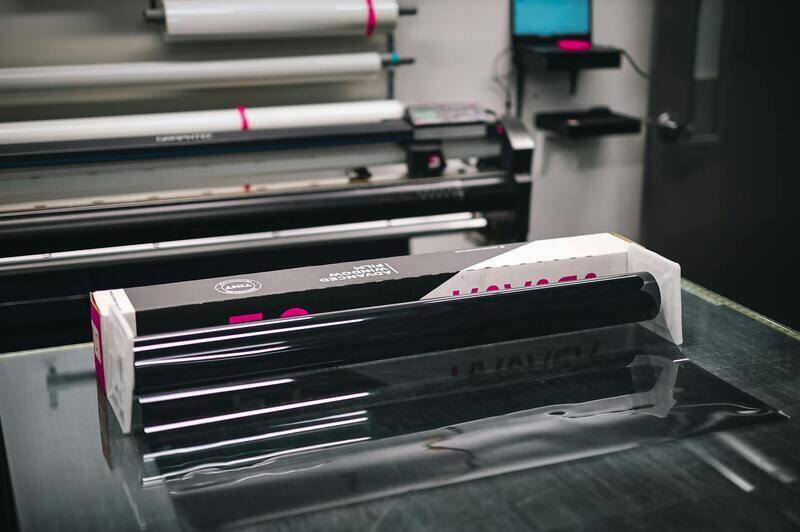
- Vinyl/Banners: Flexible options for large, portable, or temporary displays, often used for outdoor signage and events.
Printing Technologies and Techniques
The method used to produce large photo prints significantly influences quality and appearance. Several advanced printing technologies are employed, each with specific advantages:
- UV Printing: Uses ultraviolet light to cure inks instantly, resulting in durable, weather-resistant prints. Ideal for outdoor signage and materials requiring high scratch resistance.
- Giclée Printing: A high-resolution inkjet process suitable for fine art and photographic reproductions. Produces vibrant colors and detailed imagery with options for textured or matte finishes.
- Solvent and Eco-Solvent Printing: Offers durability and weather resistance, often used for banners and outdoor signs. Capable of printing on various substrates with rich color saturation.
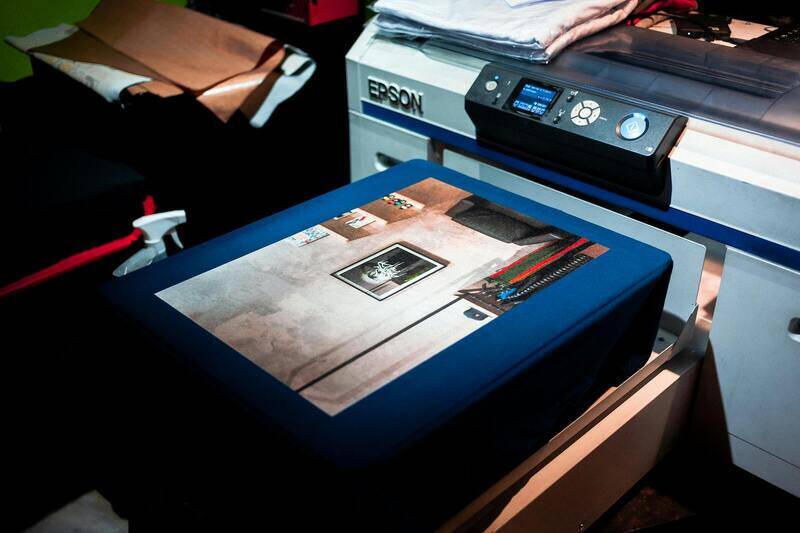
- Dye Sublimation: Primarily used on specially coated materials like fabric or metal. Yields vibrant, long-lasting images suitable for indoor displays.
Design Considerations for Big Photos
Effective large-scale photography hinges on thoughtful design elements that maximize impact and clarity. Key considerations include:
- Resolution: High-resolution digital files (minimum 300 dpi at print size) prevent pixelation and maintain sharpness at large formats.
- Composition: Strong focal points, clear subject placement, and balanced framing guide viewer attention and enhance storytelling.
- Color Management: Consistent color profiles and calibration ensure the printed result matches the intended palette, especially important for gallery or branding purposes.
- Margins and Borders: Adequate spacing around the image allows flexible framing and display options, preventing the key elements from being cut off or obscured.
- Visual Hierarchy: Simplifying complex images by focusing on key elements or cropping can improve overall clarity and aesthetic appeal.
Utilizing professional design software and consulting with printing specialists can optimize images for large-scale output, preserving detail and vibrancy.

Understanding Big Photo Prints
Big photo prints serve as a dynamic way to display imagery on a large scale, transforming ordinary spaces into personalized art exhibitions or impactful commercial displays. When selecting big photo prints, attention to detail ensures the final product meets expectations in clarity, durability, and visual appeal. The process begins with an understanding of the various factors influencing print quality, including image resolution, material choice, and printing technology. A high-quality digital file with at least 300 dpi at the desired print size is vital to prevent pixelation and achieve sharp, detailed visuals. Recognizing how different materials interact with light and environment allows for choosing the appropriate substrate—be it canvas for a textured, artistic effect or vinyl for outdoor resilience. Moreover, exploring advanced printing techniques ensures color accuracy and durability, making your large photo print a lasting impression.
Materials and Substrates for Large Prints
The material selected for big photo prints significantly impacts the visual quality and longevity of the display. Common substrates include:
- Canvas: Offers a textured finish that suits fine art displays, providing a classic, sophisticated look. It is lightweight and compatible with stretching or framing.
- Vinyl: Known for its durability and weather resistance, ideal for outdoor banners, signage, and wide-format advertisements.
- Metal: Provides a sleek, modern appearance with excellent durability, resistance to weather, and vibrant color reproduction.
- Acrylic: Known for its clarity and high-gloss finish, ideal for gallery-quality prints that highlight intricate details and vibrant colors.
- Fabric: Particularly suitable for dye sublimation printing, offering long-lasting, vivid images suitable for indoor decor and soft signage.
Choosing the right substrate depends on the intended display environment, desired aesthetic, and budget considerations. Each material responds differently to lighting, environmental factors, and handling, which influences the overall presentation and lifespan of the print.

Printing Technologies and Techniques
To ensure the highest quality for big photo prints, printers employ a range of advanced technologies. The choice of technique impacts the depth of color, detail resolution, and longevity of the image:
- Eco-Solvent Printing: Ideal for outdoor use, offering excellent weather resistance and vibrant colors. It uses water-based solvents that are eco-friendly and produce high durability.
- Latex Printing: Provides a wide color gamut and flexibility, suitable for both indoor and outdoor applications. Known for quick drying and eco-friendly properties.
- UV Printing: Utilizes ultraviolet light to cure inks instantly, yielding high-definition images on a variety of rigid and flexible substrates. It’s especially effective for detailed, durable displays.
- Dye Sublimation: Best suited for fabric and specially coated surfaces like metal, producing vivid, long-lasting images with a soft finish, primarily used indoors.
Leveraging these technologies allows for customization based on environmental exposure, durability requirements, and visual effects. The choice of inks and printing parameters directly influences the color accuracy and overall quality of the final large photo print.
Design Considerations for Big Photos
Creating compelling large-scale imagery demands thoughtful design to maximize visual impact:
- Resolution: Ensuring high-resolution digital files (minimum 300 dpi) prevents pixelation and maintains sharpness at enlarged sizes.
- Composition: Strong focal points and balanced framing guide viewer attention, making the large print more engaging and easier to interpret.
- Color Management: Using calibrated devices and consistent color profiles helps ensure that the printed colors match the digital design accurately.
- Margins and Borders: Incorporating sufficient borders or margins around the subject provides flexibility in framing and display, preventing key elements from being cut off.
- Image Simplification: Simplifying complex scenes or cropping to emphasize key features improves clarity and visual strength when viewed from a distance.
Employing professional design software like Adobe Photoshop or Illustrator and consulting with experienced printers can optimize images for large-format output, maintaining detail and vibrancy across expansive dimensions.
Choosing a Printing Service for Big Photos
Selecting a reputable printing service ensures your large photo prints meet quality standards and are produced with reliable methods. Factors to consider include:
- Portfolio and Reputation: Review previous work to assess quality and consistency in large-format printing projects.
- Material and Technique Offerings: Confirm that the provider offers the specific substrates and printing technologies suitable for your project.
- Color Calibration and Quality Control: Ensure they use color management systems and quality checks to produce accurate color and sharp details.
- Turnaround Time and Customer Support: Reliable service with clear communication enhances the overall experience and ensures deadlines are met.
By choosing established professionals, you gain access to expertise that ensures your big photo prints are crafted with precision and care, resulting in impressive display pieces.
Installation and Display Tips
Proper installation maximizes the visual impact and longevity of your large photo prints. Consider these best practices:
- Suitable Hardware: Use heavy-duty mounting brackets, cables, or frames designed for large-format displays to evenly support the weight and prevent warping.
- Site Preparation: Ensure the mounting surface is flat, clean, and capable of supporting the size and weight of the print.
- Lighting: Adequate illumination enhances visibility; avoid direct sunlight that can cause fading or heat buildup.
- Protection from Elements: For outdoor installations, incorporate protective glazing or weather-resistant coatings to safeguard against environmental factors.
- Accessibility: Consider viewing angles and height to ensure the print is easily viewable and appreciated in its space.
Care and Maintenance of Large Photo Prints
Maintaining your big photo prints extends their vibrant appearance and structural integrity. Key maintenance tips include:
- Cleaning: Use soft, damp cloths to gently wipe surfaces. Avoid harsh chemicals or abrasive scrubbers that can damage the print or coating.
- Environmental Control: Keep prints away from excessive moisture, direct sunlight, and temperature fluctuations to prevent fading, warping, or deterioration.
- Inspection: Regularly check for signs of damage, peeling, or fading, and address issues promptly with professional repairs or touch-ups.
- Protection: For indoor displays, consider UV protective coatings or glass coverings to shield from dust and light exposure.
- Handling: Minimize contact with the print surface, especially with bare hands, to prevent oils or dirt transfer that can degrade the image over time.
Proper care ensures that your large photo prints remain stunning features for years to come, retaining their clarity, color vibrancy, and overall aesthetic appeal.