Understanding Big Size Picture Printing
Big size picture printing refers to the process of producing large-scale images that are often used in a variety of professional and commercial contexts. Unlike standard print sizes, large format printing involves processing and reproducing images at dimensions that can range from several feet to wall-spanning visuals. This technique is essential for making impactful visual statements in environments where size amplifies the message and enhances aesthetic appeal. For instance, in advertising, large banners and posters attract attention from afar, creating immediate brand recognition. In interior design, expansive murals and wall coverings transform spaces, adding depth and character through visually striking installations. Event organizers leverage big size printing for backdrops, stage decor, and promotional signage to captivate audiences immediately. The application scope of big size picture printing is remarkably diverse, encompassing retail displays, trade show exhibits, outdoor billboards, and even architectural facades. Its ability to deliver high-quality visuals at large scales makes it an indispensable component in visual marketing and environmental design. The evolution of digital printing technologies has expanded the feasibility of producing such large images with crisp detail and color accuracy, pushing the boundaries of creativity and commercial impact.
Applications across Industries
- Advertising and Marketing: Large banners, billboards, vehicle wraps, and point-of-sale displays that draw customer attention from a distance.
- Interior Design: Wall murals, custom posters, and decorative graphics that enhance the ambiance of commercial and residential spaces.
- Events and Exhibitions: Visual backdrops, promotional signage, and stage decorations that create immersive experiences and reinforce branding.
- Architecture and Construction: Project renderings and site panels that facilitate planning and stakeholder communication.
- Retail: Store displays and window graphics designed to attract foot traffic and boost sales through impactful visual storytelling.
As the demand for larger visual formats increases, the technology and materials used in big size picture printing continue to evolve, ensuring high standards of resolution, durability, and color fidelity. This specialty printing is not only about size but also about clarity and impact, making it a vital tool for professional visual communication across various sectors.
Types of Large Format Printing Technologies
Choosing the appropriate printing technology is crucial for achieving high-quality big size images that meet specific project requirements. Among the most prevalent methods are inkjet and solvent printing, each with distinct features that influence their suitability for different applications.
Inkjet Printing
Inkjet printing is widely favored for its ability to produce detailed images with vibrant colors. This technology works by propelling tiny droplets of liquid ink directly onto substrates, allowing for high resolution and precise color reproduction. It is especially suitable for indoor displays, fine art reproductions, and environments where image quality is paramount.
Modern inkjet printers designed for large format outputs can handle a variety of substrates, including vinyl, fabric, paper, and canvas. Advances in ink formulations have enhanced durability and color fidelity, making them ideal for both temporary and long-term installations. Despite their high quality, inkjet printers generally require a controlled environment to prevent dust and particles from affecting the medium, and they may have slower print speeds suitable for smaller batch jobs.
Solvent Printing
Solvent printing employs solvent-based inks that contain volatile organic compounds, which enable printouts that are highly resistant to outdoor elements. This method is ideal for outdoor advertising, vehicle wraps, and signage exposed to harsh weather conditions. Solvent printers typically produce prints with a matte or semi-gloss finish, and their inks penetrate the substrate for enhanced adherence and longevity.
Compared to inkjet systems, solvent printers are characterized by higher print speeds and robustness. The inks used are resistant to UV fading, moisture, and graffiti, making them more suitable for projects requiring high durability. However, solvent prints may have a distinct odor during the printing process, necessitating proper ventilation at the production site.
Hybrid and UV Printing Technologies
In recent years, hybrid and ultraviolet (UV) printing have gained popularity in large format printing. Hybrid systems combine different printing methods to optimize quality and speed, providing flexibility for a broad range of substrates. UV printing uses ultraviolet light to cure inks instantly, allowing for the printing on unusual surfaces like plastic, glass, metal, and wood.
UV technology is highly versatile, producing prints with exceptional sharpness and color consistency. It also enables the creation of textured and glossy finishes, adding a creative dimension to large images. The ability to print on rigid or non-porous surfaces expands the scope of big size picture printing in specialized sectors such as architecture, interior design, and exhibition displays.
Understanding Big Size Picture Printing
Big size picture printing is a sophisticated process that enables the creation of visually compelling images on a grand scale, serving a wide array of commercial, artistic, and personal purposes. The core challenge lies in maintaining image quality and detail, regardless of the print's size. High-resolution digital files are paramount, ensuring that images remain sharp and vibrant when scaled up. Proper color management, including the use of color profiles and calibration, is crucial to achieve accurate color reproduction from digital design to physical print. Additionally, selecting the appropriate printing technology tailored to the project's requirements influences the overall outcome significantly.

For projects demanding large-format images, it’s essential to choose quality materials that can handle the size without losing clarity or vibrancy. Maintaining correct resolution and considering viewing distance are fundamental — larger prints are often viewed from afar, allowing for some latitude with finer details. Conversely, close-up inspection requires high pixel density to avoid pixelation and blur. Implementing proper file preparation practices, such as employing large image files and careful cropping, ensures that the final output aligns with the intended visual impact.
Types of Large Format Printing Technologies
Several advanced printing methods are harnessed for big size picture printing, each offering specific advantages suited to different applications:
- Inkjet Printing: This is the most widely used technology for large-format images due to its ability to produce high-resolution prints with a vast spectrum of colors. Wide-format inkjet printers utilize various ink sets, including dye-based and pigment-based inks, to match the durability and finish requirements of different projects.
- Solvent and Eco-Solvent Printing: These printers are favored for outdoor signage and banners because of their resistance to water, UV rays, and environmental factors. They accommodate a range of substrates, including vinyl and flexible materials, offering durability and vibrant color output.
- UV Printing: Ideal for printing directly on rigid surfaces such as glass, metal, and wood. UV curing inks instantly adhere to surfaces, enabling sharp detail reproduction and textured finishes. This method is increasingly popular for custom artwork, retail displays, and architectural panels.
- Hybrid Technologies: Combining multiple printing methods, hybrid systems offer flexibility, allowing printing on diverse materials with high precision and quality. They serve expanding demands within interior design, exhibition displays, and specialized signage sectors.
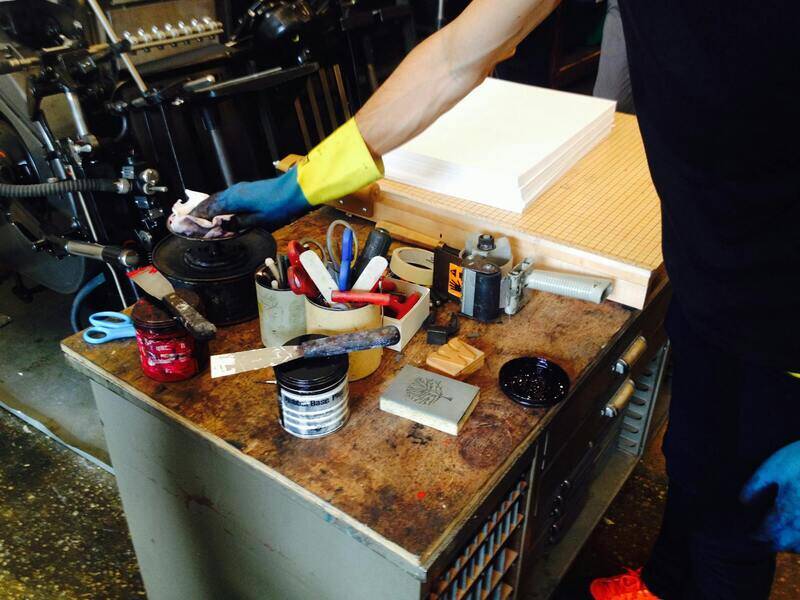
Utilization of diverse large format printing technologies for versatile applications The selection of a specific technology depends on the intended use, substrate compatibility, durability needs, and desired visual effects. For instance, indoor artwork may benefit from UV printing’s sharpness and texture, whereas outdoor banners need solvent-based solutions for longevity.
Design Considerations for Large Images
Creating effective big size picture prints requires careful planning to ensure that the visual impact remains powerful across expansive formats. High-resolution images are essential; a minimum of 150 DPI at the final print size is recommended to maintain sharp detail without pixelation. When designing for large formats, it is crucial to utilize vector graphics and high-quality raster images sourced from professional photographers or stock libraries to prevent image degradation. This ensures crisp lines, vibrant colors, and overall clarity even at large scale.
Color accuracy is also a fundamental concern. Designers should work within a calibrated color space, preferably Adobe RGB or CMYK, to match the printer's output and deliver consistent hues. Soft proofing in design software allows visualization of how colors will appear once printed, enabling adjustments before production. A well-balanced composition, with strategic use of negative space and focal points, enhances visual impact, especially as viewers observe the print from different distances.

Ensure high-resolution images are used for large-scale printing to preserve detail and clarity. The importance of considering viewing distance cannot be overstated. For pieces meant to be seen from afar, images can have slightly lower resolutions without sacrificing quality. Conversely, pieces viewed up close require extremely fine detail and color precision. Incorporating scalable design elements ensures that the image remains engaging and sharp regardless of viewing angle or distance. Additionally, proper file preparation—adjusting for bleed, crop marks, and safe zones—facilitates smooth printing and finishing processes.
Choosing appropriate fonts and graphics that maintain readability at large sizes further contributes to visual effectiveness. Opt for bold, clear typography and simple, impactful graphic elements to ensure the message is conveyed effectively. Testing proofs on similar substrates prior to final printing allows for assessment of how colors, textures, and details translate onto physical surfaces. This iterative process minimizes errors, saving time and costs, while achieving a striking final result.
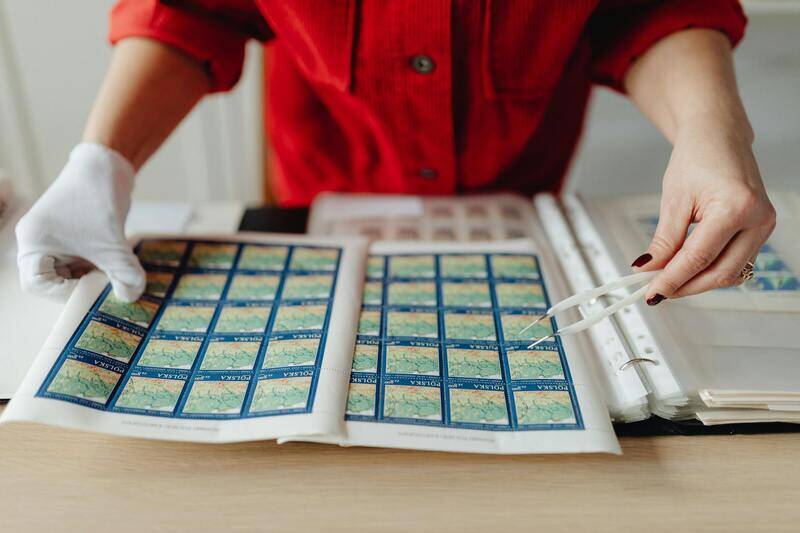
Designing with consideration of viewing distance and resolution ensures impactful large-format prints. Understanding Big Size Picture Printing
Big size picture printing is a specialized service that transforms high-resolution digital images into impressive physical displays suitable for a variety of environments. This process requires a keen understanding of the printing technologies, suitable materials, and design principles to produce visually stunning and durable large-format images. The primary goal is to maintain image sharpness, color vibrancy, and longevity, regardless of the scale. Whether utilized for advertising, interior decor, or event backdrops, large-format printing demands precision to ensure the final product aligns with the original vision and meets the intended purpose.

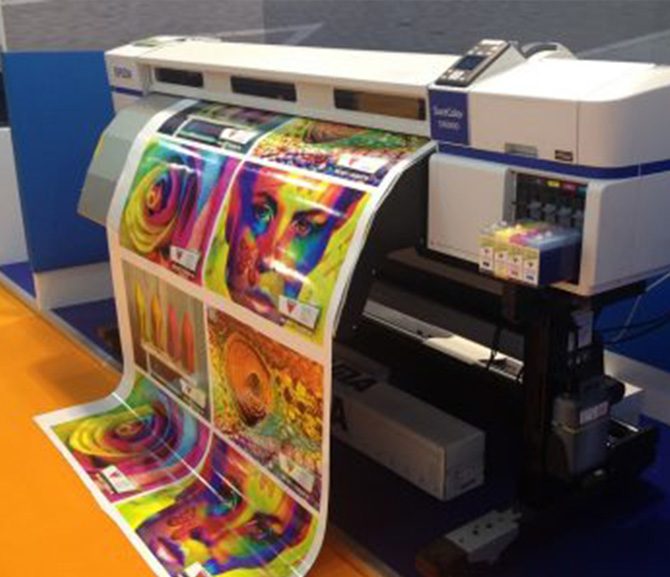
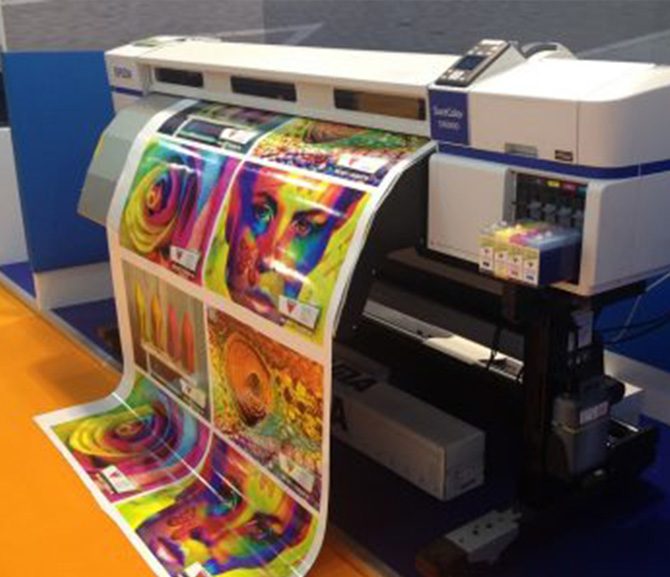
Large format printing enables vibrant visual displays for commercial and artistic applications. Types of Large Format Printing Technologies
Several advanced printing technologies cater to high-quality large size picture printing, each offering unique benefits suited to different project needs. The most prominent methods include:
- Solvent and Eco-Solvent Printing: Known for producing durable, weather-resistant images, suitable for outdoor environments. These printers use solvent-based inks that penetrate deeply into substrates, resulting in vibrant colors with excellent longevity.
- UV Printing: Utilizes ultraviolet light to cure inks instantly on various surfaces, including non-porous materials. UV printing excels in producing detailed images with a wide color gamut and a high degree of adhesion, making it ideal for rigid substrates like acrylic, glass, and metal.
- Latex Printing: Offers eco-friendly, water-based inks that provide flexibility and durability. Latex printers deliver vibrant colors, quick drying times, and are suitable for both indoor and outdoor applications.
- Solvent-Free Digital Printing: Focused on environmentally conscious projects, these systems use water-based, zero-VOC inks, suitable for sensitive environments while still delivering high-resolution outputs.
Choosing the appropriate technology depends on factors like the intended use of the print, durability requirements, and substrate compatibility. Working with a provider experienced in diverse printing methods ensures optimal results tailored to your specifications.
Materials and Substrates for Large-Size Printing
The selection of materials plays a crucial role in the durability, appearance, and application of large-format prints. The primary options include:
- Vinyl: A versatile, flexible material that is UV and weather resistant, making it ideal for banners, outdoor signage, and wraps.
- Canvas: Adds texture and a fine art feel, commonly used for interior murals, gallery wraps, and decorative pieces. Canvas can be stretched or framed for presentation.
- Paper and Poster Boards: Suitable for indoor displays, exhibitions, and short-term signage. These substrates are less durable but offer excellent print quality and color accuracy.
- Acrylic and Polycarbonate: Rigid, transparent materials that produce vibrant, high-definition images, often used for corporate displays, awards, and interior decor.
- Wallcoverings and Fabric: For large murals or decorative installations, specialized wallcoverings or textiles can be printed with high-resolution images, delivering both aesthetic appeal and visual impact.
Design Considerations for Large Images
Creating an impactful large image involves more than just scaling a digital file. It requires meticulous planning to ensure details are preserved and the visual message remains effective from various viewing angles and distances. Here are essential design principles:
- Resolution Optimization: Use high-resolution images that meet or exceed 150 dpi at the final print size to ensure clarity and sharpness, especially when viewed up close.
- Color Management: Employ color calibration tools and profiles to maintain color consistency across digital and printed formats. Recognize how colors translate from screen to physical outputs and adjust accordingly.
- Composition and Focal Points: Design with clear focal areas that draw viewer attention, ensuring important details are not lost at scale. Balance negative space to avoid clutter and enhance visual impact.
- Viewing Distance Considerations: For large prints intended to be viewed from afar, some loss of fine detail may be acceptable. For close-up viewing, incorporate fine details and textures to maintain engagement.
- File Preparation Practices: Prepare files with appropriate bleed, crop marks, and safe zones. Use scalable vector elements where applicable to maintain crispness when scaled.
- Typography and Graphics: Opt for bold, clear fonts that remain legible at large sizes. Simple graphic elements with high contrast help convey messages effectively across distances.
Iterative testing and proofing are critical steps. Printing a sample or a scaled section allows adjustments in color and detail before committing to the full-size print, saving costs and ensuring the final result aligns with expectations.
Materials and Substrates for Large-Size Printing
Choosing the appropriate materials and substrates is a crucial step in big size picture printing, as they directly influence the durability, appearance, and overall effectiveness of the final product. The variety of options available allows for customization based on usage environment, expected wear and tear, and aesthetic preferences.
One of the most common materials used in large-scale prints is vinyl, renowned for its versatility and weather resistance. It is ideal for outdoor banners, billboards, and signage that require longevity and resilience against environmental elements. Monomer and polymer-based vinyl substrates can also be finished with different coatings to enhance UV resistance and gloss or matte finishes.
Vinyl banners are popular choices for outdoor advertising due to their durability and vibrant color retention. PVC canvas and fabric-based materials are favored for fine art reproductions, interior displays, and trade show backdrops. These substrates offer a high-quality surface that enhances color richness and detail fidelity. Additionally, their flexibility allows for installation on curved surfaces and seamless wrapping.
For applications requiring a rigid display, materials like foam board, aluminum composite panels, and acrylic sheets are suitable. These substrates provide structural stability, making them ideal for wall displays, point-of-sale graphics, and custom installations.

Rigid substrates such as foam board and aluminum panels are used for impactful, long-lasting large displays. Specialized materials like mesh fabric are often employed in large outdoor banners where wind passage is necessary. This type of substrate maintains visibility while reducing wind resistance, ensuring the banner remains intact and visually appealing over time.
In selecting materials, it is important to consider environmental factors—exposure to sunlight, moisture, and temperature fluctuations—all of which influence the longevity and appearance of the printed image. Collaborating with professional printing services can help identify the most suitable substrates that meet specific project requirements, ensuring vibrant colors, sharp details, and durability.
Understanding Big Size Picture Printing
Big size picture printing serves as a powerful tool for businesses, artists, and individuals seeking to make a significant visual impact through large-scale imagery. This process involves translating digital designs into physical prints that measure substantially larger than standard photo sizes, often reaching dimensions suitable for wall murals, billboards, banners, or even exterior building wraps. Achieving high-quality results in large format printing requires precise attention to detail, advanced printing technologies, and a thorough understanding of the materials involved. Correctly executed, big size picture printing creates vivid, sharp, and durable displays that can be appreciated from a distance or up close, depending on the application.
Large-scale printed murals showcasing vibrant colors and detailed imagery. Importantly, big size printing allows for customization and creative expression, transforming vast surfaces into canvases for advertising messages, artistic displays, or informative signage. When selecting the right approach, considering factors like viewing distance, environmental exposure, and desired longevity helps to inform the optimal choices in design, materials, and printing methods. This enables the production of visually striking images that withstand environmental challenges while maintaining color fidelity and sharpness over time.
Types of Large Format Printing Technologies
To produce high-quality large prints, various printing technologies are employed, each with its specific advantages suited to different applications:
- Solvent and Eco-Solvent Printing: Ideal for outdoor banners and signage due to excellent weather resistance, vibrant color output, and durability. Eco-solvent printers reduce volatile organic compounds, making them environmentally friendlier.
- UV Printing: Uses ultraviolet light to cure ink instantly on substrates such as acrylic, glass, or metal. Suitable for rigid surfaces, providing sharp images with excellent scratch resistance.
- Latex Printing: Recognized for eco-friendliness, flexibility, and vibrant color rendering. Latex printers are versatile and capable of printing on a wide range of materials, including fabrics and vinyl.
- Inkjet Digital Printing: The most common method for detailed murals, posters, and fine art reproductions, offering high resolution and customizable color profiles.
Materials and Substrates for Large-Size Printing
Choosing the appropriate substrate is crucial for ensuring durability, visual quality, and suitability for the intended environment. Some of the most commonly used materials include:
- Vinyl Films: Frequently employed for outdoor banners and billboards due to their weather resistance and vibrant print capacity.
- Canvas: Usually made from polyester or cotton, ideal for art reproductions and interior murals where a textured finish enhances aesthetic appeal.
- Rigid Panels: Foam boards, aluminum composites, and acrylic sheets are perfect for displays requiring structure and stability, such as point-of-sale displays or indoor signage.
- Mesh Fabric: Designed for large outdoor banners that need wind passage, maintaining visual impact while reducing wind strain.
Selection of substrates for various large-format printing applications. Design Considerations for Large Images
Creating an impactful large image involves careful planning at the design stage. Factors influencing the final output include resolution, color profile, and image composition. High-resolution files are essential; for prints that will be viewed at close distances, a resolution of at least 150-300 DPI is recommended, while farther viewing distances permit lower DPI settings without loss of clarity.
Color management ensures accurate reproduction of the intended palette. Using the appropriate color space and calibration techniques helps maintain consistency across different printing runs and substrates.
- Fidelity and Detail: Higher resolution images preserve intricate details, especially for detailed artwork or photographic reproductions.
- Contrast and Brightness: Adjustments may be necessary to optimize visual impact, especially when translating digital designs to physical formats.
- Bleed and Margins: Properly adding bleed zones prevents unwanted white borders and ensures full coverage during trimming.
Choosing the Right Printing Service
Selecting a reputable printing provider involves evaluating their technology, experience, and ability to meet project-specific requirements. An ideal service provider will offer expertise in material selection, color management, and finishing options. Reviewing portfolios of previous big size projects can provide insight into their capabilities. Additionally, comprehensive consultation ensures that the final product aligns with your expectations regarding quality, durability, and aesthetic appeal.
Understanding Big Size Picture Printing
Big size picture printing encompasses the process of creating large-scale images that are intended for display in spacious environments such as commercial spaces, outdoor advertisements, galleries, and event spaces. This specialized printing process emphasizes high-resolution imagery and durable materials to ensure the final product remains visually striking over time. Precision in color reproduction, image clarity, and material choice are critical factors that influence the impact and longevity of large-format prints. Given the scale, these prints often serve as focal points, conveying messages or enhancing aesthetic appeal in their respective settings. The technical planning for such projects involves meticulous attention to detail, from the selection of suitable media to the optimization of digital files for maximum fidelity.
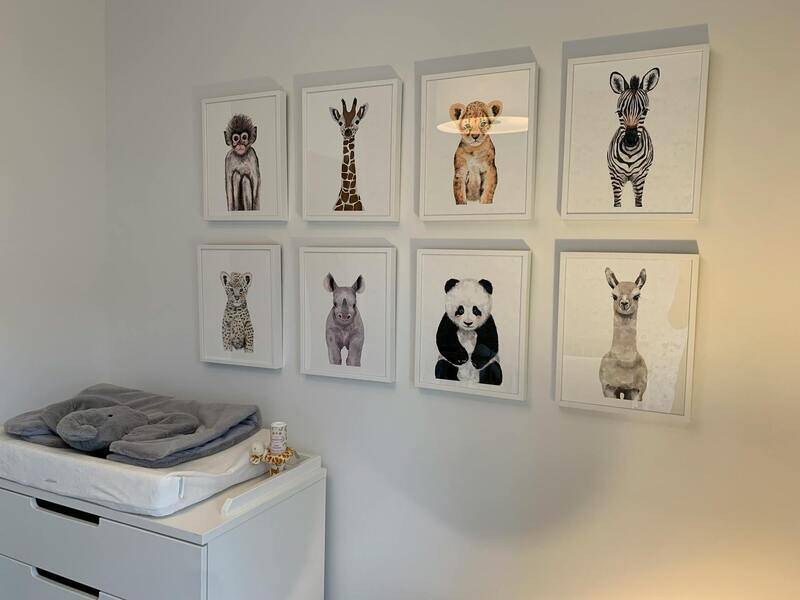
Large format prints showcased in expansive commercial environments Types of Large Format Printing Technologies
Several advanced printing technologies are employed to produce big size pictures, each offering distinct advantages suited to various applications. The most prevalent methods include:
- UV Printing: Utilizes ultraviolet light to instantly cure ink as it is printed onto a broad range of substrates, offering vibrant colors and excellent adhesion, especially suitable for outdoor and textured surfaces.
- Solvent and Eco-Solvent Printing: Ideal for outdoor signage due to their durability and weather resistance, these printers produce high-quality images with vivid color saturation. Eco-solvent options further improve environmental friendliness while maintaining performance.
- Latex Printing: Uses water-based latex inks, combining sustainability with flexibility and vibrant output. Latex printers are versatile for various materials and deliver excellent color accuracy for large-format graphics.
- Aqueous Inkjet Printing: Primarily used for indoor applications, this technology offers high-resolution outputs perfect for gallery displays or detailed photographic reproductions.

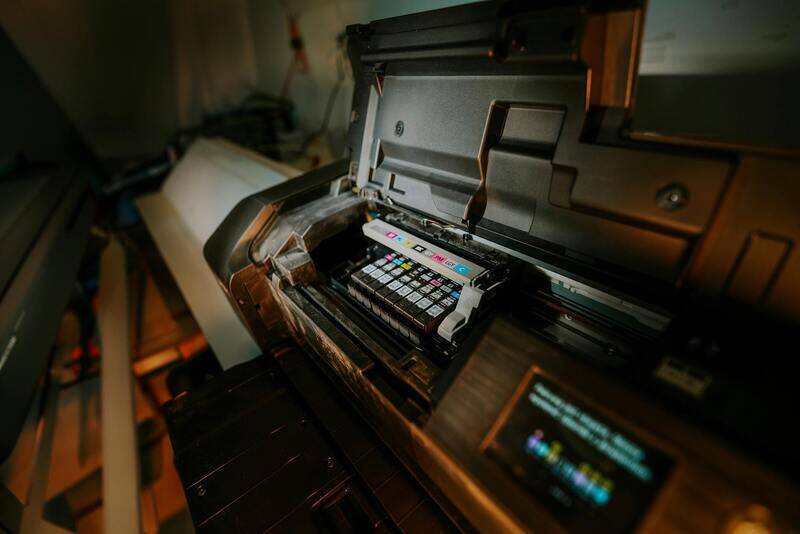
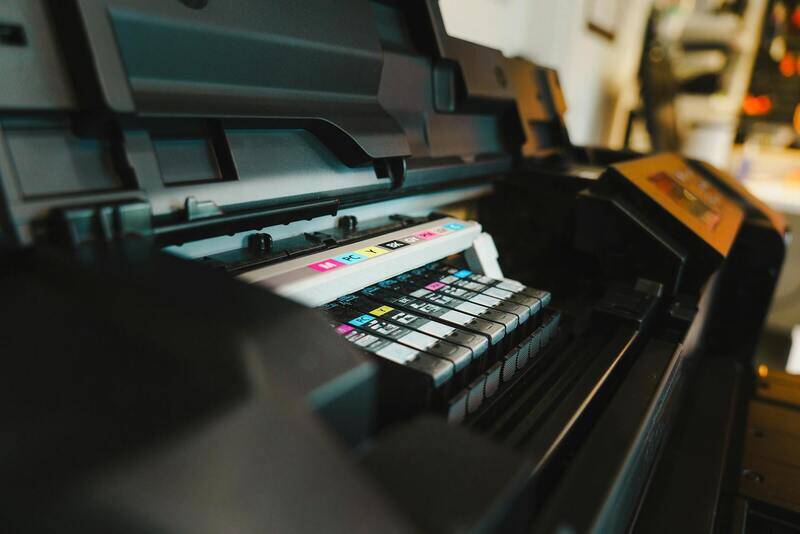
Examples of equipment used in large format printing processes Materials and Substrates for Large-Size Printing
The choice of material significantly impacts the durability, appearance, and installation possibilities of big images. Common substrates include:
- Vinyl Banner Material: Widely used for outdoor signs, weather-resistant and easy to install or remove.
- Canvas: Offers a premium look for interior displays, suitable for fine art reproductions and photo murals.
- Fine Art Paper: Used for gallery-quality prints, emphasizing high resolution and color fidelity.
- Polyester and Polyester Films: Provide robust options for both indoor and outdoor usage, often with reflective or matte finishes.
- Wallcoverings: Specialized materials for large-scale murals that adhere flat to large surfaces, compatible with various printing technologies.

Material options for durable and vibrant large-scale images Design Considerations for Large Images
Designing for big size picture printing involves careful planning to ensure the visual impact is maximized while maintaining clarity. Critical considerations include:
- Resolution: Images must be created or optimized at high resolutions, typically 150-300 DPI at the final print size, to prevent pixelation.
- Color Accuracy: Utilizing the correct color profiles and ensuring proper calibration minimizes color shifts during printing.
- File Format and Size: Using uncompressed formats, such as TIFF or high-quality PDF, preserves image integrity. Managing large file sizes may require specific digital workflows.
- Image Composition: Visual elements should be scaled appropriately, avoiding overly intricate details that may be lost at a distance.
- Bleed and Margins: Adequate bleed zones avoid white borders after trimming, especially critical in large-format wall murals or banners.
Choosing the Right Printing Service
Partnering with a reputable printing provider involves assessing their equipment capabilities, material expertise, and experience in handling large projects. An experienced service offers:
- Advanced printing technology aligned with project needs
- Custom material suggestions based on location and purpose
- Consistent color management systems to reproduce accurate hues
- Comprehensive finishing options, including lamination, mounting, and framing
- Portfolio showcasing previous large-format projects demonstrating quality and precision
A thorough consultation with the provider ensures that specific requirements—such as environmental resistance or installation constraints—are addressed early, resulting in a final product that meets aesthetic and functional expectations.