Overview of Large Scale Image Printing
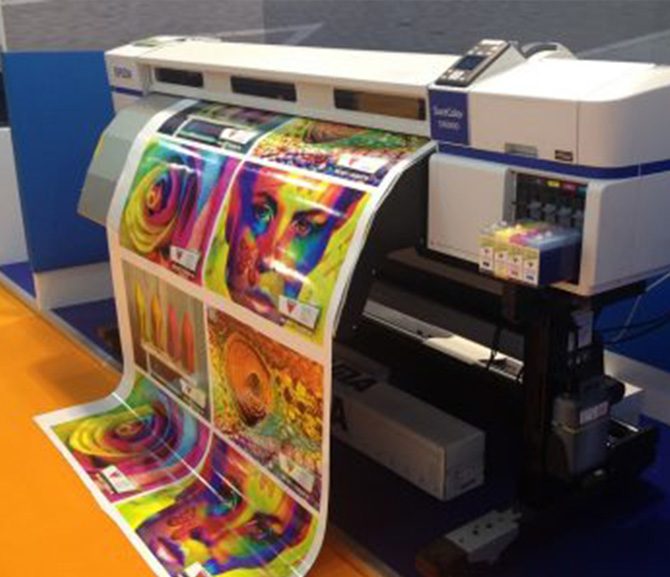
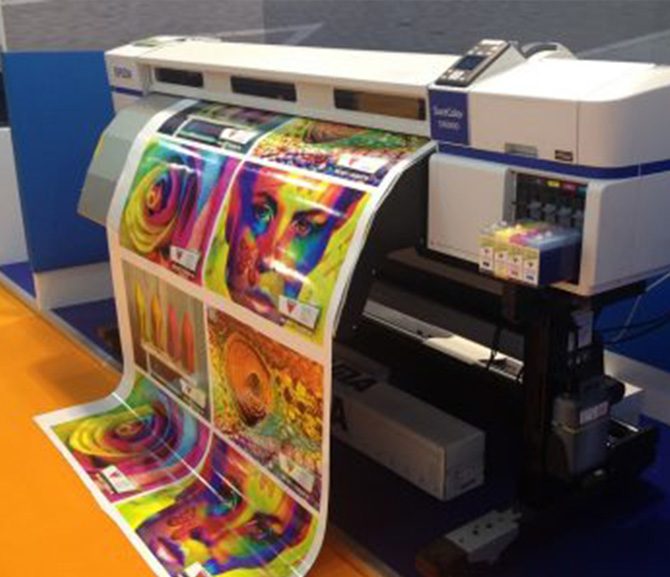
Large scale image printing is a specialized process within the broader printing industry, focused on creating high-resolution images on expansive surfaces. This method is widely employed across multiple sectors, including advertising, interior design, event promotion, and fine arts. Its primary purpose is to produce visually impactful displays that can be used for banners, murals, backdrops, billboards, and decorative wall coverings. As technology has advanced, the ability to faithfully reproduce detailed images on a large scale has become increasingly accessible, transforming how businesses and organizations communicate their messages visually.
The significance of large scale image printing lies in its capacity to combine high-quality visuals with durability and versatility, making it suitable for both indoor and outdoor applications. This technique allows for the reproduction of detailed artwork, complex photographic compositions, or branding graphics that maintain clarity and vibrancy when scaled up to significant sizes. Consequently, large scale printing has become an essential tool for creating immersive visual environments, promotional displays, and art installations.
From a technical perspective, this type of printing involves various sophisticated methods and media to deliver stunning results. The process requires specialized equipment capable of handling wide formats, with attention paid to factors such as resolution, color fidelity, and material compatibility. Professionals in this field emphasize precision and consistency, ensuring each print maintains its integrity across large dimensions. As a critical component of modern visual communication, large scale image printing bridges creative expression and practical application, enabling impactful visual storytelling on an unprecedented scale.

Materials and Media for Large Scale Printing
Choosing the appropriate materials and media is fundamental to achieving high-quality large scale images. The selection depends on the intended application, environmental exposure, and desired aesthetic. Common media options include vinyl, canvas, fabric, paper, and rigid substrates such as acrylic, metal, and foam board. Each material offers unique advantages in durability, texture, and print quality, influencing the overall visual outcome.
Vinyl remains a popular choice for outdoor signage due to its weather-resistant properties and flexibility, which facilitate application on various surfaces. Canvas and fabric media are preferred in art reproductions and gallery displays, offering textured effects that mimic traditional painting surfaces. Rigid substrates like acrylic and metal are ideal for intricate murals and impactful displays that demand a sleek, modern appearance. It is essential to match media type with the printing technology to maximize adhesion and color fidelity, ensuring that the professional image is preserved over time.

Advancements in coating and laminating techniques have also expanded media capabilities, providing additional protection from scratches, UV fading, and environmental factors. These enhancements prolong the lifespan of large scale prints, maintaining their vividness and structural integrity even after prolonged outdoor exposure or handling.
Surface Preparation and Compatibility
Before printing, surface preparation is crucial. Surfaces should be clean, free from dust or grease, and properly primed if necessary. Compatibility between the media and printing method ensures optimal adhesion, color accuracy, and durability. For instance, some rigid materials require specialized printing heads or primers to accept ink effectively.
Color compatibility and media flexibility are equally vital. For example, fabric media may require specific dye types for accurate coloration, whereas rigid substrates often need UV-cured inks to prevent smudging and guarantee sharp details. Consulting with printing professionals and adhering to media manufacturer guidelines will optimize outcome quality and longevity.
Handling and Transportation
Handling large media sheets necessitates careful planning to avoid distortions, tears, or smudges. Proper storage in clean, dry environments minimizes damage prior to printing. During transportation, using protective coverings and sturdy supports ensures that prints arrive in perfect condition, ready for final installation.
Incorporating media with high dimensional stability during the printing process minimizes warping or shrinking, which is especially important for large-format displays or murals. The choice of media and handling techniques directly impacts the overall quality and success of the project.
Materials and Media for Large Scale Printing
Choosing the appropriate substrate is foundational to achieving high-quality large scale image prints. The selection of materials directly influences the vibrancy, durability, and suitability of the printed image for intended environments. Common materials include high-grade vinyl, fabric textiles, wallpapers, and banner substrates, each with distinct characteristics to match specific project needs.
Vinyl remains a popular choice for outdoor signage due to its robustness and resistance to weather elements. Its surface can be coated with a gloss or matte finish, enhancing color vibrancy and reducing glare. Fabric media, such as polyester or canvas, are favored for indoor murals and gallery displays because of their smooth, textured surface that complements high-resolution images. Wallpaper substrates provide an elegant backdrop for interior décor, requiring smooth, pressure-sensitive backing for easy installation.
Banner materials often feature lightweight, flexible surfaces, ideal for temporary displays or large-event signage. The material's composition impacts ink absorption and the final visual output—rigid substrates like acrylic or aluminum are preferred for static displays needing sharp details and longevity, while flexible media is better suited for dynamic or transportable installations.
Material choice also affects print durability and maintenance requirements. For outdoor applications, UV-resistant, waterproof, and scratch-proof finishes are essential to withstand environmental stressors without fading or damage. Conversely, indoor applications may prioritize aesthetic qualities like texture and color richness over weather resistance.
Consulting with experienced printing professionals ensures selection of media compatible with the targeted printing technology and intended use. Properly matched media and ink systems not only enhance the visual impact but also extend the lifespan of the printed work, ensuring that large-scale images remain vibrant and intact over time.
Materials and Media for Large Scale Printing
Selecting the right substrate is crucial for achieving optimal results in large scale image printing. The choice of media affects not only the aesthetic quality of the final product but also its durability and functionality in different environments. Printing professionals often utilize a variety of materials tailored to specific applications, ensuring that each piece meets the desired standards of longevity and visual impact.
For outdoor applications, materials like vinyl, mesh, and weather-resistant fabrics are essential. These media typically feature UV-resistant coatings, waterproof properties, and scratch-resistant surfaces, enabling them to withstand environmental stressors such as sunlight, rain, and wind without deterioration. Rigid substrates such as acrylic, aluminum, or dibond are favored for static displays like billboards or building wraps because of their structural stability and ability to hold high-resolution images in fine detail.
Indoor projects offer a different set of demands. Canvas, vinyl, and wallpaper substrates are popularly used for murals, gallery displays, and decorative installations. These media often have smooth or textured surfaces that enhance color vibrancy and image clarity, creating a high-end visual presentation. Canvas printing, in particular, has gained popularity due to its textured surface that mimics traditional art canvases, making it suitable for gallery-quality reproductions and fine art displays.
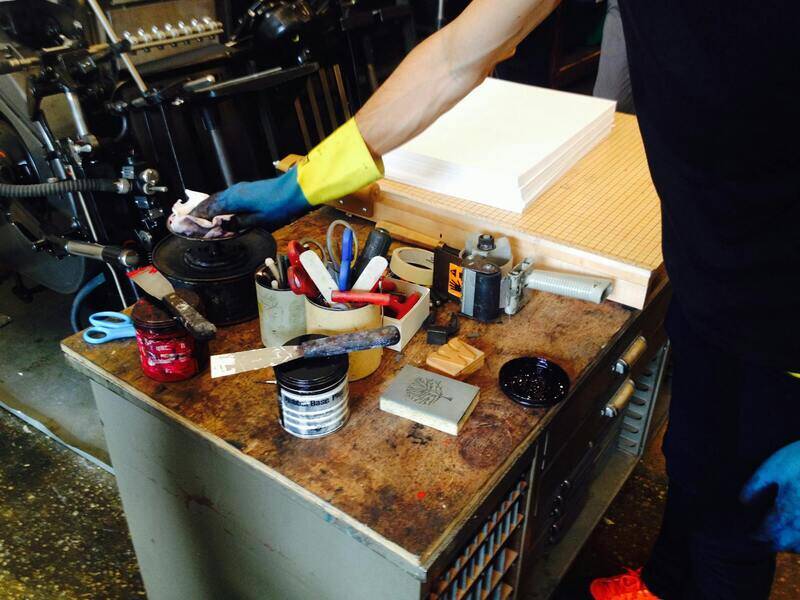
The material's composition also impacts the handling and installation process. Flexible media like vinyl and fabric are easier to transport and install, especially on curved surfaces or irregular structures. Conversely, rigid substrates provide sharp, stable images suited for static displays requiring precise details and extended outdoor exposure. It is vital to work with knowledgeable suppliers or printing professionals who can recommend appropriate media for specific project requirements, ensuring the longevity and visual quality of the large scale prints.
Furthermore, the ink compatibility with chosen media is a vital consideration. Solvent, UV, or latex inks are commonly used, each offering different advantages in terms of color vibrancy, drying time, and environmental resistance. Matching the right ink type to the medium enhances image fidelity and ensures durability, especially under challenging outdoor conditions where exposure to sunlight, moisture, and temperature fluctuations is a concern. Proper media and ink combinations directly influence the overall success of large scale printing projects.
Color Management and Profiling
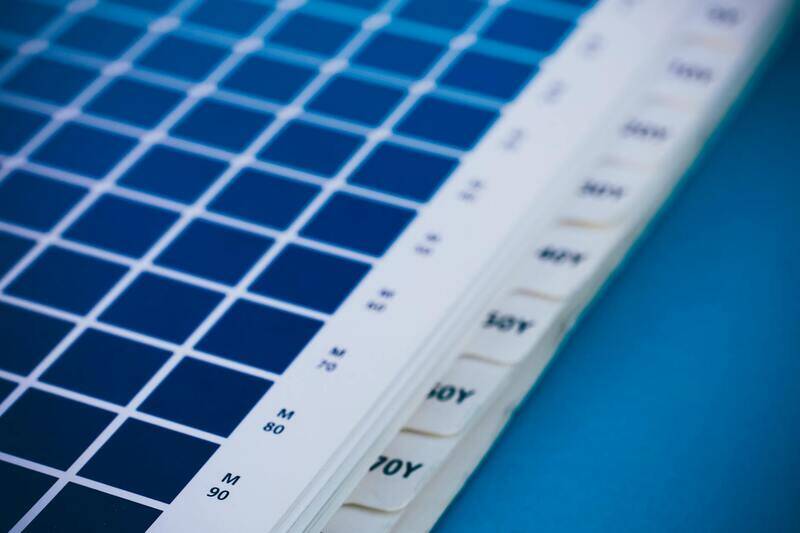
Achieving consistent, vibrant colors in large scale image printing necessitates meticulous color management practices. Detailed calibration of devices involved in the printing process ensures that the colors produced on the material match the original artwork or design as closely as possible. This involves the use of specialized color calibration tools and software to create accurate color profiles that govern how digital files are translated into physical prints.
Profiling begins with the creation of a color profile for each piece of equipment, including monitors, printers, and even the media used. Standardized calibration tools, such as spectrophotometers, measure the output of printers and help generate ICC profiles that correct color deviations. These profiles act as a reference guide, ensuring that colors are reproduced accurately across different hardware and media types. Proper profiling is crucial, particularly when working on large format projects where minor discrepancies can significantly impact visual consistency.
Consistent color reproduction is imperative when maintaining brand integrity, especially for marketing materials, murals, or corporate displays. Using calibrated equipment and validated profiles helps prevent color shifting caused by environmental factors like ambient lighting or media aging. Regular calibration and profiling cycles are recommended to sustain color fidelity over time, especially for installations that require longevity or seasonal updates.
Advanced color management systems also consider viewing conditions, ensuring colors appear consistent under different lighting environments. This holistic approach to color profiling optimizes the visual impact of large scale prints, making them appear as close to the original digital design as possible, which is essential for professional and commercial applications.
Quality Control and Maintenance
Ensuring the excellence of large scale image prints requires rigorous quality control processes and regular maintenance routines. These procedures are critical in preserving print integrity, color accuracy, and material durability over time.
Inspection and Testing
Before final delivery, each large format print undergoes detailed inspections that scrutinize aspects such as color fidelity, image sharpness, and structural consistency. This involves checking for blemishes, color shifts, or media issues that could compromise the final presentation. Utilizing standardized testing tools, such as densitometers and spectrophotometers, helps verify that the color output aligns with the intended specifications.
Printer and Equipment Maintenance
Consistent maintenance of printing hardware is vital for optimal performance. Routine cleaning of print heads, calibration of color controllers, and replacement of worn-out components ensure high-quality outputs and prevent issues like banding, color inconsistencies, or media jamming. Establishing a regular maintenance schedule, aligned with manufacturing recommendations, can significantly extend the lifespan of equipment and maintain consistent print quality.
Media Handling and Storage
Proper handling and storage of printing media are essential in preserving media quality. Materials should be kept in controlled environments with stable temperature and humidity levels, away from direct sunlight and pollutants. Proper storage prevents media warping, degradation, or dust accumulation that could negatively impact adhesion and image clarity during printing.
Post-Print Finishing and Protection
After printing, applying protective coatings such as laminate or varnish not only enhances durability but also preserves color vibrancy against environmental factors. Finishing techniques like mounting, trimming, and framing should follow precise procedures to avoid damage or distortions that could detract from the visual impact of the print.
Workflow Optimization
Implementing streamlined workflows with clear quality checkpoints reduces errors and ensures consistent output across production runs. Digital management systems and automation can improve efficiency while maintaining strict quality standards, delivering reliable large format prints suitable for diverse applications.
Quality Control and Maintenance
Ensuring the consistent quality of large scale image prints necessitates a comprehensive approach to quality control and regular maintenance of printing equipment. Establishing detailed inspection protocols at various stages of the printing process helps identify potential issues early, preventing costly reprints and ensuring client satisfaction. Routine calibration of color profiles and printheads is crucial to maintain color accuracy and sharpness across all large format outputs.
Periodic preventative maintenance activities include cleaning printheads, replacing worn-out components, and checking for ink flow consistency. This proactive approach minimizes downtime and reduces the incidence of problems such as banding, color inconsistencies, or media jams. Proper maintenance extends the lifespan of the equipment, preserves print quality, and optimizes operational efficiency.
Developing troubleshooting procedures is vital for swiftly addressing common issues. For example, common problems like misregistration, streaking, or ink bleeding can often be rectified through specific actions such as adjusting alignment settings, cleaning printheads, or verifying media compatibility. Having a well-trained technical team equipped with troubleshooting guides ensures minimal disruption in production flows.
Implementing a detailed log of maintenance activities, calibration schedules, and issue resolution helps maintain a history of equipment performance. Such documentation is invaluable for identifying recurring problems and planning future upgrades or repairs. Additionally, investing in training for operators on the latest printing technologies and maintenance practices ensures that staff can proactively manage equipment health and optimize print quality at all times.
Final Steps and Best Practices for Large Scale Image Printing
Ensuring the longevity, clarity, and vibrancy of large scale images requires adherence to several critical procedures and best practices. These measures help maximize the efficiency of printing operations, reduce wastage, and achieve consistent high-quality results tailored to client specifications.
Pre-Print Preparation and File Optimization
Before initiating the printing process, it’s vital to prepare graphic files meticulously. High-resolution images—preferably at a minimum of 150 dpi at the final print dimensions—prevent pixelation and ensure sharp details in large-format outputs. Color profiles embedded within files must correspond accurately to the intended output device to maintain consistency across different printing sessions.
- Determine and set the correct color space, typically Adobe RGB or CMYK, based on the print media and output specifications.
- Use vector graphics for logos and text whenever possible to preserve crispness regardless of print size.
- Perform pre-press checks to confirm proper crop marks, bleed settings, and resolution parameters.
Calibration of Hardware and Color Consistency
Consistent color reproduction is fundamental in large scale printing. Regular calibration of printers and display screens ensures that colors in digital files match the final printed output. This involves using spectrophotometers or colorimeters to verify that printers accurately reproduce hues, tones, and gradients.
In addition to calibration, utilizing standardized color management workflows and maintaining up-to-date color profiles tailored to specific media and ink combinations enhance accuracy. These procedures reduce variations over time and enable predictable outcomes for each print job.
Advanced Quality Control Techniques
Quality assurance should be integral at each stage of the large scale printing process. Initial checks include verifying media integrity, ensuring proper ink levels, and inspecting the calibration status of the device. During printing, operators should periodically examine test samples to monitor color fidelity, print sharpness, and media alignment.
Post-print inspections involve evaluating color consistency, resolution, and surface finish. Employing high-resolution scanners or spectrophotometers can objectively quantify color accuracy and detect discrepancies that might not be apparent visually. Systematic documentation of quality checks assists in identifying trends, optimizing processes, and maintaining high standards across production batches.
Post-Processing and Finishing
Once the print is complete, appropriate finishing techniques like lamination, mounting, or framing can protect images and enhance their visual impact. Proper handling minimizes damage or smudging, ensuring the display quality remains high over time.
- Use environments with controlled temperature and humidity during finishing to prevent warping or surface blemishes.
- Employ professional mounting techniques aligned with the media type to avoid wrinkles or air pockets.
- Schedule routine maintenance on finishing equipment to preserve their accuracy and reliability.
Documentation and Workflow Optimization
Maintaining comprehensive records of every step—from file preparation to final inspection—allows for continuous process improvements. Detailed logs help identify bottlenecks, standardize procedures, and facilitate staff training.
Workflow automation tools and digital management platforms streamline operations, minimize manual errors, and boost productivity. Establishing clear protocols and checklists at each production phase ensures consistency, reduces material waste, and enhances overall output quality.