Understanding Large Photo Prints
Large photo prints have become an essential element in both personal and professional environments, offering an impactful way to showcase images with vivid clarity and impressive detail. These prints can transform a plain wall into a stunning visual statement, making spaces more engaging and memorable. The dimensions of large photo prints typically range from 24x36 inches to sizes exceeding 60 inches in width, depending on the intended use and display setting. Popular sizes include panoramas, murals, and custom dimensions tailored to specific spaces and aesthetic preferences.
In residential settings, large photo prints serve as captivating focal points in living rooms, bedrooms, or home theaters, allowing homeowners to immortalize special moments or scenic vistas. In office environments, they enhance branding, motivate staff, or personalize workspaces, creating an inspiring atmosphere. Commercial spaces like galleries, hotels, or retail stores leverage large-format prints to attract attention, convey messages, and elevate their interior design.

Choosing the right size and material for large photo prints is crucial for achieving the intended visual impact and longevity. High-resolution images are necessary to maintain sharpness and detail when scaled up, preventing pixelation or blurriness. The choice of materials impacts not only the aesthetic quality but also durability and ease of maintenance. Whether for a statement wall in a residential space or a promotional display in a commercial environment, understanding the fundamentals of large photo prints helps in making informed decisions that align with specific needs and preferences.
Additionally, large photo prints offer flexibility in framing, mounting, and finishing options, further enhancing their visual appeal and protecting the artwork over time. Advances in printing technology and material development continue to improve the quality and variety of options accessible to consumers and professionals alike.
In this comprehensive guide, we will explore the different aspects involved in producing high-quality large photo prints, from materials and printing methods to design considerations and display techniques, ensuring that your large-format images not only look impressive but also stand the test of time.
Materials and Paper Types for Large Photo Prints
Choosing the appropriate material is a critical aspect of producing stunning large photo prints that meet both aesthetic and functional requirements. The selection hinges on factors such as durability, texture, visual impact, and intended display environment. Below are some of the most commonly used materials, each offering unique advantages for large-format printing.
- Photo Paper: Designed specifically for photographic prints, high-quality photo paper offers sharp detail, vibrant colors, and a smooth finish. It is available in various finishes, including glossy, semi-gloss, and matte, each affecting the final appearance and ease of maintenance. Glossy photo paper enhances color vibrancy and contrast but may require careful handling to avoid fingerprint smudges. Matte options provide a non-reflective surface, ideal for reducing glare in brightly lit spaces and offering a more subdued, elegant look.
- Canvas: Canvas prints lend a textured, artistic feel to large photographs. Crafted from woven fabric, canvas is highly durable and resistant to environmental factors like moisture and sunlight, making it suitable for both indoor and outdoor applications. Canvas also offers flexibility for stretching over frames, allowing for a gallery-style display. Its natural texture adds depth and character, especially when paired with fine art or scenic landscapes.
- Fine Art Paper: Fine art papers are crafted from high-quality materials such as cotton or alpha-cellulose, providing exceptional longevity and subtle texture. Used predominantly for gallery and archival prints, they excel at preserving color accuracy and detail over time. These papers often have a matte or textured surface, adding a sophisticated touch to the final print. Their acid-free composition ensures minimal degradation, making them ideal for collectors and exhibition purposes.

Beyond these fundamental options, innovative materials like metal prints and acrylic panels are gaining popularity. Metal prints involve infusing dyes directly onto aluminum surfaces, resulting in vibrant, durable images with a modern edge. Acrylic prints feature high-gloss, transparent surfaces that magnify color depth and detail, producing an eye-catching, contemporary aesthetic. These materials are typically more costly but offer exceptional quality and a sleek, contemporary presentation.
When selecting materials, consideration should also be given to the environment in which the print will be displayed. For high-humidity or outdoor areas, weather-resistant options such as laminated prints or UV-coated surfaces provide added protection against fading and damage. Conversely, for interior displays where a luxurious or textured finish is desired, fine art papers or canvas options are often preferred.
In professional large-format printing, the choice of material significantly influences not just visual appeal but also the longevity of the artwork. Understanding the unique qualities of each substrate allows for informed decisions that align with aesthetic goals, maintenance requirements, and budget constraints, ensuring the final product meets expectations over time.
Understanding Large Photo Prints
Creating impressive large photo prints requires a comprehensive understanding of the materials, printing technologies, and finishing techniques available. When selecting a large photo print, it is essential to consider not just the visual impact but also the environment where the print will be displayed, its longevity, and how it complements the surrounding decor. The choice of materials influences the depth of color, durability, and overall aesthetic appeal, making it a crucial component of the printing process. High-quality large photo prints serve as personalized art pieces, professional displays, or impactful promotional materials, requiring careful planning and expert handling to achieve optimal results.

Materials and Paper Types for Large Photo Prints
The selection of materials for large photo prints depends greatly on the desired finish, environmental conditions, and budget. Standard options include photographic papers, canvases, and specialty fine art papers, each offering unique qualities suited for specific display needs.
- Photographic Paper: Known for their sharp detail and vibrant color reproduction, photographic papers are often chosen for indoor displays where image clarity is paramount. Glossy finishes enhance color richness and contrast, while matte options reduce glare and reflections, offering a softer, more subtle appearance.
- Canvas: A popular choice for a textured, artistic presentation, canvas provides a classic look with a slightly tactile surface. It is typically stretched over a frame and offers a durable, lightweight alternative suitable for wider, statement-sized pieces.
- Fine Art Paper: For a premium, sophisticated look, fine art papers such as rag or watercolor textures are selected. These materials are acid-free and ideal for archival quality prints, making them suitable for gallery exhibitions or collectible artworks.
- Metal and Acrylic: Metal prints, infused directly onto aluminum surfaces, deliver vibrant colors with excellent durability and a modern feel. Acrylic prints feature high-gloss, transparent surfaces that magnify color depth, delivering a contemporary aesthetic with a sleek finish.
Considerations on Material Selection
When choosing the right material for a large photo print, factors such as the location of display, lighting conditions, and desired long-term preservation should be weighed. For outdoor or high-humidity environments, weather-resistant options like laminated or UV-coated prints provide necessary protection against environmental damage. In contrast, interior displays, especially those aiming for a luxurious vibe or textured aesthetic, benefit from the use of fine art papers or canvas mediums.
It should also be noted that certain materials, like metal and acrylic, require specialized handling and printing techniques to achieve the best results. The environmental impact and maintenance needs of each material vary, influencing the overall choice based on sustainability considerations and future care requirements.
Summary
Choosing appropriate materials for large photo prints is a critical step that affects the final appearance, durability, and presentation style. The availability of diverse options enables customization to suit specific aesthetic preferences and functional needs. By understanding the characteristics of each material, you can ensure your large photo prints not only captivate viewers but also stand the test of time, whether displayed indoors or outdoors. Making informed decisions at this stage helps create a compelling visual statement that aligns with your artistic vision and practical requirements.
Understanding Large Photo Prints
Creating striking large photo prints involves more than just enlarging an image; it demands a comprehensive understanding of various technical and artistic factors that influence the final result. When producing large photo prints, it is essential to source high-resolution images that maintain clarity and detail even when scaled up significantly. The resolution of your original image should ideally be at least 300 dots per inch (DPI) at the final print size to ensure sharpness and crispness. This prevents pixelation and loss of detail, which can diminish the visual impact of your large-format display.
Beyond resolution, the composition and lighting of the original photograph play a pivotal role. Well-balanced contrast, proper exposure, and vibrant color rendition contribute to a cohesive and captivating large photo print. Images with clear focal points and balanced visual weight tend to translate better when enlarged because they retain their artistic integrity. Careful attention to framing and cropping ensures that the most compelling aspects of the photograph are emphasized, maximizing viewer engagement.
Color accuracy becomes increasingly critical in large photo prints, as discrepancies are more noticeable when viewed at close proximity. Ensuring consistent color rendition across different display mediums involves proper color management during the editing and printing process. This includes using calibrated monitors for editing purposes and working with printers that support color profiles aligned with industry standards. Proper calibration ensures that the hues, saturation, and brightness of the printed image match your original vision.
Furthermore, selecting the right scaling technique ensures that enlargements retain their detail without distortion. Depending on the image content and intended display size, different software algorithms can be employed to interpolate pixel data, balancing quality and processing time. When planning your large photo print, consider not only the visual aspects but also the practical aspects such as viewing distance. Larger prints may be appreciated from a distance that allows the eye to perceive the image as a cohesive whole, reducing the visibility of minor imperfections or pixelation.
Materials and Paper Types for Large Photo Prints
Choosing the appropriate material is a decisive factor in determining the durability, aesthetic appeal, and setting of your large photo print. Options extend from traditional photographic papers to modern surfaces like metals, acrylics, and canvas, each offering distinct advantages. High-gloss papers lend a vibrant, shiny finish that accentuates colors and contrast, ideal for images with rich detail and lively hues. Matte papers, on the other hand, reduce glare and fingerprints, making them suitable for gallery displays or environments with strong lighting.
For more versatile and contemporary aesthetics, materials such as metal or acrylic provide sleek, modern finishes with excellent durability. Metal prints, often made from aluminum, offer corrosion resistance, vibrant color reproduction, and a sense of depth that enhances the overall visual impression. Acrylic prints deliver a glossy, glass-like appearance, creating a vivid extension of the image while offering scratch resistance and UV protection. Canvas prints provide a textured, painterly feel, which can lend a sophisticated, artistic quality to your large photo display. They are also easier to mount and handle, making them a popular choice for art exhibitions or home decor.
Printing Technologies for Large Photos
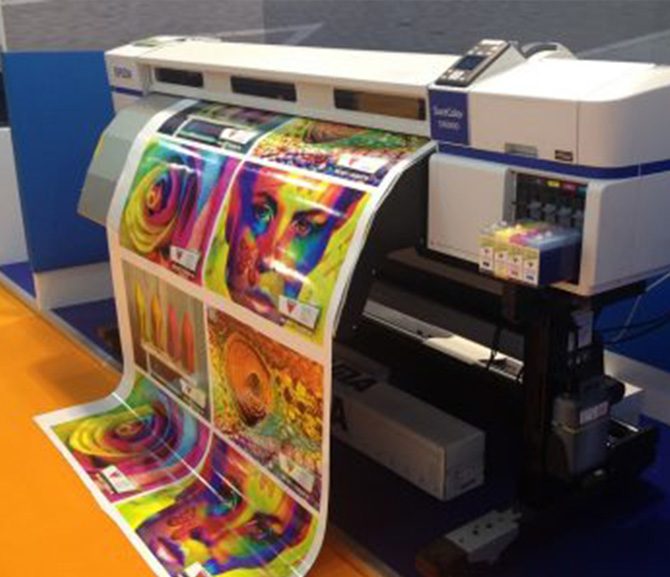
To ensure optimal quality, institutions specializing in large photo printing use advanced printing technologies that support high-resolution outputs and rich color reproduction. Inkjet printing, particularly pigment-based inkjet systems, is one of the most common techniques for producing large-format photographs. These printers employ individual ink cartridges and precise nozzles to create detailed, vibrant images with a wide color gamut and excellent longevity.
UV-curable printers are another prominent option, especially for prints on non-traditional surfaces such as metal, acrylic, or wood. They use ultraviolet light to rapidly cure the ink, resulting in sharp images with highly durable finishes resistant to scratches, water, and UV fading. Artists and photographers opting for fine art applications often prefer these systems for their ability to produce gallery-ready works without the need for additional framing or lamination.
Large-format printers also utilize specialty media and inks designed for specific applications. For outdoor displays, UV-resistant, weatherproof materials and inks ensure lasting vibrancy and structural integrity. Indoor displays may benefit from archival-quality papers and inks that preserve color fidelity over decades, maintaining the visual integrity of your large photo print for generations.
Understanding Large Photo Prints
Creating large photo prints involves a combination of high-quality materials, advanced printing techniques, and meticulous attention to detail to ensure that the final product accurately reflects the original image with exceptional clarity and color fidelity. The process begins with selecting suitable media that can withstand the size and intended display environment, alongside the appropriate printing technology capable of rendering fine details and rich hues on a grand scale.
Large photo prints serve various purposes, from interior decor and gallery exhibitions to commercial advertising and personal memorabilia. Due to their size, these prints demand resolution levels and color management that go beyond standard printing processes. Professionals and reputable service providers utilize a combination of technical expertise and premium materials to produce images that are not only visually striking but also durable and resistant to environmental factors.
Choosing the Right Material for Large Photo Prints
The material choice plays a crucial role in both the aesthetic appeal and longevity of large photo prints. Common options include:
- Metal Prints: Made from aluminum, metal prints offer a modern, sleek appearance with vibrant color reproduction and high durability. They are resistant to scratches, moisture, and UV damage, making them ideal for both indoor and outdoor displays.
- Acrylic Prints: These feature a high-gloss finish that enhances color vibrancy and depth, creating a visually stunning effect. Acrylic prints are lightweight yet sturdy, often mounted with wall-hanging hardware for a seamless look.
- Canvas Prints: Traditional yet versatile, canvas provides a textured surface that lends a fine art feel to large images. It is suitable for framing and can be stretched over a frame for a polished appearance.
- Specialty Papers: For gallery-quality and archival purposes, acid-free, lignin-free papers with high brightness and wide color gamut support long-term preservation of color and detail.
Advanced Printing Technologies for Exceptional Results
Several innovative printing technologies underpin the production of large photo prints, ensuring high resolution, accurate color, and long-lasting durability. Two primary methods are widely utilized:
- Pigment-Based Inkjet Printing: This technology employs pigment-based inks that offer an extensive color gamut and excellent resistance to fading and water damage. The precision nozzles of large-format printers deposit tiny ink droplets onto media, generating highly detailed, vibrant images suitable for fine art and photographic reproductions.
- UV-Curable Printing: For printing on rigid surfaces like metal, acrylic, or wood, UV-curable printers use ultraviolet light to instantly cure the ink, resulting in crisp, durable, and scratch-resistant images. Such prints are often used for outdoor signage, gallery pieces, or installations requiring high longevity.
In addition to these core technologies, specialized inks and media tailored for specific environmental conditions—like weather-resistant substrates for outdoor displays—extend the lifespan of large photo prints. Consistent calibration of printers and color profiles ensures that each print maintains color accuracy and visual integrity across production runs.
Design and Resolution Considerations
A critical factor in large photo printing is ensuring the correct resolution to prevent pixelation or blurring. While the ideal resolution depends on the viewing distance, a common guideline is to aim for at least 150-300 DPI at the final print size. For very large prints intended for viewing from a distance, a resolution of 72-150 DPI may suffice, allowing for optimal file sizes during the digital layout process.
High-resolution images with ample color depth are essential. When preparing artwork, designers and photographers should work with files that have a minimum of 300 DPI at the final size, with color profiles embedded to facilitate accurate reproduction. Paying close attention to image sharpening, contrast adjustments, and color correction before printing ensures the final large photo print closely matches the intended appearance.
Mounting, Framing, and Finishing Options
To maximize the visual impact and lifespan of large photo prints, selecting appropriate mounting, framing, and finishing techniques is essential. These choices not only enhance the aesthetic appeal but also provide necessary protection against environmental elements, handling, and time-induced deterioration.
Mounting Solutions for Large Photo Prints
Effective mounting methods serve to secure large prints to a sturdy backing while maintaining a flat, crease-free appearance. Common options include:
- Adhesive Mounting: Applying specialized spray adhesives or double-sided tapes directly behind the print allows for seamless, frameless presentation. This method is suitable for prints on rigid media like foam board or acrylic.
- Print Mounting on Foam Board or Dibond: Using rigid substrates provides durability and a clean look. Foam boards are lightweight and cost-effective, while Dibond offers additional rigidity and weather resistance, ideal for outdoor or high-traffic environments.
- Stretching on Canvas: Printed canvases are often stretched over wooden frames, providing a gallery-style finish. This method is popular for artistic or decorative large photos, creating a textured, premium appearance.
Framing Options
Choosing the right frame significantly influences the overall presentation of large photo prints. Considerations include style, material, and protective features:
- Standard Frames: Crafted from wood or metal, standard frames are versatile and come in various finishes to match different interior styles.
- Float Frames: These frames give the illusion that the print is floating within the frame, adding modern sophistication.
- Shadow Boxes: Enclosing the print within a deep frame offers extra depth and dimensionality, suitable for emphasizing detailed, textured images.
Finishing Touches and Protective Coatings
Applying protective coatings enhances the longevity of large photo prints by shielding them from scratches, UV rays, and environmental pollutants. Options include:
- UV-Protection Varnish: A clear coating that minimizes fading caused by sunlight exposure, ideal for prints displayed in well-lit areas.
- Laminates: These provide durable protection against scratches and moisture, often used for outdoor displays or high-traffic environments.
- Gloss, Satin, or Matte Finishes: The choice of sheen influences the visual texture and glare; gloss enhances color vibrancy, while matte reduces reflections for easier viewing in bright settings.

Properly executed mounting and framing techniques not only protect the artwork but also elevate its presentation, making large photo prints more striking and suitable for different display environments. Choosing legitimate, high-quality materials and methods ensures that your investment remains visually appealing for years to come, whether for personal, commercial, or gallery use.
Understanding Large Photo Prints
Large photo prints serve as impactful visual statements, perfect for transforming spaces with personalized artwork or professional displays. Achieving optimal quality requires a deep understanding of the different components involved, from material selection to printing techniques. The clarity, color fidelity, and durability of a large photograph depend significantly on thoughtful choices made throughout the production process.
These prints offer a versatile way to showcase high-resolution images in a variety of environments—be it residential, commercial, or exhibition settings. Their impressive scale demands meticulous preparation and execution to ensure the final product maintains sharpness and color integrity, regardless of size. Careful attention to these factors results in a stunning presentation that captures every detail and nuance of the original image.
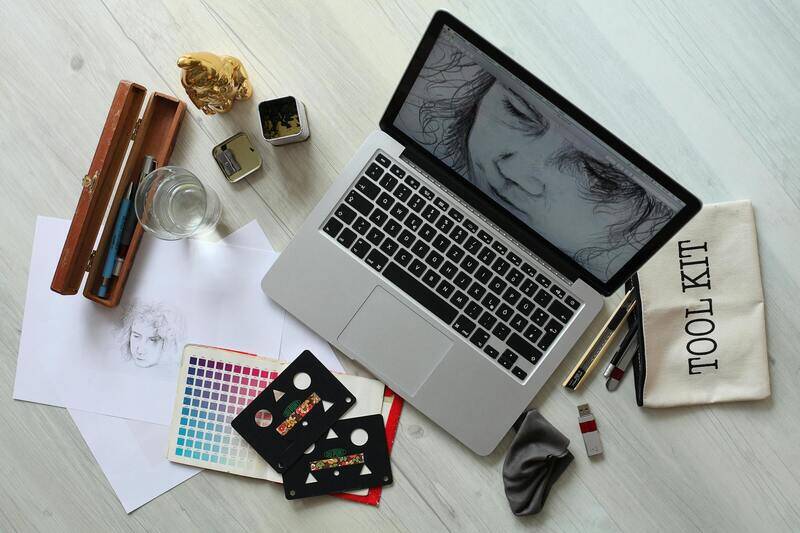
Materials and Paper Types for Large Photo Prints
The choice of materials for large photo prints plays a vital role in achieving the desired visual and physical qualities. Different paper types and substrates are available, each offering unique advantages catered to specific display needs and environments.
- Silk or Satin Paper: Provides a smooth, semi-matte finish that reduces glare and enhances soft color transitions, suitable for gallery displays and interior decor.
- Glossy Paper: Delivers vivid colors and sharp details, ideal for images that require a vibrant, eye-catching appearance. However, it may reflect more light, so placement considerations are important.
- Matte Paper: Offers a non-reflective surface that minimizes glare, perfect for viewing in brightly lit spaces. Its subtle texture also lends an elegant, understated look.
- Canvas: Delivers a textured, artistic feel while providing durability. Canvas prints are suited for both indoor and outdoor environments and often require specific inks and finishing techniques.
- Acrylic or Metal Surfaces: These substrates offer a sleek, modern look with excellent color vibrancy and durability, particularly for contemporary design schemes.
Premium mounting boards and protective backings are also essential adjuncts, ensuring that large prints remain flat and protected over time. High-quality materials not only enhance visual appeal but also contribute to the longevity of the artwork, maintaining their appearance through varying environmental conditions.
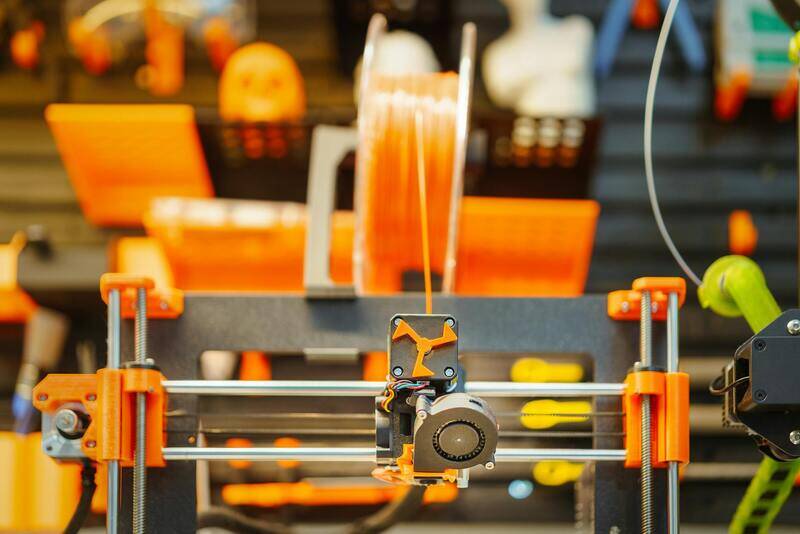
Printing Technologies for Large Photos
Advances in printing technology have revolutionized the production of large photo prints, offering methods that maximize detail reproduction, color accuracy, and durability. Understanding these technologies helps in choosing the best approach based on project requirements.
- Inkjet Printing: The most common method for large-format prints, utilizing high-resolution nozzles to deposit tiny droplets of ink onto the substrate. Modern inkjet printers employ multiple ink channels to produce a broad color gamut, resulting in highly detailed and vibrant images.
- Giclée Printing: A specialized form of high-end inkjet printing, often used in fine art reproductions. It features longer-lasting inks and larger color ranges, ideal for gallery-quality large photo prints.
- Dye Sublimation: Suitable mainly for printing on polyester surfaces like metal or fabric, dye sublimation provides durable, seamless images with excellent color vibrancy, especially in photo panels and sports banners.
- UV Printing: This technology directly applies UV-curable inks to rigid surfaces such as acrylic, glass, or wood, allowing for customized, high-quality large photo prints that are highly resistant to scratching and UV fading.
Choosing the correct printing technology depends on factors like the desired substrate, environmental durability, and intended display location. Modern printers also incorporate color calibration features to ensure the output matches the original image intent.
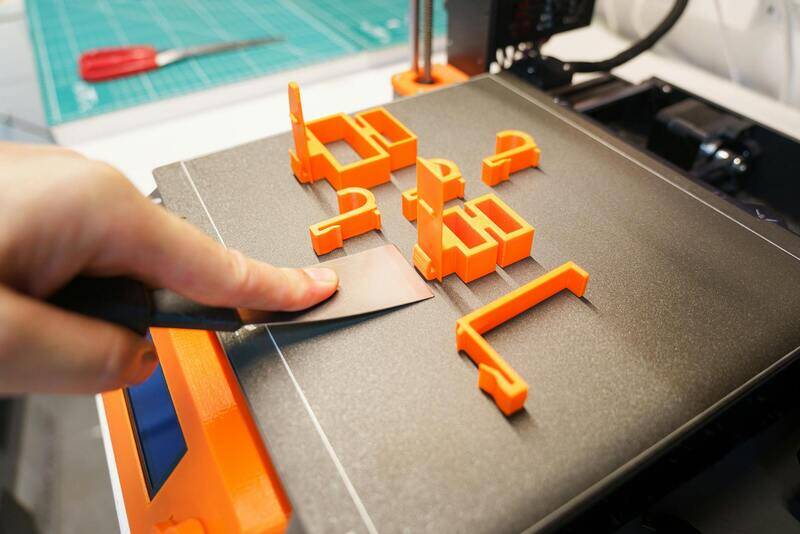
Design and Resolution Considerations
Designing for large photo prints involves meticulous planning, principally concerning resolution and image quality. Since increasing the size of an image can often lead to loss of sharpness or pixelation, it’s vital to begin with high-resolution source files.
- Optimal Resolution: Aim for a resolution of at least 150-300 DPI (dots per inch) at the final print size to ensure crisp detail. For very large prints, a lower DPI may be acceptable if viewed from a distance.
- Image Files: Use uncompressed or minimally compressed formats such as TIFF or PNG, which preserve image detail. JPEGs should be high quality with minimal compression to avoid artifacts.
- Composition and Layout: Consider the viewing distance when designing the layout. Larger prints viewed from afar can accommodate wider margins and larger elements, while close-up viewing demands finer detail.
- Color Accuracy: Utilize color profiles and workspace settings calibrated to your printer to ensure color fidelity from digital to print version.
Thoughtful design and proper resolution management are crucial to preventing issues like pixelation, banding, or color shifts, ultimately resulting in a clean, impactful final product.
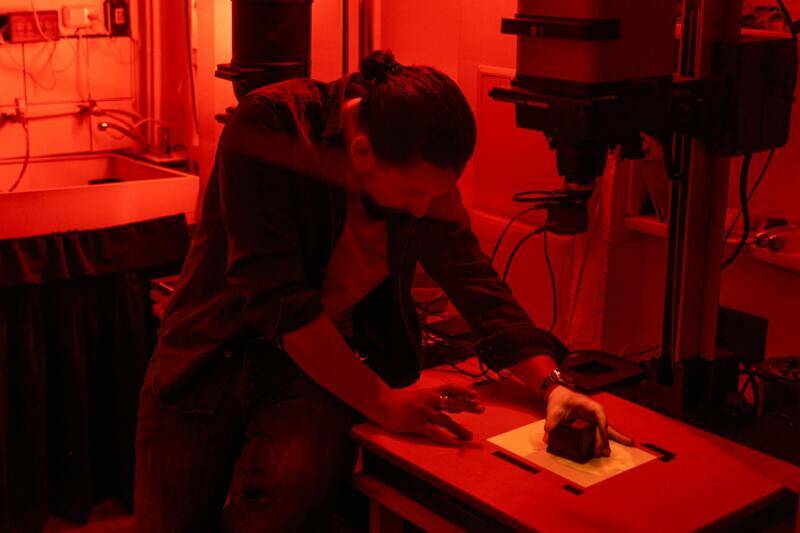
Understanding Large Photo Prints
Large photo prints serve as striking visual statements, capable of transforming any space with their vivid imagery and impressive scale. They demand careful attention to detail throughout the entire process, from selecting the appropriate materials to choosing the right printing technology and finishing options. When executed correctly, these prints can add depth, character, and a sense of grandeur to both personal and professional environments. Recognizing the unique considerations involved in large photo printing ensures a final product that maintains its quality, vibrancy, and integrity over time. Whether you aim for a mural, gallery scenario, or a statement piece, thorough knowledge of the various elements involved is essential for achieving optimal results.
Materials and Paper Types for Large Photo Prints
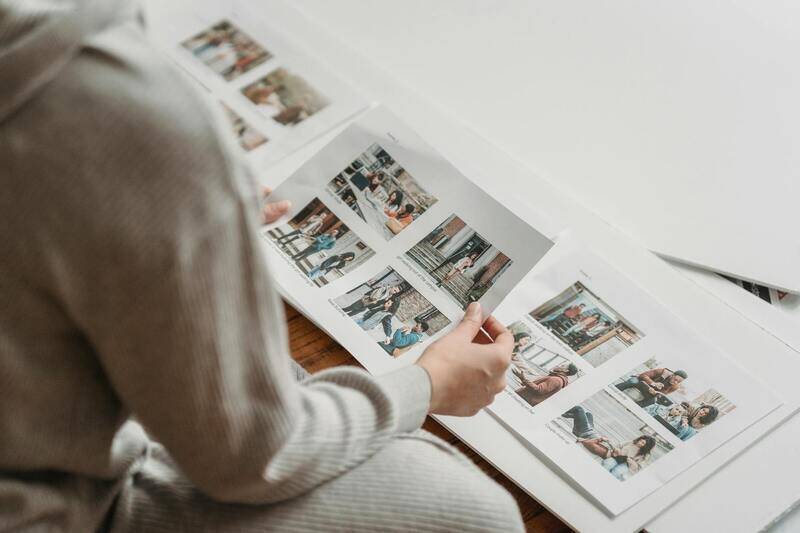
The foundation of a successful large photo print begins with selecting the right materials. High-quality substrates and papers influence the durability, appearance, and overall impression of the final piece. Typical options include:
- Glossy and Semi-Glossy Papers: These mediums enhance color vibrancy and contrast, ideal for images with rich reds, blues, and yellows. They tend to reflect light, making them suitable for indoor displays where glare can be managed.
- Matte Papers: Offering minimal glare and a non-reflective surface, matte papers are preferred in environments with bright lighting or for artistic, subdued finishes.
- Canvas: Popular for art reproductions and decorative pieces, canvas provides a textured surface that mimics traditional artwork, adding depth and a tactile quality to large images.
- Acrylic and Metal Prints: These materials provide sleek, modern aesthetics, with exceptional durability and vibrant color reproduction. They are ideal for contemporary interior design.
Choosing the appropriate material depends on the intended setting, viewing distance, and desired aesthetic. Durable substrates like aluminum and acrylic are also suitable for outdoor or high-traffic areas, ensuring longevity and resistance to environmental factors.
Printing Technologies for Large Photos
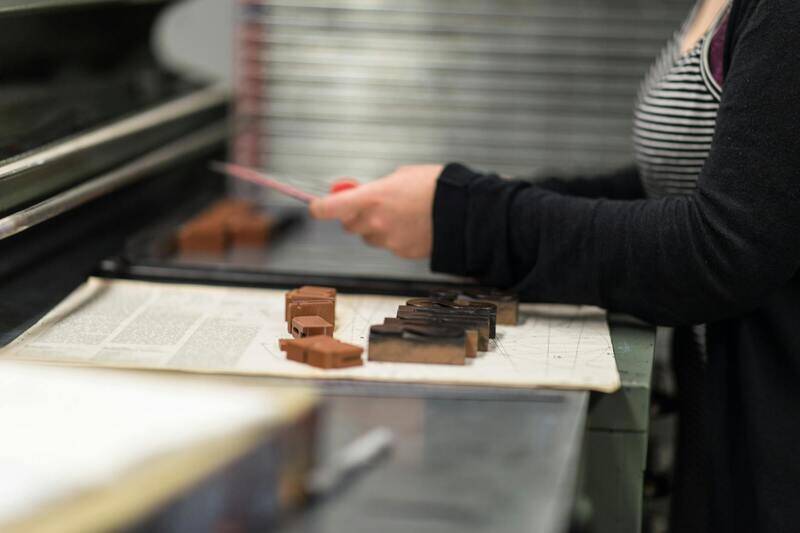
Advanced printing technologies are pivotal in producing high-quality large photo prints with accurate colors and fine detail. The primary methods include:
- Giclée Printing: A high-resolution inkjet technique utilizing pigment-based inks. Known for its superior color accuracy, longevity, and fine detail, Giclée is often regarded as the gold standard for art-quality large prints.
- Latex Printing: Modern digital printing that uses water-based latex inks, offering vibrant color, flexibility, and eco-friendly benefits. Latex printers deliver quick drying times and are suitable for various materials.
- UV Printing: Applying UV light to cure inks instantaneously, UV printing ensures vivid colors and durable surfaces, especially useful for printing on rigid substrates like acrylics and metals.
Selection of the appropriate technology involves considering the material, budget, and desired longevity. Professional-grade printers capable of handling larger formats with consistent, high-resolution output are essential for large photo prints.
Design and Resolution Considerations
Preparing a large photo for printing entails meticulous attention to resolution and composition. As the size increases, so does the importance of starting with high-quality source files to prevent pixelation and loss of detail. Key points include:
- Optimal Resolution: Aim for 150-300 DPI (dots per inch) at the final print size. For larger formats viewed from greater distances, a lower DPI may suffice without compromising visual fidelity.
- Image Format: Use uncompressed file formats like TIFF or PNG, which retain maximum detail. High-quality JPEGs with minimal compression are also acceptable, provided they maintain color accuracy and sharpness.
- Composition and Viewing Distance: Design with the intended viewing experience in mind. Larger prints viewed from afar can incorporate bold elements and wider margins, whereas close-up viewing requires fine details and precise focus.
- Color Profiles: Incorporate calibrated color profiles and workspace settings to ensure color consistency from digital file to printed output, preserving intended hues and vibrancy.
Thorough resolution management mitigates common print issues such as pixelation, banding, or color shifts, resulting in a visually stunning and sharp large photo.