Types of Large Photo Printing Services
Large photo printing services encompass a broad spectrum of formats, each tailored to meet diverse aesthetic preferences and functional needs. These services utilize various materials and printing techniques to produce images that make impactful visual statements. When selecting a large photo print, it is essential to understand the distinct features and ideal applications of each format.
Canvas Prints
Canvas prints are celebrated for their classic, textured appearance that mimics traditional artwork. Printed on durable fabric stretched over a wooden frame, they are ideal for portraitures, landscapes, and gallery displays. Canvas prints offer a timeless aesthetic with a slightly matte finish that reduces glare and enhances color depth.
Posters
Poster printing is a versatile, cost-effective option suited for promotional events, exhibitions, or personal displays. Larger posters can be mounted on foam core or framed to suit different environments. They are typically printed on high-quality paper with vibrant color reproduction, making them perfect for eye-catching visuals or informational graphics.
Acrylic Prints
Acrylic prints feature an image printed directly onto or behind a solid sheet of acrylic, providing a sleek, modern look. Known for their clarity and vibrant color reproduction, acrylic prints add depth and sophistication to any space. They are often chosen for art displays or high-end commercial decor due to their glossy finish and durability.
Metal Prints
Metal prints, produced through dye-sublimation on aluminum panels, are recognized for their contemporary appeal and resilience. These prints have a luminous quality with sharp edges and ultra-vivid colors, making them suitable for both indoor and outdoor installations. Metal prints are highly resistant to environmental factors, ideal for long-term outdoor displays or modern interior design.
Material Choices for Large Photo Prints
When selecting materials for large photo printing services, it is essential to consider factors such as durability, finish options, and the intended display environment. The choice of material not only influences the aesthetic appeal but also impacts the longevity and maintenance of the printed piece.
Among the most popular options are:
- Canvas: Offering a textured, artistic appearance, canvas is favored for portraits and landscapes. Its breathable surface lends a tactile quality that emulates traditional paintings. Durability varies based on fabric quality and protective coatings, which safeguard against UV light and moisture.
- High-Quality Photo Paper: For vibrant, sharp images with fine detail, premium photo papers such as satin or gloss finishes are optimal. These materials are ideal for posters or wall displays where high color fidelity is required. They are generally coated to resist fingerprints and environmental factors.
- Acrylic: Printed directly onto or behind sheets of acrylic, this material produces a glossy, reflective surface that enhances color vibrancy and depth. Acrylic panels are resistant to moisture and UV exposure, making them suitable for both indoor and outdoor applications.
- Metal: Metal prints on aluminum substrates are known for their resilience and modern aesthetic. They are highly resistant to weather conditions and physical impact. Matte or satin finishes can be applied to reduce glare while maintaining vivid coloration.
The selection between these materials hinges on the specific use case, environmental exposure, and preferred visual texture. For instance, outdoor murals benefit from weather-resistant metals, while interior portraits might be best showcased on canvas or acrylic for artistic appeal.

Print Quality and Resolution Standards
Achieving optimal print quality in large photo printing services demands adherence to specific resolution standards. The resolution impacts the sharpness, clarity, and overall visual impact of the final product. Typically, a minimum of 150 dots per inch (DPI) is required for large-format prints viewed at regular distances, ensuring detailed images without visible pixelation.
To guarantee high-quality results, digital files should be prepared at a recommended resolution corresponding to the final print size. For example, a 24x36 inch print should ideally be created at a resolution of at least 3600x5400 pixels. Lower resolutions can lead to blurred images, so it’s crucial to check the specifications provided by the printing service.
Color calibration and proofing are equally important. Accurate color profiles ensure the printed work closely matches on-screen visuals. Some providers offer proofing options to preview how colors will appear once printed, minimizing surprises and maximizing client satisfaction.
Design Preparation and File Requirements
Effective communication with your chosen printing provider involves preparing your digital files according to their specifications. High-resolution files, preferably in formats like TIFF or PSD, preserve image quality and support complex color information necessary for large-format outputs.
Designers should ensure that artwork is created within the correct dimensions and with appropriate bleed and margin settings. This prevents unwanted cropping or framing issues during the printing process. Color mode should typically be set to CMYK for accurate color reproduction.
To avoid delays, submitting files that are free of compression artifacts, embedded profiles, and layers (if not necessary) streamlines production. Additionally, including a proof or a scaled-down version helps the print team verify details before proceeding with the full-sized production.
Print Quality and Resolution Standards
Achieving outstanding large photo prints hinges on understanding the critical role of resolution and color fidelity. The primary consideration is ensuring that images are captured at high resolutions, typically at least 300 DPI (dots per inch) for large-format prints, to maintain sharpness and detail. When an image's resolution is too low, enlargement results in pixelation and a loss of clarity, undermining the visual impact of the print.
Color accuracy plays a vital part in producing visually striking photographs. Professional large photo printing services employ advanced color management systems, calibrating printers and monitors to ensure that the printed output matches the digital file's colors precisely. This meticulous calibration helps avoid discrepancies, especially in skin tones, shadows, and vibrant hues, which are crucial for professional-grade images.
Quality assurance processes are embedded within reputable printing providers. They include pre-press checks, color proofing, and shadow and highlight retention evaluations. Some services utilize spectrophotometers for color measurement, ensuring consistency across batches and reproducing subtle color gradations accurately. These steps are essential in achieving a finished product that meets high standards of visual fidelity and durability.

Moreover, consistent print quality depends on adherence to strict printing standards. These standards specify parameters for resolution, ink density, and media handling. For clients looking for gallery-quality results, selecting a provider that emphasizes quality control is key. The best services regularly review print outputs, implement color matching techniques, and employ high-grade materials to guarantee that every large photo print embodies sharpness, vivid color, and long-lasting beauty.
Understanding these standards helps customers make informed decisions when choosing large photo printing services, ensuring their images are rendered with maximum precision and visual appeal.
Material Choices for Large Photo Prints
Choosing the right material is fundamental to achieving desired aesthetics, durability, and application suitability for large photo prints. The variety of substrates available enables customization based on the environment where the print will be displayed and the intended longevity of the image.
- Canvas: Canvas prints offer a classic, textured appearance that enhances artistic photographs. They are usually stretched over wooden frames, making them suitable for gallery displays and interior decor. The canvas material naturally resists fading, especially when coupled with UV-resistant coatings, ensuring vibrancy over time.
- Glossy and Satin Papers: These finishes are popular for sharp, high-contrast images. Glossy paper delivers a vibrant, shiny look and enhances color depth, ideal for detailed, colorful photographs. Satin provides a softer sheen, reducing glare while maintaining color richness, suitable for both artistic and commercial purposes.
- Matte Prints: Matte surfaces reduce reflections and glare, making them excellent for viewing in bright or well-lit environments. They also conceal fingerprints and smudges more effectively, preserving the clean look for gallery-quality displays.
- Aluminum and Metal Prints: Metal substrates bring a modern, sleek aesthetic with high durability. The image is infused into or applied onto the aluminum surface, resulting in vibrant, scratch-resistant prints that are highly resistant to moisture and UV exposure, perfect for outdoor or high-traffic areas.
- Acrylic Prints: Acrylic enhances the depth and vibrancy of images, offering a glossy, high-end look. It is often used for contemporary displays, providing a striking visual impact due to its reflective qualities and clarity.

Print Quality and Resolution Standards
Achieving high-quality results in large photo printing hinges on adhering to stringent resolution and quality standards. The resolution of digital files is crucial; generally, a minimum of 300 dpi (dots per inch) at the final print size is recommended. This ensures that images maintain sharpness without pixelation when scaled to large dimensions.
Standardized color management protocols are employed by reputable printing services to maintain consistent color fidelity across prints. These include using color profiles such as Adobe RGB or sRGB and calibrating monitors and printers regularly. Techniques such as soft proofing help predict how colors will reproduce on the final printed material, allowing adjustments before production begins.
Print resolution isn't the only factor; the quality of ink and media also impacts the final appearance. High-grade, pigmented inks provide richer colors, better adhesion, and increased resistance to water and UV light, prolonging the lifespan of the image. Fine-tuning parameters like ink density and drying times further enhances output stability and vividness.
For large-scale prints, consistency in quality control measures is vital. Many providers utilize spectrophotometers to verify color accuracy during the production process, ensuring uniformity across multiple prints. Regular calibration and quality checks prevent discrepancies that can diminish the visual integrity of the final product.
Types of Large Photo Printing Services
Large photo printing services encompass a variety of options tailored to meet diverse aesthetic and functional needs. Among the most common types are canvas prints, which offer a textured, artistic appearance suitable for both indoor and outdoor displays. Canvas prints are known for their durability and ability to add depth to photographic images, making them ideal for gallery walls, home décor, and exhibition displays. Metal prints are another popular choice, providing a sleek, modern look with vibrant color reproduction and high durability. They are resistant to scratches and weather elements, making them suitable for outdoor signage or contemporary interior design. Acrylic prints stand out due to their glossy, reflective surface that enhances color vibrancy and image sharpness. These are often used in commercial settings or upscale home environments to create a striking visual impact. Backlit or illuminated prints incorporate lighting elements, making images stand out in dim or dark environments. These are commonly used in retail displays, event banners, or architectural features. Choice of material largely influences the perceived quality, longevity, and visual effect of the final print. Reputable providers offer a broad spectrum of options, each designed to fulfill specific display requirements, whether for artistic framing, promotional signage, or large-scale photographic exhibitions.
Types of Large Photo Printing Services
Selecting the appropriate large photo printing service depends on understanding the various options available to suit specific display needs. Common types include:
- Canvas Prints: Known for their textured surface, canvas prints lend an artistic and gallery-like quality to photographs. They are excellent for creating a warm, traditional ambiance and are suitable for both interior decor and outdoor installations when treated for weather resistance.
- Metal Prints: Crafted on aluminum surfaces, metal prints deliver a sleek, modern aesthetic with vibrant color reproduction. They are highly durable, resistant to environmental elements, and perfect for contemporary settings or outdoor signage.
- Acrylic Prints: Featuring a glossy, high-gloss surface, acrylic prints amplify color vibrancy and sharpness. Their refined appearance makes them ideal for upscale commercial displays, art exhibitions, and refined home interiors.
- Backlit or Illuminated Prints: These incorporate integrated lighting elements, creating radiant visuals in dim environments. They are frequently used in retail atmospheres, signage, and architectural enhancements.
Each material type offers a distinct visual effect and functional characteristic, allowing clients to choose based on the intended display environment, longevity requirements, and artistic preference.
Material Choices for Large Photo Prints
When considering large photo printing, the material choice profoundly impacts the final presentation and durability of the print. The primary materials include:
- Canvas: Provides a textured, painterly effect with options for various stretcher frame sizes. The material is light yet durable, making it suitable for gallery walls and artistic displays.
- Metal: Aluminum-based surfaces offer a luminous finish, excellent color fidelity, and resilience against corrosion and scratches. Metal prints are especially favored for modern, bold aesthetics.
- Acrylic: Thicker and heavier, acrylic offers a high-gloss, mirror-like effect with excellent depth and vibrancy. It is often combined with print layers for enhanced visual impact.
- Vinyl or Banner: Ideal for temporary outdoor installations or promotional uses, vinyl provides flexibility and weather resistance at a more accessible price point.
The choice of material should align with the intended display environment, the aesthetic goal, and the expected longevity of the print.
Print Quality and Resolution Standards
Achieving stunning large photo prints relies heavily on adhering to high-quality resolution standards. A general guideline recommends:
- Minimum resolution: At least 150 pixels per inch (PPI) at the projected final size is crucial for detailed, crisp images when viewed up close. For example, a 40-inch wide print should have a minimum resolution of 6000 pixels in width.
- Image clarity: Photographs should be captured or prepared with high sharpness and accurate color calibration to ensure fidelity in reproduction.
- Proper file formats: Use lossless formats such as TIFF or high-quality JPEGs optimized for printing to preserve image detail and color information.
Lower resolution images may result in pixelation or loss of detail, diminishing the visual impact of large-scale prints. Ensuring adherence to resolution standards before printing guarantees a professional, high-quality outcome.

Design Preparation and File Requirements
Preparing files correctly is vital for the successful production of large photo prints. Essential considerations include:
- Accurate dimensions: Design files should match the final print size, with dimensions specified in inches or centimeters, to prevent scaling distortions.
- Color profiles: Embedding standard color profiles like Adobe RGB or sRGB ensures color consistency across devices and prints.
- File format: High-resolution TIFF or JPEG files are preferred, with vector formats (such as PDF or EPS) used for graphics or text overlays.
- Bleed and margins: Incorporate bleed areas for edge-to-edge prints, typically 0.125 to 0.25 inches, to accommodate trimming and framing.
- Layer management: Flattened images without unnecessary layers or effects streamline printing and reduce processing errors.
Collaborating with the printing provider during the file preparation process can prevent potential issues and ensure the final output aligns with expectations.
Pricing and Cost Factors
Pricing for large photo printing services is influenced by multiple factors, including:
- Size: Larger prints naturally incur higher costs due to increased material and print time. A 60x90-inch canvas will be significantly more expensive than a 24x36-inch print.
- Material choice: Premium materials like acrylic or metal often command higher prices compared to vinyl or standard canvas options.
- Print quality and resolution: Higher resolution outputs require advanced equipment and meticulous color calibration, impacting pricing.
- Finish and effects: Special finishes, UV coating, or lamination can add to the total cost for enhanced durability and visual appeal.
- Additional services: Framing, mounting, or installation services are usually priced separately, depending on complexity and materials used.
Understanding these factors allows clients to select an option that balances quality and budget, ensuring the final large photo print meets both aesthetic expectations and financial considerations.
Types of Large Photo Printing Services
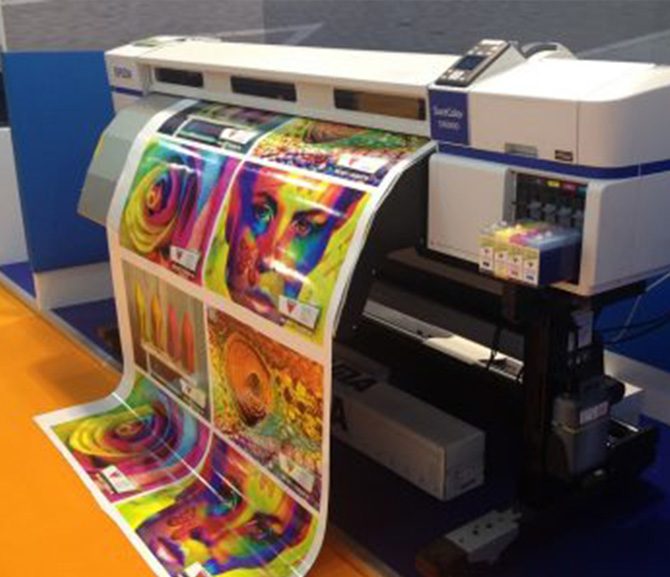
Choosing the appropriate large photo printing service is essential to achieve high-quality results tailored to specific needs. Various printing methods cater to different applications, from vibrant wall art to durable outdoor displays. Giclée printing is known for its exceptional color accuracy and fine detail, making it ideal for gallery-quality prints and artwork. Dye-sublimation printing offers vibrant, dye-based colors that embed into the material, perfect for producing stunning images on fabric or metal surfaces. UV printing utilizes ultraviolet light to cure ink instantly, allowing for printing directly onto rigid surfaces like wood, acrylic, or metal with lasting vibrancy. Large format inkjet printing, utilizing advanced wide-format printers, is the most common method for producing posters, murals, banners, and photographic enlargements. The choice of technology hinges on the intended use, durability requirements, and desired aesthetic. Notably, UV printing has gained popularity for its versatility and ability to print on diverse substrates, while fine art enthusiasts often prefer Giclée for its depth and color richness. In addition, some providers specialize in custom services, such as panoramic prints or canvas wraps, further expanding the options for clients seeking personalized or large-scale displays. Consulting with experienced printing providers ensures selection of the most suitable method to match project objectives and budget constraints.

Material Choices for Large Photo Prints
Material selection plays a crucial role in the durability, appearance, and suitability of large photo prints. Canvas remains a popular choice due to its classic textured finish that complements artistic photography and allows for framing and stretching. Vinyl banners and posters are ideal for promotional displays, offering affordability and ease of installation, especially in outdoor environments. Acrylic prints are favored for their sleek, modern aesthetic, with a glossy surface that enhances color vibrancy and provides a protective layer against scratches and UV damage. Metal prints, typically aluminum-based, are extremely durable and feature a contemporary look, with properties that resist moisture and weathering—making them suitable for both indoor and outdoor settings. Fabric options, such as polyester or linen, are often chosen for soft displays, backlit panels, or creative installations. Additionally, specialty materials like metallic, wood, or textured papers can add unique visual effects and tactile qualities to large-format images. Selecting the right substrate depends on exposure conditions, visual impact, and whether the print will be framed or mounted directly on a surface.
Print Quality and Resolution Standards
Achieving the desired clarity and richness in large photo prints hinges on adhering to strict quality and resolution standards. For detailed, photo-realistic images, a minimum resolution of 300 DPI (dots per inch) is recommended at the final print size, ensuring sharpness and fine detail without pixelation. Larger prints, such as those exceeding 48 inches, often require a slightly lower DPI (around 150-200 DPI), as viewers typically observe such pieces from a distance. Color calibration and color management throughout the printing process are vital to maintain accuracy and consistency, especially when reproducing images with subtle tonal variations. Color profiles like sRGB and Adobe RGB are used to match digital files to the printer's color capabilities. In high-end production, spectrophotometers are employed to measure and adjust ink and media color properties precisely. The choice of ink type also impacts output longevity—pigment inks generally offer more extended fade resistance compared to dye inks, which are more vibrant but less durable. Moreover, finishing options like lamination or UV coating can protect prints from environmental damage and enhance color saturation, ensuring that large photo prints retain their quality over time.
Design Preparation and File Requirements
Preparing files appropriately is fundamental to successful large photo printing. Files should be created at the actual print size with an appropriate resolution—preferably 300 DPI for detailed imagery. Use of lossless formats like TIFF or high-quality JPEGs ensures no compression artefacts interfere with image quality. It is crucial to embed color profiles within the files to maintain color consistency across different devices and during the printing process. When designing for edge-to-edge prints or banners, including bleed areas—commonly 0.125 to 0.25 inches—is essential to prevent white borders after trimming. Flattening layers and removing unnecessary objects streamline the print process and prevent processing errors. For complex images, converting text or vector graphics to separate layers or outlines can help preserve clarity. Most print providers recommend proofing digital proofs or samples before final production to verify colors, layout, and image quality, minimizing costly reprints.
Pricing and Cost Factors
Cost considerations for large photo printing depend on various factors, including size, material choice, print complexity, and additional finishing options. Larger formats require more ink, material, and longer print times, inevitably increasing costs. Premium materials like acrylic, metal, or textured fine art papers tend to command higher prices compared to standard vinyl or canvas. Resolution settings—higher DPI settings demand more processing power and time—affect the overall expense. Finishing options such as matte, gloss, or specialty coatings, along with lamination or framing, further influence pricing. Some providers also offer expedited turnaround times or rush services at premium rates. Installation and mounting services are additional costs, especially for large or intricate displays. To optimize investment, clients should clearly define their priorities—whether durability, appearance, or budget constraints—to select a suitable combination of materials and services that deliver the best value per dollar spent.
Types of Large Photo Printing Services
When selecting a large photo printing service, understanding the variety of options available is crucial to ensure that the final product meets your specific needs. Typical types of services include:
- Canvas Printing: Ideal for artistic displays, canvas prints offer a textured, gallery-like appearance that adds depth and sophistication. They are suitable for both indoor and outdoor environments with appropriate protective coatings.
- Acrylic Prints: Known for their vibrant color reproduction and sleek, modern look, acrylic prints provide durability and high-quality gloss. They are popular for impactful visual displays in professional settings.
- Metal Prints: Crafted using dyes fused onto aluminum or other metals, these prints are highly resistant to environmental factors, making them excellent for contemporary decor and outdoor installations.
- Poster and Vinyl Prints: Cost-effective options for large-scale imagery, posters, and vinyl banners are versatile and quick to produce, accommodating events, promotions, or large wall displays.
- Fine Art Prints: Utilizing specialized materials like textured fine art papers, these prints preserve intricate details and color accuracy, suitable for high-end art exhibitions or collectible displays.
Material Choices for Large Photo Prints
The material selected for large photo prints significantly influences the aesthetic, durability, and application of the artwork. Common material options include:
- Canvas: Offers a textured finish that mimics traditional paintings, providing an artistic feel and flexibility for framing and stretching.
- Acrylic: Provides a glossy, vibrant surface that enhances color depth and sharpness, perfect for modern display environments.
- Metal (Aluminum): Durable, with a sleek appearance that resists corrosion and UV rays, ideal for high-traffic or outdoor spaces.
- Fine Art Paper: Features textured or smooth surfaces optimized for detailed photographic reproductions, often acid-free to ensure longevity.
- Vinyl: Flexible and weather-resistant, suitable for large banners or temporary displays requiring portability and ease of installation.
Print Quality and Resolution Standards
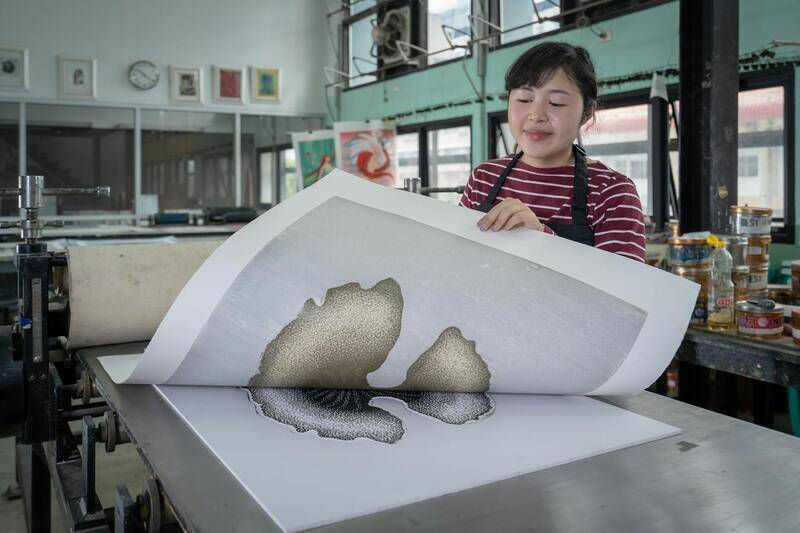
High-quality large photo prints demand adherence to specific resolution standards to preserve clarity and detail. Typically, a minimum of 150 DPI (dots per inch) is acceptable for large-format prints viewed from a reasonable distance. For ultra-sharp images, 300 DPI or higher is recommended, especially when close inspection is required. The resolution should match the print size; enlarging images beyond their optimal size can lead to pixelation or blurriness. Advanced printing technologies such as Ultra-High Definition (UHD) or super-resolution printing are used for maximum detail retention. Ensuring the source file's quality—preferably in a lossless format like TIFF or high-resolution JPEG—is critical for achieving desirable outcomes.
Design Preparation and File Requirements
Proper design preparation is essential to produce large photo prints that meet expectations. Files should be created with dimensions corresponding to the final print size, maintaining a resolution of at least 150 DPI. Using layered files in formats such as PSD or TIFF allows for adjustments and proofs before final output. Color calibration is vital to ensure consistency between the digital file and printed result. When preparing files, avoid compression artifacts by working in high-quality formats, and ensure all images are correctly sized to prevent pixelation. Converting text and vector graphics to outlines or rasterizing them helps prevent blurriness or font substitutions. Providing a color-accurate proof or sample can help confirm the intended look before proceeding with bulk production.
Pricing and Cost Factors
Cost considerations for large photo printing are influenced by several key factors, including the size, material, complexity of the image, and finishing options. Larger formats naturally consume more ink and material, escalating expenses. Premium materials such as acrylic, metal, or textured fine art papers tend to come at a higher price point than standard vinyl or canvas options. High-resolution images and intricate designs may require longer processing times, adding to labor costs. Additional finishes like matte, gloss, or specialty coatings can also influence pricing. Optional services such as lamination, framing, or custom mounting add further costs, which should be factored into the final budget. Clients aiming to optimize value should prioritize durability and aesthetic preferences, selecting material and finish combinations that align with their intended use while balancing budget constraints.
Installation and Framing Options
Proper installation and framing significantly enhance the visual appeal and longevity of large photo prints. Various mounting methods are available, including wall anchors, standoff mounts, and floating frames that give a contemporary, seamless appearance. Professional installation ensures that large prints are securely affixed, preventing damage or misalignment. Framing options range from traditional wood and metal frames to custom-built shadow boxes, tailored to complement the artwork and interior decor. For outdoor or high-traffic areas, weather-resistant frames and protective glass or acrylic coverings are recommended. These options not only provide aesthetic enhancement but also serve to safeguard the print against environmental factors such as UV exposure, moisture, and impacts. Consulting with printing providers about suitable installation techniques ensures a flawless presentation that endures over time.