The moment every print buyer dreads
The boxes have arrived, the event is tomorrow, and someone spots it: the wrong date on the brochure, a phone number with two digits swapped, last year's price on the product sheet, or a speaker's name spelled wrongly on the programme. The instinct is to reprint everything. Sometimes that is the right call. Often it is not, because a full reprint of a large job may not be possible in the time left, and a well-made correction can look perfectly professional. This guide walks through the fast options for fixing a printed mistake, how to choose between them, and what to send the print shop so the fix is done in hours.
First, judge how serious the error is
Take ten minutes to decide what kind of mistake you are dealing with before choosing a fix.
- Safety, legal or financial errors (a wrong dosage, a wrong price that a customer could hold you to, a wrong date for a deadline or registration, incorrect allergen information) must be corrected on every copy, clearly. Check with whoever is responsible for compliance whether a sticker is acceptable or a reprint is required.
- Contact errors (phone, email, URL, QR code pointing to the wrong page) stop the print from doing its job. They need fixing, but a neat sticker usually does it.
- Cosmetic errors (a typo in a heading, a slightly wrong colour, an old logo) are embarrassing but rarely stop the piece working. Decide whether the event or campaign can live with them.
For a QR code error, check first whether you can fix it at the destination. If the code points to a URL you control, redirecting that URL to the right page may solve the problem with no print work at all.
Option 1: correction stickers
A printed sticker placed exactly over the error is the most common fix, and the fastest for a few hundred to a few thousand pieces. Done well, most readers never notice it.
- Match the background. The sticker should be printed with the same background colour or pattern as the area it covers, and the same typeface and size for the corrected text. Send the printer the original artwork file so they can crop the area.
- Choose the right material. Matte white paper stickers suit uncoated or matte stock; gloss stickers suit gloss laminated covers. An opaque or "blockout" sticker stops the old text showing through, which matters on dark text under a light sticker.
- Size it generously. Make the sticker a few millimetres larger than the error on all sides, and consider covering a whole line or a clearly defined panel so the edge follows the design.
- Plan the application. Stickers on sheets are applied by hand. Budget the labour: a person applying stickers accurately can do a few hundred an hour, depending on size and placement. For large quantities, ask the shop whether they can apply them.
Stickers are available from express shops on the same day in most cases. Our guide to same-day stickers and labels covers the materials and cut shapes.
Option 2: errata slips and inserts
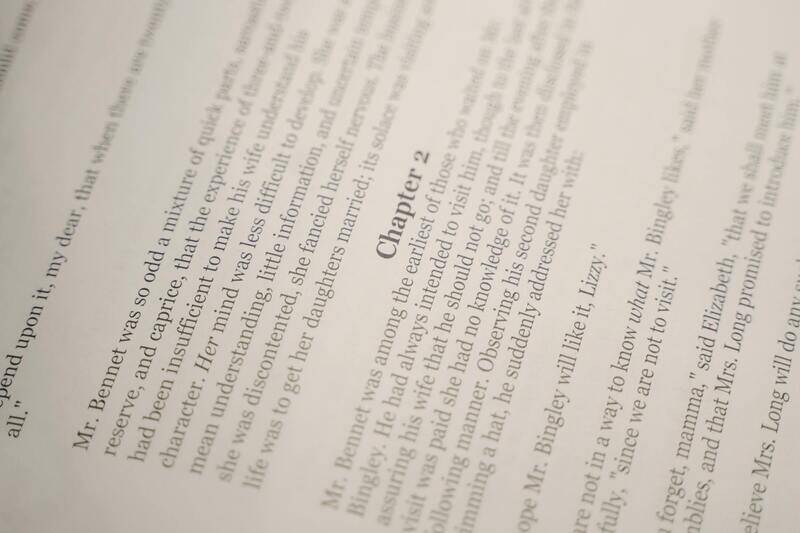
An errata slip is a small printed notice inserted into a booklet, report or pack that states the correction. It is the traditional fix for books, reports and conference programmes, and it is honest about the error, which suits formal documents.
- Keep it short: page number, what was printed, what it should say.
- Print on the same or a similar paper so it looks intended.
- For a programme or delegate pack, an insert card that lists "changes since printing" can also cover speaker swaps and room changes, turning a correction into useful up-to-date information.
Errata slips are the cheapest fix and can be printed in minutes, but they rely on the reader noticing them. Do not use them for safety or legal errors that must be seen.
Option 3: a partial reprint
Many printed items are made of separate parts, and only one part may need reprinting:
| Item | What can often be reprinted alone |
|---|---|
| Saddle-stitched booklet | Usually not practical to replace one page; consider a sticker or reprint the whole booklet |
| Ring or wire-bound document | The affected pages, swapped in by hand (easy for ring, possible for wire with re-binding) |
| Presentation folder with inserts | The insert sheet with the error; the folder stays |
| Brochure with a separate price list | The price list only |
| Banner or backdrop | A printed patch panel or a new strip applied over the area |
| Name badges, table cards | Only the affected names |
If the design separates changing information (prices, dates, names) from permanent content, partial reprints are simple. That is worth remembering the next time a job is designed; our article on building a rush-ready print kit suggests templates that make this easier.
Option 4: reprint everything, fast
A full reprint is the right choice when the error is on the cover or on most pages, when it is a safety or legal issue that must not be seen, or when the quantity is small enough that reprinting is quicker than applying stickers. A few hundred flyers or a small run of booklets can often be reprinted digitally on the same day. Check what the shop can realistically finish by your deadline; some jobs cannot be rushed however much you pay, as explained in what cannot be rushed in printing.
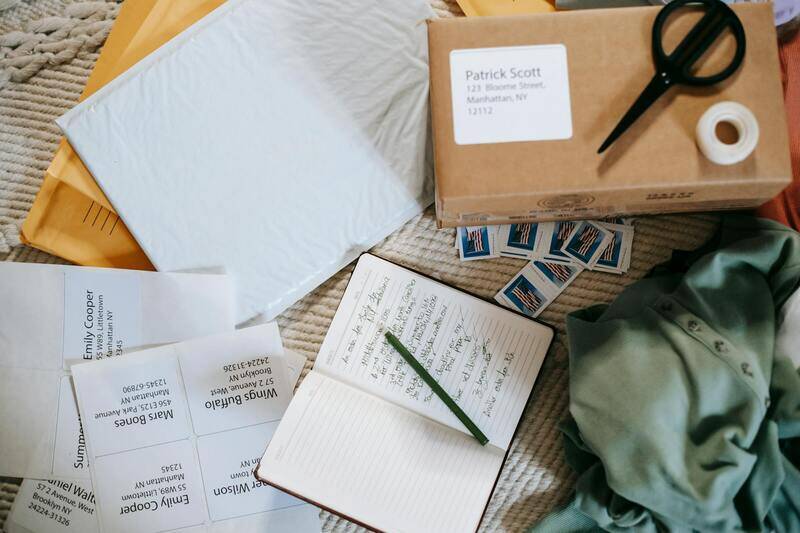
What to send the print shop
To get a correction turned around quickly, send everything in one message:
- A photo of the printed piece showing the error, with a ruler in the shot for scale.
- The original print file, or at least the page with the error.
- The corrected text, written out exactly.
- The quantity to fix and the deadline, including where the fixed pieces need to be.
- Your preferred fix, or a request for the shop to recommend one.
Ask for a single sample sticker or slip before the full batch if time allows. Placing one on a real copy is the fastest way to catch a colour or size mismatch.
Preventing the next one
Most print errors come from a rushed final check. Have a second person proofread dates, prices, names and contact details, which are the items most often wrong, and scan every QR code on the printed proof. Keeping a final checklist in the rush kit takes five minutes and saves many hours.
Fast corrections from us
When a printed job has a mistake and the deadline is close, contact us with a photo and the original file. We can print colour-matched correction stickers, errata slips or replacement inserts the same day, reprint affected pages or badges, and advise honestly whether a sticker will pass or a full reprint is needed. For larger fixes and reprints, our express printing services list the turnaround options. Send the details through our contact page and tell us exactly when and where the corrected pieces must be.