Overview of customised card printing
Customized card printing encompasses the creation of tailored cards designed to meet specific needs across diverse sectors. Its applications range from corporate branding and marketing materials to personalized event invitations, membership cards, gift cards, and personal keepsakes. This process allows for the incorporation of unique designs, logos, images, and text that resonate with the intended audience or recipient. Customized cards serve as powerful tools for brand recognition, customer engagement, and personal expression.
In the business world, customised cards are integral for conveying professional identity and fostering customer loyalty. Companies utilize bespoke business cards that reflect their brand’s aesthetic and values, making memorable impressions during networking events or meetings. Retailers and service providers also issue personalized loyalty or membership cards to enhance customer retention.
Event organizers frequently employ customised invitation cards that add a touch of elegance or thematic relevance to celebrations, corporate functions, or charity events. For personal purposes, individuals opt for unique greeting cards, thank-you notes, or keepsake cards to mark special occasions.
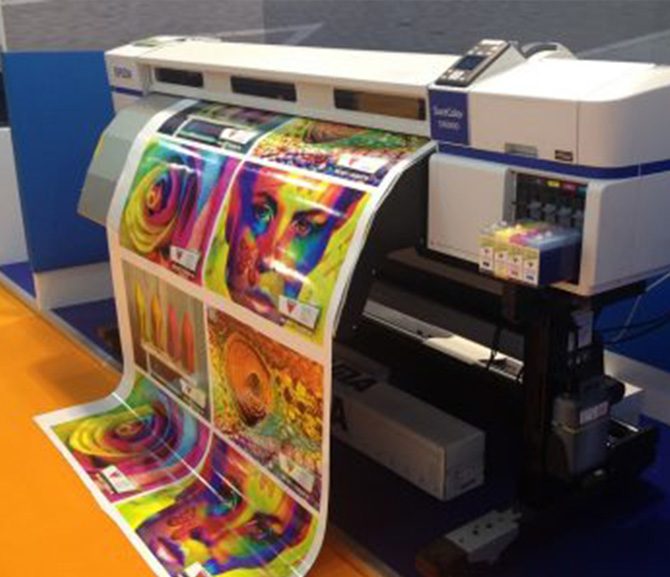
The versatility of customised card printing interfaces seamlessly with digital and traditional marketing strategies, ensuring that each card effectively communicates its intended message with precision and aesthetic appeal. By leveraging advanced printing technologies and high-quality materials, this service caters to a broad spectrum of needs, consistently delivering superior results.
Overview of customised card printing
Customised card printing has become an essential element for delivering messages with personal or professional significance. The process involves creating tailored designs on a variety of card types, using advanced printing techniques to produce high-quality, durable results. Whether used for corporate branding, personal celebrations, or promotional efforts, customised cards stand out due to their ability to convey specific themes, messages, or sentiments with precision and style. The versatility of this service ensures that every card can be uniquely crafted to match the purpose and context it addresses, making it a valuable tool across multiple industries and personal endeavors.
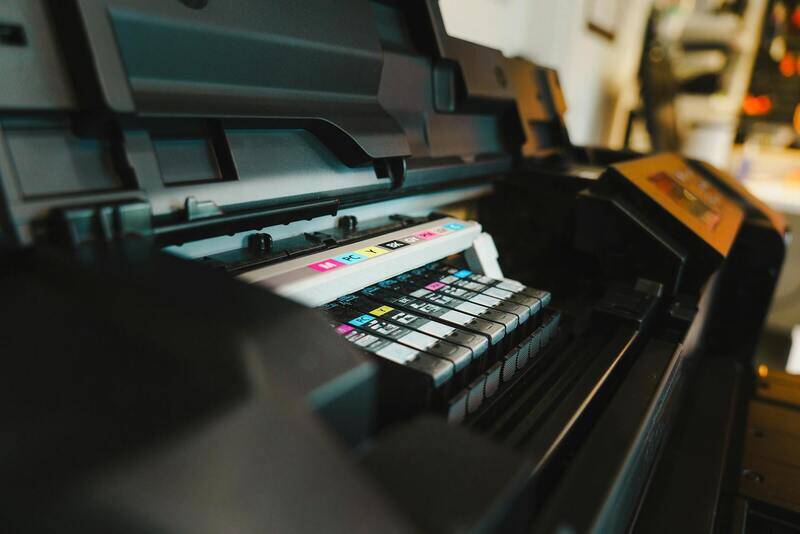
From selecting suitable materials to choosing compelling design elements, each step in the customised card printing process contributes to achieving an end product that communicates effectively while maintaining aesthetic appeal. The integration of innovative printing technologies, such as digital, letterpress, foil stamping, and embossing, allows for intricate details and luxurious finishes. This, coupled with a wide array of material options, enables businesses and individuals to produce cards that genuinely reflect their identity and objectives.
Key Benefits of Customised Card Printing
- Brand Recognition: Cards tailored with brand logos, colors, and messaging reinforce brand identity and foster familiarity among customers or clients.
- Personalization: Unique designs and messages make each card memorable, cultivating stronger personal or professional connections.
- Flexibility and Creativity: A broad spectrum of customization options allows for innovative designs that align with specific themes or occasions.
- Quality and Professionalism: High-grade materials and advanced printing techniques ensure a polished, durable product that leaves a lasting impression.
- Versatility: Suitable for diverse applications, including marketing, networking, greeting, gifting, and event planning.
Visual Impact and Material Choice
The visual appeal of customised cards is significantly influenced by the choice of materials and finishes. High-quality cardstock provides a sturdy feel, while textured or specialty papers like linen, matte, or gloss enhance tactile experiences. Finishing touches such as foil accents, embossing, and spot UV coating add a layer of sophistication and depth, making the design elements pop and capturing attention effortlessly.
Design considerations for customised cards
Design plays a critical role in ensuring that customised cards communicate effectively and resonate with the intended audience. Proper alignment, color schemes, typography, and imagery should be selected to complement the card's purpose. For business cards, clarity and professionalism are paramount, often requiring minimalist layouts with strategic placement of logos and contact information. Conversely, invitation or greeting cards may feature more elaborate artwork, decorative fonts, and vibrant colors.
Balancing creative elements with readability is essential. It is important to consider how the design will translate across different printing materials and finishes. High-resolution images and vector graphics should be used to ensure sharpness even at close inspection. Additionally, keeping design files within the correct dimensions and safety margins helps avoid unwanted cropping or misalignment during the printing process.
Color Consistency and Brand Alignment
Maintaining color accuracy across various printing runs is vital for brand consistency. Pantone matching or standardized color profiles can be used to ensure that shades remain uniform, especially for logos and brand-specific palettes. This attention to detail guarantees that each printed card remains true to the original design specifications, reinforcing brand integrity and visual coherence.
Printing techniques used in customised card production
- Digital Printing: Ideal for small batches and rapid turnaround, digital printing offers vibrant color reproduction and flexibility for complex designs.
- Letterpress: A traditional technique that creates deep, tactile impressions, perfect for luxury invitation and business cards.
- Foil Stamping: Adds metallic sheen to text or design elements, enhancing elegance and visibility.
- Embossing/Debossing: Creates raised or recessed effects, providing texture and dimension.
- Screen Printing: Suitable for large batches with simple designs, offering bold colors and durable results.
Materials and finishes for customised cards
Customized cards can be produced using a wide variety of materials to suit their purpose and aesthetic preferences. Common options include cardstock, matte finish, gloss, silk, linen, and textured papers. Special finishes such as spot UV coating, matte lamination, or soft-touch coatings can elevate the look and feel further, ensuring the card stands out in any context.
Texture and Durability
Textured finishes like linen or tactile embossing can add sophistication while also enhancing durability. For applications that require frequent handling or exposure to the elements, selecting thicker, resistant materials is advisable to maintain quality over time.
Customisation options and features
Customisation extends beyond basic design to include a variety of features aimed at enhancing visual impact and functionality. These options include:
- Die-cut shapes for unique contours
- Layered elements and pop-ups for added depth
- Interactive features such as QR codes or augmented reality integrations
- Textured surfaces and specialty inks for a luxurious feel
- Personalized messages or names for individualized touch
Choosing a customised card printing service
Choosing the appropriate service involves evaluating their portfolio, turnaround times, available options, and customer feedback. Reputable providers offer detailed consultations to help clients select optimal materials, finishes, and design approaches. They also employ state-of-the-art printing technology to ensure consistent quality, along with responsive customer support to address specific requirements and project timelines.
Trends and innovations in customised card printing
The industry continually evolves with innovations such as eco-friendly materials, digital embellishments, and augmented reality features. Laser-cut designs, 3D printing effects, and sustainable substrates are gaining popularity as businesses and individuals seek more sustainable and engaging options. Staying abreast of these trends enables clients to leverage pioneering techniques that set their cards apart.
Design considerations for customised cards
Creating visually compelling customised cards requires meticulous attention to key design elements that resonate with the intended audience and enhance the overall message. A well-balanced layout ensures that all components, including text and images, are harmoniously arranged, guiding the recipient's eye naturally across the card. When designing, consider the focal points—elements that should immediately draw attention—such as logos, names, or primary images. Using a grid system can help maintain alignment and consistency, vital for a polished appearance.
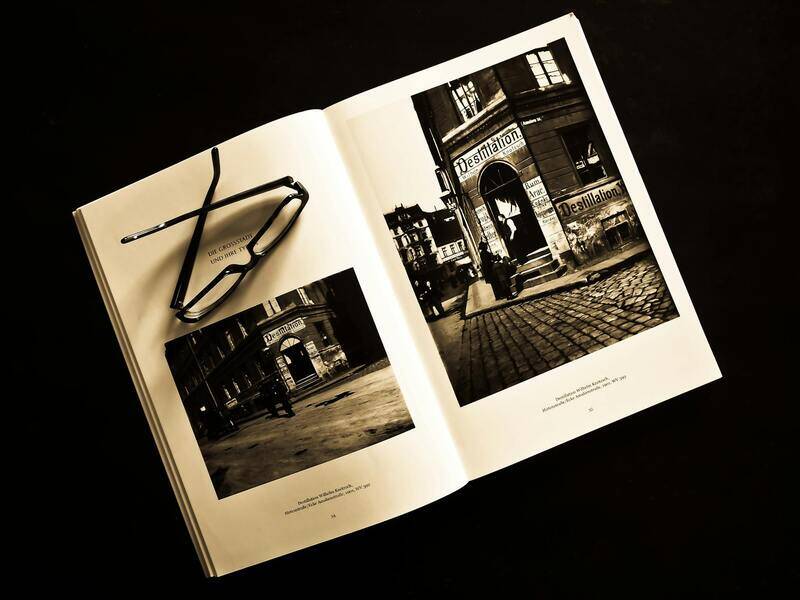
Imagery plays a pivotal role in strengthening the card’s message. High-resolution images aligned with the card’s purpose—be it branding, invitations, or personal messages—must complement the overall design without overwhelming other elements. When incorporating photos or graphics, ensure they are properly scaled and placed to maintain clarity and impact.
- Fonts: The selection of fonts significantly influences readability and tone. Opt for clear, legible typefaces that match the card’s style—be it formal, playful, or modern. Employ a hierarchy of font sizes and weights to differentiate headings, subheadings, and body text effectively.
- Color schemes: Color choices should reflect the brand identity or the intended mood. Harmonious color palettes enhance visual appeal and evoke the right emotional response. Consider contrast levels to ensure text remains easily readable against background colors.
- Whitespace: Adequate spacing around elements avoids clutter and enhances clarity. Proper use of whitespace directs focus and contributes to a clean, professional look.

Furthermore, incorporating brand-specific motifs, patterns, and color accents can reinforce identity and make the card memorable. When designing for customised printing, always consider the final output medium—whether digital or physical—to select appropriate resolutions and dimensions that preserve quality during the printing process.
Collaborating with design professionals or utilising dedicated design tools can streamline the development of your customised cards, ensuring that every element aligns with your vision. This strategic approach to design not only enhances aesthetic appeal but also elevates the perceived value and purpose of the final product.
Materials and Finishes for Customised Cards
Choosing the right materials and finishes is crucial for creating customised cards that not only look appealing but also feel durable and professional. The selection process begins with understanding the various paper types available, each offering different textures and thicknesses to suit specific needs and aesthetic preferences.
- Standard Cardstock: A versatile choice suitable for most applications, providing a solid base for vibrant printing and finishing options. Thicknesses commonly range from 14pt to 32pt for added sturdiness.
- Premium Paper: Includes linen, matte, gloss, or textured finishes that add tactile interest and elevate the perceived quality of the card. Matte finishes reduce glare for easy readability, while gloss enhances color vibrancy.
- Specialty Materials: Options such as transparent, translucent, or metallic papers introduce unique visual effects. These materials can be combined with various finishes to create standout designs.
Regarding finishes, several techniques can enhance both durability and aesthetics:
- UV Coatings: Provide a glossy, protective layer that resists scratches and adds shine—a popular choice for luxury cards.
- Matte Finishing: Offers a smooth, non-reflective surface, ideal for understated elegance and readability.
- Soft Touch: A velvety finish that imparts a luxurious feel, often used in high-end branding materials.
- Spot UV: Targets specific areas for a glossy effect, creating contrast and highlighting certain design elements.
- Embossing and Debossing: Add raised or recessed textures, giving depth and tactile dimension to logos or patterns.
- Foil Stamping: Uses metallic or pigmented foils to add shimmer, making key elements stand out impressively.
Integrating these materials and finishes requires careful consideration of the card’s purpose and the desired visual impact. High-quality print finishes not only protect the design but also enhance the tactile experience, making the card memorable to recipients. When working with a professional printing service, discussing your material and finish preferences ensures that your customised cards achieve both aesthetic excellence and functional durability, aligning perfectly with your branding or personal style objectives.
Materials and Finishes for Customised Cards
Achieving a high-quality, visually appealing customised card depends significantly on selecting the appropriate materials and finishes. Different paper types and textures influence not only the aesthetic appeal but also the durability and tactile experience of the final product. When choosing materials, it is essential to consider the card’s intended use, the desired look, and how it aligns with your branding or personal style.
Paper Types and Textures
- Cardstock: The most common choice, available in a variety of weights and finishes. Thicker options (e.g., 16pt or higher) provide durability and a premium feel, ideal for business cards, invitations, or membership cards.
- Linen or Textured Paper: These papers feature subtle patterns or woven textures that add sophistication and tactile interest, making the card stand out and communicate elegance or exclusivity.
- Recycled or Eco-Friendly Paper: Options crafted from sustainable materials that appeal to environmentally conscious audiences without compromising quality.
- Specialty Papers: Incorporate unique elements such as translucent or metallic papers, which can create distinctive visual effects and enhance branding impact.
Finish Options for Enhanced Visual Impact
- Matte Finish: Offers a smooth, non-reflective surface that exudes understated elegance, ideal for professional or minimalist designs. It also reduces fingerprints and smudges, keeping the card looking pristine.
- Gloss Finish: Provides a shiny, reflective surface that makes colors pop and details stand out vividly. Perfect for vibrant designs or photographic images.
- Laminates: These protective layers add durability and resistance to water, scratches, and stains. Glossy or matte laminates can be applied based on desired aesthetic and functionality.
- Soft Touch Coating: Delivers a plush, velvety surface that enhances the tactile experience, often used for luxury branding to communicate sophistication and quality.
- Spot UV Coating: Strategically applied to highlight specific design elements such as logos or patterns, creating a striking contrast against matte or glossy backgrounds.
Integrating the right material with suitable finishes requires careful planning. It ensures that the final customised card not only looks spectacular but also withstands handling and environmental factors over time. High-quality materials combined with precise finishing techniques elevate the perceived value and effectiveness of your customised cards, reinforcing your brand identity or personal statement efficiently. Selecting a professional printing service that offers expert guidance on materials and finishes will help achieve a harmonious balance between visual impact and durability, aligning perfectly with your specific needs and objectives.
Materials and Finishes for Customised Cards
Choosing the right materials and finishes is crucial to crafting customised cards that are both appealing and resilient. The material selection impacts the card’s durability, weight, and overall impression, while the finishing touches enhance visual appeal and tactile sensation.
Common materials include premium cardstock, PET plastic, and specialty substrates like textured or transparent materials. Each offers distinctive qualities suited to various applications, whether for business branding, personal gifts, or promotional items.
Types of Finishes
- Gloss Finish: A highly reflective surface that amplifies color vibrancy and sharpness, making images and text pop. It’s ideal for photographic imagery and designs that require an eye-catching appearance.
- Matte Finish: Offers a subdued, non-reflective surface that reduces glare and provides a sophisticated look. Perfect for elegant or minimalistic designs, it also helps in reducing fingerprints and smudges.
- Soft Touch Coating: Adds a plush, velvety texture that enhances the tactile experience, often used in luxury branding to communicate exclusivity.
- Laminates: Protective layers such as gloss or matte lamination shield the card from scratches, water, and stains, prolonging its lifespan and maintaining aesthetic quality.
- Spot UV Coating: Applied selectively to emphasize specific areas like logos or patterns, creating contrast and visual interest against matte or glossy backgrounds.
Specialty Elements and Embellishments
Beyond basic finishes, additional embellishments can elevate the attractiveness and uniqueness of customised cards:
- Foil Stamping: Adds metallic accents for a luxurious touch, ideal for high-end branding or special occasion cards.
- Embossing and Debossing: Creates raised or recessed patterns that add depth and tactile interest.
- Raised Printing (Thermography): Elevates certain design elements for a textured, professional look.
- Die-Cutting: Offers customized shapes and edges, resulting in a distinctive profile that sets your card apart.
Selecting the appropriate combination of materials and finishes depends on the intended use and desired aesthetic. High-quality, thoughtfully chosen options bolster the perceived value of your customised card and ensure longevity in handling and display.
Overview of customised card printing
Customised card printing is a sophisticated process that transforms basic card designs into visually striking and tactilely appealing pieces. This method allows for precise control over every aspect of the card’s appearance, including layout, color scheme, finishes, and additional elements, ensuring that each card aligns perfectly with the client’s branding or personal style. The process involves selecting high-quality materials, innovative printing techniques, and custom features, resulting in durable products that leave a memorable impression.
Types of customised cards
Customised cards serve a wide array of purposes, and their types vary based on application and design complexity. Some of the most common categories include:
- Business Cards: Tailored to reflect company branding, incorporating logos, contact details, and unique design elements for professional networking.
- Event Invitations: Elegant and personalised invitations for weddings, parties, or corporate events, often featuring intricate embellishments and unique shapes. li> Membership and Loyalty Cards: Durable cards used for access control or rewards programs, designed with security features and branding elements.
- Gift and Promotional Cards: Customised with vibrant graphics and special finishes to enhance marketing campaigns and customer engagement.
- Identity and ID Cards: Secure, high-quality cards used for access or identification purposes, often integrated with security features.
Design considerations for customised cards
Creating customised cards requires careful planning and attention to detail. Key factors include the choice of color palette, typography, layout, and graphical elements. Additionally, logo placement, consistency with branding, and the overall aesthetic should be harmonised to produce a compelling visual impact. Usability is also important—ensuring cards are easy to handle, read, and, where applicable, scan or use with access systems.
Printing techniques used in customised card production
The quality and versatility of customised cards are largely driven by the printing techniques employed. Some of the industry-standard methods include:
- Offset Printing: Ideal for large quantities, offset printing produces sharp, high-quality images with consistent color reproduction.
- Digital Printing: Suitable for short runs or customised designs requiring quick turnaround, digital printing offers flexibility and customization without sacrificing quality.
- Screen Printing: Used for applying vibrant, opaque colors on various materials, especially suitable for bold designs and specialty finishes.
- UV Printing: Employs ultraviolet light to cure inks instantly, enabling printing on non-traditional surfaces and adding a glossy or matte finish directly onto the card surface.
Materials and finishes for customised cards
The choice of material significantly influences the durability and visual appeal of customised cards. Common materials include:
- Standard Cardstock: Thick paper-based options suitable for most applications, offering affordability and ease of printing.
- Plastic (PVC, PET): Durable and weather-resistant, ideal for membership, loyalty, or security cards.
- Specialty Materials: Translucent or metallic substrates used for unique visual effects and enhanced sophistication.
Finishing touches further elevate customised cards. Popular finishes include:
- Gloss, matte, or satin coatings to control sheen and tactile feel
- Soft Touch Coatings for a plush texture
- Laminations (glossy or matte) for added protection
- Spot UV Coating for selective gloss highlights

Customisation options and features
Customisation extends beyond paper and finishes; it encompasses a broad spectrum of features designed to create distinctive cards. These options include:
- Foil Stamping: Adds metallic accents that create a luxurious appearance suitable for premium branding or special editions.
- Embossing and Debossing: Creates raised or recessed patterns that add depth and tactile interest, elevating the overall design.
- Raised Printing (Thermography): Produces textured, raised elements that provide visual contrast and professional appeal.
- Die-Cutting: Enables custom shapes or edges, allowing the creation of uniquely contoured cards that stand out from standard rectangular forms.
- Magnetic Stripes and RFID Chips: Integration of security and access features for functional applications like ID and loyalty cards.
Strategic combination of these elements can result in highly distinctive, memorable cards that effectively communicate your brand identity and meet practical needs.
Order Processing and Quality Control in Customised Card Printing
Efficient order processing and rigorous quality control are fundamental to delivering customised cards that meet precise client specifications and uphold high standards of professionalism. Once a design is finalized, the order enters a systematic production pipeline that ensures accuracy at every stage.
Initial verification involves confirming the design file’s specifications, including dimensions, colour profiles, and placement of custom features. This step minimizes errors and guarantees that the final product aligns with client expectations. The production process then proceeds with choosing the appropriate materials and printing techniques, tailored to the design requirements, whether it involves special finishes or security features.
Throughout manufacturing, quality control checks are implemented at critical points to monitor colour consistency, print alignment, and innovative features like embossing or foil accents. This thorough inspection process ensures that each card not only meets aesthetic standards but also withstands everyday use, maintaining the durability of printed elements and finishes.
Furthermore, modern printing services often incorporate digital quality assurance tools, such as high-resolution imaging and color calibration software, to detect and rectify discrepancies preemptively. This proactive approach guarantees consistent output, especially when producing large batches for corporate branding, loyalty programs, or events.
- Pre-production file review for design adherence
- Material and print quality checks
- Colour matching and calibration
- Verification of special features (e.g., foil, embossing)
- Final review before dispatch
Delivery and Client Satisfaction in Customised Card Printing
After successful quality verification, customised cards are carefully packaged to prevent damage during transit. Clear communication during the delivery process, including tracking and expected arrival times, reinforces professionalism and ensures client satisfaction.
Clients benefit from post-delivery support, which includes visual assessments and feedback channels to address any concerns promptly. Reliable service providers also offer options for reprints or adjustments should the delivered cards not meet the specified standards or expectations, further solidifying trust and long-term partnerships.