Overview of Card Printing Services in Singapore
Singapore boasts a vibrant market for card printing services, catering to a wide array of personal, corporate, and organizational needs. Whether for business branding, staff identification, customer loyalty programs, or official identification credentials, the variety of cards produced locally reflects the demand for high-quality, durable, and customized solutions. Card printing in Singapore combines advanced technologies with skilled craftsmanship to deliver products that meet diverse requirements efficiently and professionally.
From small-scale startups to large corporations, businesses in Singapore recognize the importance of professionally printed cards for brand representation and operational efficiency. The services are accessible through numerous established providers, each offering tailored solutions, bulk printing options, and state-of-the-art techniques to ensure the final product aligns with the client's specifications. With strict adherence to quality standards, these providers integrate innovative materials and printing methods to produce cards that are not only visually appealing but also functional over an extended period.

In addition to offering a variety of card types, many providers also offer design assistance and customization options, enabling clients to create distinctive and memorable cards. Whether for corporate branding or personal use, Singapore’s card printing services prioritize precision and quality, backed by extensive experience in handling diverse printing requirements. This robust industry support makes Singapore a reliable hub for legitimate, high-standard card printing solutions.
Types of Cards Offered and Their Uses
- Business Cards: Essential for networking and corporate identity, these cards need to be professional and memorable, often reflecting brand colors and logos.
- ID Cards: Used for access control, employee identification, or governmental purposes; these require secure printing features and specific materials.
- Membership and Loyalty Cards: Designed to enhance customer engagement, these cards often feature magnetic stripes or RFID technology for interactive use.
- Event and Conference Badges: Customizable for various event types, they help with attendee identification and access management.
Materials and Printing Technologies
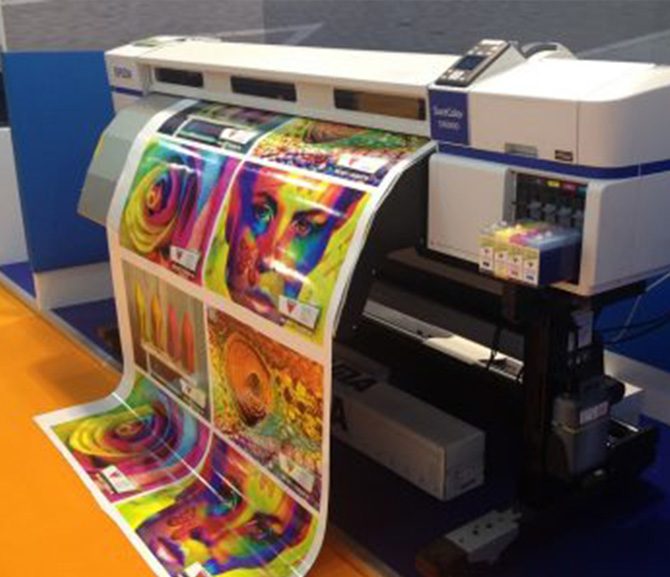
Providers utilize a range of materials such as PVC, PET, and composite cards to ensure robustness and compatibility with different functionalities. Modern printing technologies, including offset printing, digital printing, and thermal printing, are employed based on the design complexity, volume, and durability requirements. High-definition printing ensures vivid color reproduction, while embossing and lamination techniques enhance tactile and protective qualities.
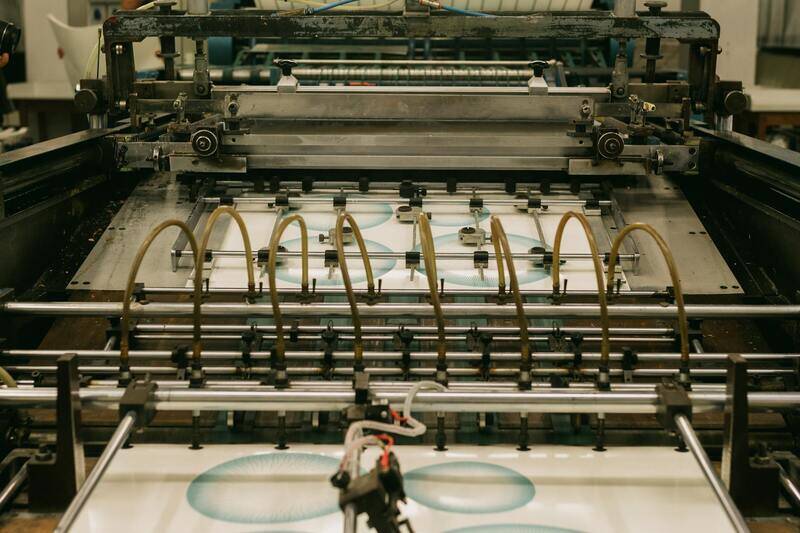
Overall, the emphasis on quality materials and cutting-edge printing methods guarantees the creation of cards that meet high standards of appearance, security, and longevity, fitting various legitimate needs within the Singapore market.
Materials and Printing Technologies in Singapore Card Printing
Singapore’s card printing service providers prioritize the use of high-quality materials to ensure the durability and functionality of each card. Common materials include polyvinyl chloride (PVC), polyethylene terephthalate (PET), and composite materials that combine various elements for enhanced features. PVC remains the predominant choice due to its durability, flexibility, and ease of printing, making it suitable for business cards, ID cards, and membership cards. PET offers a thinner, more flexible alternative, which is ideal for cards embedded with electronic components or RFID chips.
Modern printing technologies are employed to produce sharp, vibrant, and highly detailed designs on these materials. Offset printing is often used for bulk orders requiring consistent color reproduction, while digital printing provides flexibility for smaller quantities with a quick turnaround. Thermal printing, including direct thermal and thermal transfer methods, is especially valuable for producing access control cards and event badges with specific security features.

Advanced techniques such as embossing, which raises specific areas for a tactile effect, and lamination, which adds a protective glossy or matte finish, further enhance both the appearance and longevity of the cards. These methods are critical for producing professional-grade products that withstand frequent handling and environmental factors, making them suitable for various legitimate uses within Singapore's dynamic market.
Design and Customization Options
Card printing providers in Singapore offer extensive customization options to tailor each card to specific branding and functional needs. Custom design templates, logo integration, and unique color schemes help ensure each card aligns with the client’s identity. Advanced software tools enable the addition of security features such as holograms, UV printing, microtext, and serial numbering, which serve to authenticate and protect the cards.
Customization also extends to shape and size modifications, with options for rounded corners, custom cutouts, or even embossed symbols and text for added visual appeal and tactile feedback. For RFID and magnetic stripe cards, precise encoding ensures seamless user interactions across various access systems and POS terminals.

This versatility allows businesses and organizations to develop visually compelling cards that serve multiple functions, from branding and customer engagement to security and identification.
Ensuring Quality and Durability in Card Production
Quality assurance processes are integral to Singapore's card printing industry, incorporating rigorous inspections at each production stage. This ensures color accuracy, alignment, and adherence to specified security features. Durable materials, combined with protective lamination, help safeguard cards against scratches, fading, and environmental damage. Resistance to bending and cracking is vital, especially for cards that are frequently handled or subjected to rigorous use.
Many providers adopt environmental testing standards, verifying that their cards perform reliably under various conditions, including exposure to sunlight, moisture, and mechanical stress. As a result, clients receive products with high longevity, capable of maintaining their functionality and visual appeal over time, which is critical for official documentation, identification, and customer loyalty programs.
Cost Considerations and Pricing Structures
Pricing for card printing in Singapore varies based on factors such as material choice, design complexity, quantity, and added features like magnetic strips or holograms. Bulk orders generally benefit from reduced unit costs, while custom or intricate designs may incur additional charges. Suppliers often offer tiered pricing models that accommodate both small-volume and large-scale projects, providing flexibility for diverse organizational needs.
Investing in high-quality cards with advanced security features may incur higher upfront costs but results in greater longevity and security, reducing the need for frequent replacements. Transparent pricing and detailed quotations allow clients to balance their budget with the required quality standards for professional, legitimate card solutions.
Choosing a Reputable Card Printing Provider in Singapore
When selecting a card printing service, it is essential to evaluate the provider’s experience, technology capabilities, and adherence to industry standards. Reputable companies demonstrate a portfolio of diverse projects, showcase a strong understanding of security features, and maintain transparent communication throughout the process.
Clients should also consider the provider’s capacity for customization, turnaround times, and post-production support, including reprints and revisions. Finding a partner committed to consistent quality and compliance ensures that the final products fulfill their intended purpose effectively and efficiently, aligning with official requirements and business needs.
Materials and Printing Technologies
Singapore’s card printing industry employs a variety of advanced materials and innovative printing technologies to produce high-quality, durable cards suited to different needs. The most common material used is Polyvinyl Chloride (PVC), known for its robustness, flexibility, and affordability. PVC cards are resistant to wear and tear, making them ideal for frequent handling or long-term use, such as membership cards, employee ID badges, and access control cards.
Another popular material is Polyethylene Terephthalate (PET), which offers enhanced durability and security features. PET cards are often chosen for applications demanding higher resistance to chemicals and environmental factors, such as outdoor event passes or secure identification cards.
In addition to plastics, paper-based cards are occasionally used for temporary purposes or promotional events where cost efficiency is prioritized over longevity. These can include paper badges or tickets, which are typically printed using digital or offset printing methods for quick turnaround.

Printing Methods
Singapore’s top card printing providers utilize multiple printing technologies to meet diverse requirements. Digital printing stands out for its rapid production cycles and cost-effectiveness, especially suitable for small batches or customized designs. It allows for high-resolution images, intricate logos, and variable data printing, ensuring each card is tailored to specific needs.
Offset printing remains a preferred choice for large-volume orders due to its efficiency and high-quality output. This method ensures consistent color fidelity and sharp detail, making it ideal for corporate branding cards or extensive event passes.
Holographic printing is increasingly popular for security and visual appeal. Incorporating holograms adds a layer of authenticity and anti-counterfeiting measures, making it a valuable feature for high-stakes applications such as government IDs, corporate access cards, and premium membership badges.
Overview of Card Printing Services in Singapore
Singapore's card printing industry is known for its versatility and commitment to quality, serving a broad spectrum of clients including corporations, government agencies, educational institutions, and event organizers. These services encompass everything from simple identification badges to highly secured access cards, tailored to meet specific operational requirements.
Leading providers leverage cutting-edge technology and innovative materials to produce cards that are durable, visually appealing, and functional. Whether for daily employee identification, membership access, or promotional giveaways, Singapore's card printing services are equipped to handle large orders with consistent quality and rapid turnaround times.
Clients benefit from comprehensive service packages that include design consultation, material selection, and customization options, ensuring each card aligns with branding standards and security needs. The industry emphasizes the importance of precision and adherence to specifications, making it a reliable solution for organizations aiming to enhance security and professionalism through well-printed cards.
Types of Cards Offered and Their Uses
The diversity of card types available in Singapore reflects the multifaceted requirements of different sectors. Here are some of the most commonly produced cards and their typical applications:
- Identification Cards: Used by employees, students, and members, these cards often feature photo identification, names, and access permissions. They are essential for security protocols within organizations.
- Access Cards: Employed to control physical entry to buildings, rooms, or secured areas. These often incorporate RFID or magnetic stripe technology for seamless access management.
- Membership Cards: Issued by clubs, gyms, or loyalty programs, these cards help track member activity and rewards. Customization with branding elements enhances recognition.
- Event Passes: Temporary or permanent passes for concerts, conferences, or exhibitions. They often include event-specific details and security features.
- Payment or Gift Cards: Facilitating cashless transactions, these cards are embedded with chip technology to ensure secure payments.
- Security and Certification Cards: For government or corporate use, incorporating security features and data protection measures.
Materials and Printing Technologies
The choice of materials and technology plays a crucial role in the durability, security, and visual appeal of printed cards. Singapore's card printers employ a range of advanced techniques to meet these demands.
Materials commonly used include:
- PVC (Polyvinyl Chloride): The most prevalent material due to its durability and flexibility. Suitable for long-term use in identification and access cards.
- Polycarbonate: Known for its high impact resistance and security features, ideal for high-security applications.
- Composite Materials: Combining multiple substances to achieve specific properties like increased security or environmental resistance.
- Paper and Cardboard: Used for temporary or promotional cards where cost-efficiency is prioritized over longevity.
Printing technologies employed in Singapore’s card production include:
- Digital Printing: Offers rapid turnaround, high customization, and the ability to print in small batches. Suitable for personalized or limited editions.
- Offset Printing: Preferred for large-volume projects, providing consistent color output and sharp detail.
- Holographic and Overlay Printing: Adds security elements and visual enhancement through holograms, UV printing, or overlay layers.
- Embossing and Magnetic Strip Printing: Facilitates added functionality such as tactile features and data storage.

Stay mindful that the selection of material and technology depends largely on the specific application, required lifespan, and security levels needed for the card.
Ensuring Quality, Durability, and Longevity in Card Printing Singapore
When investing in card printing services within Singapore, it is essential to prioritize quality assurance and durability. High-quality printed cards not only enhance the aesthetic appeal but also ensure that the cards withstand various environmental conditions and regular usage over time. Choosing the right materials and printing techniques plays a pivotal role in achieving this goal.
Standards for print quality encompass several factors, including high-resolution images, consistent color output, and clear text reproduction. Modern printing technologies like digital and offset printing are designed to meet these standards, offering precision and vibrancy. The thickness and weight of the card are equally important, especially for items intended for prolonged use. Typically, PVC cards range from 0.76mm to 0.84mm in thickness, offering a sturdy feel while maintaining flexibility.
Water resistance is another critical aspect, particularly for identification and access cards used outdoors or in humid environments. Advanced laminates and protective overlay layers are applied during the printing process to shield the cards against water, dirt, and general wear and tear. The inclusion of holographic overlays not only enhances visual security but also provides additional scratch and water resistance.
For added longevity, some card printers in Singapore incorporate UV coating or thermal lamination. These protective layers bolster the resistance against fading, scratching, and physical damage. Furthermore, embedding security features such as embedded chips or magnetic strips should be executed with precision to prevent deterioration over time, ensuring data remains accessible and secure.
Manufacturers often adhere to industry-specific standards and conduct rigorous testing, such as bend testing, abrasion resistance, and water exposure tests, to certify the card’s resilience. In Singapore’s competitive environment, providers committed to excellence implement comprehensive quality control protocols throughout the production process to consistently deliver high-caliber products that meet the precise needs of clients.
Overview of Card Printing Services in Singapore
Singapore hosts a robust landscape of card printing service providers known for delivering high-quality, customized cards tailored to a diverse range of needs. These services cater to corporate entities, educational institutions, hospitality businesses, and individuals seeking professional-grade cards for identification, access control, loyalty programs, and promotional purposes. Reputable providers employ cutting-edge technologies and premium materials to produce cards that meet stringent standards for appearance, durability, and security.
These companies differentiate themselves by offering comprehensive solutions—from initial concept design to final production—ensuring each card aligns with the client’s branding and functional requirements. Moreover, established providers maintain strict quality control protocols to guarantee consistency and reliability across all produced batches, reinforcing their reputation for precision and professionalism.
Types of Cards Offered and Their Uses
- Identification Cards: Used in corporate, educational, and governmental settings, these cards serve as a primary means of secure identification and access control.
- Access Control Cards: Employing technologies such as RFID and magnetic stripes, these cards enable secure entry to premises or restricted areas.
- Loyalty and Membership Cards: Designed for retail and hospitality sectors, these cards facilitate customer engagement and reward programs.
- Gift and Promotional Cards: Custom printed with branding elements, these cards serve as effective marketing tools and customer incentives.
- Event and Conference Passes: Durable and visually appealing, these serve as badges for attendees, ensuring seamless event management.
Materials and Printing Technologies
The most common material used in card printing is PVC, favored for its durability, flexibility, and high-quality surface for printing. Depending on the application, providers also utilize other materials such as PET or composite substrates to enhance specific features like water resistance and lifespan. Advanced printing technologies, including direct-to-card (DTC) printing and reverse printing, ensure high-resolution images, crisp text, and vibrant colors.
Security features are seamlessly integrated into the printing process, with options like holographic overlays, embedded chips, magnetic strips, and UV printing. These technologies not only improve aesthetics but also significantly enhance functionality and protection against counterfeiting.
Design and Customization Options
Clients can personalize cards with a wide array of design elements, including logos, images, text, and color schemes. Modern printing solutions support intricate personalization through digital graphics, allowing businesses and organizations to craft unique visual identities. Additional customization options include:
- Varied shapes and sizes beyond the standard rectangular format
- Embedded security holograms and watermarks
- Special finish effects such as matte, gloss, or matte-gloss combinations
- Overlay layers with QR codes or serial numbers for inventory management
Quality Assurance and Durability
To ensure longevity, reputed card printing providers utilize high-quality raw materials combined with protective lamination and coatings. These measures shield cards from scratches, water damage, fading, and general wear and tear. Resistance to environmental factors is critical, especially for cards used outdoors or in humid conditions. As part of their quality assurance, providers conduct rigorous tests, including bend tests, abrasion resistance assessments, and exposure to water and sunlight, verifying that each batch meets durability standards.
Furthermore, adherence to industry-specific standards—such as ISO certifications and material safety protocols—underpins the commitment to producing reliable, long-lasting cards. This thorough approach ensures clients receive products that withstand the rigors of daily use while maintaining visual integrity over time. A meticulous quality control process throughout the manufacturing cycle guarantees that each card delivered aligns with the expected performance and aesthetic criteria, fostering trust and satisfaction among clients seeking professional card printing solutions in Singapore.
Overview of Card Printing Services in Singapore
Singapore boasts a comprehensive array of professional card printing services that cater to diverse business and personal needs. These providers employ advanced printing technologies and a wide range of materials to produce high-quality cards with precise features and vibrant finishes. Whether you require business cards, membership cards, identification cards, or event passes, reputable printers in Singapore focus on delivering consistent results, adhering to stringent quality standards, and providing customized options to meet specific branding or functional requirements.

Types of Cards Offered and Their Uses
Card printing companies in Singapore offer an extensive selection of card types designed for different purposes. Some of the most common include:
- Business Cards: Essential for professional networking, these cards often feature the company's branding, contact details, and sometimes, QR codes for digital access.
- Membership and Loyalty Cards: Used by retail, hospitality, and fitness industries to reward frequent customers, these cards often incorporate security features and tracking capabilities.
- Identification (ID) Cards: Employed by corporations, educational institutions, or government agencies, these cards include barcode or RFID technology for secured access.
- Event Passes: Used for conferences, concerts, or festivals, these are designed to be easily recognizable and sometimes include holographic elements for authenticity.
- Gift and Prepaid Cards: Popular in retail and hospitality sectors for gift-giving, these cards are designed with attractive finishes and security features to prevent fraud.
Customization and Finishing Options
Manufacturers frequently provide options for customization such as unique shapes, sizes, and finish effects, allowing clients to create distinctive, memorable cards tailored to their brand identity or functional needs.
Materials and Printing Technologies
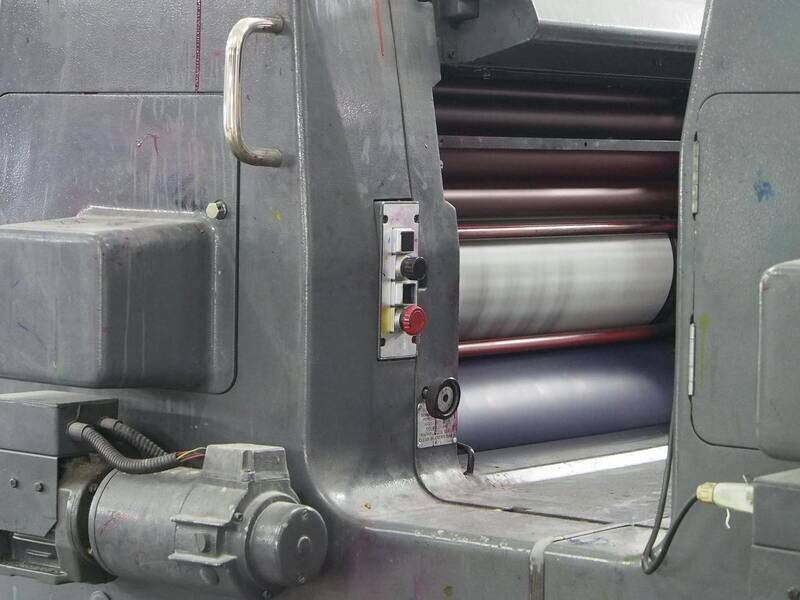
Material selection significantly impacts the durability and appearance of printed cards. Common options include PVC, PET, and composite materials, each offering varying degrees of flexibility, rigidity, and resistance to environmental factors. Modern printing methods, such as UV offset printing, digital printing, and screen printing, enable high-resolution image reproduction, sharp text, and vibrant color saturation. Advanced techniques like embedded holograms, UV inks, and microtext can also be integrated to enhance security and visual appeal.

Design and Customization Options
Design options are vast and highly customizable. Clients can choose from pre-designed templates or work with designers to develop original artwork that aligns with brand visuals. Additional features include:
- Choice of finishes such as matte, gloss, or satin to influence the card's texture and visual impact.
- Incorporation of security features like holograms, watermarks, serial numbers, or QR codes for authenticity and tracking.
- Special effects, including foil stamping, embossing, and spot UV coating, to create embossed logos or reflective accents.
- Multiple layers of overlays and protective coatings to enhance durability and resistance to scratches and water damage.
Quality Assurance and Durability
Reputable card printing providers in Singapore prioritize high-quality raw materials alongside meticulous manufacturing processes to ensure longevity. Protective lamination and coating layers serve as barriers against scratches, fading, moisture, and environmental degradation. To verify the sturdiness of printed cards, providers conduct rigorous testing procedures, including bend resistance, abrasion tests, and exposure to water, sunlight, and temperature fluctuations. These assessments confirm that the cards maintain their visual appeal and structural integrity under daily usage.

Cost Factors and Pricing Structures
Pricing for card printing in Singapore depends on several key variables:
- Material Choice: Premium materials like PVC or composite layers generally cost more but offer increased durability and a premium feel.
- Design Complexity: Incorporating advanced security features or intricate artwork can influence costs due to increased printing and finishing requirements.
- Printing Technique: Offset printing, digital printing, and lamination each have distinct pricing implications based on volume and desired quality.
- Order Quantity: Larger orders often benefit from volume discounts, reducing per-piece costs.
- Additional Features: Custom shapes, special finishes, holograms, and embedded tech elements can add to the overall expense.
For clients seeking cost-effective solutions, some providers offer tiered packages or bulk discounts, supporting a balance between quality and budget constraints while maintaining professional standards for each card produced.
Comprehensive Methods for Card Printing in Singapore
When it comes to producing high-quality cards, utilizing official and reputable printing methods is essential to ensure durability, security, and professionalism. In Singapore, the most trusted practices involve advanced printing technologies that adhere to stringent standards, providing clients with products that meet both practical and aesthetic requirements. Businesses and individuals seeking card printing services should prioritize providers that employ certified techniques, offering transparency in their processes and materials.
Utilizing Certified Printing Technologies
Leading card printing providers in Singapore leverage cutting-edge technologies such as digital printing, offset printing, and lamination processes. Digital printing allows for rapid turnaround times and customization flexibility, making it suitable for small to medium runs with complex designs or personalized information. Offset printing, on the other hand, offers superior color fidelity and consistency, ideal for large-volume production where high-quality visual output is crucial. Lamination techniques add an additional layer of protection, safeguarding the printed surface against scratches, fading, and environmental factors.

Security Measures and Certification Standards
To uphold safety and authenticity, recognized providers incorporate security features aligned with industry standards. These may include holographic overlays, microtext, UV elements, and embedded chips, which serve to deter counterfeit attempts and validate the authenticity of the cards. Certification of printing facilities under relevant quality assurance schemes indicates a commitment to consistent, high-quality outputs that adhere to strict process controls and material specifications. Such official certifications build trust and affirm the legitimacy of the printing operations.
Materials and Ethical Sourcing
Printing official cards requires the use of premium, durable materials like PVC, composite layers, or biodegradable alternatives that meet environmental and safety regulations. Suppliers who source raw materials responsibly ensure minimal environmental impact and adherence to ethical standards. Verifying the origin of materials and requesting documentation of certified processes helps clients confirm they are engaging with providers committed to sustainability and quality, reducing the risk of substandard or counterfeit components entering the supply chain.
Ensuring Data Privacy and Confidentiality
Legitimate card printing firms strictly follow data privacy protocols when handling sensitive information such as employee details, membership credentials, or financial data. Confidentiality agreements and secure processing systems are standard, with operations conducted within controlled environments that prevent unauthorized access. For cards involving embedded technology, such as RFID or smart chips, providers implement encryption and security protocols to protect against digital breaches, aligning with international standards for data protection.
Verification of Authentic Processes
Clients are advised to request comprehensive documentation detailing the printing process, materials used, and security features incorporated. Suppliers who are transparent about their procedures, including the use of licensed equipment, authorized printing techniques, and certified security measures, demonstrate their commitment to authenticity. Performing factory audits or site visits, where feasible, can further confirm the legitimacy of the provider's operations and assure that official methods are rigorously followed.

Conclusion
Adherence to official, proven methods for card printing in Singapore ensures that the final product is both durable and secure. From utilizing the latest certified technologies to sourcing responsible materials and maintaining strict data privacy protocols, reputable providers uphold high standards that meet client expectations. Choosing a card printing partner committed to legitimate and standardized procedures guarantees a professional, trustworthy solution tailored to diverse needs.