Understanding Large Format Printing
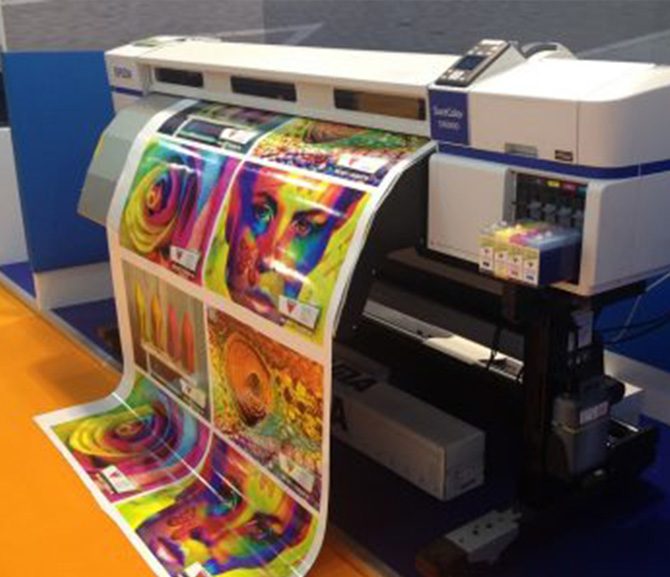
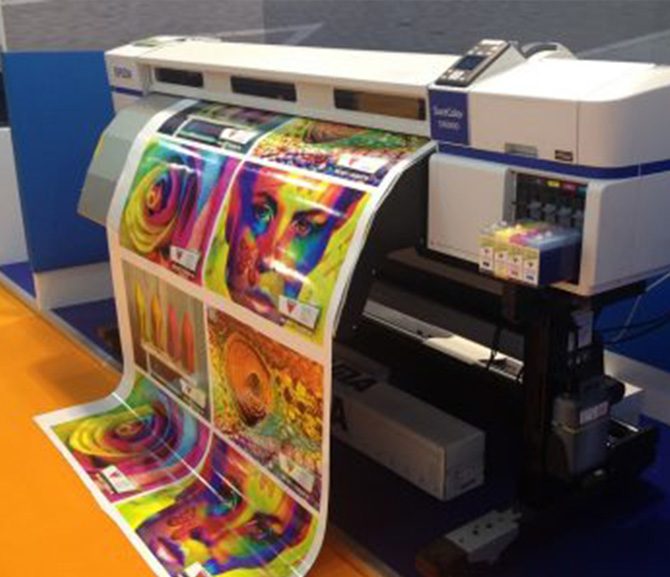
Large format printing is a specialized printing process designed to produce images and graphics of substantial size, typically exceeding 24 inches in width. This technique is widely adopted across diverse industries, enabling the production of high-impact visual displays that demand clarity, durability, and vibrant color reproduction. The primary goal of large format printing is to create eye-catching visuals for various purposes, including advertising, signage, exhibition displays, and architectural presentations.
Among the most common applications of large format printing are billboards, trade show graphics, storefront displays, vehicle wraps, and custom murals. These projects require precise, high-quality output capable of drawing attention from afar while maintaining image integrity up close. Consequently, industries such as retail, real estate, event planning, and corporate branding heavily rely on large format printing services to communicate their messages effectively.
Using advanced printing technology, large format printers can handle a range of materials, including vinyl, fabric, paper, and canvas. This versatility allows for innovative and customized solutions tailored to specific project needs. The ability to produce prints of significant size without compromising detail or color accuracy makes large format printing a vital component in visual communication strategies.
As technology advances, the scope of large format printing continues to expand, incorporating more sustainable materials and eco-friendly processes. This ensures that clients can meet their branding and promotional goals while supporting environmental responsibility. Whether for temporary marketing campaigns or permanent installations, understanding the fundamentals of large format printing is essential for selecting the right solutions to meet specific objectives.
Understanding Large Format Printing
Large format printing encompasses a range of techniques designed to produce expansive visual displays that effectively convey messages, reinforce branding, and captivate audiences across diverse settings. This printing method is characterized by its ability to generate high-resolution images on sizable media, which is essential for impactful visual communication. The process involves sophisticated machinery capable of handling various substrates with precision, ensuring vibrant color reproduction and sharp detail regardless of the print dimensions.

Applications of large format printing have become ubiquitous in many industries. Outdoor advertising displays, such as billboards and transit advertisements, leverage large-scale prints to reach broad audiences. Indoor environments, including retail stores, exhibitions, and corporate offices, utilize banners, wall coverings, and murals to reinforce visual branding. Event organizers depend on custom backdrops and signage to create cohesive themes and impactful presentations. The flexibility of large format printing extends further to vehicle wraps, which serve as moving advertisements that attract attention on the go.
At the core of this process is the ability to produce detailed images that remain consistent and visually appealing from various viewing distances. Technological advancements enable printers to manage color accuracy and resolution at levels that were previously unattainable for such large formats. Additionally, wide-ranging material compatibility allows for innovative applications, from durable outdoor vinyl banners to lightweight fabric backdrops used in theatrical or trade show settings.

In recent years, the expansion of large format printing has been driven by ongoing improvements in printer technology and ink formulations. These innovations have resulted in faster production times, enhanced durability, and environmentally friendly options that support sustainability goals. As a result, businesses can enjoy bold, high-impact visuals that are both eco-conscious and cost-effective, enabling a more responsible approach to marketing and branding initiatives.
To achieve optimal results, understanding the technical aspects behind large format printing solutions is essential. This includes knowledge of substrate compatibility, resolution settings, and color management techniques. Such expertise ensures that every project, whether temporary or permanent, delivers the intended visual impact while maintaining longevity and resistance to environmental factors such as UV exposure, moisture, and physical wear.
Understanding Large Format Printing
Large format printing is a specialized printing process designed to produce expansive visual displays that maintain high quality and sharpness across extensive surfaces. This technique is indispensable in industries such as advertising, event planning, interior design, and signage, where impactful visuals are required to attract attention and communicate messages effectively. The process involves advanced printers capable of handling wide media widths, often exceeding 24 inches, to accommodate large-scale banners, wall murals, vehicle wraps, and more. The core advantages of large format printing include exceptional detail, vibrant color reproduction, and the ability to print on a broad selection of materials. These attributes make it an ideal choice for creating eye-catching displays that serve both aesthetic and informational purposes. Moreover, the technology behind these printers allows for quick turnaround times, making it feasible for businesses to meet tight deadlines without compromising on quality. High-resolution output is critical in large format printing, as images need to stay crisp and visually engaging from various distances. This is achieved through specialized inkjet technologies that deposit microscopic ink droplets with precision onto substrates. The result is vivid, durable prints that withstand environmental exposure, making them suitable for outdoor applications where weather resistance is essential. The process also emphasizes color accuracy. Calibrated color management systems ensure consistency across different batches and materials, which is vital for brand coherence. Environmental considerations are increasingly influencing large format printing practices, leading to innovations in eco-friendly inks and sustainable substrates that reduce ecological footprints.
Understanding the technical aspects involved in large format printing enables clients and designers to plan effectively and select appropriate materials and specifications for their projects. Factors such as resolution settings, color profiles, and substrate compatibility play pivotal roles in achieving desired visual outcomes and long-term durability. Collaborating with experienced service providers ensures that technical nuances are managed expertly, leading to successful project execution from initial concept to final installation.
Types of Large Format Printing Materials
The selection of materials is fundamental to the success of large format printing projects, directly influencing the aesthetics, durability, and suitability of the final product. Different substrates offer specific advantages tailored to various applications and environmental conditions.
- Vinyl: One of the most common materials, vinyl is highly versatile and weather-resistant, making it ideal for outdoor signage, banners, and wraps. Its durability against UV rays, moisture, and physical stress ensures longevity, even in harsh conditions.
- Fabric: Used for indoor displays, backdrops, and trade show booths, fabric substrates provide a softer appearance with vibrant color reproduction. They are light-weight, easy to transport, and can be treated for wrinkle resistance and durability.
- Mesh: Typically made of perforated vinyl or polyester, mesh materials are designed for applications requiring wind resistance, such as building wraps or outdoor banners. Their breathable structure allows wind to pass through, reducing stress on the printed surface.
- Rigid substrates: Materials such as foam boards, acrylic, and aluminum are favored for permanent signage, point-of-purchase displays, and art installations where a sturdy, high-end finish is desirable.
Choosing the appropriate substrate depends on the intended environment, longevity requirements, and aesthetic preferences. Experienced printing providers can advise on the best material to balance visual impact with durability to ensure the project's success.
Technological innovations continue to expand the possibilities of large format printing materials. Eco-friendly options, such as biodegradable substrates and water-based inks, are increasingly available, aligning with sustainability initiatives while maintaining high quality. As this field evolves, staying informed about material options ensures that projects meet both aesthetic and functional expectations efficiently and effectively.
Understanding Large Format Printing
Large format printing is a specialized process designed to produce high-quality visual displays on wide surfaces, often exceeding 24 inches in width. This printing method is essential for creating impactful visual communications, such as banners, posters, murals, and signs that demand attention and clarity. The process involves advanced printing equipment capable of handling substantial dimensions while maintaining precise color accuracy and detail. It requires careful planning regarding material choice, ink formulation, and printing techniques to ensure the final product meets the specific needs of clients spanning retail, events, architecture, and branding.
A critical component in large format printing is understanding the different stages involved, from preparing digital files with high resolution settings to selecting the appropriate substrates for the intended environment. The process often includes a series of steps: designing, proofing, material selection, printing, and finishing. Success in large format printing hinges on meticulous attention to detail across each phase, ensuring the output is vibrant, durable, and aligned with the project’s objectives.

Utilizing high-performance printers equipped with advanced ink delivery systems, such as piezoelectric or thermal inkjet technologies, allows for fine control over ink placement and color gradation. These printers support a variety of inks, including solvent, UV-curable, dye sublimation, and latex inks, each suited to different applications based on durability, environmental exposure, and visual requirements. The choice of printing technology and ink significantly influences the longevity, appearance, and resistance of the finished product. For example, solvent-based inks are often favored for outdoor signage due to their weather resistance, while UV-curable inks are ideal for premium indoor displays.
The ability to produce prints in a range of sizes, from small banners to massive murals, highlights the versatility of large format printing. It also emphasizes the importance of partnering with experienced providers who understand the nuances of the process, including color management, material compatibility, and finishing techniques. This expert guidance ensures that every output not only meets aesthetic standards but also withstands environmental challenges over time.

Overall, the complexity and technical demands of large format printing require a comprehensive understanding of printing technology and materials. When executed correctly, the results are visually stunning, durable, and perfectly suited to a wide array of applications, cementing its role as an indispensable solution in modern visual communication strategies.
Understanding Large Format Printing
Large format printing encompasses a wide range of custom printing solutions designed to create eye-catching visuals on expansive surfaces. Unlike standard printing capabilities, large format printing allows for the production of high-resolution images at significantly larger sizes, making it ideal for advertising, branding, and decorative purposes. This process involves specialized printers capable of handling wide rolls of media, ensuring that large-scale graphics are crisp, vibrant, and durable. Precision in color accuracy, material selection, and finishing techniques are critical to achieving professional results that meet the specific needs of each project. Operators must also account for proper alignment, color management, and substrate compatibility to ensure consistent quality throughout the production process. Whether for indoor or outdoor applications, a strategic approach to large format printing guarantees impactful visuals that draw attention and convey messages effectively.

Understanding the nuances of large format printing involves familiarity with various printing methods, substrates, and finishing options. High-quality output relies on advanced technology, skilled operators, and meticulous quality control measures. The durability of the final product is often influenced by the choice of ink and media, especially when exposed to environmental elements. UV-curable inks, for instance, offer exceptional longevity and color retention for outdoor signage, while dye sublimation provides vibrant, soft finishes ideal for fabric displays. Moreover, the ability to produce consistent color matching and high-resolution images on extensive surfaces underscores the importance of partnering with experienced providers who prioritize precision and material versatility. By leveraging the latest innovations in large scale printing, businesses and individuals can create compelling visual assets that stand out in competitive markets.
Types of Large Format Printing Materials
Choosing the right substrate is fundamental to ensuring the success of your large-scale printing project. Materials commonly used include vinyl, fabric, paper, mesh, and acrylics, each suited to specific needs and environments. Vinyl remains a popular choice for outdoor signage due to its weather-resistant qualities, while fabric materials such as polyester or canvas are favored for banners and interior wall coverings thanks to their lightweight and flexible nature. For sophisticated displays, rigid substrates like foam board, aluminum, or acrylic provide durability and a premium look for posters and point-of-sale graphics. The selection of material impacts not only the visual appeal but also the longevity, ease of installation, and maintenance of the finished product. Consulting with printing professionals ensures the best match between material and application, optimizing both visual impact and functional performance.
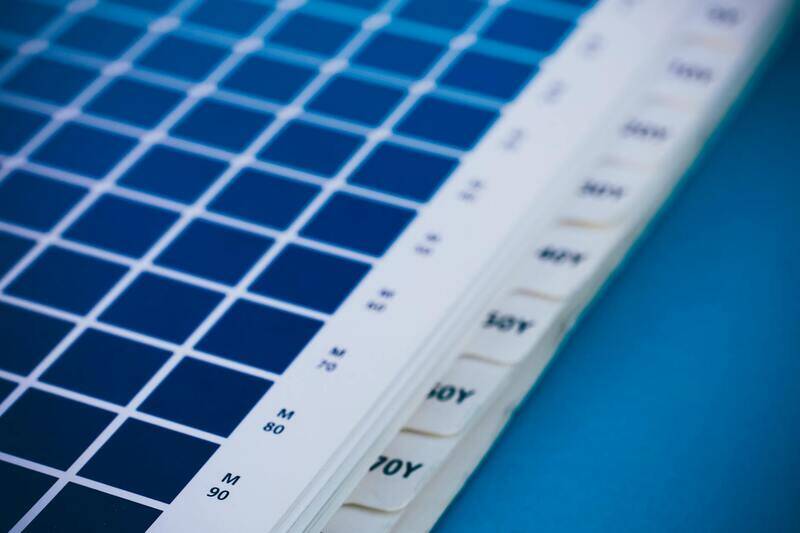
Environmental considerations also influence material choice. Eco-friendly options, such as recyclable substrates or water-based inks, are increasingly preferred in sustainable branding initiatives. Additionally, advancements in material technology have introduced new textures and finishes, allowing for innovative visual effects that enhance brand messaging. When selecting a material, factors like exposure to weather, surface texture, and the desired lifespan of the print should all be taken into account. Proper material selection, combined with precise printing techniques, results in durable, vibrant displays that effectively communicate your message in any setting.
Design Considerations for Large Format Prints
- Resolution and DPI: For large prints, a high dpi ensures sharp images without pixelation.
- Color Management: Accurate color reproduction is vital to match digital design with printed output.
- File Format and Preparation: Using the correct file formats and ensuring proper bleed and margins streamline production.
- Viewing Distance: Designing with the intended viewing distance in mind influences image detail and scale.
- Material Compatibility: Ensuring your design is compatible with chosen substrates avoids issues during printing and installation.
Maintenance and Care for Large Format Prints
Proper maintenance and care are essential to preserve the visual impact and longevity of large format prints. Given the prominence of these displays in both indoor and outdoor settings, ensuring their durability requires adherence to specific cleaning and handling protocols that prevent damage while maintaining vibrancy.
Cleaning Techniques for Large Format Prints
- Gentle Dusting: Use a soft, microfiber cloth or a feather duster to remove surface dust regularly. This prevents dirt accumulation that can diminish image clarity and cause surface abrasion over time.
- Spot Cleaning: For more stubborn dirt or smudges, lightly dampen a soft cloth with distilled water or a mild, non-abrasive cleaning solution formulated for prints. Gently wipe the affected area, avoiding excessive moisture which could seep into the substrate and cause damage.
- Avoid Harsh Chemicals: Do not use alcohol, solvents, or abrasive cleaners that can degrade the print material or alter the colors. Always consult the manufacturer’s guidelines for compatible cleaning agents.
- Scheduled Deep Cleaning: Periodically, professional cleaning services can be employed for thorough maintenance, especially for large, outdoor banners exposed to environmental pollutants.
Handling and Installation Precautions
- Use Proper Equipment: Utilize suitable lifting tools, harnesses, and protective gloves to prevent tearing or smudging during installation or repositioning.
- Avoid Direct Contact with the Inked Surface: Touching the print surface should be minimized to prevent oils from hands from damaging the print or distorting the colors.
- Protect During Transportation: Cover prints with protective wrapping, such as bubble wrap or nylon, to shield against abrasions and environmental damage during movement.
- Secure Properly During Installation: Ensure the print is firmly mounted and attached to prevent shifting, warping, or sagging, which can compromise its visual appeal over time.
Environmental Considerations
For outdoor applications, it is vital to consider weatherproofing measures. Applying UV-resistant finishes or laminates can protect against fading caused by sun exposure. Additionally, understanding the environmental conditions—such as humidity, wind, and precipitation—enables appropriate material selection and installation methods that extend the lifespan of large format graphics.
Factors to Consider When Choosing a Printing Provider
When selecting a provider for large format printing services, it is crucial to evaluate several key aspects that impact the quality, durability, and overall success of your project. The right provider should have a proven track record in producing high-quality large format graphics with a commitment to precision and attention to detail.
Experience and Industry Reputation
Look for a printing company with extensive experience in large format projects. An established provider will have refined their processes, invested in the latest technology, and can offer valuable insights based on previous work. Customer reviews, testimonials, and industry endorsements often serve as indicators of reliable service and professional integrity.
Range of Capabilities and Equipment
Ensure that the provider employs advanced printing technologies that match your specific needs. This includes having a variety of printing formats, color management systems, and support for different substrates. Modern equipment capable of producing detailed, color-accurate, and consistent output is essential for achieving desired visual effects on large surfaces.
Material Compatibility and Customization Options
A quality large format printing service should offer a broad selection of materials suitable for indoor and outdoor use, such as vinyl, fabric, mesh, and paper-based substrates. Additionally, customization options—such as finishing, lamination, and mounting solutions—are important for ensuring the final product meets your aesthetic and functional requirements.
Turnaround Time and Project Management
Timeliness is critical in many large format projects, especially for marketing campaigns, events, or installations with strict deadlines. Choose a provider known for efficient workflow management that can deliver high-quality prints within your required timeframe. Clear communication channels and dedicated project managers also facilitate smooth coordination and fewer surprises.
Environmental Practices and Material Sustainability
Modern large format printing providers should adopt environmentally responsible practices, such as using eco-friendly inks and recyclable materials. This consideration not only reflects corporate responsibility but can also contribute to the longevity and safety of your environment, especially for indoor applications.

Choosing a provider with these qualities ensures that your large format printing project will be executed to the highest standards, resulting in impactful visual communication that stands the test of time and environmental challenges. Prioritizing technical expertise, material options, and environmental responsibility helps to create a seamless experience from design to installation, ultimately delivering exceptional results that meet your strategic objectives.
Understanding Large Format Printing
Large format printing involves the process of creating high-quality visual displays on expansive surfaces, typically exceeding 24 inches in width. This modality is essential for producing impactful signage, banners, murals, vehicle wraps, and exhibition graphics. The demand for large format printing services is driven by the need for visibility in commercial spaces and outdoor advertising, requiring precision and durability in every print.
Key Aspects of Large Format Printing
- Resolution and Image Quality: Ensuring sharpness and vibrant color reproduction is crucial, especially when viewing from close distances.
- Durability: Choosing materials and inks that withstand environmental elements such as UV exposure, moisture, and abrasion prolongs the lifespan of the print.
- Size Customization: Flexibility in dimensions allows for tailored solutions to meet specific spatial and design requirements.
By understanding these fundamental principles, business owners and designers can better evaluate their options and communicate their needs effectively to printing providers, resulting in a final product that meets both aesthetic and functional expectations.
Design Considerations for Large Format Prints
Designing for large format printing requires attention to scale, contrast, and readability. Large banners and murals must convey their message clearly from a distance, emphasizing bold typography and simple, impactful imagery. Designers should also consider the viewing environment, whether indoor or outdoor, to select appropriate color schemes and materials that enhance visibility and longevity.
- Use high-resolution images to avoid pixelation or blurriness at large sizes.
- Opt for vector graphics when possible, as they scale without loss of quality.
- Maintain proper aspect ratios to prevent distortion of images and text.
Collaborating closely with the printing team during the design phase helps ensure that colors, resolution, and material choices align with technical capabilities, resulting in visually striking and durable large format prints.
Printing Technologies and Equipment
Advanced printing technologies such as UV flatbed printers, solvent printers, and latex printers play vital roles in large format printing. Each technology offers specific advantages in terms of speed, color fidelity, and substrate compatibility. UV flatbed printers, for example, enable printing directly onto rigid surfaces like foam board and acrylic, adding versatility to production options.
- UV Printing: Suitable for rigid and transparent substrates, providing vibrant colors and scratch resistance.
- Solvent and Eco-Solvent Printing: Ideal for outdoor applications due to their weather-resistant inks.
- Latex Printing: Offers environmentally friendly solutions with flexible prints suitable for a range of surfaces.
Choosing the right technology depends on the specific requirements of the project, including substrate type, desired durability, and environmental considerations.

Factors to Consider When Choosing a Printing Provider
Selecting an appropriate large format printing partner involves evaluating several critical factors. Experience and expertise in handling diverse substrates and finishes ensure your project is executed with precision. The provider’s portfolio can offer insights into their capabilities and quality standards.
- Equipment Quality: State-of-the-art printers ensure high resolution, color accuracy, and consistent results.
- Material Options: A wide selection of substrates allows for tailored solutions, from fabric to rigid surfaces.
- Turnaround Time: Efficient workflows and capacity for quick delivery are essential, especially for time-sensitive projects.
- Customer Support and Communication: Clear, proactive communication minimizes errors and streamlines project execution.
- Sustainability: Providers committed to eco-friendly practices can help align your project with environmental standards and corporate responsibility goals.
Maintenance and Care for Large Format Prints
Proper maintenance extends the lifespan of large format prints and preserves visual impact. Regular cleaning with non-abrasive materials prevents dirt accumulation and image degradation. For outdoor displays, applying protective coatings or laminates offers additional resistance against UV damage, moisture, and physical wear.
- Store prints in controlled environments whenever possible to reduce exposure to harsh elements.
- Use appropriate cleaning agents compatible with the printed materials to avoid damage.
- Inspect mounted and installed prints regularly for signs of deterioration and undertake repairs or reapplications as necessary.
- Consider protective lamination or film application to shield against scratches, UV rays, and environmental pollutants.