Overview of Large Format Printing in Singapore
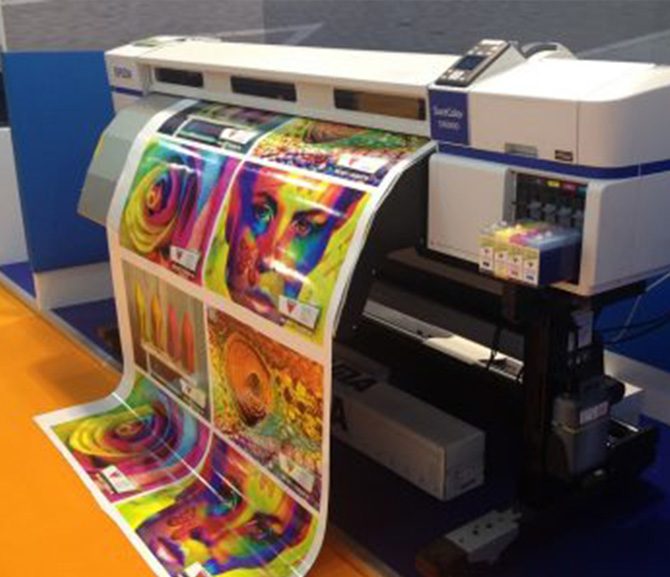
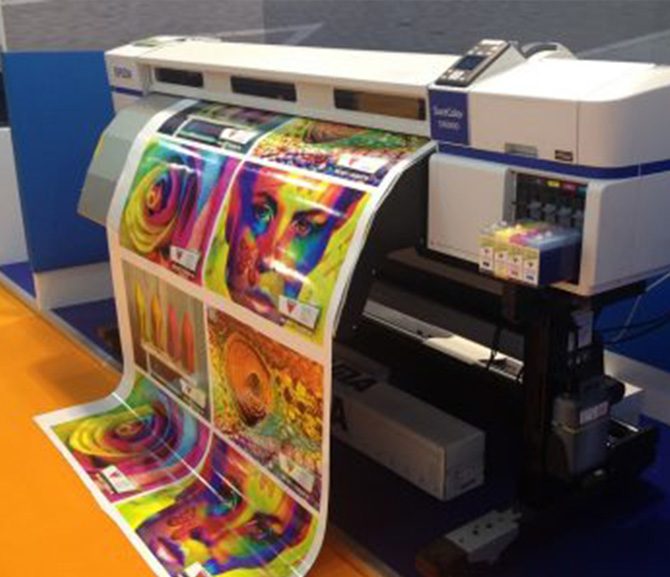
Large format printing, a specialized branch within the printing industry, involves producing images, graphics, or signage on materials that are significantly larger than traditional print sizes. This technique is indispensable for creating eye-catching visuals that need to be viewed from a distance, such as billboards, banners, posters, and retail displays. In Singapore, a city-state known for its vibrant commercial landscape and dynamic marketing environment, the demand for high-quality large format printing has surged over recent years. This growth is driven by the need for businesses to establish impactful visual communication across diverse sectors, including retail, events, corporate branding, and public advertising.
The popularity of large format printing in Singapore can be attributed to several factors. Its ability to deliver bold, clear images on sizable surfaces makes it ideal for outdoor advertising and large indoor displays. Additionally, advancements in printing technologies have enhanced the quality, durability, and environmental compliance of printed materials, making such services more accessible and reliable for companies seeking high standard outputs. The competitive nature of Singapore’s commercial ecosystem encourages continuous innovation and investment in state-of-the-art printing solutions, fostering a thriving landscape where businesses can effectively communicate their brand messages through large-scale visuals.

Modern large format printing involves a combination of advanced print technology, high-capacity printers, and diverse substrate options, enabling efficient production of complex, colorful, and high-resolution visuals. The emphasis on quality and customization ensures that businesses in Singapore can tailor their signage and displays to fit specific marketing strategies and spatial requirements. As digital printing technology continues to evolve, the efficiency, sustainability, and versatility of large format printing services are expected to see further improvements, reinforcing its integral role in the local advertising and branding landscape.
Types of Large Format Printing Materials and Technologies
Large format printing in Singapore employs a diverse range of substrates and cutting-edge printing technologies to meet various commercial, artistic, and informational needs. The choice of material significantly influences the durability, appearance, and application of the final product, making it essential for businesses to select the appropriate options based on their specific objectives.
Among the most commonly used materials are vinyl, fabric, mesh, canvas, foam board, and acrylic. Each substrate offers unique benefits; for instance, vinyl is renowned for its durability and weather resistance, making it ideal for outdoor signage and banners. Fabric prints are selected for indoor displays, offering vibrant colors and a sophisticated finish, while mesh materials are perfect for large outdoor banners where wind passage is desirable.

Technological advancements have introduced a variety of printing methods suitable for large-scale visuals. Inkjet printing remains the predominant technology due to its ability to produce high-resolution, detailed images across a variety of substrates. UV printing, which uses ultraviolet light to cure inks instantly, provides a more durable and environmentally friendly option, especially suitable for rigid materials like acrylic or glass. Solvent and eco-solvent printing technologies are also prevalent, offering vibrant color reproduction and long-lasting results with enhanced weather resistance.
Furthermore, latex printing has gained popularity owing to its eco-friendly properties and flexibility, making it suitable for both indoor and outdoor applications. These technologies have evolved to incorporate faster production speeds and improved color accuracy, enabling businesses in Singapore to achieve impressive results efficiently.

Understanding the specific requirements of the project—such as the environment where the material will be displayed, desired aesthetic, and budget constraints—is critical. An effective large format printing strategy combines high-quality substrates with the appropriate printing technology to produce visually impactful, durable, and sustainable visuals. As technology continues to advance, options such as flexible, printable textiles and eco-friendly inks are further expanding the potential of large format printing in Singapore, aligning with emerging environmental standards and industry demands.
Overview of Large Format Printing in Singapore
Large format printing in Singapore has become an indispensable component for businesses and organizations seeking impactful visual communication. This printing sector specializes in producing oversized graphics that are used to attract attention, promote brands, and enhance environments. With Singapore’s vibrant commercial landscape and its emphasis on innovation and quality, the demand for high-caliber large format prints is continuously rising. The industry caters to a wide array of needs, including advertising displays, corporate signage, art installations, and event décor. Advanced printing techniques, combined with a diverse selection of materials, enable local providers to deliver visually compelling and durable results tailored to various settings, both indoors and outdoors.

To meet diverse client requirements, providers in Singapore employ cutting-edge technologies such as UV, solvent, eco-solvent, and latex printing. These methods support high-resolution outputs on numerous substrates, including vinyl, fabric, acrylic, and paper. The ability to produce large, detailed visuals efficiently is a key advantage, enabling brands and organizations to create eye-catching displays that substantially enhance visibility and engagement. With Singapore’s strategic location as a business hub and its focus on sustainable practices, printing providers also prioritize eco-friendly solutions, integrating environmentally conscious materials and inks into their workflows. This combination of technological innovation and environmental responsibility defines the current landscape of large format printing in Singapore.

Technological Advancements and Material Choices
Modern large format printers utilize a variety of printing technologies that optimize speed, quality, and durability. UV printing, with its instant curing process, creates sharp, vibrant images on rigid surfaces such as glass or acrylic, making it ideal for premium displays and art installations. Solvent and eco-solvent printers excel in outdoor signage due to their weather-resistant properties and vibrant color output. Latex printing, notable for its flexibility and eco-friendly composition, is increasingly preferred for both indoor and outdoor applications, offering a high degree of color accuracy and durability with minimal environmental impact.
The selection of materials also plays a crucial role. Vinyl remains the most popular choice for banners and outdoor signs, given its weather resistance and cost-effectiveness. Fabric textiles are commonly used for indoor wall coverings and trade show displays due to their lightweight, vibrant printing capacity, and ease of installation. Rigid substrates such as foam board, acrylic, and aluminum are suitable for signage that demands high gloss and durability.

Customization and Finishing
Customization options include various finishing techniques like lamination, mounting, and framing, which enhance both the appearance and lifespan of printed visuals. Lamination offers additional protection against scratches, UV damage, and environmental elements, ensuring the longevity of outdoor signs. Mounting onto rigid surfaces or framing is essential for installations requiring structural stability or a polished look. For event setups or temporary displays, removable adhesives or lightweight framing solutions provide flexibility. The integration of these finishing touches ensures that large format prints not only meet client aesthetic standards but also withstand the challenges of their display environments.
Understanding the Critical Aspects of Large Format Printing Quality
Maintaining high standards in large format printing hinges on several key quality attributes that ensure vibrant, durable, and precise visual outputs. First and foremost, color accuracy is paramount; it ensures that the final print closely matches the intended design, which is especially crucial for branding and marketing materials. To achieve this, professional printers often utilize color management systems that calibrate printers and monitors to consistent standards, reducing discrepancies between digital designs and printed results.
Resolution, typically measured in dots per inch (DPI), directly influences image sharpness and detail. In large format printing, a resolution of at least 150 DPI at the final viewing distance is recommended to produce crisp images without pixelation. Higher resolutions are preferred for displays requiring finer detail, such as close-up banners or detailed graphics.
Durability encompasses both the physical resilience of the print and its appearance over time. Factors like weather exposure, UV radiation, and handling can impact the lifespan of printed materials. High-quality inks and substrates contribute significantly to longevity; UV-resistant inks prevent fading outdoors, while weather-proof substrates resist moisture and environmental wear.
Finishing options further extend the lifespan and visual appeal of large format prints. Laminations serve as protective layers that guard against scratches, UV degradation, and moisture. Mounting and framing are essential for stabilizing the print during installation, especially for large displays that need structural support. For temporary events or applications requiring mobility, lightweight framing or removable adhesives provide the necessary flexibility without compromising longevity.
Choosing a printing service that rigorously adheres to these quality standards guarantees consistent, professional results. A properly calibrated process combined with premium materials creates prints that not only meet visual expectations but also endure the varying conditions of indoor and outdoor environments, fulfilling the diverse needs of clients across Singapore.
Key Features and Quality Aspects of Large Format Printing in Singapore
When evaluating large format printing services, it is essential to pay close attention to the key features and quality aspects that influence the final output. High resolution is fundamental to ensure that images and graphics are crisp, detailed, and visually impactful. Especially for marketing displays, banners, and signage, a minimum resolution of 300 dpi at the intended viewing distance results in clear, professional imagery that captures attention effectively.
Color accuracy and consistency are equally critical. Professional printers utilize advanced calibration processes and color management systems to match the company's brand colors accurately and reproduce images faithfully across different batches. This precision ensures that the visual identity remains uniform whether in indoor exhibitions or outdoor advertisements.
Durability also plays a vital role in determining the longevity and appearance of prints over time. Outdoor applications demand materials resistant to weather elements such as UV rays, moisture, and temperature fluctuations. UV-resistant inks and weather-proof substrates extend the lifespan of prints, maintaining their vibrancy and integrity through exposure to Singapore's tropical climate.
Adhesion and finishing techniques contribute significantly to the aesthetics and durability of large format prints. Laminates, for example, serve as protective layers shielding prints from scratches, fading, and moisture. Whether for temporary signage or permanent installations, the choice of finishes—such as matte, gloss, or semi-gloss—can be tailored to suit specific design needs and environmental conditions.

Mounting and framing not only enhance visual appeal but also provide structural stability during installation. For lightweight or portable displays, options like removable adhesives or lightweight frames are preferred to facilitate easy setup and teardown. Selecting an experienced printing provider ensures that all these quality aspects are meticulously managed, resulting in finished products that meet precise standards and expectations.
Furthermore, quality control processes such as color checks, calibration, and testing on sample substrates help to guarantee consistent results. Using high-grade inks and substrates also minimizes issues like fading, cracking, or peeling, which can compromise both the visual impact and the lifespan of the printed material. Ultimately, meticulous attention to detail across all these factors ensures high-quality outputs suitable for diverse applications, from retail displays to large-scale event banners.
Understanding the Importance of Proper Color Management and Calibration
Ensuring color accuracy is a vital aspect of large format printing, particularly when reproducing brand colors or detailed images. Professional printing services in Singapore employ advanced color management systems that include precise calibration of printers, monitors, and proofing devices. This process involves performing regular test prints and adjustments to maintain consistent color output across different batches and substrates.
Color calibration helps mitigate common issues such as color shifts, inconsistent hues, or tonal discrepancies. By using high-quality ICC profiles tailored to specific inks and media, printers can achieve more accurate color reproduction that aligns with client specifications. This diligence results in vibrant, true-to-original visuals that enhance brand visibility and ensure the desired visual impact is consistently delivered.

Post-Printing Finishing and Installation Techniques
The finishing process is crucial in maximizing the lifespan and visual appeal of large format prints. Protective coatings such as laminates are applied to shield prints from environmental factors like UV rays, moisture, and physical damage. Matte finishes are preferred for glare reduction and a subdued aesthetic, while gloss or semi-gloss options enhance vibrancy and depth of color.
Additionally, mounting and framing techniques are employed to prepare the prints for display. Methods such as direct mounting on rigid substrates, magnetic or adhesive-backed mounting, and custom framing are commonly used. These processes not only improve the presentation but also contribute to the durability and stability of the display, especially for outdoor signage or high-traffic areas.

Assessing Environmental Impact and Selective Material Usage
In Singapore's environmentally conscious landscape, selecting eco-friendly materials and sustainable printing practices has gained prominence. Recyclable substrates and low-VOC inks are preferred to minimize ecological footprints. Many local service providers now offer eco-conscious options that do not compromise on quality or durability.
Furthermore, optimizing print sizes and minimizing waste during the production process contribute toward sustainability. Efficient job planning and the use of digital workflows help reduce excess material and energy consumption. Emphasizing environmentally responsible methods aligns with Singapore’s initiatives for green practices in the signage and printing industry.

Implementing Quality Assurance and Final Inspection Processes
To guarantee high standards, quality assurance protocols include detailed inspection of prints at various stages. These checks encompass color consistency, registration accuracy, substrate checking, and finishing quality. Many providers utilize high-resolution monitors and portable spectrophotometers for precise assessments.
Final inspection involves reviewing the print for surface defects, color uniformity, and installation readiness. Only after confirming that all specifications and standards are met will the project proceed to delivery or installation. This rigorous approach ensures clients receive products that match their expectations and maintain their professional appearance over time.

Choosing the Right Printing Service Providers
Selecting a reliable and professional large format printing provider in Singapore requires careful assessment of several critical factors. Businesses must prioritize companies with extensive industry experience, proven track records, and a comprehensive portfolio demonstrating versatility across different substrates and printing techniques. Certification and adherence to international quality standards serve as indicators of a provider’s commitment to delivering consistent, high-quality results.
Clients should evaluate the technical capabilities of potential service providers, including the availability of advanced digital printers, a wide array of materials, and finishing options. Access to cutting-edge technologies such as UV-curable printers, eco-solvent inks, and large-scale roll-to-roll printers enables production of vibrant, durable, and visually appealing prints tailored to specific applications.
Effective communication and seamless project management are equally important. A competent service provider offers expert guidance on material selection, print design, and installation processes, ensuring that the final output aligns with clients' branding and functional requirements. Transparent quoting practices and clear timelines further facilitate smooth project execution, from initial consultation through to delivery.

Moreover, reputable printing companies maintain strong after-sales support, including assistance with installation, maintenance, and troubleshooting. This ongoing partnership fosters trust and ensures the longevity of large-format prints in various environments, be it outdoor signage or indoor displays. By opting for a provider committed to quality assurance and customer satisfaction, businesses can confidently invest in impactful visuals that elevate their brands.
Cost Factors and Budgeting for Large Format Printing
Budgeting for large format printing projects involves understanding a variety of factors that influence final costs. The dimensions of the print, chosen materials, and complexity of the design all play significant roles. Larger prints naturally incur higher expenses due to increased material usage and longer production times. Detailed, multi-element graphics or custom finishes such as matte or gloss coatings may also add to the overall cost.
Material selection bears directly on the pricing structure. Standard vinyl and fabric substrates tend to be more cost-effective, while specialized options like reflective or textured surfaces can elevate expenses. The choice of inks and finishing techniques further impacts costs; eco-solvent inks, for example, offer durability and vibrant color reproduction but may be priced higher than traditional solvent-based inks.
It is essential for clients to consider these variables within the context of their intended application and longevity requirements. For instance, outdoor signage demanding weather resistance might justify higher material costs and longer-lasting inks, whereas interior displays may require more economical options.
- Assess project scope and size to estimate material consumption.
- Consult with providers about material and finishing options aligned with budget constraints.
- Request detailed quotes that itemize costs for materials, printing, finishing, and installation services.
- Plan for contingencies and potential revisions to avoid budget overruns.
Effective budgeting not only ensures the project adheres to financial goals but also yields a high return on investment through impactful and durable graphics. Collaborating with experienced providers helps optimize costs without compromising on quality and visual appeal, enabling businesses to make informed decisions about their large format printing needs.
Technical Considerations and Standards for Large Format Printing in Singapore
Ensuring the quality and durability of large format prints in Singapore requires adherence to a range of technical standards and considerations. These standards encompass color accuracy, resolution, and material compatibility, which are crucial for achieving consistent and professional results.
Color Management and Calibration
Color fidelity is vital in large format printing, especially for branding and advertising purposes. Providers use advanced color management systems to calibrate printers regularly, ensuring that colors are reproduced accurately across different substrates and lighting conditions. Utilizing standardized color profiles allows clients to receive predictable results that meet their specifications.
Resolution and Image Quality
High-resolution printing is essential to produce sharp and detailed visuals identifiable even from close distances. Typically, digital printing devices used in Singapore industry standards operate at resolutions of 600 dpi or higher, which guarantees clarity and definition in large-scale images. Proper file preparation, including the use of vector graphics and high-resolution raster images, contributes significantly to output quality.
Material Compatibility and Testing
Choosing the right substrate ensures maximum longevity and visual appeal. It is important to verify that the selected media is compatible with the printing technology and ink types. Conducting sample tests on small sections of the material allows for evaluation of adhesion, color retention, and overall appearance before committing to large-scale runs.
Environmental Conditions and Handling
Proper environmental control within production areas minimizes the risk of defects caused by dust, humidity, or temperature fluctuations. Maintaining a dust-free environment and suitable temperature levels helps ensure consistent adhesion and drying. Post-print handling, including proper curing and storage, also impacts the final presentation and durability of the printed output.

Compliance with Industry Standards and Certifications
Adhering to local and international standards, such as ISO certifications for quality management and environmental management, reinforces credibility. Certifications related to eco-friendly practices, such as the use of low-VOC inks and recyclable materials, are increasingly valued by clients seeking sustainable options.
Quality Control and Inspection Protocols
Implementing rigorous inspection routines at various stages of production ensures that each print meets predefined quality parameters. From verifying color consistency to checking for print defects or material anomalies, these protocols help maintain high standards and reduce waste.
Technological Innovations Supporting Standards
Emerging technologies like LED UV printers and advanced ink formulations enhance compliance with quality benchmarks. These innovations allow for faster production cycles, better color matching, and improved environmental safety, aligning with Singapore’s stringent quality expectations.