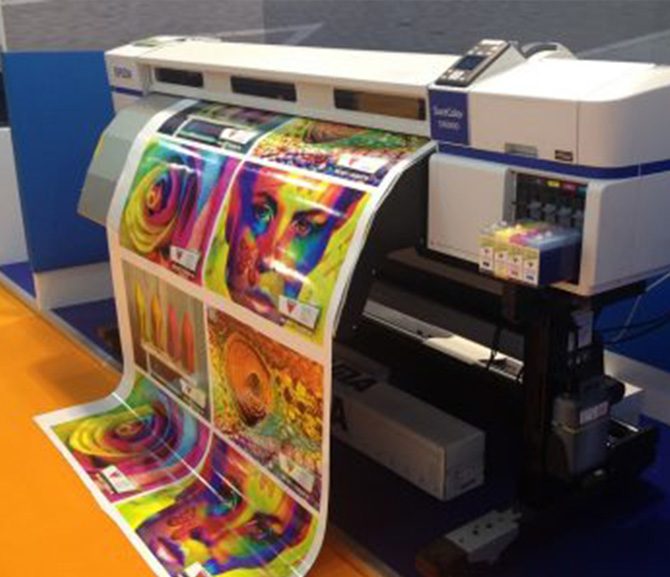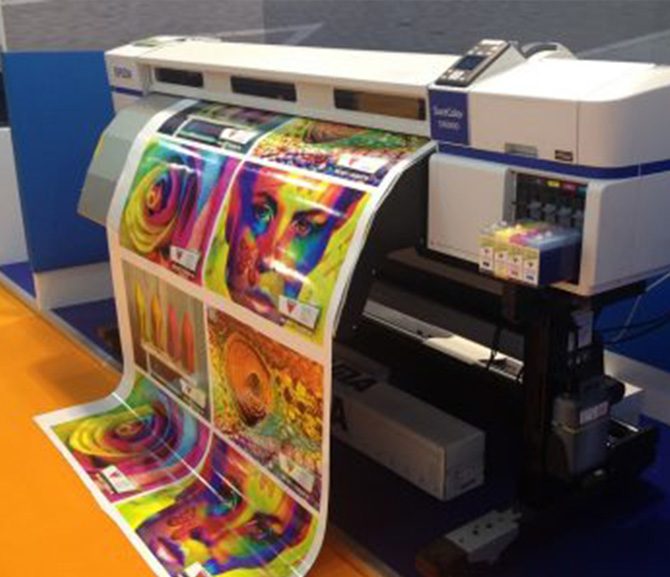
Overview of Large Format Digital Printing
Large format digital printing is a specialized printing process designed to produce high-quality images on expansive surfaces. It involves the use of advanced digital printers capable of printing on a variety of materials in width ranges exceeding standard paper sizes, often up to several meters wide. This technology allows for vibrant, detailed visuals that are highly durable and suitable for diverse applications across industries. In Singapore’s dynamic advertising, retail, and corporate sectors, large format digital printing plays a critical role in creating impactful visual communication tools.
At its core, large format digital printing combines precision, speed, and flexibility, making it an essential component of modern marketing strategies. It enables businesses to develop personalized signage, banners, wall coverings, and event displays that effectively attract attention and convey messages with clarity. Its significance extends beyond simple advertising; it is instrumental in interior decor, exhibition design, and promotional campaigns, providing a versatile solution that adapts to the evolving needs of various markets.
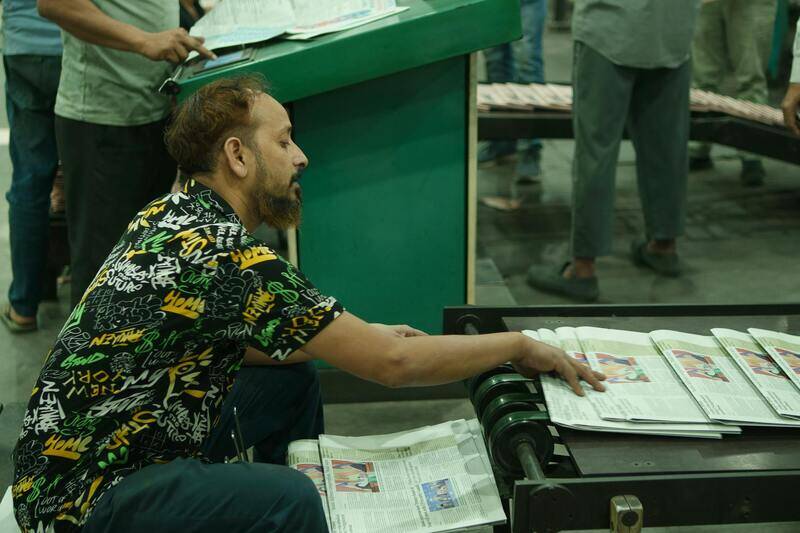
The technology's ability to produce large, seamless images without compromising quality distinguishes it from traditional printing methods. This is achieved through the use of large-format printers equipped with multiple print heads, high-capacity ink systems, and optimized software that ensures color accuracy and consistency. The trend towards digital workflows also supports rapid turnaround times, making large format digital printing an efficient choice for time-sensitive projects.
Types of Materials Used in Large Format Printing
To maximize durability and visual appeal, different materials are selected based on the intended application and environment. Common substrates include:
- Vinyl banners and Mesh fabrics: Ideal for outdoor advertising where weather resistance is essential.
- Canvas and Fabrics: Suitable for interior decor and fine art reproductions, offering a textured finish.
- Wallpapers and Vinyl Wall Coverings: Transform interior spaces with large, seamless images that add aesthetic value.
- Paper and Fine Art Papers: Used for display graphics, posters, and art reproductions requiring high resolution.
- Polypropylene and Polyester Films: Resistant to moisture and chemicals, appropriate for industrial or specialized applications.
Advancements in material technology have also introduced eco-friendly options, such as recyclable and biodegradable substrates, supporting sustainable business practices while maintaining visual quality.
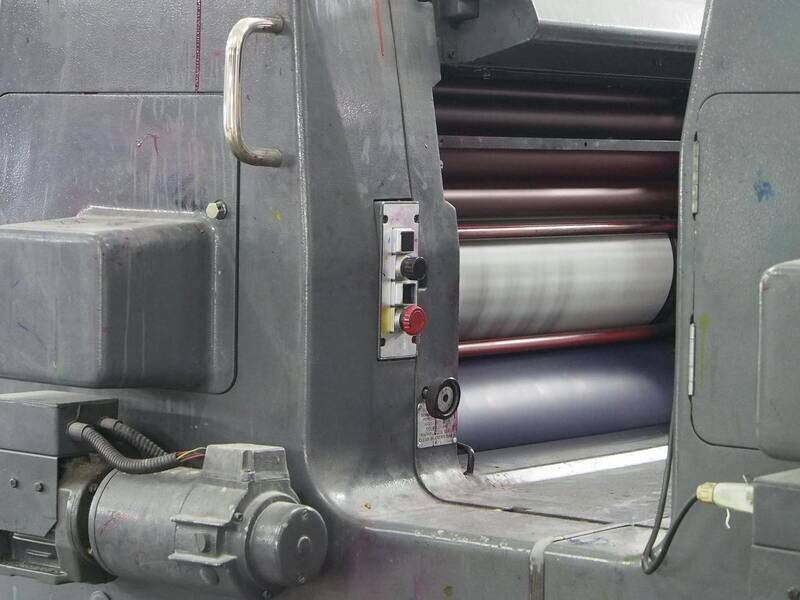
Common Applications and Uses of Large Format Digital Printing
Large format digital printing serves a wide array of industries and purposes due to its versatility and ability to produce striking visual displays. This technology is instrumental in creating impactful advertising displays, interior decor, and promotional materials that require high visibility and durability.
- Outdoor Advertising: Billboards, building wraps, and large banners utilize heavy-duty materials such as vinyl and mesh fabrics to withstand environmental elements while delivering vibrant visual messages. These large-scale advertisements attract broad audiences and enhance brand visibility.
- Event and Trade Show Displays: Pop-up displays, backdrops, and signage often harness large format printing for quick setup and eye-catching designs in promotional settings. Custom graphics ensure a consistent brand image across different venues.
- Interior Design: Wallpapers, murals, and decorative wall coverings create immersive environments in commercial and residential spaces. These applications benefit from high-resolution images and seamless installations, adding aesthetic value to any interior space.
- Fine Art and Photography: Artists and photographers rely on large format printing for producing gallery-quality reproductions and limited-edition prints. The ability to render high detail and accurate color reproduction makes this method ideal for art display.
- Industrial and Safety Signage: Using weather-resistant and chemical-resistant substrates, large format digital printing facilitates safety signs, instructions, and informational displays in industrial settings, ensuring longevity and clear communication.

Technology and Equipment Supporting Large Format Digital Printing
The backbone of this printing process comprises advanced printers capable of handling wide media rolls, often reaching widths of up to several meters. These machines utilize multiple print heads synchronized to deposit ink with precision, allowing for detailed images and vibrant colors. High-capacity ink systems, featuring aqueous, solvent-based, UV-curable, or latex inks, provide durability suitable for indoor and outdoor applications.
Modern large format printers are integrated with sophisticated software solutions that streamline workflows, facilitate color management, and enable customized printing profiles. The combination of hardware and software innovations ensures consistent output quality and minimizes waste during production.

Advantages of Large Format Digital Printing
This technology offers multiple benefits, including:
- High-Resolution Output: Capable of producing crisp images with complex details, suitable for both visual impact and fine art reproduction.
- Fast Turnaround Times: Digital workflows enable quicker processing and delivery, accommodating urgent projects efficiently.
- Cost-Effective for Short Runs: Unlike traditional methods, digital printing is economical for producing limited quantities with minimal setup costs.
- Customization and Flexibility: Each print can be tailored to specific size, material, and design requirements without the need for extensive tooling or templates.
- Sustainable Practices: Eco-conscious options include the use of recyclable substrates and environmentally friendly inks, reducing the ecological footprint of large-scale projects.
Considerations for Choosing a Printing Service
When selecting a provider for large format digital printing, it’s important to evaluate several critical factors to ensure optimal results. These considerations include:
- Equipment Capabilities: Verify the availability of modern printers capable of handling the desired media sizes and types, as well as their capacity for color accuracy and resolution.
- Material Selection: Confirm that the service offers a variety of high-quality substrates suited for your project’s specific needs, whether it’s outdoor durability or indoor aesthetic.
- Color Management and Quality Control: Assess their processes for ensuring consistent and accurate color reproduction across different batches.
- Turnaround Time: Establish expected timelines, especially for time-sensitive projects, and discuss their flexibility and handling of potential delays.
- Sustainability Practices: Inquire about eco-friendly options, including recyclable materials and environmentally safe inks, to align with sustainable business practices.
- Experience and Portfolio: Review previous work and client testimonials to gauge expertise and the ability to meet diverse project requirements.
Environmental and Sustainability Aspects of Large Format Printing
Sustainable advancements in large format digital printing focus on reducing environmental impact while maintaining high-quality output. This includes the adoption of recyclable substrates, biodegradable materials, and eco-friendly inks, such as water-based or latex inks that emit fewer volatile organic compounds (VOCs). Additionally, responsible waste management practices and energy-efficient equipment contribute to greener operations. Many providers now incorporate digital workflows that optimize ink usage and minimize material waste, promoting sustainability without compromising on visual impact.

Types of Materials Used in Large Format Printing
Choosing the right material is crucial for achieving optimal results in large format digital printing projects. The selection depends on the intended use, environmental exposure, and aesthetic preferences. Common substrates include vinyl, fabric, canvas, wallpaper, mesh, and rigid materials such as foam boards, acrylics, and aluminum composites. Each material offers distinct advantages tailored to various applications.
Vinyl remains a popular choice for outdoor signage and banners owing to its durability, weather resistance, and flexibility. It can withstand exposure to sunlight, rain, and wind without significant degradation. Fabric and canvas materials are favored for indoor murals and fine art reproductions, providing high-quality image reproduction with vibrant colors and texture. Wallpaper substrates, particularly non-woven and printable vinyl, allow for seamless wall coverings that enhance interior branding and aesthetic appeal.
Rigid materials such as foam boards and aluminum composites are ideal for displays, exhibitions, and point-of-sale signage, offering stability and a premium appearance. The development of printable materials has also led to eco-friendly options, including recyclable vinyl and biodegradable fabric substrates, aligning with sustainable printing practices.

When selecting materials, it’s essential to consider factors such as UV resistance, flexibility, weight, and compatibility with inks used in digital printing. Advances in material technology continually expand the possibilities, allowing for customized solutions that meet both functional and visual requirements.
Environmental and Sustainability Aspects
Modern large format digital printing emphasizes eco-conscious practices by integrating recyclable substrates and environmentally friendly inks. Water-based and latex inks are increasingly favored because they emit fewer volatile organic compounds (VOCs), contributing to healthier indoor air quality and reduced environmental impact. These inks also provide excellent color vibrancy and durability.
Many printing providers adopt responsible waste management protocols, including recycling unused substrates and filters, minimizing solvent disposal, and reducing energy consumption through efficient machinery. Digital workflows help optimize ink usage, ensuring minimal waste during production.
The industry has seen a shift toward recyclable and biodegradable materials, such as recyclable vinyl and eco-friendly canvas options, which can be repurposed or recycled after use. These practices support the broader goal of reducing ecological footprints while maintaining high-quality visual outputs.
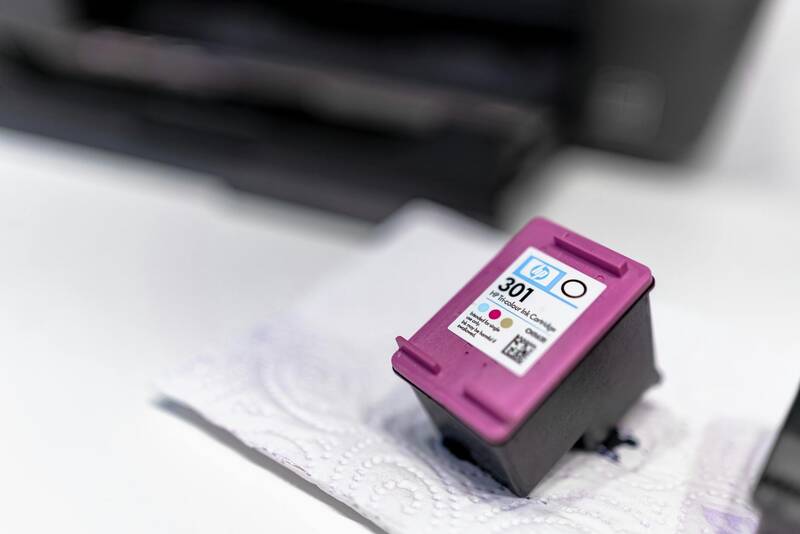
Innovations in sustainable printing are ongoing, with advancements in bio-based inks and energy-efficient equipment enhancing the environmental profile of large format digital printing. Businesses seeking to align with green initiatives should prioritize providers that incorporate these sustainable practices into their operations.
Technology and Equipment
Effective large format digital printing depends heavily on advanced technology and high-quality equipment. The core of this process involves the use of wide-format printers capable of handling various media widths, often exceeding 60 inches, which allows for the production of expansive visual displays without seams. These printers come equipped with multiple color channels, including CMYK, and sometimes additional options like white, gloss, or metallic inks, to achieve vibrant and specialized finishes.
In addition to the printers themselves, a range of finishing tools enhances the durability and presentation of print outputs. Laminators, for example, protect prints from environmental damage and UV exposure, prolonging their lifespan. Cutting tables and plotting tools ensure precise trimming and customization, while mounting equipment facilitates installation on a variety of surfaces. This arsenal of tools is integral for delivering professional-grade results that meet the specific needs of each project.

Choosing the right combination of equipment is crucial to match project requirements, whether for indoor banners, outdoor signage, or fine art reproductions. Features such as high ink throughput, compatibility with eco-friendly inks, and the ability to print on diverse substrates are key considerations that ensure versatility and quality in production.
Types of Inks Utilized in Large Format Printing
- Solvent Inks: Known for their durability and water resistance, suitable for outdoor signage and vehicle wraps.
- Eco-Solvent Inks: Offer lower VOC emissions, providing a more environmentally conscious option without sacrificing longevity.
- Latex Inks: Water-based and flexible, ideal for a wide range of applications with quick drying times and vibrant color reproduction.
- UV-Curable Inks: Used for specialty printing on rigid surfaces, curing instantly under UV light for durable finishes.

Investing in state-of-the-art equipment and high-quality inks ensures that each large format print not only meets visual expectations but also withstands environmental factors, maintaining clarity and color integrity over time. The convergence of innovative technology and meticulous material selection underpins the success of large format digital printing projects.
Advantages of Large Format Digital Printing
Large format digital printing offers numerous benefits that make it the preferred choice for a wide array of promotional, marketing, and decorative needs. Its ability to produce high-resolution imagery ensures that each detail is crisp and vibrant, making visuals more eye-catching and impactful. The flexibility of digital printing allows for easy customization, enabling businesses and artists to tailor designs to specific dimensions, colors, and finishes with minimal lead time. Quick turnaround times are another key advantage, as digital processes bypass the need for traditional setup steps like plate-making, significantly reducing production cycles.
This efficiency translates into the capacity to execute large-scale projects swiftly, enabling clients to meet tight deadlines without compromising quality. Additionally, the cost-effectiveness of digital large format printing is evident, especially for short runs and one-off productions, where setup costs are minimal compared to traditional methods. Its ability to print on diverse substrates—from vinyl and fabric to paper, mesh, and rigid materials—expands creative possibilities and application scopes.
Furthermore, digital printing facilitates seamless integration with modern marketing strategies through variable data printing, allowing for personalized messages and graphics essential for targeted campaigns. Enhanced scalability and the potential for intricate, multi-layered designs empower brands to elevate their visual storytelling. Overall, large format digital printing combines precision, adaptability, and speed, making it a vital asset for businesses seeking impactful visual communication.

Environmental and Sustainability Aspects
As the demand for large format digital printing continues to grow, so does the responsibility to adopt environmentally sustainable practices. Reputable printing service providers prioritize eco-friendly methods by utilizing vegetable-based inks, which reduce VOC emissions and minimize environmental impact. These inks are not only less toxic but also offer vibrant, durable colors suitable for both indoor and outdoor applications.
Moreover, the selection of substrates plays a crucial role in sustainability. Opting for recyclable or biodegradable materials, such as eco-friendly vinyls, papers, or fabrics, enhances the overall environmental profile of digital printing projects. Many providers now incorporate recycled content into their substrates, further reducing the ecological footprint.
Efficient waste management is another core aspect. Advanced digital printers are designed to produce minimal waste, with features like automatic cropping and optimized ink usage that prevent excess material and ink wastage. Some companies implement recycling programs for unused materials or excess inks, aligning with responsible environmental stewardship.
Energy consumption is a key consideration as well. Modern large format printers are engineered to operate with lower power consumption, utilizing energy-efficient technologies that mitigate carbon emissions associated with production. Additionally, choosing local service providers reduces transportation emissions, contributing to a greener supply chain.

Clients seeking environmentally conscious printing solutions should inquire about a provider’s commitment to sustainability. Certifications and adherence to environmental standards often serve as indicators of responsible practices. Employing sustainable methods not only benefits the planet but also enhances brand reputation among consumers increasingly conscious of ecological issues.
Considerations for Choosing a Printing Service
When selecting a provider for large format digital printing, it is essential to evaluate their adherence to established printing standards and certifications that guarantee quality and consistency. High-quality digital printers utilize advanced calibration and color management systems to ensure accurate color reproduction across various substrates, meeting specific client requirements. It helps to review the provider’s portfolio, examine sample outputs, and assess their capability to handle different sizes, complexities, and materials.
Customer service and technical support are also critical factors. A reputable printing company should offer detailed consultations, guidance on material selection, and assistance with design optimization to maximize the impact of the final product. Additionally, transparency in pricing, turnaround times, and project management processes reflects a professional approach that minimizes unexpected costs or delays.
Capabilities for custom finishes and special effects can add value to large format prints. These include lamination, UV coating, or mounting, which not only enhance durability and visual appeal but also expand the range of potential applications. Ensuring the print provider maintains modern equipment capable of delivering these finishing options guarantees a comprehensive service that meets diverse client needs.

Environmental considerations are increasingly influential in choosing a printing partner. It is advantageous to inquire about their use of eco-friendly inks, recyclable substrates, and waste management practices. Certified providers who comply with relevant environmental standards are often committed to sustainable operations, reducing chemical emissions and minimizing waste generation. This conscientious approach not only aligns with environmental values but can also enhance brand reputation.
Furthermore, evaluating the technological capabilities of a potential provider is crucial. Modern large format digital printers offer features such as variable data printing, seamless image tiling for larger surfaces, and quick setup times. Advanced color management tools improve consistency and allow for precise color matching across different projects and runs.
One of the key differentiators among service providers is their ability to meet bespoke project requirements. Whether it involves large-scale murals, retail displays, or outdoor banners, the chosen provider should have the versatile equipment and expertise to deliver impactful results. A thorough review of previous projects demonstrates their proficiency and helps in making an informed decision.

Considerations for Choosing a Printing Service
Selecting an appropriate large format digital printing provider requires careful evaluation of several key factors that directly influence the quality, reliability, and overall success of your project. First and foremost, it's essential to assess the technological capabilities of their equipment. Modern large format printers should be capable of handling high-resolution images, offering vibrant color reproduction, and supporting various materials and finishes. This versatility ensures that your final product is not only visually appealing but also durable and fit for its intended purpose.
Additionally, the range of available substrates significantly impacts the adaptability of the printing service. A reputable provider should offer an extensive selection of materials such as vinyl, fabric, mesh, foam board, and eco-friendly options. This variety allows for customized solutions tailored to different environments, whether indoor or outdoor, and aligns with specific project requirements.

Expertise and experience are vital indicators of a dependable service provider. Review their portfolio and request case studies demonstrating successful executions of similar projects. The ability to deliver complex designs with precision, whether large banners, murals, or retail displays, reflects their technical proficiency and commitment to quality.
Turnaround time and production capacity are also important considerations. A provider equipped with efficient processes and sufficient infrastructure can meet tight deadlines without compromising quality. Transparency in scheduling and communication throughout the project ensures that expectations are aligned and potential issues are addressed proactively.
Support and Post-Print Services
- Design consultation and proofing services to ensure your vision is accurately realized.
- Finishing options like lamination, mounting, and framing to enhance durability and presentation.
- Installation support or guidance for large-scale applications.
Pricing and Quotes
Obtain detailed, itemized quotes that clarify all costs involved, including setup fees, production, finishing, and delivery. Transparent pricing helps in comparing providers and selecting the option that best fits your budget without compromising quality.
Furthermore, reviewing customer testimonials and requesting references can provide insights into the provider’s reliability, customer service, and overall satisfaction levels. A reputable large format printing partner is committed to understanding client needs and consistently delivering impactful, high-quality outputs that align with brand standards and project goals.