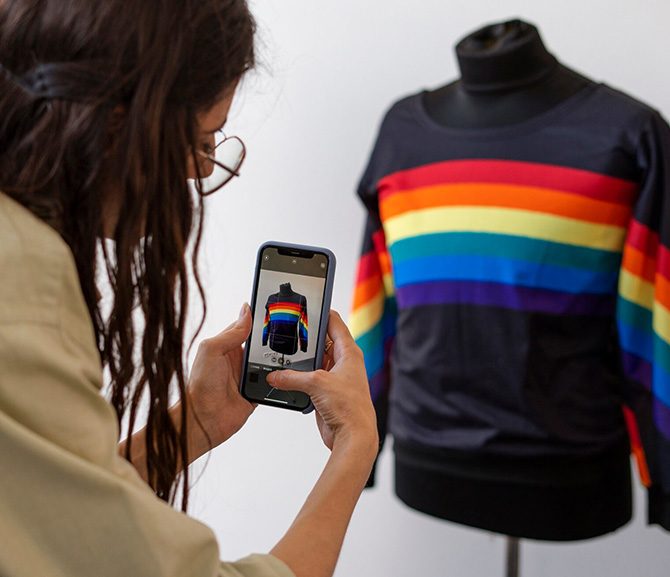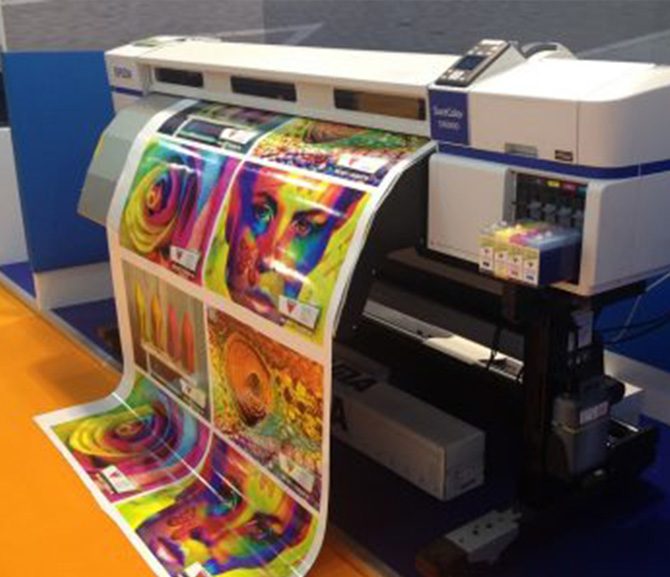
Overview of Customized Printing Services
Customized printing services have become integral to many industries, offering tailored solutions that meet specific branding, marketing, and personalization needs. These services enable businesses and individuals to transform their ideas into tangible products through a variety of printing options that emphasize uniqueness and precision. Whether it's for promotional items, packaging, apparel, or personalized gifts, customized printing allows for high levels of creativity and differentiation in a competitive marketplace.
The primary purpose of customized printing services is to deliver personalized or branded products that reflect individual preferences or corporate identities. This can include everything from bespoke labels and banners to full-color business cards and custom apparel. By providing options that go beyond standard templates, these services support brand reinforcement and customer engagement for businesses, while also catering to personal expressions of style and individuality.
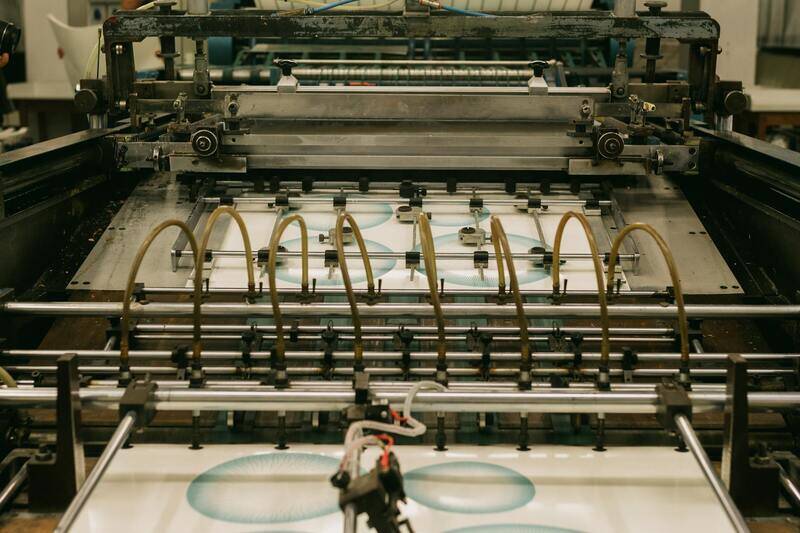
One of the key benefits of investing in customized printing is the ability to produce consistent, high-quality outputs that align perfectly with specific design requirements. This ensures that every print product maintains a professional appearance and enhances brand visibility. Additionally, customized printing services tend to offer flexible options in terms of quantity, materials, and finishes, enabling clients to choose solutions that best fit their needs and budget constraints.
Moreover, these services incorporate advanced printing technologies and methods that support intricate designs, vibrant colors, and durable finishes. This combination of customization capabilities and technological expertise makes customized printing a vital component in marketing campaigns, product packaging, corporate branding, and personalized gifts. As industries evolve, the demand for innovation within these services continues to grow, emphasizing the importance of quality, reliability, and creative freedom in the printing process.
In essence, customized printing services bridge the gap between innovative design concepts and production, delivering personalized, impactful, and visually appealing printed materials that resonate with targeted audiences. The industry’s focus on precision, quality, and customer satisfaction underscores its pivotal role in modern branding and personalization strategies.
Materials and Substrates for Customized Printing
Effective customized printing relies heavily on selecting the appropriate materials and substrates to achieve optimal results and durability. The choice of substrate impacts not only the visual appearance but also the tactile feel and longevity of the printed product. Commonly utilized materials include various paper types, films, fabrics, plastics, and specialty substrates tailored to specific uses.
For paper-based needs, options range from standard matte and gloss finishes to more specialized textures such as linen, canvas, or textured boards, each adding a unique dimension to printed materials like business cards, flyers, or packaging. When durability and weather resistance are critical, synthetic materials like vinyl and PVC are preferred, especially for outdoor signage, banners, and labels. Fabrics such as polyester or cotton are ideal for creating custom apparel, tote bags, or embroidered items.
The selection process involves considering factors such as the printing method, intended use, environmental conditions, and aesthetic goals. For instance, for high-resolution, vibrant images, glossy or semi-glossy substrates are typically used, while matte finishes are suitable for elegant, understated looks. Specialty substrates like transparent films or metallic foils can also be incorporated to add unique effects that resonate with innovative branding initiatives.
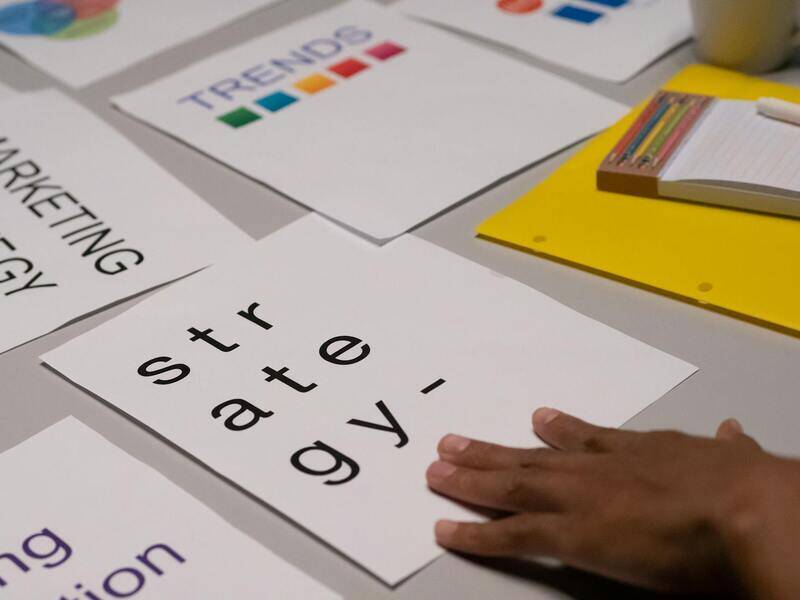
Moreover, advances in material technology have introduced eco-friendly options such as recycled papers and biodegradable plastics, aligning with sustainable business practices. Understanding the properties of each substrate ensures the final printed product meets expectations in terms of quality, visual impact, and functional performance, which is crucial for branding consistency and customer satisfaction.
Ultimately, the right combination of materials and substrates allows for customized printing solutions that are not only visually striking but also resilient and functional, supporting the diverse requirements of modern marketing, packaging, and promotional campaigns.
Comprehensive Guide to the Processes Behind Customized Printing
Implementing customized printing services requires meticulous planning and execution to ensure the final product aligns with client expectations and branding standards. The workflow begins with in-depth client consultations to understand their specific needs, preferred design elements, color schemes, and intended purpose. This initial phase is crucial to translate ideas into feasible design concepts that can be effectively printed.
Once the concept is established, the next step involves digital design preparation. Advanced graphic design software allows for the creation or refinement of artwork, ensuring high-resolution visuals, precise color matching, and proper file formatting. Clients are often engaged in this phase to provide feedback, approve proofs, and make adjustments. Clear communication prevents costly errors and helps maintain consistency across multiple prints.

After finalizing the artwork, the process transitions to selecting the appropriate printing technology suited for the project's scope. Different methods, such as digital printing, screen printing, dye sublimation, or offset printing, are chosen based on factors like volume, material, color fidelity, and durability requirements.
The physical printing process commences once the method is set. Skilled technicians operate specialized machinery to transfer ink or toner onto substrates with precision. Throughout this stage, quality control measures are implemented, including color consistency checks and thorough inspections to detect defects or discrepancies.
Post-printing, many projects require additional treatments such as laminating, coating, or cutting to enhance durability, aesthetics, and functionality. These finishing touches are vital, especially for items exposed to environmental elements or intended for high-frequency handling.
Finally, the finished products are subject to rigorous quality assurance before packaging and delivery. Efficient logistics play a significant role in meeting turnaround times and ensuring customer satisfaction. The entire process, from conception to delivery, hinges on the expertise of the printing service provider to leverage the right techniques, materials, and quality control standards.

Materials and Substrates for Customized Printing
Choosing the right materials and substrates is fundamental in achieving optimal results for customized printing projects. Different types of materials influence the durability, appearance, and functionality of the final product. Popular options include various papers, textiles, plastics, metals, and specialty substrates, each suited for specific printing techniques and end-use purposes.
For instance, coated and uncoated papers are commonly used for promotional printouts such as posters, brochures, and business cards. Coated papers provide a smooth surface ideal for high-resolution color printing, while uncoated options are preferable for items requiring embossing or writing.

Materials and Substrates for Customized Printing
Choosing the right material or substrate is fundamental to achieving optimal results in customized printing projects. Each material's unique properties influence the printing technique used, the durability of the final product, and the aesthetic appeal. Common substrates include paper, fabric, plastic, metal, wood, and glass, each offering distinct advantages suited to specific applications.
Paper and cardstock remain versatile options for promotional materials such as flyers, business cards, and banners. They allow for vibrant color reproduction and fine detail, especially when utilizing high-quality digital or offset printing techniques. Fabrics like cotton, polyester, and blended textiles are popular for apparel, tote bags, and textile-based displays, with digital textile printing providing detailed, durable designs that withstand repeated washings.
Plastic substrates, including PVC, acrylic, and polycarbonate, are favored in signage, displays, and packaging. Their weather-resistant qualities make them suitable for both indoor and outdoor use. Metal sheets, such as aluminum and stainless steel, are chosen for their strength and premium appearance in awards, plaques, and decorative fixtures. Specialty substrates like leather, wood, and glass are increasingly integrated into customized merchandise, offering tactile richness and aesthetic depth that elevate branding efforts.

Each substrate requires specific preparation to ensure the design adheres properly. For instance, non-porous surfaces like glass or metal often need primers or special inks to enhance adhesion. Eco-friendly options such as biodegradable films and recycled papers are also gaining popularity, supporting sustainability initiatives without compromising quality. Proper substrate selection not only influences visual quality but also determines the longevity and resistance of the finished product against environmental factors such as UV exposure, moisture, and handling conditions.
Technological advancements are continually broadening material choices. Innovations like printable adhesives, flexible films, and eco-friendly substrates empower brands to develop customized products that are both aesthetically compelling and environmentally responsible. Strategic evaluation of brand messaging, product function, environmental impact, and budget considerations guides the selection process, ultimately ensuring the production of high-quality, durable, and visually appealing customized items.
Overview of Customized Printing Services
Customized printing services provide businesses and individuals with the ability to produce unique, tailored products that reflect specific branding, personal styles, or creative visions. This approach ensures that the final output aligns precisely with the intended message or aesthetic, offering a level of personalization that static, mass-produced items cannot match. From promotional materials to bespoke merchandise, customized printing elevates the visual identity of brands and enhances user engagement through distinct and memorable designs. The diversity of options available allows for flexible application across numerous sectors, including retail, hospitality, education, and private events.

Types of Custom Printing Options
Customized printing encompasses an array of techniques designed to meet different aesthetic and functional requirements. These include:
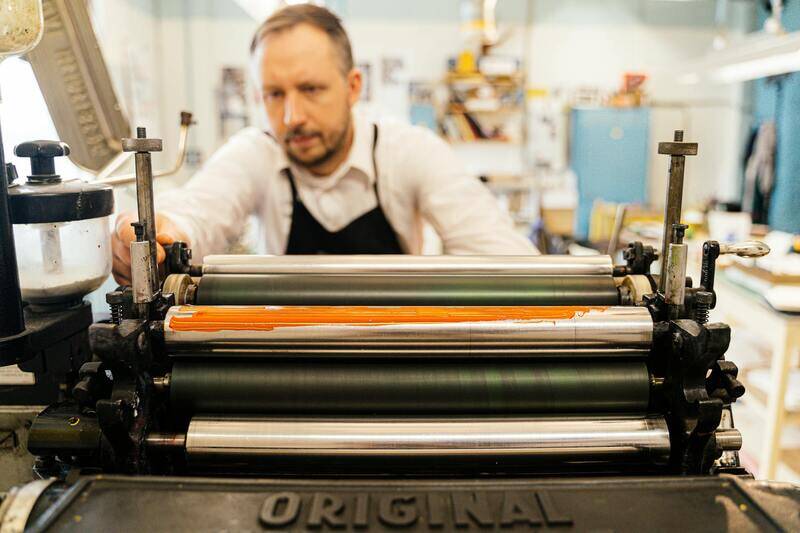
- Offset printing: Ideal for high-volume runs, offering consistent quality and color accuracy for items like brochures, posters, and catalogs.
- Digital printing: Suitable for short runs and quick turnaround times, allowing for detailed personalization on items such as business cards, invitations, and labels.
- Screen printing: Commonly used for apparel and promotional merchandise, providing vibrant colors and durability on fabrics and hard surfaces.
- UV printing: Offers premium quality on rigid substrates like acrylic, glass, and metal, with a high-gloss finish and resistance to environmental factors.
- Embossing and debossing: Adds tactile dimension to packaging and business cards, enhancing brand perception through texture.
- Foil stamping: Incorporates metallic finishes for luxury branding applications or decorative accents.
Materials and Substrates for Customized Printing
The choice of material significantly impacts the durability and visual appeal of custom prints. Common substrates include paper and cardboard, suitable for flyers, posters, and packaging; textiles like cotton, polyester, and blends for apparel and accessories; and hard materials such as acrylic, wood, glass, and metal for signage and decorative items. Recently, innovative materials like biodegradable plastics, recycled papers, and organic fabrics have gained traction, aligning with sustainability goals. The preparation process varies depending on the substrate, often involving surface treatments such as priming or using specific inks to ensure adhesion and longevity.
Design and Artwork Customization Process
Effective customization begins with a clear understanding of the client's vision and branding requirements. The process typically involves several key steps:
- Consultation and briefing: Gathering information about the project's goal, target audience, preferred styles, and specific specifications.
- Design development: Collaborating with graphic designers or utilizing client-provided artwork to create digital proofs that reflect the desired look and feel.
- Review and approval: Presenting proofs for client feedback and modifications, ensuring the design aligns with expectations before production begins.
- Pre-press preparations: Adjusting files for printing, including color management, resolution checks, and substrate-specific considerations.
- Production and quality control: Executing the print run with rigorous checks to maintain color fidelity, registration, and overall quality.
Printing Technologies for Customization
Advancements in printing technology have broadened the scope for customization, enabling intricate designs, vibrant colors, and eco-friendly options:
- High-definition digital presses: Capable of producing detailed images with color accuracy suitable for personalized packaging, labels, and promotional items.
- Latex and eco-solvent printers: Offer environmentally friendly inks suitable for indoor and outdoor applications, providing durability and flexibility in printing on various surfaces.
- 3D printing: Emerging as an innovative method for creating tactile and dimensional customized objects, from promotional figurines to product prototypes.
- Hybrid systems: Combine multiple techniques such as digital and screen printing to optimize efficiency and quality for diverse project requirements.
Applications of Customized Printing Services
Customized printing services serve a broad spectrum of industries and purposes, offering tailored solutions that meet specific branding, promotional, and functional needs. From corporate branding to personal gifts, these services facilitate the creation of unique and impactful products that resonate with intended audiences.
Businesses leverage customized printing to produce high-quality marketing materials such as branded banners, posters, flyers, and packaging that reinforce brand identity and enhance visual appeal. Personalized packaging, in particular, has gained prominence as companies seek to differentiate their products on crowded shelves, utilizing custom designs, finishes, and labels to create memorable consumer experiences.
Event planning is another significant area benefiting from customized printing. Invitations, banners, and event signage are often tailored to match the theme and branding of a particular occasion, making events more cohesive and visually engaging. By integrating personalized elements, event organizers can elevate the overall experience, leaving a lasting impression on attendees.
Retail and hospitality sectors utilize customized printing for interior decor, signage, menus, and branded merchandise. Hotels, restaurants, and retail outlets use bespoke printed materials to reinforce their brand image and create inviting environments that encourage customer loyalty. The ability to produce small batch, high-quality prints allows these businesses to seamlessly adapt to seasonal campaigns and special promotions.
Educational institutions and non-profit organizations also benefit from tailored printing solutions, creating educational materials, fundraising items, and awareness campaigns. The flexibility of customized printing allows these organizations to produce targeted communication tools with precise branding and messaging, thereby increasing engagement and outreach effectiveness.
In the healthcare sector, customized printing is employed for designing patient information materials, medical labels, and staff uniforms with specific logos or identifiers. These personalized items help streamline operations, improve patient experience, and reinforce institutional branding.
Overall, the versatility of customized printing services enables users across industries to communicate more effectively, enhance brand recognition, and deliver personalized experiences that leave a lasting impact. The ongoing advancements in printing technology continue to expand the range of possible applications, making customization more accessible, durable, and visually striking than ever before.
Overview of Customized Printing Services
Customized printing services have revolutionized how businesses and individuals personalize their promotional, packaging, and communication materials. These services provide tailored solutions that cater to specific branding requirements, project specifications, or personal preferences. By leveraging advanced printing techniques, suppliers can produce bespoke items with intricate designs, vibrant colors, and high durability, all aligned with the client's vision. The focus on precision and quality ensures that each product stands out, effectively conveying the intended message or aesthetic.

Types of Custom Printing Options
Custom printing encompasses a diverse array of options designed to meet various needs. These include:
- Offset Printing: Ideal for large volume orders, offering high precision and color consistency.
- Digital Printing: Suitable for small batches and quick turnarounds, allowing for easy updates and adjustments.
- Sublimation Printing: Used predominantly for personalized apparel, mugs, and promotional merchandise with vibrant, durable images.
- Screen Printing: Common for custom apparel and textiles, providing bold colors and longevity.
- UV Printing: Enables direct printing onto various surfaces, including plastics, wood, and metals, with high-quality results.
Materials and Substrates for Customized Printing
The choice of materials significantly influences the quality and application of customized prints. Popular substrates include:
- Paper and Cardboard: For business cards, flyers, brochures, and packaging.
- Vinyl: Used for signage, decals, and banners due to its durability and adhesive qualities.
- Fabric: Suitable for clothing, promotional items, and home textiles, often used with sublimation or screen printing.
- Plastic and Polycarbonate: For custom packaging, device casings, and display units.
- Wood and Metal: For decorative items, awards, and signage that require a premium appearance.

Design and Artwork Customization Process
Creating effective customized prints starts with a comprehensive design process. Clients typically collaborate with design experts or provide their artwork, which is then refined to ensure compatibility with printing specifications. This process involves vectorization, color calibration, and the selection of appropriate layouts and typography. Advanced preview tools enable clients to visualize how the final product will look, minimizing errors before production begins. Fine-tuning at this stage ensures that the end result aligns with branding standards and aesthetic preferences, ultimately delivering a product that accurately reflects the customer’s vision.
Printing Technologies for Customization
State-of-the-art printing technologies empower providers to deliver precise, high-quality custom products. The choice of technology depends on the material, volume, and design complexity. Notable technologies include:
- UV LED Printing: Offers crisp images with excellent adhesion on non-porous surfaces, suitable for items like signage and promotional merchandise.
- High-Definition Inkjet Printing: Provides detailed, vibrant images on various materials, ideal for personalized apparel and photo prints.
- Laser Engraving and Etching: Used for creating durable designs on wood, metal, or plastic surfaces, adding a premium touch to customized items.
- Pad Printing: Effective for printing on irregular or curved surfaces, common in promotional pens and small gadgets.
Applications of Customized Printing Services
The scope of customized printing spans numerous sectors, including:
- Promotional Products: Customized pens, notebooks, apparel, and other giveaways that enhance brand visibility.
- Packaging: Unique boxes, labels, and wraps that reinforce brand identity and improve customer experience.
- Event Materials: Invitations, banners, and awards tailored for corporate or social gatherings.
- Educational and Corporate Materials: Personalized folders, certificates, and manuals that exhibit professionalism and branding consistency.
- Decorative Items: Customized wall art, plaques, and souvenirs designed to meet specific aesthetic or commemorative goals.
Choosing a Customized Printing Service Provider
Selecting the right provider involves assessing their technological capabilities, portfolio, and customer support services. A robust provider should offer versatile printing options, have a proven track record of quality results, and demonstrate responsiveness to client needs. Transparency in pricing, turnaround times, and post-print support are also key factors. By choosing a partner with extensive experience and modern equipment, clients can achieve high-impact, durable, and visually striking customized products that meet their specific objectives.