Understanding the Purpose of a Print Shop Brochure
Introduction to Brochure Significance in Print Shop Marketing
A print shop brochure serves as a vital marketing tool that visually communicates the range of services, quality standards, and expertise offered by a print shop. As a tangible representation of your business, a well-designed brochure helps establish your brand identity and fosters trust among potential clients.
In a competitive industry, an effectively crafted brochure acts as an ambassador for your print shop, providing prospective customers with a comprehensive overview of your capabilities. It is often the first point of contact, making it essential to convey professionalism and reliability instantly.
Core Functions of a Print Shop Brochure
- Brand Visibility: Enhances recognition and recall of your print shop among local and regional clients.
- Service Promotion: Highlights specific offerings such as business cards, banners, flyers, and custom printing solutions tailored to diverse needs.
- Building Credibility: Showcases quality standards, customer testimonials, and certifications, which help in establishing authority in the market.
- Generating Leads: Motivates potential clients to inquire or initiate collaboration through clear calls-to-action and contact information.
- Educational Tool: Informs clients about available materials, finishes, and design options that can influence their purchasing decisions.
Impact of an Effective Brochure on Client Acquisition
A professionally designed brochure can bridge the gap between a potential client’s interest and the decision to choose your print shop. By demonstrating your expertise, emphasizing your unique selling points, and providing visual proof of your work, brochures significantly influence customer perceptions.
The strategic delivery of key information within the brochure encourages engagement, facilitates communication, and ultimately increases conversion rates. Moreover, a well-distributed brochure can extend your reach by appealing directly to targeted demographics and industries.
Visual Representation and Branding
Ultimately, a print shop brochure is a cornerstone of your marketing collateral that encapsulates your brand’s essence. Its primary purpose is to attract interest, inform prospects, and convert inquiries into loyal clients by showcasing your capabilities and professional commitment.
Understanding the Purpose of a Print Shop Brochure
Creating a print shop brochure serves as a strategic tool to communicate your capabilities, services, and brand values effectively. It serves multiple core functions that support your overall marketing approach, ensuring that your target audience can easily grasp what your print business offers and why it stands out in a competitive marketplace.
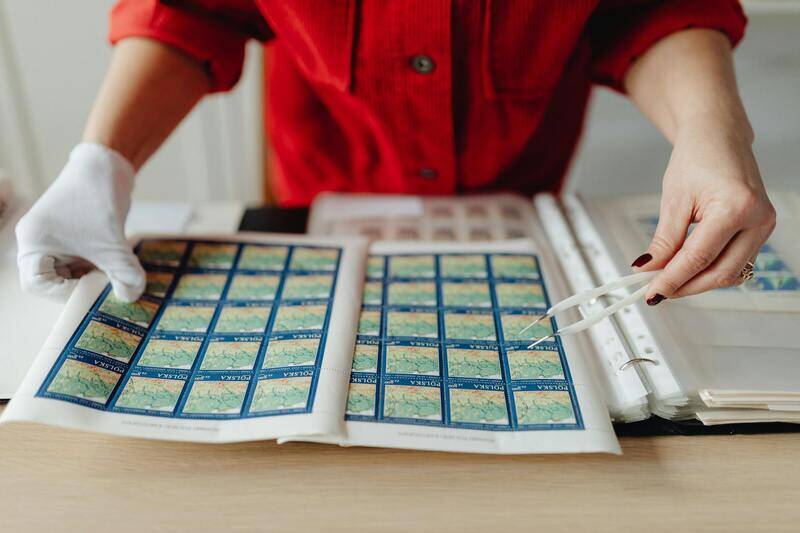
First and foremost, a print shop brochure acts as a tangible representation of your brand's professionalism and quality standards. Through carefully curated visuals and precise messaging, it demonstrates your technical expertise and attention to detail. It also builds immediate credibility by showcasing certifications, testimonials, and samples of high-quality work that serve as proof of your proficiency in handling various printing projects.
Another vital function is generating leads by guiding potential customers through your service offerings with strategic calls-to-action (CTAs). Clear and compelling CTAs encourage prospects to inquire further, request quotes, or initiate contact, creating a direct pathway for converting interest into concrete business relationships.
Furthermore, print shop brochures educate prospects about the range of materials, finishes, and design options available. This educational aspect influences purchasing decisions by informing clients about choices that can enhance their projects’ visual appeal and durability. The brochure becomes an informative guide that not only prompts inquiries but also helps clients make well-informed selections tailored to their specific needs.
Impact of an Effective Brochure on Client Acquisition
The influence of a professionally crafted brochure extends beyond mere visual appeal. It functions as a bridge that transforms potential interest into genuine engagement. When the brochure clearly articulates your unique selling points, showcases your portfolio, and provides a compelling narrative about your services, it fosters trust and confidence among prospective clients.
Distribution of strategically targeted brochures can significantly amplify your reach. Whether handed out during industry events, included in direct mail campaigns, or displayed in your storefront, the brochure acts as an accessible touchpoint that helps maintain top-of-mind awareness among your audience. It encourages ongoing conversations and paves the way for future collaborations.
Visual Representation and Branding
A print shop brochure encapsulates your brand’s identity through cohesive visual elements and a consistent tone of voice. The integration of your logo, color schemes, and imagery aligns with your overall branding strategy, making your business instantly recognizable. A compelling visual presentation underscores your commitment to quality and professionalism, reinforcing the message that clients can trust your team to deliver top-notch print solutions.
By leveraging high-quality visuals that showcase your work process, finished products, and innovative printing techniques, the brochure becomes a powerful tool to solidify your brand presence. This visual storytelling not only attracts attention but also communicates your core values and dedication to excellence.
Ultimately, a print shop brochure is a foundational marketing asset designed to attract interest, inform prospects, and convert inquiries into loyal customers. It acts as a comprehensive showcase and educational resource, presenting your business as a reliable, professional, and innovative provider in the print industry. Properly designed and strategically distributed, it becomes an essential element of your overall marketing mix, helping to grow your client base and establish your reputation in the local and broader market.
Design Principles for Print Shop Brochures
Effective print shop brochures rely heavily on thoughtful design principles that enhance visual appeal and readability. Key considerations include layout balance, color harmony, typography choices, and imagery placement. A well-structured layout guides the reader naturally through the content, emphasizing important information while maintaining aesthetic consistency. Using white space strategically prevents clutter and directs focus to key messages and visuals.
Color schemes should reflect your brand identity, utilizing complementary hues that attract attention and evoke the desired emotional response. Consistent use of colors supports brand recognition and strengthens visual cohesion. Typography choices should prioritize clarity and professionalism; selecting legible fonts and appropriate sizes ensures that information is easily accessible across various formats and viewing distances.

Imagery is a vital component of a compelling brochure. Incorporate high-resolution images that demonstrate your printing capabilities, finished products, and customer projects. Visuals should be relevant and strategically placed to complement the written content, highlighting your expertise and attention to detail. Consistency in visual style — whether through filters, framing, or color grading — reinforces your brand identity and professional image.
Incorporating visual hierarchy through size, color contrast, and placement directs viewers’ attention to the most important points first, ensuring your message resonates effectively. Consistent branding elements, including logos and brand motifs, further contribute to a unified design that communicates professionalism and reliability.

Choosing the Right Printing Materials and Finishes
Selecting appropriate printing materials and finishes plays a critical role in the overall impact of your brochure. The choice of paper stock influences the tactile feel, durability, and visual appeal of the final product. Thicker, coated papers tend to present more vibrant colors and a premium look, making them suitable for high-end branding or detailed visuals. Conversely, lighter weight papers may be more cost-effective for bulk distributions or informational leaflets.
Finishes such as gloss, matte, or satin coatings add a layer of sophistication that enhances visual depth and protects your printed materials from wear and tear. Gloss finishes emphasize vibrant colors and sharp details, ideal for images and visual storytelling. Matte finishes provide a muted, elegant appearance that reduces glare, fostering a comfortable reading experience. Satin finishes strike a balance, offering a smooth sheen with subtle elegance.
Beyond aesthetics, consider the environmental impact and sustainability of materials used. Eco-friendly options like recycled paper or vegetable-based inks are increasingly preferred by clients who prioritize green initiatives. Consulting with your print provider about available material options can help align your brochure production with your branding values and budget constraints.

Fold Types and Formats for Brochures
The structure of your brochure significantly impacts its functionality and presentation style. Various fold types and formats serve different purposes, from simple informational leaflets to elaborate showcases. Common fold options include bi-fold, tri-fold, z-fold, gate fold, and accordion fold, each offering unique advantages depending on the content quantity and desired aesthetic.
- Bi-fold: A straightforward, two-panel layout ideal for concise messaging and easy handling.
- Tri-fold: Divides the brochure into three panels, providing logical sections for varied information and a compact format.
- Z-fold: Similar to tri-fold but creates a dynamic, flowing visual experience when opened.
- Gate fold: Features two end panels that open like gates to reveal a larger central panel, suitable for impactful visuals or promotional content.
- Accordion fold: Multiple panels folded in sequence, offering ample space for storytelling or detailed product showcases.
The format choice depends on the amount of content, design complexity, and intended presentation flow. For most print shop brochures, pairing the fold style with your branding objectives ensures a cohesive and professional appearance.
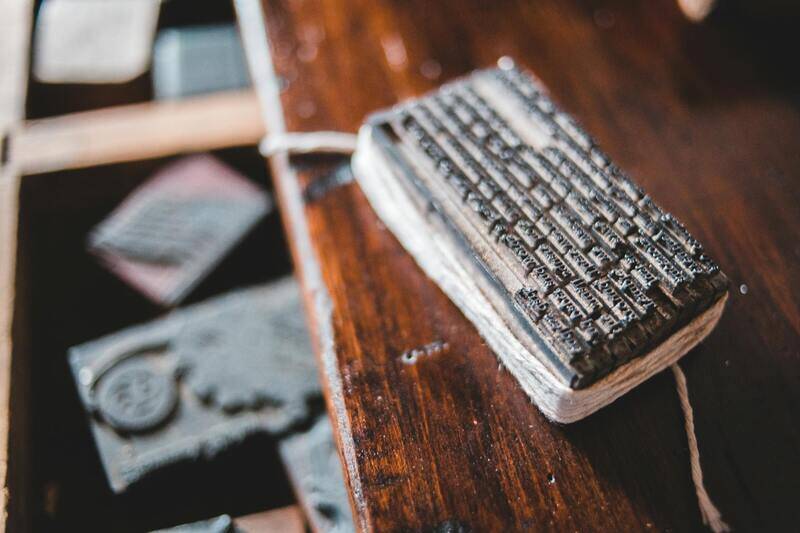
Different Binding and Finishing Techniques for Brochures
Beyond fold types, the choice of binding and finishing techniques plays a crucial role in the overall presentation and durability of your print shop brochure. These elements can elevate your marketing material from simple informational leaflets to professional, eye-catching representations of your brand. The variety of binding options allows customization based on the style, functionality, and lifespan desired for your brochures.
- Saddle Stitching: This popular binding method uses staples along the spine, making it ideal for booklets and brochures with multiple pages. Its cost-effectiveness and neat appearance lend a professional touch while maintaining easy handling.
- Perfect Binding: Commonly used for thicker brochures, perfect binding involves gluing the pages together at the spine with a flexible adhesive. It provides a clean, polished look similar to hardcover books, suitable for broader marketing campaigns or portfolio displays.
- Spiral or Coil Binding: Spiral binding involves punching holes along the edge and inserting a plastic or metal coil. This method allows brochures to lay flat when opened, making it perfect for manuals or catalogs where ease of viewing is paramount.
- Wire-O Binding: Similar to spiral, but more refined, offering a sturdy ring binding that rotates fully, enabling smooth page turning. It’s often used for presentations and detailed product guides.
Enhancing Brochures with Special Finishes
Finishing touches can significantly impact the tactile feel and visual vibrancy of your brochures. Applying specialty coatings and finishes not only enhances attractiveness but also provides protection against wear and environmental factors, contributing to a longer lifespan and sustained effectiveness of your printed materials.
- UV Coating: This high-gloss finish provides a slick, shiny surface that intensifies colors while offering protection against scratches and fingerprints. It’s particularly effective for brochures featuring vibrant images and bold graphics.
- Matte Finish: Offering a smooth, non-reflective surface, matte finishes lend a sophisticated and understated elegance to brochures. They also reduce glare, making text easier to read in brightly lit environments.
- Soft Touch Finish: This luxurious coating provides a velvety texture, enhancing tactile engagement and imparting a premium feel to your brochure, ideal for high-end products and services.
- Spot UV: Applying a glossy UV coating selectively on specific areas creates contrast and draws attention to key visuals or text. This technique helps highlight important messages effectively.
- Embossing and Debossing: These techniques add physical depth by raising or recessing areas of the paper, creating a textured effect that adds visual interest and a memorable tactile experience.
Selecting Appropriate Papers for Brochures
The choice of paper significantly influences the durability, appearance, and overall impact of your brochure. Selecting the right paper type involves considering factors such as weight, texture, and coating options, which align with your branding and functional goals.
- Cover Stock: Typically heavier and more durable, cover stocks range from 14pt to 32pt thickness. They provide a sturdy feel, making them well-suited for the outer cover of a brochure.
- Interior Pages: Thinner papers around 70-100lb text weight are common for interior pages, balancing cost and visual quality.
- Textured Papers: Linen, felt, or other textured finishes can add tactile richness and lend a unique character to your brochures, ideal for high-end branding.
- Recycled and Eco-friendly Options: Environmentally-conscious materials are increasingly popular, offering biodegradable and recycled papers that reflect sustainability commitments.
By carefully selecting the appropriate binding, finishes, and paper types, your print shop brochure will stand out with a professional, compelling presentation designed to capture your audience’s attention and effectively communicate your message.
Utilizing Effective Distribution Methods for Brochures
Maximizing the impact of your print shop brochure involves strategic distribution. To reach your target audience effectively, consider a combination of traditional and modern methods. Direct mailing campaigns ensure your brochures land directly in the hands of potential clients, especially when tailored with personalized touches that resonate with recipients. These campaigns can be optimized by segmenting mailing lists based on geographic location, demographics, or purchasing behavior, thus enhancing relevance and response rates.
Distribution at events, trade shows, and retail locations also plays a vital role. Handing out brochures at industry-specific gatherings not only increases visibility but also allows for immediate face-to-face engagement. Positioning brochures at high-traffic areas within your own premises or partnering with complementary businesses can further amplify exposure.

In today’s digital age, integrating your physical brochures with online marketing efforts can create a seamless customer journey. QR codes embedded within the brochure enable recipients to access your website or digital content instantly, bridging the gap between offline and online engagement. Additionally, leveraging social media and email marketing can complement the distribution of physical brochures, reinforcing your message and increasing overall outreach.
- Personalized direct mail campaigns tailored to key customer segments
- Strategic placement at industry events, trade shows, and local retail outlets
- Incorporating QR codes for instant digital access
- Combining physical brochures with online marketing channels
- Training staff to effectively introduce and hand out brochures to prospects
For optimal results, evaluating the distribution channels that align with your target market and brand positioning is essential. Monitoring response rates and gathering feedback can guide future distribution strategies, ensuring your print shop brochure continues to serve as a powerful tool in your marketing arsenal.
Understanding the Purpose of a Print Shop Brochure
A print shop brochure serves as a physical reflection of your business identity and service offerings. It acts as a tangible marketing tool that communicates your brand’s values, professionalism, and expertise to prospective clients. By presenting detailed information about printing services, materials, turnaround times, and customization options, a well-crafted brochure helps potential clients assess the quality and scope of your offerings. Additionally, a brochure builds credibility by showcasing your portfolio, client testimonials, and certifications, establishing your shop as a reputable source for printing needs. In the competitive landscape of printing services, having a compelling brochure ensures your business remains top of mind when customers require custom printing or business printing solutions. It’s not merely a leaflet but a strategic investment in establishing trust and facilitating immediate engagement with your target audience.
Key Elements of an Effective Brochure
- Clear Branding: Incorporate your logo, brand colors, and a consistent visual style that aligns with your overall branding strategy.
- Concise Content: Use precise, compelling language that highlights key services, benefits, and unique selling propositions.
- High-Quality Images: Include professional images of your printing projects, facilities, and satisfied customers to build trust and credibility.
- Contact Information: Ensure your phone number, email address, physical location, and website are readily visible and easy to find.
- Call-to-Action (CTA): Encourage immediate response through offers, appointments, or inquiries to motivate prospective clients to take the next step.
Design Principles for Print Shop Brochures
Design plays a vital role in capturing attention and guiding the reader through your message. Use a clean layout with ample white space to enhance readability and ensure key elements stand out. Select fonts that are legible and consistent, avoiding cluttered or overly decorative styles. Visual hierarchy should direct the reader’s focus towards primary information like services and contact details. Consistency in color scheme and imagery fosters a cohesive look that reinforces brand recognition. Incorporating visual elements such as icons, infographics, or textured backgrounds can further communicate complex information effortlessly. Lastly, ensure your brochure design aligns with your target audience’s preferences—whether it’s a sleek, modern appearance for corporate clients or a vibrant, creative look for small businesses and startups.
Choosing the Right Printing Materials and Finishes
The material and finish of your brochure significantly influence its durability, tactile appeal, and overall perception. Common paper choices include matte, gloss, and silk finishes, each offering distinct visual and tactile experiences. Matte finishes provide a sophisticated look with reduced glare, ideal for texts and detailed images, while gloss finishes enhance color vibrancy and shine, making visuals pop. Silk finishes offer a balanced mid-point with a smooth surface that is resistant to fingerprints and smudges. Selection should align with your brand identity and the message you wish to convey. For instance, premium textured papers or heavy cardstock lend an upscale feel suitable for high-end services. Special finishes such as UV coating, lamination, or spot varnishing can add a layer of durability and visual interest, highlighting specific elements like logos or call-outs. The right combination of materials and finishes not only prolongs the longevity of your brochure but also elevates its perceived value to your audience.
Fold Types and Formats for Brochures
Multiple fold styles and formats serve different purposes, functionality, and aesthetic preferences. The choice of fold impacts content layout, ease of reading, and overall presentation. Common fold types include bi-fold, tri-fold, Z-fold, gate fold, and accordion fold. Each offers unique advantages; for example, tri-fold brochures are popular for their compact size and clear division of sections, while gate folds provide a more premium, elegant opening or closing option. Square, bi-folder, or custom-shaped formats allow for more creative expression and can set your brochure apart from competitors. When selecting a format, consider the amount of information you need to communicate, the desired visual flow, and how the brochure will be distributed—whether in hand, via mail, or at events. Properly designed folds ensure that your message is delivered in a logical, engaging manner, guiding readers seamlessly from introduction to call-to-action.
Understanding the Purpose of a Print Shop Brochure
A print shop brochure serves as a vital marketing tool that encapsulates your brand identity, highlights your products or services, and communicates essential information to your target audience. It is designed to make a memorable impression, foster engagement, and ultimately drive customer action. Whether distributed at trade shows, handed out in-store, or sent via direct mail, an effectively crafted brochure functions as a tangible representation of your business, emphasizing professionalism, credibility, and attentiveness to detail.
At its core, a print shop brochure aims to provide valuable, concise information while creating an emotional connection with potential clients. It should reflect your brand’s personality and distinguish your business from competitors. For instance, a well-designed brochure for a luxury service will focus on high-quality visuals and premium materials, whereas a practical, budget-conscious approach might prioritize straightforward messaging and cost-effective printing options. The ultimate goal is to inspire confidence and motivate prospects to choose your services over others, making the brochure a powerful asset in your overall marketing strategy.
Key Elements of an Effective Brochure
- Clear Purpose: Define the main goal of your brochure—whether to promote a new product, introduce services, or boost brand awareness. Every element should align with this objective.
- Compelling Headline: Capture attention immediately with a concise, engaging headline that encourages further reading.
- Concise Content: Use straightforward language to highlight key benefits, features, and unique selling points. Avoid clutter and focus on essential information.
- Visual Hierarchy: Structure your content with headlines, subheadings, and bullet points to facilitate easy scanning and comprehension.
- High-Quality Imagery: Incorporate professional visuals that complement your message, showcase your offerings, and enhance aesthetic appeal.
- Call to Action (CTA): Include a clear directive—such as contacting you, visiting your website, or visiting your location—to guide reader response.
- Consistent Branding: Ensure colors, fonts, and overall style align with your brand identity for recognition and professionalism.
Design Principles for Print Shop Brochures
Effective brochure design hinges on balance, clarity, and visual appeal. Use whitespace strategically to avoid overcrowding, and select fonts that are easy to read. Prioritize a clean layout with a logical flow from the introduction to the CTA. Incorporate visual elements that reinforce your messaging, such as icons or infographics, to break down complex information. Consistency in style, tone, and brand elements ensures the brochure feels cohesive and polished. Remember, simplicity often yields the most striking and memorable results, so aim for a design that enhances readability and engagement.

Understanding the Purpose of a Print Shop Brochure
A print shop brochure functions as a vital marketing tool that consolidates your business’s offerings, values, and unique selling propositions into a tangible format. It serves to inform prospective clients about your range of services, including custom print solutions, design assistance, and premium finishes. When crafted effectively, a brochure not only communicates essential information but also evokes professional credibility and trust. It offers potential customers a convenient way to understand your competitive advantages, locations, pricing structures, and experiential benefits. By strategically positioning your business details within an aesthetically pleasing layout, a brochure helps to generate leads, reinforce brand awareness, and foster customer engagement. A well-designed print shop brochure becomes a quick-reference guide that customers and prospects keep on hand, facilitating ongoing outreach and increasing chances of repeat business.
Key Elements of an Effective Brochure
- Clear Headline: Captures attention and succinctly communicates the core message.
- Concise Content: Highlights key features, benefits, and unique selling points without overwhelming the reader.
- Eye-Catching Visuals: Incorporate high-quality images and graphics that complement the text and reinforce branding.
- Strong Call to Action (CTA): Guides readers toward next steps, such as contacting your shop or visiting your website.
- Consistent Branding: Use aligned color schemes, fonts, and style elements to create a unified look.
- Contact Information: Make sure your phone number, email, website, and physical location are prominent.
Design Principles for Print Shop Brochures
Effective brochure design balances aesthetics with functionality. Strategic use of whitespace prevents clutter, allowing content to breathe and making information easier to process. Readable fonts, such as sans-serif options, foster clarity and professionalism. A clean layout with a logical flow—from an attention-grabbing header through detailed offerings to a compelling CTA—guides the reader smoothly through your message. Visual elements like icons, infographics, or creative flourishes help clarify complex information and add visual interest. Maintaining consistency across style, tone, and branding elements ensures the brochure looks polished and cohesive. Emphasizing simplicity and clarity often results in a more memorable and impactful brochure, encouraging recipients to take action.
Choosing the Right Printing Materials and Finishes
The selection of printing materials profoundly influences the tactile and visual quality of your brochure. Premium paper stocks, such as heavy-weight card stock or glossy finishes, elevate the perceived value and durability. Matte finishes offer a sophisticated look and reduce glare, making printed content easier to read, while gloss finishes enhance vibrancy, making images pop. Specialty materials like textured paper or eco-friendly options not only align with specific branding messages but also attract environmentally conscious consumers. When selecting finishes, consider lamination for added protection and longevity or spot varnishes to highlight particular elements. The right combination of materials and finishes ensures your brochure feels premium, aligns with your brand’s identity, and withstands handling over time.
Fold Types and Formats for Brochures
- Bi-Fold: Creates four panels and is ideal for straightforward messaging and simple layouts.
- Tri-Fold: Offers six panels, providing organized sections for detailed information and images.
- Z-Fold: Similar to tri-fold but with a zigzag fold, allowing for dynamic presentation of content.
- Gate Fold: Features side panels that open like gates, perfect for dramatic reveals of visuals or offers.
- Customized Folds: Unique folding styles tailored to specific branding or creative ideas, adding an element of surprise.
The choice of fold depends on the amount of content, desired aesthetic, and functionality. Standard formats like bi-folds and tri-folds are versatile, while custom folds create memorable unboxing experiences that can distinguish your print shop brochure in a competitive market.
Cost Factors and Budgeting for Brochure Printing
Understanding the costs associated with brochure printing helps in aligning your marketing budget efficiently. Factors influencing the total expense include paper quality, print volume, color complexity, and finishing options. Higher-quality materials and premium finishes naturally increase costs but enhance longevity and visual appeal. Design complexity, such as custom folds or special binding, can also add to expenses. Establishing clear specifications and requesting detailed quotes from reputable print providers ensures transparency and helps prevent unexpected costs. For optimized budgeting, consider the scale of distribution and the expected lifespan of the brochure. Larger print runs typically benefit from bulk pricing discounts, reducing 'per piece' costs. Carefully balancing quality with budget constraints allows for creating professional, impactful brochures without overspending.
Working with a Print Shop: Tips and Best Practices
- Clear Communication: Provide detailed specifications, including size, material preferences, and quantities, to ensure your vision is accurately realized.
- Request Samples: Before committing to a large print run, review printed samples to examine quality, color accuracy, and finish options.
- Define Deadlines: Establish realistic turnaround times, especially if coordinating multiple batches or add-ons like mailing or distribution services.
- Review Proofs Carefully: Examine digital or physical proofs for accuracy in language, layout, and colors before approval.
- Utilize Expert Advice: Leverage the expertise of the print shop staff regarding paper selection, finishes, and folding options to optimize your results.
- Plan for Distribution: Coordinate your brochures’ delivery or pickup schedules to align with your marketing campaigns and outreach efforts.