Understanding Custom Made Business Cards
Custom made business cards are personalized branding tools designed to reflect the unique identity of an individual or business. Unlike standard business cards that often follow generic templates, custom cards are crafted with specific designs, materials, and finishes tailored to meet individual preferences and brand requirements. These cards serve as a physical extension of a professional’s or company's image, making a memorable impression on clients, partners, and prospects.
The primary purpose of custom business cards is to facilitate networking by providing comprehensive contact information in a visually appealing and durable format. They enable recipients to easily remember the individual or organization they represent, fostering trust and recognition. Moreover, customized cards are an effective marketing asset, allowing businesses to showcase their style, logo, and message in a way that aligns with their branding strategy.
Compared to standard business cards, custom options offer significant advantages. They enable the use of premium materials such as textured paper, transparent plastics, or even metal, which can enhance the tactile experience. Unique shapes, embossing, foil stamping, and other embellishments also add tactile and visual interest. The ability to choose specific sizes, finishes, and constructions means that each card can be as distinctive as the brand it represents, helping professionals stand out in competitive environments.
Furthermore, custom business cards are often more durable and long-lasting, ensuring they remain in good condition despite frequent handling. This longevity reinforces the professionalism and credibility of the user. In sectors where brand identity is crucial, such as design, real estate, or consulting, investing in custom-made cards can significantly impact the perception of quality and attention to detail.

Material Selection and Finishes
Choosing the appropriate materials and finishes is critical in producing custom made business cards that leave a lasting impression. High-quality materials not only enhance the visual appeal but also influence the tactile experience, which can significantly impact how recipients perceive the professionalism of your brand. Leather, textured paper, recycled stock, plastic, metal, and even specialty materials like wood or fabric are popular choices for custom business cards. Each material offers its own set of advantages, from durability to unique aesthetic qualities.
When selecting finishes, options such as gloss, matte, or soft-touch coatings can dramatically alter the look and feel of the card. A glossy finish provides a shiny, vibrant surface that accentuates colors and details, making images and logos pop. Matte finishes promote a subdued, sophisticated appearance and reduce glare, ensuring readability in various lighting conditions. Soft-touch coatings add a velvety texture for a premium sensation, often combined with embossing or foil for added depth.
Specialty finishes, like spot UV coating, apply gloss only to specific areas, highlighting logos or design elements. Foil stamping introduces metallic accents that lend a luxurious touch, ideal for logos, text, or decorative borders. Embossing and debossing create tactile patterns by raising or lowering surface elements, reinforcing brand identity. Laminations and varnishes offer additional protection against wear, smudges, and moisture, extending the lifespan of your cards.

Customization Options and Features
Modern technology and design flexibility provide a wide array of customization options, allowing each business card to reflect the unique personality of a brand or individual. From shape to embellishments, the options empower creators to craft one-of-a-kind pieces that stand out from typical designs.
One common customization aspect is shape. Beyond standard rectangular forms, creative options include round corners, oval shapes, or entirely custom contours that match branding elements. Die-cutting allows for intricate patterns or unique borders that draw attention.
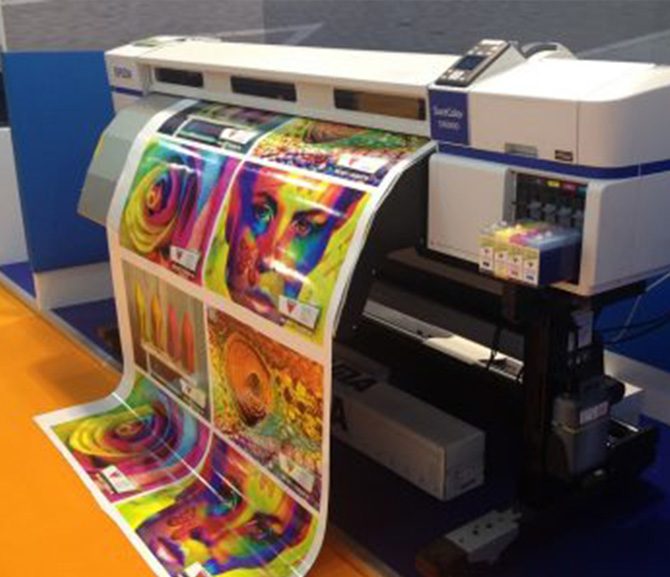
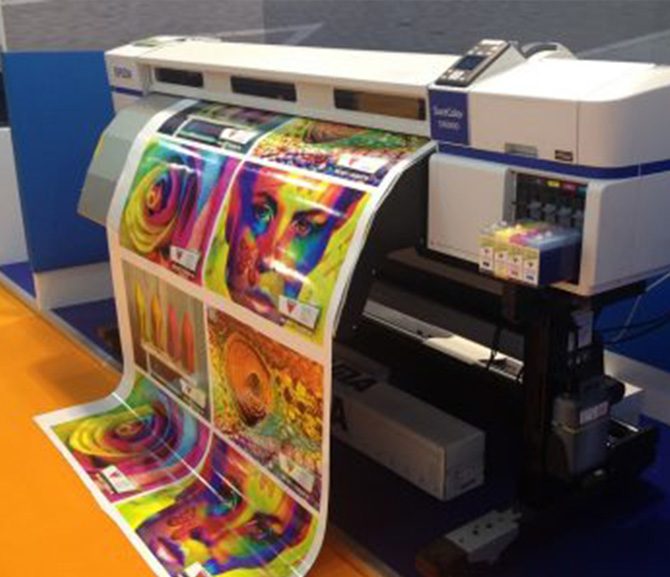
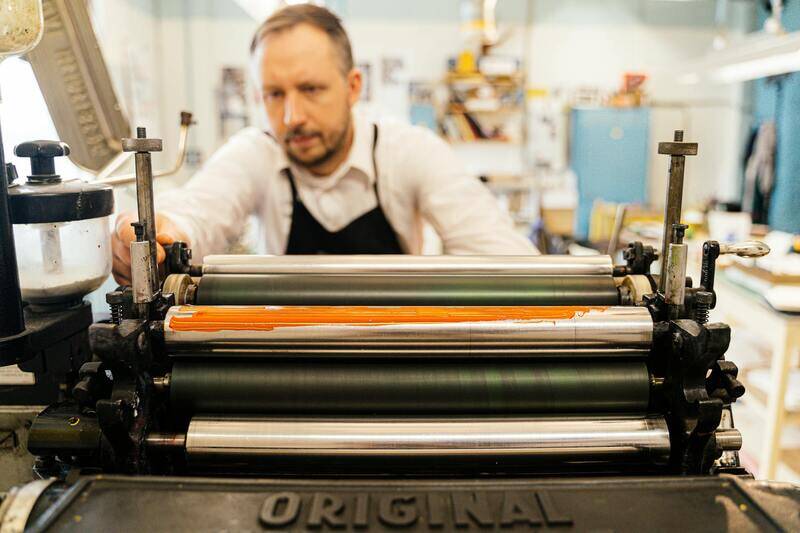
Color schemes and printing methods further broaden customization possibilities. Vibrant, full-color digital printing is standard, but techniques such as letterpress or screen printing can add an artisanal touch. Incorporating unique finishes or layered effects and combining multiple techniques like foil stamping and embossing can create a multidimensional appearance.
Furthermore, advances in digital file preparation and software enable precise control over layout, typography, and image placement. This precision ensures that branding elements are consistent and visually balanced across the entire card.
Additional features such as QR codes, NFC chips, or augmented reality elements can be integrated seamlessly, transforming a simple contact card into an interactive experience.
Material Selection and Finishes
Choosing the appropriate materials and finishes is fundamental to creating custom made business cards that leave a lasting impression. The selection process involves evaluating various paper types, textural elements, and coating options to match the brand's aesthetic and functional requirements.
Standard cardstock is the most common choice due to its affordability and versatility. It comes in various weights, typically ranging from 14pt to 32pt, with heavier options providing a more substantial and premium feel. Recycled papers are increasingly popular for eco-conscious brands, offering sustainability without compromising quality.
Specialty materials extend beyond traditional paper. Plastic cards, for instance, are durable and water-resistant, suitable for industries requiring ruggedness and longevity. Metal or metallic-finish cards add an element of prestige and can incorporate embossed or engraved details for a tactile experience. Fabric-based or textured options, such as linen or suede finishes, lend a unique and sophisticated touch that visually and physically differentiates a business card.
Finishes and coatings significantly influence the overall aesthetic and durability of the card. Matte finishes provide a non-reflective, elegant look that enhances subtle colors and textures. Glossy coatings, on the other hand, amplify vibrancy and make images or logos pop, ideal for visually striking designs. Soft-touch coatings offer a velvety feel that can elevate the tactile engagement of the card.
Special coatings, such as UV coating, add extra protection against scratches and moisture, preserving the card’s appearance over time. Additionally, spot coatings can be used selectively to highlight specific areas, like logos or contact information, creating contrast and depth.

Incorporating textured elements like embossed or debossed details further enhances the tactile experience, making the card more memorable. These techniques involve pressing an image or text into the material, creating a raised or recessed effect that catches the light and invites touch. Laser finishes or foil stamping can add metallic accents or elaborate embellishments, blending visual appeal with physical texture for a comprehensive branding statement.
Understanding the range of available materials and finishes empowers businesses to select options that best reflect their identity. Each choice impacts not only the aesthetic but also the perceived value of the card, influencing how recipients engage with the brand.
Legal and Official Methods for Custom Business Card Production
To ensure the authenticity and durability of custom-made business cards, it is essential to utilize official channels and established procedures. Engaging with certified professional printing services, such as those offering bespoke solutions through reputable platforms like expressprintingsi.com, guarantees that your business cards are produced in accordance with recognized standards and best practices. These providers employ industry-standard equipment, high-quality materials, and adhere to recommended design guidelines to create cards that meet professional expectations.
Working with legitimate printing companies involves submitting precise design files that comply with technical specifications. These specifications typically include vector formats for logos and artwork, appropriate color profiles (such as CMYK), and resolution settings that prevent pixelation or blurriness. Ensuring your files are aligned with these standards helps produce sharp, consistent, and legally compliant prints.
In addition to file accuracy, selecting officially recognized printing services often involves transparent communication regarding pricing, turnaround times, and material options. These providers are equipped with verification processes that uphold quality control, ensuring that each batch of business cards aligns with industry benchmarks. Confirming the credentials and reputation of your chosen service provider through reviews, certifications, or industry memberships further solidifies your commitment to maintaining professional standards.
Legal procurement of custom business cards also entails comprehensive agreements that specify rights and responsibilities related to the design, manufacturing, and distribution processes. This formalization helps prevent misunderstandings and ensures that all elements—such as artwork, branding, and finishes—are used in accordance with authorized guidelines. Moreover, official channels often maintain detailed records of order history and specifications, facilitating accountability and traceability.
It is prudent to refrain from using unverified or unauthorized sources, such as shady print shops or licensed reproductions that do not operate within established industry frameworks. This approach protects the integrity of your brand, ensures compliance with relevant trade standards, and minimizes the risk of receiving subpar or counterfeit products.
To summarize, producing genuine custom-made business cards requires adherence to proven procedures: engaging with certified printing providers, submitting compliant design files, verifying credentials, and maintaining clear contractual agreements. These steps guarantee the cards you distribute are not only visually appealing but also meet professional standards, embodying the brand’s credibility and commitment to excellence.
Understanding Custom Made Business Cards
Creating custom made business cards involves a meticulous process that ensures each card effectively represents your brand's identity while maintaining a professional appearance. This process begins with a comprehensive understanding of your brand's core message, visual identity, and the impression you wish to leave on potential clients and partners. High-quality custom business cards are crafted using official manufacturing channels, which adhere strictly to industry standards, ensuring authenticity and durability.
Official manufacturing methods utilize proven techniques and verified suppliers to produce cards that meet precise specifications. These methods encompass careful quality control measures at every stage—from design submission to final printing—to guarantee the finished product aligns with your expectations. Engaging with reputable providers minimizes risks associated with counterfeit or substandard materials, safeguarding your brand’s integrity.
Furthermore, legitimate production channels often maintain detailed records of order specifications, revisions, and production processes. This transparency facilitates accountability and allows for traceability, which is crucial for resolving any issues related to the order. When sourcing custom business cards through authorized channels, you also ensure that your designs, logos, and branding elements are used in accordance with established guidelines, thus reinforcing brand consistency.
Choosing official methods to procure business cards reduces the potential for discrepancies or errors that might occur with unverified suppliers. It also prevents the use of unauthorized reproductions, which could compromise your brand's reputation. Adherence to industry-standard procedures for design submission, material selection, and production verification sets the foundation for delivering a final product that is both visually appealing and reliable.
By working exclusively with authorized providers, you benefit from professional oversight, quality assurance, and adherence to best practices. This not only results in superior print quality but also guarantees that your custom cards are produced using only approved methods, materials, and finishes. Your decision to follow these legitimate channels demonstrates a commitment to professionalism and high standards, ultimately reflecting positively on your brand's image.
Methods to Ensure Authenticity and High Quality in Custom Business Cards
Securing premium quality custom made business cards requires selecting reputable and authorized printing channels. Authorized providers uphold strict standards during every stage of production, from initial design review to final delivery. This ensures that your business cards meet industry benchmarks, reflecting your brand's professionalism and attention to detail. Working with authorized sources also guarantees access to the latest printing technologies and advanced materials, which can significantly enhance the tactile and visual appeal of your cards.
One effective approach is to verify the manufacturer’s credentials and industry reputation before placing an order. Look for established providers with a demonstrable track record of delivering consistent, high-quality products. Authentic suppliers often provide comprehensive portfolios or sample kits, allowing you to evaluate their craftsmanship firsthand. This step can prevent issues related to poor print quality, below-standard materials, or inappropriate finishes that may compromise your branding efforts.
Furthermore, official channels typically incorporate quality control measures during production. These include color calibration, alignment checks, and substrate inspections to ensure every batch adheres to specified standards. Such rigorous quality assurance processes are vital for producing business cards that look professional, feel durable, and represent your brand effectively. It’s also advisable to request proofs or digital previews prior to full-scale printing. This pre-approval step enables you to make necessary adjustments, ensuring the final product aligns perfectly with your expectations.

Besides selecting authorized providers, maintaining clear communication throughout the ordering process is essential. Providing detailed specifications, branding guidelines, and design files helps avoid misunderstandings and errors. Confirming these details before production begins is a crucial step towards achieving a premium outcome. Authorized providers are committed to transparency and offer customer support to clarify any uncertainties, helping you secure a product that truly reflects your brand identity.
In summary, leveraging official procurement methods, verifying provider credentials, and maintaining open communication channels are key to obtaining authentic, high-quality custom business cards. These practices help ensure the finished product not only meets aesthetic expectations but also upholds your brand’s reputation within your industry.
Understanding Custom Made Business Cards
Custom made business cards serve as a crucial touchpoint for professionals aiming to make a memorable first impression. They are a reflection of a brand’s identity, encapsulating key information, visual style, and personality within a compact format. When produced through official and authorized channels, these cards meet strict standards for print quality, material authenticity, and adherence to brand specifications. This ensures that each card not only conveys professionalism but also maintains consistency with your overall branding strategy. The process begins with selecting reputable suppliers who employ rigorous quality control measures, including color calibration, substrate inspections, and alignment verification. These steps guarantee that every batch of business cards upholds the desired aesthetic and tactile standards, reinforcing your brand’s credibility and attention to detail.

Design Principles for Custom Business Cards
Designing effective custom business cards involves balancing aesthetic appeal with clear communication. Key principles include simplicity, readability, and brand consistency. It is essential to choose colors that align with your brand palette, ensuring fonts are legible at a small scale, and incorporating branding elements such as logos, taglines, or industry-specific symbols. When working with authorized printers, providing high-resolution design files and detailed instructions helps facilitate precise printing. Moreover, layering different textures or incorporating unique finishes can add a tactile dimension, making your business cards stand out in a competitive environment. Designers should also consider the card’s shape and size, opting for standard dimensions or custom formats that reinforce your brand identity, while ensuring compatibility with traditional wallets or cardholders.

Material Selection and Finishes
Choosing the right material is fundamental to creating durable and visually appealing custom business cards. Common options include thick cardstock, textured papers, and specialty materials like recycled or eco-friendly substrates. The selection influences both the card's tactile quality and longevity. Finishes such as matte, gloss, or satin coatings can be applied to protect the surface and enhance visual properties. For instance, a matte finish offers a subdued, elegant look, whereas gloss highlights vibrant colors and intricate details. Specialty finishes like spot UV or foil stamping can add a luxurious touch, demonstrating attention to detail and elevating your brand perception. When opting for premium finishes, it is important to confirm their compatibility with the chosen material and to verify that the authorized printing provider employs proper application techniques to ensure durability and consistency.
Customization Options and Features
Authorized providers offer an extensive range of customization options, allowing you to tailor each element of your business cards. Features such as embossed or debossed text and graphics, raised printing, die-cut shapes, and edge painting elevate the tactile experience and make your cards memorable. Incorporating QR codes or NFC chips provides an interactive component, facilitating easy access to digital portfolios or contact information. Transparency and double-sided designs can maximize space for branding and contact details while maintaining visual harmony. Additional features like rounded corners, textured surfaces, or metallic accents contribute further to a distinctive appearance. To ensure a seamless outcome, it is advisable to work closely with your printing supplier, sharing detailed specifications and reviewing proofs meticulously. This collaboration ensures that the customized elements are executed precisely, aligning with your vision while adhering to technical standards.

Printing Techniques for Custom Business Cards
Having a thorough understanding of various printing techniques can significantly influence the final quality of your custom business cards. Offset printing is widely used for its ability to produce consistent, high-volume runs with rich color accuracy and fine detail. Digital printing offers quick turnaround times and cost-efficiency for smaller batches, making it suitable for personalized or limited editions. Specialty techniques such as letterpress, thermography, and foil stamping provide textured effects, metallic highlights, and a premium tactile experience. Spot UV coating is often used to create contrast by highlighting specific design elements with a glossy finish. When selecting a printing method, consider factors like the desired visual impact, budget constraints, and the intended quantity. Working with authorized service providers ensures that these techniques are executed with precision, preserving the integrity of intricate details and textures, and ultimately delivering a professional, durable product that effectively communicates your brand's message.

Finalizing Your Custom Made Business Cards with Professional Printing
When it comes to producing high-quality custom made business cards, selecting the appropriate printing service provider is crucial. This choice profoundly impacts the final appearance, durability, and overall professionalism of your cards. An experienced provider understands the nuances of different printing techniques and offers guidance tailored to your specific design and material preferences.
One of the key factors to consider is the provider's portfolio and reputation. Review their past projects to assess the quality of work and the range of customization options they support. Transparent communication is also essential—clear discussions regarding your design specifications, material choices, and finishing options ensure that your expectations are met accurately. Confirm that the provider uses cutting-edge equipment and adheres to industry standards for color consistency, registration, and overall print quality.
Engaging with a trusted printing partner who is committed to quality assurance can prevent common issues such as color mismatches, misregistration, or inconsistent finishes. A reliable provider will offer sample prints or proofs for your approval before proceeding with the full run. This step is vital for verifying that all elements, from colors to textures, align with your vision. Paying close attention to the proofing process adds an additional layer of confidence, guaranteeing that the final product meets your expectations and presents your brand in the best light.

Beyond the printing process itself, consider the post-production services offered by the provider. Additional options such as die-cutting, embossing, or applying specialty coatings can elevate your design and provide a distinct tactile experience. Ensure that the provider is equipped to execute these enhancements with accuracy, as they play a significant role in creating memorable business cards that stand out from the competition. Collaborating with a professional printing company that emphasizes quality control and technological expertise is fundamental for achieving a polished, durable product that effectively communicates your branding message.
Finally, reviewing and understanding the technical specifications provided by your chosen provider is essential. Confirm details regarding file formats, bleed requirements, and color profiles to prevent delays or errors during the printing process. Proper preparation and communication help streamline production, reduce costs, and ensure the final product aligns seamlessly with your branding strategy. Investing in professional-grade custom business cards through a reputable provider guarantees a sophisticated presentation of your brand, measuring up to your standards of quality and craftsmanship.