Types of Name Card Printing Services
When selecting a name card printing service, it is essential to understand the different options available to ensure your business cards make a lasting impression. The main types of printing services include digital printing, offset printing, and specialty finishes. Each method offers distinct advantages tailored to various professional needs and budgets, enabling you to choose the best fit for your branding and operational requirements.

Digital Printing
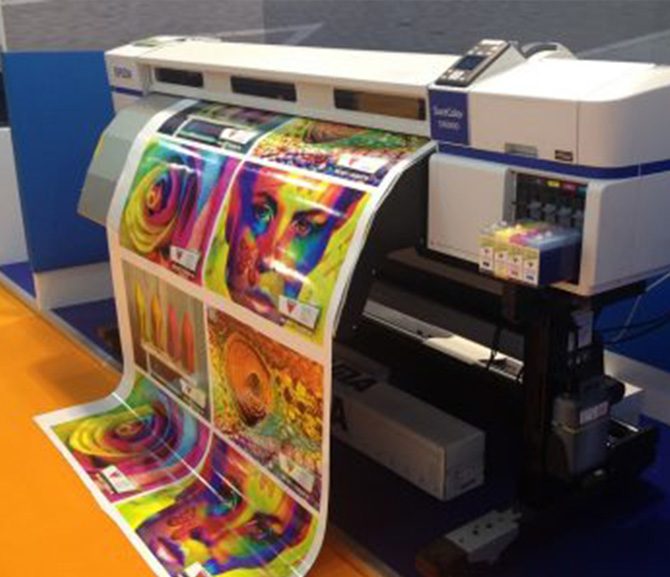
Digital printing has become increasingly popular due to its affordability and rapid turnaround times. This method involves directly printing digital files onto cards, allowing for high-quality, full-color images and intricate designs. It is particularly suitable for small runs and customized cards that require frequent updates or unique personalization. Digital printing ensures that each card can be tailored specifically, making it ideal for startups and businesses with dynamic branding needs.
Offset Printing
Offset printing offers superior quality and consistency when producing large quantities of name cards. It works by transferring ink from a plate to a rubber blanket before applying it onto the card surface. This method delivers sharp images, vibrant colors, and a professional finish, making it the preferred choice for companies aiming for a polished, mass-produced look. Although offset printing involves higher setup costs, it becomes more economical as the volume increases.
Specialty Finishes
To enhance the tactile and visual appeal of your name cards, specialty finishes such as embossing, foil stamping, varnishing, and spot UV coating are available. These treatments add texture, shine, and depth, helping your cards stand out in a stack. Specialty finishes are often used in conjunction with digital or offset printing to create a unique branding element that can leave a memorable impression on potential clients and partners.
Choosing the Best Service for Your Needs
Deciding between these options depends on factors like budget, desired quality, volume, and turnaround time. Digital printing suits quick and customized requirements, offset printing is ideal for large, high-quality runs, and specialty finishes can be incorporated to elevate the overall design. Careful consideration of these aspects ensures that your name cards effectively reflect your professional identity.
Optimizing for Durability and Aesthetic Appeal with Paper and Cardstock Choices
When selecting paper or cardstock for your name cards, it is essential to consider the material's weight, texture, and finish to ensure both durability and visual sophistication. Heavier weights, such as 300gsm or higher, often convey a sense of quality and robustness, making your cards stand out with a substantial feel in the hand. Textured surfaces, including linen, matte, or velvet finishes, not only add tactile interest but also enhance the overall perception of your brand, creating a memorable impression on recipients.
Matte finishes are popular for their smooth, glare-free surface that provides a refined look suitable for elegant and minimalistic designs. Glossy finishes, on the other hand, enhance vibrant colors and intricate details, perfect for vivid imagery or logo designs. Soft-touch coatings offer a luxurious feel that can elevate your branding to the next level. When choosing the right paper, consider how the texture complements your logo, color palette, and overall brand message to create a cohesive and professional appearance.
Factors Influencing Material Selection
- Purpose: Consider whether your name card needs to be particularly durable or if a lightweight option suffices.
- Brand Image: Premium designs benefit from thicker, textured cardstocks to communicate quality.
- Design Elements: The print complexity and color scheme may influence the choice of matte or glossy finishes.
- Budget: Thicker, specialty papers typically incur higher costs but may have a higher perceived value.
Innovative Substrates for Unique Branding
Beyond traditional paper types, emerging options include transparent acrylic, metal, wood, or kraft paper, each lending a distinctive identity to your name card. These unconventional materials can demonstrate creativity and craftsmanship, making your card a treasured keepsake rather than just contact information. When opting for such materials, it is crucial to work with experienced printers capable of handling non-standard substrates in order to achieve a flawless finish.
Types of Name Card Printing Services
Choosing the appropriate printing service is essential to realize your vision for a professional, impactful name card. There are various printing methods available, each with its unique advantages suited to different design complexities, customization needs, and budgets. Offset printing remains a popular choice for bulk orders, ensuring consistent quality and vibrant color reproduction. Digital printing, on the other hand, is ideal for short runs, quick turnaround times, and personalized designs, offering flexibility without compromising on detail and clarity.
Letterpress printing provides a tactile, embossed effect that lends a sense of sophistication and timeless elegance. It is particularly effective for minimalist or premium branding, where subtle textures can make a significant impression. Foil stamping adds metallic accents or holographic effects, elevating the card’s visual appeal and making key design elements stand out. Spot UV coating can be strategically applied to specific areas to create a glossy contrast against matte backgrounds, enhancing visual hierarchy and tactile variety.
For those seeking innovative or unconventional options, specialty printing includes techniques like thermography to produce raised text, or even printing on unconventional materials such as transparent acrylic, metal, or textured kraft paper. These services often require specialized equipment and expertise, but they yield unique, memorable cards that differentiate your brand. Consulting with experienced printers ensures the correct application of each method and helps you select the best approach based on your specific requirements.

Choosing the Right Paper and Cardstock
Material selection plays a vital role in conveying your brand’s professionalism and personality. Standard options include matte, gloss, and satin finishes, each offering different aesthetic and tactile qualities. Matte finishes provide a subdued, elegant look that minimizes glare, ideal for sophisticated branding or minimalistic designs. Glossy finishes enhance color vibrancy and detail, which works well for image-heavy designs and logo prominence. Satin or silk coatings offer a middle ground with a soft sheen that balances elegance and readability.
In addition to surface finishes, the weight and texture of the cardstock influence the card’s durability and feel. Thicker stocks, such as 300gsm or higher, exude quality and substantiveness, making them suitable for premium branding. Textured papers, like linen or laid finishes, add a tactile dimension that can elevate the perception of craftsmanship. When selecting materials, consider how the texture aligns with your brand message, from sleek and modern to artisanal and handcrafted.
Emerging substrates have expanded the possibilities for customization. Transparent acrylic cards convey modernity and innovation, while metal or wood surfaces communicate strength and exclusivity. Kraft paper introduces a rustic, eco-friendly vibe, perfect for sustainable branding. Each material’s characteristics influence the printing process and the final look, so collaborating with skilled printers ensures compatibility and achieves a polished outcome.

Factors to Consider in Material Selection
- Purpose: Will the card be handled frequently or need to withstand wear and tear?
- Brand Identity: Does the material reflect your brand’s personality and values?
- Design Elements: How do the chosen textures and finishes complement the artwork, logo, and overall layout?
- Cost Considerations: Are premium materials aligned with your budget while maintaining a cohesive professional look?
Types of Name Card Printing Services
When exploring options for name card printing, understanding the different service types is essential to achieving the desired quality and effect. Standard digital printing offers quick turnaround times and cost-effective results, making it suitable for bulk orders and everyday business needs. For businesses seeking intricate designs or higher-fidelity color reproduction, offset printing provides superior precision and consistency. Additionally, specialty printing services such as letterpress, foil stamping, and embossing contribute to a distinguished, tactile experience that enhances brand identity. Such techniques are ideal for premium and luxury branding, emphasizing texture and visual depth. Combining different methods can further elevate the overall presentation, ensuring that your business card not only conveys contact information but also reflects professionalism and attention to detail.

Choosing the Right Paper and Cardstock
The selection of paper and cardstock significantly influences both the aesthetic appeal and durability of your name cards. Premium cardstock, typically weighing 300gsm or more, provides a sturdy and luxurious feel that communicates quality. Texture also plays a vital role; options like linen, laid, or matte finishes add tactile richness and can complement specific design themes. For a modern, sleek look, smooth and coated papers allow vibrant color application and sharp details. Alternatively, textured papers lend a handcrafted impression, suitable for artisanal brands or those wanting to evoke a rustic or eco-friendly vibe. Incorporating sustainable materials, such as recycled or kraft paper, aligns branding with eco-conscious values and appeals to environmentally aware clients. The compatibility of chosen materials with printing techniques should be verified with your printing provider to ensure optimal results.

Design Considerations for Name Cards
Effective name card design balances aesthetics with functionality. Clear contact information, legible fonts, and strategic use of space are fundamental. Employ brand colors and logos consistently to reinforce identity, while avoiding clutter by prioritizing essential elements. Incorporating white space creates visual breathing room, enhancing readability and elegance. Design elements such as rounded corners, die-cut shapes, or embossed effects can add uniqueness and tactile interest. When combining typography and imagery, ensure they complement each other and adhere to the overall brand tone—be it professional, creative, or casual. The layout should also consider how the card will be stored or displayed, optimizing for both portability and impact. Collaborating with experienced designers or utilizing professional design services can help translate your brand message into a compelling visual identity that leaves a memorable impression.
Types of Name Card Printing Services
When selecting a name card printing service, it is essential to understand the variety of options available, each tailored to different aesthetic preferences, budget considerations, and branding needs. Standard digital printing remains widely used for its cost-effectiveness and quick turnaround, making it ideal for bulk orders or businesses with frequent updates. Offset printing offers high-quality, vibrant results with consistent colors, suitable for larger quantities demanding superior detail and precision. For unique finishes and textures, specialty printing services such as letterpress, hot foil stamping, and embossing provide tactile depth and visual sophistication. Additionally, innovative options like spot UV coating or matte and gloss laminations can enhance the durability and aesthetic appeal of your name cards. Recognizing the specific advantages of each service enables businesses to select the most appropriate method to effectively communicate their brand identity with professionalism and style. Engaging with a printing provider experienced in diverse techniques ensures that your vision is accurately realized, whether you prefer a sleek minimalist design or elaborate, tactile treatments.

Choosing the Right Paper and Cardstock
The choice of paper and cardstock significantly impacts the overall impression created by your name card. A smooth, high-quality cardstock with a thickness of at least 14 to 16 points is often recommended to convey professionalism and durability. For a sleek appearance, a matte or silk finish offers understated elegance and reduces glare, ensuring your contact information remains easily readable. If a more distinctive tactile experience is desired, textured options such as linen, felt, or soft-touch coatings can evoke a handcrafted sensibility, reinforcing a brand’s artisanal or eco-friendly message. For brands emphasizing sustainability, recycled or kraft paper options not only align with eco-conscious values but can also stand out due to their natural, earthy appearance. It is important to balance aesthetic appeal with practicality; thicker cards are more durable but may require specialized printing processes. Consulting with your printing provider to verify material compatibility helps achieve the best balance between appearance and functionality.
Design Considerations for Name Cards
Effective name card design integrates aesthetics with usability, ensuring your contact information leaves an impactful and memorable impression. A balanced layout with clear hierarchy prioritizes essential details such as name, title, phone number, email, and website. Consistent use of brand colors, logos, and fonts reinforces identity and fosters brand recognition. White space is a crucial element, providing visual breathing room that enhances readability and sophistication. Design elements like rounded corners, die-cut shapes, or embossed effects can introduce tactile interest, making the card stand out physically as well as visually. When combining text and imagery, ensure they harmonize with each other and uphold the overall brand tone—whether professional, creative, or casual. Additionally, consider how the design aligns with various display or storage methods; for example, a smaller, compact layout suits wallets, while larger or uniquely shaped cards can serve as visual anchors in displays. Collaborating with experienced designers or utilizing professional design services is advisable to translate your branding into a compelling, cohesive visual identity that makes a memorable impression.
Turnaround Time and Printing Costs
Processing times for name card orders can vary depending on the complexity of the design, chosen printing technique, and order volume. Typically, standard digital printing completes within three to five business days, with expedited options available for urgent needs. Specialty finishes and custom die-cuts may require additional production time, ranging from five to ten business days. It is crucial to plan ahead and communicate clearly with your printing provider to accommodate your schedule. Cost considerations include the type of material, number of colors, printing method, and any special finishes or embellishments. Larger quantities often benefit from discounts, while intricate features may increase per-unit costs. Budgeting effectively involves balancing desired quality and design features with your financial planning, ensuring a professional result without overspending. Transparent discussions with your printer regarding deadlines and budget constraints enable a seamless process and an optimal final product.
Types of Name Card Printing Services
When selecting a name card printing service, understanding the available options can help you choose the one that best aligns with your branding requirements and budget. Digital printing remains the most prevalent method due to its affordability, quick turnaround, and high-quality output. It allows for detailed full-color designs, making it ideal for vibrant logos and intricate graphics. Offset printing, on the other hand, is suited for large volume orders because it offers cost efficiency at scale and produces sharp, consistent images. Letterpress printing is a premium choice that offers a tactile, embossed effect, imparting a sense of sophistication and tradition. Hybrid approaches, such as combining digital printing with specialty finishes or embossed details, are also popular, providing a customized and upscale appearance.
For those seeking unique aesthetic appeals, foil stamping offers metallic accents, while spot UV coating adds gloss highlights to specific areas of the card. Die-cutting enables the creation of unconventional shapes, transforming simple cards into striking visual tools. Some printing providers also offer eco-friendly options, such as recycled paper stocks and plant-based inks, catering to environmentally conscious business practices.

Choosing the Right Paper and Cardstock
The paper quality and weight significantly influence the tactile feel and durability of your name card. Standard cardstock typically ranges from 250 to 350gsm, balancing flexibility with sturdiness. Thicker options, such as 400gsm or higher, provide a luxurious heft and an upscale appearance, ideal for brands wishing to convey professionalism or exclusivity. Matte finishes diffuse light, offering a smooth, non-reflective surface that enhances readability and minimizes fingerprints. Glossy finishes provide a shiny surface that accentuates colors and details but can be prone to glare. Satin or silk finishes deliver a middle ground, combining a smooth appearance with reduced glare.
For added texture and visual interest, textured or specialty papers, including linen, kraft, or embossed stocks, can evoke a unique tactile experience. Many printers offer premium options like translucent or metal-based papers, which stand out distinctly from conventional designs. Choosing the appropriate paper involves considering how the card will be stored and handled, as well as compatibility with your overall branding message.
Design Considerations for Name Cards
- Minimum font size should be 8pt to ensure readability.
- Use contrasting colors to make key information stand out.
- Maintain a clean layout with sufficient white space around text.
- Incorporate your logo and brand colors consistently across the design.
- Ensure contact details are accurate and easy to locate.
- Limit the amount of information to prevent clutter.
Printing Techniques and Finishes
Understanding the variety of printing techniques can help you choose the most impactful options for your card. Digital printing excels with full-color images, offering flexibility for customized artwork and small to medium runs. Offset printing grants sharp image reproduction and cost efficiency for larger quantities, ensuring consistent quality.
Special finishes such as matte, gloss, or satin coatings not only protect the print but also add aesthetic appeal. Spot UV coating selectively enhances specific elements like logos or text, creating a contrast in texture and finish. Foil stamping introduces metallic accents that evoke a luxurious feel, suitable for premium branding. Embossing and debossing techniques provide tactile dimensions to specific design components, making your card more memorable.

Turnaround Time and Printing Costs
Production times vary based on order complexity and chosen services. Standard digital prints typically complete within three to five business days, with expedited options available for urgent requirements. Specialty finishes, such as foil stamping or embossing, may extend lead times to about a week or more. It is advisable to communicate your deadline clearly to ensure timely delivery. Cost factors include the type of paper, quantity, printing technique, and additional embellishments. Bulk orders usually benefit from reduced unit costs, making it more economical for larger distributions. Custom features like die-cut shapes, textured stocks, or metallic foils tend to add to the overall expense. It’s essential to balance your desired quality and design complexity with your budget to achieve a professional and polished final product. Careful planning and transparent communication with your printing partner secure a seamless process, aligning production schedules with your promotional or networking activities.
Types of Name Card Printing Services
When selecting a name card printing service, understanding the variety of options available is essential to ensure your cards align with your professional brand and goals. Traditional digital printing remains a popular choice due to its cost-effectiveness and quick turnaround times, making it ideal for small to medium-sized orders. Offset printing, on the other hand, offers high-quality output with superior color accuracy and is preferable for large volume runs where detail and consistency are priorities.
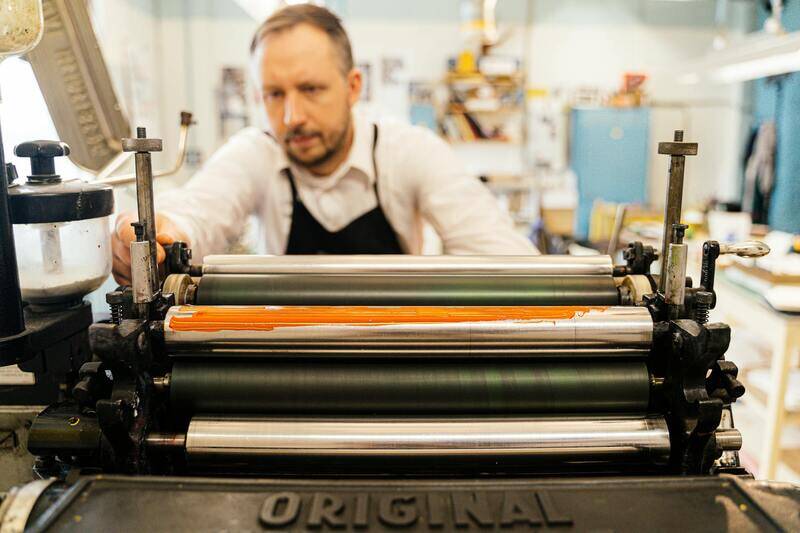
Specialized printing methods such as letterpress and thermography add tactile depth to your cards. Letterpress printing presses the design into the paper, creating a subtle indentation that enhances texture and visual impact. Thermography, which involves a heat-activated powder, produces a raised, glossy finish reminiscent of embossing but at a lower cost. These methods are particularly suitable for those seeking a high-end, sophisticated appearance.
Furthermore, digital variable data printing allows for personalization at scale, enabling different names, titles, or contact details on each card without sacrificing efficiency. For businesses requiring customized messaging or targeted outreach, this flexibility is invaluable.
Lastly, specialty finishes like foil stamping, spot UV coating, embossing/debossing, and textured varnishes can significantly elevate the tactile and visual appeal of your name cards. Integrating these finishes with your chosen printing method allows you to produce distinctive, memorable cards that stand out from standard designs.

Types of Name Card Printing Services
When selecting a name card printing service, understanding the variety of options available is essential to achieve the desired quality and visual impact. Different printing methods cater to diverse needs, ranging from economical choices to high-end, tactile finishes. Common types include digital printing, offset printing, letterpress, thermography, and specialty finishes. Each method offers unique advantages in terms of detail, texture, and durability.

Choosing the Right Paper and Cardstock
The selection of paper significantly influences the overall impression conveyed by your name cards. Key considerations include weight, texture, and finish. Thicker cardstocks — typically 300-400 gsm — lend a sturdy, premium feel that commands attention. Matte finishes provide a smooth, understated elegance suited for professional contexts, while gloss or high-gloss finishes amplify vivid colors and graphical elements.
- Textured papers, such as linen or felt, add tactile appeal that enhances brand perception.
- Recycled or eco-friendly papers reflect a commitment to sustainability without compromising quality.
- Specialty papers with embedded metallic flakes or translucent qualities can create distinctive visual effects.
Design Considerations for Name Cards
Design plays a pivotal role in conveying professionalism and brand identity. It is vital to balance visual elements with readability. Incorporate consistent branding colors, clear typography, and minimal clutter to ensure your contact details stand out.
- Align design elements with your corporate image for cohesive branding.
- Use whitespace strategically to highlight essential information.
- Consider including a logo, tagline, or unique graphics that communicate your brand story.
Printing Techniques and Finishes
Advanced printing techniques elevate the visual appeal and tactile experience of your name cards. Hot foil stamping, embossing, and spot UV coating are popular options for adding sophistication.
- Foil Stamping: Creates metallic accents that catch the light, adding luxury.
- Embossing/Debossing: Produces a raised or recessed effect, adding depth.
- Spot UV Coating: Highlights specific areas with high-gloss shine, emphasizing logos or key text.
Turnaround Time and Printing Costs
Efficiency and budget are crucial considerations when ordering name cards. Digital printing offers rapid turnaround times, making it ideal for urgent orders or small batches. Offset printing, though more time-consuming, provides cost savings on large runs with excellent color fidelity.
- Standard printing processes typically range from 2 to 7 business days, depending on complexity and volume.
- Additional charges may apply for special finishes or custom requests.
- Bulk orders often benefit from discounted rates, providing economic advantages for large-scale distribution.
Design Tips for a Professional Look
Creating an effective, professional name card involves a strategic approach to layout and content. Clarity and consistency reinforce credibility.
- Prioritize legibility — choose clean fonts and appropriate sizes.
- Limit the use of multiple font styles to avoid visual clutter.
- Ensure contact information is prominently displayed and easy to access.
- Maintain consistent branding elements, including colors, logos, and imagery.
Sustainable and Eco-Friendly Printing Options
Eco-conscious printing practices respond to the increasing demand for sustainability. Recycled papers, soy-based inks, and waterless printing methods are prominent choices that reduce environmental impact.
- Opt for vegetable or soy-based inks that emit fewer volatile organic compounds (VOCs).
- Select biodegradable or recyclable packaging to minimize waste.
- Consider digital printing to reduce excess waste and energy consumption.