Comprehensive Guide to Card Printing in Singapore
Types of Cards Printed in Singapore
Singapore’s dynamic business environment and vibrant social landscape demand a broad spectrum of card printing services. Different card types come with unique specifications and printing requirements, tailored to serve specific functions and appeal to diverse audiences. The primary categories include identification cards, business cards, membership cards, and greeting or promotional cards, each designed with distinct features to meet their respective needs.
Identification (ID) Cards
ID cards are essential for access control, employee verification, and security purposes. They typically feature high durability materials, personalized photographs, barcodes or QR codes, and electronic chip embedding when necessary. Precise printing is crucial for clear identification and integration of security features.
Business Cards
Business cards remain a fundamental networking tool, demanding professional aesthetics and high-quality finishes. They frequently involve detailed logo placement, contact information, and sometimes specialty finishes like embossing, foil stamping, or matte coatings to enhance their visual impact.
Membership and Loyalty Cards
Designed to foster engagement, membership and loyalty cards often incorporate magnetic stripes, embedded chips, or barcode scanners. The printing process emphasizes durability, readability, and customization to strengthen brand loyalty and customer recognition.
Greeting and Promotional Cards
These cards are often seasonal or event-based, requiring vibrant colors, creative designs, and superior print quality to evoke emotional responses. Their printing often involves special finishes and paper textures to boost aesthetic appeal.
Materials and Card Stock Options
The choice of materials significantly impacts the durability, appearance, and functionality of the printed card. Commonly used materials include PVC, PET, and specialty papers, each offering unique benefits.
- PVC Cards: Widely used due to their durability and resistance to wear and tear. Ideal for ID, membership, and loyalty cards.
- PET and Polyester: Eco-friendly options that provide excellent flexibility and longevity.
- High-Quality Cardstocks: Suitable for greeting cards and premium business cards, offering a variety of textures such as matte, gloss, or textured finishes.
Materials and Card Stock Options for Card Printing in Singapore
Choosing the appropriate material for card printing is essential to ensure the final product meets the desired standards of durability, appearance, and functionality. In Singapore, various materials are available that cater to different needs, from everyday identification cards to high-end promotional items. Selecting the right material aligns with the intended use, budget, and design requirements, providing a seamless printing experience and optimal end results.

PVC (Polyvinyl Chloride) Cards
PVC cards are among the most popular choices for applications requiring durability and resistance to daily wear and tear. They are commonly used for ID badges, membership, and loyalty cards due to their robustness. PVC is versatile and capable of supporting vibrant color printing, detailed logos, magnetic strips, and embedded chips. The material's resistance to water, chemicals, and physical damage ensures longevity, making it ideal for high-usage environments.
PET (Polyethylene Terephthalate) and Polyester Cards
Eco-friendly and flexible, PET and polyester cards offer a sustainable alternative without compromising on strength. They are lightweight yet durable and often used for environmental branding purposes. These materials are resistant to cracking, bending, and moisture, making them suitable for travel cards, eco-conscious membership cards, or promotional items where sustainability is a priority. Their high flexibility allows for various printing techniques, including offset and digital printing, to achieve detailed and vibrant designs.
High-Quality Cardstocks
For premium applications such as greeting cards, VIP passes, or business cards, high-quality cardstock options are preferred. These materials come in a variety of textures and finishes, including matte, gloss, silk, or textured surfaces. Cardstocks support intricate designs, embossing, foil stamping, and other embellishments that enhance visual and tactile appeal. Their weight and heft also communicate quality, making them suitable for high-end branding and corporate uses.
Different textures and finishes can significantly influence the perceived value of the printed card. Matte finishes reduce glare and create a sophisticated look, while gloss finishes enhance color vibrancy and sharpness. Textured finishes like linen or embossed patterns add tactile interest, elevating the overall impression of the card.
When selecting materials, consider factors such as environmental conditions, frequency of handling, and aesthetic preferences. Combining suitable thickness, finish, and material type ensures durability, functionality, and visual appeal, aligning with specific branding or operational objectives.

Impact of Material Choice on Printing Quality and Functionality
The material selected directly influences the effectiveness of the printing process and the final product’s performance. For example, PVC’s smooth surface allows for high-resolution digital or offset printing, capturing fine details and vibrant colors. Meanwhile, textured cardstock can provide a tactile experience that enhances perceived quality, especially for luxury branding. The resistance properties of PVC and PET ensure that printed cards withstand environmental factors, maintaining their appearance over time.
Additional Considerations
- Environmental Impact: Sustainability considerations are increasingly influencing material choices, prompting the adoption of eco-friendly options like PET or recycled papers.
- Cost Implications: Generally, premium materials like specialty cardstock or embossed finishes command higher prices but add value to the final product.
- Design Compatibility: Certain finishes and textures enhance specific design elements, such as metallic foils on matte surfaces or embossed logos on textured backgrounds.
By understanding the advantages and limitations of each material type, businesses and individuals can make informed decisions that align with their printing goals, budget, and branding strategy. High-quality card stock options, along with durable plastics like PVC and PET, form the foundation of professional, long-lasting printed cards that leave a memorable impression.
Types of Cards Printed in Singapore
Singapore's diverse business landscape and vibrant consumer market demand a wide array of card types, each serving specific purposes and branding needs. Among the most common types are business cards, ID cards, membership cards, gift and loyalty cards, and promotional cards. Each serves a unique function, requiring tailored printing techniques and materials to ensure optimal durability, visual appeal, and functionality.
Business cards remain a fundamental marketing tool for professionals across various industries. They typically feature contact details, company branding, and sometimes, additional design elements to stand out. The printing process for these cards often includes high-resolution color printing, special finishes, or embossing to enhance tactile and visual impact.
ID cards are essential for access control within corporations, institutions, and events. These cards often incorporate security features such as holograms, magnetic stripes, or embedded chips. Printing these cards requires precise registration, durable materials, and sometimes, laminations to prevent wear and tear over prolonged use.
Membership and loyalty cards are designed to foster customer retention and brand loyalty. They can feature magnetic stripes or QR codes for digital integration and are typically printed on sturdy cardstock or plastic to withstand frequent handling.
Gift and promotional cards are crafted with attention to aesthetic appeal, often incorporating vibrant designs, metallic foils, or unique finishes. These serve as memorable keepsakes and promotional tools that reinforce brand recognition and customer engagement.

Materials and Card Stock Options
Choosing the appropriate material is critical to achieving the desired durability, appearance, and functionality of the printed cards. Standard options include PVC, PET, and various premium and textured cardstock varieties.
- PVC: The most common material for business, ID, and membership cards, PVC offers a smooth surface conducive to high-resolution digital and offset printing. Its resistance to water and wear makes it ideal for cards that require longevity.
- PET: Known for its eco-friendly and recyclable nature, PET is a durable plastic option with excellent resistance to heat and chemicals, suitable for loyalty and gift cards.
- Textured Cardstock: For a tactile experience, textured cardstocks such as linen, linen-matte, or embossed finishes are used, especially in luxury branding or high-end business cards.
- Specialty Paper: Options like metallic, pearlized, or recycled papers can be integrated to create unique, eco-conscious designs.
The selection directly impacts the printing process's effectiveness and the final product's appearance. High-quality materials paired with advanced printing techniques ensure that custom cards not only communicate professionalism but also enhance brand perception.

Materials and Card Stock Options
When selecting materials for card printing, it is essential to consider the card's intended purpose, durability requirements, and desired aesthetic. The choice of stock directly influences the card’s longevity, tactile feel, and visual appeal, which collectively contribute to the overall effectiveness of your branding or identification strategy.

PVC (Polyvinyl Chloride)
PVC remains the most prevalent material for business cards, ID badges, and membership cards due to its versatility and durability. Its smooth surface allows for precise digital and offset printing, making intricate logos and detailed graphics stand out. PVC’s resistance to water, wear, and tear ensures that the cards maintain their integrity over extended use, which is ideal for cards that are handled frequently or exposed to various environmental conditions.
PET (Polyethylene Terephthalate)
Trending for its eco-friendliness, PET is highly sustainable and recyclable. This plastic boasts excellent resistance to heat, chemicals, and impact, making it a reliable choice for loyalty cards, gift cards, and other high-use applications. Its sturdy nature ensures that the cards remain intact and functional even after prolonged usage, while its environmental benefits align with sustainability initiatives.
Textured Cardstocks
For brands aiming to evoke a tactile experience or convey luxury, textured cardstocks such as linen, linen-matte, embossed, or metallic finishes are suitable options. These materials add a layer of sophistication and tactility that standard smooth surfaces cannot achieve. Textured finishes can also help differentiate cards in a competitive environment, creating a memorable impression on recipients.
Specialty Papers
Unique paper stocks such as metallic, pearlized, recycled, or eco-friendly options offer avenues for more creative and environmentally conscious printing. Metallic and pearlized papers lend an opulent look, enhancing the perceived value of high-end business cards or invitations. Recycled and eco-friendly papers appeal to environmentally conscious audiences and demonstrate a brand’s commitment to sustainability.
Impact of Material Choice
Choosing the appropriate material impacts not just the aesthetic and tactile quality of printed cards but also their functional lifespan and resistance to external factors. High-quality materials combined with advanced printing techniques result in professional, durable, and visually appealing cards that effectively communicate your brand or credentials. Whether striving for a sleek, minimalistic design or a textured, luxurious finish, the material selection process is fundamental to achieving desired outcomes.
Types of Cards Printed in Singapore
Singapore's diverse business landscape calls for a variety of card types, each serving distinct purposes and targeting specific audiences. Standard business cards remain the most common, offering a compact platform for contact information, brand identity, and professional credentials. These cards typically feature a balance of durability, design flexibility, and cost-effectiveness, making them suitable for a wide range of industries.
In addition to traditional business cards, companies and organizations frequently opt for specialty cards that elevate their branding efforts. Membership cards, for example, are crafted with durability and security features to withstand frequent handling and exposure. Customer loyalty cards often incorporate unique design elements, such as magnetic strips or QR codes, to facilitate seamless transactions and data collection.
Event and invitation cards represent another category, tailored to create a memorable experience through exquisite design, high-quality materials, and personalized finishing touches. These cards often incorporate embossing, metallic foils, or intricate cut-outs to leave a lasting impression. Furthermore, premium corporate or executive cards may include additional security features, such as holograms or specialized coatings, to reinforce image and authenticity.
Materials and Card Stock Options
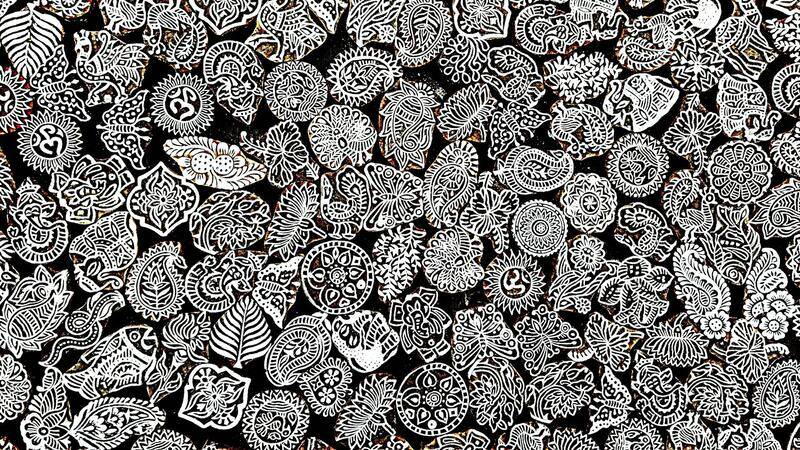
The selection of materials significantly impacts the look, feel, and durability of printed cards. Standard card stocks often include coated or uncoated paper options, providing a smooth surface suitable for detailed printing and vibrant color reproduction. For a touch of sophistication, textured materials such as linen, embossed, or metallic finishes can add a distinct tactile and visual appeal.
Specialty papers further expand creative possibilities, offering unique textures and finishes. Metallic and pearlized papers impart a sense of luxury and exclusivity, ideal for high-end branding. Recycled and eco-friendly materials appeal to environmentally conscious brands, demonstrating a commitment to sustainability while maintaining a professional appearance.
Design and Customization Features
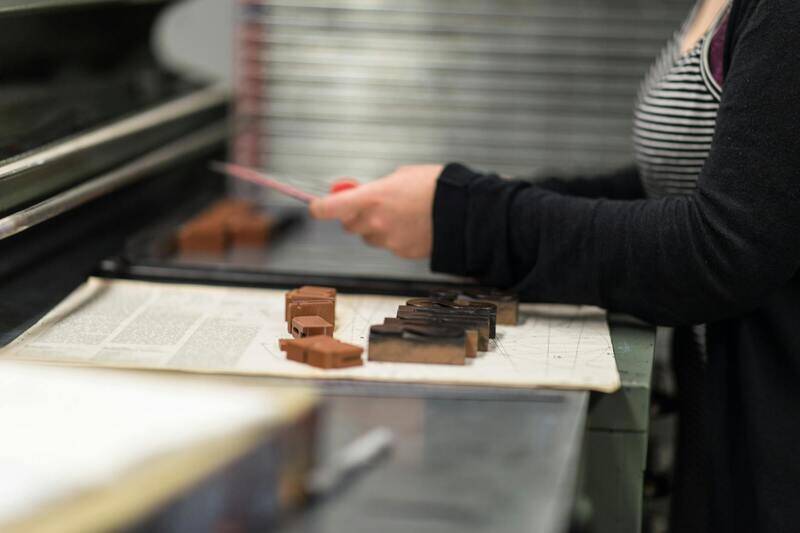
Effective card design combines branding elements, aesthetics, and functional features to produce a compelling final product. Customization options include incorporating logos, taglines, and brand colors seamlessly into the layout. Advanced finishing touches can transform simple cards into memorable pieces of communication.
Design features such as embossing, debossing, foil stamping, and spot UV coating add depth and shine, elevating the overall appearance. Die-cut shapes and intricate cut-outs allow for creative, non-standard outlines that stand out. Furthermore, personalized QR codes or contactless chips can be embedded to enhance interactivity and connectivity, catering to modern digital engagement standards.
Printing Technologies and Methods
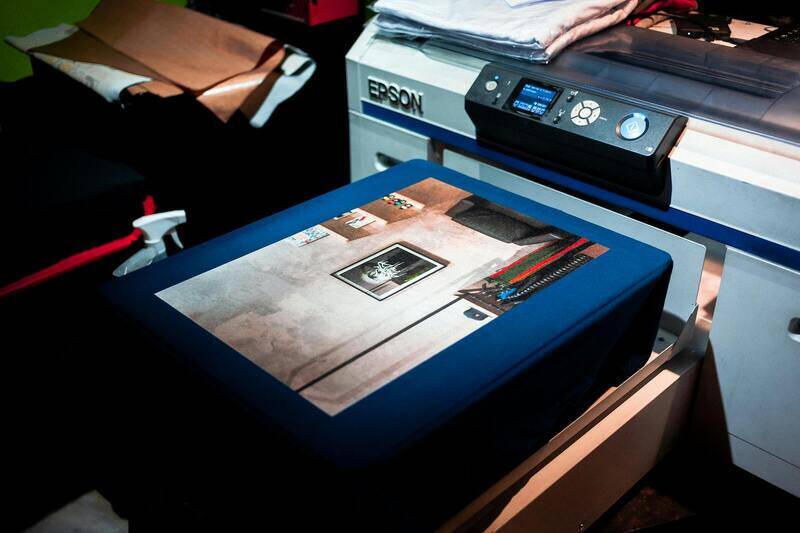
High-quality card printing relies on advanced technologies to ensure vibrant colours, crisp details, and durable finishes. Digital printing is popular for small to medium runs, offering quick turnaround times and cost efficiency, with excellent reproduction capabilities. Offset printing, on the other hand, is ideal for larger quantities, providing high consistency and superior colour fidelity across batches.
Specialized techniques like UV coating, embossing, and hot foil stamping further enhance the physical and visual qualities of printed cards. Embossing and debossing create tactile dimension, while metallic foils impart shine and sophistication. Spot UV coating is effective for highlighting specific design elements or text, providing a glossy contrast that draws attention.
Choosing the appropriate printing method is essential to achieve the desired aesthetic and functional goals, ensuring that each card leaves a professional and lasting impression.
Types of Cards Printed in Singapore
Singapore's diverse business environment demands a wide array of card types, each tailored to specific professional and branding needs. Standard business cards remain a staple, offering essential contact information with options for customization to reflect brand identity. For organizations seeking a more distinctive presentation, luxury and premium cards feature thicker stocks, special finishes, and elegant designs that convey prestige.
Membership and loyalty cards are another prevalent category, often embedded with security features or contactless technology to facilitate seamless customer interactions. Gift and reward cards are designed for retail environments, combining durability with appealing aesthetics. Additionally, event-driven cards such as conference badges or invitation cards often incorporate unique materials or interactive elements to enhance the attendee experience.
Specialized card types like ID cards and access control cards are produced with security and functionality in mind, integrating magnetic strips, chips, or barcodes. These cards are essential for corporate, educational, or governmental institutions where identity verification is critical. The flexibility in Singapore's card printing industry ensures that all these variations meet specific requirements, whether it’s for branding, security, or customer engagement.
Materials and Card Stock Options
Choosing the right material forms the foundation of a high-quality card. Standard cards are typically crafted from PVC, which provides durability, flexibility, and a professional finish. PVC cards are resistant to wear and tear, making them ideal for frequently handled items like membership or access cards.
For premium or luxury cards, materials such as PET or composite stocks are often preferred. These options can offer additional features like rigidity, enhanced embossing capability, and superior print quality. Some clients opt for eco-friendly alternatives like biodegradable or recycled stocks, aligning with sustainability initiatives and corporate social responsibility goals.
Special finishes can significantly elevate card aesthetics. Matte, gloss, or satin coatings are commonly used to achieve different tactile and visual effects. Soft-touch coatings add a luxurious feel, while UV gloss enhances colour vibrancy. For added sophistication, metallic foil accents or holographic overlays can be applied, providing an eye-catching sparkle or security feature.
In terms of thickness, standard cards measure around 0.76 mm, but thicker options up to 1.0 mm or more are available to increase durability and perceived value. The selection of material and thickness ultimately depends on the card’s purpose, expected handling, and desired presentation style.

Design and Customization Features
Designing a compelling card involves a combination of strategic visual elements and personalization options. Logo placement, colour schemes, and typography should reflect brand identity while maintaining clarity. Incorporating high-resolution images and precise graphics enhances professionalism.
Customization options include the use of embossing, debossing, or hot foil stamping to add texture and shine, making key elements stand out. Spot UV coating can be selectively applied to highlight particular areas such as logos or contact details, providing a glossy contrast against matte backgrounds.
Creative shapes and die-cut designs offer a departure from traditional rectangular cards, allowing brands to create memorable impressions with unique outlines. Rounded corners, custom cut-outs, or intricate patterns can be incorporated to match branding themes or functional needs.
Furthermore, advanced customization features like embedded QR codes, contactless chips, or magnetic strips facilitate interactive and secure functionalities. These elements cater to modern digital engagement, enabling swift access to online resources or contactless transactions.
Design software compatibility and collaboration with professional graphic artists ensure that every detail aligns with the brand message, resulting in a functional yet aesthetically appealing card.

Printing Technologies and Methods
The choice of printing technology directly influences the quality, speed, and cost-effectiveness of card production. Digital printing is highly versatile, suitable for small to medium-sized batches, and supports full-color images with quick turnaround times. Precision in detail and consistency throughout the batch make it ideal for customized or short-run requests.
Offset printing, on the other hand, excels in large-volume orders, providing superior colour fidelity and economical per-unit costs at scale. This method ensures uniformity across extensive print runs, making it the preferred choice for high-volume projects.
Advanced techniques such as UV coating are used to add a durable, glossy finish that protects the print and enhances visual impact. Embossing and debossing create physical textures, adding tactile elements to the card, while hot foil stamping imparts metallic or iridescent shine that elevates design sophistication.
Spot UV coating offers selective gloss, drawing attention to specific areas without overpowering the overall design. Combining multiple techniques can produce richly layered effects that set a card apart. The selection of a particular method depends on the intended aesthetic, functional requirements, and budget.

Ordering Process and Turnaround Time
Streamlined ordering processes are crucial for efficient card production. Clients typically start by submitting their design files, either through online portals or direct communication with the printing provider. Clear specifications regarding size, material, finishes, and additional features ensure accurate production.
Technical support may be provided to optimize designs for print quality and compatibility. Once the order details are finalized, the printing provider prepares a proof for client approval, allowing for adjustments before proceeding.
The production timeline largely depends on the complexity and volume of the order. Standard turnaround times range from 2 to 7 business days for typical requests, with expedited options available for urgent needs. For large orders, planning ahead ensures timely delivery without compromising quality.
Upon completion, a thorough quality check is conducted to verify colour accuracy, alignment, and finish consistency. Finished cards are packaged securely to prevent damage during transit, ensuring they arrive in pristine condition.
Types of Cards Printed in Singapore
Singapore’s diverse business landscape and vibrant culture call for a broad array of card printing options tailored to meet specific functional and aesthetic needs. The most common types include business cards, ID badges, loyalty cards, gift cards, membership cards, and access control cards. Each category has unique characteristics and requirements, prompting the use of specialized printing techniques and materials.

Business Cards
Standard business cards remain a staple for professionals and organizations, emphasizing branding, contact information, and visual identity. Premium options may include embossed lettering, foil stamping, or textured finishes to convey exclusivity and professionalism.
ID and Access Cards
Organizations increasingly utilize ID badges and access control cards for security and employee identification. These cards often incorporate RFID or magnetic strip functionalities, requiring specific printing methods and embedded technology.
Loyalty and Gift Cards
Retailers and hospitality providers benefit from durable loyalty and gift cards that promote customer engagement. These cards are designed to withstand frequent handling and may feature holograms or embedded chips for added security and functionality.
Membership and Subscription Cards
Membership programs in fitness centers, clubs, or event venues rely on personalized cards that often include membership details, expiry dates, and QR codes for streamlined check-ins and tracking.
Materials and Card Stock Options
The choice of materials greatly influences the durability, appearance, and overall impact of the printed cards. Singapore's providers offer a wide selection of card stock options to suit various needs and budgets.
- Plastic PVC: The most common material, offering durability, flexibility, and a professional finish. Ideal for business, loyalty, and membership cards.
- Composite Cards: Combining PVC with other materials such as paper or foil layers, providing enhanced features like embedded chips or holograms.
- Polyester and PET: Used for cards that require chemical resistance, weatherproofing, or high flexibility.
- Recycled Materials: Environmentally-conscious options crafted from recycled plastics or eco-friendly substrates, aligning with green initiatives.
- Specialty Stocks: Including transparent or semi-transparent sheets, foil-embossed surfaces, or textured finishes for premium appearances.

Design and Customization Features
Customization plays a pivotal role in effectively representing brands and individual identities through printed cards. Advanced printing providers offer a suite of design and finishing options to enhance visual appeal and functionality.
- Full-Color Printing: Vibrant, full-color imagery and graphics to showcase branding elements and artistic designs.
- UV Coating and Laminates: Protective layers that increase durability and resistance to scratches and chemicals, preserving sharpness and color vibrancy.
- Embossing and Debossing: Raised or recessed text and patterns that add tactile dimension and sophistication.
- Foil Stamping: Metallic foils applied to create eye-catching accents with a luxurious feel.
- Custom Shapes and Sizes: Innovative cuts and non-standard dimensions for distinctive appearances.
- Security Features: Incorporation of holograms, microtext, UV inks, or QR codes for authenticity and data tracking.

Printing Technologies and Methods
High-quality card printing relies on the deployment of advanced technologies tailored to meet design complexity and production volume. The main methods include digital printing, offset lithography, and specialized security printing.
Digital Printing
Ideal for short runs or highly customized projects, digital printing offers quick turnaround times, cost-effectiveness, and excellent color matching. It allows for personalized data printing, such as names or serial numbers, with minimal setup costs.
Offset Lithography
Suitable for bulk quantities, offset printing provides superior consistency in color reproduction and detailed imaging. It is a preferred choice for large-volume orders requiring uniform finish and high resolution.
Specialized Security Printing
This encompasses methods such as hologram application, microtext, UV-sensitive inks, and foil stamping, often combined to enhance security, authenticity, and brand protection.
Ordering Process and Turnaround Time
Singapore's card printing services streamline the order process to ensure efficiency and precision. Clients typically initiate their requests by submitting detailed design files through secure online portals or direct communication channels. Clear specifications regarding card dimensions, material choices, finishes, and additional features are crucial.
Design proofs are usually provided for approval before mass production begins. This step minimizes errors and aligns expectations. The turnaround time for standard orders spans from 2 to 7 business days, depending on complexity and order volume. expedited options are available for urgent requirements. Large or complex orders benefit from early planning to meet delivery deadlines.
Throughout production, quality control measures are strictly enforced, with final inspection covering color matching, print alignment, and surface finish. Once approved, cards are carefully packaged to prevent transit damage and delivered promptly.
Types of Cards Printed in Singapore
Singapore offers a diverse array of card printing options tailored to meet various industry needs and personal preferences. From professional identification badges and business cards to gift cards, loyalty cards, access control cards, and membership IDs, the range of printed cards is extensive. Each type of card serves a specific purpose and requires different printing techniques and materials to optimize functionality and aesthetic appeal.
Business cards, for example, often emphasize high-quality finishes and sophisticated design features to make a memorable impression. Loyalty and gift cards, on the other hand, focus on durability and security features to prevent fraud. Access control and ID cards incorporate advanced security features such as embedded chips or holograms to ensure reliable authentication. When selecting the type of card to print, consideration of the intended use, expected lifespan, and security requirements is critical to choosing the appropriate printing method and material.
Materials and Card Stock Options
The choice of card material significantly impacts the card’s durability, appearance, and suitability for various applications. Standard options include PVC (polyvinyl chloride), which remains the most common due to its affordability, flexibility, and weather resistance. PVC cards are ideal for business cards, membership cards, and loyalty programs, offering a good balance of quality and cost-effectiveness.
Other popular materials include PET (polyethylene terephthalate), which provides enhanced strength and longevity for cards exposed to frequent handling or outdoor environments. ABS (acrylonitrile butadiene styrene) is a more rigid and impact-resistant choice, suitable for access control cards and secure identification badges. Additionally, specialty materials such as biodegradable plastics are gaining popularity for environmentally conscious brands.
Various finishing options, including matte, gloss, and satin coatings, further enhance the look and feel of printed cards. These finishes not only improve aesthetic appeal but also provide extra protection against scratches and wear. Edging options and slot punching are available for functional customization, making the cards easier to handle and incorporate into existing hardware systems.
Design and Customization Features
Effective card design combines aesthetic appeal with functional elements. Customization options include a wide range of features that enhance the visual identity and security of the card. High-resolution graphics, logos, and branding elements are standard features, ensuring the card aligns with corporate identity and marketing strategies.
Advanced customization options include embedded holograms, microtext, UV-sensitive inks, and even tactile effects such as embossed or debossed elements. These features not only elevate the design but also enhance security and authenticity. Magnetic stripes, barcodes, QR codes, and embedded chips can be integrated seamlessly into the design layout, providing added functionality for access control, transactions, or data storage.
Design templates and online design tools available through printing services facilitate easy customization, allowing clients to preview their cards before printing. These tools ensure that text alignment, color accuracy, and image placement meet expectations, minimizing errors and reprints. Overall, a well-designed card combines style with purpose, making it an effective tool for branding and identification.
Printing Technologies and Methods
Different printing technologies are utilized in Singapore to achieve specific quality and security standards. Digital printing is popular for small to medium production runs due to its quick turnaround and high customization capability. It allows for vibrant colors and sharp image details, ideal for personalized or short-run projects.
Offset printing remains a preferred choice for large-volume orders, offering superior consistency and high-resolution output across extensive quantities. This method is cost-effective at scale and ensures uniformity in color and image sharpness, making it suitable for corporate branding materials and large batches of cards with standardized design elements.
Specialized security printing involves advanced techniques such as hologram application, foil stamping, microtext printing, UV ink customization, and embedded security features. These methods require precise machinery and expertise, offering increased protection against counterfeiting and tampering. Integrating multiple security features often involves a combination of printing technologies tailored to the specific security requirements of the client.
Ordering Process and Turnaround Time
Ordering printed cards in Singapore is streamlined through digital platforms and dedicated customer service channels. Clients typically start by submitting detailed design files with specifications for size, material, finish, and additional features. Many providers offer online proofing tools to review digital mockups, ensuring that every aspect aligns with the client's vision before proceeding.
Once the design is approved, the printing process begins. Standard delivery times vary depending on the complexity and order volume, typically ranging from 2 to 7 business days. Expedited options are often available for urgent requirements, enabling clients to meet tight deadlines without compromising quality. Larger or more complex orders may benefit from early planning to avoid delays and ensure optimal resource allocation.
Throughout production, rigorous quality control measures are implemented. These include verifying color accuracy, print alignment, surface finish, and security features. Finished cards are carefully inspected, packaged securely, and shipped promptly to ensure they arrive in excellent condition. Transparent communication between client and printer throughout the process minimizes errors and ensures project success.
Cost Factors and Budgeting
Costs associated with card printing in Singapore depend on several variables. Key factors include the volume of cards, choice of materials, complexity of design, and additional security features. Digital printing typically has lower setup costs, making it economical for small batches or customized orders. Offset printing, while incurring higher initial setup expenses, offers cost efficiency for larger quantities due to its fast per-unit production cost.
Security features such as holograms, microtext, and embedded chips contribute to overall costs but are vital for cards that require enhanced protection. Finishing options, including matte or gloss coatings, edge designs, and slot punching, also influence the final price. It's essential to consider these factors during budgeting to obtain a balance of quality and affordability for your specific needs.
Many printers provide transparent quotations and bulk discounts, encouraging clients to plan for future needs. Investing in quality materials and advanced security features can increase upfront costs but ultimately protect the value and integrity of the cards over time.
Quality Assurance and Printing Standards
Ensuring consistent quality in card printing is fundamental to maintaining brand reputation and functional reliability. Singapore's printing providers adhere to strict quality standards, incorporating comprehensive quality control protocols throughout the production process. Every batch undergoes inspection for print accuracy, color consistency, surface finish, and security feature integration.
Digital and offset printing facilities utilize calibrated equipment to ensure color reproduction remains true to the original design specifications. Post-printing, cards are examined under magnification and UV light to verify security features and detect any imperfections or misalignments. Surface treatments are tested for scratch resistance and durability, particularly for cards intended for frequent handling.
Documented quality assurance processes and certifications reinforce the reliability of printing services in Singapore. Clients are encouraged to review sample cards and conduct their own inspections to confirm that the final product meets expectations. Consistent high quality ensures that each card performs its intended function, enhances security measures, and effectively represents the issuing organization’s brand.