Types of Visiting Cards and Printing Techniques
When it comes to professional networking and brand representation, the design and quality of your visiting card play a crucial role. Understanding the various types of visiting cards available and the printing techniques used can help you make an informed decision that aligns with your business image and communication goals.
There are several common types of visiting cards, each tailored to different preferences and purposes. Standard visiting cards typically feature simple designs with basic printing and are an affordable option suitable for most professionals. In contrast, premium visiting cards often utilize higher-quality materials, intricate designs, and advanced printing methods to create a more luxurious feel and appearance. Eco-friendly options have gained popularity among environmentally conscious businesses, using sustainable materials and environmentally friendly inks.

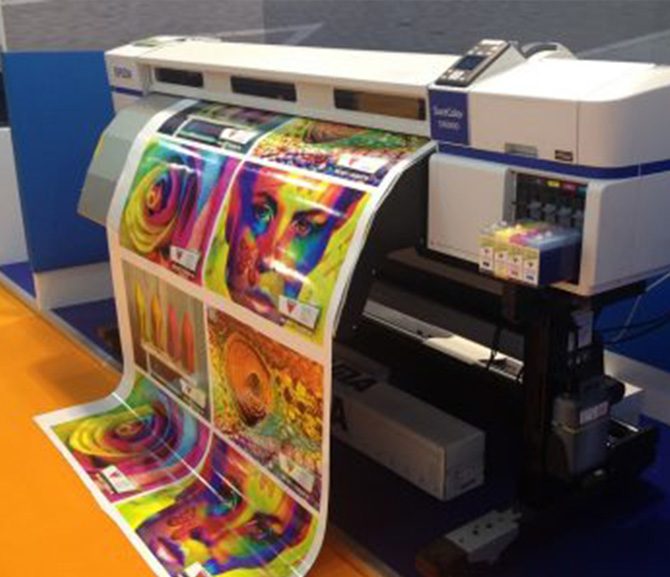
Regarding printing techniques, the choice significantly influences the card’s look and durability. Offset printing remains popular for bulk orders due to its high-quality output and cost efficiency. Digital printing offers quick turnaround times and is ideal for smaller batches, allowing for easy customization. Foil stamping introduces a metallic finish that adds a touch of elegance and can emphasize specific design elements such as logos or borders. Other methods like embossing or debossing add texture and depth, further enhancing the tactile experience of the card.
Each printing technique offers distinct advantages, and selecting the right method depends on your design complexity, budget, and desired impact. High-end finishes like foil stamping or embossing may require specialized machinery and longer production times but can significantly elevate your brand's perception. Conversely, digital printing provides flexibility for frequent updates and batches with variable data, making it a versatile choice for dynamic marketing strategies.
In summary, the diverse types of visiting cards and the array of printing techniques available provide ample options for professionals and businesses to express their unique identity. Carefully selecting the appropriate card type and printing method ensures your visiting card will effectively communicate your brand's message and leave a lasting impression on prospects and clients alike.
Detailed Exploration of Printing Techniques for Visiting Cards
Choosing the appropriate printing method is essential in ensuring your visiting card effectively reflects your brand identity and meets your functional requirements. Each technique offers unique characteristics that impact the card's aesthetic appeal, tactile experience, and longevity.
Offset printing remains a staple in high-volume production due to its ability to consistently produce sharp images and vibrant colors at a lower cost per unit. This method involves transferring ink from a plate onto a rubber blanket, then onto the printing surface—ideal for large batches requiring uniform quality. Digital printing, conversely, is renowned for its quick turnaround and cost-effectiveness in smaller quantities. It allows for easy customization, including variable data such as individual names or contact details, making it suitable for personalized marketing efforts.
Foil stamping introduces a metallic sheen that can significantly elevate the visual appeal of your visiting card. It’s particularly effective in accentuating logos, borders, or specific design elements, creating a luxurious feel. Embossing and debossing add tactile depth, with embossing raising the surface of the paper to produce a three-dimensional effect, while debossing presses the design into the card for a subtler textured look. These finishes not only enhance aesthetics but also make your card more memorable to recipients.
Specialty techniques like UV coating can add a glossy layer that highlights particular sections of the design, offering visual contrast and protection against wear. Spot UV printing focuses this effect selectively, for example, on logos or contact information, ensuring these details stand out prominently. When selecting the printing technique, consider your design complexity, desired tactile experience, budget constraints, and the impression you aim to leave. Each method can be tailored to produce a unique, high-impact visiting card that resonates with your professional brand.
The integration of these printing techniques—whether through metallic foil, textured effects, or vibrant colors—provides a range of possibilities to create a distinguishing identity. When executed with precision and aligned with your branding goals, your visiting card becomes a powerful tool for establishing credibility and leaving a lasting impression.
Implementing the right combination of printing techniques and finishes enhances the professionalism of your visiting card, shaping perceptions and fostering trust among clients and partners alike.
Types of Visiting Cards and Printing Techniques
Choosing the appropriate type of visiting card and printing technique is crucial to conveying professionalism and making a memorable impression. Various printing methods are available, each suited to different design requirements, durability needs, and budget considerations. Common printing techniques include digital printing, offset printing, letterpress, and thermography, each offering distinct advantages. Digital printing is ideal for small runs and quick turnarounds, providing high-quality images with vibrant colors. Offset printing, on the other hand, is cost-effective for larger quantities and delivers sharp, detailed results with consistent quality. Letterpress printing offers a classic, tactile result, where the design is pressed into the paper, adding depth and texture. Thermography creates raised print effects that mimic embossing at a lower cost, providing a professional and elegant look. Specialty techniques elevate the aesthetic appeal of visiting cards. Spot UV printing selectively applies a glossy coating to specific design elements such as logos or contact details, making them stand out sharply against matte backgrounds. Embossing and debossing, as previously mentioned, add tactile dimensions by creating raised or recessed textures, enhancing the physical feel and visual depth of the card. Metallic foils, including gold or silver, can be used to add shimmering accents that exude luxury and sophistication, especially suitable for high-end brands or industries like fashion, finance, or luxury services. Satin finishes and matte coatings offer subtlety and elegance, whereas glossy finishes contribute to vibrancy and eye-catching appeal. The selection of printing and finishing techniques should always align with your brand identity, target audience, and the message you intend to communicate. These approaches, when combined thoughtfully, can produce a unique, high-impact visiting card that effectively builds credibility and leaves a lasting impression.
Selecting the Right Card Material
The material used for your visiting card significantly influences its overall look, feel, durability, and impression. Options range from traditional paper types to innovative synthetic materials, each offering unique advantages. Standard cardstock is a popular choice due to its affordability, availability, and versatility. Typically, it comes in various weights, with heavier weights conveying quality and robustness. When selecting cardstock, consider finishes such as matte, gloss, or satin, all of which impact tactile sensation and visual appeal. For a more premium feel, using thicker, textured papers like linen, canvas, or cotton can add sophistication and distinctiveness. These materials are particularly suitable for industries where presentation and perceived value are paramount. Synthetic materials, such as plastic orPVC, provide exceptional durability and water resistance, making them ideal for industries where cards are subjected to frequent handling or outdoor environments. Clear acrylic cards offer a modern, sleek aesthetic that can be customized with embedded designs or lighting effects. Biodegradable or recycled materials appeal to eco-conscious brands aiming to showcase sustainability. Incorporating embossed or textured finishes on these materials can further enhance tactile engagement. Ultimately, the choice of material should reflect your brand personality, target demographics, and functional requirements. Proper material selection supports your overall branding strategy and ensures your visiting card remains intact and impressive over time.
Innovative Printing Techniques to Elevate Your Visiting Card
Advanced printing methods enable businesses to create visually striking and memorable visiting cards that stand out from the crowd. Techniques such as foil stamping, raised printing, spot UV coating, and thermography add depth, shine, and texture, making the card more engaging to touch and view. Foil stamping involves applying metallic or pigmented foil onto the surface, adding a luxurious glimmer perfect for high-end brands. Raised printing elevates certain design elements, providing a tactile experience that emphasizes important contact details or logos.
Spot UV coating is another effective method, where a glossy, clear coating is selectively applied to specific areas of the card, such as logos or icons, creating a striking contrast with matte or uncoated surfaces. Thermography involves a heat-activated powder that produces a raised, velvety finish, combining visual impact with a pleasing tactile sensation. Each of these techniques requires precise execution and high-quality materials to achieve optimal results, reflecting professionalism and creativity.
Choosing the right combination of printing techniques depends on your brand identity, intended impression, and budget. When combined thoughtfully, these methods can create a multi-dimensional design that entices recipients to keep your card, thereby increasing your brand recall. Skilled printers utilize digital, offset, or letterpress printing processes to ensure accuracy and vibrant color reproduction, especially when implementing intricate or multi-layered finishing techniques. This meticulous attention to detail demonstrates a commitment to quality that leaves a lasting impact.
Another innovative approach gaining popularity is the integration of metallic, matte, or textured finishes, which not only improve aesthetic appeal but also provide functional benefits such as resistance to smudges and wear. For brands aiming to project a modern, sophisticated image, combining these techniques with custom shape cutting or edge painting can result in a unique design that resonates with your target audience.
To maximize effectiveness, working with a reputable printing service that offers a diverse array of options and that keeps abreast of emerging technologies is critical. They can recommend suitable techniques based on your specific needs and budget, ensuring your visiting card is not just a contact tool but an extension of your brand’s identity and professionalism.
Innovative Embellishments and Personalization Options
Adding embellishments and personalization options to your visiting cards can significantly elevate their visual impact and memorability. Techniques such as embossing and debossing create a tactile experience by adding raised or recessed elements, which highlight key design features or logos. This not only enhances aesthetic appeal but also strengthens brand recognition.
Spot UV coating is another popular method where a glossy finish is applied selectively to specific areas, such as logos, icons, or contact details. This creates a striking contrast against matte or uncoated surfaces, drawing attention to critical information and adding a layer of sophistication. When combined with foil stamping, metallic or pigmented foils can be layered onto your card to impart a luxurious, eye-catching effect that reflects the quality and prestige of your brand.
Edge painting or edging can also imbue your visiting card with a distinctive look. Applying vibrant color to the edges of your cards can create a pop of color that stands out in stacks or drawers, making it easier for recipients to recall your brand. Custom shapes and die-cutting allow the creation of unique, non-standard card outlines, which drastically differentiate your cards from typical rectangular shapes. These shapes can range from rounded corners to intricate designs that mirror your industry or brand motif.

All these options should complement your overall branding strategy and be selected based on your target audience, the message you wish to convey, and the impression you intend to leave. Collaboration with experienced printing professionals ensures that these special features are executed flawlessly, aligning with your vision while adhering to high-quality standards.
Types of Visiting Cards and Printing Techniques
Choosing the appropriate type of visiting card and printing technique is essential for creating a memorable and professional impression. Standard paper cards remain popular, offering cost-effectiveness and ease of customization. However, for clients seeking a more premium appearance, options such as laminated cards, textured finishes, and specialty materials are available. Printing techniques include digital printing, offset printing, and letterpress, each with its own advantages depending on the design complexity and quantity.
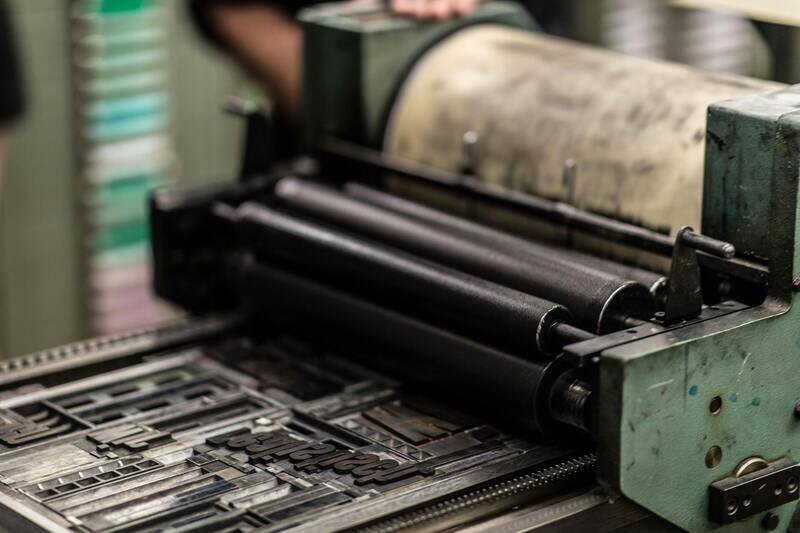
Digital printing is highly versatile, allowing for quick turnaround and detailed color reproduction, ideal for personalized or short runs. Offset printing, on the other hand, offers high quality and cost efficiency for large batches. Letterpress printing provides a tactile, embossed effect that enhances the sensory experience of the card. Techniques like thermography create raised ink effects, adding a textured dimension that elevates the card's overall look.
Common Paper and Material Choices
- Standard cardstock: Cost-effective and suitable for everyday use.
- Matte finish: Provides a sleek, non-reflective surface that minimizes fingerprints and glare.
- Glossy finish: Enhances color vibrancy and gives a polished look.
- Textured papers: Materials such as linen, canvas, or woven textures add a distinctive tactile quality.
- Specialty materials: Transparent plastics, metal, or wood-based cards offer durability and a unique aesthetic.
Innovative Printing Techniques and Variations
For those looking to stand out, combining different techniques can create a dynamic visual impact. Spot UV coating selectively adds a glossy shine to specific areas, accentuating logos or contact details against matte backgrounds. Foil stamping introduces metallic or pigmented foil layers, imparting a luxurious aura to the design. Embossing and debossing techniques lift or recess parts of the card surface, providing a tactile dimension that reinforces branding elements.
Selecting the Right Card Material
Material selection plays a crucial role in shaping the overall perception of your business identity. Durable materials like PVC or acrylic are suitable for frequent handling and long-term use, ensuring that the cards retain their appeal over time. Thicker stocks, such as 32-point cardstock, offer substantial weight and a premium feel, ideal for executive branding. Light, flexible options are perfect for envelopes or compartments where mobility is a concern.
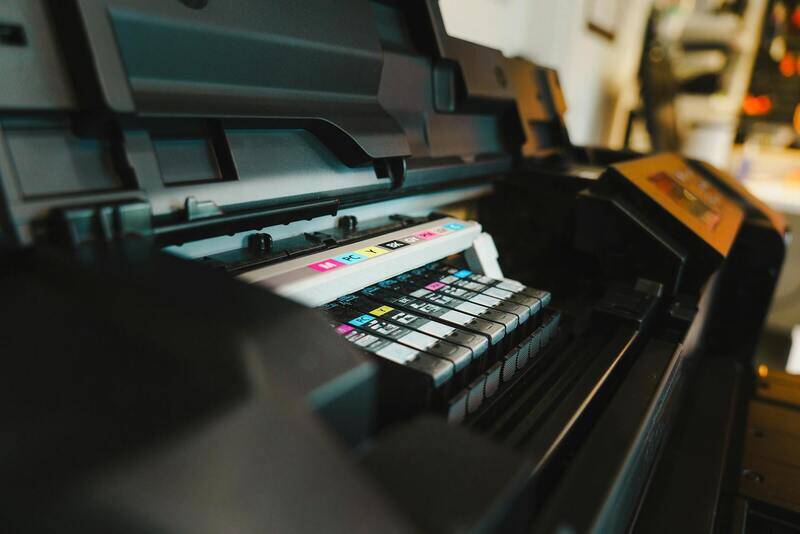
When selecting materials, consider the message you wish to convey. A metallic finish hints at sophistication, while eco-friendly recycled papers showcase environmental consciousness. Compatibility with different printing techniques is also essential, as some materials respond better to specific processes, ensuring your design elements are vividly reproduced without compromise.
Design Elements and Layout
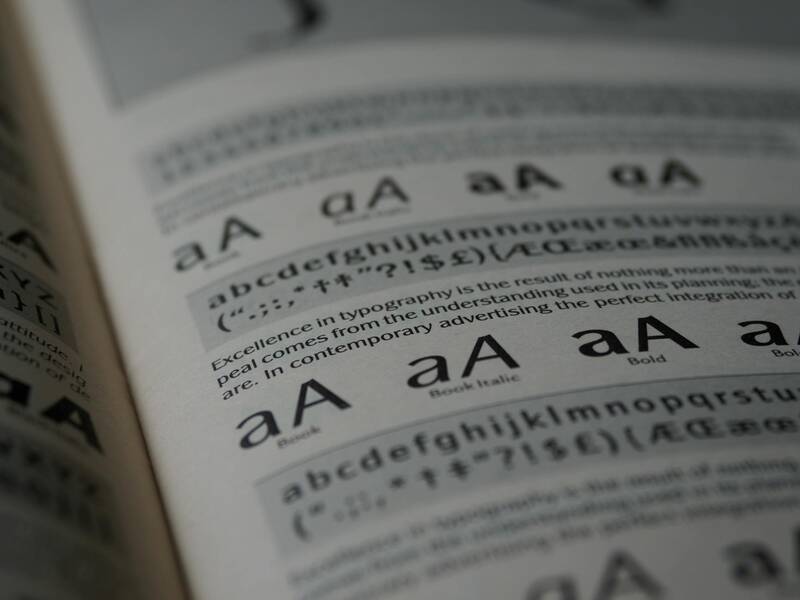
An effective visiting card design balances visual appeal with clarity. Strategic placement of your logo, contact details, and key messaging ensures easy readability. Incorporating white space intelligently reduces visual clutter and emphasizes critical information. Consistent use of branding colors, fonts, and imagery helps maintain brand cohesion. The layout should also accommodate potential future updates, allowing space for additional contact points or social media handles.
Essential Design Tips
- Maintain a clear hierarchy of information to guide the reader’s eye.
- Use high-quality images and vector graphics for sharpness and scalability.
- Limit the number of fonts to two or three to preserve visual harmony.
- Ensure sufficient contrast between text and background for easy reading.
- Consider including a call-to-action or unique design element to enhance memorability.
Custom Features and Special Finishes
Innovative features can distinguish your visiting card in a stack. Die-cuts create custom shapes and outlines aligned with your brand iconography. Edge painting adds vibrant colors to the borders, making cards recognizable even in cluttered environments. Raised text or embossed logos introduce a tactile experience that invites interaction. Design embellishments like holographic effects or laser engraving provide cutting-edge aesthetics, further elevating your company’s profile.
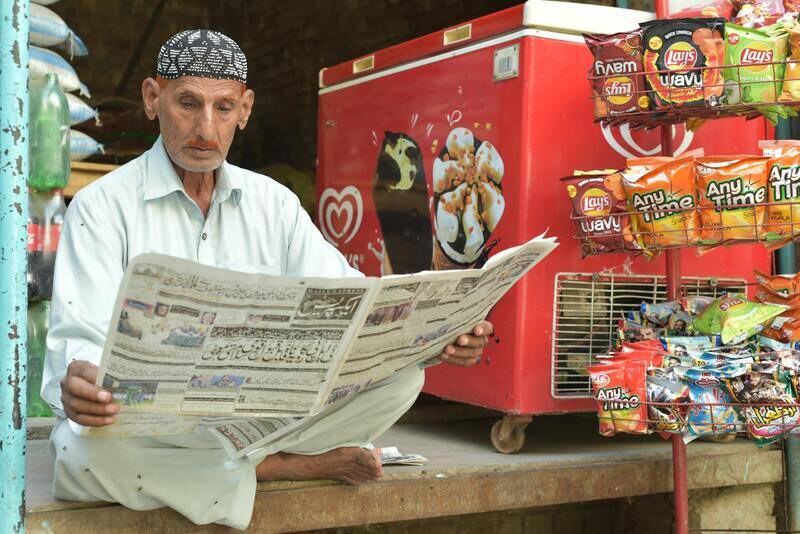
Integrating multiple finishes must be done thoughtfully to balance visual impact with cost considerations. Selecting the right combination aligned with your branding goals ensures that the final product not only looks stunning but also functions effectively as a networking tool. Collaborating with experienced printers guarantees meticulous execution, ensuring each feature aligns with your vision and maintains high standards of quality.
Factors Influencing Cost and Turnaround Time
Understanding the elements that impact the cost of visiting card printing helps in making informed decisions. Design complexity, choice of materials, printing technique, and special finishes are major contributors to overall expenses. Generally, simple designs on standard cardstock using digital printing are the most economical, with quick turnaround times. Conversely, intricate embossed designs, specialty materials, or large quantities may require additional processing time and investment.
- Order volume: Larger runs tend to lower per-unit costs but require longer lead times.
- Design intricacy: Detailed graphics or custom features may add to production time.
- Material selection: Premium or non-standard materials often demand more handling and setup.
- Finishings: Special coatings, foil stamping, or embossing can extend production schedules.
Effective planning and early collaboration with your printing service provider facilitate smooth workflows, ensuring timely delivery without sacrificing quality. Clear communication about your requirements and expectations allows for accurate cost estimates and realistic timelines, optimizing your overall printing experience.
Types of Visiting Cards and Printing Techniques
When selecting visiting cards, understanding the diverse types and the printing techniques available is essential for creating a memorable and professional appearance. Standard business cards are typically printed using digital or offset methods, depending on quantity and complexity. Digital printing offers quick turnaround times and cost-effectiveness for smaller batches, making it suitable for startups and individual professionals. Offset printing, on the other hand, excels in producing high-volume orders with vibrant color reproduction and sharp details, ideal for corporate branding.
Specialty printing techniques add a distinctive touch to visiting cards. Foil stamping provides a metallic shine that accentuates logos or key design elements, lending an air of sophistication. Embossing and debossing create textured effects, giving the card a tactile dimension that captures attention. Spot UV coating can be used selectively to add gloss to specific areas, enhancing visual contrast and elegance. Laser cutting allows for intricate shapes and detailed designs, offering a modern and unique look.
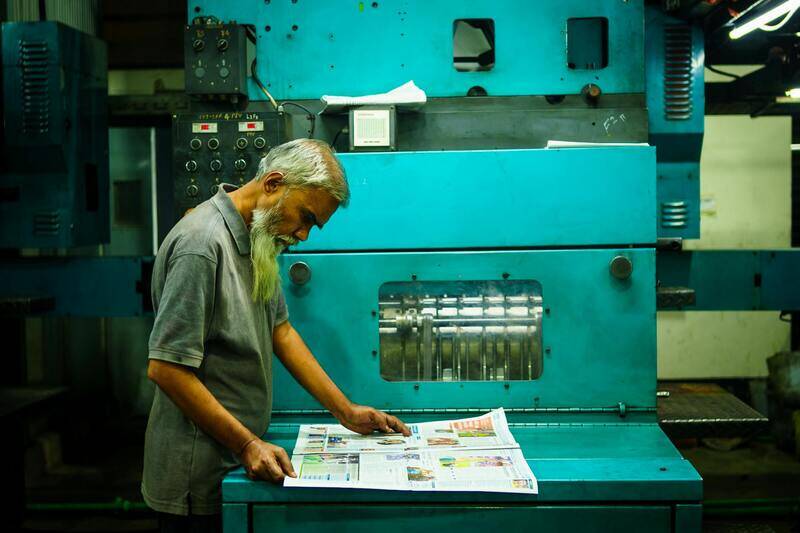
Selecting the Right Card Material
The material selection plays a crucial role in both the aesthetics and durability of visiting cards. Common choices include standard cardstock, which offers affordability and versatility. Premium options such as matte or glossy finishes on thicker stock lend a more polished look while providing increased lifespan. For a luxurious feel, materials like textured linen or soft-touch coatings can be considered. Specialty materials are also gaining popularity for their ability to leave a lasting impression. Transparent PVC or acrylic cards are visually striking and highly durable, suitable for creative industries or tech companies. Recycled or eco-friendly papers demonstrate environmental responsibility and appeal to conscious consumers. The thickness, texture, and finish of the material influence not only the appearance but also user perception, enhancing your brand identity. When choosing a material, consider the nature of your business, target audience, and how the card will be handled, stored, or displayed.
Design Elements and Layout
A well-crafted design ensures that your visiting card communicates your brand identity effectively. The layout should balance visual appeal with clarity, ensuring essential information stands out without clutter. Key elements include your logo, name, job title, company name, contact details, and any social media handles. Typography must be legible and consistent with your branding. Using complementary fonts and appropriate sizes helps in creating a cohesive look. Incorporating whitespace strategically prevents overcrowding, making the card easier to read and more aesthetically pleasing. Color schemes should align with your brand palette, utilizing contrasting hues to highlight crucial details. The placement of elements matters; for instance, positioning your logo prominently at the top or center, with contact information arranged neatly below, can guide the viewer’s eye naturally. Including a tagline or a brief value proposition can reinforce your message. Keep the design simple yet impactful — intricate patterns or excessive text can detract from professionalism. Collaborating with experienced designers or utilizing template customization options from your printing service ensures your layout effectively captures your brand’s essence.
Types of Visiting Cards and Printing Techniques
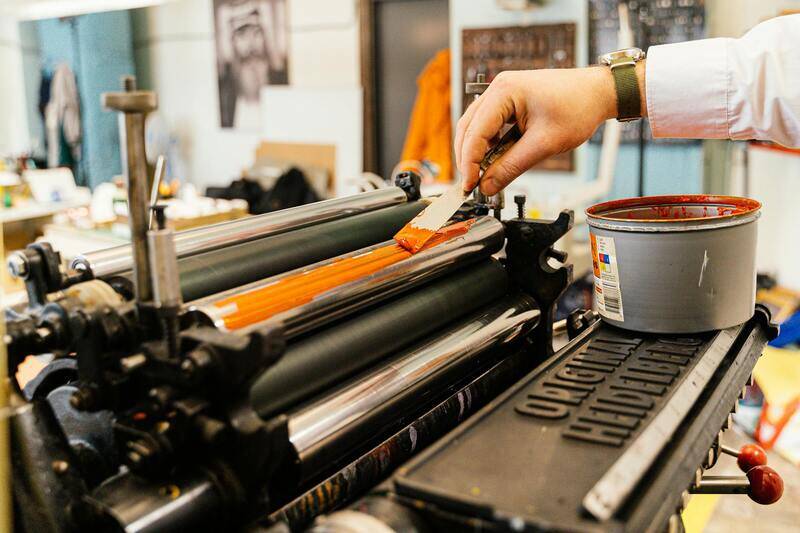
Choosing the appropriate type of visiting card and printing technique profoundly impacts the perceived professionalism and effectiveness of your business communication. Standard options range from traditional cardstock cards to specialty finishes that add a touch of sophistication. Print techniques such as letterpress, embossing, foil stamping, and UV coating provide tactile and visual enhancements that make your card stand out. For instance, letterpress printing creates a deep impression on the card surface, imparting a classic, luxurious feel, while foil stamping adds metallic accents that catch light and attention. Digital printing is a cost-effective choice for small batches or highly customized designs, offering quick turnaround times without compromising quality. Spot UV coating provides a glossy highlight on specific areas, such as logos or taglines, creating a striking contrast with matte backgrounds. The choice of printing method should align with your brand image and the message you want to convey, whether it's elegance, innovation, or professionalism.
Select the Right Card Material
Material selection is fundamental when considering visiting card printing. The typical choices include paper, cardstock, plastic, metal, or eco-friendly alternatives. Paper and cardstock are versatile, widely used, and available in various weights and textures, enabling customization to match company branding. Thicker cardstock (around 350 GSM or higher) exudes durability and prestige, suitable for high-end industries. Plastic cards, often made from PVC, offer water resistance and durability, making them ideal for frequent handling or outdoor use. Metal cards introduce a distinctive, high-end appearance and extreme durability, often incorporating laser engraving or etching for a sophisticated touch. Eco-conscious options like recycled paper or biodegradable materials appeal to environmentally conscious clients and demonstrate an organization's commitment to sustainability. The choice should consider how the card will be used and stored, aligning material properties with your brand image and practical needs.
Design Elements and Layout
A strategically designed visiting card ensures your contact details are communicated while reinforcing your brand identity. Effective layout balances aesthetics with clarity, positioning elements in a hierarchy that guides the viewer’s eye naturally. Core components include your logo, name, job title, company name, contact information, and social media handles. Clear, legible typography reinforces professionalism and ensures information can be read quickly. Complementary font choices and appropriate sizes are essential to maintain a cohesive look. Remarkably, the use of whitespace facilitates a clean, uncluttered appearance that enhances readability. Color schemes should reflect your branding, leveraging contrasts to highlight important details. Placing your logo prominently, such as at the top or center, helps establish brand recognition immediately. Incorporating a brief tagline or value proposition can further communicate your unique selling points, making your visit more memorable. Collaborations with professional designers or utilizing customizable templates from trusted printing services ensure your design effectively captures your brand’s essence.
Emerging Trends in Visiting Card Printing
Innovation in visiting card printing reflects evolving aesthetics and technological advancements. Eco-friendly materials, including recycled and biodegradable options, cater to an increasing demand for sustainable branding. Minimalistic designs emphasize clean lines, ample whitespace, and simple typography, fostering a modern professional look that resonates with contemporary audiences. Integration of digital elements, such as scannable QR codes or augmented reality features, enhances interactivity and provides instant access to online portfolios, social media profiles, or contact forms. These trends demonstrate a focus on enhanced functionality and environmental responsibility, aligning with current market preferences. Advances in printing technology enable the incorporation of intricate patterns, vibrant color gradients, and custom textures, elevating the tactile and visual appeal of visiting cards. Utilizing these innovations ensures your cards keep pace with modern expectations and enhance your professional image effectively.