Understanding Large Format Photo Paper
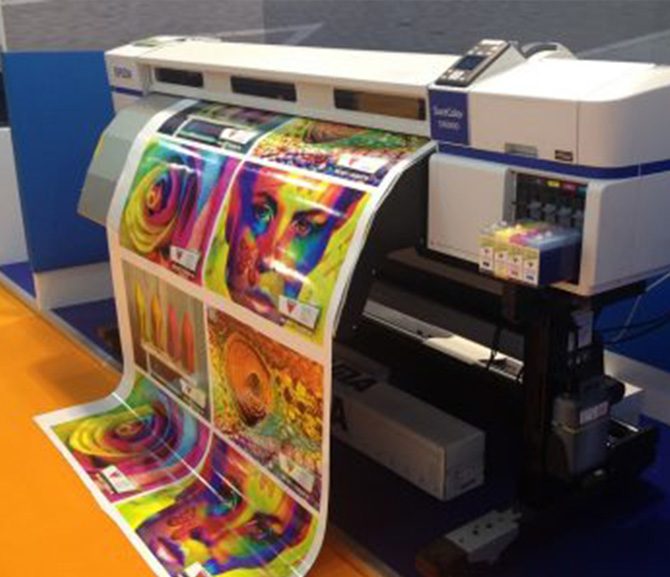
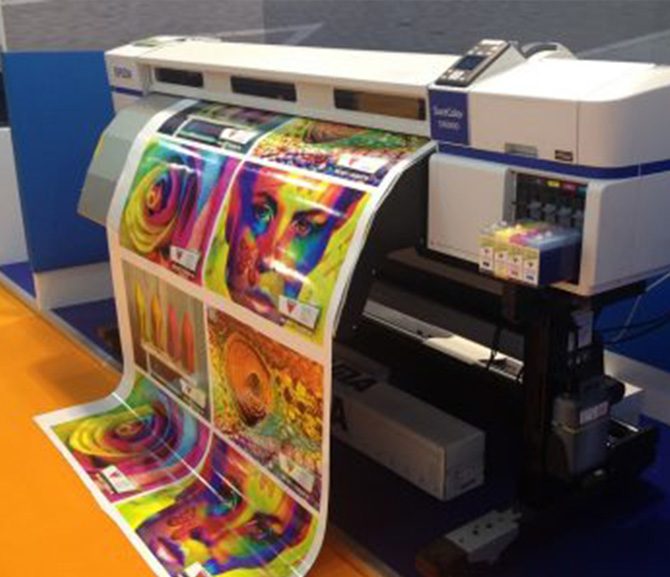
Large format photo paper is a specialized printing medium designed for high-resolution, wide-format photographic reproductions. Typically characterized by its substantial width, this paper can range from 24 inches to over 60 inches in roll width, enabling the production of expansive images suitable for galleries, exhibitions, advertisements, and interior decor. Unlike standard photo papers, large format options are engineered to support detailed imagery on a much larger scale without sacrificing clarity or color fidelity.
These papers are crafted to accommodate various printing technologies, including inkjet, aqueous, and solvent-based printers, which are prevalent in both commercial and professional settings. The primary advantage of large format photo paper lies in its ability to deliver vivid, sharp, and durable images across extensive surfaces. Such versatility makes it indispensable for artists, photographers, and businesses aiming to produce impactful visual content.

In the context of printing services, large format photo paper is often selected based on the final application, whether for fine art display, commercial signage, or interior decoration. Its ability to reproduce intricate details and vibrant colors on a grand scale enhances the visual appeal and effectiveness of printed materials. High-quality large format sheets are also manufactured to withstand outdoor conditions, making them suitable for murals or outdoor advertising campaigns.
Understanding the characteristics of large format photo paper helps in selecting the appropriate type and material for each project, ensuring both aesthetic quality and longevity. As printing technologies and material compositions evolve, the range of options available continues to expand, providing greater flexibility for various professional requirements.
In summary, large format photo paper is a critical component in professional printing that supports large-scale, high-quality photographic reproductions. Its diverse dimensions, types, and finishes cater to a broad spectrum of creative and commercial needs, making it an essential choice for detailed and impactful visual productions.
Material Composition and Surface Finish
Understanding the material composition and surface finish of large format photo paper is vital for achieving optimal print quality and durability. Most large format photo papers are manufactured using a base material that includes cellulose, polyester, or coated substrates, each offering distinct benefits depending on the intended application. For instance, paper made with a cellulose base generally provides excellent absorbency and a natural texture, ideal for fine art reproductions. Polyester-based substrates are highly resistant to stretching and moisture, making them suitable for outdoor displays and murals.
Surface finishes significantly impact the visual outcome and longevity of the printed images. The common finishes include:
- Glossy: Produces vibrant, sharp images with a shiny surface that enhances color depth and contrast. However, it may be prone to fingerprints and glare, requiring careful handling.
- Matte: Offers a non-reflective surface that reduces glare and provides a soft, subdued appearance. This finish is excellent for viewing in well-lit environments and is less vulnerable to fingerprints.
- Satin or Semi-Gloss: Balances between glossy and matte, providing a moderate sheen that enhances colors while minimizing reflections and fingerprints.
- Backlit or Transparent: Designed for display behind lightboxes or for backlit signage, these papers are semi-translucent, allowing light to pass through and create illuminated visual effects.
Choosing the appropriate surface finish depends largely on the specific use case. For example, a glossy finish might be preferred for photographic exhibition prints to maximize color vibrancy, while a matte finish could be chosen for long-term signage that needs to minimize reflections and fingerprints. Additionally, surface treatments such as coating with UV-resistant or water-repellent layers can enhance the lifespan of prints exposed to outdoor conditions or high humidity environments.
Manufacturers now offer a range of premium coatings that provide added protection against scratches, UV light, and environmental pollutants, ensuring the longevity of large format photographs in various settings. The choice of material and finish should align with both the aesthetic goals and functional requirements of the project, ensuring that the final output not only appears visually appealing but maintains its quality over time.
Material Composition and Surface Finish
Choosing the appropriate large format photo paper involves understanding its material composition and surface finish, both of which significantly influence the final image quality and longevity. Most large format photo papers are crafted from specialized cellulose-based or synthetic substrates, designed to support vibrant color reproduction and sharp detail. The base material often includes coatings or layers that enhance ink adhesion and resistance to environmental factors.
Surface finish plays a crucial role in how the image appears and endures over time. Glossy finishes provide rich color saturation and a reflective surface, ideal for vibrant displays and photographic exhibitions. Matte finishes, on the other hand, offer a non-reflective surface that reduces glare, making them suitable for large displays viewed from various angles or areas with bright lighting conditions. Satin or semi-gloss surfaces strike a balance, offering moderate sheen with the added benefit of diminishing fingerprints and reflections. Additionally, the surface texture can influence image detail; smoother surfaces tend to display fine details more clearly, while textured finishes can add a tactile quality that complements artistic effects.
Beyond aesthetics, surface treatments such as UV-coatings, water-resistant layers, and scratch-resistant finishes substantially enhance durability. These coatings protect prints from environmental damage, preserving colors and details over extended periods, especially in outdoor or high-traffic environments. Manufacturers continuously develop advanced coating technology to optimize protection without compromising image clarity.
Summary
Material selection and surface finish are pivotal decisions that influence both the visual appeal and resilience of large format photographic prints. By opting for high-grade materials coupled with appropriate surface treatments, creators can produce images that captivate audiences and withstand the test of time, whether displayed indoors or outdoors. The compatibility of these materials with printing technology further ensures optimal results, making them an essential consideration in large scale visual presentations.
Understanding Large Format Photo Paper
Large format photo paper is specifically designed to accommodate the needs of high-resolution, expansive photographic prints used in displays, exhibitions, advertising, and fine art. These papers are engineered to provide consistent color reproduction, sharp details, and durability across sizeable surface areas. Unlike smaller print media, large format photo paper requires precise handling during printing to prevent distortions or defects that could compromise the overall visual impact. It also involves specialized printing equipment capable of processing high-quality, large-scale media without sacrificing resolution or color fidelity.

When considering large format photo paper, the focus goes beyond size alone. The choice of material, surface finish, and compatibility with printing technology are integral to achieving the desired output. The substrate must support high-resolution inks and resist warping or degradation over time, especially when used for indoor or outdoor displays. Proper selection ensures that the final product maintains its brilliance, clarity, and structural integrity over prolonged exposure to environmental factors.
Types of Large Format Photo Paper
Different types of large format photo paper cater to diverse needs, including matte, gloss, semi-gloss, satin, and textured finishes. Each type offers distinct benefits in terms of appearance and durability. Matte papers are favored for their non-reflective surface, ideal for viewing in bright environments and reducing glare. Glossy papers enhance color vibrancy and image sharpness, creating a striking visual impression. Satin or semi-gloss options provide a middle ground, balancing vivid colors with minimized reflections. Textured papers add a tactile dimension, often employed in fine art or photographic reproductions where a more artistic appearance is desired.

Selecting the right type of large format photo paper hinges on the intended display environment, viewing distance, and aesthetic preferences. For instance, outdoor promotional banners might benefit from water-resistant, UV-coating-treated papers, while gallery displays may require archival-grade materials that resist fading and degradation over time.
Material Composition and Surface Finish
The core components of large format photo paper influence both print quality and longevity. Base materials typically include heavyweight paper stock, polyester films, or specialty synthetic substrates that provide strength and flexibility. These bases are coated with photographic emulsions, polymer layers, or dye sub-infused surfaces tailored for ink absorption and color vibrancy.
Surface finishes significantly impact how light interacts with the print, affecting gloss, reflections, and detail clarity. Smooth surfaces are optimal for fine detail work due to their flat, even texture, which maximizes ink adhesion and minimizes scatter. Textured finishes, such as linen or canvas effects, introduce a tactile element and are favored for artistic reproductions. Additionally, UV coatings, scratch-resistant layers, and water-repellent treatments can be applied to enhance durability, making the prints more resilient against environmental challenges.
Offering a well-rounded solution, manufacturers blend these materials and surface treatments to create large format photo papers that meet both aesthetic and functional demands. This combination ensures vibrant images with long-lasting qualities, whether displayed indoors or outdoors.
Understanding Large Format Photo Paper
Large format photo paper serves as the foundational medium for high-quality, expansive photographic displays. Its primary role is to faithfully reproduce fine details, vibrant colors, and subtle graduations across broad surfaces, making it essential for professionals involved in gallery exhibitions, commercial advertising, and photographic arts. The choice of substrate influences not only the visual impact of the print but also its resistance to environmental elements, longevity, and ease of handling.
When selecting large format photo paper, it is crucial to consider the specific requirements of the project—such as whether the display environment is indoors or outdoors, the tonal range needed, and the durability expectations. Additionally, understanding the variations in material composition, surface finish, and structural properties helps in making informed decisions that align with the desired outcome.
Key Factors to Consider
- Print Size and Resolution: Larger media demand high-resolution imaging to prevent pixelation and maintain crisp detail across expansive surfaces.
- Environmental Resistance: For outdoor or high-traffic applications, selecting papers with water-resistant, UV-protected coatings extends longevity and preserves color vibrancy.
- Surface Texture: Smooth finishes highlight details and color accuracy, whereas textured surfaces add a tactile dimension suitable for artistic reproductions.
- Compatibility with Printing Technology: Ensuring the paper is compatible with inkjet or solvent printers guarantees optimal ink absorption and color fidelity.
- Archival Quality: For displays intended to last decades, choosing materials with proven stability and fade resistance is paramount.
Manufacturers have developed specialized large format photo papers tailored to these diverse needs, integrating advanced coatings and composite materials that enhance durability without compromising image quality. By aligning the material properties with the specific application, creators and printers can achieve impactful, enduring visual presentations.
Material Composition and Surface Finish
The core of large format photo paper is composed of sturdy substrates, such as heavyweight paper sheets, polyester films, or synthetic compounds, providing structural integrity for large prints. These bases are coated with photographic emulsions, polymer layers, or dye-absorbing surfaces designed to maximize ink adhesion and color vibrancy. The surface finish—glossy, semi-gloss, matte, or textured—dictates how light interacts with the print, affecting both its aesthetic appeal and practicality.
Glossy finishes are popular for their sharp contrast and vibrant colors, ideal for gallery displays and commercial artworks. Matte surfaces offer excellent glare reduction, making them suitable for ambient-lit environments where reflections could detract from image details. Textured surfaces like linen or canvas impart a tactile quality, adding depth and character that enhance artistic presentations. Additional treatments such as UV coatings, scratch-resistant layers, and water-repellent finishes are often applied to extend the lifespan and resilience of the prints, particularly for outdoor installations.

Summary
The materials and surface treatments utilized in large format photo paper are vital in achieving high-fidelity, durable prints. Advances in substrate technology and coating formulations allow for a broad spectrum of applications, from vibrant indoor displays to rugged outdoor signage. Understanding these facets enables users to select the most suitable paper for their project, ensuring they meet aesthetic objectives while resisting environmental stressors effectively.
Understanding Large Format Photo Paper
Large format photo paper serves as the foundational substrate for creating high-quality, impactful photographic prints. Its significance lies in providing a stable and receptive surface that respects the nuances of color, detail, and texture in photographic images. When selecting large format photo paper, consider its compatibility with your printing equipment and the nature of the final presentation, as the paper's physical and chemical properties directly influence the print's vibrancy, durability, and overall visual appeal.
The key features to understand include the paper's weight, thickness, and how it reacts during the printing process. Heavier papers tend to be more durable and are suitable for display pieces, while lighter options may be preferred for temporary or indoor installations. The paper's base material, its coating, and surface finish collectively determine how well the ink adheres and how the final image appears in terms of color richness and sharpness. Recognizing these aspects ensures that your prints meet both aesthetic and functional requirements efficiently.

Types of Large Format Photo Paper
Within the market for large format photo paper, a variety of options cater to different artistic and commercial needs. These can be broadly classified into several categories based on surface finish and chemical composition:
- Glossy: Known for enhanced vibrancy and sharpness, glossy papers are preferred in fine art galleries and commercial advertising where a high visual impact is desired.
- Semi-Gloss or Satin: Offering a balance between gloss and matte, this type reduces glare while maintaining color richness and detail clarity effectively.
- Matte: These papers minimize reflections, making them ideal for studio and presentation prints where viewing angles vary or ambient lighting conditions are not controlled.
- Textured: Surfaces such as linen, canvas, or watercolor textures add tactile depth, often used in artistic reproductions or exhibiting photographs as fine art.
Each category offers unique advantages suited to specific environments and desired effects, facilitating a tailored approach to large-scale photographic printing.

Material Composition and Surface Finish
The performance of large format photo paper hinges on its material composition and surface finish. Base materials can include resin-coated (RC) paper, fiber-based options, or polyester substrates, each offering different degrees of rigidity, weight, and environmental resistance. Resin-coated papers are popular due to their smoothness and ease of handling, making them suitable for high-resolution inkjet printing.
The surface finish further influences print characteristics. Glossy finishes tend to reflect more light, accentuating color brilliance but potentially introducing glare. Matte surfaces reduce reflections, providing a more subdued, elegant appearance with deep blacks and smoother tonal transitions. Textured finishes add an artistic touch by imitating traditional art surfaces, which is useful for reproducing fine art or photographic masterpieces aiming for a tactile experience.

Choosing the Right Large Format Photo Paper
Selection of the appropriate large format photo paper requires a comprehensive understanding of the project’s goals, the environment where the print will be displayed, and the technical specifications of your printing device. For indoor gallery displays that emphasize vibrant colors and fine detail, a high-gloss or semi-gloss paper might be most suitable. Conversely, for outdoor signage subjected to weather and environmental stress, selecting a photo paper with enhanced durability features—such as water resistance and UV coating—is essential.
Photographers and print professionals should also consider the weight and thickness of the paper, ensuring compatibility with their printing hardware's capabilities. Test prints can help evaluate how different papers interact with inks and how they present the final image, allowing for informed decision-making that aligns with artistic visions and practical requirements.
Printing Techniques and Compatibility
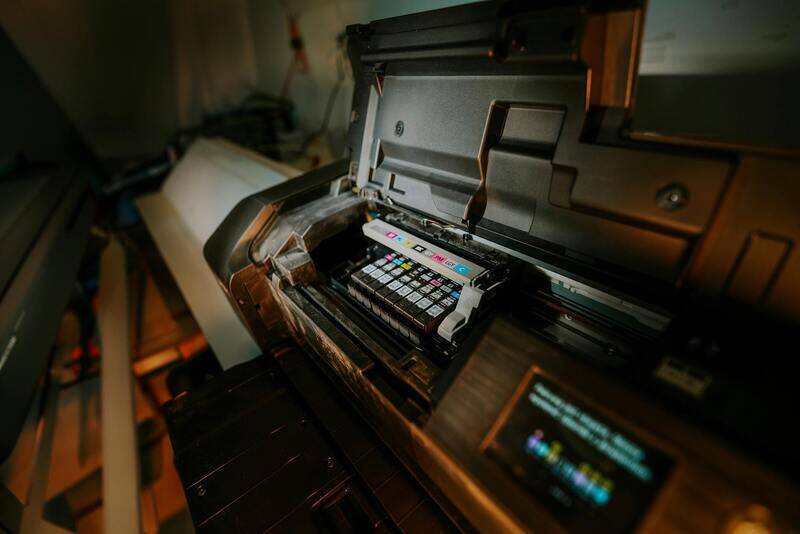
In the realm of large format printing, compatibility between printing technology and photo paper is pivotal. Inkjet printers, particularly those utilizing aqueous or pigment-based inks, require specific paper substrates optimized for ink adhesion, color fidelity, and longevity. Choosing papers with appropriate coatings ensures the inks are absorbed uniformly, reducing issues like smudging, banding, or color shifting.
Some papers are formulated for specific ink types or printing methods, including solvent or UV-curable inks, often used for outdoor applications requiring enhanced resilience. It is critical to consult printer specifications and test with selected substrates to guarantee optimal results. Proper alignment, handling, and calibration of printers further contribute to the precise reproduction of photographic images on large format papers, preserving the photographer's original intent and artistic quality.
Understanding Large Format Photo Paper
Large format photo paper plays a crucial role in professional photographic printing, digital art reproduction, and promotional displays. Designed to accommodate high-resolution images with exceptional detail, these papers are engineered to support various printing technologies while maintaining color accuracy and durability. Their size capability allows for expansive prints that make a dramatic visual impact, suitable for gallery exhibitions, installations, or large-scale advertising campaigns. When considering large format photo paper, professionals should focus on quality, compatibility, and longevity to ensure the final product aligns with artistic and functional expectations.
Types of Large Format Photo Paper
Within the spectrum of large format photo papers, several categories serve different aesthetic and practical needs:
- Glossy Photo Paper: Known for its vibrant color reproduction and sharp contrast, glossy papers emphasize fine detail and provide a sleek, reflective surface. They are ideal for images where color vibrancy and sharpness are paramount, such as commercial displays or high-end photography exhibitions.
- Matte Photo Paper: Offering a non-reflective surface, matte papers reduce glare and fingerprints, making them suitable for artwork, gallery prints, or archival displays that require a subdued, professional finish.
- Satin or Semi-Gloss Paper: Striking a balance between glossy and matte, satin papers provide a soft sheen that enriches colors without excessive glare. They are versatile choices for a wide range of photographic and artistic applications.
- Canvas-Style and Fine Art Papers: These specialty papers mimic traditional artistic mediums, adding texture and depth to images. They are frequently used in fine arts and limited-edition prints where tactile qualities are crucial.

Material Composition and Surface Finish
The composition of large format photo paper influences its performance and durability. Coatings such as resin or polymer layers enhance ink absorption, color vibrancy, and water resistance. The surface finish—whether glossy, matte, or satin—affects light reflection and tactile appeal. For outdoor or high-traffic interior displays, papers with UV coatings or enhanced water resistance are preferable, providing additional protection against environmental stressors. Heavyweight papers, with increased thickness and rigidity, also contribute to the stability and presentation quality of large-format prints, reducing warping or damage over time.
Choosing the Right Large Format Photo Paper
Selection begins with assessing the intended display environment, desired aesthetic effects, and compatibility with printing equipment. Photographers and print shops should evaluate:
- Image Complexity and Color Range: High-detail, color-rich images benefit from glossy or satin finishes that enhance contrast and vibrancy.
- Display Conditions: If the print is to be exposed to sunlight or humidity, opt for papers with UV protection and water-resistant coatings.
- Printer Compatibility: ensuring the selected paper's weight, thickness, and coating are suitable for the specific inkjet or other printing technology used.
- Archival Needs: For long-term preservation, choose acid-free, pH-neutral papers with proven fade resistance.
- Budget Constraints: While premium papers offer superior quality, more economical options may suffice for temporary or large-volume projects.

Printing Techniques and Compatibility
The effectiveness of printing on large format photo paper highly depends on matching the correct printing technique with the chosen substrate. Inkjet printers utilizing aqueous, dye-based, or pigment-based inks are common in this realm. Pigment inks, noted for their resistance to fading and moisture, demand papers with specific coatings to ensure proper ink adhesion and color rendition. Some papers are optimized for solvent or UV-curable inks, often used in outdoor signage or durable displays.
To achieve optimal output, it’s essential to perform test prints and calibrate printer settings such as color profiles, ink density, and feed mechanisms. Proper handling of large sheets minimizes the risk of smudging or misalignment. Consulting technical specifications from both the paper manufacturer and printer vendor helps in selecting compatible media, reducing waste, and ensuring consistent quality across multiple prints.

Choosing the Right Large Format Photo Paper for Your Projects
Selecting the appropriate large format photo paper involves a comprehensive understanding of your printing needs, the characteristics of different materials, and the end-use of the printed output. A meticulous selection process ensures that your images are rendered with precision, durability, and vividness, aligning with your expectations and project requirements.
Assessing Print Quality and Durability Needs
When considering large format photo paper, it is essential to evaluate the desired longevity and environmental exposure. For instance, gallery-quality prints intended for exhibitions benefit from archival-grade papers that resist fading and discoloration over decades. Conversely, samples for events or temporary displays may not require such extensive longevity, allowing for more economical options.
Matching Paper with Intended Display Environment
The environment where the printed image will be displayed plays a pivotal role in paper selection. Moisture-prone areas or outdoor settings demand substrates with water-resistant coatings or finishes that shield the print from humidity and weather conditions. Indoor displays under controlled lighting conditions might prioritize aesthetics such as gloss or matte finishes for enhanced visual impact.
Technical Compatibility and Testing
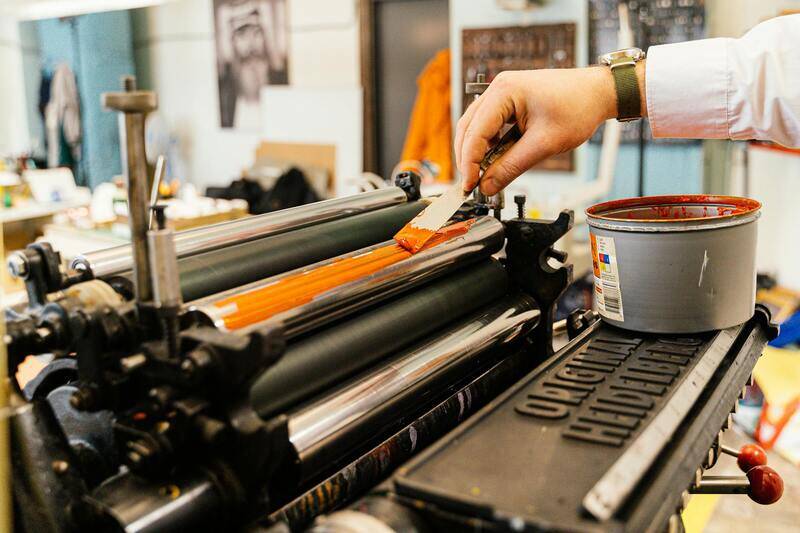
Ensuring compatibility between the chosen large format photo paper and your printing equipment is fundamental. Different printers and inks interact uniquely with various substrates; testing on sample batches prior to large-scale production helps identify optimal settings. Adjustments in color calibration, ink density, and drying time can significantly impact the final quality, making trial runs an integral part of the workflow.
Optimizing Final Print Quality
Achieving professional standards in large format printing hinges on meticulous handling and calibration. Properly stored paper in a controlled environment prevents warping, dust, or moisture accumulation. During printing, ensuring clean, flat feeding minimizes misalignments or paper jams. Using helical blade cutters or high-precision trimming tools results in clean edges, enhancing the overall presentation.
Additional Considerations for Selecting Large Format Photo Paper
- Finish Preference: Choose between glossy, satin, or matte finishes based on visual appeal and lighting conditions.
- Texture and Surface: Smooth surfaces enhance detailed images, while textured papers can add artistic effect.
- Environmental Certifications: Opt for eco-friendly papers with certifications indicating reduced chemical use and sustainable sourcing.
Ultimately, making an informed decision about large format photo paper involves balancing technical specifications, aesthetic qualities, and project-specific demands. Consulting with material suppliers and leveraging test prints ensures that the chosen substrate complements your printing process, delivering results that meet professional standards.