Understanding Oversize Photo Prints
Oversize photo prints are large-format images created to display in expansive spaces, often serving as focal points in both residential and commercial environments. These prints typically surpass standard dimensions, offering a bold visual statement that commands attention and enhances interior aesthetics. The size of oversize prints generally starts from 24 inches in width and can extend to several feet wide, with common dimensions including 36x24 inches, 48x36 inches, and even larger formats such as 60x40 inches or 72x48 inches.
One of the primary reasons for the popularity of oversize photo prints is their ability to transform a space dramatically. Large prints are highly effective in showcasing detailed imagery—whether it’s a panoramic landscape, a striking portrait, or an intricate piece of artwork. They excel in environments like corporate offices, hotel lobbies, galleries, or even at events where visual impact is paramount. The impressive scale creates a sense of immersion, allowing viewers to engage deeply with the content and appreciate fine details that might be overlooked in smaller formats.

The demand for large-format prints has surged due to advances in printing technology and a broader availability of high-resolution imagery. The proliferation of digital photography and professional editing tools also contributes to the popularity, as high-quality images can be scaled up without significant loss of clarity when produced through capable printing methods. Whether for personal projects or professional installations, oversize photo prints are a versatile choice to accentuate walls and reinforce visual storytelling.
In addition to aesthetic appeal, oversize photo prints serve functional purposes. They can help create brand recognition in commercial settings, contribute to immersive environments in entertainment spaces, or serve as memorable gifts that reflect personal milestones. The ability to produce a large, high-resolution image with vibrant colors and sharp details makes oversize photo prints an invaluable asset for any project requiring a commanding visual presence.

Materials Used for Oversize Photo Prints
Choosing the appropriate material is crucial to achieving the desired visual impact, durability, and overall quality of oversize photo prints. The selection depends on the intended use, environment, and aesthetic preferences. Commonly employed materials include photographic paper, canvas, and vinyl, each offering unique qualities that enhance large-format imagery.
Photographic Paper: High-quality photographic paper is favored for its sharp detail, vibrant color reproduction, and fine finish. It provides a sleek, professional look that is ideal for gallery displays, corporate branding, or personal art collections. Premium glossy or satin finishes are typically preferred as they emphasize color depth and contrast, though matte options are available for a softer, non-reflective surface that minimizes glare.

Canvas: Canvas printing lends a textured, artistic feel to large images, mimicking traditional painting aesthetics. It’s highly durable and suitable for interior decor, especially in settings where a sophisticated or contemporary look is desired. Canvas prints can be stretched onto wooden frames or mounted with backing, making them versatile for various display options. UV coatings applied during printing protect against fading and environmental damage, ensuring longevity.

Vinyl: Vinyl is a flexible, weather-resistant material suitable for both indoor and outdoor applications. Its robustness allows for outdoor murals, banners, and signage with oversized imagery. Vinyl prints are often laminated or coated for added durability and weatherproofing, making them ideal for landscapes or promotional displays exposed to the elements. They also support vibrant color reproduction and high-resolution details.
Printing Techniques and Technologies
Advancements in printing technology have significantly enhanced the capabilities for producing oversize photo prints with exceptional clarity and color fidelity. Techniques such as UV flatbed printing, solvent printing, and dye sublimation facilitate the production of large images without sacrificing detail. Flatbed UV printing, for instance, allows for printing directly onto rigid substrates like acrylic or metal, resulting in durable and vibrant displays.
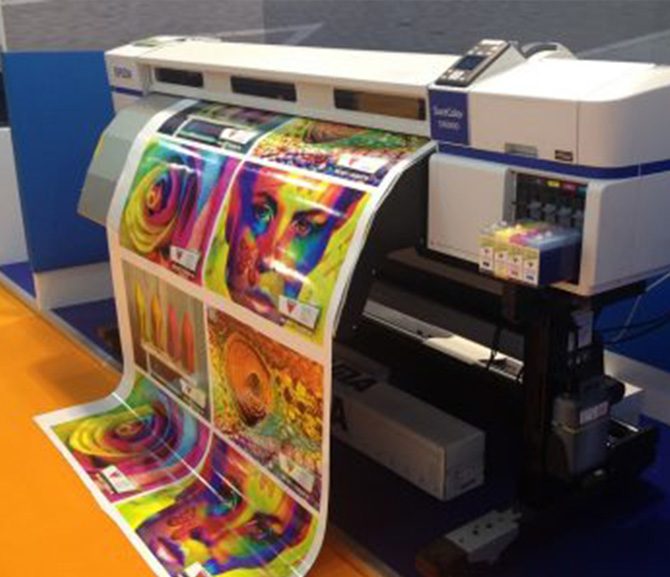
Digital inkjet printing remains the industry standard for high-resolution large-format images. Modern inkjet printers utilize multiple ink cartridges, including light inks and specialty colors, to achieve a broad color gamut and smooth gradations. This technology enables the printing of large images with fine details, true color accuracy, and fade resistance, ensuring the final product maintains visual integrity over time.
Design Considerations for Oversize Prints
Creating effective oversize photo prints requires careful attention to design parameters such as resolution, aspect ratio, and file quality. It’s vital to work with high-resolution images, typically 150-300 DPI at the final print size, to prevent pixelation and ensure crisp details. Additionally, incorporating margins and considering the viewing distance help in optimizing the visual impact. Designers should also account for color profiles and soft-proofing to achieve accurate color rendering post-printing.
Space planning is essential when designing large-format images. Elements should be scaled appropriately, and focal points highlighted to draw viewers’ attention. Maintaining balance and harmony in composition enhances the overall aesthetic, making the oversized print a striking feature within its environment.
Understanding Oversize Photo Prints
Creating oversize photo prints involves a meticulous process that prioritizes image quality, material selection, and printing technology to produce stunning, large-scale visuals. These prints serve as impressive focal points in both residential and commercial environments, necessitating careful planning and execution to ensure they retain their vibrancy and clarity when scaled up. The primary goal is to maintain high resolution and color fidelity, which requires working with pristine digital files and choosing appropriate printing methods. Oversize photo prints not only demand technical precision but also artistic judgment in terms of composition, color harmony, and display context. This combination of technical proficiency and creative insight ensures the final product is both eye-catching and durable, suitable for long-term display in diverse conditions.
The Significance of Material Choice in Oversized Prints
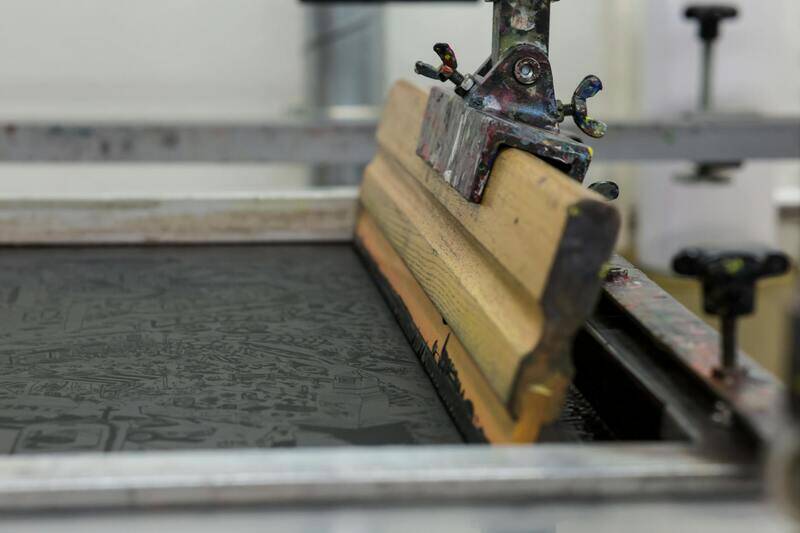
The selection of materials plays a crucial role in the durability, appearance, and overall impact of oversized photo prints. Rigid substrates like acrylic, metal, or wood panels are popular choices, offering stability and a modern aesthetic. These materials allow for direct printing, which results in crisp, vibrant images with a sleek finish. For outdoor or high-traffic environments, weather-resistant and fade-proof materials such as aluminum composite panels or UV-coated vinyl are preferred. Canvas remains a versatile option, particularly for softer, textured displays, adding a touch of artistic elegance. Each material type has specific preparation and handling requirements, influencing the printing method and post-processing steps, such as framing or mounting, to achieve the desired visual effect.

Impacts of Printing Technologies on Oversize Photo Quality
When it comes to large-format printing, the technology employed significantly determines the outcome. Digital inkjet printers, equipped with multiple ink cartridges, are the gold standard for high-resolution oversized prints. They provide exceptional color accuracy, smooth gradations, and fine detail reproduction, which are essential for large-scale imagery that demands clarity at close and distant viewing distances. UV flatbed printing technology, on the other hand, allows for direct printing onto various rigid substrates, resulting in durable, weather-resistant images suitable for outdoor use. This method also offers the advantage of minimal material limitations, making it ideal for custom shapes and unconventional surfaces. Both techniques utilize high-quality inks designed to resist fading and environmental damage, ensuring the longevity of the print without compromising visual fidelity.

Design and File Preparation for Oversize Prints
Proper design and file preparation are paramount to achieving impeccable large-format prints. Files should be created at the final print resolution, generally 150-300 DPI, based on the print dimensions to prevent pixelation. It’s essential to work with high-quality, uncompressed images, and to incorporate appropriate color profiles, such as Adobe RGB or sRGB, to ensure accurate color rendition across monitors and prints. Soft-proofing techniques, which simulate how colors will appear post-print, help identify potential issues before printing begins. Designers should include bleed areas and safe margins within their files to account for cropping or slight misalignments during printing and installation. Additionally, considering the viewing distance at the design stage helps in deciding the level of detail necessary; for instance, images intended for close-up viewing require higher detail fidelity compared to those viewed from afar.
Choosing the Right Printing Method for Oversize Photo Prints
When preparing for large-scale photo printing, selecting an appropriate printing method is crucial to ensure the quality, durability, and visual impact of the final product. Two main techniques dominate the industry: dye sublimation and UV flatbed printing, each offering distinct advantages for oversize photo prints.
- Dye Sublimation Printing: This method involves transferring dye-based inks onto specially coated substrates using heat. It's preferred for high-quality indoor displays and offers vibrant colors and smooth gradations. The process results in prints with a soft finish, making it ideal for wall art and decorative panels where a refined aesthetic is desired.
- UV Flatbed Printing: Utilizing ultraviolet light to cure inks directly onto rigid or flexible surfaces, UV printing is highly versatile. It allows for printing on various materials such as acrylic, wood, metal, or canvas without the need for additional substrates. This technique is especially suited for outdoor applications and signage, providing excellent scratch resistance and color retention.
Managing Color Accuracy and Finishing Touches
Achieving color consistency is vital for oversize photo prints, particularly for branding or personal memorabilia where exact color matching enhances visual integrity. Professional printing services employ advanced color management systems, calibration tools, and ICC profiles to maintain precise color reproduction across different print runs and materials.
Finish options also influence the final appearance and longevity of your oversize photo print. Common choices include:
- Glossy Finish: Enhances vibrancy, making colors pop, and is ideal for photos requiring a striking appearance.
- Matte Finish: Reduces glare and reflections, offering a sophisticated look that minimizes fingerprints and scratches.
- Semi-Gloss: Balances vibrancy and glare reduction, providing versatility for various environments.

Environmental Considerations and Modern Innovations
Modern oversize photo printing also emphasizes environmental sustainability. Eco-friendly inks, recyclable substrates, and energy-efficient printing processes are increasingly becoming standard among reputable providers. These practices help reduce the environmental footprint while maintaining high-quality standards.
Furthermore, innovations such as augmented reality (AR) integration and interactive printing are emerging in the realm of large-format images, enhancing user engagement and creating immersive visual experiences. Those seeking cutting-edge presentations should inquire about these advanced options available through professional printing services.
Legal and Proper Methods for Obtaining Oversize Photo Prints
To ensure your oversize photo prints are produced using legitimate and authorized methods, it is essential to utilize reputable printing services that adhere to industry standards. These providers typically operate under certified processes, employing official channels and licensed materials to guarantee quality, durability, and fidelity in reproducing your images.
Reputable print shops like expressprintingsi.com invest significantly in professional-grade equipment, consistent quality control, and verified supply chains. They source their substrates, inks, and finishing materials from established manufacturers, ensuring that every print complies with recognized safety and quality standards. This approach not only assures the integrity of your print but also aligns with best practices for ethical production.
When seeking to produce oversize photo prints through legitimate channels, consider the following verified methods:
- Professional Printing Services: Engaging with well-known, certified printing companies ensures professional handling of large-format images. These services often provide expert consulting on material selection, color accuracy, and finishing options, resulting in high-quality, visually stunning prints.
- Authorized Resellers and Distributors: Purchasing printing supplies and substrates through authorized distributors guarantees that materials are genuine, ensuring optimal print performance and adherence to safety standards.
- Licensed Digital Files: Using digital images that you have the legal right to reproduce, whether through purchase, licensing, or creation, prevents copyright issues and guarantees proper usage rights for large-format reproduction.
- Certified Exporters and Importers: If sourcing materials internationally, work with certified exporters and importers who comply with industry regulations. This guarantees that the materials comply with environmental and safety standards.
In addition, many professional printers adhere to environmental regulations by employing eco-friendly inks and recyclable substrates. This emphasis on sustainability not only supports responsible production but also enhances the long-term preservation of your prints.
Utilizing licensed and certified methods guarantees the excellence of your oversize photos while safeguarding against issues such as material degradation or poor color reproduction. Always verify that your chosen printer operates transparently within established industry standards, offering clear documentation and quality assurance programs. This diligent approach results in a final product that meets high standards of quality, durability, and visual fidelity.
Understanding Oversize Photo Prints
Creating impressive oversize photo prints requires meticulous attention to the selection of appropriate materials, advanced printing techniques, and proper preparation of digital files. The surge in demand for large-scale visuals across various sectors—including art exhibitions, commercial advertising, and personal displays—underscores the necessity of understanding each element involved in producing high-quality oversized images. The core principle revolves around ensuring that every step, from material choice to final output, aligns with industry standards that guarantee durability, vivid color reproduction, and sharp clarity.
Materials Used for Oversize Photo Prints
The foundation of a superior oversize photo print lies in selecting the right substrate and inks. Common materials include wide-format paper, vinyl, canvas, and specialty fabrics, each chosen based on the final display environment and desired aesthetic. For indoor displays, high-quality photo papers and canvases with a smooth surface ensure fine detail reproduction, lending a professional appearance. Outdoor applications demand weather-resistant materials like vinyl or laminated displays that withstand environmental elements without fading or deterioration.
Inks used in oversize photo printing play a crucial role in achieving vibrant colors, longevity, and environmental safety. Solvent, latex, and UV-curable inks are popular choices. Solvent inks offer durability and waterproof qualities, making them suitable for outdoor signage. Latex inks provide a vibrant, eco-friendly alternative with excellent adhesion and flexibility. UV-curable inks cure rapidly on contact with surfaces, ideal for detailed images and specialty substrates. Ensuring that inks are responsibly sourced and certified aligns with sustainable practices and guarantees adherence to environmental standards.
Printing Techniques and Technologies
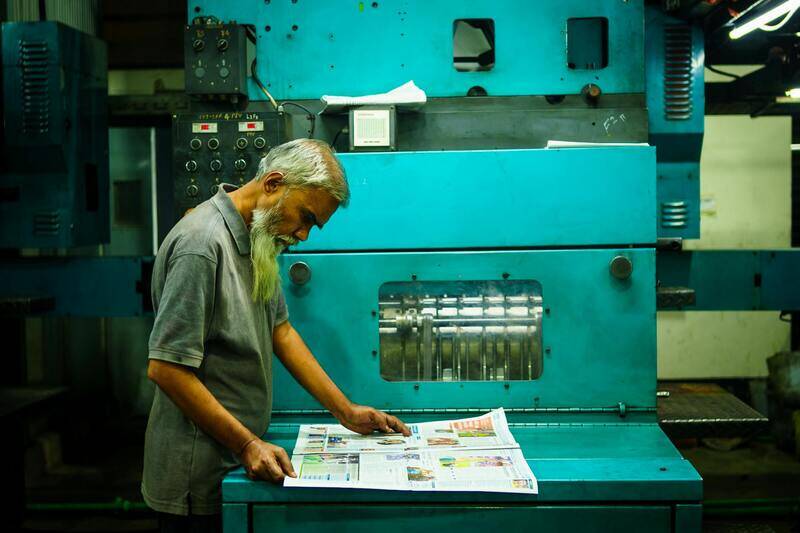
The technology behind oversize photo printing has evolved significantly, employing advanced digital printers capable of handling large-format media with remarkable precision. Inkjet printers—particularly wide-format variants—are the industry standard for producing high-resolution images at scale. These printers utilize a combination of high-quality print heads and multiple ink channels to achieve detailed gradations of color and tone.
Modern printing facilities leverage technologies such as piezoelectric print heads that deliver consistent ink droplets, resulting in smooth color transitions and sharp details. Additionally, UV-curable printing technology allows direct printing onto rigid or flexible substrates with excellent adhesion and minimal distortion. Many professional printers incorporate color management systems and software that calibrate color accuracy and consistency across large runs, ensuring each print maintains the intended visual fidelity.
Design Considerations for Oversize Prints
- Image Resolution: To preserve clarity at large scales, digital images should have a resolution of at least 150 PPI (pixels per inch) at the final print size.
- Aspect Ratio: Maintaining the correct aspect ratio ensures the image's proportions remain intact without distortion.
- Color Profiling: Using standardized color profiles and calibrating monitors ensures the printed colors match digital designs precisely.
- File Format: Utilizing high-quality, lossless formats like TIFF or PSD preserves image integrity during the printing process.
- Design Margins: Incorporate bleed areas and margins to facilitate trimming and framing, preventing unintended borders or cropping issues.
Preparing Files for Oversize Printing
Proper file preparation is integral to achieving optimal results. Begin by resizing your image to match the final print dimensions, ensuring the resolution is sufficient to prevent pixelation. It is vital to embed the correct color profiles—commonly Adobe RGB or sRGB—to maintain color consistency across devices and print outputs.
Utilize software that supports high-resolution editing, such as Adobe Photoshop or professional vector-based programs, to fine-tune your design. Double-check for inconsistencies or artifacts, and apply sharpening filters if necessary to enhance fine details. When submitting files, ensure they are saved in formats accepted by the printer, such as TIFF or PDF, with layers flattened if required. Finally, communicate any specific finishing preferences—such as matte or gloss finishes—and work closely with your printing provider to verify that file specifications adhere to their requirements. This proactive approach minimizes errors, reduces wastage, and guarantees that the final oversize photo print meets the highest standards of quality and visual impact.
Installation and Framing of Oversize Photos
Once your oversize photo print has been completed, proper installation and framing are essential to preserve its quality and maximize visual impact. The process begins with selecting suitable mounting methods that support the weight and dimensions of the print, ensuring stability over time. Wall anchors, brackets, and specialized mounting hardware are often employed to securely affix large-format photographs, preventing sagging or accidental damage.
Frame selection plays a crucial role in emphasizing your image while protecting it from environmental factors. For oversized prints, custom framing options are usually preferred due to their tailored fit and broader design choices. Frames made from durable materials such as wood, metal, or composite allow for aesthetic versatility to complement various interior styles.
To enhance longevity and appearance, glazing options like acrylic or glass are considered. Acrylic is lightweight and shatter-resistant, ideal for large-scale displays, while glass provides a classic look with superb clarity. Anti-reflective coatings can also be added to minimize glare and increase visibility from multiple angles. When framing, ensuring proper sealing and handling to avoid fingerprints or dust entrapment is vital. Protective mountings, spacers, and weather-resistant sealants help shield the print from moisture, UV damage, and other environmental stressors.
In terms of setting up the display, consider lighting arrangements that highlight the photograph's details without causing glare or hotspots. Track lighting, adjustable spotlights, or natural light through windows can be optimized based on the location and ambiance desired. Furthermore, maintaining a safe distance between the viewer and the print ensures that the image’s details are appreciated fully without visual discomfort.

While this process may require professional assistance, choosing experienced installers and framers guarantees that your large-scale photographic artwork remains secure and visually striking. Regular maintenance, such as dusting and inspection for signs of wear, also prolongs the beauty and integrity of your oversized print, making it a stunning focal point in any space.
Advanced Techniques and Considerations for Oversize Photo Prints
When producing oversize photo prints, it is crucial to employ the most advanced printing techniques to ensure the final product reflects the photographer's vision with exceptional clarity and color accuracy. High-end digital printing technology, such as large-format inkjet printers equipped with UV-resistant inks, is the standard for creating vibrant, durable oversized images. These printers can handle wide media formats seamlessly, providing sharp detail from edge to edge, which is essential for impressive visual impact in large displays.
Moreover, substrate choice plays a pivotal role. Matte, gloss, or semi-gloss surfaces each offer distinct benefits. Matte finishes are excellent for reducing glare and fingerprints, making them suitable for brightly lit environments. Gloss finishes enhance color saturation and depth, ideal for images where detail and vibrancy are priorities. Hybrid solutions, like satin or luster, provide a balance, reducing reflections while maintaining richness in color. Using high-quality media compatible with UV-resistant inks ensures the print's longevity and resistance to environmental factors such as sunlight and moisture.
Importance of Color Management and Proofing
Accurate color reproduction requires meticulous color management throughout the production process. Professional printers utilize color calibration tools and profiles that guarantee consistency between digital files and physical prints. Proofing, or creating test sections, allows clients to review color fidelity and make adjustments before the full-scale print is produced. This step is vital to avoid costly reprints and disappointment, ensuring the final oversized print aligns perfectly with the intended aesthetic.
Enhancing Durability and Preservation
Beyond printing, selecting appropriate protective coatings and laminates enhances the lifespan of oversize photo prints. UV coatings, matte or gloss laminates, and anti-scratch layers shield the image from environmental damage, physical abrasions, and fading. For outdoor or high-traffic areas, weather-resistant coatings and resistant framing materials should be used to withstand outdoor elements or frequent handling. Proper shipping and handling practices, including custom crating and secure packaging, prevent damage during transit and setup.
Technical Explanations and Best Practices
- File Resolution and DPI: Maintain a minimum of 300 DPI at the final print size to ensure sharpness and detail clarity for oversized images. Since large-format prints are viewed from distance, slightly lower resolutions may be acceptable, but quality should never be compromised.
- File Format and Color Space: Use high-resolution TIFF or PDF files in a CMYK color space to ensure color fidelity and compatibility with printing equipment. Avoid compressed formats that can reduce image quality.
- Aspect Ratios: Confirm aspect ratios match that of the print media to prevent unwanted cropping or distortion. Precise measurements and templates should be used during file preparation.
Post-Print Finishing and Handling
Once printed, oversize photos often benefit from installation methods that preserve their visual integrity and safety. Professional mounting using sturdy backing materials, such as foam core or aluminum composite panels, provides additional stability. Frames made from corrosion-resistant metals or high-quality wood enhance aesthetics and durability. When framing, sealed edges and UV-protective glass or acrylic not only safeguard the print but also improve viewing experience.
Handling should be done with clean gloves to prevent smudges and fingerprints. Installation personnel should be trained in handling large-format materials to minimize risk of tears or creases. Additionally, environmental considerations, such as avoiding direct sunlight or high humidity, are critical in maintaining the vibrant appearance of oversize photographs over time.