Understanding Large Format Printing
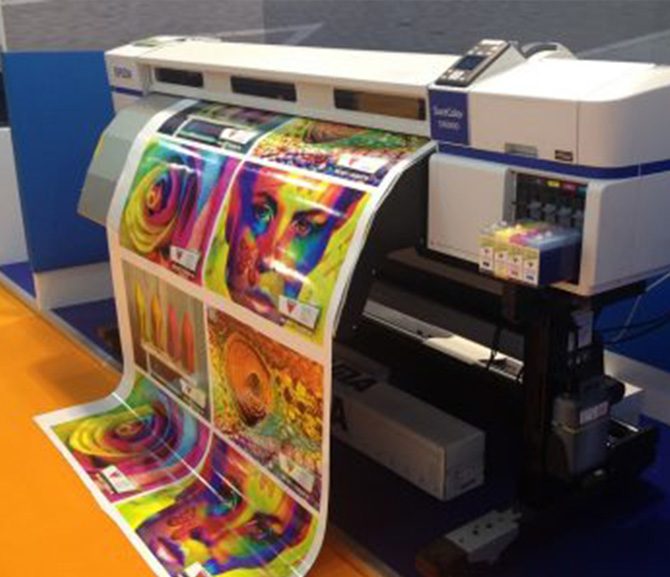
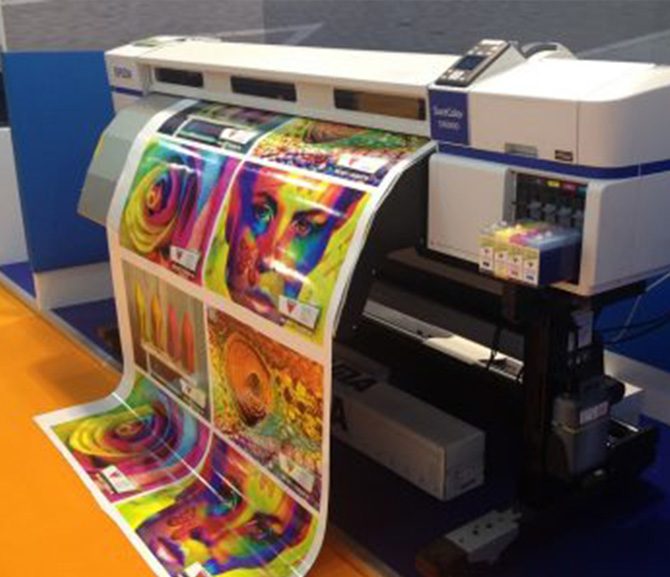
Large format printing is a specialized printing process used to produce oversized visual displays that surpass the dimensions of standard print formats. This technology allows for the creation of high-quality banners, posters, murals, trade show displays, vehicle wraps, and other prominent visual assets. Its capacity to handle wide substrates and produce detailed, vibrant images makes it an essential tool for businesses, event organizers, and advertisers aiming to make a significant visual impact.
At its core, large format printing involves the use of cutting-edge printers equipped with wide-format inkjet technology. These printers utilize advanced ink systems designed to deliver consistent color accuracy and durability, ensuring that the final output maintains clarity and vibrancy over time. The materials used in large format printing—such as vinyl, fabric, or paper—are selected based on the intended application, environment, and longevity requirements.

Common Applications of Large Format Printing
- Billboards and outdoor signage
- Trade show displays and booth graphics
- Point of purchase (POP) displays
- Wall murals and decorative graphics
- Vehicle wraps and fleet branding
- Event backdrops and stage decorations
The importance of large format printing extends beyond mere advertising; it enhances brand visibility and identity, providing an effective means to communicate messages visually in a compelling way. The capability to produce large, eye-catching displays ensures that organizations can attract attention quickly and leave a lasting impression on their target audience.
Why Large Format Printing Matters
Visual communication plays a vital role in marketing, signage, and interior design. Magnified graphics can transform a simple space into an immersive experience, making large format printing a valuable investment for businesses aiming to elevate their branding efforts. Additionally, the durability and vibrancy of modern printing techniques ensure that these visual assets remain effective over their intended lifespan, whether outdoors or indoors.
Understanding Large Format Printing
Large format printing is an essential component of modern visual communication, offering versatile solutions for advertising, branding, and interior design. This process involves the creation of high-resolution prints on expansive surfaces, which are often used to display impactful graphics, messages, or decorative elements in a variety of settings. The key to successful large format printing lies in selecting appropriate materials and printing techniques that cater to specific environmental conditions and functional requirements.
Understanding the materials used in large format printing is vital for achieving optimal results. Common substrates include vinyl, which offers durability and weather resistance; fabric, favored for its vibrant color reproduction and softness; and specialty papers designed for indoor displays. These materials are chosen based on factors such as exposure to weather, indoor or outdoor use, and the desired lifespan of the print.
Technical Aspects of Large Format Printing
- Resolution: Ensuring high dpi (dots per inch) for sharp, detailed images that maintain clarity even at large sizes.
- Color Management: Utilizing color profiles and calibration to produce consistent and accurate colors across different printers and substrates.
- Print Durability: Selecting appropriate inks and protective coatings to resist fading, scratches, and environmental wear.
- Print Size: Handling large files efficiently and accurately to produce large-scale prints without loss of quality.
Modern large format printers often incorporate advanced technology such as UV-curable inks, solvent-based inks, or latex inks, each offering unique advantages in terms of durability, vibrancy, and application compatibility. These technological innovations enable the creation of durable, eye-catching graphics suitable for a wide range of uses, from outdoor billboards to indoor murals.
Applications and Impact
Large format printing serves diverse sectors and purposes, including:
- Exterior advertising, such as billboards and bus wraps
- Trade show displays and event signage that captivate attendees
- Point of purchase advertisements that influence consumer decisions
- Decorative interior graphics for commercial or residential spaces
- Custom vehicle wraps for branding and promotional campaigns
These applications demonstrate the powerful impact of large format printing in enhancing visibility, reinforcing branding, and creating memorable visual experiences. When executed with precision and quality materials, large format prints not only attract attention but also stand the test of time, maintaining their vibrancy and clarity in various environments.
Design and File Preparation for Online Large Format Printing
Preparing digital files correctly is essential to achieve high-quality large format prints. When submitting artwork for online printing, it is crucial to use the appropriate file formats, resolutions, and color modes. Typically, a vector format such as AI, EPS, or PDF is preferred for graphics and logos, as it ensures scalability without loss of quality. Raster images like TIFF or high-resolution JPEG files should be set at 300 DPI at the final print size to guarantee sharpness and detail.
Color accuracy is another critical aspect; utilizing the CMYK color profile allows for a more precise preview of how colors will appear in print. It is advisable to communicate any specific color requirements or branding guidelines to the printer ahead of time. Additionally, check that the design extends beyond the trim lines with bleeds, usually around 0.125 inches, to prevent unwanted white borders after trimming. Including crop marks and safe zones helps the printing team align and cut the final product accurately.
File organization also impacts the printing process. Submit all necessary files, fonts, and linked images in a compressed folder if possible. This facilitates smooth processing and minimizes the risk of missing elements that could compromise the visual integrity of the print. It is wise to review proofs provided by the printing service before the full run; digital proofs or mock-ups help verify colors, design placement, and overall appearance. With meticulous file preparation, customers can ensure their large format prints match their vision, maintaining the vibrancy, clarity, and precision anticipated in professional-quality outputs.

Types of Large Format Prints Available Online
Online platforms like expressprintingsi.com offer a diverse array of large format printing solutions tailored to various business and personal needs. The most common products include banners, perfect for promotional events, store openings, and outdoor advertising, providing high visibility and durability in different weather conditions. Posters are another staple, ideal for indoor promotions, exhibitions, and artistic displays, allowing for vibrant, detailed imagery at large sizes. Wall murals serve as impactful interior design elements, transforming commercial and residential spaces with customized, large-scale graphics that enhance ambiance and branding.
Vehicle wraps present a mobile advertising solution, enabling businesses to turn their fleet into traveling billboards. These wraps are designed to withstand outdoor elements, ensuring vibrant colors and sharp details over extended periods. Trade show displays, such as pop-up booths and backdrops, are crucial for creating memorable brand experiences in competitive environments. Additionally, specialty items like fabric backdrops, canvas prints, and window graphics are available to meet specific marketing and decorative needs.

Design and File Preparation for Online Large Format Printing
Achieving the desired quality in large format prints depends heavily on meticulous design and file preparation. High-resolution graphics are essential; vector files such as AI, EPS, or PDF formats are recommended for logos and illustrations, as they ensure images remain crisp when scaled up. Raster images like TIFF or high-resolution JPEG should be set at 300 DPI at the final print size to maintain sharpness and prevent pixelation.
Color management plays a vital role; working in the CMYK color profile allows for more accurate color previews in print. Communicating specific color requirements and branding standards to the printing service ensures consistency across all marketing materials. Incorporating bleed areas—typically around 0.125 inches beyond the trim line—helps avoid unwanted white borders after trimming. Including crop marks and safe zones enables precise alignment during the cutting process, ensuring visual harmony.
Organizing files efficiently simplifies the printing process. All necessary files, including fonts, linked images, and swatches, should be consolidated in a compressed folder before submission. Reviewing digital proofs or mock-ups supplied by the printer allows for verification of color accuracy, design placement, and overall aesthetics. Proper file preparation not only streamlines production but guarantees that the final product faithfully reflects the intended design, delivering vibrant, sharp, and professional-looking large format prints.

Ensuring Quality Control and File Validation
Before finalizing an online order for large format printing, meticulous review of digital files is essential. High-resolution artwork, ideally at 300 DPI, ensures that enlarged images maintain clarity and detail without pixelation. When preparing files, it's important to use vector formats such as AI, EPS, or PDF for logos and illustrations, as these formats enable scaling without loss of image quality. Raster images like TIFF or high-resolution JPEG should also be set at the appropriate resolution to prevent blurriness in the final product.
Color accuracy plays a crucial role in professional large format printing. Working within the CMYK color profile provides a closer approximation to printed colors, reducing discrepancies between on-screen design and physical output. If specific brand colors are necessary, providing Pantone color references ensures consistent reproduction. Communicating these standards to the online printing service helps achieve uniformity across branded materials.
In addition to color, proper file preparation includes considering bleed areas—extra space around the design border, usually around 0.125 inches, to accommodate trimming without leaving unwanted white edges. Crop marks and safe zones must also be incorporated to assist during cutting, preserving essential design elements within the visible area of the print. Bundling all related files, including fonts, linked images, and color swatches, into a single compressed folder streamlines the submission process and reduces the risk of missing elements.
Digital proofs or mock-ups provided by the printing service serve as vital checkpoints. Reviewing these proofs carefully for color accuracy, placement, and overall aesthetic ensures that the final product aligns with expectations. Submission of high-quality, correctly formatted files combined with clear communication about specific requirements fosters a smooth production process and results in a professional-looking print. Proper validation of files prior to ordering online helps in achieving vibrant, detailed, and precisely finished large format prints.

Design and File Preparation for Online Large Format Printing
When preparing artwork for large format printing through an online service, meticulous attention to file specifications is critical. Proper design setup ensures the final print accurately reflects the intended visual impact without compromise. Begin by working within the recommended file dimensions, considering the final print size and any necessary bleed areas—typically around 0.125 inches—to facilitate clean trimming. Including crop marks helps guide precise cutting, especially for designs with full-bleed backgrounds or images that extend to the edges.
Color management plays a vital role in consistent reproduction. Use of high-resolution images and vector graphics helps preserve clarity at large sizes. When color accuracy is necessary, providing color references such as Pantone codes can be advantageous, allowing the printing service to match hues as closely as possible. It is also essential to embed or outline fonts to prevent font substitution issues, and linked images should be embedded or included in a packaged file.
All these elements should be consolidated into a single, professionally prepared file, typically in PDF, TIFF, or EPS formats, depending on the printer’s requirements. Compressing files into a ZIP folder ensures all components—fonts, linked images, color swatches—are included for smooth processing. Digital proofs or mock-ups serve as crucial review steps, providing an opportunity to verify layout, colors, and overall design before the final printing. Carefully examining these proofs minimizes errors and aligns the finished product with expectations.

Effective communication with the online printing provider, especially regarding file specifications and any special requirements, facilitates a seamless production process. Confirming details such as resolution (preferably 150-300 DPI for large prints), color profiles, and file formats ensures the final output maintains clarity, vibrancy, and fidelity.
Understanding Large Format Printing
Large format printing involves creating visual displays on expansive surfaces, often exceeding standard print dimensions such as 24x36 inches. This printing method is essential for producing impactful signage, banners, posters, vehicle wraps, and trade show displays. The process requires specialized printers capable of handling wide media widths, intricate color management, and high-resolution output to ensure sharp, vibrant images at large scales. Materials used in large format printing vary from vinyl and canvas to fabric and mesh, each serving different environmental and aesthetic purposes. Recognizing the nuances of suitable materials and print techniques enables businesses to select the right options for their specific branding or advertising goals.
Advantages of Buying Large Format Printing Online
Opting for online platforms to purchase large format prints offers significant efficiencies and benefits. First, convenience plays a central role, allowing customers to submit designs, receive quotes, and manage orders without visiting physical stores. Online services often provide extensive product portfolios, customization options, and detailed templates that simplify the creation process. Pricing transparency and competitive rates are common, providing cost-effective solutions for large-scale promotional materials. Additionally, many online providers incorporate advanced printing technologies and quality controls, ensuring consistency and high standards across orders. The ability to review digital proofs prior to production minimizes errors, and streamlined logistics facilitate fast turnaround times, essential for tight project deadlines.
Key Factors to Consider When Choosing an Online Printing Service
- Reputation and Portfolio: Assess the provider’s history of delivering quality large format prints through customer reviews and sample galleries.
- Print Capabilities: Confirm the range of materials, sizes, and finishing options offered to match project specifications.
- Color Accuracy: Ensure the service uses advanced color management systems and supports color matching with references like Pantone.
- File Preparation Support: Check if the platform provides clear guidelines for preparing print-ready files and offers assistance if needed.
- Turnaround Times: Look for providers that can accommodate your schedule without compromising quality.
- Customer Support: Evaluate the level of post-sale assistance, including troubleshooting, reprints, or modifications.
Types of Large Format Prints Available Online
Online printing services typically offer a diverse selection of large format products designed to meet various promotional, informational, and decorative needs. Common types include:
- Banners: Ideal for events, storefronts, and trade shows, available in wind-resistant materials and different finishes.
- Posters and Displays: High-resolution prints for indoor advertising or exhibit purposes.
- Wall Murals and Wallcoverings: Large-scale graphics transforming interior spaces with immersive visuals.
- Vehicle Wraps: Custom vinyl designs that adhere to vehicles, turning transportation into mobile advertisements.
- Signage: Exterior and interior signs, including dimensional letters and illuminated displays.
- Canvas Prints and Art: Artwork, photographs, or branding images printed on specialty substrates for aesthetic applications.
Design and File Preparation for Online Large Format Printing
Preparing files correctly is vital to achieving optimal print quality. Use high-resolution images, preferably at 150-300 DPI at final print size. Create vector graphics for logos or illustrations to ensure sharp edges even at large scales. Color management is essential; embedding color profiles such as Adobe RGB or CMYK ensures consistent hues. For precise color matching, supplying Pantone references can be beneficial. Fonts should be outlined or embedded to prevent substitutions, and linked files embedded within the main document to avoid missing elements. Save files in preferred formats like PDF, TIFF, or EPS, adhering to the specifications provided by the online platform. Compressing files into ZIP folders can streamline uploads and ensure all files are correctly included.

Order Process and Customization Options
The online ordering process typically involves selecting the desired product, uploading your design, or utilizing custom design tools provided by the service. Customers can specify dimensions, material preferences, finishing options such as lamination or UV coating, and mounting methods. Many platforms offer templates or design assistance to refine visuals before final submission. Once the order is confirmed and payment processed, the provider moves into production, with digital proofs available for approval. Customization features enable adjustments for orientation, edge finishing, and special effects, ensuring the final product aligns precisely with project requirements.
Delivery, Installation, and After-Sales Support
Efficient delivery options are crucial when purchasing large format printing online, ensuring your order arrives securely and on schedule. Reputable providers typically offer multiple shipping methods, including standard, expedited, or specialized freight services capable of handling oversized items safely. Proper packaging, often with foam padding and reinforced cartons, protects prints during transit and minimizes the risk of damage.
Once your large format print arrives, professional installation can significantly enhance the visual impact and longevity of your display. Many online printing services either include installation recommendations or partner with local installers who specialize in handling large-scale graphics, banners, or wall coverings. For DIY installations, detailed instructions and mounting hardware are usually provided, enabling precise placement and minimal ergonomic difficulty.
Post-installation support remains an essential aspect of the customer experience. Reliable online printing companies uphold after-sales services such as warranties against material defects, color consistency guarantees, and assistance with repairs or reprints if necessary. Customer service teams should be accessible to address questions about installation, maintenance, or future reordering, fostering a sense of trust and satisfaction.