Overview of Multi Colour Printing
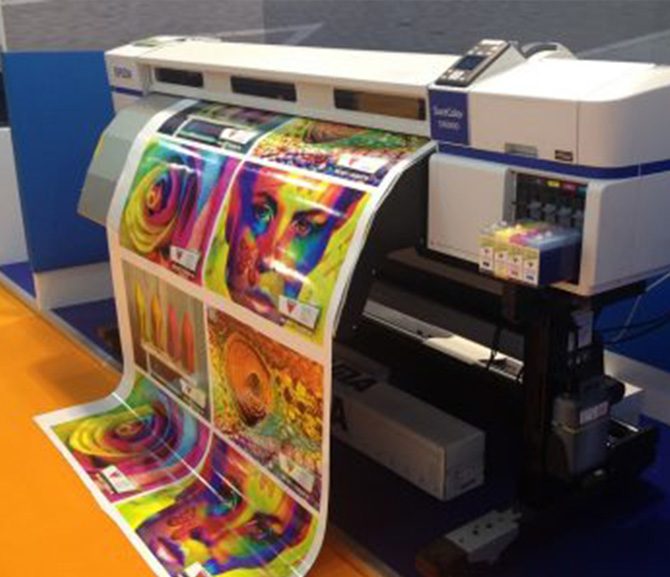
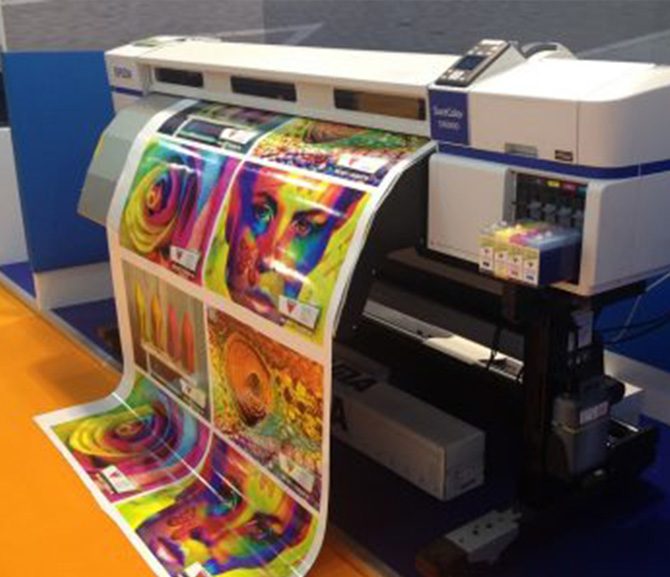
Multi colour printing is a sophisticated printing technique that involves the application of multiple ink colours in a single printing process. It is primarily utilized to produce vibrant, detailed, and visually appealing images that single-colour methods cannot achieve. This form of printing plays a crucial role within the printing industry, especially when high-quality, colour-rich output is required across various media such as packaging, promotional materials, labels, and custom branding projects.
The core principle behind multi colour printing is the precise layering and registration of different ink colours. By aligning these colours accurately, printers can create images with depth, shading, and intricate detail that closely resemble original artwork. This process requires a keen understanding of colour theory, consistency in print techniques, and advanced machinery capable of handling multiple ink channels simultaneously. The efficiency gained by using multi colour printing methods allows for more complex and eye-catching designs, ultimately enhancing the visual impact on the target audience.
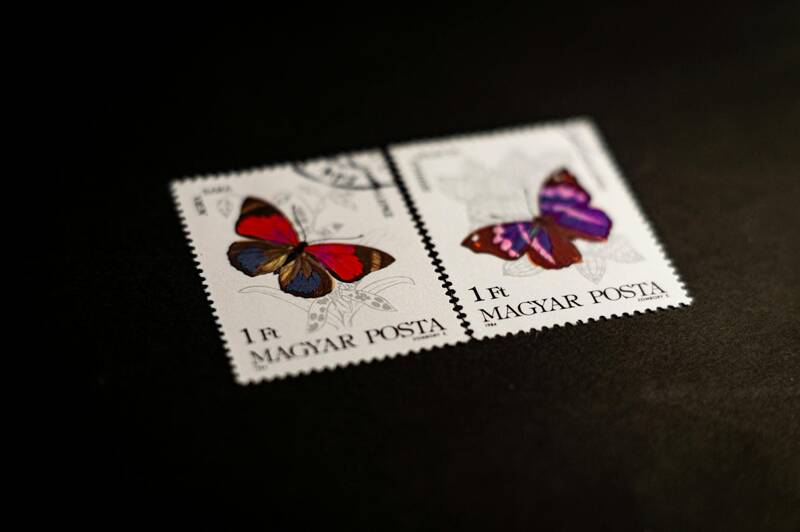
In addition to aesthetic benefits, multi colour printing ensures precise colour matching and reproductions, which is essential for brand consistency and professional presentation. As businesses increasingly prioritize high-quality visual communications, the importance of mastering multi colour printing techniques continues to grow. This section explores the fundamental principles that underpin this advanced printing method, emphasizing its significance in delivering standout results across diverse applications.
Color Management and Design Considerations
Effective color management is essential for achieving consistent and accurate results in multi colour printing. This involves utilizing color profiles and calibration tools to ensure that the colours observed on the digital design files match the final printed output. Designers must work within the constraints of the chosen printing method, considering factors such as color gamut, overprinting, trapping, and color separation techniques.
To optimize colour fidelity, designers should employ precise color palettes and standardized colour specifications like Pantone or similar colour matching systems. These provide a reliable way to specify colours that will reproduce accurately across different materials and print batches. When preparing artwork files, it is crucial to use high-resolution images and layered vector graphics to facilitate accurate colour separations and registration.
Design considerations extend beyond just colour accuracy. The use of bleed, margin guides, and understanding how different substrates absorb inks influences the final visual richness. Additionally, creating proofs—either digital or physical—before the full print run assists in identifying potential colour deviations and adjusting the design accordingly.

Materials and Substrates Compatible with Multi Colour Printing
Multi colour printing techniques are versatile and can be applied to a wide range of materials and substrates. Common options include paper, cardstock, plastics, textiles, and metals. Each substrate presents unique challenges and advantages, influencing ink adhesion, drying times, and overall image vibrancy.
For paper-based substrates, coated papers and synthetic stocks offer smoother surfaces that facilitate precise ink layer placement and vibrant colour reproduction. Uncoated papers may require specialized inks or additional drying time to prevent smudging.
Plastic substrates such as PVC, PET, and acrylic are frequently used in signages and packaging applications, demanding inks that adhere well and resist environmental factors like moisture and UV exposure. Textile printing benefits from multi colour approaches by enabling detailed multi-layered designs on fabrics like cotton, polyester, or blends.
Metals and other rigid surfaces can also be printed upon, often requiring surface treatments—such as priming or coating—to ensure ink adhesion and durability.
Overview of Multi Colour Printing
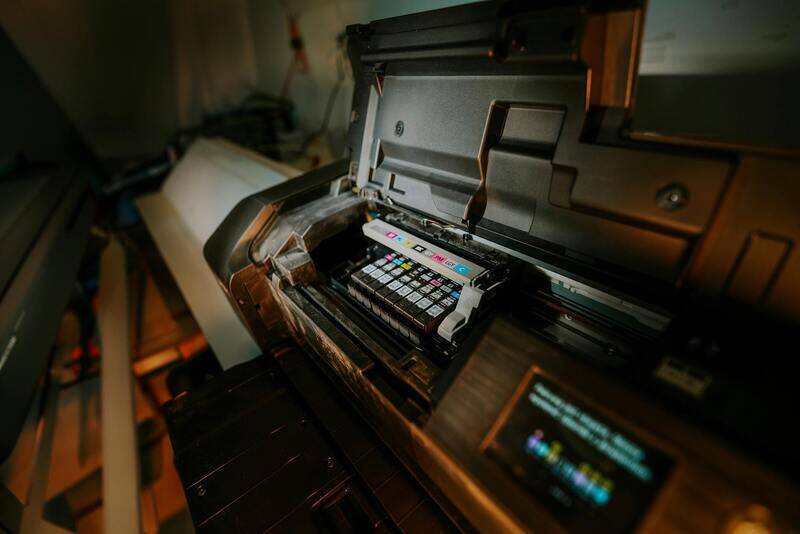
Multi colour printing represents a sophisticated approach that involves the application of multiple ink colours within a single print run. Unlike single-colour or monochrome printing, this method allows for the creation of vibrant, detailed, and visually captivating images by layering various colours with precision. The process enhances the depth, nuance, and realism of printed materials, making it ideal for branding, packaging, marketing collateral, and artistic projects. Multi colour printing is especially valued for its ability to reproduce intricate designs and accurate colour gradients, which are essential for highly detailed visuals and brand consistency.

Advanced printing technologies like digital presses, offset presses, and screen printing have integrated multi colour capabilities, expanding the options available to print professionals. Effective multi colour printing depends heavily on proper colour management and calibration, ensuring that each hue is reproduced accurately according to the original design specifications. This process involves adjusting ink formulations, aligning press settings, and utilizing colour profiles to maintain consistency across different print runs and substrates.
Types of Multi Colour Printing Techniques
Several key techniques underpin the ability to produce vibrant multi colour prints, each suited to different applications and material types. These include:
- Offset Printing: Commonly used for high-volume runs where precise colour matching and sharp detail are needed. Offset presses can handle multiple ink stations, each applying different colours in a single pass.
- Digital Printing: Ideal for short runs and customized jobs, digital multi colour printing offers quick turnaround times. It supports rich colour depths and complex designs without the need for colour separation plates.
- Screen Printing: Suitable for creating vivid designs on various substrates, especially textiles and plastics. Multiple screens can be used for layering colours, resulting in bold and durable images.
- Gravure Printing: Often used for long-run high-quality materials like packaging, gravure provides excellent colour consistency and detail by engraving the image onto cylinders.
Each technique comes with its own set of parameters regarding ink application, drying times, and substrate compatibility, which influence the final visual impact.
Materials and Substrates Compatible with Multi Colour Printing
The versatility of multi colour printing extends across a broad spectrum of materials, each presenting unique possibilities and challenges for achieving vibrant results. Common substrates include:
- Paper and Cardstock: Coated, uncoated, and synthetic papers are all suitable, with coated options often providing smoother surfaces for finer detail and colour accuracy.
- Plastics: PVC, PET, and acrylic sheets are frequently printed upon, especially for signage and product packaging, requiring inks that resist environmental wear.
- Textiles: Fabrics such as cotton, polyester, and blends benefit from multi layer colours for detailed, fade-resistant designs.
- Metals and Rigid Surfaces: Metal sheets or panels are primed or coated before printing to optimize ink adhesion and longevity.
The choice of substrate significantly influences the final visual impact and durability of multi colour prints. Proper surface preparation, ink selection, and drying processes are critical to ensure that colours remain vibrant and consistent across different materials.

Color Management and Design Considerations
Effective color management is essential when undertaking multi colour printing to ensure that the final output accurately reflects the intended design. This involves meticulous calibration of printers, monitors, and proofing devices to maintain color consistency throughout the production process. Designers should utilize color profiles and standardized color systems, such as Pantone Matching System (PMS), to specify precise hues that can be consistently reproduced across batches. Proper prepress setup includes checking color separations and ensuring that overlapping colors are correctly aligned to prevent registration issues, which can lead to blurring or color bleed.
Design considerations also extend to the complexity of multi colour schemes. Simpler colour palettes or limited colour profiles can streamline production and reduce costs, while intricate designs demand higher resolution imaging and precise layering. When preparing digital files, it is important to use high-resolution images and vector graphics where possible, avoiding unnecessary color gradients or transparency effects that may complicate the printing process. Additionally, understanding the limitations of the chosen printing technique aids in selecting the optimal colour combinations and finishes to match the project’s visual goals.
Incorporating spot colours can significantly enhance vibrancy and accuracy for specific elements within the design. These are pre-mixed inks that provide a precise hue, often used in conjunction with process colours to achieve brand-specific shades with greater consistency. It is also advisable to consider the interaction between colours—such as how certain shades may appear differently on various substrates or under different lighting conditions—to ensure the final product delivers the desired aesthetic impact.

Overview of Multi Colour Printing
Multi colour printing is a sophisticated technique that involves printing with multiple ink colours to produce vibrant, detailed images and graphics on various materials. Unlike single-colour printing, which uses only one ink, multi colour printing utilizes two or more inks to create rich, multidimensional visuals that can closely match original artwork and branding requirements. This method is essential for delivering visually compelling marketing materials, packaging, and promotional items that demand high fidelity and striking detail. The technology behind multi colour printing allows for precise colour blending and layering, enabling designers to achieve complex designs with a range of hues and shades. It enhances the overall aesthetic appeal, making products stand out in competitive markets. When executed correctly, multi colour printing ensures consistency in colour reproduction across different batches, maintaining brand integrity and visual consistency. It is a vital tool for businesses aiming to make a lasting impression through high-quality printed visuals.

Types of Multi Colour Printing Techniques
Understanding the various methods used in multi colour printing helps in selecting the appropriate process for specific projects. Each technique offers unique advantages based on the desired outcome, substrate compatibility, and production volume.
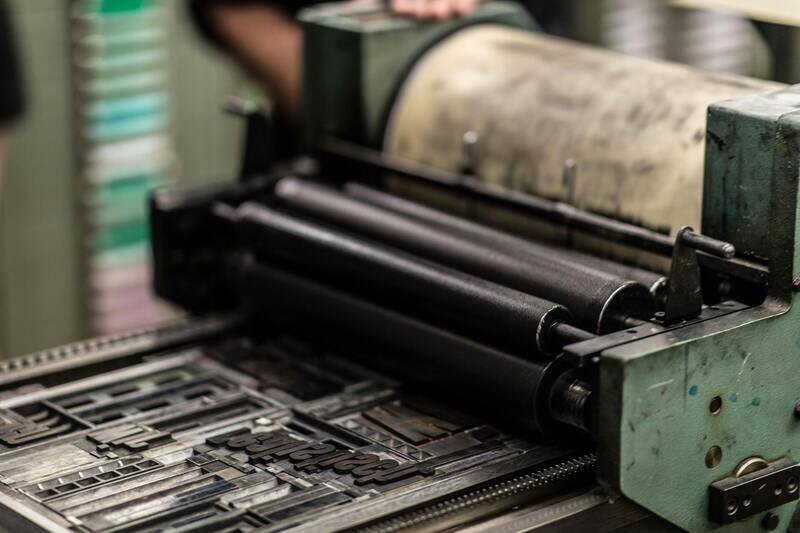
- Offset Printing: Ideal for large-volume runs, offset printing utilizes plates for each colour, enabling crisp detail and colour accuracy. It is efficient for producing high-quality, consistent images on paper, cardboard, and similar substrates.
- Digital Printing: Suitable for shorter runs and quick turnarounds, digital multi colour printing offers high resolution and flexibility. It allows for easy modifications and customization without the need for extensive setup.
- Screen Printing: Often used for textiles and promotional products, screen printing involves pressing ink through a mesh stencil. Multi colour designs are created through separate screens, allowing vibrant and opaque colour application.
- Flexography: Frequently employed in packaging and labels, flexographic printing uses flexible plates and is capable of printing on a wide range of substrates, including plastics and foils, with multiple colours.
- Gravure Printing: Known for high quality and detail, gravure printing involves engraved cylinders and is commonly used in high-volume packaging and wallpaper production with multi colour schemes.

Color Management and Design Considerations
Achieving accurate and vibrant multi colour prints requires meticulous color management and thoughtful design strategy. Precise control over colour layers ensures that each hue appears consistent and true to the intended palette. Designers should work with high-resolution digital files, utilizing vector graphics where possible to maintain sharpness. When preparing artwork, it is crucial to consider colour separations, which involve isolating each colour channel for printing. Special attention should be paid to overlapping colours or gradients that may cause registration problems, such as misalignment or colour bleeding.
In addition, incorporating spot colours—pre-mixed inks that provide specific hues—can elevate the vibrancy and precision of key design elements. Spot colours are particularly useful for brand logos, corporate colours, and intricate patterns that demand high fidelity. It is also beneficial to evaluate how colours interact on different substrates, as texture and material can influence final appearance. The choice of finishing touches like gloss or matte coatings further impacts visual impact, enhancing or toning down colours for the ideal presentation.
Materials and Substrates Compatible with Multi Colour Printing
Multi colour printing is versatile and can be applied to a broad spectrum of materials, each requiring specific considerations to optimize print quality. The most common substrates include paper, cardboard, plastic films, textiles, and metal surfaces. When selecting a substrate, its surface smoothness and absorption properties play critical roles in achieving sharpness and colour vibrancy. For example, coated papers with a glossy or matte finish are ideal for offset and digital multi colour printing, as their non-porous surface allows ink to sit evenly, resulting in precise colour reproduction.
Plastic films used for labels and packaging often require low surface tension inks or special coatings to ensure proper adhesion. Textiles such as cotton, polyester, or blends can be printed on using screen or flexographic techniques, with pre-treatment to boost ink adhesion and colour vibrancy. Metal surfaces, including aluminum and steel, generally adopt gravure or screen printing methods, often benefiting from primers or sealants to improve ink adherence and durability.
Substrate compatibility impacts not only print quality but also the durability and longevity of the finished product. It is essential to select appropriate inks and pre-treatment options tailored for each material to avoid issues like smudging, flaking, or fading over time. By understanding the properties of different substrates, brands can ensure that their multi colour printing projects attain consistent and visually compelling results across all intended applications.
Understanding the Technical Aspects of Multi Colour Printing
Color Management and Design Considerations
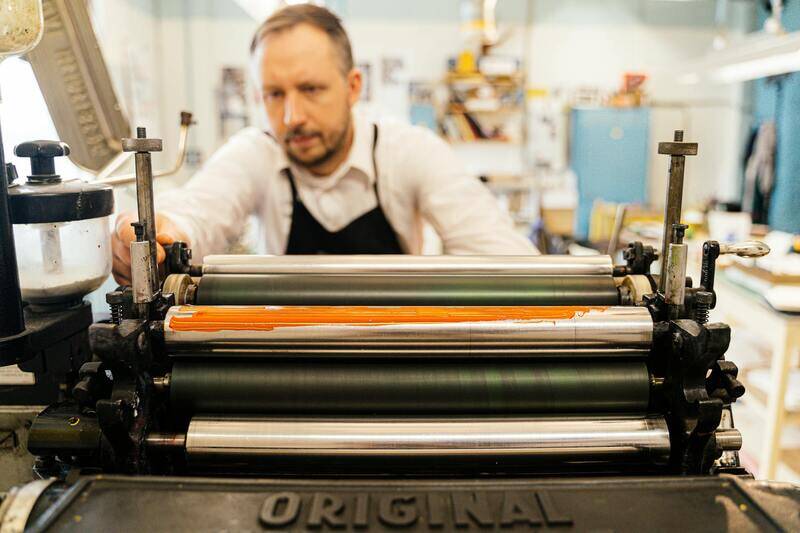
Effective color management is paramount in multi colour printing to achieve precise and consistent results. Designers and print professionals utilize color profiles and calibration tools to ensure that the colors displayed on digital screens match those reproduced on the final printed material. This process involves the careful calibration of monitors, printers, and proofing equipment to maintain color fidelity throughout the production cycle. A critical aspect of design consideration in multi colour printing involves the selection and combination of colors to optimize vibrancy and contrast. Using a comprehensive color palette grounded in the CMYK or Pantone color systems assists in predicting and controlling the final output. Designers should pay close attention to color overlaps, gradients, and transitions—since these elements can present challenges in maintaining sharpness and color integrity. Additionally, the choice of ink layering and the handling of registration—precise alignment of colors—are essential for achieving clean, professional results. Skilled manipulation of the order in which colors are printed can help mitigate issues like bleeding or misregistration, which can compromise image clarity and vibrancy.
Design Tips for Multi Colour Printing:
- Utilize swatch books and color matching tools to select harmonious color schemes.
- Incorporate color separations thoughtfully to prevent unwanted overlaps and ensure accurate color reproduction.
- Perform test prints to evaluate color fidelity and make necessary adjustments before final production.
- Be mindful of the transparency and layering effects, especially when working with semi-transparent inks and gradients.
Materials and Substrates Compatible with Multi Colour Printing
The selection of substrates plays a crucial role in the success of multi colour printing deployments across various industries. Each material’s unique surface characteristics demand tailored printing approaches to optimize image quality and durability. Common substrates include:
- Paper and Cardboard: Coated and uncoated papers are widely used; coated options offer smoother surfaces for detailed images and vibrant colour reproduction.
- Plastic Films: Used extensively in packaging and labels, these often require specific inks with adhesion promoters or special coatings to prevent smudging and flaking.
- Textiles: Fabrics such as cotton and polyester are suitable for screen and flexographic printing, often needing pre-treatment to enhance ink adhesion and prevent colour bleeding.
- Metals: Aluminum and steel surfaces are ideal for gravure or screen printing, with primers or sealants applied to improve ink retention and surface durability.
Optimal compatibility hinges on understanding each substrate’s properties, including porosity, surface finish, and surface energy. Proper pre-treatment and the selection of compatible inks extend the longevity and aesthetic quality of the print, ensuring the finished product remains vibrant and intact over time.

Overview of Multi Colour Printing
Multi colour printing is a sophisticated printing process that utilizes various inks to produce images with rich, vibrant hues and precise color detail. This technique surpasses traditional single-color printing by enabling the replication of complex color schemes, gradients, and detailed graphics, making it highly suitable for branding, packaging, and promotional materials. As industries demand more eye-catching visuals, multi colour printing continues to evolve, integrating advanced technology to meet increasing quality standards and efficiency requirements.
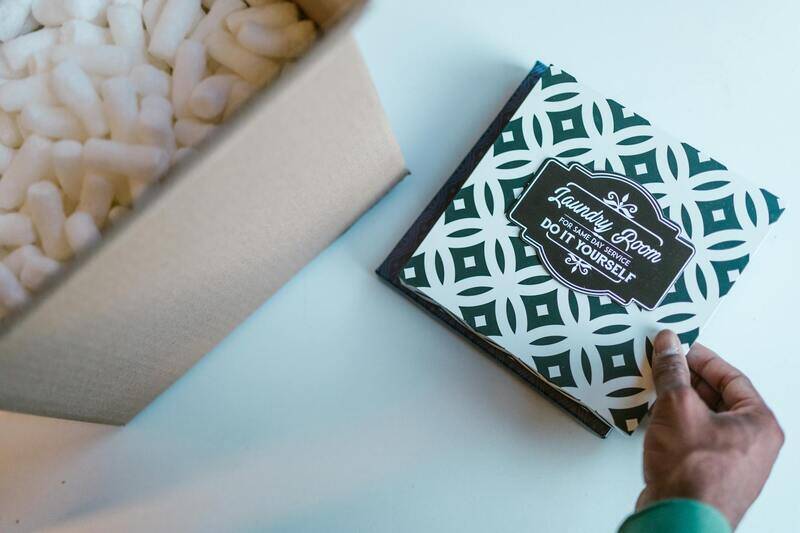
Effective multi colour printing hinges on meticulous planning, including color management, substrate selection, and the use of appropriate printing techniques. This ensures the final output achieves the desired visual impact while maintaining durability and cost-efficiency. The ability to create intricate designs with precise colour accuracy makes multi colour printing a preferred choice across various sectors, from commercial advertising to custom packaging solutions.
Types of Multi Colour Printing Techniques
Several printing methodologies enable multi colour applications, each with distinctive advantages based on project requirements, materials, and desired outcomes:
- Offset Lithography: Ideal for high-volume printing, offset lithography offers excellent colour consistency and sharp image reproduction, especially suitable for large-scale commercial jobs.
- Flexography: Commonly used in packaging, labels, and flexible materials, flexographic printing handles uneven surfaces well and provides rapid, cost-effective multi colour outputs.
- Screen Printing: Suitable for printing on textiles, plastics, and metals, this technique allows for bold colours and detailed designs, especially on substrates with textured surfaces.
- Digital Printing: Best for short runs, personalized prints, and quick turnarounds, digital multi colour printing uses precise inkjet or toner-based methods to produce vibrant images with minimal setup time.
- Gravure: A high-end, rotary printing method that ensures exceptional colour depth and consistency, often used for premium packaging and high-volume commercial products.
Color Management and Design Considerations
To achieve optimal results in multi colour printing, meticulous color management processes are essential. This involves calibrating monitors, utilizing color profiles, and implementing proofing stages to ensure digital designs accurately translate to the printed material. Designers should consider color separation techniques, layering, and the use of spot colours to enhance vibrancy and accuracy.
Design considerations also extend to the choice of ink transparency, overprinting settings, and trapping techniques to prevent colour bleeding and misregistration. Proper alignment and registration are critical, especially when dealing with complex, multi-layered images. It’s vital to adjust contrast, saturation, and hue within the digital files to match the final print outcome, considering the specific characteristics of the chosen substrates.
Materials and Substrates Compatible with Multi Colour Printing
The selection of substrates significantly influences the vibrancy, adhesion, and durability of multi colour prints. Understanding each material's surface properties allows for tailored printing approaches that enhance overall print quality. Common substrates that work well with multi colour printing include:
- Paper and Cardboard: Coated papers with smooth surfaces are preferred for detailed and colourful graphics, whereas uncoated options are suitable for more textured finishes and certain eco-friendly applications.
- Plastic Films: Used in packaging, labels, and promotional items, these require inks with good adhesion properties and sometimes special coatings to prevent smudging.
- Textiles: Fabrics like cotton, polyester, or blends often undergo pretreatment to improve ink adherence, reducing bleeding and fading over time.
- Metals: Aluminum and steel surfaces are treated with primers or sealants to facilitate smooth ink application and long-term durability.
Matching the substrate with the appropriate printing technique and ink system is crucial for achieving vivid colours that stand the test of time. Surface characteristics like porosity, surface energy, and texture are factors that influence ink adhesion and colour fidelity, requiring careful preparation and process control for the best results.
Applications of Multi Colour Printing
Multi colour printing’s versatility makes it essential across a variety of industries and applications:
- Branding and Packaging: Creating eye-catching product packaging that communicates brand identity and attracts consumers with vibrant colours and sharp graphics.
- Promotional Materials: Brochures, flyers, and posters benefit from multi colour processes to enhance visual impact and convey messages effectively.
- Textile Prints: Apparel and fabric designs utilize multi colour printing for complex patterns and high-resolution images.
- Labels and Stickers: Ensuring labels are brightly coloured and durable, suitable for products exposed to various environmental conditions.
- Fine Art and Photography: Reproducing artwork with true-to-original colour accuracy, making art prints more detailed and vibrant.
Overview of Multi Colour Printing
Multi colour printing is a sophisticated method that involves the application of multiple ink colours during the printing process to produce complex, vibrant images and designs. This approach allows for intricate colour blending, shading, and high-resolution details, making it ideal for applications that demand depth and visual richness. By utilizing various colour layers, multi colour printing offers superior accuracy in colour matching and consistency across different production runs, ensuring that the final product faithfully represents the original design intent.

Types of Multi Colour Printing Techniques
Several printing techniques fall under the umbrella of multi colour printing, each suited to specific substrates and application needs. Among the most prevalent are:
- Offset Printing: This method employs plates for transfer of ink to a rubber blanket, then onto the printing surface. It is renowned for its high quality and consistency, making it ideal for large-volume projects requiring precise colour matching.
- Digital Printing: Leveraging digital files directly for printing, this process allows for rapid production and easy customization, with multi colour capabilities suitable for short runs and variable data applications.
- Screen Printing: Ideal for printing on textiles, plastics, and other surfaces, screen printing layers different inks through a mesh screen to create bold, vibrant images with multiple colours.
- Flexography: Preferred for packaging and labels, flexography uses flexible relief plates and is suitable for large-scale production of multi coloured designs on diverse substrates.
Color Management and Design Considerations
Effective multi colour printing relies heavily on meticulous color management and thoughtful design choices. Accurate colour reproduction starts with a comprehensive understanding of colour profiles and the use of calibrated monitors and colour charts. Designers should consider the following:
- Color Separation: Breaking down complex images into individual colour components, often CMYK or spot colours, to ensure each layer aligns perfectly during printing.
- Spot Colours: Using specific ink colours outside the standard CMYK spectrum allows for precise matching of brand colours or metallic effects.
- Gradients and Blends: Achieving smooth transitions between colours requires careful planning of ink layers and halftone patterns to prevent banding or inconsistencies.
- Design Files: Ensuring high-resolution files and proper layering facilitates seamless multi colour printing, especially when handling numerous colour separations.
Materials and Substrates Compatible with Multi Colour Printing
The versatility of multi colour printing extends to a wide array of materials and substrates. Common compatible surfaces include:
- Paper and Cardstock: For packaging, promotional materials, and fine art reproductions, with finishes ranging from matte to gloss.
- Plastic Films: Used in labels, stickers, and packaging components, often requiring special inks and surface preparation for optimal adhesion.
- Textiles: Fabrics such as cotton, polyester, and blends, where textile-specific inks deliver durable, vibrant designs.
- Metals: Aluminum and steel surfaces treated to improve ink adherence, used in product tags and decorative finishes.
- Wood and Other Natural Surfaces: Suitable for custom signage, art pieces, and decorative items, with adaptation of inks for surface compatibility.
Applications of Multi Colour Printing
The expansive capacity of multi colour printing makes it a staple across numerous industries. Noteworthy applications include:
- Branding and Packaging: Enables the creation of compelling packaging designs with vibrant colours that attract attention and reinforce brand identity.
- Promotional Materials: Brochures, flyers, and posters benefit from vivid, multi layered colours, enhancing their visual impact and message clarity.
- Textile and Apparel Printing: Facilitates high-resolution imagery and complex patterns directly onto fabric surfaces, expanding creative possibilities.
- Labels and Stickers: Ensures bright, durable, and detailed labels that withstand environmental exposure, essential for consumer products.
- Fine Art and Photography: Reproduces artwork with intricate details and true-to-life colours, elevating the presentation of original works.
Advantages of Multi Colour Printing
Employing multi colour printing offers numerous benefits that drive its widespread adoption:
- Enhanced Visual Appeal: The ability to reproduce complex images with rich colours makes printed materials more attractive and engaging.
- Brand Consistency: Precise colour matching ensures that branding elements are accurately represented across all printed media.
- Design Flexibility: Allows designers to experiment with subtle shading, gradients, and metallic effects, expanding creative potential.
- Durability of Prints: When combined with appropriate surface treatments, multi colour prints can resist fading and environmental damage.
- High Resolution and Detail: Achieves extremely fine details and clarity, especially in detailed artworks and photographic reproductions.
Cost Considerations and Print Quality
While multi colour printing delivers exceptional visual results, mastering cost-efficiency is key. Factors influencing costs include the complexity of the design, number of colours involved, and the type of printing process used. Proper planning can optimize resource use and reduce waste:
- Color Simplification: Limiting the number of spot colours can reduce setup and ink costs without compromising visual impact.
- Prepress Preparation: Accurate design files and colour separations minimize errors, reprints, and material wastage.
- Material Selection: Choosing substrates compatible with the intended inks and processes prevents costly surface treatments or adjustments.
- Quality Control: Regular inspection during production ensures consistent colour reproduction and high-quality output.