Overview of Full Colour Printing
Full colour printing, often referred to as four-color process printing, is a versatile and high-quality printing technique that produces vivid, detailed images by combining four primary ink colours: Cyan, Magenta, Yellow, and Black (CMYK). This method allows for the reproduction of complex images, photographs, and colourful graphics with remarkable accuracy and depth. Unlike monochrome or limited colour printing, full colour printing can depict a broad spectrum of hues, gradients, and subtle colour variations, making it ideal for media requiring detailed and vibrant visuals.
The fundamental principle behind full colour printing is the layering of semi-transparent ink dots. When these dots overlap on paper, they create a wide range of colours through a process known as sub-pixel colour mixing. This technique enables the precise simulation of images and detailed graphics, offering a seamless transition between shades.

Compared to other printing methods, such as spot colour printing, which uses pre-mixed inks for specific colours, full colour printing is more flexible and efficient for producing complex images with soft gradients and detailed textures. It is widely employed across various industries, including publishing, advertising, packaging, and promotional materials, due to its ability to deliver high-resolution, eye-catching visuals with consistency across large runs.
This printing technique requires high-quality digital files, typically in formats like PDF or TIFF, prepared with colour profiles that ensure accurate colour reproduction. The precision involved in full colour printing ensures that the final product meets the specific visual expectations of clients, making it a preferred choice for projects demanding aesthetic excellence and consistency.

Overall, full colour printing remains an essential method in the modern printing landscape, providing detailed, vibrant, and durable visual outputs that meet diverse professional needs. Its ability to translate digital designs into tangible, visually striking products underscores its importance in both commercial and personal printing projects.
Types of Full Colour Printing Techniques
Understanding the different methods of full colour printing allows businesses and designers to select the most appropriate process based on project requirements, budget, and desired quality. The primary techniques include digital printing, offset printing, and inkjet printing, each with distinctive characteristics suited to specific applications.
- Digital Printing: This method involves transferring digital images directly onto printable media, typically using a laser or inkjet printer. It is renowned for its quick turnaround times, minimal setup costs, and ability to produce short runs efficiently. Digital printing is ideal for personalized marketing materials, prototypes, and projects requiring frequent updates and revisions. Its high-resolution output ensures vibrant colour reproduction, making it a top choice for projects demanding precise colour matching and detailed graphics.
- Offset Printing: As a traditional and highly scalable method, offset printing uses metal cylinders to transfer ink onto paper. It is especially cost-effective for large-volume print runs, offering consistent, high-quality images with sharp detail. Offset presses can accommodate a wide range of paper types and finishes, making them suitable for producing brochures, posters, and packaging materials. Advanced colour management systems in offset printing enable complex colour mixing, ensuring colour fidelity across extensive print runs.
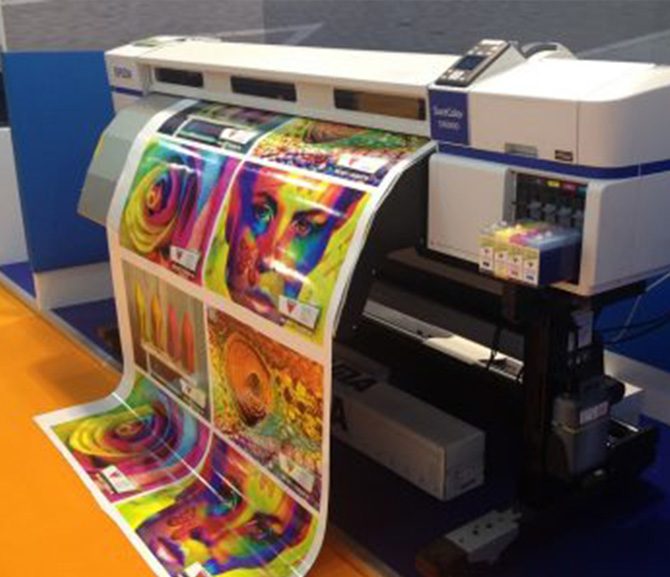
- Inkjet Printing: Similar to digital printing but often utilized in commercial production, inkjet printing propels tiny ink droplets onto substrates, offering high precision and flexibility. It is frequently used for printing high-resolution images on various materials, including textiles and fine art papers. Its ability to produce vibrant colours and detailed images makes inkjet printing suitable for short runs, custom projects, and specialty items such as photographic prints and promotional displays.
Each of these techniques plays a vital role in the landscape of full colour printing, enabling manufacturers and creative professionals to tailor their approach according to the project's scope, complexity, and quality expectations. When selecting a printing method, it is important to consider factors such as colour accuracy, run length, turnaround time, and material compatibility to achieve optimal results tailored to specific needs.
Overview of Full Colour Printing
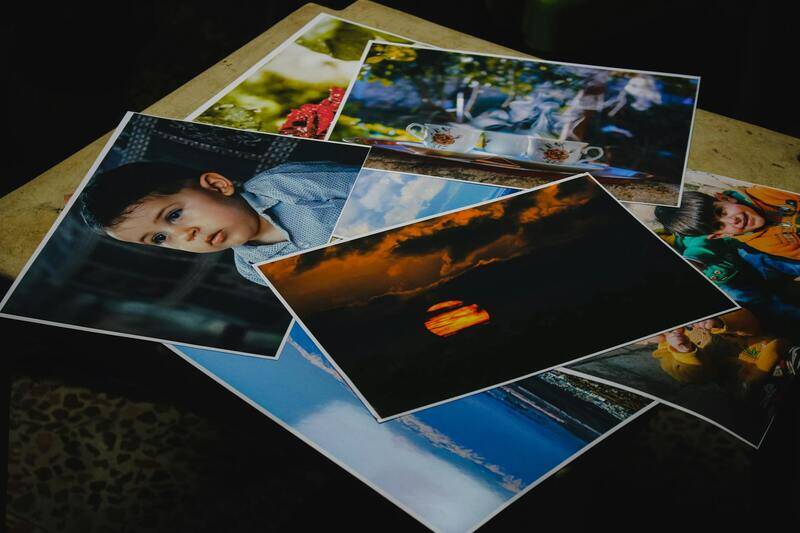
Full colour printing is an essential process used extensively across various industries, including marketing, packaging, and creative design. It involves the reproduction of a wide spectrum of colours within a single print project, delivering vibrant and detailed images that capture attention and convey messages effectively. This printing method is characterized by its ability to reproduce complex and nuanced colour gradations, making it ideal for high-impact visual communications. Whether printing business cards, banners, or promotional materials, full colour printing ensures that colours are rendered accurately and consistently, enhancing the overall quality and professionalism of the final product.
Types of Full Colour Printing Techniques
Understanding the various methods of full colour printing allows businesses and creative professionals to choose the most appropriate technology for their specific needs. Each technique offers unique advantages, depending on factors such as project scale, material type, and desired quality.
Offset Printing
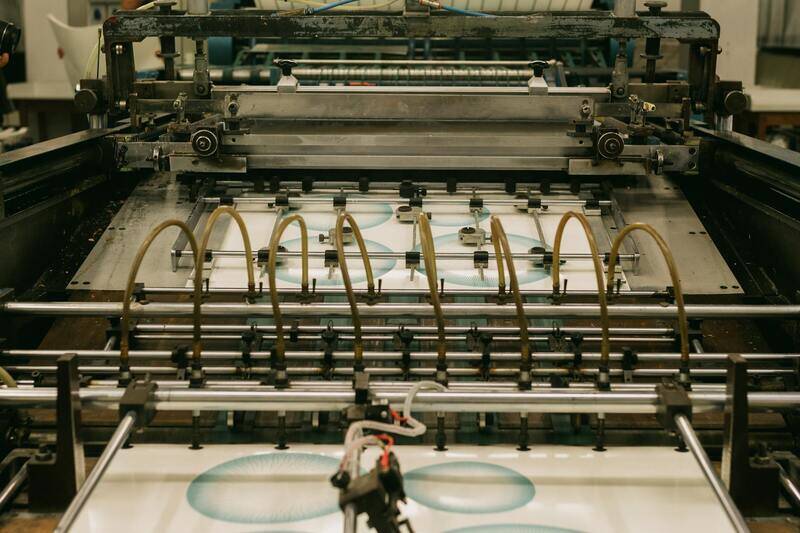
Offset printing employs metal plates to transfer ink onto rubber blankets, which then imprint onto paper. It is highly efficient for large-volume jobs, providing sharp images and consistent colour reproduction. Offset presses can handle different paper types and finishes, making them suitable for producing brochures, posters, and packaging materials. Advanced colour management systems facilitate precise colour matching, ensuring fidelity across extensive print runs.
Inkjet Printing
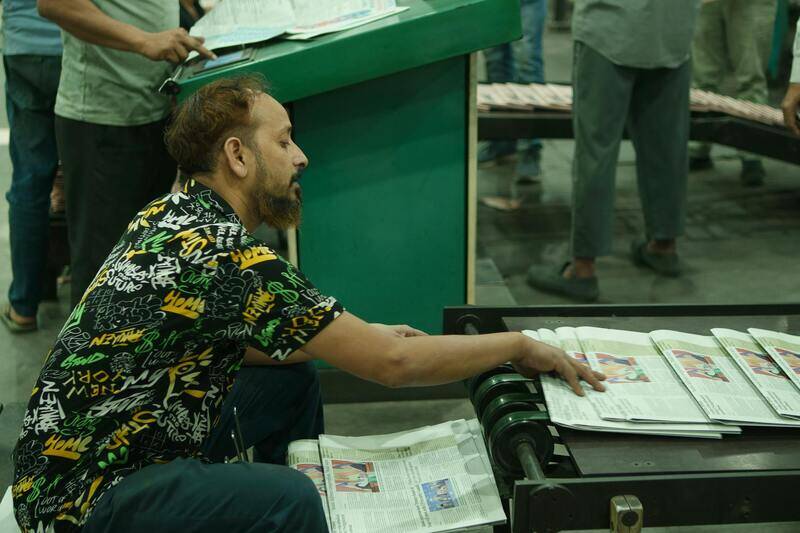
Inkjet printing propels tiny ink droplets directly onto substrates, offering high resolution and colour accuracy. This technique is especially favored for short-run, custom projects such as photographic prints, fine art reproductions, and promotional displays. Inkjet technology supports printing on a variety of materials including textiles, canvas, and specialty papers, providing excellent vibrancy and detail for unique applications.
Advantages of Full Colour Printing
Full colour printing offers numerous advantages that make it a preferred choice for diverse applications. Foremost among these is its ability to produce vibrant, eye-catching colours that enhance branding and marketing materials. The technology enables precise colour matching, ensuring consistency across different print runs and media. Its versatility extends to a broad range of substrates, from paper and cardstock to plastics and textiles.
- High-resolution image reproduction
- Rich, saturated colours for impactful visuals
- Ability to reproduce complex designs and gradations
- Compatibility with various media types
- Suitable for short runs and customized projects
This combination of qualities makes full colour printing particularly valuable in creating promotional items, packaging, and corporate branding materials that demand visual appeal and professional finish.
Materials Suitable for Full Colour Printing
The versatility of full colour printing extends to the range of materials it can accommodate. While traditional paper and cardstock are most common, advances in printing technology have expanded possibilities to include synthetic substrates, textiles, films, and even metal surfaces. This flexibility enables the production of diverse items such as labels, banners, apparel, and product packaging.
Design Considerations for Full Colour Printing
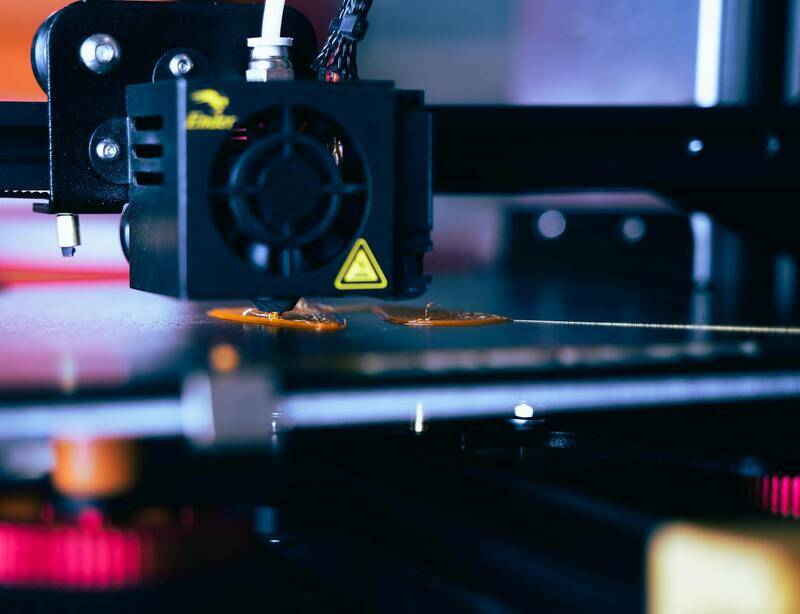
Achieving optimal results in full colour printing necessitates careful attention to design elements. Colour profiles should be meticulously managed to ensure accurate reproduction, particularly when translating digital designs to printed outputs. High-resolution artwork prevents pixelation and maintains clarity, while consideration of bleed areas and margins ensures that designs are correctly aligned without unintended borders or cut-offs. Incorporating colour harmony and contrast enhances visual impact and readability.
Cost Factors in Full Colour Printing
The overall expense of full colour printing is influenced by several key components. These include the type of printing technology used, the complexity of the design, the print volume, and the choice of materials. While offset printing generally offers cost advantages for large runs due to its setup costs, digital and inkjet options excel in short-run or highly customized projects. Color management and finishing processes like coating or binding can also impact the final cost, necessitating detailed quotes based on specific project requirements.
Applications of Full Colour Printing
Full colour printing serves a diverse array of applications across industries. Marketing and advertising materials such as brochures, flyers, posters, and banners benefit from vibrant and compelling visuals. Packaging design utilizes full colour printing to create eye-catching boxes, labels, and cartons that communicate brand identity clearly. Corporate branding assets, including business cards and stationery, often rely on full colour processes to deliver a professional appearance. Furthermore, the art and photography sectors utilize high-resolution full colour printing for reproductions and limited-edition prints, making it a vital component in creative expression.
Materials Suitable for Full Colour Printing
Choosing the right substrate is essential for achieving optimal results in full colour printing. Different materials interact uniquely with various printing technologies, influencing the vibrancy, durability, and overall quality of the final product. Common substrates include various types of paper, plastics, textiles, and specialty media, each offering distinct advantages based on the project requirements.
Paper remains the most versatile and widely used medium in full colour printing. Standard coated papers provide a smooth surface that enhances colour richness, ideal for high-quality brochures and posters. Matte finishes reduce glare and are preferred for presentations where readability is critical. Glossy papers, on the other hand, amplify colour depth and shine, making imagery pop. Specialty papers, such as textured or metallic finishes, introduce unique tactile and visual effects suited for luxury branding or limited-edition prints.
Plastics are increasingly utilized in full colour printing, especially for durable labels, signage, and packaging components. Materials like PVC, PET, and polycarbonate are compatible with UV-curable inks and can withstand harsh environmental conditions without degradation of print quality. Their smooth, non-porous surfaces facilitate precise colour reproduction and sharp image details, making them excellent choices for outdoor applications and product packaging.
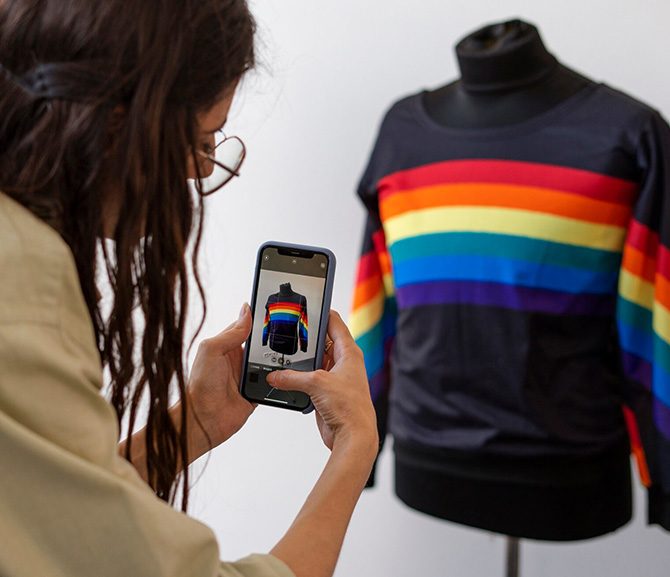
Textiles offer exciting possibilities for full colour printing, particularly within the fashion, home décor, and promotional merchandise sectors. Sublimation printing on polyester fabrics produces vibrant, full-spectrum colours that are resistant to fading. Other textile printing methods, such as direct-to-garment (DTG) or screen printing, can also achieve rich colour layers when designed appropriately. These media demand specific inks and treatment processes to ensure colour fidelity and wash durability.
Additionally, specialty media such as canvas, acrylic panels, foam boards, and magnetic sheets can be utilized for bespoke signage, art reproductions, and decorative displays. The compatibility of these materials with various inks and printing mechanisms must be considered to maximize colour accuracy and longevity.

Understanding the characteristics of each material type is crucial for achieving the desired visual effects and durability in a full colour print project. Consultation with printing specialists can help identify the optimal media, ensuring that design intent aligns with material capabilities while maintaining high standards of colour reproduction and physical performance.
Overview of Full Colour Printing
Full colour printing, also known as CMYK printing, is a process that reproduces images and designs in a wide spectrum of colours, delivering vibrant and detailed visuals that can faithfully represent original artwork or branding. This method utilises four primary colours—cyan, magenta, yellow, and black—to blend and produce a vast array of colour combinations, resulting in highly detailed and visually appealing outputs. The versatility of full colour printing makes it suitable across various industries, including marketing, packaging, fashion, and interior decoration, providing businesses and creatives with the ability to produce eye-catching, complex visuals with consistency and precision.

Types of Full Colour Printing Techniques
Several technologies underpin full colour printing, each optimized for different applications and materials:
- Offset Lithography: Renowned for high-quality colour reproduction on large print runs, this method uses metal plates and ink rollers to transfer images onto substrates with exceptional clarity.
- Digital Printing: Ideal for short to medium runs, digital printing offers rapid turnaround and flexible customization, making it perfect for promotional materials, posters, and small batches of packaging.
- UV Printing: Utilizing ultraviolet light to cure inks instantly, UV printing works effectively on non-porous surfaces like plastics and metals, producing durable, high-resolution images with vibrant colours.
- Sublimation Printing: Primarily used on polyester fabrics and coated substrates, sublimation allows for vibrant, full-spectrum colours and long-lasting images, especially suited for apparel and interior decor items.
- Screen Printing: While often associated with limited colours, advanced screen printing techniques can achieve rich multi-colour effects on textiles, signage, and promotional items.
Advantages of Full Colour Printing
The use of full spectrum colours in printing provides numerous benefits:
- Enhanced Visual Impact: Bright, detailed images attract attention and effectively communicate branding messages.
- High Customization: Capable of reproducing complex designs, photographs, and gradients with accuracy, making it suitable for bespoke projects.
- Versatility: Adaptable to a wide range of materials, including paper, fabric, plastic, and metal, expanding creative possibilities.
- Cost-Effective for Large Volumes: Techniques like offset lithography offer economical solutions for high-volume production without sacrificing colour fidelity.
- Durability: Modern full colour printing methods incorporate inks and finishes that withstand environmental factors, ensuring longevity for outdoor signage and branded merchandise.
Materials Suitable for Full Colour Printing
Choosing the appropriate substrate is vital for achieving the desired quality and durability in full colour prints. Typical materials include:
- Paper and Cardboard: Versatile options for brochures, packaging, and posters with smooth surfaces to maximize colour vibrancy.
- Textiles: Fabrics like polyester or cotton are popular for apparel and promotional items, especially with sublimation and direct-to-garment printing methods.
- Plastic and Vinyl: Used in banners, signage, and labels, these materials often require UV or solvent-based inks for optimum adhesion and colour brilliance.
- Metal and Glass: Surfaces like aluminum panels and glass can be decorated with UV printing or ceramic decals for striking visual effects.
- Specialty Media: Canvas, foam boards, acrylic sheets, and magnetic sheets enable unique display options and art reproductions, each requiring compatible inks and finishing treatments.

Overview of Full Colour Printing
Full colour printing, also known as four-colour printing, involves reproducing images and designs with a broad spectrum of colours to achieve rich, vibrant visuals. This method employs a combination of cyan, magenta, yellow, and black inks (CMYK) to produce detailed and accurate colour representations. Its versatility allows for high-quality print jobs across various mediums, making it a preferred choice for branding, marketing, and artistic applications. The process ensures consistent colour fidelity, sharp detail, and depth, which are essential for impactful visual communication.
Types of Full Colour Printing Techniques
There are several key processes used in full colour printing, each suited to different application requirements:
- Offset Lithography: This widely-used technique is ideal for large-volume printing. It offers superb colour consistency, sharp detail, and cost efficiency for high quantities of brochures, magazines, and packaging.
- Digital Printing: Suitable for smaller runs and quick turnarounds, digital printing provides high-resolution output with excellent colour accuracy. It is often used for personalized marketing materials, labels, and short-run posters.
- Sublimation Printing: Primarily used on textiles and coated surfaces, sublimation transforms ink into gas, enabling vibrant, durable prints on fabrics, ceramics, and metals. This method is popular for custom apparel and promotional items.
- UV Printing: Perfect for printing on irregular or non-porous surfaces like glass, metal, or plastic. UV inks cure instantly under ultraviolet light, producing vivid colours and durable finishes suitable for signage, labels, and decorative panels.
Advantages of Full Colour Printing
Implementing full colour printing offers numerous strategic benefits:
- Visual Impact: The ability to render intricate colour gradations enhances the visual appeal of printed materials, capturing attention and conveying messages more effectively.
- Brand Consistency: Accurate colour reproduction ensures that logos, brand colours, and visual elements remain consistent across multiple print jobs and media.
- Creative Flexibility: The expansive colour palette accommodates complex designs, photographs, and artistic effects, expanding creative possibilities.
- High-Quality Finishes: Techniques like spot UV coating and matte or gloss finishes complement full colour designs, adding texture and sophistication.
- Durability and Longevity: Modern full colour inks and protective coatings resist environmental factors such as UV rays, moisture, and abrasion, maintaining visual integrity over time.
Materials Suitable for Full Colour Printing
Matching the right substrate to a full colour printing process is essential for achieving optimal results. Various materials are compatible with different techniques:
- Paper and Cardboard: Standard options like gloss, matte, or silk finishes work well for brochures, flyers, and packaging, offering smooth surfaces for vibrant colour reproduction.
- Textiles: Fabrics such as polyester and cotton are ideal for apparel and promotional items, especially when employing sublimation or direct-to-garment printing methods.
- Plastic and Vinyl: Rigid and flexible plastics are used for banners, signage, and labels, with UV-resistant inks ensuring colour retention in outdoor conditions.
- Metal and Glass: Surfaces like aluminum or glass can be decorated with UV printing, ceramic decals, or etching techniques, resulting in striking visual effects.
- Specialty Media: Canvas, foam boards, acrylic sheets, and magnetic sheets open possibilities for art reproductions, displays, and custom signage, each requiring specific inks and finishing procedures for durability and vibrancy.
Materials Suitable for Full Colour Printing
Choosing the appropriate substrate is vital to harnessing the full potential of full colour printing. Diverse materials are compatible with specific printing techniques, allowing for a variety of applications and finishes. For instance, paper and cardboard are popular choices for brochures, flyers, and packaging, thanks to their smooth surfaces that promote vibrant colour application. These materials can be finished with gloss, matte, or silk coatings to enhance visual appeal and durability.
Fabrics such as polyester and cotton are ideal for apparel, promotional textiles, and custom clothing items, especially when employing sublimation or direct-to-garment printing. These methods allow for detailed, full-colour images that integrate seamlessly with fabric fibers.
Rigid and flexible plastics, including PVC and acrylic, are extensively used for banners, signage, labels, and promotional items. UV-resistant inks are typically utilized in these applications to ensure long-lasting colour retention, particularly for outdoor displays exposed to the elements.
Metal surfaces, such as aluminum or steel, can be decorated with UV printing, ceramic decals, or etching techniques, producing striking visual effects suitable for branding or decorative purposes. Glass surfaces are also compatible with UV printing and imaging methods, enabling high-detail, vivid designs on windows, plaques, and display items.
Other specialized media include canvas, foam boards, acrylic sheets, and magnetic sheets. Each of these materials opens unique possibilities for art reproductions, point-of-sale displays, custom signage, and decorative pieces. These substrates often require specific inks and finishing procedures to achieve optimal vibrancy and durability, especially when used in outdoor or high-traffic environments.
Applications of Full Colour Printing
Full colour printing finds its way into a multitude of real-world applications across various industries. In marketing, vibrant brochures, posters, and flyers are essential for capturing consumer attention. Packaging design benefits remarkably from full colour printing, allowing brands to produce eye-catching labels, boxes, and wrapping that stand out on retail shelves.
Signage and display materials leverage full colour printing to create informative and attractive signs capable of withstanding outdoor conditions. Promotional items like branded apparel, mugs, and magnets also utilize full colour printing techniques to produce highly customized products.
Personal projects, including photo albums, art reproductions, and home decor items, showcase how full colour printing enables individuals to realize creative visions with quality output. Its versatility extends even further into event banners, trade show displays, and educational materials, making it a fundamental component in modern visual communication.
Exploring the Role of Official Printing Methods in Full Colour Printing
When it comes to achieving high-quality full colour printing outcomes, leveraging established, official printing methods is essential. These methods are built on proven technologies and adhere to industry standards, ensuring vibrant colours, sharp details, and consistent quality across a variety of applications. Such techniques utilize specialized inks, durable substrates, and precise printing equipment to produce results that meet professional expectations.
Established Printing Technologies
- Offset Printing: Utilizing metal plates to transfer ink onto substrates, offset printing is renowned for its ability to produce large volumes with exceptional colour consistency. It is particularly suitable for commercial printing needs, such as brochures, posters, and packaging that demand precise colour matching and high-quality finishes.
- Digital Printing: Digital printing involves direct transfer of digital files onto various materials, making it highly flexible for short-run projects and on-demand printing. Modern digital presses are capable of producing full colour images with impressive detail and colour fidelity, suitable for promotional materials, personalised items, and small batch productions.
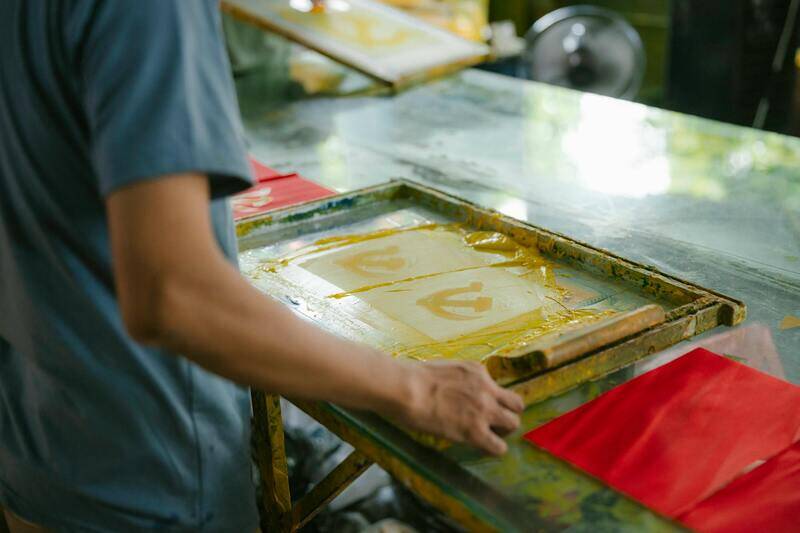
- Screen Printing: This technique employs a mesh stencil to apply ink onto surfaces, ideal for printing on textiles, plastic, glass, and other flat surfaces. Screen printing allows for vibrant colours and thick ink layers that enhance durability, making it a popular choice for merchandise and promotional products.
- Giclée Printing: Primarily used for art reproductions and fine art printing, giclée utilizes high-quality inkjet technology to produce detailed, colour-rich images with long-lasting vibrancy on fine art papers or canvas.
Ensuring Quality with Certified Equipment and Materials
Using certified, reputable printers and materials ensures that full colour prints meet rigorous standards of colour accuracy, durability, and consistency. Certified inks and substrates are formulated to work seamlessly with specific printing methods, reducing discrepancies and enhancing the overall visual impact. Regular calibration and maintenance of printing equipment also contribute greatly to achieving precise colour reproduction, fulfilling professional standards and client expectations.
Color Calibration and Proofing
Meticulous color calibration processes, including the use of colour profiles and proofing techniques, guarantee that the final print output aligns with the intended design. Proofing allows clients and designers to preview colours and details before mass production, minimizing waste and ensuring the final product's vibrancy and clarity.
Compliance and Best Practices
Adhering to industry-standard protocols and best practices—such as proper ink handling, substrate selection, and environmental controls—keeps the results consistent and reliable. These practices help in managing colour profiles accurately and maintaining the integrity of colours throughout the printing process, which is vital for branding, marketing, and artistic reproduction.