Understanding Colour Printing in Singapore
Colour printing is an essential component of visual communication that employs a combination of inks, dyes, or tonal ranges to produce vibrant and detailed images on various substrates. In Singapore's dynamic market, colour printing serves a multitude of sectors, including advertising, retail, corporate branding, education, and the arts. The ability to reproduce images with precise colour fidelity and high resolution allows businesses to create compelling marketing materials, packaging solutions, and promotional items that stand out in competitive environments.
Unlike black-and-white printing, which relies solely on shades of grey, colour printing involves a complex process of layering different coloured inks or toners to achieve the desired hues and tones. This enhances the visual appeal, making printed materials more engaging and effective in conveying messages. The process requires sophisticated machinery, rigorous calibration, and meticulous colour management to ensure that the output meets client specifications consistently.
In Singapore, the demand for colour printing has escalated driven by expanding creative industries and increased emphasis on brand differentiation. From high-resolution brochures and branded packaging to detailed signage and promotional graphics, colour printing provides the vividness necessary to capture audience attention. Key features distinguishing colour printing from monochrome options include:
- Vibrancy and Richness: Capable of reproducing a wide spectrum of colours, making visuals more attractive and precise.
- Detail and Clarity: High-definition outputs that preserve intricate design elements and fine text.
- Consistency: Reproducible colours across multiple prints, vital for maintaining brand identity.
- Versatility: Suitable for various materials such as paper, fabric, plastic, and more.
These capabilities underscore the importance of selecting suitable printing methods and equipment tailored to the specific needs of each project, ensuring optimal output quality and cost-effectiveness. Understanding these fundamentals is the first step toward making informed decisions about colour printing services in Singapore.
Types of Colour Printing Services Available in Singapore
Singapore's vibrant commercial landscape demands a diverse array of colour printing solutions tailored to specific project requirements. The array of offerings encompasses digital printing, offset printing, large-format printing, and specialty techniques, each serving distinct purposes with unique advantages.

Digital Colour Printing
This method is ideal for short runs, personalized printing, and rapid delivery timelines. Digital colour printing allows for high-quality, vibrant images with minimal setup costs, making it suitable for brochures, flyers, business cards, and customized marketing materials. It leverages advanced toner or inkjet technology, providing accurate colour reproduction with flexibility in design modifications and variable data printing.
Offset Colour Printing
Offset printing remains a popular choice for large-volume projects requiring consistent colour quality and sharp detail. It involves transferring ink from plates to rubber rollers and then onto the substrate. This technique offers highly accurate colour matching and exceptional print quality for materials such as magazines, annual reports, and packaging cartons. Although setup times are longer, the per-unit cost diminishes with increased volume, making it cost-effective for bulk orders.
Large-Format Colour Printing
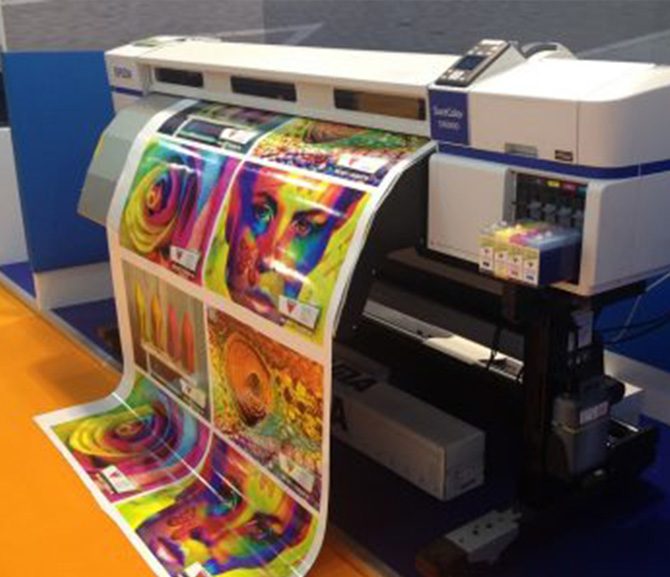
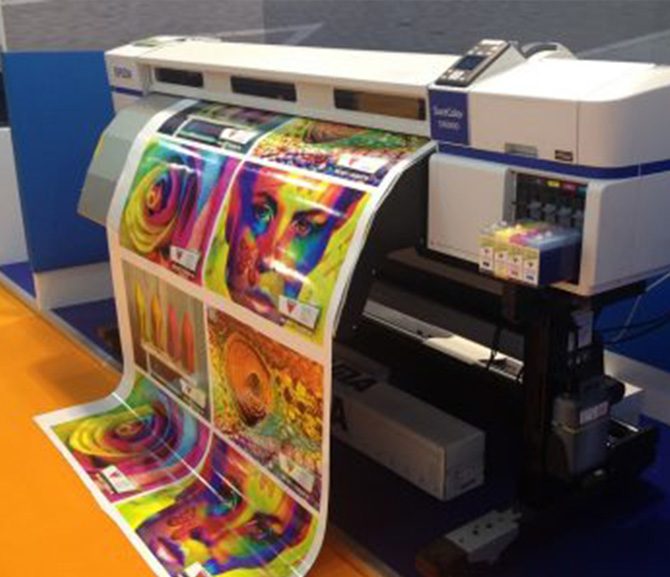
Designed for banners, posters, trade show displays, and signage, large-format printing caters to needs that demand size without compromising colour vibrancy. This service typically employs solvent or UV-curable inks on durable materials like vinyl, fabric, or canvas, ensuring resilience against environmental wear while maintaining high-resolution colour fidelity.
Specialty and Custom Colour Printing
For projects requiring precise colour matching or innovative finishes, specialty printing techniques include spot colour matching, metallic inks, textured finishes, and embossing. These methods enable brands to achieve unique visual and tactile effects, elevating their printed pieces beyond standard options. Specialty printing is often utilized for premium packaging, luxury branding, and bespoke promotional items.

Factors Influencing Choice of Printing Method
- Project Volume: Short runs favour digital options; bulk orders are more economical via offset.
- Urgency: Digital printing offers rapid turnaround; offset requires longer preparation time.
- Material Compatibility: Large-format and specialty techniques accommodate diverse substrates and applications.
- Budget Constraints: Cost per unit varies with volume and complexity of colours and finishes.
- Design Complexity: Intricate images and multiple colour layers benefit from high-resolution offset or specialty printing.
Understanding the strengths inherent to each printing service allows businesses to align their project objectives with the most appropriate solution, ensuring both visual impact and cost-efficiency. The availability of these varied colour printing options in Singapore underpins the dynamic and competitive nature of the local market, providing brands and marketers with the tools necessary to produce compelling, vibrant printed materials.
Materials and Substrates for Colour Printing
Choosing appropriate materials and substrates is fundamental to achieving optimal colour reproduction in printing projects. In Singapore's diverse market, printers utilize a wide array of substrates including paper, cardboard, vinyl, fabric, and specialty materials. Each substrate has unique characteristics that influence colour vibrancy, durability, and overall visual appeal. For instance, coated papers tend to produce sharper and more vibrant colours, suitable for brochures, high-end packaging, and promotional posters. Conversely, textured papers or specialty materials like fabric or transparent films can add tactile dimension and depth to printed pieces, enhancing their aesthetic value.
When selecting substrates, it is crucial to consider the project’s end-use and environmental exposure. Outdoor signage benefits from weather-resistant materials such as vinyl or acrylic, which maintain colour integrity even under harsh conditions. For luxury branding and premium packaging, embossed or textured materials can provide a tactile experience that complements the visual print quality. The compatibility of the chosen substrate with the printing technology—digital, offset, or large-format—is also vital to prevent issues like ink smudging, colour bleed, or finish inconsistencies.
A comprehensive understanding of material properties ensures that colour accuracy is maintained throughout the printing process. For projects requiring precise colour matching, selecting substrates with standardized surface finishes and thicknesses is advisable to achieve uniform results. This precision is especially important for branding applications where colour consistency across batches reinforces brand identity and customer trust.

Colour Accuracy and Management
Maintaining colour consistency across different print runs and substrates is a complex but critical aspect of professional colour printing. Effective colour management involves calibrated colour profiles, high-resolution proofing, and the use of standardized colour spaces such as Pantone and CMYK. These tools enable printers to match colours precisely, ensuring that the final output reflects the intended design.
In Singapore, most reputable printing providers employ advanced colour management systems integrated with pre-press software. This technology facilitates meticulous control over colour reproduction, allowing adjustments to be made during the proofing phase before full-scale printing. Colour calibration of inkjet, offset, and large-format presses is also essential for uniformity, especially for brand-sensitive materials.
For projects requiring exact colour matches, such as corporate logos or product packaging, proofing techniques like digital proofs or press checks are vital. These allow clients to review colour fidelity and make necessary adjustments prior to the final print run. Consistent colour management not only enhances visual impact but also minimizes waste and reprints, contributing to overall cost efficiency.

Materials and Substrates for Colour Printing
Choosing the appropriate material or substrate is pivotal in achieving vibrant, durable, and high-quality colour prints. Different substrates possess unique properties that influence the final appearance, longevity, and suitability for specific applications. For instance, high-quality coated papers often deliver crisp image details and vivid colours, making them ideal for brochures, posters, and promotional materials. The smooth surface facilitates precise ink absorption, resulting in sharp and saturated images.
Vinyl and synthetic materials are extensively used for outdoor banners, vehicle wraps, and signage because they offer enhanced resistance to weather conditions, UV rays, and physical wear. Their flexibility enables application on various surfaces, providing longevity even in challenging environments. Fabrics, particularly for textile printing, are popular for apparel, promotional giveaways, and event banners. They require specialised dye-sublimation or direct-to-garment printing techniques to ensure colour vibrancy and wash durability.
Metal, acrylic, and wood substrates are increasingly employed for decorative and display purposes, especially in retail spaces or expos. These materials support vibrant print outputs and are valued for their premium appearance and robustness. Selecting the right substrate involves considering factors such as intended use, exposure conditions, and desired aesthetic qualities. It is also important to evaluate how the substrate interacts with the printing technology to ensure colour fidelity and permanence.
Colour Accuracy and Management
Achieving precise colour reproduction in printing requires rigorous colour management practices. The process begins with defining a colour profile tailored to both the device and substrate involved. Colour calibration of printers, monitors, and proofing devices ensures consistency across different stages of production. Employing colour spaces such as CMYK for printing and RGB for digital displays helps maintain colour integrity from design conception to final output.
Standardised colour matching systems, like Pantone, assist designers and printers in communicating exact colour specifications. Before committing to large-scale production, digital proofs or press checks enable clients to verify colour accuracy and make necessary adjustments. This step minimizes discrepancies, reduces material waste, and enhances overall output quality.
Advanced colour management software not only monitors ink density and colour profiles but also compensates for variations caused by substrates and environmental conditions. Implementing these technologies is crucial when producing brand-sensitive materials, such as logos, packaging, and corporate stationery, where precise colour replication influences brand perception and consistency.
Cost Factors in Colour Printing
Understanding the cost implications of colour printing is essential for budgeting and project planning. Factors influencing costs include the complexity of the design, the choice of substrate, and the printing technology employed. High-resolution prints with extensive colour palettes or detailed images typically require higher ink consumption and longer printing times, which translate into increased costs.
Additional expenses may arise from pre-press processes such as colour proofing and calibration, as well as from the choice of speciality papers or materials. Large-format and custom printing often involve sophisticated equipment and materials, which are reflected in the pricing structure. Working with a reputable provider ensures accurate estimates and transparent pricing, helping clients balance quality and budget effectively.
Environmental Considerations and Sustainability
In Singapore, environmentally conscious practices are increasingly influencing colour printing standards. Eco-friendly inks, such as soy-based or water-based alternatives, significantly reduce volatile organic compounds (VOCs) and environmental impact. Additionally, choosing recyclable or biodegradable substrates supports sustainability goals, especially in Packaging and Retail display projects.
Reputable printing providers adopt energy-efficient equipment and waste reduction strategies to minimise environmental footprints. Digital printing methods also offer advantages by reducing material waste and enabling on-demand production, which prevents excess inventory and reduces costs. Clients committed to sustainable practices should inquire about environmentally friendly options and certifications when selecting a colour printing partner.
Understanding Colour Printing in Singapore
Colour printing in Singapore has become an essential service for businesses, artists, and individuals seeking vibrant andhigh-quality visual communication. With a diverse range of industries relying on precise and eye-catching graphics—from marketing materialsand packaging to art reproductions—the demand for advanced colour printing solutions continues to grow. The technological advancements inprinting hardware, ink formulations, and digital workflows have significantly enhanced the ability to produce detailed, colour-rich outputs efficiently. Moreover, an increasing emphasis on sustainable practices ensures that many providers incorporate environmentally friendly materials and operational methods to align with Singapore's eco-conscious ethos.
Types of Colour Printing Services Available
Singapore offers a spectrum of colour printing services tailored to various needs. Each type employs distinct techniques and caters to specific application requirements:
- Digital Colour Printing: Ideal for small to medium print runs, digital printing allows rapid turnaround and cost-effective production while maintaining high colour fidelity. It is commonly used for business cards, brochures, and promotional materials.
- Offset Colour Printing: Suitable for large volume orders, offset printing provides superior colour consistency and detailed image reproduction. It is preferred for magazines, catalogs, and packaging materials requiring uniform quality across extensive runs.
- Large-Format Colour Printing: Utilized for banners, posters, and retail signage, this method supports printing on oversized substrates with vibrant, durable colours capable of attracting attention from afar.
- Specialty Printing: Techniques such as spot colour printing, UV coating, and textured finishes enhance visual impact, adding a tactile dimension to printed materials that can elevate branding and presentation.

Choosing the Right Colour Printing Equipment
For professional-quality output, selecting appropriate printing equipment is crucial. Factors to consider include the type of materials being printed, colour accuracy needs, and production volume. High-end digital presses equipped with advanced colour management features ensure vibrant, true-to-design colours, while offset presses provide excellent consistency for larger volumes. Maintenance and calibration of equipment are essential to sustain colour fidelity over time.
Modern printers in Singapore also leverage software solutions such as colour management systems (CMS) that facilitate precise control over colour profiles, ensuring consistent results across different machines and substrates. Investment in high-resolution printing heads and eco-friendly ink systems further enhances the quality and sustainability of the print output.
Materials and Substrates for Colour Printing
The choice of materials significantly influences the vibrancy and durability of colour printing. In Singapore, a broad array of substrates are available to suit various needs, including:
- Glossy and Matte Papers: Widely used for marketing flyers and brochures, these surfaces affect colour vibrancy and image sharpness.
- Self-Adhesive Vinyls: Ideal for outdoor signage and vehicle wraps, offering excellent colour retention and weather resistance.
- Backlit Films: Designed for illuminated displays, these materials enable vibrant backlit images with high opacity.
- Recyclable and Eco-Friendly Materials: In line with sustainable initiatives, many providers now offer biodegradable or recyclable substrates that do not compromise on colour quality.

Understanding Colour Printing in Singapore
Colour printing remains a vital component of branding and marketing efforts for many businesses in Singapore. The diverse landscapes of vibrant marketing materials, signage, packaging, and personalized print products demand a spectrum of colour capabilities that modern printers can deliver efficiently and precisely. The key to achieving high-quality colour print results lies in understanding the nuances of colour reproduction, the types of specialised equipment available, and the compatibility of various substrates and inks.
Colour printing in Singapore benefits from advanced technology, including digital, offset, and large-format printing equipment. These systems incorporate sophisticated colour management tools that ensure output matches the original design specifications. For example, digital presses with integrated calibration tools and high-resolution printing heads can produce detailed images with consistent colour fidelity across different print runs. Meanwhile, offset presses excel in delivering uniform colour reproduction over large quantities, crucial for bulk marketing materials. Maintaining optimal print conditions through regular calibration and using high-quality inks enable consistent, vibrant colours, ensuring branding remains sharp and impactful.
Efficient colour management is also supported by software solutions such as colour profiling and colour calibration systems. These tools help align colours across diverse printing devices and substrates, reducing colour inconsistencies and enhancing overall quality. In Singapore, investments in eco-friendly ink systems and innovative printing heads further boost the sustainability and vibrancy of the final prints, aligning with environmental initiatives while maintaining exceptional output quality.

Understanding the relationship between different printing methods and their capabilities is essential. Digital colour printers are well-suited for short runs and customized projects, offering rapid turnaround and excellent colour accuracy. Offset printing, on the other hand, is preferred for larger volumes, providing consistent colour quality at a lower cost per piece. Large-format printers dominate outdoor signage, banners, and backlit displays, capable of handling wide materials with precision color control.
Besides equipment, selecting the right inks and printing techniques further influences the vibrancy and longevity of the printed colours. Solvent-based and eco-solvent inks are common choices for outdoor signage due to their weather resistance and colour richness. Water-based inks are favored for eco-conscious projects, delivering sharp images and a soft finish on suitable substrates. UV-curable inks offer quick-drying, durable results, often used in high-end art reproductions and specialty signage.
The multi-layered approach to colour printing—combining advanced equipment, accurate colour management, and compatible inks—ensures every project achieves its desired visual impact, whether on glossy brochures or large-scale outdoor displays in Singapore's dynamic market.

Material Compatibility and Substrate Selection for Optimal Colour Printing
One of the key factors influencing the quality and durability of colour printing projects in Singapore is the choice of materials and substrates. Different printing techniques and inks perform best on specific surfaces, and selecting the appropriate substrate ensures vibrant colours, sharp details, and long-lasting results.
For indoor applications such as posters, brochures, and product displays, coated papers like gloss, satin, or matte finishes are commonly used. These materials enhance colour vibrancy by providing smooth surfaces that facilitate precise ink adhesion and consistent colour reproduction. Additionally, premium cardstock offers a sturdy base for high-quality prints requiring durability and a luxurious feel.
In outdoor and large-format signage, materials must withstand environmental conditions. Vinyl banners, mesh fabrics, and weather-resistant canvas are popular choices for their resilience and vivid colour retention. Solvent-based or eco-solvent inks are often paired with these substrates to provide water, UV, and fade resistance, ensuring that colours remain vibrant over extended periods despite exposure to sunlight and weather variations.

Specialty substrates like transparent films, fabric textiles, and metal sheets expand the possibilities for creative applications, from window decals to industrial signage. Each material demands specific ink types and printing settings to optimize colour fidelity and durability.
Implementing Colour Management for Consistent Results
Achieving consistent colour accuracy across different printed materials and projects requires meticulous colour management practices. This involves using advanced software and calibration tools to monitor and control colour output throughout the production process. Profile creation tailored to specific printers, inks, and substrates helps maintain colour fidelity from digital files to final prints.
Standardised procedures, such as ICC profiling, ensure that the colours seen on screen match the printed results, reducing discrepancies that can compromise visual impact. Regular calibration of printing machines and consistent ink formulations further support uniform colour reproduction.

Optimizing Printing Settings for Superior Colour Output
Fine-tuning printing parameters—such as resolution, ink density, and drying time—is vital for high-quality colour reproduction. Higher resolution settings produce sharper images, whereas optimal ink density ensures vivid colours without oversaturation. Proper drying or curing processes prevent smudging and colour bleeding, preserving the integrity of the print.
For projects requiring the utmost colour precision, many printing providers in Singapore leverage spectrophotometers and colourimeters to verify colour accuracy during production. These tools facilitate adjustments at the hardware level, aligning printed colours with the original design specifications and ensuring consistent quality across multiple batches.
Ensuring Quality Control and Final Inspection in Colour Printing
Maintaining rigorous quality control (QC) procedures is fundamental to achieving the desired colour output in professional printing projects. This involves multiple stages of inspection, from pre-press to final print, to verify that colours are consistent, accurate, and meet specified standards. QC practices include detailed colour consistency checks, substrate assessments, and print sample evaluations to identify discrepancies early and prevent costly reprints.
In Singapore's competitive printing market, many reputable service providers implement systematic QC protocols that leverage advanced instrumentation such as spectrophotometers and colourimeters. These devices quantitatively measure colour accuracy, enabling precise adjustments during production. Establishing a colour benchmark or reference sample prior to mass production provides a standard against which future prints can be compared, ensuring uniformity across batches.
Final inspection is equally critical, often involving visual assessments by experienced staff trained to detect colour variations, print defects, or substrate inconsistencies. This comprehensive review confirms that the printed materials meet both client specifications and industry standards, thus delivering high-quality results.

Post-Printing Processes and Finishing Techniques
After the initial printing phase, finishing touches such as coating, laminating, and binding play a vital role in enhancing the visual appeal and durability of colour prints. UV coatings and matte or gloss finishes are used not only for aesthetic purposes but also to protect colours from external elements. These processes require precision to ensure that the colours remain vibrant and true to the original design.
Specialized finishing techniques, including spot varnishing and embossing, can add depth and emphasis to specific colour elements, elevating the overall quality of the printed piece. In Singapore, top print shops employ skilled artisans and state-of-the-art equipment to execute these finishing processes with meticulous attention to colour fidelity.
Customer Approvals and Colour Proofing
Before commencing full-scale production, many clients opt for colour proofs or test prints. These proofs serve as tangible references that reflect the true colours, allowing for adjustments or approvals before the main run. Digital proofs provide a visual preview, while hard proofs offer a realistic simulation of how the final product will appear, including texture and colour rendering.
Effective communication between clients and printers regarding colour expectations is essential. Clear specifications, along with detailed proofing phases, help prevent misunderstandings and ensure that the final output aligns with the original vision.
Final Delivery and Quality Assurance Measures
Upon completion, reputable printing companies perform final quality assurance checks to verify that colour accuracy, print quality, and finishing standards are met. Packaging methods are also considered, especially for fragile or large-format prints, to protect colours and prevent damage during transit.
In Singapore, a combination of rigorous QC procedures and dedicated logistics support ensures clients receive their colour prints in optimal condition. This comprehensive approach underscores the importance of final inspection in the production process, guaranteeing that every project highlights the vibrancy and precision expected from professional colour printing services.