Understanding Color Print Image
Color print images play a vital role in a wide array of visual communication and marketing efforts, ranging from business branding to personal projects. Unlike black-and-white prints, which rely solely on shades of gray, color print images utilize a spectrum of hues to vividly reproduce photographs, artwork, and graphical content. This capability allows for a more accurate and impactful visual presentation, which is essential for conveying messages clearly and engaging viewers effectively.
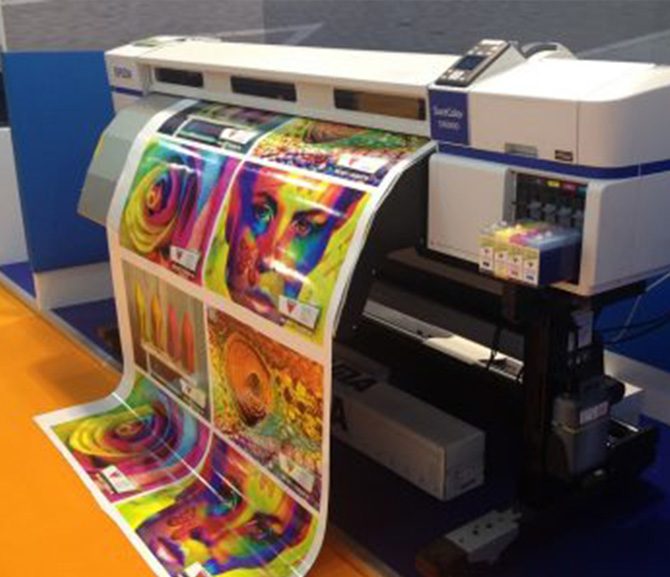
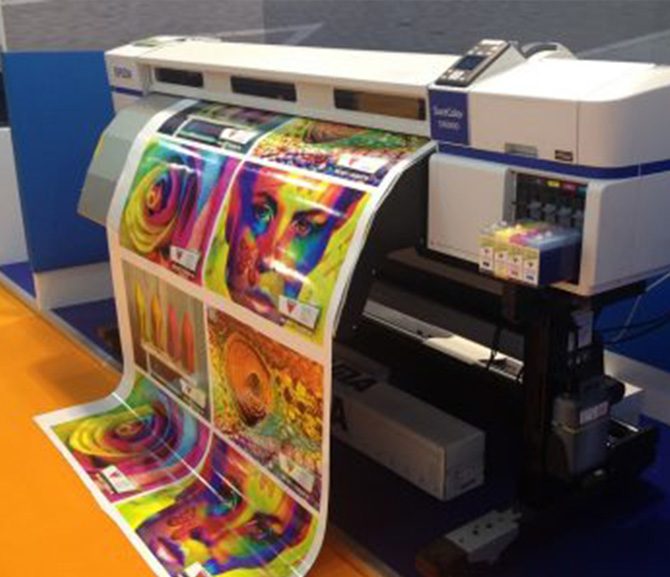
In the printing process, a color print image is produced through the combination of various inks or toners that correspond to the primary colors—typically cyan, magenta, yellow, and black (CMYK). This method enables the creation of millions of color variations, surpassing the limitations of monochrome printing. Consequently, color print images are indispensable in industries such as advertising, publishing, clothing, and interior design, where true-to-life color reproduction significantly enhances the quality and professionalism of the final product.
The importance of color in visual media cannot be overstated, especially when it comes to branding and marketing. Accurate colors help reinforce brand identity, evoke emotions, and attract attention more effectively than monochrome alternatives. Moreover, in photographic reproductions, high-quality color printing retains the vibrancy and details that are critical for the viewer's appreciation of the image, whether it’s used for promotional materials, posters, or fine art prints.

Understanding the nuances of color print images is fundamental for those involved in print production. It involves not just selecting the right images but also ensuring the printing process accurately captures the intended colors, resulting in a visually compelling and professional output who’s quality leaves a lasting impression.
Color Management and Its Role in Achieving Precise Results
Achieving pristine, true-to-life color print images hinges significantly on effective color management strategies. Color management involves a comprehensive process of calibrating and profiling devices such as monitors, scanners, and printers to ensure consistent and accurate reproduction of colors across all stages of production. This process typically employs advanced color profiles, which serve as standardized references that translate the colors seen on digital screens into the physical inks deposited during printing.
When producing high-quality color print images, professionals utilize color management workflows that encompass several critical steps:
- Device Calibration: Regular calibration of monitors ensures that the colors displayed are accurate representations of the actual print output. This involves adjusting monitor settings with specialized calibration tools to match industry standards.
- Color Profiling: Creating or using predefined color profiles for specific printers, inks, and substrates allows for predictable color results. Profiles provide a basis for consistent color translation from digital files to printed images.
- Soft Proofing: This process simulates how colors will appear once printed on a calibrated monitor, enabling designers to make necessary adjustments before production begins.
- Color Matching: Precision in matching on-screen colors with printed outcomes reduces discrepancies and ensures client expectations are met.
Implementing strict color management protocols is crucial when working with complex images that demand high fidelity, such as photographic reproductions or brand-specific visuals. By maintaining consistent color workflows, printers guarantee that the final images reflect the intended palette, thereby elevating the overall professionalism and appeal of the product.
Choosing Appropriate Colors and Color Modes
Beyond device calibration, selecting the right colors and mode for your image files is essential. Most professional printing workflows prefer images prepared in the CMYK color space, which aligns with the color capabilities of commercial printers. This conversion from RGB (red, green, blue) used in digital screens ensures that colors are accurately translated during printing, minimizing undesirable shifts.
Additionally, designers should consider the color model and color gamut—the range of colors a device can reproduce. Opting for colors within the printer's gamut guarantees more consistent and lively results, especially for vibrant hues that are challenging to reproduce precisely.

Implementing Quality Control in the Printing Process
Monitoring and controlling the quality of color print images throughout the production process mitigates errors and ensures optimal results. Quality control steps include:
- Pre-press proofing to evaluate the colors prior to full production; > Regular checks of print samples against the digital proof using color measurement instruments; > Consistent use of calibrated devices and standardized procedures to maintain uniformity; > Feedback loops where adjustments are made based on test results, ensuring the final output adheres to the desired specifications.
Employing these measures guarantees that color print images meet high aesthetic and professional standards, supporting impactful visual communication.
Implementing Color Management Systems
Achieving consistent color reproduction across various print runs and media types necessitates robust color management systems. These systems incorporate hardware and software solutions designed to control and standardize color output. A central component is the use of ICC (International Color Consortium) profiles, which are embedded within image files and printing devices to communicate color information effectively. By employing ICC profiles tailored to specific printers, inks, and substrates, operators can maintain a predictable color palette, ensuring that the final printed image matches the intended design with high fidelity.

Calibration and Profiling for Optimal Results
Regular calibration of monitors and printers is fundamental for maintaining accurate color reproduction. Calibration involves adjusting hardware settings to align display or output device color values with standardized references. This process helps eliminate discrepancies caused by aging hardware, environmental factors, or inconsistent ink and paper batches. Profiling complements calibration by creating detailed color profiles that describe how a device reproduces colors. Applying these profiles during the workflow ensures that colors remain consistent from digital design to final print, reducing surprises and achieving predictable results.
Monitoring Color Fidelity with Measurement Instruments
High-precision color measurement instruments, such as spectrophotometers and densitometers, are used throughout the printing process to verify color accuracy. These tools analyze printed samples and compare their color values against digital references, providing quantitative data to identify deviations. Implementing regular calibration checks and color verification steps allows technicians to make timely adjustments, preventing color drift and maintaining quality standards. This disciplined approach fosters trust in the output's vibrancy and fidelity, particularly essential for brands where color consistency is critical.
Workflow Integration for Color Consistency
Integrating color management into the entire production workflow—from file creation and proofing to final printing—maximizes color reliability. This integration involves establishing standardized procedures for file preparation, proof approval, and printing settings. Automated systems can be employed to apply ICC profiles seamlessly, minimizing manual intervention and reducing human error. By maintaining strict control over each phase, companies can deliver color print images that are both accurate and visually impactful, aligning with client expectations and brand standards.

Proofing and Color Validation Methods
Effective proofing plays a crucial role in achieving the desired color output before commencing large-scale production. Various proofing methods provide a tangible preview of how the final image will appear post-printing, allowing for adjustments to be made in the digital design stage.
- Digital Proofs: Digital proofs generated on calibrated monitors or high-quality printers offer a close approximation of the final print. They enable quick modifications and iterative feedback, ensuring the color aligns with client expectations.
- Soft Proofing: Utilizing device profiles and soft proofing software, designers can simulate the printed output on their monitors. This method is cost-effective and facilitates early detection of color discrepancies.
- Physical Proofs: Hard copy proofs, such as approved printed samples, serve as definitive references. These are used inwardly for verifying color fidelity, especially in critical projects where precision is paramount.
Color Calibration and Consistency Checks
Maintaining consistent color print images requires rigorous calibration protocols for all devices involved in the production process. Regular calibration of monitors, printers, and other digital equipment ensures that color displays and outputs are synchronized, reducing discrepancies.
- Device Calibration: Utilizing calibration tools like spectrophotometers or colorimeters, technicians can fine-tune hardware settings to match industry standards and the performance of color target files.
- Color Profiling: Employing ICC profiles tailored for each device guarantees consistent color reproduction by mapping device-specific color spaces to universal color standards.
- Workflow Management: Implementing standardized procedures and automation software helps to uphold color accuracy throughout the entire process, from digital file creation to final print.

Ensuring Color Consistency Across Batches
Achieving uniform color print images across multiple print runs involves meticulous process management. Consistency is especially important in branding, packaging, and promotional items where visual uniformity impacts brand perception.
- Standardized Protocols: Develop and adhere to detailed production protocols that specify color management steps, materials, and environmental conditions.
- Material Matching: When using different batches of printing substrates, it’s vital to use chips and profiles for each material type to prevent color shifts.
- Regular Quality Assurance: Conduct frequent quality checks using spectrophotometers to verify color accuracy and detect any deviations early in the production cycle.
Additional Methods for Color Print Image Preservation
Protecting the vibrancy and integrity of color print images after production involves appropriate finishing and handling techniques.
- Proper Storage: Store printed materials in conditions that avoid exposure to excessive light, moisture, and temperature fluctuations, which can cause fading or color changes over time.
- Sealing and Coatings: Applying protective coatings, such as gloss or matte finishes, helps preserve the visual quality and durability against environmental stressors.
- Framing and Display: When displaying color print images, use UV-resistant glass and display cases to minimize damage from UV exposure and handling.
By adhering to these official, proven techniques, professionals can ensure that color print images maintain their luminous quality and consistency, satisfying both aesthetic expectations and functional requirements in various applications.
Ensuring Longevity and Visual Fidelity of Color Print Images
Maintaining the vibrant appearance and structural integrity of color print images over time requires adherence to both proper finishing techniques and effective handling procedures. These measures are critical in safeguarding the detailed nuances and overall impact of the printed design, ensuring that the visual communication remains compelling and true to the original intent.
- Optimal Storage Conditions: To prevent fading, discoloration, or deterioration, printed materials should be stored in environments where light exposure, humidity, and temperature are carefully controlled. Utilizing climate-controlled storage facilities or storage containers minimizes the risk of environmental damage. Keeping prints away from direct sunlight and UV sources is particularly important in preserving their color integrity.
- Protective Coatings and Finishes: Applying appropriate coatings, such as gloss, matte, or satin finishes, provides a protective barrier against dust, scratches, and environmental elements. These coatings help maintain the print’s visual vibrancy and protect against physical wear. For outdoor or high-traffic applications, UV-resistant varnishes can further enhance the durability and longevity of the color images.
- Framing and Display Techniques: When displaying color print images, use frames with UV-resistant glass or acrylic to reduce UV-induced fading. Proper framing not only preserves the print but also enhances its aesthetic appeal. Display cases with controlled environments further shield the images from pollutants, temperature fluctuations, and physical contact.
Implementing these official techniques ensures that color print images retain their luminous quality and detailed fidelity over extended periods. This comprehensive approach aligns with industry standards for quality preservation, making certain that the original visual impact is sustained for both immediate and long-term display purposes.
Choosing the Right Printing Material and Finish
Achieving high-quality color print images begins with selecting the appropriate printing materials that align with the desired application and display environment. The choice of paper or substrate significantly influences the vibrancy, sharpness, and longevity of the printed image. Glossy finishes tend to enhance color saturation and contrast, making them ideal for photographic prints that require vivid detail and dynamic range. Conversely, matte finishes provide a non-reflective surface that minimizes glare, suitable for detailed artwork, posters, or displays where subdued elegance is preferred.
For projects demanding enhanced durability, specialty materials such as canvas, vinyl, or synthetic papers offer increased resistance to moisture, tearing, and fading. These options are particularly advantageous for outdoor signage, banners, or high-traffic display areas. Furthermore, substrate coatings like luster or satin can add a layer of protection that preserves the brightness and color fidelity over time. These coatings act as barriers against environmental pollutants and physical wear, safeguarding the integrity of the image.

Factors to Consider in Material Selection
- Environmental Compatibility: For outdoor displays, weather-resistant materials and UV coatings are essential to prevent fading and damage caused by sunlight, moisture, and temperature fluctuations.
- Color Fidelity: High-quality, coated papers help in maintaining accurate color reproduction, critical for photographic and brand-related prints.
- Application Purpose: Fine art prints may benefit from canvas or textured papers to add a tactile feel that emphasizes artistic detail, while commercial signage prioritizes durability and visibility.
- Cost and Budget: Premium materials generally incur higher costs but deliver superior longevity and visual impact. It's important to match material choice with project budget without compromising essential quality.
Optimizing Finishes for Color Impact
The finish applied to the print surface further accentuates the visual impact and resilience of color images. Clear coatings such as gloss or UV-resistant varnishes amplify color depth and provide a protective barrier against environmental factors. Satin finishes strike a balance, offering moderate gloss that enhances colors while reducing glare issues. Matte finishes are preferred where image glare or reflections could detract from the viewing experience, especially in well-lit environments or for exhibits where viewer interaction is frequent.
In professional printing workflows, selecting finishes compatible with the chosen substrate ensures the best results. Incorporating advanced coating technologies—such as scratch-resistant layers or anti-fungal treatments—adds long-term value by preventing common issues that degrade print quality over extended periods.
Methods to Achieve Authentic Color Print Images
Creating a vibrant and precise color print image requires more than just selecting the right design; it involves meticulous control over various elements of the printing process. To ensure authentic reproduction, relying exclusively on official and proven methods is essential. Techniques such as high-quality digital printing, offset lithography, and giclée printing are recognized for their ability to produce consistent and true-to-source color images.
High-Quality Digital Printing
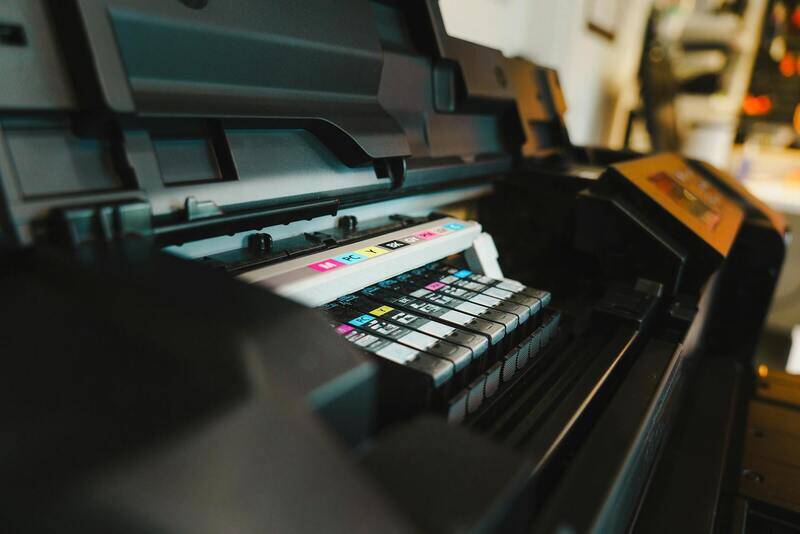
Digital printing leverages advanced inkjet or laser technology to produce detailed color images efficiently. Modern inkjet printers designed for professional use employ a broad spectrum of color inks, including light cyan, light magenta, and even varnish layers, to achieve nuanced color gradations. The benefit of digital printing lies in its capacity to meet short-notice deadlines without compromising on color fidelity.
Offset Lithography
Widely regarded as the gold standard for large-volume color printing, offset lithography provides exceptional color accuracy and consistency. This process involves transferring ink from metal plates to rubber blankets and then onto the printing surface, allowing for precise control over color density. Offset printing is ideal for commercial projects, such as catalogs, posters, or packaging, where matching brand colors precisely is crucial.
Giclée Printing
Giclée printing employs high-end inkjet printers with fade-resistant inks to produce museum-quality artworks and photographic prints. This method offers superior color depth and tonal range, making it a preferred choice for reproducing fine art pieces and photographic images where color accuracy and longevity are paramount.

Implementing Color Management Systems
Across all methods, integrating comprehensive color management workflows ensures that colors appear consistent from digital design to the final print. Color profiles calibrated for specific printers, inks, and papers help minimize discrepancies. This process involves profiling devices, calibrating monitors, and using standardized color spaces like Adobe RGB or sRGB to maintain fidelity throughout the production chain.
Color Proofing and Quality Control
Before final printing, proofing is a critical step where a sample print is produced to evaluate how colors will appear in the finished product. High-quality color proofs, often created with the same equipment used for mass production, allow adjustments to be made, avoiding costly reprints and ensuring that the final print reflects the intended palette accurately.
Key Practices to Maintain Color Integrity
- Use of calibrated devices and color profiles to standardize color output.
- Regular maintenance and cleaning of printing equipment to prevent color deviations.
- Employing high-quality inks and substrates compatible with the chosen printing method.
- Adherence to proven workflows for digital and offset printing.

By meticulously following these verified procedures, professionals can produce color print images that meet the highest standards of accuracy and vibrancy, ensuring that the final product truly represents the original design intent. Each technique and best practice contributes to an end result where colors are vivid, true to source, and durable under various viewing conditions.
Choosing the Right Method for Color Print Image Production
Producing high-quality color print images requires careful selection of reproduction methods that align with the intended application, budget, and desired level of detail. Various techniques exist, each with distinct advantages tailored to different needs. Ensuring the chosen method delivers vibrant, accurate, and durable imagery is essential for professional results and client satisfaction.
Offset Printing
Offset lithography remains a popular choice for large-volume color print images, such as magazines, packaging, and marketing materials. This process involves transferring ink from a metal plate to a rubber blanket, then onto the printing surface. Offset offers excellent color consistency, high resolution, and rapid production speeds, making it ideal for jobs requiring uniform quality across thousands of copies. Precise color calibration and accurate color management systems are crucial in offset printing to ensure each print maintains fidelity to the original design.
Digital Printing
Digital printing provides a flexible, cost-effective solution for short runs or personalized color print images. Employing advanced inkjet or laser printers, digital methods enable rapid turnaround times with minimal setup. Modern digital presses incorporate sophisticated color management workflows, ensuring high fidelity and vibrant results. This method is especially suited for projects like promotional materials, art reproductions, and customized packaging where quick adjustments and proofs are necessary.
Screen Printing
Screen printing excels at producing bold, vibrant colors on a variety of substrates, including fabric, plastic, and metal. This technique involves creating a mesh stencil through which ink is pressed onto the substrate, resulting in durable and vivid images. Although it is more labor-intensive and better suited for limited color palettes, screen printing offers excellent color opacity and longevity, making it ideal for producing impactful signage, apparel, and promotional items.

Hybrid and Specialized Techniques
Combining different printing methods, such as digital and offset, can optimize the production of complex color print images that demand both precision and flexibility. Additionally, specialized methods like dye-sublimation and UV printing cater to specific applications, like fabric or rigid signage, respectively, enabling the creation of vibrant, durable images with complex color gradations.
Implementing Proper Workflow Practices
Whichever method is chosen, establishing a robust workflow that incorporates calibration, color profiling, and proofing stages is vital. Regular calibration of printers and monitors, utilization of standardized color spaces, and thorough color proofing help ensure consistent results that match the original digital design. These practices prevent color deviations and guarantee that the final product aligns with client expectations and industry standards.
Advanced Color Management Tools
Professional color management software and hardware play a pivotal role in achieving precision. Devices like spectrophotometers, along with ICC profiles tailored for specific printers, inks, and substrates, facilitate accurate color reproduction. These tools allow for real-time adjustments and ongoing calibration, maintaining high standards of color fidelity throughout the production process.
Environmental and Material Considerations
Choosing suitable materials and finishes can also influence the vibrancy and durability of color print images. Glossy, matte, or satin finishes, combined with acid-free or weather-resistant substrates, impact both aesthetic appeal and longevity. Selecting the appropriate paper or material, along with compatible inks and protective coatings, enhances color vibrancy and ensures the print withstands environmental factors.