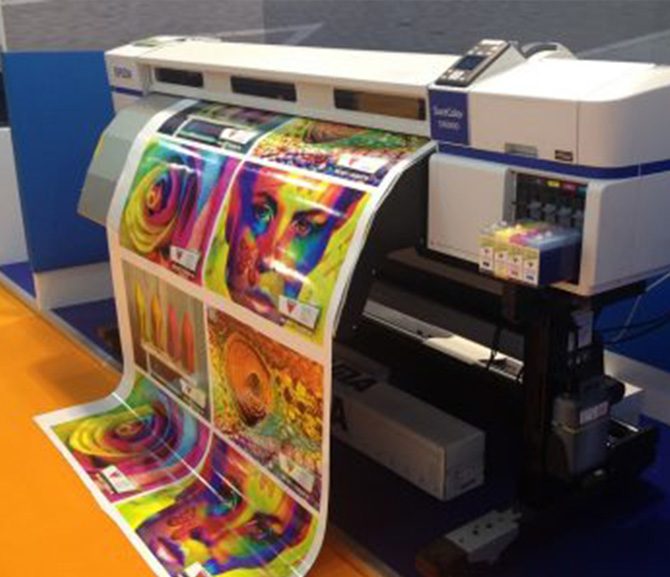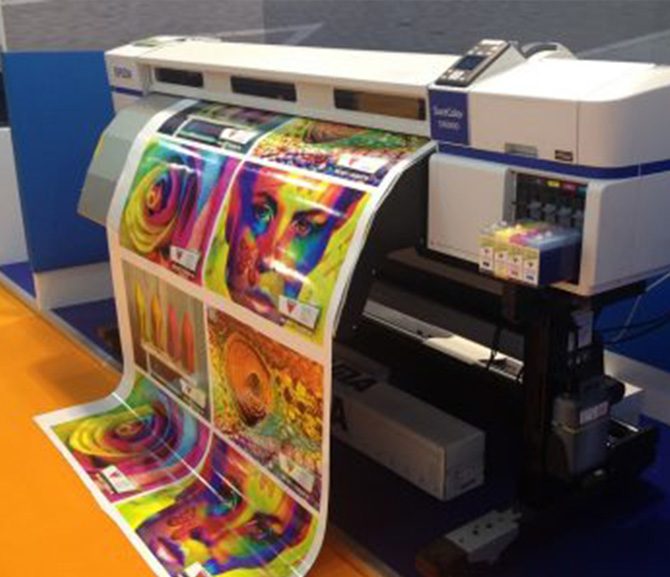
Overview of Colour Printing
Colour printing stands as a cornerstone in the printing industry, offering vibrant, detailed, and visually compelling visuals across a diverse array of materials. From marketing collateral and product packaging to banners and promotional items, the ability to produce rich, accurate colours is integral to effective communication and branding strategies. In Singapore's competitive market landscape, businesses rely heavily on colour printing to differentiate their products and convey professionalism, creativity, and clarity to their target audiences.
At its core, colour printing involves reproducing images and text in multiple shades, utilizing a combination of ink layers, digital outputs, or offset printing techniques. The significance of colour printing extends beyond aesthetic appeal—it enhances brand recognition, improves message retention, and elevates the overall quality of printed materials. As digital technology advances, the demand for high-quality, accurate colour reproduction has increased, prompting service providers to adopt sophisticated colour management systems and state-of-the-art printing equipment.
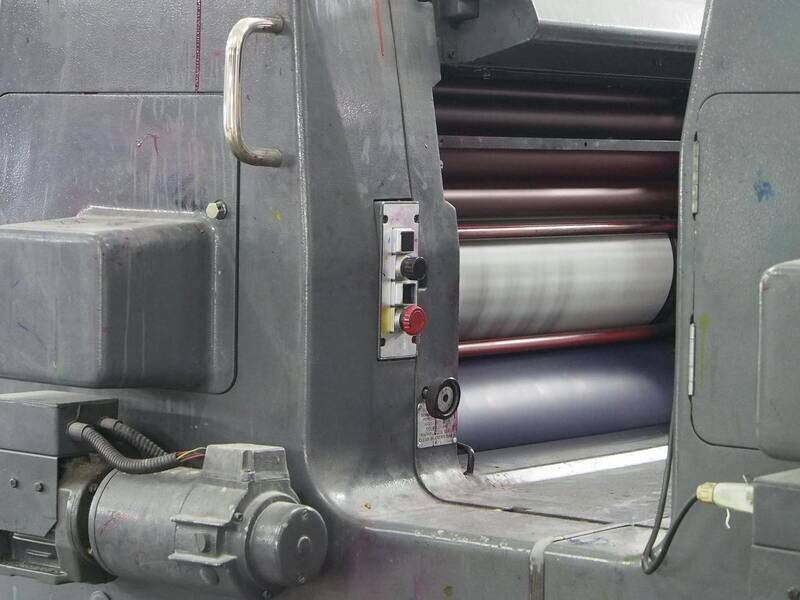
Industries such as retail, hospitality, corporate sectors, and advertising agencies depend heavily on colour printing to produce impactful visual content. Whether it's running a marketing campaign, designing packaging that attracts consumer attention, or printing eye-catching signage, the ability to accurately reproduce a wide spectrum of colours is crucial. In Singapore, where global commerce and local enterprise intersect, colour printing acts as a vital tool to create compelling visual narratives that resonate across various platforms and materials.
Different Types of Colour Printing Techniques
Colour printing encompasses a range of methods, each suited to specific project requirements, volume, and material considerations. The most prevalent techniques include digital printing, offset printing, flexography, and gravure printing, among others. Understanding the distinctions between these methods helps in selecting the most appropriate process to achieve desired quality, cost-efficiency, and turnaround times.
Digital Colour Printing
Digital colour printing offers rapid production capabilities with minimal setup, making it ideal for short runs and customized projects. It involves directly printing digital images onto substrates using inkjet or laser printers. The high level of detail, precision, and versatility makes digital colour printing suitable for on-demand jobs such as business cards, brochures, and personalized promotional items.
Offset Colour Printing
Offset printing employs a printing plate system to transfer ink onto the chosen substrate. It is highly suitable for large-volume jobs requiring consistent colour accuracy and high-quality output. Offset presses can reproduce a broad color spectrum with fine detail, making them the preferred choice for mass production of magazines, catalogs, and extensive marketing materials.
Flexography and Gravure Printing
Primarily used for packaging, labels, and flexible materials, flexography utilizes flexible relief plates to apply ink onto various substrates. Gravure, involving etched cylinders, provides high-quality, continuous-tone images particularly suited for packaging and wallpaper production. Both techniques support vibrant colour applications essential to brand visibility and consumer appeal.
Choosing between these methods depends on factors such as project scope, desired turnaround time, budget constraints, and quality expectations. In Singapore’s competitive environment, professional printing services judiciously select appropriate techniques to ensure optimal results for each client project.
Color Accuracy and Management
Achieving precise color reproduction is a critical aspect of professional colour printing. To ensure consistency and fidelity to the original design, print providers utilize advanced color management systems. These systems include calibrated monitors, standardized color profiles, and high-quality color calibration tools that synchronize digital files with printed outputs.
Color calibration begins with creating a profile for each device, such as monitors and printers, establishing a common language for color information. This process enables the transformation of digital colors into printable formats that match the designer’s intent. As a result, clients can trust that their printed materials will reflect the intended hues, saturation, and brightness without unexpected shifts.
Consistent color matching across different batches and mediums is achieved through iterative printing and verification processes. Color management workflows often incorporate test prints, spectrophotometers, and visual assessments to detect and correct deviations before full production begins. This meticulous approach ensures high standards of quality, especially for branding materials where color fidelity directly influences brand recognition and perception.
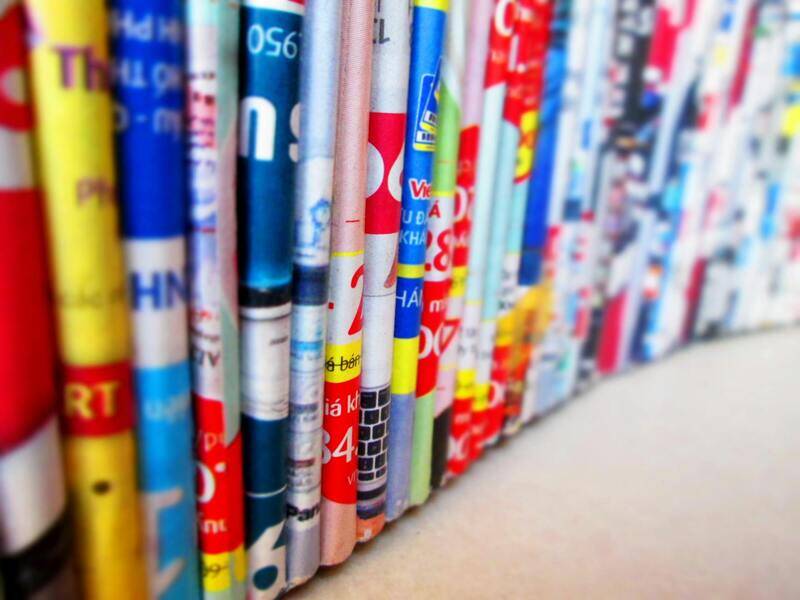
Materials and Substrates Suitable for Colour Printing
The choice of substrate plays a vital role in the final appearance and durability of printed colours. Different materials respond uniquely to ink or toner application, impacting brightness, vibrancy, and longevity. Common substrates for colour printing include:
- Paper and Cardstock: Popular for brochures, flyers, and business cards, available in gloss, matte, silk, and textured finishes.
- Vinyl and Polypropylene: Used for banners, signage, and outdoor displays due to their weather-resistant properties.
- Fabric: Suitable for textile printing on apparel, banners, and promotional items requiring vibrant colours and durability.
- Plastic Films: Ideal for product labels, packaging, and waterproof applications.
Each substrate’s surface texture, porosity, and thickness influence how inks are absorbed and how colours appear. Professional printers assess these factors when selecting materials to ensure optimal vibrancy and longevity. Additionally, environmentally friendly and recyclable substrates are increasingly prioritized to align with sustainability goals.
Different Types of Colour Printing Techniques
When it comes to achieving vibrant, accurate, and durable colour output, selecting the appropriate printing technique is crucial. Each method offers distinct advantages, tailored to specific project requirements, budget considerations, and substrate types. Here is an overview of the most widely used colour printing techniques adopted by professional print providers, ensuring high-quality results for diverse applications.
Offset Colour Printing
Offset lithography remains a preferred choice for high-volume colour printing projects. In this process, image layers are transferred from a metal plate to a rubber blanket, then onto the printing substrate. This method excels in producing sharp, consistent colours across thousands of prints. It offers precise colour matching and high resolution, making it suitable for marketing brochures, magazines, and packaging materials where colour fidelity and detail are paramount. Offset printing also benefits from a wide colour gamut, allowing for complex, multi-layered colour reproductions.
Digital Colour Printing
Digital printing employs advanced inkjet or laser technology to produce images directly from digital files without the need for plates. This method is highly versatile, especially for short runs, custom projects, or when quick turnaround times are essential. Digital colour printing offers excellent colour accuracy and can handle a variety of substrates, including coated and uncoated papers, plastics, and textiles. It is ideal for on-demand printing, personalized marketing materials, and promotional items where flexibility and speed are valued.
Flexography
Flexography is a popular printing process suited for packaging, labels, and flexible materials. It uses fast-drying inks applied via flexible relief plates, making it highly efficient for producing large runs of colourful packaging with vibrant, consistent colours. This technique is compatible with a broad range of substrates, including plastics, foil, paper, and film, enabling high-quality printing for product wrapping and container labels.
Giclée Printing
Primarily used in fine art reproductions and photographic prints, giclée printing uses high-quality inkjet technology with archival inks to produce images with a vast colour spectrum and exceptional detail. This method ensures colour accuracy and longevity, making it an excellent option for gallery-quality prints, limited editions, and photographic artwork. Giclée printing supports various textured media, enhancing creative expression through rich, true-to-life colours.
Screen Printing
Screen printing involves pressing ink through a mesh screen that has been prepared with a stencil of the design. It is especially effective for bold, vibrant colours and can be used on a variety of substrates, including textiles, plastics, glass, and metal. Screen printing is widely used in promotional items such as T-shirts, signage, and custom merchandise, offering durability and vivid colour saturation. Its ability to produce opaque colours on dark backgrounds makes it a versatile and reliable technique for specific branding applications.
Choosing the right technique depends on factors such as project volume, substrate compatibility, colour vibrancy, and timeline. Professional printers assess these parameters carefully to determine the optimal method, ensuring that the final product meets the highest standards of colour accuracy, durability, and visual impact. With ongoing technological advancements, the scope of colour printing continues to expand, offering clients innovative solutions to enhance their branding and marketing efforts.
Overview of Colour Printing
Colour printing encompasses a diverse range of printing methods designed to produce vibrant, high-quality images across various media. From digital presses handling small batches to large-format printers capable of creating billboard-worthy visuals, the spectrum of colour printing techniques caters to the specific needs of different industries. At its core, colour printing aims to faithfully reproduce colors and details, ensuring that the final output aligns with client expectations and branding standards. The process involves meticulous calibration of printers, inks, and substrates to maintain consistency and vibrancy across multiple print runs. As a result, businesses benefit from capable solutions that enhance visual storytelling, promote brand recognition, and communicate messages with compelling clarity. An understanding of the different printing methodologies, their respective strengths, and suitable applications is essential for selecting the right approach to achieve optimal results.

Different Types of Colour Printing Techniques
In the realm of professional printing, several established techniques deliver exceptional colour quality and precision. Each method is suited for specific substrates, project scales, and visual effects, making it important to match the technique to the intended application.
- Digital Colour Printing: Ideal for short runs and personalized projects, digital printing allows for quick turnaround times with excellent colour fidelity. It employs inkjet or laser technology to produce vibrant images directly from digital files without the need for extensive setup.
- Offset Printing: Known for high-volume production, offset printing offers superior colour consistency and quality. It involves transferring ink from a plate to a rubber blanket, then onto the substrate. This method is cost-effective for large quantities of marketing collateral, brochures, and packaging with complex colour requirements.
- Giclée Printing: Primarily used in fine art reproduction, giclée employs archival-quality inks and high-resolution printers to produce gallery-standard prints. This process supports a wide colour gamut, providing rich, true-to-life colours on textured media such as canvas and fine art paper.
- Screen Printing: Suitable for bold, vibrant colours on various materials, screen printing presses ink through a mesh stencil onto the substrate. It excels in printing on textiles, plastics, and other surfaces requiring durability and opaque colours, common in promotional items and signage.
Color Accuracy and Management
Achieving consistent colour accuracy is critical in professional printing. Color management involves a combination of calibrated hardware, standardized workflows, and color profiles to ensure that the output matches the original design intent. Color calibration begins with high-quality monitors used for design and proofing, followed by ICC profiles that define how colours are rendered across different devices and media.
Color profiling software is utilized to convert digital files into device-specific colour spaces, reducing discrepancies that may occur due to variations in inks, substrates, and printing equipment. For high-end print projects, proofing stages with color-accurate colour swatches and digital proofs help verify that the final product will meet precise expectations.
Maintaining a controlled environment with optimal lighting and humidity levels is also essential to prevent colour shifts during printing and drying processes. These meticulous practices ensure that every print reflects the intended hues, saturation, and tonal balance, strengthening brand consistency and visual impact over multiple print runs.
Materials and Substrates Suitable for Colour Printing
Choosing the right materials and substrates is crucial to achieving high-quality colour prints that are vibrant, durable, and true to the original design. The selection depends heavily on the intended application, environmental conditions, and the type of colour printing technique employed. For instance, paper and card stock are among the most common substrates used in offset and digital printing, offering a smooth surface that supports accurate colour reproduction and sharp details. Specialty papers such as gloss, matte, and textured varieties can add different visual and tactile effects, enhancing the overall presentation.
When printing on plastics, such as for packaging or promotional items, materials like PVC, PET, and acrylic sheets are frequently used. These substrates require printing methods like UV printing or solvent-based inks that adhere well to non-porous surfaces and withstand environmental exposures such as moisture and UV light. Fabric materials, including cotton, polyester, and blends, are suitable for textile printing techniques like screen printing and direct-to-garment printing. These fabrics demand inks that penetrate fibres for longevity and colour vibrancy.

Specialty substrates such as transparent films, holographic materials, and metallic Foils expand possibilities for creative and premium applications in branding and packaging. For these, compatibility with specific inks and printing processes must be verified to ensure colour fidelity and adhesion. Additionally, environmentally friendly substrates made from recycled or biodegradable materials are increasingly in demand, aligning with sustainable printing practices without compromising colour vibrancy and durability.
Maintaining compatibility between the substrate's surface properties and the specific colour printing technique is key. Surface treatments like coating, glossing, or priming can improve ink adhesion, colour richness, and print longevity, especially on challenging materials. Proper testing and proofs are essential before large-scale production to ensure that the chosen substrates will deliver consistent and vibrant colour output across different print runs.
Optimal Methods for Achieving Vivid and Accurate Colour Printing
When aiming for high-quality colour printing, selecting the appropriate printing process and understanding the materials involved are crucial. For vibrant and precise colour reproduction, digital printing methods such as inkjet and laser printing are highly effective, especially for small to medium production runs. Inkjet printing, in particular, allows for detailed colour gradations and vivid hues, making it suitable for premium marketing materials, photographic reproductions, and custom designs.

For larger volumes and applications requiring extended durability, offset printing continues to be a preferred choice. Modern offset presses are equipped with advanced colour management systems that allow for precise colour matching and consistency across extensive print runs. The use of CMYK colour models combined with spot colours enhances the vibrancy and accuracy of printed materials, ensuring that branding colours remain faithful to original design specifications.
Understanding Colour Management Systems
Implementing comprehensive colour management workflows is essential for achieving reliable results in colour printing. This involves calibrating printers with colour profiles tailored to specific substrates and inks, minimizing colour deviations. Profiling ensures that the colours seen on the screen accurately translate to the final printed product, maintaining consistency across different batches and printing environments.
Techniques for Maintaining Colour Fidelity
- Use of High-Quality Inks: Investing in premium inks designed for specific substrates ensures better colour vibrancy and longevity.
- Colour Profiling and Calibration: Regular calibration of equipment and use of color profiles tailored to each print job reduce inconsistencies.
- Proofing Processes: Digital and traditional proofs help verify colour accuracy prior to mass production, preventing costly reprints.
- Consistent Substrate Selection: Choosing uniform materials with predictable absorption and surface properties improves colour consistency.
Advanced print technologies, such as UV printing, facilitate exceptional colour richness on a variety of challenging surfaces, including non-porous materials. Similarly, solvent-based or eco-solvent inks are suitable for outdoor signage and promotional items, offering vibrant colours combined with weather resistance.
Ensuring Longevity and Vibrancy of Printed Colours
Post-print treatments such as varnishing or UV coating can enhance colour depth and protect against fading. Proper storage conditions also play a role in maintaining the vibrancy of printed pieces over time. In addition, choosing substrates with receptive coatings or priming layers can improve ink adhesion and colour brightness, especially on surfaces that are inherently difficult to print on.

Ultimately, successful colour printing hinges on a synergy between precise colour management, suitable materials, and advanced printing techniques. Whether for marketing campaigns, branded packaging, or personal projects, meticulously planning each element ensures that the final product meets the desired visual standards and effectively communicates your intended message.
Materials and Substrates Suitable for Colour Printing
The choice of materials and substrates is crucial in achieving vivid, accurate, and durable colour prints. Different substrates have unique surface textures, absorption properties, and chemical compositions that influence how inks interact and develop on the surface. Selecting the appropriate substrate not only enhances colour vibrancy but also ensures longevity and consistency across prints.
Common Materials Used in Colour Printing
- Paper and Cardstock: Widely used for their versatility, affordability, and ease of printing. Papers vary in weight, coating, and texture, which impacts ink absorption and colour richness. Glossy, matte, and satin finishes are popular choices, each providing different visual effects.
- Plastic and PVC: Ideal for durable signage, labels, and promotional items. These materials are often coated or receptive to specific inks, allowing for high-resolution, vibrant images that withstand weather and handling.
- Fabric/Textiles: Used in fashion, banners, and customized apparel. Sublimation printing and direct-to-garment (DTG) printing are common techniques, enabling bright, detailed colours that are washable and durable.
- Glass and Ceramics: Suitable for decorative items and personalized gifts. Special ink formulations and printing methods, such as UV printing or ceramic decals, are essential for achieving colour depth and adhesion on smooth, non-porous surfaces.
- Metal Surfaces: Employed in signage, awards, and promotional products. Metal substrates require specific inks that adhere well and resist environmental factors, often utilizing UV or solvent-based printing methods.
Factors to Consider When Selecting Substrates for Colour Printing
- Compatibility with Ink Types: Confirm that the substrate supports the specific ink formulation used in your printing process to prevent smudging, fading, or adhesion issues.
- Surface Texture: Smooth surfaces typically produce sharper images and colours, while textured surfaces can add visual interest but may require adjustments in printing parameters.
- Durability Requirements: For outdoor or exposed environments, choose substrates with weather-resistant coatings or properties to maintain vibrancy and structural integrity over time.
- Environmental Impact: Eco-friendly substrates, such as recyclable paper or biodegradable plastics, align with sustainable printing practices and appeal to environmentally conscious consumers.
Innovations in Material Usage for Enhanced Colour Printing
Advanced coatings and receptive layers on substrates improve ink adhesion and colour brightness, especially on challenging surfaces. For example, primer layers or specialized coatings can dramatically enhance the quality of colour reproduction on non-porous materials, resulting in cleaner, more vivid images. Additionally, the development of recyclable and biodegradable substrates supports eco-conscious printing initiatives without compromising colour quality or durability.

Insights into Colour Printing Techniques
Mastering various colour printing methods is critical for achieving optimal visual results and meeting diverse project requirements. Alongside traditional methods such as offset printing, digital printing techniques have gained popularity due to their flexibility and efficiency for short runs and on-demand jobs.
Offset Colour Printing
This conventional technique offers high-quality, consistent colour reproduction suitable for large volumes. It involves transferring ink from metal plates onto rubber blankets and then onto substrates. Offset printing is highly reliable for producing vivid colours with precise detail, especially on coated or smooth surfaces.
Digital Colour Printing
Digital printing directly transfers digital images onto substrates using inkjet or laser technology. Its advantages include rapid turnaround times, minimal setup costs, and the ability to customize individual prints. This method is ideal for small batches, personalized products, and projects requiring quick delivery while maintaining excellent colour fidelity.
Screen Printing for Colour Layers
Often used for applying bold, vibrant colours on various surfaces including textiles, plastics, and signage. Multiple screens allow layer-by-layer application of different colours, creating rich and durable images. Screen printing is especially effective for complex, multi-coloured designs with high opacity and vivid contrasts.

Innovations in Digital and Hybrid Techniques
The integration of new digital imprinting technologies with traditional methods has led to hybrid processes that combine the best of both worlds. These advancements enhance colour accuracy, reduce waste, and enable innovative designs with complex colour gradations and effects.
Color Accuracy and Management
Achieving precise colour reproduction requires meticulous management of colour profiles and calibration across printing devices. Using standardized colour management systems, such as ICC profiles, helps ensure consistent results regardless of the equipment or substrate used.
Implementing colour calibration protocols and performing regular maintenance on equipment minimize colour shifts and inconsistencies. Additionally, adopting high-quality inks with stable colour characteristics further supports accurate rendering of hues, shades, and gradients in printed material.
Color matching software and live proofing technologies enable real-time verification before mass production, decreasing revisions and wastage while maintaining brand consistency and visual impact.
Materials and Surfaces Optimized for Colour Printing
The choice of substrate significantly influences colour vibrancy and durability. High-quality coated papers, vinyls, and textiles enable sharper image reproduction and richer colours. Preparatory surface treatments, such as priming or applying receptive coatings, can enhance ink adherence and colour brightness, especially for non-porous or textured materials.

Application Spectrum of Colour Printing
Within commercial printing, colour applications extend across marketing collateral, packaging, signage, and promotional items. For instance, retail packaging relies heavily on vibrant and eye-catching colours to attract consumers and differentiate products. Business stationery and branded merchandise benefit from consistent colour reproduction to reinforce brand identity.
Advanced colour printing techniques also facilitate short-run personalized items, such as custom labels and event banners, allowing brands to connect more intimately with their target audiences.
Cost Considerations in Colour Printing
The overall expenses of colour printing are influenced by several factors, including the complexity of the design, volume, choice of materials, and required finishing processes. Higher colour fidelity and detailed images generally demand more sophisticated equipment and premium inks, impacting cost.
- Material Costs: Premium substrates and specialised coatings typically increase expenses but deliver higher quality results.
- Setup and Prepress: Intricate colour management, proofing, and calibration add to initial costs, especially for high-precision projects.
- Operational Efficiency: Larger production runs tend to lower per-unit costs due to economies of scale, though short runs benefit from digital flexibility despite higher unit costs.
The Role of Environmental and Quality Protocols
Implementing environmentally conscious practices is crucial in modern colour printing. Eco-friendly inks, recyclable substrates, and waste reduction strategies help minimize environmental impact while maintaining high print quality. Compliance with industry standards ensures consistency, durability, and safety across all printed products, reinforcing the commitment to sustainable and superior printing practices.