Understanding Color Printing Technology
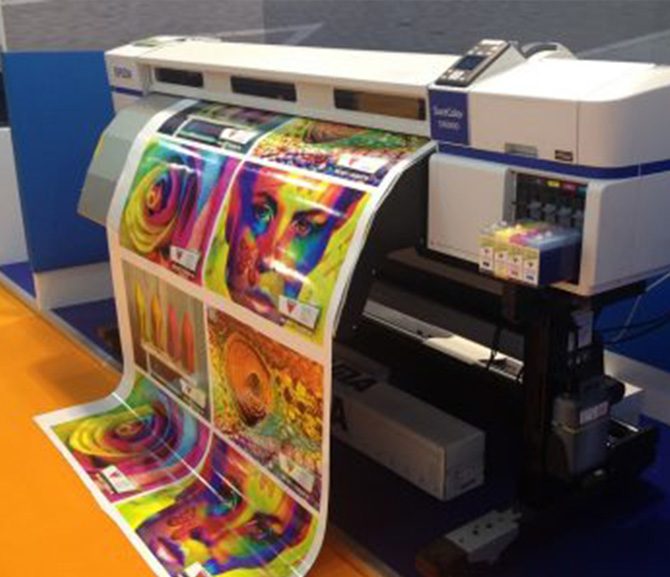
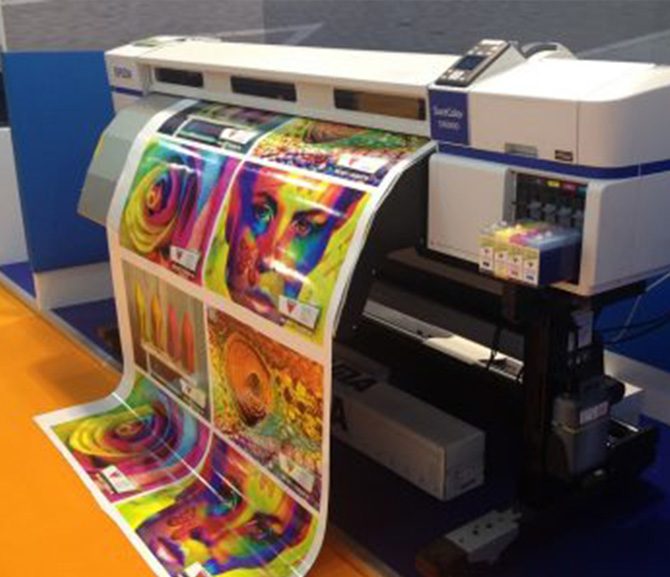
Color printing has revolutionized the way businesses and individuals produce visual materials, offering a vivid, precise, and professional appearance for various applications. The core of effective color printing lies in the choice of technology and the method used to reproduce images and graphics with vibrant hues and sharp details. Among the most prevalent techniques are digital printing and offset printing, each serving different needs depending on volume, cost, and quality requirements.
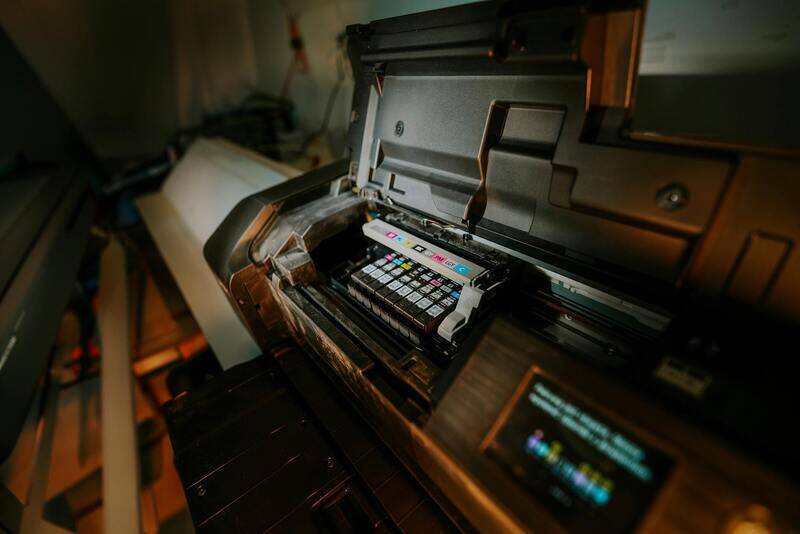
Digital color printing is renowned for its speed and flexibility. It directly transfers digital images onto substrates using advanced inkjet or laser printers. This method is ideal for short runs, customized prints, and projects requiring quick turnaround times. Digital printers utilize a combination of color cartridges and toners to produce a broad spectrum of colors, ensuring high fidelity to the original design. The process allows for intricate color gradients and detailed imagery, making it a popular choice for marketing materials, invitations, and small batch visual content.
Offset printing remains a staple in high-volume, high-quality color reproduction. It employs a printing plate system where images are transferred (offset) onto a rubber blanket before reaching the final substrate. This technique allows for the precise reproduction of colors and sharp details, especially when printing large quantities. Offset presses use CMYK color models (cyan, magenta, yellow, and black) blended through ink application to achieve a vast array of hues and subtle color transitions.


Understanding Color Printing Technology
Color printing relies heavily on the precise application of inks and advanced machinery to produce vivid, accurate, and consistent images across various materials. The core technologies involve digital and offset printing systems, each with unique capabilities tailored to different project requirements. Digital color printing utilizes electronically controlled presses that can quickly adapt to changes, making it optimal for short runs or personalized prints. These presses use toner or liquid inks that are finely controlled to produce high-resolution images with exceptional color fidelity.
Offset printing remains a cornerstone for large-scale production due to its efficiency and superior color quality. This process employs plates to transfer ink onto rubber blankets, which then print onto the substrate. Offset presses benefit from precise ink control mechanisms ensuring consistent color reproduction even over extensive runs. Both digital and offset approaches are complemented by sophisticated color management systems, which utilize software profiles to calibrate the output, minimizing color discrepancies and ensuring harmony across different batches and substrates.
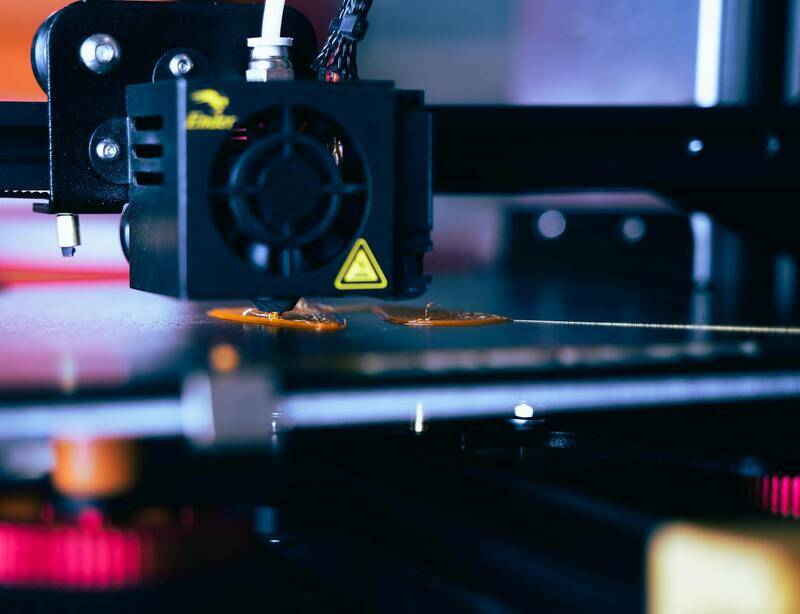
Choosing between these technologies depends on project scale, desired turnaround time, and detailed quality standards. While digital color printing provides fast execution with easy adjustments for customization, offset printing excels in producing consistent, richly hued images in large quantities. Both methods incorporate advanced color management, including color profiles (ICC profiles) and calibration techniques, which are essential for maintaining color accuracy and consistency regardless of the device or substrate used.
Effective color management begins with selecting the correct color mode, such as CMYK for print or RGB for digital display, and ensuring that profiles are accurately applied throughout the workflow. This alignment guarantees that colors appear as intended from digital design to final print, which is vital for branding consistency and visual impact. Hardware calibration of printers and monitors further ensures that colors match across every stage, maintaining quality integrity.
Images of Color Printing Systems
Optimizing Color Printing Results Through Proper Calibration and Maintenance
Achieving high-quality color printing begins long before the first ink touches the substrate. It hinges on rigorous calibration and ongoing maintenance of the printing equipment. Regular calibration ensures that the color output remains consistent and true to the digital design, which is especially critical when producing large quantities or complex color schemes.
Proper calibration involves adjusting both the printer hardware and the monitor used during design to create an accurate color workflow. Printer calibration typically includes generating and printing a test chart, then adjusting ink densities and color parameters based on the output. Similarly, monitor calibration ensures that the colors displayed on the designer’s screens reflect the true colors that will be printed, preventing miscommunication and costly reprints.
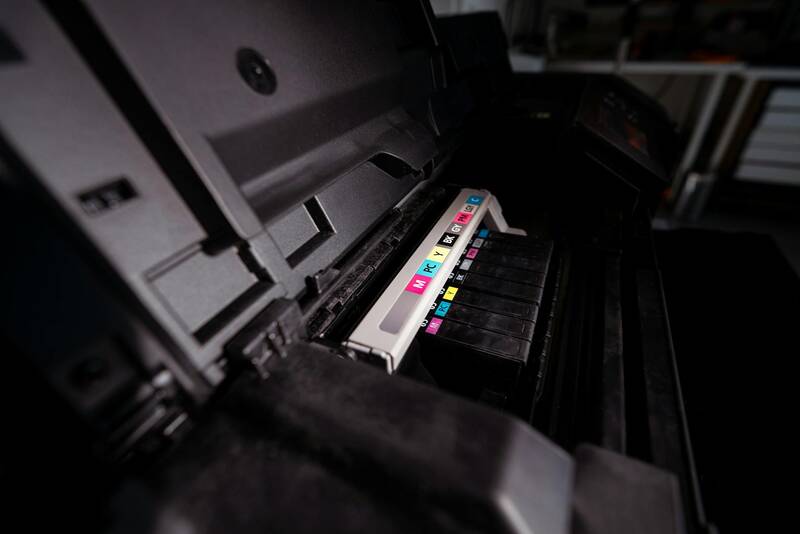
Maintenance is equally important to sustain the precision of the color printing system. This includes cleaning print heads, replacing worn-out components, and verifying that ink or toner levels are optimal. Consistent maintenance reduces the risk of artifacts, banding, or color inconsistencies that can compromise the aesthetic quality of the final product.

Utilizing advanced software tools that enable real-time color management adjustments further enhances the consistency of output. These tools allow operators to set specific color profiles tailored to particular materials and inks, facilitating precise color reproduction regardless of external variables.
Another critical aspect involves controlling the environment where printing occurs. Maintaining a stable temperature and humidity level prevents ink drying issues and ensures uniform color application. Environmental stabilization complements calibration efforts, providing a controlled setting that supports high-quality color production.

Incorporating quality control checkpoints during the printing process, such as inspecting color fidelity after initial runs, allows for adjustments before full-scale production. This proactive approach minimizes waste and guarantees that the color output aligns with the original design specifications, meeting rigorous industry standards for vibrancy, accuracy, and consistency.
By prioritizing calibration, meticulous maintenance, and environment control, businesses can optimize their color printing process. These practices ensure each print accurately captures the intended colors, delivering consistent results that reinforce brand identity and elevate marketing effectiveness.
Methods for Achieving High-Quality Color Printing
To attain the vibrant, accurate, and consistent color output required in professional printing, several meticulous methods are employed. Precision in color reproduction hinges on the utilization of advanced printing techniques that are designed to control and enhance color fidelity throughout the process. One such method involves the use of high-resolution digital printers equipped with sophisticated color management systems. These systems leverage calibrated color profiles and real-time color adjustments to ensure that incoming digital designs are translated onto various substrates with minimal deviation.
Another prominent method is the application of offset printing, which is renowned for its ability to produce high-volume, high-quality color images consistently. Offset printing uses precise color plates that are developed based on accurate color separations derived from digital files. This technique excels in reproducing complex color gradients, accurate color matching, and vibrant images due to its complex ink layering processes and the use of high-quality inks.
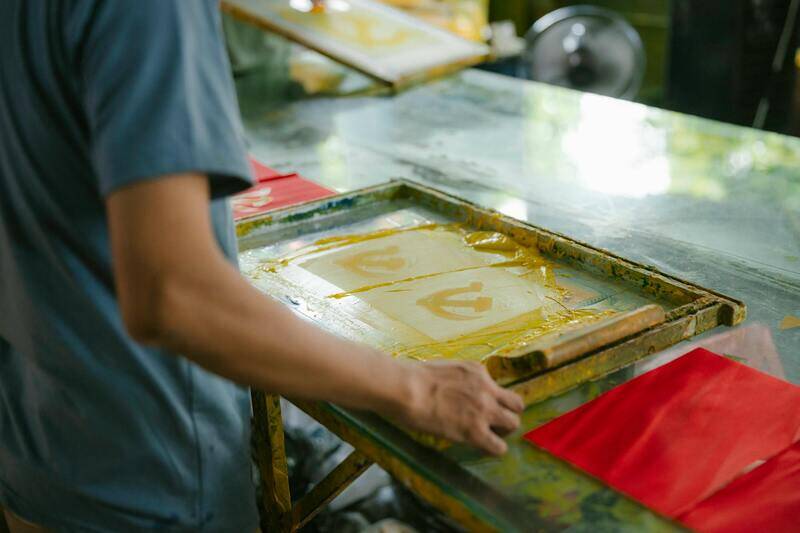
Furthermore, the integration of screen printing techniques, especially for specialty materials or unique design effects, enables color printing with thick ink layers and vibrant finishes. For textile, glass, or promotional merchandise, screen printing supports vibrant colors and durability, which are essential for branding and promotional activities.

Quality control remains a cornerstone in the pursuit of exceptional color printing. Regular calibration of printing equipment, combined with rigorous inspection checkpoints, ensures that each print run adheres to the desired color standards. Employing tools like spectrophotometers and colorimeters allows operators to objectively measure color accuracy, making precise adjustments as needed. This systematic approach minimizes color inconsistencies and waste, resulting in reliable and predictable output.
In addition to technological methods, selecting the appropriate inks plays a vital role. Manufacturers now offer a range of high-performance, pigment-based inks that provide enhanced color vibrancy, fade resistance, and compatibility with various materials. The choice of ink, combined with suitable printing techniques, helps in achieving the artwork's original palette with depth and brilliance.
Achieving superior color printing also involves controlling environmental factors such as temperature, humidity, and paper or material storage conditions. Overall, a comprehensive approach that combines cutting-edge technology, meticulous material choice, and controlled environment results in outstanding color fidelity, enabling businesses to produce visually compelling and accurate printed materials that meet their branding and communication objectives.
Understanding Color Printing Technology
Color printing technology encompasses a range of advanced methods designed to reproduce vibrant and precise colors on various materials. At the core of this technology are digital and traditional printing processes that utilize multiple ink colors—typically cyan, magenta, yellow, and black (CMYK)—to create a broad spectrum of hues. Modern presses integrate sophisticated components like high-resolution printheads and color management systems to ensure consistency and accuracy across print runs. The use of high-quality substrates tailored for color fidelity further enhances the depth and vibrancy of printed images.
Color printing technology is driven by continual innovation, including the development of eco-friendly inks, faster drying processes, and enhanced print resolution. These advancements enable the production of detailed, colorful graphics suitable for marketing materials, packaging, and fine art reproductions. High-end printers also utilize multi-pass printing techniques, layering inks to achieve richer colors and textures that elevate the visual impact of the final product.
Critical to successful color printing is the precision of the process, which relies on advanced calibration methods and color consistency standards. These include the integration of spectrophotometers and colorimeters that measure ink accuracy and color fidelity throughout production. Such measures help maintain uniformity between batches, ensuring any color discrepancies are minimized and final outputs align with clients' expectations.
Color Mode and Color Management
Color mode selection is fundamental in achieving desired print outcomes. The most common modes include RGB (Red, Green, Blue) and CMYK (Cyan, Magenta, Yellow, Black), each suited to specific applications and media. RGB is predominantly used for digital displays, while CMYK is standard for printed materials. Converting designs from RGB to CMYK requires careful color management to preserve vibrancy and avoid unintended dulling of hues.
Effective color management involves using color profiles and software that control how colors are reproduced across devices and substrates. These profiles calibrate monitors, printers, and scanners, providing a unified reference that minimizes color shifts. Proofing processes, such as soft proofs and printed proofs, enable designers and clients to preview colors accurately before production, reducing waste and ensuring satisfaction.
Benefits of Using Color Printing
The ability to reproduce a wide array of colors lends a competitive edge to printed materials. Bright, vibrant colors attract attention, reinforce branding, and communicate messages more effectively. Color printing enhances visual appeal in product packaging, business cards, brochures, and posters, making them stand out in crowded environments.
Moreover, high-quality color printing supports product differentiation by allowing brands to convey their identity consistently across all collateral. The durability of color inks—especially fade-resistant pigment-based options—ensures that printed materials maintain their vibrancy over time, preserving brand integrity and aesthetic value.
Accurate color reproduction also improves the clarity and legibility of detailed images, charts, and photographs, which is particularly important for industries such as fashion, photography, and fine arts. Coupled with cost-effective production techniques, color printing offers a balance between quality and efficiency that appeals to a diverse range of business needs.
Types of Materials Suitable for Color Printing
Color printing is versatile and can be applied to an extensive range of substrates, including paper, cardboard, vinyl, plastic, fabric, and specialty media. The choice of material depends on the intended use, durability requirements, and desired finish. For instance, glossy photo papers excel in producing high-resolution, vibrant photographs with depth and sheen, while matte papers are preferred for elegant business reports or artistic prints that require a subdued finish.
For outdoor applications, weather-resistant materials such as vinyl and polyester are ideal, as they withstand exposure to sunlight and moisture without significant color degradation. For packaging, corrugated cardboard with coated surfaces allows for high-quality color printing while maintaining structural integrity.
Specialty materials like transparent films or textured papers can also be used to create unique visual effects, adding a tactile dimension to the printed piece. The selection of suitable materials is critical to maximizing color quality and ensuring the longevity of the print.
Understanding Color Printing Technology
Color printing technology has evolved significantly, integrating advanced methods to produce vivid, precise, and durable images on various substrates. The fundamental process involves the use of multiple ink colors—typically cyan, magenta, yellow, and black (CMYK)—which are combined in precise proportions to generate a broad spectrum of hues. Modern color printing technologies, such as inkjet and digital presses, utilize sophisticated hardware and software controls to achieve highly detailed and consistent color reproduction. These systems can handle complex gradients, fine detail, and photographic quality images, making them ideal for commercial and artistic applications alike.
Digital color printers employ rapid, on-demand printing capabilities that facilitate quick turnaround times without sacrificing quality. They are equipped with advanced color management systems that calibrate ink densities and color profiles to ensure that the final output accurately reflects the digital design. Additionally, UV inkjet printers and large-format printers have broadened the scope of color printing, allowing for high-quality outputs on a variety of materials beyond paper, such as vinyl, fabric, and plastics.

Color Mode and Color Management
Effective color printing starts with proper color mode selection and management. Digital design files are typically created using RGB color mode, which offers a wider color gamut suited for screens. However, for printing purposes, converting images to CMYK color mode ensures better color fidelity when transferring designs to physical media. This conversion is crucial because each color mode has different color ranges, and improper management can lead to dull or inaccurate colors in the final print.
Color management involves the use of ICC profiles and calibration processes. ICC profiles serve as standardized color references that help maintain color accuracy throughout the workflow, from digital design to printed output. Regular calibration of printers, monitors, and color profiles ensures consistency and minimizes color shifts, especially when printing large batches or complex images. High-end color management systems incorporate spectral analysis to match ink sets and media profiles precisely, resulting in vibrant, consistent colors on every print run.
Benefits of Using Color Printing
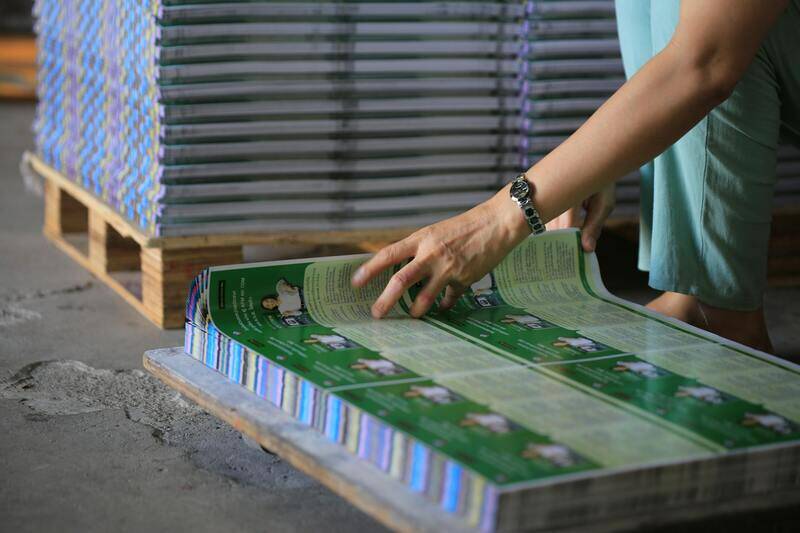
- Enhanced Visual Impact: Bright, eye-catching colors attract attention and convey messages more effectively.
- Greater Detail and Depth: Ability to reproduce complex images, photographs, and subtle gradients with high fidelity.
- Versatility in Applications: Suitable for marketing materials, packaging, fine art reproductions, and customized products.
- Improved Brand Representation: Consistent color matching reinforces brand identity and professional appearance.
- Customer Engagement: Vibrant visuals enhance customer interest and interaction with printed materials.
Types of Materials Suitable for Color Printing
Color printing offers remarkable flexibility, capable of producing high-quality outputs on an extensive array of substrates. The choice of material depends on the specific project requirements, including durability, appearance, and intended use. Standard options include various types of paper—ranging from glossy, matte, to satin finishes—each providing different visual effects and tactile sensations. For outdoor applications, weather-resistant materials such as vinyl and polyester are preferred for their ability to withstand environmental exposure.
Specialty media like transparent films, textured papers, and magnetic sheets enable the creation of unique visual and tactile effects. Vinyl wraps and canvas fabrics are popular choices for large-format prints such as banners, murals, and signage. For product packaging, coated cardboard and plastic substrates facilitate vibrant and durable color reproduction essential for high-end retail displays.
Design Considerations for Color Printing
When designing for color printing, careful consideration must be given to color harmony, contrast, and the overall visual hierarchy. Using a limited color palette can simplify the printing process and ensure color consistency across prints. Designers should utilize color management tools to preview how colors will look in the printed output, allowing adjustments before production begins.
Resolution and image quality are critical factors—high-resolution images ensure sharp details and smooth gradients. Additionally, understanding the printing process and media properties can influence design choices, such as avoiding overly fine details that may not reproduce well on certain substrates. Incorporating elements like color separations and bleed areas ensures that the final product aligns precisely to the intended design.
Quality Control in Color Printing
Maintaining high standards in color printing requires comprehensive quality control measures that encompass every stage of the production process. To achieve exact color reproduction, consistent calibration of printing equipment is essential. This includes regular adjustments to printers to ensure colour profiles remain accurate, avoiding discrepancies between digital design and printed output.
Color management systems play a vital role in this process. These systems utilize standardized colour profiles, such as ICC profiles, to ensure that colours are rendered consistently across different devices and media. Proper calibration and profiling help prevent colour shifts, ensuring that the hues, saturation, and tones match the original design intentions.
Another critical aspect involves verifying material compatibility. Different substrates can react distinctively to printing inks, which can alter the final colour appearance. Conducting test prints on a small scale allows for adjustments before mass production, minimizing wastage and ensuring the final product meets expectations.
Quality assurance protocols also include inspections at various stages. Visual checks are complemented by colour measurement tools, such as spectrophotometers, which quantitatively assess colour accuracy. These devices compare sample prints against reference standards, providing precise data to guide necessary adjustments. Real-time monitoring systems can alert operators to colour deviations immediately, preventing defective batches from progressing further in the workflow.
Furthermore, environmental controls within the printing facility support high-quality colour reproduction. Maintaining stable temperature and humidity levels reduces material and ink fluctuations that could impact colour fidelity. Proper storage of media, protection from external contaminants, and appropriate handling procedures safeguard print quality throughout the process.
Implementing a robust quality control framework ensures that every printed piece aligns with client specifications and visual expectations. This approach not only enhances brand consistency but also reduces reprints and overall costs, fostering trust and satisfaction among customers.

Ensuring Longevity and Preservation in Color Printing
Achieving vibrant and accurate colors in printed materials is only part of the process. To maintain their visual appeal over time, it is essential to consider strategies for preserving the integrity of color prints. Factors such as ink fading, material degradation, and environmental influences can affect the durability of color prints, making proper preservation methods vital for long-term use.
Materials and Protective Coatings
Using high-quality substrates specifically designed for color printing helps extend the lifespan of printed images. For instance, the selection of acid-free papers and archival-quality media can prevent degradation and yellowing, which compromise color fidelity. Additionally, applying protective coatings, such as UV varnishes or laminates, provides an extra layer of protection against UV rays, moisture, and physical wear. These coatings help maintain color vibrancy and prevent smudging or scratching, especially for prints that are frequently handled or exposed to the elements.
Environmental Control Measures
Proper storage environments significantly contribute to preserving color print quality. Control over temperature, humidity, and exposure to light minimizes the risk of color fading or material deterioration. Climate-controlled display cases and storage cabinets are ideal for archiving high-value prints, photographs, or artwork, ensuring they retain their original appearance for years to come.
Handling and Maintenance Practices
Handling printed pieces with care reduces the risk of accidental damage. Utilizing cotton gloves and supporting prints on flat, rigid surfaces prevents creasing and smudging. Routine cleaning of display areas and protective enclosures also helps sustain color quality by reducing dust and surface contaminants that could dampen the visual impact of printed materials. Educating personnel on proper handling procedures contributes to the effective preservation of color-printed assets.
Advanced Preservation Techniques
For highly valuable or frequently displayed items, more sophisticated preservation methods are available. Encapsulation involves sealing the print between protective transparent sleeves, which shields it from pollutants and physical damage without compromising visual clarity. Alternatively, digital archiving combined with high-resolution reproductions offers a way to safeguard the original piece’s appearance while facilitating access and distribution. Regularly updating digital backups ensures that the images remain accessible regardless of physical condition.
By integrating a comprehensive approach that combines high-quality materials, protective coatings, controlled environments, proper handling, and advanced techniques, businesses and individuals can significantly extend the life and vibrancy of their color-printed materials. This dedication to preservation not only enhances the visual impact but also protects the investment in high-quality printing projects, ensuring that their brilliance endures for years to come.