Overview of Booklet Printing
Booklet printing stands out as a versatile and effective method for communicating detailed information in a compact, professionally presented format. Widely used across various industries, this printing technique enhances branding efforts, educates consumers, and supports marketing campaigns. Whether it's a promotional brochure, an educational manual, or a corporate report, booklets serve as tangible tools that convey key messages with clarity and visual appeal.
The utility of booklet printing extends beyond simple brochures, encompassing training materials, product catalogs, event programs, and investor packs. Its structured format allows organizations to organize substantial content cohesively, making information easier to digest for the reader. In marketing, well-designed booklets can significantly boost brand recognition, demonstrate expertise, and foster trust with target audiences.
One of the primary benefits of choosing booklet printing is its customizability. From the size, layout, and paper quality to the finishing touches, each element can be tailored to align precisely with specific goals and branding standards. This adaptability makes booklet printing suitable for small scale projects as well as large runs, accommodating various budget constraints and project timelines.
In a competitive marketplace, the ability to produce high-quality print materials quickly and efficiently is crucial. Booklet printing firms typically offer comprehensive services that streamline the process—from initial concept and design to final production—ensuring a professional result that resonates with clients and stakeholders alike. This seamless approach supports organizations in maintaining consistency, presentation standards, and visual impact.
Additionally, booklet printing plays a vital role in educational environments, providing comprehensive instructional materials, coursework, and resources that facilitate effective learning. Similarly, businesses leverage booklet printing for internal communications, showcasing achievements, outlining policies, or presenting annual reports to shareholders. The durability and tactile nature of printed booklets often foster a more personal connection compared to digital content, making it particularly effective for important or promotional information.
There are various formats and sizes available in booklet printing, allowing organizations to choose options that best suit their content and distribution methods. Whether it’s a small, pocket-sized booklet or a large-format catalog, the physical dimensions and quantity can be customized to achieve desired impact and functionality. The paper quality and finishing options further enhance the perception of professionalism and credibility, reinforcing the message behind each printed piece.
When considering booklet printing, it’s essential to collaborate with experienced printing providers that understand industry standards and can deliver consistent quality. Proper planning—including content development, layout design, and material selection—ensures the finished product aligns with original objectives and expectations. With a strategic approach, booklet printing can become a powerful communication tool that supports branding, marketing, education, and business growth across diverse sectors.
Overview of Booklet Printing
Booklet printing remains a highly effective medium for delivering concise, visually appealing information tailored to specific audiences. This form of printing combines compelling design with practical formats, ensuring that content is both accessible and engaging. The versatility of booklet printing makes it suitable for various applications, including marketing campaigns, training materials, event programs, and product catalogs. The physical nature of printed booklets allows for a tactile experience that digital formats cannot replicate, fostering a stronger connection between the content and its audience.

The process involves careful planning—from selecting the appropriate size and format to choosing the right paper stock and finishes. A carefully crafted booklet can serve as a memorable keepsake, a professional presentation, or a comprehensive guide. Partnering with experienced print providers is essential to ensure the final product aligns with expectations, meeting standards of color accuracy, durability, and overall aesthetic appeal.
Types of Booklets and Formats
Different formats cater to various needs and budgets, offering flexibility in design and presentation. Common types include saddle-stitched booklets, perfect-bound brochures, and wire-bound reports, each suited for specific content length and usage scenarios.
- Saddle-Stitched Booklets: Features folded sheets stitched along the spine, ideal for booklets with fewer pages such as event programs or product guides.
- Perfect Bound Booklets: Uses adhesive to secure the pages to the spine, providing a professional appearance suitable for catalogs or training manuals that contain a larger number of pages.
- Wire-Bound Booklets: Incorporates wire or spiral binding, offering the flexibility to easily flip pages, making it suitable for workbooks or presentations.
Standard sizes typically range from small, wallet-sized formats to larger A4 or letter-sized documents. Custom dimensions are also available for unique branding or functional needs. The choice of format and size significantly influences the overall impression and usability of the finished product.
Design Considerations for Booklet Printing
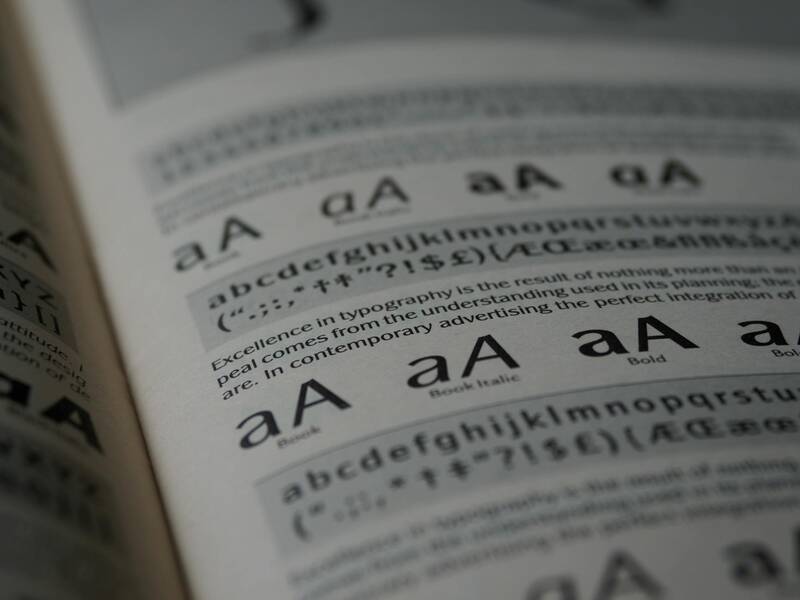
Design plays a pivotal role in the effectiveness of a printed booklet. Clear layout structures, balanced typography, and cohesive color schemes help convey the message more effectively. Incorporating high-resolution images and thoughtful white space ensures that each page remains visually appealing without overwhelming the reader. It’s crucial to consider how content flows from one page to the next, ensuring the narrative or information progression is logical and engaging.
Paper Types and Finishes
Choosing the appropriate paper type and finish can elevate the professionalism of the booklet. Options include matte, gloss, or satin finishes, each offering different tactile and visual qualities. Thicker, high-quality paper stock enhances durability and gives a premium feel, especially important for marketing materials or presentations intended for prolonged handling. Specialty finishes like lamination or spot UV can add texture and visual interest, making key elements stand out.
Printing Techniques and Process
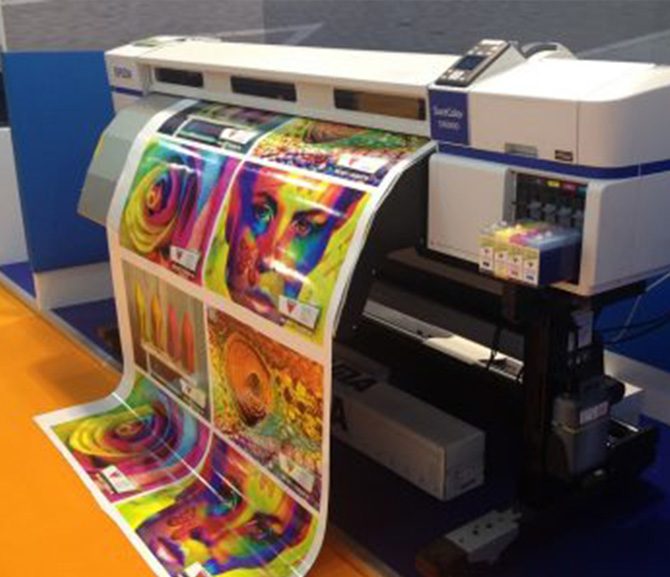
Advanced printing techniques ensure vibrant colors and fine details, critical for overall presentation quality. Offset printing provides high-quality results for large quantities, while digital printing offers flexibility for smaller runs or on-demand production. Color management and proofing stages are vital to ensure that the printed colors match the original design specifications, maintaining consistency across the entire print run.
Binding and Folding Options
The binding method chosen not only secures the pages but also influences the booklet’s functionality and aesthetic. Folding options like trifold, Z-fold, or parallel fold are used for creative layouts and quick information dissemination. Binding options include saddle stitching, perfect binding, spiral, or comb binding, each suited for different content lengths and usage scenarios.
Cost Factors and Lead Times
Cost is determined by several factors, including page count, paper quality, quantity, binding type, and finishing options. Larger runs typically result in lower per-unit costs, while custom finishes or unique sizes may incur additional expenses. Lead times vary depending on the complexity of the project and the chosen printing method, emphasizing the importance of early planning to meet deadlines effectively.
Tips for Successful Booklet Printing
To ensure a smooth printing process and a high-quality end product, consider the following:
- Early collaboration with skilled designers and printers to align on specifications and expectations.
- Developing detailed content and layout drafts well in advance.
- Select the right paper and finishes that complement the message and desired durability.
- Requesting samples or proofs to verify color accuracy and print quality before the full run.
- Allowing sufficient lead time for production and potential revisions, especially for custom or large-scale projects.
By paying close attention to these aspects, businesses and organizations can maximize the impact of their booklet printing campaigns, creating compelling printed materials that effectively communicate their message and enhance their brand image.
Design Considerations for Booklet Printing
Effective booklet design is crucial in communicating your message clearly and professionally. It begins with a well-thought-out layout that balances text, images, and white space to create a visually appealing and easy-to-read document. Consistency in fonts, colors, and style enhances brand recognition and maintains a cohesive look throughout the booklet.
When designing, consider the importance of bleed areas—extending artwork beyond the final trim size ensures that no white edges appear after cutting. Margins should be set thoughtfully to prevent text or images from getting lost or cut off during the finishing process. Using grids and guides helps maintain alignment and structure, which are essential for a polished appearance.
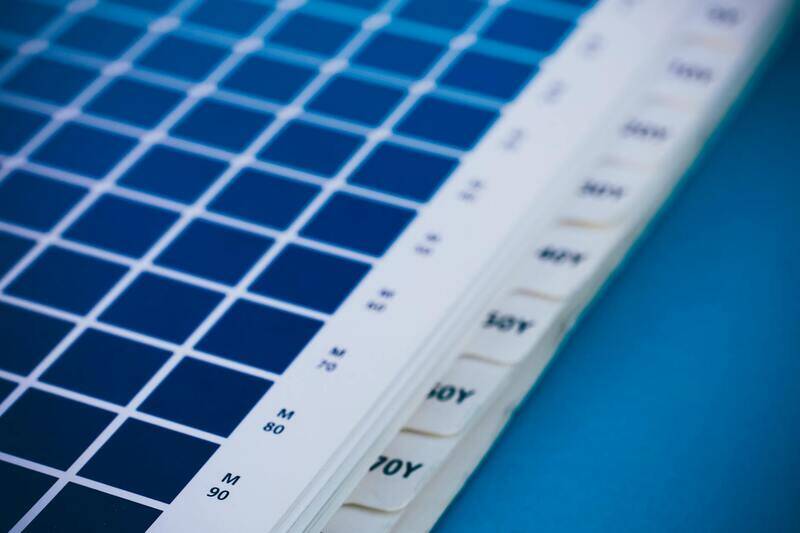
Artwork quality significantly impacts print results. High-resolution images (at least 300 dpi) reproduce sharp, clear visuals that truly pop in print. For color accuracy, adherence to CMYK color mode during file preparation is recommended to avoid unexpected color shifts. It’s essential to use vector files for logos and illustrations to ensure scalability and sharpness.
Preparation of files should follow specific guidelines for optimal results. Files should be submitted as PDFs, with fonts embedded or outlined to prevent font substitution issues. Including crop marks and bleed ensures precise trimming and edge-to-edge printing where required. Consistent file naming conventions streamline the workflow and reduce delays during prepress checks.
Adopting these design principles maximizes the print quality and ensures your final product exudes professionalism. Collaborating closely with your printing partner to review proofs and make necessary adjustments before the full run safeguards against costly errors and ensures your booklet visually aligns with your brand’s message.
Paper Types and Finishes
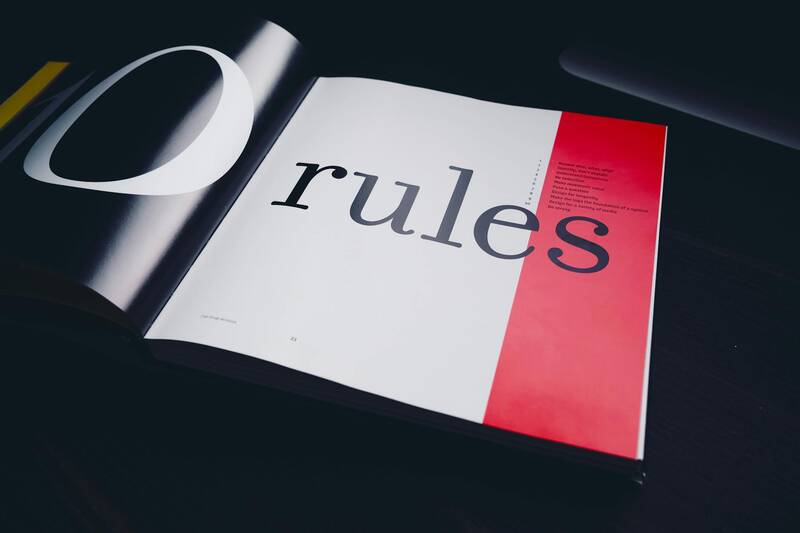
Choosing the right paper is essential to achieving a professional and durable booklet. The selection impacts not only the aesthetic appeal but also the longevity and tactile experience of the final product. Common paper options include coated and uncoated stocks, each serving different purposes based on the desired finish and usage.
Coated Paper offers a smooth, glossy, or matte surface that enhances the vibrancy of printed images and colors. Glossy coated paper provides a shiny finish that makes visuals pop, ideal for brochures with high-quality imagery. Matte coated paper, on the other hand, minimizes glare and offers a subdued, sophisticated look suitable for text-heavy booklets or materials where readability is paramount.
Uncoated Paper has a natural, tactile feel with a matte finish that lends a more traditional, understated appearance. It is often used for internal pages, manuals, or materials that require writing or note-taking, thanks to its better absorbency.
Paper thickness, measured in points or grammage (gsm), influences durability and weight. Thicker papers, such as 100-150 gsm, are suitable for covers or premium booklets, providing a sturdy feel. Lighter weights, around 80 gsm, are common for interior pages, balancing quality with affordability.
Finishing techniques further enhance the tactile and visual appeal of the booklet. These include:
- Matte Finish: Provides a non-reflective, velvety surface that minimizes fingerprints and glare, ideal for sophisticated or understated designs.
- Gloss Finish: Creates a shiny surface that boosts color vibrancy and visual impact, perfect for catalogs and promotional materials.
- Soft Touch Coating: Adds a luxurious velvet-like feel, elevating the perceived quality of the printed material.
- UV Coating: A glossy coating cured with ultraviolet light, offering enhanced durability and visual brilliance, particularly for covers or key images.
When selecting paper and finishes, consider the booklet's purpose, target audience, and distribution environment. For example, a high-gloss finish may be less desirable for documents that need to be written on or handled extensively, whereas a matte or uncoated finish might be favored for ease of writing and a refined appearance.
Collaborating with your printing service to identify the best paper stock and coating options can significantly impact the overall presentation and durability of your booklet. Professional printers can provide samples and recommendations based on your project's specific needs, ensuring the final product aligns with your expectations and brand standards.
Binding and Folding Options
Choosing the right binding and folding methods is essential to enhance the functionality and aesthetic appeal of your booklet. The selection depends on the purpose of the booklet, the quantity involved, and the desired presentation style. Different binding techniques not only secure the contents but also contribute to the overall tactile experience for the reader.
- Saddle Stitching: This is one of the most common and cost-effective methods, especially suitable for booklets with fewer pages (typically up to 64 pages). It involves folding the pages in half and binding them along the fold with staples. Saddle stitching provides a clean, professional appearance and allows for easy page turning.
- Perfect Binding: Ideal for larger booklets or brochures, perfect binding involves gluing the pages together at the spine with a flexible adhesive. This method offers a polished, book-like finish, making it suitable for catalogs, annual reports, and marketing booklets. It provides a durable, high-quality feel but may incur higher costs and longer lead times.
- Spiral and Coil Binding: These binding options utilize plastic or metal coils to hold the pages together, allowing the booklet to lay flat when open. Spiral binding is popular for manuals, guides, and workbooks that require ease of use and durability.
- Japanese Stitches and Staple-Free Binding: For unique, high-end projects, designer bindery options such as Japanese stitch binding or staple-free presentations can add visual interest and enhance the perceived value of your booklet.

Folding techniques also play a significant role in how the final product appears. Common folding options include:
- Half-Fold: Divides the sheet into two equal halves, creating a simple two-page spread. Perfect for inserts, flyers, or minimalist booklets.
- Tri-Fold: Divides the sheet into three panels, often used for brochures or menus, allowing information to be organized into sections for easy navigation.
- Z-Fold and Accordion: These types of folds enable multiple panels that can expand and collapse, ideal for detailed layouts or step-by-step guides.
- Gate Fold: A dramatic fold that opens to reveal a large interior panel, suitable for impactful presentations and visual storytelling.
Each folding option provides different opportunities for creative layouts and functional design, impacting how the reader interacts with your content. When coordinating with your printer, ensure the selected binding and folding techniques align with your content structure, distribution method, and overall branding goals for a cohesive, professional appearance.
Binding and Folding Options
Choosing the appropriate binding and folding techniques is crucial in enhancing the visual appeal, durability, and usability of your booklet. Different binding methods offer varying levels of professionalism and functionality, making them suitable for diverse types of publications and target audiences.
Binding Methods
- Saddle Stitching: This is one of the most common binding techniques for booklets with a smaller page count, typically up to 64 pages. Pages are folded and then stapled along the fold line, providing a clean, simple finish. Saddle stitching offers quick turnaround times and cost efficiency, especially for marketing brochures and event programs.
- Perfect Binding: Perfect binding involves gluing the pages together at the spine with a strong adhesive and attaching a soft cover. This method provides a more polished appearance and is ideal for longer booklets, catalogs, and magazines. The smooth spine also allows for printed titles or branding, enhancing shelf appeal.
- Wire-O and Spiral Binding: These binding options are excellent for booklets designed for frequent use or interactive content. They allow the booklet to lay flat when open, making them suitable for manuals, workbooks, and guides. Spiral binding, in particular, accommodates larger page counts and can include plastic or metal spirals for added durability.
- Japanese Stitch and Staple-Free Bindings: For premium projects, designer bindery options like Japanese stitch binding involve sewing the pages together with visible stitches, offering a handcrafted aesthetic. Staple-free presentations, often employing high-quality bindings, can add perceived value and uniqueness to the booklet.
Folding Styles and Their Impact
The folding style not only affects the aesthetic appeal but also influences how information is structured and consumed within the booklet. Understanding these styles ensures that your content is presented clearly and engagingly.
- Half-Fold: Simple and effective, dividing the sheet into two sections. This fold is suitable for inserts, flyers, or minimalist design layouts without complex navigation needs.
- Tri-Fold: Divides the sheet into three panels, offering a convenient way to organize multiple topics. Commonly used in brochures and menus, this fold facilitates easy browsing and quick information access.
- Z-Fold and Accordion: These multi-panel folds enable expansion of the pamphlet or guide, optimal for detailed instructions, step-by-step processes, or extensive visual content. They enhance interactivity and user engagement.
- Gate Fold: Features two end panels that open to reveal a large central panel, creating a dramatic visual impact. Ideal for promotional presentations or visual storytelling where a standout format is desirable.
Careful consideration of binding and folding options in relation to your content, budget, and distribution goals ensures the final product meets your expectations for professionalism, usability, and aesthetic appeal. Collaborating with experienced printers, such as those at expressprintingsi.com, guarantees that your chosen methods are executed with precision and quality.
Binding and Folding Options
When planning to produce a professional booklet, choosing the appropriate binding and folding methods is critical to ensure durability, aesthetic appeal, and ease of use. The binding method influences not only the overall appearance but also the cost and functional aspects of the booklet.
Common Binding Techniques
- Saddle Stapling: This is one of the most popular binding options for booklets, especially for smaller sets. It involves placing staples along the spine, securing the pages together efficiently. Saddle-stapled booklets are ideal for catalogs, programs, and newsletters, offering a clean look and straightforward assembly.
- Perfect Binding: Suitable for larger booklets or thicker publications, perfect binding encases the loose pages in a flexible cover, typically glued along the spine. This method delivers a professional, book-like appearance, ideal for annual reports, brochures, or manuals.
- Wire-O Binding: This mechanical binding technique uses metal loops that open flat, providing durability and ease of use. It is often utilized for manuals, training guides, or any booklet requiring frequent handling or easy flipping of pages.
- Burst Binding and Side Stitching: Typically used for thinner booklets or pamphlets, these methods involve sewing or stapling along the spine or side. They are cost-effective options that still preserve structural integrity.
Folding Styles for Booklets
The folding method significantly impacts the booklet’s visual presentation and user experience. Proper selection depends on the content complexity and desired aesthetic effect.
- Half-Fold: Divides the sheet into two equal parts, creating a compact and simple layout. Often used for invitations or minimalistic brochures, it offers a straightforward folding style with easy assembly.
- Tri-Fold: The sheet is divided into three panels, which fold inward to form a neat, portable format. This is a versatile choice for menus, event programs, or informational brochures, allowing multiple sections to be organized neatly.
- Z-Fold and Accordion: Multi-panel folding styles that expand to reveal content. Ideal for detailed instructions, visual storytelling, or step-by-step guides, these folds enhance interactivity and engagement for the reader.
- Gate Fold: Features two end panels that open outward to reveal a central, larger panel. This dramatic visual effect makes gate folds suitable for promotional materials and visual presentations that require a striking impact.
Incorporating these folding and binding options with expert guidance ensures your booklet is both visually appealing and functional. Experienced printers at expressprintingsi.com can assist in selecting the most suitable methods for your project's specifications, helping to achieve high-quality results that align with your branding and communication goals.

Finalizing Your Booklet Printing with Expert Techniques
Ensuring the successful completion of a booklet printing project involves more than just selecting a format or design; attention to detailed execution strategies is paramount. From fine-tuning the printing process to meticulous quality control, every step must be managed carefully to achieve the desired professional look and durability. Expert printers at expressprintingsi.com emphasize the importance of adhering to precise procedures and using the right materials, ensuring your booklet not only looks impressive but also withstands handling over time.
Optimal Preparation and File Handling
Before submitting your design files for printing, verify that all content is properly formatted, aligned, and within the designated bleed margins to prevent unwanted cropping. Use high-resolution images and vector graphics where applicable to support crisp printing results. Color profiles should be accurately set to match your branding standards, whether you opt for CMYK for vibrant, full-color prints or black and white for minimalist aesthetics.
Color Management and Proofing
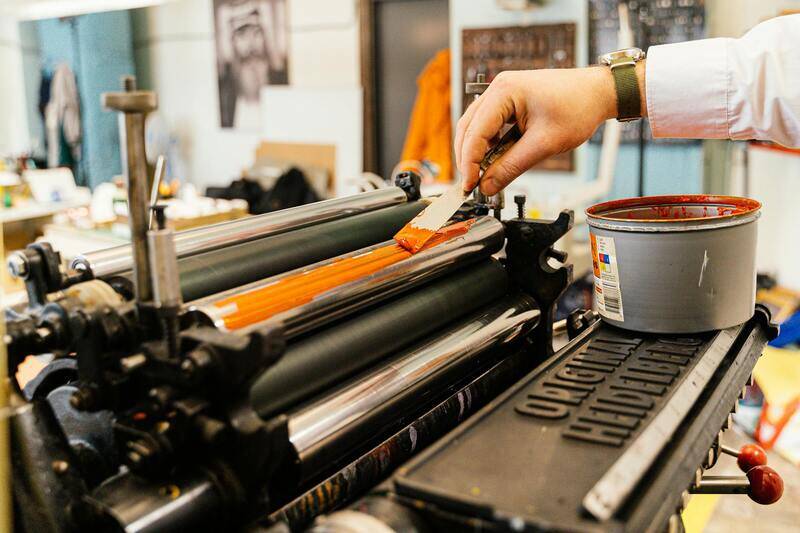
Effective color management is essential for consistent output across multiple batches. Request proofing options—either digital or printed proofs—to review how colors and layout will appear once printed. This step helps identify potential issues with color reproduction, text clarity, or image resolution, thereby reducing errors and material waste. Working closely with your printing partner ensures the final product accurately reflects your vision.
Quality Control During Production
Throughout the printing process, diligent quality checks are necessary. Examine printed sheets for color accuracy, registration, and any printing defects. Inspect binding and folding integrity to confirm precision in alignment and durability. Regular monitoring minimizes the risk of defects reaching the final stages of production, ensuring each booklet meets your high standards.
Choosing Appropriate Finishes for Longevity
Applying suitable finishes and coatings enhances both appearance and lifespan. Matte, gloss, or satin finishes can be chosen based on aesthetic preferences and the content’s nature. Laminations provide additional protection against moisture, fingerprints, and wear, especially for booklets likely to be handled frequently. These finishing touches contribute significantly to the overall professionalism and durability of your printed material.
Delivery and Storage Considerations
Once printed, proper packaging and storage are vital to preserve quality during transit and handling. Use sturdy cartons, protective wraps, or padding materials to prevent bending, smudging, or other damage. Coordinate with logistics providers to ensure timely delivery, especially if your booklets are part of a larger marketing campaign or event. Proper handling maintains the integrity of your printing investment from press to presentation.