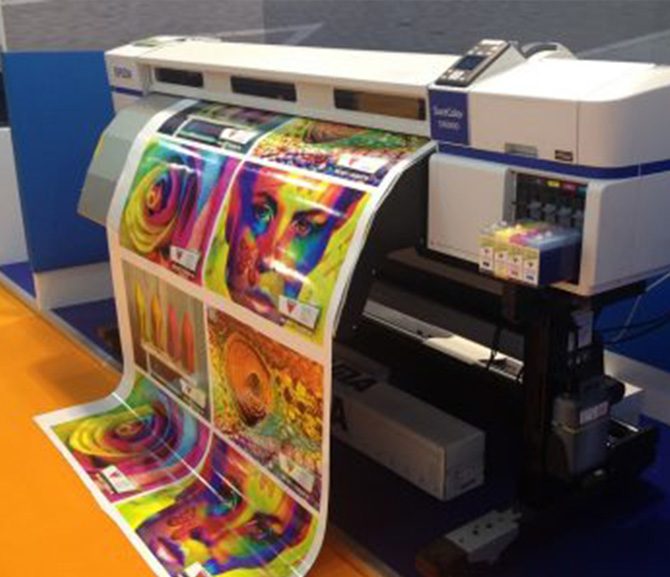
Business booklet printing is a strategic process that involves creating professionally designed booklets to communicate essential information about a company, its products, services, or corporate values. These printed materials serve as powerful tools in marketing campaigns, brand reinforcement, and corporate communication efforts. Unlike flyers or single-page brochures, booklets provide a comprehensive insight into a company’s offerings, mission, and achievements, allowing for a more detailed and engaging presentation.
The importance of business booklet printing extends to establishing credibility and fostering a lasting impression among clients, partners, and stakeholders. Well-crafted booklets can highlight a company's expertise, showcase case studies, outline service packages, or detail product specifications, thereby supporting sales and marketing efforts. Additionally, they are often used during corporate events, trade shows, and client meetings, making them versatile tools for relationship building and brand positioning.
High-quality business booklet printing enhances brand image and improves communication with clients and partners.
Implementing effective business booklet printing involves understanding its role in the broader scope of branding and communication strategies. It requires attention to detail, from content accuracy to visual appeal, ensuring the final product aligns with the company’s messaging and aesthetic standards. The choice of design, paper, and printing techniques all influence the impact and durability of the final booklet, making it a valuable asset for any professional portfolio.
Enhances brand recognition through consistent visual elements and messaging.
Provides a tangible medium to convey comprehensive company information.
Supports marketing goals by presenting products and services attractively.
Builds trust by demonstrating professionalism and attention to detail.
Serves as a keepsake or reference material for potential clients and partners.
Efficient booklet printing aligns with strategic branding efforts and marketing outreach.
Types of Booklet Styles and Formats
Business booklets are available in a diverse array of styles and formats, each designed to meet specific communication objectives and aesthetic preferences. Selecting the appropriate style involves considering factors such as content complexity, target audience, and distribution channels. Common formats include saddle-stitched booklets, perfect-bound brochures, and spiral-bound presentations, each offering distinct advantages in terms of durability, layout flexibility, and presentation style.
Saddle-stitched booklets are among the most economical options, ideal for shorter content spanning 8 to 48 pages. They are assembled with staples along the spine, providing a clean and professional look suitable for marketing flyers, event programs, or introductory guides. Perfect-bound booklets resemble hardcover books with a glued spine, offering a polished appearance suitable for comprehensive company reports, annual summaries, or product catalogs. Spiral binding allows for lay-flat pages, making it perfect for manuals, instructional guides, or trade show handouts where ease of use is critical.
Various booklet styles cater to diverse business communication needs, from saddle-stitched to spiral-bound options.
The choice of size also impacts presentation and portability. Standard sizes such as A4 (8.27 x 11.69 inches) and Letter (8.5 x 11 inches) are widely used for their familiarity and ease of printing, while square or custom dimensions can provide a unique visual identity. It’s essential to match the format with the overall branding strategy and intended usage to ensure the booklet effectively communicates the desired message while maintaining an appealing aesthetic.
Another consideration involves folding techniques and page layouts, which influence content organization and visual flow. Common folding styles include bi-fold, tri-fold, and Z-fold configurations, each suitable for different content densities and presentation styles. When planning a booklet, understanding these options allows for a seamless integration of text, images, and graphics, enhancing readability and engagement.
Understanding Business Booklet Printing
Business booklet printing involves the production of professionally designed printed materials that serve various corporate communication needs. These materials can be used for marketing, training, internal communication, or client engagement. A well-executed booklet not only conveys essential information but also reinforces brand identity through consistent design, high-quality images, and polished typography. After defining the purpose and content of the booklet, selecting the appropriate printing method is crucial to ensure the final product meets expectations in terms of durability, appearance, and functionality.
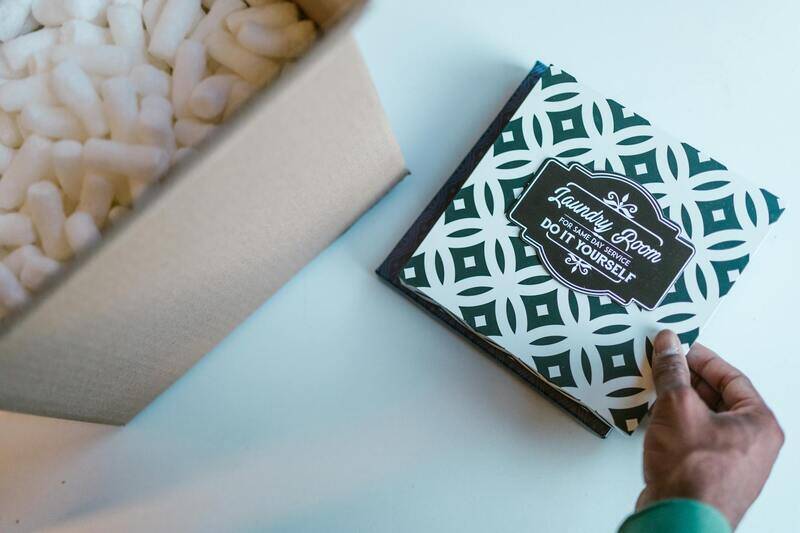
Exemplary business booklet showcasing professional printing techniques
Types of Booklet Styles and Formats
Understanding the various styles and formats of business booklets allows organizations to choose the best presentation for their message. The most common styles include saddle-stitched, perfect-bound, and spiral-bound booklets.
Saddle-Stitched Booklets: These are assembled with staples along the spine, offering a clean, streamlined look suitable for marketing flyers, introductory guides, or quick-reference materials. They are cost-effective for smaller page counts and provide ease of handling.
Perfect-Bound Booklets: Resembling hardcover books, these feature glued spines and are ideal for longer, more comprehensive documents such as annual reports, product catalogs, or detailed company profiles. The sturdy binding ensures longevity and a professional presentation.
Spiral-Bound Booklets: Incorporating spiral or wire binding, this style allows pages to lay flat during use, which is essential for manuals, training guides, or presentations that require easy reference. Spiral bindings are durable and user-friendly, especially for interactive content.
The size and layout of the booklet are also important factors. Standard dimensions like A4 and Letter sizes are popular for their familiarity and ease of handling. Custom sizes, such as square formats, can be used to create distinctive branding and visual impact. Matching the format with the intended purpose, whether for portability or detailed presentation, ensures the material is effective and engaging.
Folding techniques such as bi-fold, tri-fold, and Z-fold configurations help organize content efficiently and enhance visual flow. Proper incorporation of these fold styles ensures the content remains accessible and aesthetically pleasing, enabling readers to navigate information seamlessly.
Different booklet styles tailored to various business needs
Design Best Practices for Business Booklets
Creating an impactful business booklet involves careful consideration of layout, typography, color schemes, and imagery. Consistent branding across all visual elements reinforces brand recognition and credibility.
Begin with a clear hierarchy of information, using headings, subheadings, and body text to guide the reader through the content. Choose professional typography that enhances readability, such as serif fonts for formal documents and sans-serif fonts for modern appeals. Limit the use of colors to those that align with your branding palette to maintain visual cohesion.
Incorporate high-quality images and graphics that complement and clarify the text message. This not only captures attention but also conveys professionalism. Maintain adequate whitespace to avoid clutter, making the content more approachable and easier to digest. Use consistent margins and alignment to create a polished look that reflects your organization’s standards.
Choosing the Right Paper and Finish
The choice of paper significantly impacts the tactile experience and overall presentation of your booklet. For professional purposes, coated papers such as gloss or matte finishes are often preferred. Glossy paper enhances images and color saturation, making visuals pop, while matte offers a sophisticated, glare-free surface suitable for lengthy reading.
Weight classifies paper to determine durability and feel. Heavier weights (such as 100 lb or more) lend a premium feel and increased durability, making them suitable for important marketing materials or corporate reports. Lighter papers are more economical and suitable for items with a large page count or distribution in bulk.
Printing Techniques and Technologies
Modern printing methods, including digital and offset printing, deliver high-resolution results tailored to project size and complexity. Digital printing allows for quick turnaround times and cost-efficiency with small print runs, ideal for customized or variable content. Offset printing, on the other hand, is better suited for large orders, providing consistent quality and cost advantages at high volumes.
Additional finishing options such as laminating, UV coating, or embossing can add a tactile or visual dimension, elevating the professional appearance of the booklet. These techniques also contribute to protection against wear and tear, ensuring the booklet maintains its pristine condition over time.
Understanding Business Booklet Printing
Business booklet printing serves as a strategic tool for organizations aiming to communicate their message effectively to clients, stakeholders, and potential investors. This process involves translating your content into a tangible format that combines compelling visuals with well-organized information, ensuring clarity and professionalism. When selecting a printing approach, it’s crucial to consider the purpose of the booklet, target audience, and the intended impression. A well-produced booklet can enhance brand credibility, showcase products or services, and provide comprehensive information in a compact, engaging format.
Professional business booklet ready for distribution
Types of Booklet Styles and Formats
Choosing the appropriate style and format for your business booklet depends on the message you wish to convey and the nature of your content. Common styles include:
Tri-Fold Booklets: Ideal for quick overviews, event programs, or brochures. They fold into three panels, making them compact and easy to handle.
Saddle-Stitched Booklets: Featuring signatures stitched along the fold, these are suitable for larger content, such as catalogs or annual reports. They allow for a clean, professional appearance with a spine binding.
Perfect-Bound Booklets: With a glued spine, these resemble small books, often used for comprehensive product guides or corporate histories. They offer a polished look and durability.
Square or Custom Shapes: To stand out, some businesses opt for creatives shapes or die-cuts, emphasizing unique brand identity and visual interest.
Page Layout and Binding Options
Effective page layouts incorporate consistent fonts, strategic use of white space, and engaging visuals to guide the reader's eye. Binding options such as coil, saddle stitching, or perfect binding influence the durability and aesthetic appeal, aligning with the overall design and purpose of the booklet.
Various booklet styles and formats exemplified for different business needs
Design Best Practices for Business Booklets
Creating a professional, impactful booklet hinges on thoughtful design choices. Here are vital considerations:
Brand Consistency: Use colors, fonts, and imagery aligned with your organization's identity to reinforce brand recognition.
Clear Hierarchy: Organize content logically with headings, subheadings, and bullet points to facilitate easy navigation.
High-Quality Visuals: Incorporate relevant, high-resolution images and graphics to enhance visual appeal and support your messaging.
Conciseness and Clarity: Keep text succinct and to the point, avoiding clutter and ensuring key messages stand out.
Effective Use of Color and Typography
Color choices should reflect branding and evoke the desired emotional response. Typography should be legible and consistent throughout the booklet, with hierarchy established through font size, style, and weight, guiding readers effortlessly through the content.
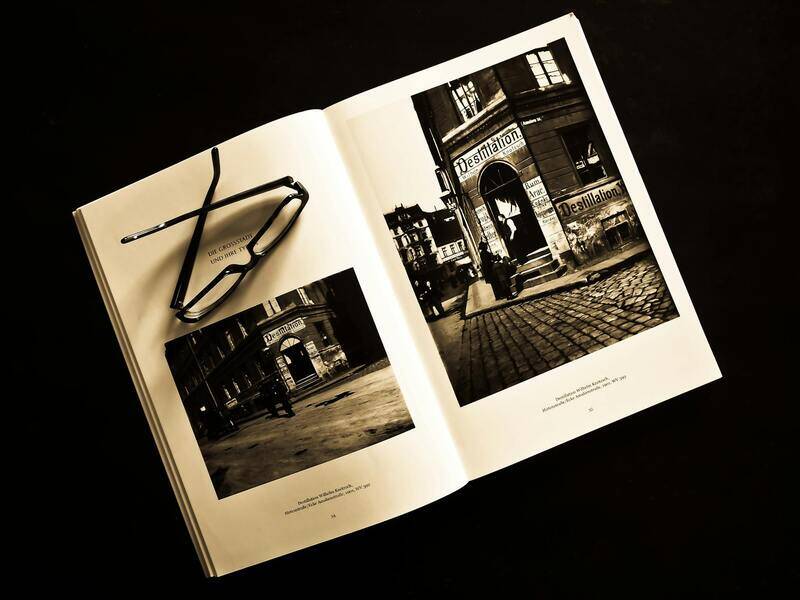
Sample pages demonstrating effective layout and design strategies
Understanding Business Booklet Printing
Business booklet printing requires meticulous attention to detail and adherence to proven, official methodologies to ensure a professional and impactful presentation. The process involves multiple stages—from design conception to final output—that must be executed with precision to produce materials that effectively communicate your brand message. One fundamental aspect is selecting an appropriate printing method that aligns with your desired quality, timeline, and budget constraints. Commonly employed techniques include digital printing, ideal for smaller runs due to its speed and cost-efficiency, and offset printing, which provides superior color accuracy and high-quality finishes suitable for larger quantities. Each approach offers distinct advantages, and choosing the right one depends on your specific business needs, timeline, and quality expectations.
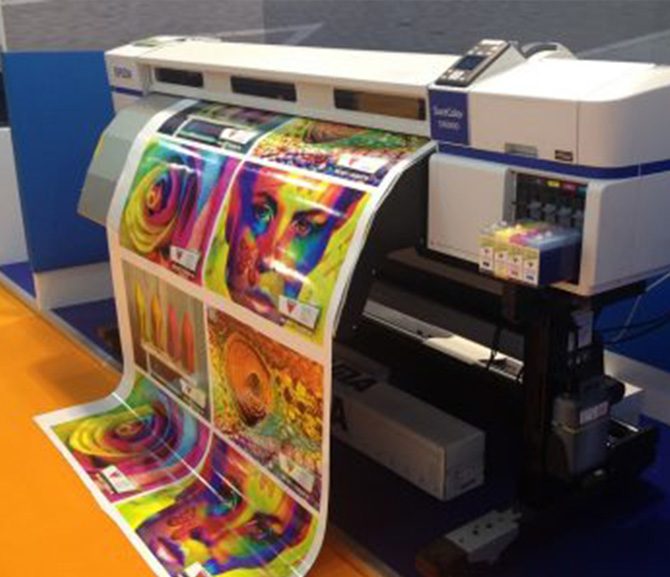
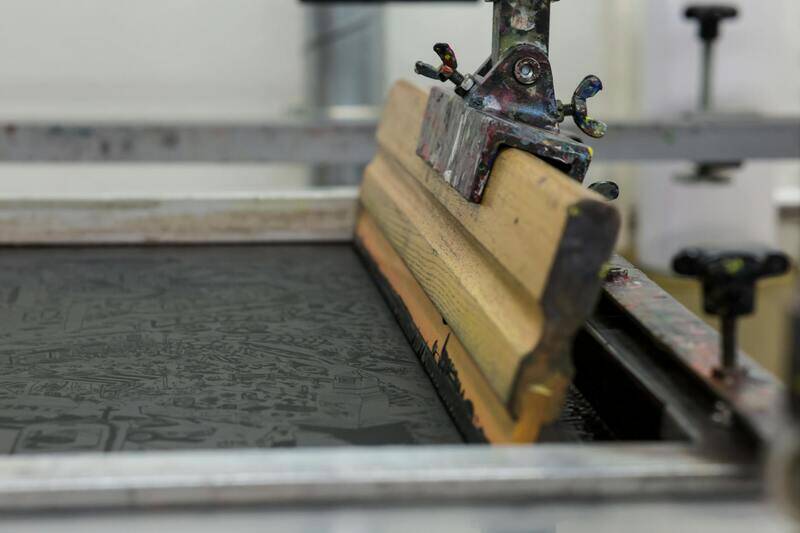
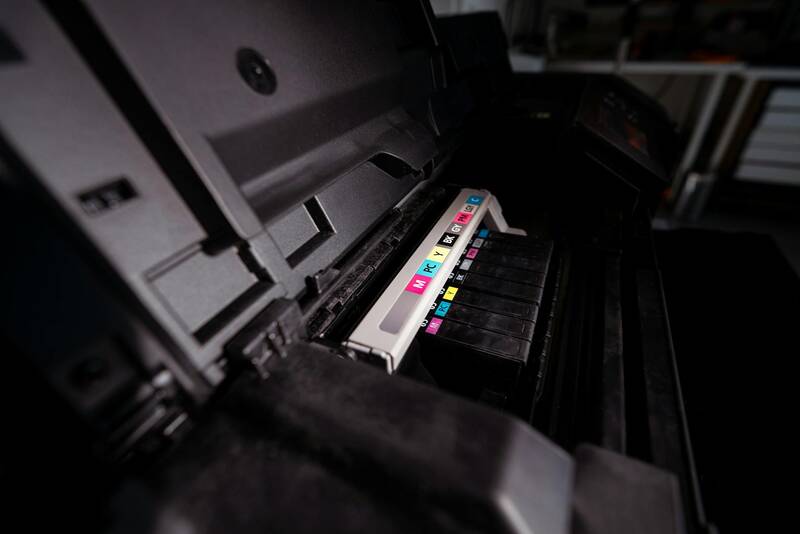
Two primary printing techniques—digital and offset—are essential considerations in professional booklet production.
Choosing the Appropriate Printing Technique
Digital Printing: Best suited for small to medium quantities, digital printing offers rapid turnaround times and cost-effectiveness. It is highly flexible, allowing for quick modifications and personalization without extensive setup, making it ideal for time-sensitive projects or limited editions.
Offset Printing: Optimal for large print runs, offset printing delivers exceptional color fidelity, sharp image quality, and a consistent finish. Though initial setup can be more involved, the per-unit cost decreases as quantities increase, making it a preferred choice for comprehensive marketing campaigns or repeatedly produced materials.
Color Correction and Quality Assurance
Maintaining color accuracy throughout the printing process is crucial to uphold your brand standards. Professionals utilize precise calibration techniques and color management systems to ensure that the printed output faithfully reproduces your design hues. Incorporating standardized proofs, such as digital or hard-copy samples, enables you to verify color fidelity before initiating full-scale production. Regular quality checks during printing further guarantee consistency across all copies, minimizing errors and waste, thus securing a polished and cohesive final product.
Print Resolution and Material Compatibility
High-resolution printing, typically 300 dots per inch (dpi) or higher, ensures sharp visuals and legible text, which is vital for business booklets aiming to convey professionalism. Compatibility between your chosen paper stock and the printing technology must be carefully considered. Thicker papers or specialty finishes may influence ink absorption and drying times, requiring close coordination with your printer to select suitable settings and materials. This attention to detail ensures vibrant images, crisp text, and durable, high-quality booklets that withstand handling and time.
Utilizing advanced printing technologies ensures high-quality, durable business booklets that elevate your corporate image.
Understanding Business Booklet Printing
Business booklet printing serves as a strategic communication tool that allows companies to showcase their services, products, and corporate values effectively. This process involves transforming your branded content, including text, images, and graphics, into a professionally crafted booklet that resonates with your target audience. The key to successful booklet printing lies in choosing the appropriate printing methods, materials, and finishing touches to produce a product that not only looks polished but also aligns with your overall branding strategy.
High-quality business booklet showcasing professional design and vibrant printing
Understanding the nuances of business booklet printing begins with recognizing its purpose. Whether you're creating a corporate brochure, product catalog, or annual report, the print quality, paper selection, and design layout directly influence how your message is perceived. The process requires careful planning and execution to ensure every element, from color accuracy to binding style, reflects your brand's standards and professional image. Selecting the right printing partner with expertise in business materials can make a significant difference in achieving a seamless, impactful final product.
Types of Booklet Styles and Formats
Business booklets come in various styles and formats, each suited to specific informational needs and aesthetic preferences:
The most common format, where pages are folded and stapled along the spine, ideal for smaller catalogues or reports.
Features a glued spine, providing a professional look suitable for booklets with a higher page count.
Incorporates coil or plastic spiral binding, allowing the booklet to lay flat—perfect for manuals and training materials.
Combines durability and accessibility, often used for presentation materials requiring frequent handling.
In addition, formats vary in size—from standard letter or A4 dimensions to custom sizes that better suit your content and design. The choice of style impacts not only appearance but also cost and production time, making it critical to align your selection with your publication’s purpose and distribution method.
Design Best Practices for Business Booklets
Effective design is integral to capturing and maintaining reader engagement. Consider the following best practices:
Consistent Branding: Use brand colors, fonts, and logos to reinforce identity across all pages.
Clear Hierarchy: Structure content with headings, subheadings, and bullet points to facilitate easy reading.
Visual Balance: Incorporate high-resolution images, infographics, and whitespace strategically to break up text and enhance visual appeal.
Concise Content: Focus on delivering key messages succinctly, avoiding clutter and overwhelming the reader.
Call-to-Action: Include clear instructions or contact information to guide reader responses and engagement.
Designing with user intent and readability in mind ensures your business booklet not only looks professional but serves as a powerful marketing tool that encourages action.
Choosing the Right Paper and Finish
The selection of paper stock and finishing options significantly influences the tactile quality and durability of your booklet. Options include:
Paper weight: Ranges from light 80 lb to heavyweight 170 lb, affecting the heft and perceived value of the booklet.
Paper type: Matte finishes reduce glare and enhance readability, while gloss finishes make images pop and appear sharper.
Specialty papers: Textured or recycled papers can add uniqueness to your impression, aligning with sustainability goals or distinctive branding.
Finishing touches: UV coating, embossing, or lamination can enhance durability and visual appeal, protecting your booklet from wear and tear while adding a premium feel.
Variety of paper stocks and finishes available for business booklets
The right combination of paper and finish elevates your booklet from a simple informational piece to a memorable brand experience. Working closely with your printer to select options that match your content requirements and budget ensures an optimal end product that resonates with your audience.
Printing Techniques and Technologies
Advancements in printing techniques enable the production of high-quality, durable business booklets that meet professional standards. These techniques influence color accuracy, sharpness, and material compatibility:
Offset Printing: Offers excellent color fidelity and is cost-effective for large volume runs, making it suitable for extensive business projects.
Digital Printing: Ideal for short runs and quick turnarounds, providing flexibility and cost efficiency for smaller quantities.
Spot UV Printing: Adds gloss or matte effects to specific areas, creating visual interest and emphasizing key elements.
Screen Printing and Embossing: Used selectively for decorative effects, adding texture and depth for a tactile impression.
Employing these advanced methods ensures your business booklet maintains high visual standards, durability, and a professional finish that enhances your corporate image. It also allows for creative customization, ensuring each booklet is tailored precisely to your branding goals and content needs.
Understanding Business Booklet Printing
Business booklet printing is a cornerstone of professional marketing and corporate communication. It involves carefully designing and producing printed materials that effectively communicate your company's mission, products, or services. The selection of printing techniques, paper quality, and finishing options all influence the final appearance and durability of the booklet, impacting how your message is perceived by clients, partners, and prospects. Whether used for introducing new products, summarizing annual achievements, or detailing service offerings, a well-crafted business booklet can reinforce brand identity and foster customer trust.
During the printing process, attention to detail is crucial. Color fidelity must be maintained to accurately represent branding elements, while layout and typography should lead the reader effortlessly through the content. Coupling compelling visuals with clear, concise messaging can significantly enhance engagement and retention. Working with a reputable printing provider ensures that each step—from digital proofing to final output—is executed with precision, helping your business stand out with a professional, polished presentation.
Types of Booklet Styles and Formats
Business booklets are highly versatile, with various styles tailored to different objectives and aesthetic preferences. Common formats include:
Tri-Fold and Bi-Fold Brochures: Compact and easy to handle, ideal for quick overviews and quick reference.
Saddle-Stitched Booklets: Mounted with staples along the spine, these are suitable for documents ranging from 8 to 48 pages, often used for detailed product catalogs or company reports.
Perfect Bound Booklets: Featuring a clean, professional look with glued spines, perfect for presentations, comprehensive guides, and annual reports that require a more substantial feel.
Square or Custom-Shaped Formats: These add a distinctive touch, enhancing visual appeal and brand differentiation for marketing campaigns.
Choosing the right format depends on your content volume, distribution method, and desired impression. For instance, a compact tri-fold brochure may be perfect for trade shows, while a perfect-bound booklet lends credibility for investor presentations or detailed product explanations.
Variety of booklet styles designed to meet diverse business communication needs
Design Best Practices for Business Booklets
Effective business booklet design combines aesthetic appeal with clear communication. Here are important considerations:
Consistent Branding: Use your company’s color palette, logo, and font styles to maintain brand recognition.
Visual Hierarchy: Organize information with headings, subheadings, and contrast to guide the reader seamlessly through the content.
High-Quality Imagery: Incorporate sharp, relevant images that complement the text and promote engagement.
Whitespace Utilization: Avoid clutter by leaving space around text and images, improving readability.
Compound Layouts: Combine text blocks, infographics, and visuals in balanced arrangements to make content more digestible.
Ensuring that design elements align with your brand strategy enhances credibility and leaves a lasting impression. Professional graphic design services can refine your creative vision into a print-ready layout, ready to be transformed into a tangible marketing asset.
Choosing the Right Paper and Finish
Material selection is vital in defining the tactile and visual quality of your booklet. The choice depends on your budget, intended use, and the message you aim to convey:
Paper Weight and Thickness: Heavier paper (such as 100 lb or higher) provides premium feel and durability, suitable for high-end presentations. lighter stock can be used for mass distribution.
Finish Options: Matte finishes lend a sophisticated, glare-free appearance, ideal for detailed images and text. Glossy finishes enhance color vibrancy and visual impact, making images pop.
Special Textures: Soft-touch coatings, linen textures, or embossed elements can add a distinctive tactile experience.
Investing in quality papers and finishes amplifies the perceived value of your business booklet, reinforcing professionalism and attention to detail in your branding.
Image Placeholder:
Understanding Business Booklet Printing
Business booklet printing is a specialized service aimed at producing professional, visually compelling promotional and informational materials. When selecting a printing approach, it is imperative to consider the specific requirements of your project, such as the desired size, page count, and overall presentation style. High-quality printing ensures that your message is conveyed with clarity, durability, and aesthetic appeal. Precise color reproduction, sharp text, and durable binding are essential elements that contribute to a polished final product.
Environmental and Ethical Considerations in Print
Opting for environmentally responsible printing practices can enhance your brand’s reputation and demonstrate a commitment to sustainability. This includes choosing eco-friendly paper options, such as recycled or FSC-certified stock, and working with printers that utilize environmentally conscious inks and processes. Transparency regarding these practices amplifies your credibility and appeals to environmentally aware clients and stakeholders.
Color Management and Quality Assurance
Accurate color management is crucial in achieving the intended visual impact of your business booklet. This involves working with printers who utilize high-quality calibration tools and color profiles to ensure consistent, vibrant prints across different runs. Regular quality assurance checks during production can identify and address discrepancies early, minimizing waste and ensuring the final product aligns perfectly with your design specifications.
Final Inspection and Proofing
Before committing to a full print run, it is advisable to review a physical proof or sample. This allows you to verify that colors, images, and layout elements meet your standards and expectations. Detailed attention during proofing reduces the risk of costly errors and reprints, ensuring the final booklet accurately reflects your branding and messaging.
High-quality printing provides a professional touch that enhances your brand image.
Understanding Turnaround Times
Efficient production timelines are vital for timely distribution of your business booklets. Clear communication with your printing service provider about your deadlines ensures that the project progresses smoothly. Standard turnaround times can vary based on the complexity, quantity, and finishing options selected, so it is important to plan ahead to avoid delays during your marketing strategies or corporate events.
Final Thoughts on Business Booklet Printing
Investing in professional business booklet printing backed by expert guidance ensures your marketing materials stand out and resonate with your target audience. Selecting the right printing partner, embracing sustainable practices, and prioritizing quality assurance collectively contribute to a finished product that reinforces your brand integrity. With meticulous planning and attention to detail, a well-crafted business booklet can become a powerful tool in your overall communication strategy, fostering trust and engagement among clients and prospects alike.