Overview of Small Booklet Printing
Small booklet printing is a specialized printing service designed to produce compact, professionally finished booklets that serve a wide range of corporate, educational, and promotional needs. Typically, these booklets are characterized by their manageable size, usually ranging from a handful of pages to several dozens, making them ideal for brochures, event programs, menus, product catalogs, and instructional materials. The versatility of small booklet printing allows businesses and organizations to effectively communicate their key messages in a format that is both approachable and visually appealing.
The process of creating a small booklet involves several steps, from conceptual design and layout to the final print production. It requires attention to detail in terms of content arrangement, paper choices, binding methods, and finishing touches. Because of their compact nature, small booklets are often used for targeted messaging, providing an engaging way to present information without overwhelming the reader. Their usefulness across various industries — including healthcare, education, retail, and hospitality — highlights their importance as an effective communication tool.
Commercial entities leverage small booklet printing to enhance branding efforts, deliver detailed product instructions, or provide comprehensive event information in a portable format. Educational institutions use them for course catalogs or program guides, while non-profit organizations might publish informational pamphlets and campaign materials. The enduring popularity of small booklets stems from their ability to combine portability with professionalism, offering a tangible medium for conveying detailed information in a concise and visually cohesive manner.
Design Considerations for Booklets
Effective small booklet design is pivotal in capturing the reader’s attention and ensuring the communication of your intended message. Several key factors influence the success of booklet designs, including layout consistency, visual hierarchy, and readability. It is essential to create a layout that guides the reader naturally from cover to conclusion, using clear headings, subheadings, and visual cues to emphasize important information.
Designers should pay close attention to typography, choosing fonts that are easy to read in both headings and body text. The color scheme and imagery must align with the overall branding or thematic objectives of the booklet. High-quality images, icons, and graphics enhance visual appeal and support the textual content, making complex information more accessible.
Furthermore, an organized layout with balanced white space prevents clutter and makes the content more digestible. Consistency in margins, spacing, and style ensures a professional appearance. When planning the design, consider how the user will interact with the booklet, including fold lines, page turns, and binding type, to maintain visual integrity and functionality throughout the finished product.
Paper Types and Finishes for Small Booklets
Choosing the appropriate paper type and finish is vital in producing a small booklet that not only looks professional but also stands the test of time. The selection of paper influences the tactile experience, durability, and overall aesthetic of the final product. When considering paper options, many factors come into play, including weight, texture, color, and coating.
Common paper weights for small booklets range from 50 lb to 100 lb. Lighter papers like 50 lb or 60 lb are suitable for internal pages where flexibility and cost efficiency are priorities. Heavier paper stocks, such as 80 lb or higher, are used for covers to enhance sturdiness and visual impact. The choice between matte, gloss, or satin finishes significantly affects the booklet's appearance and feel. A matte finish provides a non-reflective surface that reduces glare and lends a professional, subdued look, ideal for text-heavy or informational content. Gloss finishes offer vibrant color reproduction and a shiny surface that makes images pop, perfect for photo-centric booklets. Satin or semi-gloss finishes strike a balance between the two, offering vivid imagery with reduced glare.

Additionally, specialty papers such as textured or recycled stock can be incorporated to enhance the tactile quality or convey a specific branding message. Coatings such as UV coating, aqueous coating, or soft-touch coatings can further upgrade the look and feel, providing protection against smudges and adding an extra layer of sophistication. When selecting a paper type and finish, consider the anticipated usage, environmental considerations, and the overall design theme to achieve the best results in your small booklet printing project.
Paper Types and Finishes
Choosing the right paper type and finish is crucial for achieving the desired aesthetic and tactile qualities of your small booklet. Different paper stocks and surface finishes can dramatically influence how the content is perceived and how durable the final product will be.
Common paper options include uncoated, coated, textured, and recycled paper. Uncoated papers are preferred for a more natural, tactile feel and for providing excellent print clarity for text-heavy pages. Coated papers, available in gloss, matte, or satin finishes, enhance color vibrancy and image sharpness, which is especially beneficial for image-rich booklets. Textured papers, such as linen or felt finishes, can impart a sophisticated look and unique tactile experience that aligns with high-end branding or thematic design.
Recycled paper options not only support eco-friendly initiatives but also offer a distinctive, rustic appearance that can complement certain design styles. When selecting paper for your booklet, consider the overall visual impact and the intended use. For instance, a glossy finish can make photographs come alive, ideal for promotional or pictorial content, while matte finishes provide a subdued and elegant appearance better suited for textual information or formal presentations.

In addition to the base paper, coatings such as UV coating, aqueous coating, or soft-touch finishes can be applied post-printing. UV coatings give a high-gloss, durable surface that protects against scratches and moisture, adding vibrancy and a premium feel. Aqueous coatings dry quickly, provide a subtle sheen, and enhance durability without the high gloss of UV finishes. Soft-touch coatings create a velvety surface that adds a tactile luxury, often used in high-end marketing materials.
Environmental considerations are increasingly important, leading to options like FSC-certified papers and soy-based inks. These environmentally friendly choices do not compromise quality and can communicate a brand’s commitment to sustainability. When selecting materials, think about the thematic elements of your booklet, the distribution environment, and the desired longevity to ensure the paper and finishes align with your project's goals.
Binding Methods and Sizes
Choosing the right binding method and size is critical in ensuring that your booklet is both functional and visually appealing. There are several common binding options suitable for small booklet printing, each offering different levels of durability and aesthetics.
- Saddle Stitch Binding: This is the most prevalent method for booklets with a low page count, typically up to 80 pages. Pages are folded and stapled along the spine, creating a clean and professional look. Saddle stitching is cost-effective, quick to produce, and ideal for catalogs, event programs, or promotional brochures.
- Perfect Binding: Suitable for slightly larger booklets, perfect binding involves gluing the pages and cover together at the spine. This method gives a polished appearance comparable to paperback books, making it suitable for reports, manuals, or high-end marketing materials. It provides a sturdy, durable finish capable of handling frequent use.

As for sizes, standard dimensions often include trifold, half-letter, or A5 formats, but customization options are abundant. Custom sizes can align better with branding or specific communication goals, ensuring the booklet is convenient for your target audience to handle and read. When selecting your size, consider content complexity, distribution method, and the overall visual balance of the design.
Printing Technologies Used for Small Booklet Printing
When selecting the most appropriate printing method for your small booklet, understanding the two primary technologies — digital and offset printing — is essential. Each offers distinct advantages that can affect the overall quality, cost, and turnaround time of your project.
- Digital Printing: Digital printing is highly flexible and ideal for small batches or personalized booklets. It eliminates the need for traditional printing plates, allowing for quicker setup times and often lower initial costs. This method is particularly beneficial when printing short runs, as it ensures quick production without compromising image and text clarity. The technology produces sharp, vibrant colors, suitable for promotional materials, event programs, and limited editions. Another advantage is the ease of making last-minute edits or updates without additional costs, which makes digital printing a versatile solution for projects with potential revisions.
- Offset Printing: Offset printing involves transferring ink from plates to a rubber blanket before applying it to paper. This process is cost-effective for larger print runs, providing consistent high-quality results with detailed images and sharp text. Offset printing generally offers better color matching and higher color fidelity, making it the preferred choice for projects requiring precise branding or intricate graphic elements. While setup costs are higher and turnaround times are longer compared to digital methods, offset printing's economies of scale result in lower per-unit costs for larger quantities. For bulk booklet printing, offset offers a durable finish with superior lithographic quality, ensuring the final product's professional appearance.

Turnaround Time and Production Process
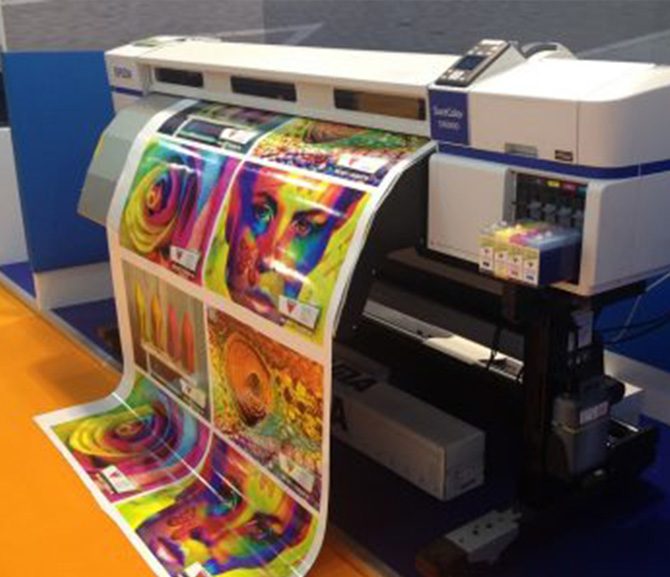
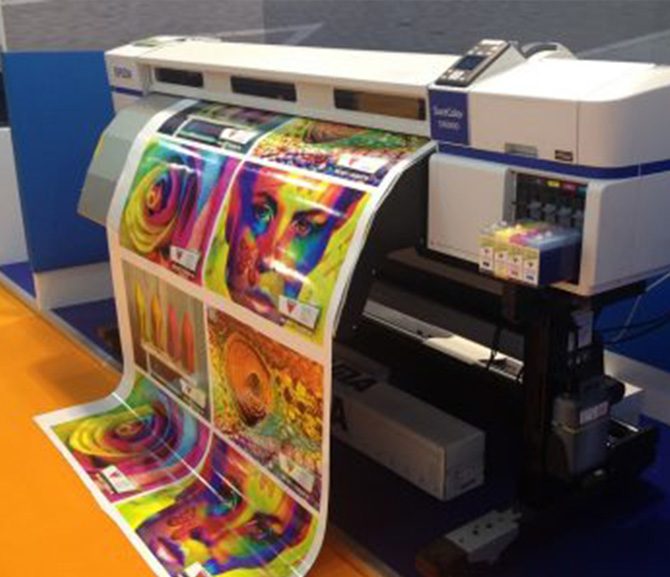
Understanding the typical production timeline for small booklet printing is essential for effective project management. Digital printing, favored for its quick setup and flexibility, generally offers the fastest turnaround times. In many cases, completed booklets can be ready within a few days from the approval of the design, especially for smaller runs. This rapid process is due to the absence of lengthy plate creation, allowing for immediate commencement of printing once digital files are uploaded. The production process involves several key steps: after the initial quote and design confirmation, the digital files undergo quality checks to ensure resolution, color accuracy, and proper formatting. Once finalized, the files are sent to the printing press, where the selected printing technology is employed. Digital presses lay down toner or liquid ink directly onto the paper, facilitating a swift turnaround, particularly for projects with tight deadlines. In contrast, offset printing, while requiring more extensive setup times due to the creation of printing plates, becomes more cost-efficient for larger quantities. The process typically involves plate preparation, ink application, and the actual printing, followed by finishing touches such as folding or binding. Despite its longer processing time, offset printing delivers excellent consistency and color fidelity, making it ideal for larger batch runs. Production timelines can vary based on several factors, including the complexity of the design, the quantity ordered, and the finishing options selected. Plain, uncoated pages generally require less processing, while specialty finishes like gloss or matte coatings might extend turnaround times. Coordination with your printing service provider is vital to align expectations and ensure delivery schedules are met. Ultimately, selecting the appropriate production process depends on your project’s scope, timeline, and quality requirements. Digital printing provides swift solutions for urgent small booklet projects, while offset remains a solid choice when larger volumes and premium finishes are prioritized. Working closely with a professional printing partner ensures smooth and timely production from start to finish.
Methods for Producing Authentic Small Booklet Printing by Recognized Print Shops
Ensuring that your small booklet printing project is carried out through official and reputable channels involves selecting well-established print service providers that adhere to industry standards and best practices. Authentic printing companies utilize certified equipment, follow quality control protocols, and employ experienced staff, guaranteeing that the final product meets your specifications and expectations.
When choosing a legitimate print shop, look for providers with a proven track record in small booklet printing. They should offer comprehensive consultations to help you select suitable paper types, binding methods, and finishes, ensuring your design's integrity is preserved during production. Transparency in pricing, production timelines, and turnaround services also indicates a trustworthy partner capable of managing your project professionally.
Key Indicators of Credible Printing Services
- Portfolio and Sample Work: Review the company’s previous projects to assess quality consistency and craftsmanship.
- Certifications and Industry Affiliations: Certifications such as ISO standards or memberships in professional printing associations demonstrate commitment to quality and industry adherence.
- Customer Testimonials and Reviews: Feedback from previous clients provides insights into reliability and service quality.
- Clear Pricing and Service Terms: Authentic providers offer detailed quotes, including costs for different paper options, finishing touches, and binding methods.
- Production Capabilities: Ensure the shop utilizes current printing technologies—such as digital and offset printing—to meet your quantity, quality, and deadline requirements.
Official Methods in Small Booklet Production
Authorized printing services follow a structured production process that ensures accuracy and high-quality output. This includes thorough pre-press preparation, where your digital files are checked for resolution and color consistency. Once prepared, the design is sent to the printing press, where professionals carefully calibrate the machines to match your specifications.

After printing, the booklets undergo finishing procedures such as trimming, folding, binding, and adding any special coatings or lamination requested. Reputable companies offer various binding options—such as saddle stitching, perfect binding, or spiral binding—to accommodate your booklet’s format and intended use.
Working with Licensed and Certified Suppliers
It’s essential to verify that your chosen printer operates under valid permits and certifications, affirming their compliance with industry standards. Working with certified providers provides assurance that all aspects of production—from material sourcing to final delivery—are handled ethically and professionally.
Transparency and Accountability
Reliable print companies maintain transparent communication channels, providing detailed estimates and regular progress updates. They often offer sample proofs for approval before mass printing, minimizing errors and ensuring your design appears as intended.
By prioritizing official channels, you safeguard your investment and receive a finished product that truly reflects your vision, produced through processes that uphold quality and authenticity at every stage.
Ensuring Print Quality Through Proper Methods
For small booklet printing, selecting the right printing process is essential to achieving the desired quality and durability. Two primary printing methods are widely used: digital printing and offset printing. Each offers unique benefits suited to different production volumes and quality requirements.
Digital Printing
Digital printing is ideal for small quantities and provides quick turnaround times. It utilizes high-resolution digital files directly fed into the printers, enabling detailed color reproduction and crisp graphics. This method is cost-effective for short runs, allowing for fast revisions and minimal setup costs.
Offset Printing
Offset printing offers superior color fidelity and finer detail, especially important for larger print runs. It employs plates transferred onto rubber blankets, which then print onto the paper. Although initial setup costs are higher, offset printing becomes cost-efficient for bulk orders, providing consistent quality and vibrant colors across all copies.
Eco-Friendly Printing Options
Many reputable printers incorporate environmentally responsible practices, such as the use of renewable inks, soy-based toners, and recyclable materials. These eco-conscious choices are increasingly available for small booklet projects, allowing you to meet sustainability goals without compromising on quality.

Compression of Files and Proofing
Optimizing your digital files for printing involves preparing high-resolution, correctly color-managed files—preferably in PDFs with embedded fonts and bleed areas. Before final production, proofing options such as digital proofs or physical samples allow you to review and approve the quality and layout.
Adhering to Industry Standards
Working with printers who follow established standards for color calibration, paper handling, and finishing techniques ensures your booklet will meet professional expectations. Certifications from recognized industry organizations can serve as indicators of a provider’s commitment to adhering to these standards.
Additional Considerations for Print Quality
- Consistent Color Matching: Use color profiles and calibration tools to ensure your printed materials match intended designs.
- Resolution Requirements: Submit files with a minimum of 300 dpi resolution for sharp images and text.
- Material Compatibility: Select papers and finishes compatible with your chosen printing technology to avoid issues like smudging or color bleeding.
Finalizing Your Small Booklet Print Project
Careful communication with your printing partner and adherence to detailed specifications are vital to maintaining quality. Providing exact sizes, binding preferences, and finish options helps prevent errors and ensures the final product aligns with your expectations.