Introduction to Custom Print Banners
Custom print banners serve as versatile tools for effective communication across various settings, including advertising campaigns, corporate events, retail promotions, and community gatherings. These banners are tailored to meet specific design requirements, enabling organizations and individuals to convey their messages visually with impact. The significance of custom print banners extends beyond mere decoration; they function as strategic marketing assets that attract attention, enhance brand visibility, and drive engagement. The ability to customize every aspect—from size and graphics to material and finishing—makes banners an adaptable and powerful medium for diverse promotional needs. In today’s fast-paced marketplace, standing out among competitors is crucial. Custom print banners offer a cost-effective means of achieving this, providing high visibility and immediate recognition. They can be employed indoors or outdoors, depending on the material chosen, making them suitable for temporary events or long-term display. The flexibility inherent in custom banners allows for precise messaging tailored to specific audiences and environments. As a focal point at trade shows, product launches, or storefronts, these banners can significantly influence consumer perception and facilitate brand recall. Moreover, the process of creating custom print banners involves careful planning, from concept development to production. This ensures that the final product aligns perfectly with the intended message and branding guidelines. Whether promoting a grand opening, a special sale, or a sporting event, custom banners are an essential component of a comprehensive marketing strategy, offering immediate visual impact and broad-reaching visibility. Understanding the core aspects of custom print banners—such as design, materials, printing techniques, and display methods—enables organizations to maximize their effectiveness and return on investment. By leveraging professional printing services, clients can ensure their banners are produced with high standards of quality, durability, and visual appeal, ultimately delivering a compelling message that resonates with their target audience.
Design Considerations for Custom Banners
Effective design is paramount in ensuring that custom print banners communicate the intended message clearly and attract attention. When creating a banner, it is essential to focus on visual hierarchy, color schemes, typography, and imagery. A well-structured layout directs the viewer’s eye naturally across the message, emphasizing critical information such as event details, discounts, or brand slogans.
Utilizing vibrant colors that contrast well with the background improves visibility from a distance. Additionally, selecting legible fonts that match the tone of the message is crucial—bold, sans-serif typefaces work well for headlines, while simpler fonts support supplementary information. Incorporating high-quality images and graphics aligns with branding standards and enhances overall aesthetic appeal.
To optimize readability, keep text concise and impactful. Avoid clutter by limiting the number of elements on the banner, allowing key messages to stand out prominently. Consistency with existing branding elements, such as logos and color palettes, reinforces recognition and trust among viewers.
Before finalizing the design, it is advisable to consider the viewing environment. For outdoor banners, think about lighting conditions, viewing distance, and potential obstructions. For indoor banners, placement in areas with high foot traffic or visibility is essential. Collaborating with professional designers or utilizing design templates provided by print services can streamline the process and ensure compliance with printing specifications.

Materials and Durability Factors
The choice of materials for custom print banners directly influences their durability, appearance, and suitability for various environments. Common materials include vinyl, fabric, mesh, and specialty substrates, each with specific benefits tailored to different display needs.
Vinyl banners are popular for their strength and resistance to weather elements, making them ideal for outdoor use. They can withstand exposure to rain, wind, and sunlight, maintaining their visual integrity over extended periods. Depending on the finish, vinyl can be matte, gloss, or semi-gloss, providing flexibility in appearance.
Fabric banners, often made from polyester or nylon, offer a more elegant and lightweight option. They are preferred in indoor environments, trade shows, or events where a soft, high-quality look is desired. Fabric banners are easy to fold, transport, and store, but may require additional treatment for outdoor durability.
Mesh banners incorporate small perforations, allowing wind to pass through, which reduces stress on wall or pole mounts. These are especially suitable for large-scale outdoor displays such as stadiums or building wraps, where wind resistance is vital.
Additional considerations include the thickness or gauge of the material, which impacts resistance to tearing, and the type of coating or lamination used to enhance UV protection and prevent fading. When selecting materials, it is essential to match the banner’s intended lifespan and environmental exposure to material properties.
The installation method also influences material selection. Heavy-duty grommets, pole pockets, or magnetic attachments should be compatible with the chosen substrate, ensuring secure mounting and easy handling.
Materials and Durability Factors
Selecting the right materials for custom print banners is fundamental to ensuring their longevity, visual appeal, and performance in various environments. The primary considerations involve understanding the properties of different materials and matching them to the specific needs of each display setting.
Vinyl remains a popular choice due to its robustness and versatility. Standard vinyl banners are treated with UV-resistant coatings, making them highly resistant to fading caused by prolonged sun exposure. Matte, gloss, and semi-gloss finishes provide a range of aesthetic options, allowing brands to choose a look that best fits their messaging. The thickness or gauge of vinyl, typically ranging from 10 to 20 mil, directly affects durability; thicker options offer higher tear resistance and are better suited for outdoor use.
Fabric banners, often made from polyester or nylon, bring a different set of benefits. Their lightweight nature makes them ideal for indoor displays, trade shows, and events where ease of transportation is crucial. While naturally less resistant to the elements, fabric banners can be treated with additional coatings or laminates to enhance outdoor durability. The smooth surface of fabric banners lends an upscale appearance, making them suitable for premium branding and elegant presentations. When used outdoors, some fabrics are reinforced with mesh or have UV-resistant finishes to withstand weather conditions better.
Mesh banners contain small perforations that allow wind to pass through, significantly reducing stress and potential damage during windy conditions. These are especially useful for large-scale outdoor displays on stadiums, building wraps, or fencing. The incorporation of mesh also facilitates airflow, minimizing the risk of tearing, and helps maintain the banner’s structural integrity over time.
Environmental exposure influences material choice; UV-protective coatings safeguard against sun damage, while lamination adds a layer of resistance to water, dirt, and abrasions. Thinner materials may be suitable for short-term promotions, while heavy-duty options are preferable for long-term outdoor campaigns. The type of attachment mechanism—grommets, pole pockets, or magnetic strips—must be compatible with the selected material to ensure secure and stable installation.
In-depth understanding of material properties enables the creation of banners that maintain their print quality, resist environmental wear, and uphold visual impact throughout their lifespan. Using high-quality materials aligned with the intended setting not only extends the durability of the banner but also preserves brand consistency and effectiveness.
Materials and Durability Factors
Choosing the right material for your custom print banners is essential to ensure longevity, appearance, and functionality, especially for outdoor applications. The most common materials include vinyl, mesh, fabric, and reinforced substrates, each offering distinct advantages based on environmental conditions and display requirements.
Vinyl banners are widely favored for their durability, weather resistance, and high-quality print capability. They withstand rain, wind, and sunlight effectively, making them ideal for long-term outdoor advertising. Heavy-duty vinyl options often feature UV-resistant coatings that help prevent fading or deterioration caused by prolonged sun exposure. Additionally, laminate layers can be applied to enhance water and dirt resistance, further extending the lifespan of the banner.
Mesh banners stand out when wind resistance is a priority. With small perforations, they allow air to pass through, reducing stress on attachment points and minimizing tear risks during strong gusts. Their visual perforated pattern also offers a semi-transparent appearance, which can be leveraged for visual effects or branding on fencing, stadiums, or construction sites.

Fabric banners, often made of polyester or nylon, deliver a premium look with smooth, vibrant print quality. These are popular for indoor events, trade shows, and upscale branding displays. Some fabric options are coated for enhanced weather resistance, though they are generally more suitable for short-term outdoor use due to their less rigid structure compared to vinyl.
Reinforced substrates combine multiple materials or incorporate additional layers designed for rugged environments. They can resist tearing, UV damage, and moisture better than standard options, making them suitable for high-traffic or challenging outdoor settings.
Key durability factors include:
- Weather Resistance: Ability to withstand rain, sun, wind, and dirt
- UV Protection: Resistance to fading and degradation from sunlight
- Tear and Abrasion Resistance: Material strength to prevent damage during installation and display
- Maintenance and Cleaning: Ease of cleaning for long-term presentation
Understanding these material characteristics enables the creation of custom print banners that effectively fulfill their purpose while maintaining impactful visuals over time. Proper selection aligned with environmental conditions prevents unnecessary replacement costs and preserves brand image over the banner’s lifespan.
Materials and Durability Factors
When selecting materials for custom print banners, understanding their durability is essential to ensure longevity and optimal visual appeal in various environments. Commonly used materials include vinyl, fabric, and reinforced substrates, each offering distinct advantages based on their composition and construction.
Vinyl banners are highly regarded for their robustness and weather resistance, making them ideal for outdoor displays that face exposure to rain, sunlight, and wind. They are typically coated with UV-resistant finishes that help prevent fading and degradation over time. Vinyl's rigidity and smooth surface allow for sharp, vibrant printing, which is crucial for catching attention in bustling outdoor settings.
Fabric banners, often crafted from polyester or nylon, deliver a sophisticated appearance with vibrant, smooth color reproduction. Their flexible nature makes them suitable for indoor events, trade shows, and prestigious branding scenarios. Some fabric options come with specialized coatings that enhance resistance to weather conditions, but they generally require more careful handling and are less suited for prolonged outdoor exposure without additional reinforcement.
Reinforced substrates combine multiple layers or incorporate additional protective coatings. These materials are engineered to withstand harsher conditions, including high winds, UV rays, and moisture. Reinforced banners are especially valuable in demanding environments such as construction sites, outdoor festivals, or high-traffic locations where durability directly impacts the cost-effectiveness of the display.

Effective maintenance and cleaning of custom banners play roles in extending their lifespan. Regularly wiping dust, dirt, and other contaminants ensures the visuals stay vibrant and the materials preserve their structural integrity. Additionally, selecting the right installation techniques, such as using appropriate fasteners or tensioning hardware, minimizes wear and tear during display, further enhancing durability.
Understanding these material properties and environmental factors allows businesses and organizations to choose custom print banners that align with their specific needs, reducing replacement frequency and maintaining a professional appearance over time. Proper material selection combined with appropriate installation practices ultimately leads to successful, impactful banner campaigns that withstand the test of time and weather conditions.
Methods for Authenticating Custom Print Banners
Ensuring that a banner is genuinely produced through official channels involves a combination of verification methods designed to confirm the product's origin and quality. These methods are essential for organizations and businesses that prioritize authenticity, durability, and professional presentation in their promotional materials.
One primary method involves examining the supplier’s credentials and reputation. Reliable vendors will provide comprehensive information about their manufacturing processes, quality standards, and compliance with industry best practices. They often have certifications or endorsements that demonstrate their adherence to recognized standards of quality management and environmental responsibility.
Assessing the company's portfolio can also offer insights into the authenticity of their custom print banners. Reputable providers showcase a range of completed projects, including high-resolution images and detailed case studies. This transparency helps clients verify the consistency of the quality and design capabilities of the supplier.
Requesting samples before placing a large order is another effective technique. Authentic service providers often offer sample banners that showcase their printing quality, material options, and color accuracy. These samples serve as tangible evidence of the provider’s craftsmanship and material standards, ensuring that the final product will meet your expectations.
It’s equally important to verify the use of official printing technologies and materials. Authentic providers utilize advanced printing methods such as UV, latex, solvent, or eco-solvent printing, which are known for their vibrant colors and longevity. Confirming that the materials used are of high quality, UV-resistant, and suitable for your intended environment can prevent issues like fading, tearing, or water damage.
Communication with the supplier also plays a vital role in validation. Professional providers are transparent and responsive, offering detailed consultations on design options, material choices, and environmental considerations. They should provide clear information about the production timeline and post-production support, ensuring a smooth and trustworthy transaction.
Additionally, official documentation such as warranties and certificates can support the authenticity claim. Reputable vendors typically provide warranties that cover manufacturing defects and offer guarantees on print longevity. Certifications related to environmental standards or industry compliance further verify the integrity of the production process.
Finally, reviewing customer testimonials and ratings offers insight into the provider’s reliability. Genuine feedback from previous clients can highlight issues with quality, service, or delivery times, enabling informed decision-making. When combined, these methods form a robust framework for verifying the authenticity and quality of custom print banners, ensuring your branding efforts are supported by visually appealing, durable, and officially produced materials.
Installation and Display Tips
Proper installation of custom print banners ensures optimal visual impact and longevity. Selecting the right mounting hardware and techniques tailored to the environment is crucial for a professional appearance and durability. For indoor displays, lightweight banners can be hung using tension rods, adhesive hooks, or display frames that do not compromise the material. When banners are meant for outdoor use, waterproof and wind-resistant mounting methods are essential. Heavy-duty grommets combined with bungee cords or tie-downs provide stability against wind and weather conditions.
Ensuring the banner remains taut and wrinkle-free during installation enhances its visual appeal. Using support structures like banner stands, poles, or hanging rails can prevent sagging and maintain a sleek presentation. Measuring carefully before installation prevents misalignment or uneven displays, which can diminish the effectiveness of promotional messaging.
Periodic checks after installation are recommended to ensure the banner remains securely attached and free from damage. This is especially important in high-traffic or outdoor settings where exposure to elements or physical contact can deteriorate materials over time.
Maintaining and Preserving Your Banners
- Regular cleaning using mild, non-abrasive cleaners preserves print quality and material integrity.
- Store banners properly when not in use, preferably rolled on a tube or stored flat in a protective cover to prevent creases and tears.
- Inspect hanging hardware periodically for wear and replace components as needed to avoid accidental falls or damage.
Following these installation and maintenance guidelines ensures your custom print banners remain vibrant and intact, maximizing their advertising potential over time.
Ensuring Compliance and Quality in Custom Print Banners
When investing in custom print banners, it is crucial to work exclusively with reputable printing companies that adhere to established industry standards. Selecting an experienced provider ensures that all aspects from design to delivery meet the necessary quality benchmarks. Evaluating a company's portfolio allows clients to assess previous work quality, printing techniques, and attention to detail, which are vital indicators of their capability to deliver high-caliber banners. Moreover, understanding a provider’s turnaround time and customer support services can prevent delays and ensure a smooth production process.
Verification of Printing Methods and Industry Standards
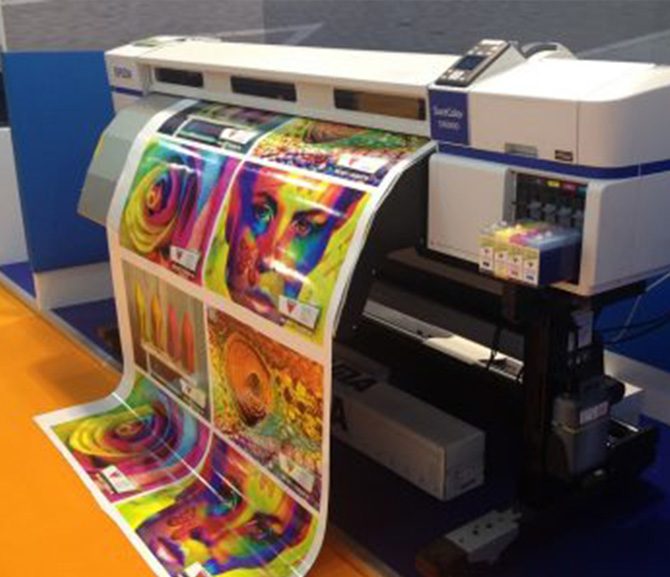
Reputable providers utilize advanced printing technologies such as dye-sublimation, UV printing, or large-format inkjet printing. These methods guarantee color accuracy, durability, and the ability to handle various materials effectively. Confirming that a printing company follows strict industry standards ensures that the final product will be consistent in quality and performance. This is particularly important for outdoor banners, which must withstand environmental stresses while maintaining visual impact.
Assessment of Materials and Processing Capabilities
Legitimate printing services invest in a wide range of high-grade materials suitable for different settings. For instance, outdoor banners require weather-resistant fabrics such as vinyl or mesh, with coatings that resist fading and tearing. Ensuring the provider offers customization options tailored to specific needs guarantees that the banner's material quality aligns with its intended use and longevity expectations. Additionally, companies that employ eco-friendly inks and sustainable practices demonstrate a commitment to responsible production standards.
Requesting Detailed Quotation and Proofing Services
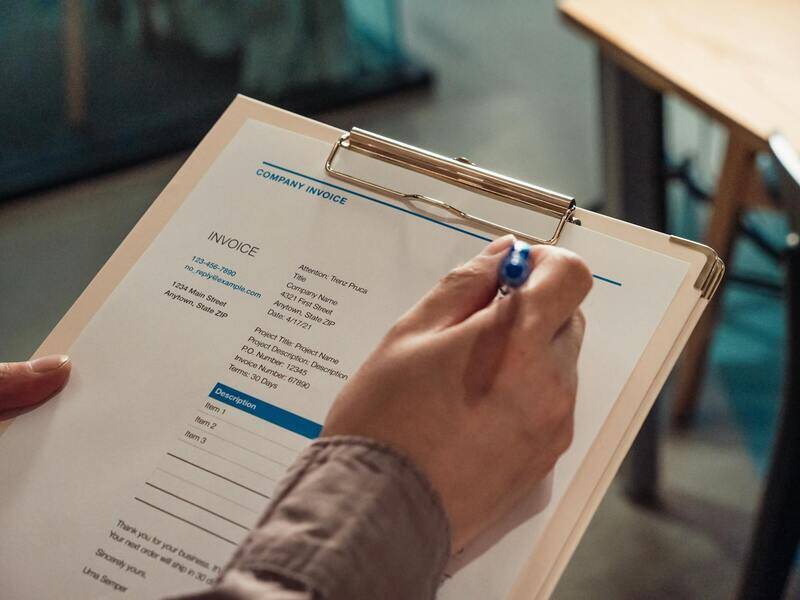
A trustworthy provider offers detailed quotations that specify costs for materials, printing, finishing, and delivery. They also provide digital or physical proofing, allowing clients to review design accuracy, color fidelity, and overall appearance before final printing. Proper proofing reduces errors and ensures the final product meets expectations. Clear communication regarding timelines and revisions is essential for a seamless transaction.
Guarantees and Quality Assurance Policies
Opting for suppliers with comprehensive quality assurance policies and warranties on their products provides added confidence. These guarantees typically cover issues like color mismatches, print defects, or material failures. Confirming that the provider conducts rigorous quality checks throughout production phases helps achieve a consistent, professional result that aligns with the brand’s standards.
Final Considerations
Choosing the right printing partner involves more than just competitive pricing—it requires a careful assessment of their technical expertise, material options, and commitment to quality. Collaborating with a reliable provider ensures that your custom print banners are visually impactful, durable, and delivered within your desired timeframe. This strategic approach ultimately maximizes your investment and enhances your branding and promotional outcomes.