Types of Banners Offered by Printing Services
When selecting a printing service for your promotional needs, understanding the variety of banners available is essential. Different types of banners serve distinct purposes, environments, and design preferences. Recognizing these options ensures that your message is conveyed effectively and with maximum impact.
Vinyl Banners
Vinyl banners are the most common choice for both indoor and outdoor use. Made from durable, weather-resistant materials, they can withstand exposure to sunlight, rain, and wind. Their versatility makes them suitable for event signage, storefront displays, and outdoor advertising campaigns. Vinyl banners are typically printed using high-resolution digital printers, ensuring sharp images and vibrant colors that attract attention from a distance.
Fabric Banners
Fabric banners offer a sophisticated and elegant appearance, often used for indoor displays and trade shows. They are constructed from materials like polyester or nylon, which provide smooth surfaces ideal for detailed graphics and photographic images. Fabric banners tend to be lightweight, easy to carry, and can be backlit to create glowing, eye-catching displays. Their premium look and feel make them suitable for corporate events and upscale marketing environments.
Mesh Banners
Designed for outdoor use, mesh banners consist of a perforated material that allows wind to pass through easily. This reduces the risk of tearing or damage during high winds, making them ideal for building wraps, construction sites, and large outdoor signage. The perforations slightly reduce the opacity of the printed design, but they maintain visibility and airflow. Mesh banners help maintain structural integrity and ensure longevity in challenging weather conditions.
Roll-up Banners
Roll-up banners are portable, quick-to-set-up displays commonly used at conferences, exhibitions, and point-of-sale environments. They feature a retractable stand that houses the printed graphic, making transportation and installation straightforward. Because of their portability and ease of use, roll-up banners are excellent for temporary or mobile advertising needs. They can be printed on various materials, including vinyl or fabric, depending on the desired aesthetic and durability requirements.
Choosing the right type of banner depends on your specific marketing goals, environmental conditions, and aesthetic preferences. A professional printing service can assist in selecting the most suitable banner type to meet your needs, ensuring your visual communications are both effective and impactful.
Types of Banners Offered by Printing Services
When exploring banner printing options, it’s crucial to understand the variety of banners available to match your specific promotional needs and environmental conditions. Printing service providers like expressprintingsi.com offer a diverse range of banner types, each designed to optimize visibility, durability, and aesthetic appeal in different settings.
Traditional Vinyl Banners
Vinyl banners stand as the most common choice for both indoor and outdoor advertising. Crafted from durable PVC material, these banners provide excellent weather resistance, vibrant color reproduction, and longevity. They are highly customizable, available in various sizes, and suitable for long-term display. The smooth surface allows for high-resolution printing, ensuring that complex graphics and detailed logos are rendered sharply.
Mesh Banners
Designed specifically for outdoor applications, mesh banners feature a perforated material structure that offers flexibility and wind resistance. Their construction minimizes the risk of tearing during high wind conditions, making them ideal for building wraps, construction barricades, and large-scale outdoor signage. Although the perforations create a slight reduction in opacity, they retain sufficient visibility and airflow, ensuring the banner remains impactful and unobstructed even in adverse weather.
Fabric and Textile Banners
Fabric banners, often made from polyester or nylon, cater to upscale, indoor marketing campaigns. They offer a premium feel, vibrant color output, and a soft texture that elevates brand presentation. These banners are lightweight, easy to handle, and can be printed using dye sublimation technology to produce vibrant, long-lasting colors. Suitable for trade shows, interior décor, and special events, fabric banners help create a sophisticated ambiance that commands attention.
Retractable and Pop-up Banners
These banners are designed for mobility and convenience. They feature a retractable mechanism housed in a lightweight stand, allowing for effortless deployment and packing. Commonly used in trade shows, sales promotions, and retail displays, roll-up banners are versatile and customizable, providing a quick and effective branding solution. The printed graphics can be created on vinyl or fabric, depending on durability needs and visual requirements.
Choosing the appropriate banner type depends on your marketing objectives, environmental considerations, and visual preferences. Consulting with experienced printing professionals ensures that your chosen banner aligns perfectly with your campaign goals, providing the right balance of aesthetics and practicality.
Material and Durability Options for Banners
When selecting a printing service for your banner, understanding the range of material options is essential to ensure that your signage withstands various environmental conditions while maintaining visual appeal. Common materials include vinyl, mesh, fabric, and laminated substrates, each offering specific advantages tailored to different uses.
Vinyl Banners: These are the most versatile and widely used banners, offering durability and weather resistance. Vinyl banners are suitable for outdoor applications, providing resistance against moisture, tearing, and UV rays. Their robustness makes them ideal for long-term outdoor advertising campaigns or event banners that need to withstand wind and rain.
Mesh Banners: Featuring a porous design, mesh banners allow wind to pass through, reducing strain on fixtures during outdoor use. They are optimal in high-wind areas and are commonly used for building wraps, sports venues, or large-scale outdoor promotions.
Fabric Banners: Made from polyester or nylon, fabric banners provide an upscale appearance with vibrant color output. They are best suited for indoor settings, trade shows, and interior décor. Their soft texture adds a touch of sophistication to any display and they are lightweight for easy installation.
Laminated and Coated Banners: Additional protective layers can be applied to enhance durability. Laminated banners are more resistant to scratches, chemicals, and water, making them appropriate for high-traffic areas or environments where frequent cleaning is necessary.
Material selection impacts the longevity and performance of your promotional banners. Factors such as exposure to sunlight, wind, moisture, and handling frequency should guide your choice. For instance, outdoor banners demand weather-resistant materials, whereas indoor banners can prioritize aesthetics and presentation quality. Consulting with experienced printing professionals ensures that the material aligns with your campaign’s environmental requirements and visual standards.
Printing Technologies for Banners
Advancements in printing technology have significantly enhanced the quality, durability, and customization options available for banners. The two most prevalent methods include UV printing and dye sublimation, each with its unique benefits.
UV Printing: Utilizing ultraviolet light to cure inks instantly onto various substrates, UV printing produces sharp, vibrant images with high resistance to scratches, fading, and weather conditions. This method is highly suitable for rigid materials as well as flexible banners, offering precise color reproduction and detailed graphics.
Dye Sublimation: Primarily used for fabric banners, dye sublimation involves transferring dye-based inks onto polyester fabrics through heat. The process results in vibrant, durable images that are embedded into the material, providing excellent color saturation and a soft finish. Dye sublimation banners are ideal for indoor displays, trade fairs, and settings where visual impact is paramount.
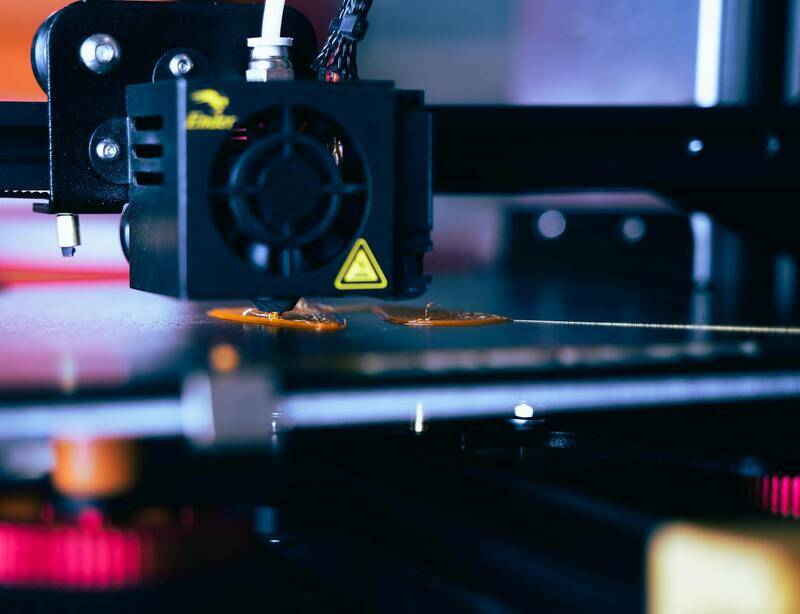
Choosing the appropriate printing method depends on the desired look, material compatibility, and environmental exposure. High-end digital printers with capabilities for large-format printing play a crucial role in achieving professional results, ensuring your banners stand out with vivid colors and crisp details. Collaborating with experienced printing providers ensures access to advanced techniques that meet your campaign’s specific needs, whether your priority is outdoor resilience or indoor visual appeal.
Material and Durability Options for Banners
Choosing the right material is essential for ensuring that your banner remains visually appealing and structurally sound over its intended display period. The selection depends largely on where and how the banner will be used, whether for short-term events or long-term outdoor advertising.
Vinyl remains one of the most popular materials due to its durability, weather resistance, and versatility. Glossy, matte, or satin finishes can be selected based on visual preference, with the sturdy nature of vinyl providing resistance against water, wind, and sunlight. This makes it suitable for outdoor environments where exposure to the elements is unavoidable.
Mesh banners incorporate tiny perforations that allow wind to pass through, drastically reducing strain on the material and anchor points. They are ideal for large-scale outdoor signage, such as stadiums, construction sites, or building wraps, where wind resistance is critical. Their design ensures visibility even in gusty conditions, while maintaining high-quality visual output.

Fabric banners, often made from polyester or nylon, are preferred for indoor use due to their soft texture and vibrant dye sublimation printing capabilities. These banners can be easily rolled and stored without damage and are suitable for trade shows, retail displays, or special events that require a clean, professional look.
Polypropylene banners offer a cost-effective alternative for short-term campaigns. Their lightweight and inexpensive nature make them suitable for flyer-type displays or events with limited budgets. However, their lower resistance to environmental factors means they are best used indoors or in sheltered outdoor areas.
High-quality banners can incorporate reinforced hems and grommets to facilitate easy installation and enhanced durability. Reinforced edges prevent tearing, while grommets enable secure attachment across various surfaces, ensuring a clean presentation and longer lifespan.
Environmental and Maintenance Considerations
Proper maintenance prolongs the visual clarity and structural integrity of banners. Regular cleaning with mild soap and water helps remove dirt and pollutants that can degrade material quality. For outdoor banners, periodic checks for wear and tear, especially around grommet points, are advised. When not in use, storing banners in a cool, dry place protects them from environmental damage and extends their usability across multiple campaigns.
Types of Banners Offered by Printing Services
Printing services like expressprintingsi.com provide a diverse range of banner options to suit various needs and environments. These options include traditional vinyl banners, fabric banners, mesh banners, retractable banners, and digital display banners. Each type serves specific purposes, whether for outdoor advertising, indoor promotional activities, or event-specific displays.
Vinyl banners are among the most popular, prized for their durability and weather resistance, making them ideal for outdoor use. Fabric banners, often crafted from polyester or nylon, are favored for indoor settings where a sleek, high-quality appearance is desired. Mesh banners, characterized by their breathability, are excellent for large outdoor displays where wind resistance is necessary. Retractable banners combine portability with quick setup, making them suitable for trade shows or mobile advertising. Electronic and digital display banners bring dynamic content to life via LED or LCD screens, offering impressive visual impact in high-traffic areas.
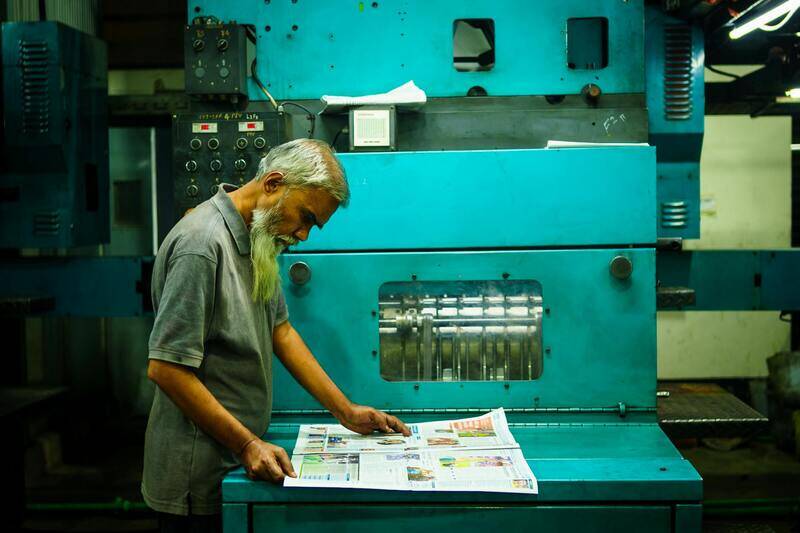
Customization and Size Options
Depending on the intended message and display location, banners can be customized with various sizes, shapes, and finishing options. Large-format banners can extend several meters for maximum visibility, while smaller banners are suited for targeted promotional displays. Custom shapes and cuts further enhance the visual appeal and branding consistency, ensuring your banner stands out and effectively communicates your message.
Specialty Banners and Additional Features
- Eco-friendly banners made from recyclable materials
- Eco-solvent or latex printing for vibrant, long-lasting colors
- Double-sided printing for maximum exposure
- Lightbox and backlit banner options for nighttime visibility
Factors to Consider When Selecting a Banner Printing Service
Choosing the right printing partner involves evaluating several key factors to ensure high-quality results and a smooth process. Experience in large-format printing and a portfolio of previous work demonstrate reliability and craftsmanship. It's crucial that the service provider uses advanced printing technologies and offers comprehensive customization options. Clear communication regarding your design, timeline, and budget helps facilitate a seamless project.
Material expertise also matters; a reputable provider will suggest appropriate materials based on your intended environment, whether indoor or outdoor. Turnaround times, pricing structures, and their capacity for handling bulk orders are additional considerations to keep your project on schedule and within budget.
Designing an Effective Banner
Effective banner design hinges on clarity and visual impact. Use bold, legible fonts and contrasting colors to ensure readability from a distance. Incorporate high-resolution images and concise messaging that aligns with your branding. Balance text and visuals to avoid clutter, directing viewers’ attention to your core message.
A cohesive design with strategic placement of logos and calls-to-action enhances viewer engagement. Adequate white space prevents overcrowding, allowing the key message to stand out. Collaborating with experienced designers or utilizing professional design tools provided by the printing service can greatly improve the final outcome.
Material and Durability Options for Banners
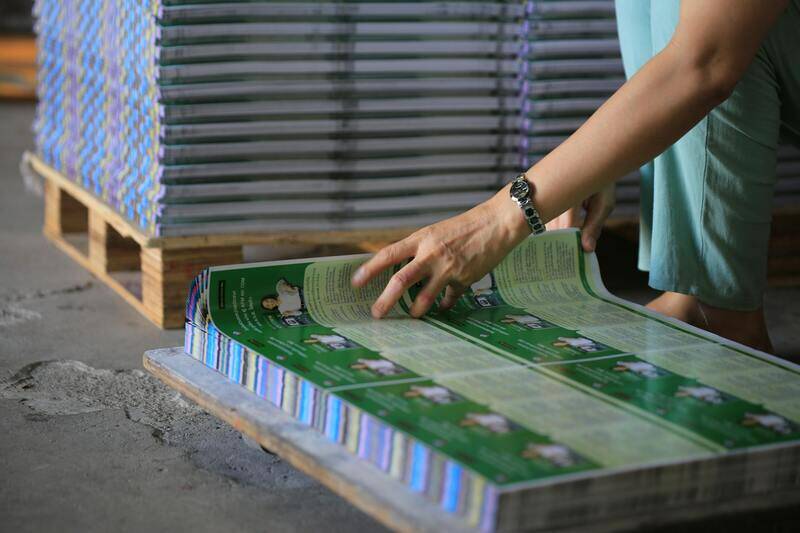
Banner materials significantly influence durability and appearance. Vinyl materials, whether rigid or flexible, are among the most durable and weather-resistant, suitable for outdoor advertising that needs to withstand elements such as rain, wind, and sunlight. Fabric banners, with their vibrant dye sublimation printing, provide a high-quality finish but are more suitable for indoor use or sheltered outdoor environments.
Mesh banners feature small perforations that allow wind passage, reducing strain on mounting points, making them ideal for large outdoor displays exposed to high winds. Polypropylene banners are lightweight and economical, mainly used for short-term campaigns or indoor displays. Reinforced hems and grommets are standard features in high-quality banners, facilitating easy installation and enhancing longevity by preventing tearing along edges.
Environmental and Maintenance Considerations
- Regular cleaning with mild soap and water removes dirt and pollutants that can degrade material quality.
- Proper storage in a cool, dry environment extends the lifespan of banners not in use.
- Periodic inspection for wear and tear, especially around grommets and edges, ensures continued performance.
Considering environmental factors and maintenance routines is essential for maximizing the lifespan of your banners, whether used temporarily or over multiple campaigns. Choosing appropriate materials and adhering to proper handling and storage practices will ensure your banners maintain their visual appeal and structural integrity over time.
Types of Banners Offered by Printing Services
Printing companies provide a diverse selection of banner types tailored to various marketing and event needs. Common options include vinyl banners, fabric banners, mesh banners, and polypropylene banners, each designed to serve specific environments and campaigns. Vinyl banners are the most popular due to their durability and versatility, suitable for both indoor and outdoor settings. They can be customized with vibrant graphics and are capable of withstanding harsh weather conditions when appropriately coated.
Fabric banners, often printed using dye sublimation, offer a rich, high-quality finish with vibrant color saturation. These are ideal for indoor displays or sheltered outdoor environments, where their aesthetic appeal enhances branding. Mesh banners incorporate small perforations, allowing wind to pass through, significantly reducing strain on mounting points. These are particularly advantageous for large outdoor adverts in windy areas, providing durability without compromising visibility.
Polypropylene banners are lightweight, inexpensive, and suitable for short-term promotional use or indoor events. Reinforced hems and grommets are standard features across different banner types, facilitating easy installation and reducing the risk of tearing. Many printing providers also offer options such as backlit banners and step & repeat formats, expanding creative possibilities for clients.
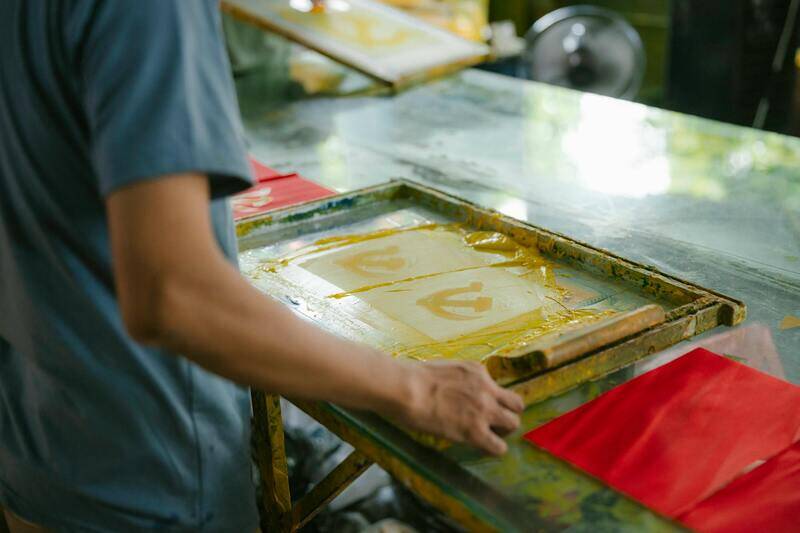
Additional specialized options include:
- Step & Repeat Banners: Commonly used for red carpet events and photo backdrops.
- Pop-up and Pull-up Banners: Portable options ideal for trade shows and temporary displays.
- Wall and Fabric Wraps: Large-scale applications for interior branding or event decor.
Factors to Consider When Selecting a Banner Printing Service
Choosing the right printing partner requires attention to several key elements to ensure the final product aligns with campaign goals and environmental conditions. First, assess the range of materials and sizes offered, ensuring they accommodate your specific needs for durability and visual impact. It’s important that the provider offers a variety of finishing options such as grommets, pole pockets, reinforced edges, and matte or gloss coatings.
Quality assurance processes, including color matching and print resolution, are vital for consistent, vibrant results. Clients should verify their potential provider’s experience with different banner types and their adherence to industry standards. Turnaround time and shipment options also influence effective campaign planning, especially for time-sensitive events.
Another consideration is environmental responsibility. Inquiry into eco-friendly inks, recyclable materials, and sustainable practices demonstrates a serving provider’s commitment to reducing environmental impact. Cost transparency and flexible pricing options allow better budget planning, especially when ordering in large quantities or for multiple campaigns. The availability of customer reviews and sample prints can help gauge the reliability and quality of services delivered.
Designing an Effective Banner
Creating a compelling banner requires a focus on clarity, simplicity, and impactful visuals. Use bold, legible fonts and contrasting colors to enhance readability from a distance. Incorporate high-resolution images and graphics that align with your brand message, avoiding excessive text that can clutter the design and reduce visual impact.
Strategic placement of key information (such as contact details or promotional messages) ensures quick comprehension. Consistency in branding elements, including logo placement, color schemes, and font styles, maintains brand recognition across multiple banners and campaigns.
Material and Durability Options for Banners
Material selection significantly affects the lifespan and appropriateness of banners for specific environments. Vinyl is ideal for outdoor displays because of its weather-resistant properties, especially when laminated with a UV-protective coating. Fabric banners, with their vibrant dye sublimation print, suit indoor settings, although they can be treated for outdoor use as well.
Mesh banners are engineered to withstand strong winds with their perforated design, making them suitable for large outdoor advertising in exposed areas. Polypropylene banners are lightweight and economical, typically chosen for short-term campaigns or indoor purposes.

Printing Technologies for Banners
State-of-the-art printing technologies, such as UV flatbed, solvent, latex, and dye sublimation printing, each offer unique advantages depending on the banner material and desired finish. UV flatbed printing provides crisp images on rigid and flexible surfaces, ideal for custom-shaped banners or backlit displays. Solvent and eco-solvent printing are prized for their ability to produce vibrant colors with excellent weather resistance, making them suitable for outdoor banners exposed to the elements.
Latex printing emphasizes eco-friendliness and flexibility, maintaining high-quality images on a variety of surfaces while meeting environmental standards. Dye sublimation printing is the preferred method for fabric banners, allowing for high-resolution, durable, and vibrant images that do not peel or fade over time.
Types of Banners Offered by Printing Services
Choosing the right banner for your promotional needs requires understanding the variety of options available through reputable printing services. Common types include vinyl banners, mesh banners, fabric banners, and polypropylene banners, each tailored for specific environments and purposes. Vinyl banners are the most versatile, suitable for both indoor and outdoor use, and are highly durable due to their weather-resistant properties. They can be printed with vibrant, long-lasting ink and feature a smooth surface ideal for high-resolution graphics.
Mesh banners are specially designed for outdoor environments where wind resistance is critical. Their perforated structure allows air to pass through, reducing wind stress and increasing their lifespan in exposed areas. Fabric banners, often produced through dye sublimation, provide vibrant colors and a premium appearance, perfect for indoor displays or short-term outdoor promotions. Polypropylene banners offer an economical solution for short-term campaigns, ideal for indoor events or temporary signage, as they are lightweight and easy to install.
Factors to Consider When Selecting a Banner Printing Service
Identifying a reliable printing partner involves examining several critical factors. First, assess the range of materials and printing technologies offered to ensure they can create banners that match your specific environment and durability requirements. Experience and reputation are also vital, as established providers typically deliver consistent quality and adhere to industry standards.
Turnaround time and cost are essential considerations, especially if your campaign has strict deadlines or budget constraints. Customer support and design assistance can significantly impact your final product, ensuring the banner aligns with your branding and messaging objectives. Finally, verify whether the printing service offers customization options, such as different sizes, finishes, or special effects, to maximize the banner's visual impact.
Designing an Effective Banner
An impactful banner combines clear messaging with eye-catching visuals. Maintain simplicity by focusing on a single, compelling message or call to action. Use bold, readable fonts and contrasting colors to enhance visibility from a distance. Incorporate high-resolution images and graphics that align with your branding to establish recognition.
Position key information strategically within the design, ensuring it is immediately recognizable. Utilize whitespace effectively to prevent clutter and direct the viewer’s attention toward the main message. Testing the design’s readability from various distances before printing can help optimize the banner’s effectiveness in its intended environment.
Material and Durability Options for Banners
The choice of material is crucial for the longevity and performance of a printed banner. Weather-resistant vinyl remains popular for outdoor advertising, offering resilience against rain, sunlight, and wind. Mesh fabrics excel in outdoor settings where wind resistance is necessary, thanks to their perforated design. Fabric banners, usually produced through dye sublimation, are suitable for indoor use or short-term outdoor promotions, thanks to their vibrant color display and premium appearance.
For short-term or indoor applications, polypropylene banners provide a lightweight, cost-effective option. These materials can be customized with various finishes, such as matte or gloss, to enhance visual appeal and suit different environments. Additionally, coatings like lamination or UV protectants can be applied to extend the lifespan of banners exposed to harsher elements.
Printing Technologies for Banners
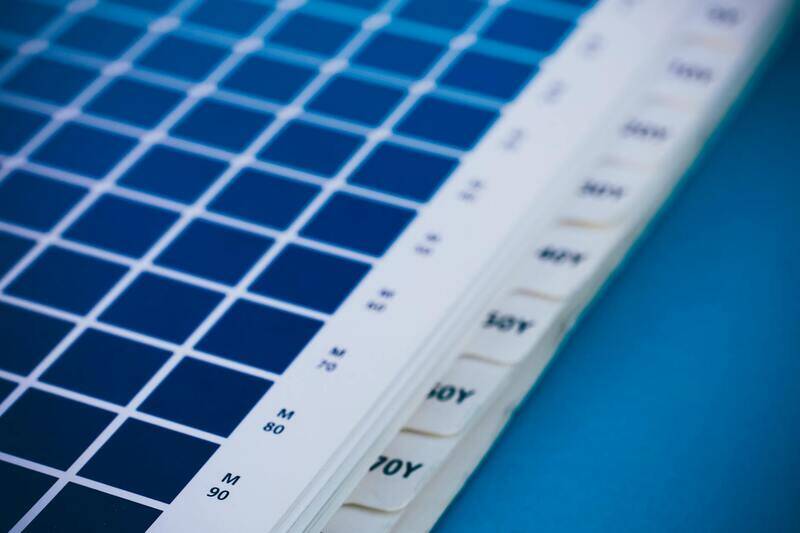
The selection of printing technology influences the quality, durability, and appearance of banners. UV flatbed printing allows for high-resolution images on rigid and flexible surfaces, perfect for custom shapes or backlit displays. Solvent and eco-solvent printers are renowned for their vibrant color output and weather resistance, making them suitable for outdoor banners that require longevity.
Latex printing emphasizes environmental friendliness while maintaining flexibility and high-quality images across a variety of substrates. Dye sublimation, a preferred method for fabric banners, produces vivid, durable images that resist fading and peeling over time. Each technology offers specific benefits, and a knowledgeable printing service can recommend the best approach based on your banner’s purpose and environment.
Cost Factors and Budgeting for Banner Printing
Understanding the cost components of banner printing allows for effective budgeting. Price determinants include material selection, size, complexity of design, and chosen printing technology. Larger banners naturally incur higher costs, but material quality and finishing options can significantly influence the overall price. For instance, adding lamination or UV coatings enhances durability but also increases expenses.
Bulk orders or long-term contracts often lead to cost savings, while urgent projects might attract premium pricing. It is essential to obtain detailed quotes from multiple service providers and inquire about potential discounts or package deals. Considering the balance between budget and quality ensures a successful promotional campaign without compromising the visual impact or longevity of the banners.
Installation and Maintenance of Printed Banners
Proper installation and ongoing maintenance are essential to maximize the visual impact and lifespan of your printed banners. When selecting a printing service, it is important to consider the expertise they offer in installing banners to ensure they are securely and correctly mounted. Improper installation can lead to issues such as sagging, tearing, or premature damage, which diminishes the effectiveness of your advertising effort.
For outdoor banners, professional installation often involves securing the banner with weather-resistant fasteners, ensuring proper tension, and choosing mounting locations that minimize exposure to extreme weather conditions. Indoor banners require sturdy hooks, adhesive solutions, or reinforcement with grommets to prevent accidental fall or damage.
Maintenance practices can significantly extend the usability of your banners. Regular cleaning using mild soap and water, avoiding abrasive materials, helps prevent dirt and grime buildup that can obscure images or dull colors. Checking for and repairing any tears or loose fasteners promptly maintains the banner's appearance and structural integrity.
In outdoor environments, it is advisable to periodically inspect the banner for exposure-related damage such as fading or material degradation. Depending on the environmental conditions and usage duration, some banners may benefit from protective coatings or lamination layers, which are typically applied during the printing process. These coatings provide additional resistance to UV rays, moisture, and dirt, thereby reducing the frequency of maintenance and reinstallation.
Collaboration with a printing service that offers installation guidance or services ensures that your banners are positioned optimally for maximum visibility. They can advise on suitable mounting hardware and techniques tailored to the specific environment and banner material, helping you avoid common pitfalls that could compromise the banner's presentation or durability.
Overall, a combination of proper installation and diligent maintenance maximizes your investment, allowing your banners to serve their promotional purpose effectively over an extended period. Partnering with experienced professionals not only facilitates high-quality setup but also provides peace of mind that your signage will withstand environmental challenges while maintaining its aesthetic appeal.