Understanding Banner Types and Uses
In the realm of promotional and informational displays, banners stand out as versatile tools that communicate messages effectively across various settings. Different banner types serve specific functions, ensuring that businesses, organizations, and individuals can select the most appropriate format for their needs. Recognizing the distinct categories and their typical specifications is crucial in making an informed order for banners tailored to your objectives.

Indoor Banners: Designed primarily for indoor use, these banners are ideal for trade shows, presentations, and retail displays. Their materials and constructions are optimized to look sharp in controlled environments, and they often feature lightweight frames or stands for easy setup.
Outdoor Banners: Built to withstand weather elements, outdoor banners are typically made with durable materials such as vinyl or mesh. They are used for road advertisements, event promotion, and seasonal sale displays. Their specifications include weather resistance, UV protection, and high tensile strength.
Retractable Banners: Also known as roll-up banners, these are portable and collapsible, making them perfect for mobility and quick setup at various events. They usually consist of a graphic panel mounted on a retractable mechanism within a sturdy casing.
Fabric Banners: Made from high-quality textiles, fabric banners provide a premium look with vibrant color reproduction. They are often used for interior décor, trade shows, and corporate branding.
Vinyl Banners: Known for their durability and versatility, vinyl banners are the most common choice for both indoor and outdoor applications. They come in various sizes and are suitable for long-term displays.
Typical Specifications of Banner Types
- Size: Ranges from small tabletop displays to large-format banners exceeding several feet in width and height.
- Material: Includes vinyl, fabric, mesh, or fabric blends depending on durability and visual requirements.
- Finish: Options include matte, gloss, or semi-gloss, affecting the visual impact and readability.
- Attachment Methods: Grommets, pole pockets, or adhesive backings to facilitate mounting or hanging.
Choosing the right banner type depends on the specific purpose, location, and desired visual effect. A clear understanding of these distinctions ensures that the final product effectively communicates your message while fitting seamlessly into its environment.
Understanding Banner Types and Uses
When considering an order banner, recognizing the different types available and their specific applications is essential for achieving the desired visual impact. Each banner type is optimized for particular environments and purposes, ensuring your message gets across effectively. The primary categories include vinyl banners, fabric banners, mesh banners, and retractable or roll-up banners.
Vinyl Banners
Vinyl banners are highly versatile, durable, and suitable for long-term outdoor or indoor displays. They are resistant to weather elements such as rain and wind, making them ideal for outdoor advertising campaigns, event signage, or promotional sales. Their smooth surface allows for vibrant color reproduction, enhancing the visual appeal of graphics and text. Vinyl banners can be produced in a wide range of sizes, from small single-message signs to expansive banners covering building facades.
Fabric Banners
Fabric banners offer a luxurious appearance due to their high-quality textiles, providing a more refined aesthetic suitable for interiors or special events. The fabric material lends a soft texture and vibrant color clarity, making them a popular choice for trade shows, retail displays, and corporate branding. They are lightweight, which facilitates easy transportation and setup, and can be manipulated to create elegant drapery effects for more sophisticated presentations.
Mesh Banners
Mesh banners are constructed from woven material that allows wind passage, reducing stress on mounting points, especially in outdoor environments. They are often used for large-scale advertising on fences, scaffolding, or building wraps where durability against wind is necessary. Their design supports visibility even when covered with graphics, allowing airflow without compromising the visual message.
Retractable or Roll-up Banners
Retractable banners are prized for their portability and convenience, making them perfect for mobile marketing or event signage. They feature a graphic panel stored inside a compact casing, which can be pulled up and secured with a telescoping pole. These banners are quick to set up and pack down, suitable for trade shows, conferences, and other short-term applications where ease of transport is crucial.
Choosing the Appropriate Banner Type
- Environmental conditions: Outdoor banners require weather-resistant materials like vinyl, while interior banners might opt for fabric or lighter options.
- Duration of use: Long-term displays benefit from durable vinyl, while short-term events may prioritize ease of installation with retractable banners.
- Design complexity: For intricate graphics with high color fidelity, fabric and vinyl options are recommended.
- Mobility needs: Frequent movers should select retractable banners for convenience.
Optimizing Banner Functionality
Effective use of banners involves understanding their specific characteristics. For instance, choosing a vinyl banner with grommets for outdoor use provides durable attachment options. Applying UV-resistant laminates can also extend the lifespan of outdoor banners by preventing fading. Conversely, fabric banners featuring matte finishes reduce glare and enhance readability, making them suitable for well-lit interiors.
In order to meet diverse marketing goals, comprehending these banner types aids in selecting the right product that aligns with your message, location, and duration. Precise understanding ensures your investment results in a visually compelling display that attracts attention and conveys your brand effectively.
Material Options for Banners
When selecting an order banner, the choice of material plays a crucial role in determining the durability, visual appeal, and suitability for your specific needs. Common materials include vinyl, fabric, and mesh, each offering distinct advantages tailored to different applications.
- Vinyl: Vinyl banners are renowned for their robustness and weather resistance, making them ideal for outdoor environments. They offer vibrant color reproduction and are highly customizable, with options for matte or gloss finishes. Vinyl is particularly suitable for long-term outdoor displays, event signage, and promotional advertising that requires a resilient surface against elements like rain and wind.
- Fabric: Fabric banners provide a premium appearance with smooth, high-quality finishes. They excel in indoor settings where elegance and sophistication are desired. Fabric banners tend to have a matte surface, which minimizes glare and enhances readability. They are lightweight, foldable, and easy to transport, making them perfect for trade shows, retail displays, and interior branding that benefits from a soft, refined look.
- Mesh: Mesh banners feature a perforated surface that permits wind passage, significantly reducing strain during outdoor use in windy conditions. Ideal for large-format outdoor advertising, such as stadium banners or building wraps, mesh banners maintain visibility and structural integrity even under challenging weather circumstances. Additionally, their breathability keeps the banner in place without excessive stress on mounting points.
Choosing the Right Printing Techniques
Selecting the appropriate printing method enhances the visual impact and longevity of your order banner. The choice depends on the material, design complexity, color fidelity, and budget considerations.
- UV Printing: This technique involves ultraviolet light curing inks that produce vibrant, detailed images with excellent color accuracy. Ideal for high-resolution graphics on vinyl or fabric, UV printing offers durable results that resist fading and wear over time.
- Solvent/Eco-Solvent Printing: Known for its ability to print directly onto vinyl and other flexible materials, this method provides vibrant, weather-resistant images suitable for outdoor signage. It supports large-format printing and ensures color longevity, making it a popular choice for outdoor banners.
- Screen Printing: While less common for full-color photographs, screen printing is effective for simple, bold graphics or logos, especially in bulk production. It offers vibrant colors and high durability but is more suitable for longer run orders with limited color palettes.
- Laser Printing: More often used for smaller quantities or precise interior banners, laser printing allows fine detail and sharp text, suitable for professional presentations or corporate branding indoors.
Steps to Place a Banner Order
Ensuring a smooth ordering process involves several key steps, from design submission to final confirmation. Adopting a structured approach guarantees that your banner meets your expectations and is delivered on time.
- Design Preparation: Create high-resolution files in the preferred format, following specified dimensions and bleed requirements. Incorporate your branding elements, ensuring text and graphics are clear and high-contrast for visibility.
- Material Selection: Decide on the most appropriate material based on your banner's purpose, location, and expected lifespan.
- Order Submission: Upload your design files via the vendor’s online platform, ensuring all specifications are accurate. Use templates if provided to guarantee proper sizing and margins.
- Review and Approval: Carefully review the proof provided by the printing company. Confirm colors, layout, and other details before giving approval to proceed with production.
- Production and Lead Time: Once approved, the order moves into production. Keep in touch with the supplier for updates on progress and estimated delivery dates.
Understanding Banner Types and Uses
Order banners serve diverse purposes across various industries, with each type tailored to specific settings and communication needs. The most common categories include event banners, promotional banners, directional banners, and retail banners, among others. Event banners are typically large displays used for conferences, trade shows, and festivals, designed to attract attention and convey key messages quickly. Promotional banners function as advertising tools placed in high-traffic areas to promote sales, brand awareness, or seasonal campaigns. Directional banners guide visitors within large venues, ensuring easy navigation, while retail banners highlight ongoing offers or new product launches.
Choosing the correct banner type involves understanding the environment where it will be displayed, the duration of the display, and the message’s urgency. For temporary events, lightweight materials with easy installation are preferred, while permanent signage requires more durable options. The size, design complexity, and required visibility influence the selection process, aiming for maximum impact with appropriate resource investment.
Design Considerations for Order Banners
The design phase is crucial in ensuring your banner communicates effectively and aligns with your brand identity. Using bold, legible fonts and vibrant colors enhances visibility from a distance. Additionally, maintaining a clean layout with minimal clutter helps convey key messages quickly. Incorporate your branding elements, such as logos and color schemes, to reinforce brand recognition.
When preparing your design, consider the viewing distance and ambient lighting conditions. High-contrast color combinations improve readability, especially in outdoor environments with sunlight glare. Ensure that text size is proportional to the banner's overall dimensions, allowing viewers to read the message effortlessly. Including a clear call-to-action prompts viewers to take the desired step, whether visiting a website or making a purchase.
Material Options for Banners
Material selection significantly impacts the durability, look, and overall effectiveness of your banner. Common materials include vinyl, mesh, fabric, and polyester, each suited to different applications. Vinyl banners are highly durable and weather-resistant, making them ideal for outdoor use. Mesh banners allow air passage, reducing wind load, and are suitable for large-format displays in windy locations. Fabric banners offer a premium appearance, often used for indoor settings such as trade shows or corporate events. Polyester composites provide a lightweight yet sturdy option that balances cost and lifespan.
Consider the banner's expected exposure to elements, required lifespan, and environmental considerations when choosing materials. Water, UV light, and wind resistance are critical factors affecting material longevity. Additionally, eco-friendly options are increasingly available for businesses seeking sustainable branding methods.
Steps to Place an Banner Order
Securing a banner that effectively represents your brand or message requires careful planning and attention to detail. When ordering banners through a professional printing service like expressprintingsi.com, following a systematic process ensures optimal results. The first step involves preparing and submitting your design files. It is essential to use high-resolution images and vector formats such as AI, EPS, or PDF to guarantee sharp, clear print quality. When designing, adhere to the recommended bleed areas and margins to prevent any unwanted cropping or distortion during trimming.
Next, you will need to select the appropriate size for your banner. Consider the viewing distance and the space available for installation. Larger banners are more visible from afar but require higher-resolution files and durable materials to withstand environmental conditions. Smaller banners are suitable for indoor use or closer inspection, like informational signage at events. Many printing services offer standard sizes, but custom dimensions can also be accommodated for specific needs.
Material choice plays a critical role in the overall look and lifespan of your banner. Options such as vinyl, mesh, fabric, and polyester each serve different application environments. For outdoor settings with exposure to wind and sunlight, durable vinyl with UV-resistant coatings is preferred. For high-traffic indoor areas, fabric banners lend a refined appearance. Mesh banners are ideal for installation in windy outdoor locations, allowing airflow while maintaining visibility. Clearly communicate your needs to your printing provider to receive tailored recommendations based on durability and aesthetic considerations.

After choosing the appropriate material and size, proceed with confirming your order details. Check that all specifications, such as dimensions, material selections, finishing options, and quantity, are accurately documented. Review color proofs if provided, to ensure color fidelity and brand consistency. Providing clear instructions on installation preferences, such as grommet placement or pole pockets, can streamline the production process. Once all details are finalized, submit your order and await confirmation from the printing service.
Throughout this process, maintaining open communication with the printing provider ensures your expectations are met. Confirm turnaround times and shipping options to align with your project timeline, especially for time-sensitive promotional events or campaigns.
Understanding Banner Types and Uses
Order banners are versatile promotional tools tailored to a wide range of applications, from marketing campaigns to event signage. Different types of banners serve specific purposes and environments. For instance, vinyl banners are highly durable, making them suitable for outdoor advertising where exposure to weather elements is a concern. Fabric banners offer a premium appearance and are often used indoors for trade shows or storefront displays. Mesh banners are engineered for windy outdoor settings, allowing airflow to prevent tearing while maintaining visual impact. Additionally, retractable banners and step-and-repeat backdrops provide portable solutions for events and brand promotions. Selecting the appropriate banner type depends on the intended use, environment, and desired visual impact, ensuring your message effectively reaches your target audience.
Design Considerations for Order Banners
Effective banner design plays a crucial role in capturing attention and conveying your message clearly. When designing an order banner, prioritize high-resolution artwork to ensure sharp visuals upon printing. Use bold, legible fonts that are easily readable from a distance, emphasizing key information such as promotions, contact details, or event names. Keep the color scheme consistent with your brand identity, leveraging contrasting colors to enhance visibility. Incorporate concise slogans or calls-to-action that motivate viewers to engage with your brand. Additionally, pay attention to the placement of elements like logos, images, and text to ensure a balanced composition that guides the viewer’s eye naturally across the banner. Properly aligned and aesthetically pleasing designs increase the likelihood of achieving the desired impact.
Color and Branding
Choosing the right colors is essential for brand recognition and visual harmony. Ensure that your banner’s color palette aligns with your brand guidelines. Bright and contrasting colors attract attention, while muted tones communicate sophistication. Incorporate your logo prominently, maintaining consistency in color and style. Avoid cluttered layouts by limiting the number of design elements and focusing on a clear message. Effective use of whitespace enhances readability and visual appeal, helping your banner stand out in crowded environments.
Material Options for Banners
The durability and appearance of your banner largely depend on the material employed. Common options include vinyl, mesh, fabric, and polyester, each suited for different conditions. Vinyl is the most popular choice for outdoor banners due to its weather resistance and longevity. It can withstand UV exposure, rain, and wind, making it ideal for long-term installations. Mesh banners are designed for highly exposed outdoor areas where airflow is necessary—these are perfect for high-wind locations. Fabric banners provide a refined look for indoor events, trade shows, or retail displays, offering a luxurious feel and vibrant color reproduction. Polyester banners are a budget-friendly alternative for short-term indoor applications, offering decent durability and ease of handling. Selecting the right material ensures your banner retains its quality and effectiveness throughout its intended lifespan.
Choosing the Right Printing Techniques
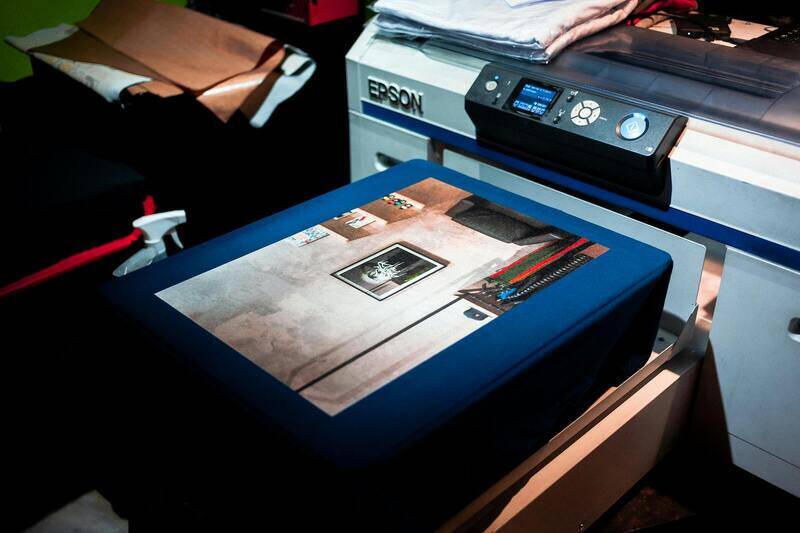
Printing methods significantly influence the visual quality and durability of your order banner. Digital printing is the most prevalent, offering high-resolution images and vibrant colors suitable for detailed graphics and photographic content. Screen printing, although less common for large banners, allows for bold, simple designs with solid colors and is often used for smaller quantities or specific effects. Dye sublimation is ideal for fabric banners, enabling vibrant, fade-resistant images that are embedded into the material. For outdoor banners requiring UV resistance and weather-proofing, UV-cured inks are preferred to extend the lifespan of the print. When selecting a printing technique, consider factors such as the complexity of your design, material compatibility, and environmental exposure to ensure the final product meets your expectations for quality and longevity.
Steps to Place an Banner Order
To initiate an order for banners, begin by specifying your desired size and determining the appropriate material based on where the banner will be displayed. Prepare your artwork, keeping resolution at 300 dpi for sharp results, and ensure that all branding elements are correctly aligned with your visual identity. Review the design for clarity, color accuracy, and overall appeal. Contact your printing provider to discuss your specifications, including finishing options like grommets or pole pockets, and clarify any installation requirements. Confirm the quantity and request a detailed quote, including costs for additional features or customization. Once you approve the proof and finalize the details, submit your order through the provider’s ordering system. Maintain communication throughout the process to address any concerns promptly. Track your order and schedule delivery based on your event timeline or campaign schedule to ensure timely installation and maximum impact.
Understanding Banner Types and Uses
Order banners come in a variety of formats tailored to different marketing needs and display environments. Standard vinyl banners are highly popular for their durability and versatility, suitable for both indoor and outdoor settings. Mesh banners, featuring small perforations, allow wind to pass through, making them ideal for large outdoor displays exposed to breezy conditions. Fabric banners are increasingly preferred for upscale events or indoor displays due to their refined appearance and ability to showcase vibrant graphics. Additionally, retractable or roll-up banners provide portable solutions for trade shows, exhibitions, and promotional events, offering ease of setup and storage. Recognizing the specific function and location of your banner is essential to selecting the most appropriate type, which ensures maximum visibility and effectiveness.
Design Considerations for Order Banners
Crafting a compelling banner design requires attention to several critical factors. Clear, concise messaging is vital; use large, legible fonts that can be read from a distance. The visual hierarchy should guide the viewer’s eye through the most important elements, such as your brand logo, call-to-action, and key information. Color schemes must be vibrant and consistent with your branding, ensuring high contrast for readability. Simplicity often yields better results; avoid cluttered layouts that can diminish the impact of your message. High-resolution artwork at a minimum of 300 dpi is essential for sharp, professional visuals. Incorporate images or graphics that align with your brand identity and campaign goals, maintaining a balance between visual appeal and informative content. Lastly, consider the placement of essential elements like grommets or reinforcement points, especially if the banner will be subjected to outdoor conditions or frequent handling.
Material Options for Banners
- Vinyl: Durable and weather-resistant, suitable for outdoor use.
- Mesh Fabric: Perforated for ventilation, ideal for windy environments.
- Polyester/Fabric: Elegant appearance, suitable for indoor displays or high-end events.
- Canvas: Excellent for artistic or decorative banners with a textured finish.
Selection of the appropriate material depends on the intended display environment, budget, and desired longevity. Consult with your printing provider to determine which option best aligns with your project needs, ensuring that the chosen material can support your design and withstand external conditions.
Choosing the Right Printing Techniques
Printing methods influence the durability, vibrancy, and overall quality of your banners. Solvent or eco-solvent printing provides high-quality, weather-resistant images suitable for outdoor use. UV printing offers excellent color accuracy and longevity, particularly beneficial for banners exposed to intense sunlight. Dye sublimation, primarily used for fabric banners, embeds images directly into the material, resulting in vibrant, fade-proof visuals. For complex designs or photographic imagery, digital printing ensures fine detail and color fidelity. When selecting a technique, consider environmental exposure, the level of detail required, and your budget. Proper method selection guarantees that the finished banner will perform as expected over time, maintaining its visual impact and structural integrity.
Steps to Place an Banner Order
Successfully ordering banners involves a systematic process to ensure your final product matches expectations. Begin by defining the exact dimensions needed for your display space. Select the appropriate material based on your environment and durability requirements. Prepare your digital artwork at a resolution of 300 dpi, ensuring all branding elements are correctly aligned and color-separated properly. Review your design meticulously for clarity and visual impact. Communicate your specifications to your printing provider, including preferred finishing options like grommets, pole pockets, hemming, or wind slits. Request a detailed quote that encompasses all features and potential customization options. Upon receiving the proof, review it thoroughly for accuracy, making adjustments if necessary. Once you approve the proof and confirm the final order details, proceed with the transaction through your provider’s ordering system. Maintain ongoing communication to address any questions and monitor the production process. Plan ahead to schedule delivery, allowing ample time for installation and ensuring your banner makes a strong impression at your event or campaign.
Cost Factors and Budgeting for Banner Orders
Understanding the factors influencing the cost of banners helps in effective budgeting and planning. The primary contributors include size, material, color complexity, quantity, and finishing options. Larger banners naturally incur higher material and printing costs, but economies of scale can reduce the per-unit expense when ordering in bulk. The choice of material significantly impacts price; premium fabrics or specialty materials like mesh or textured fabrics are more costly than standard vinyl. Intricate or full-color designs that require advanced printing techniques will also influence overall expenses. Finishing features such as reinforced hems, grommets, pole pockets, or wind slits add to the cost but enhance durability and functionality. To optimize your budget, consider prioritizing essential features and exploring bundled options offered by your printing provider. Transparent communication regarding your budget constraints can lead to tailored recommendations that deliver the best value without compromising quality.
Understanding Banner Types and Uses
Order banners come in various formats tailored to different promotional, informational, or decorative needs. Common types include retractable banners, which are ideal for trade shows and temporary events due to their portability and ease of setup. Mesh banners are preferred for outdoor environments as they withstand wind and weather conditions while still allowing airflow. Vinyl banners are versatile, suitable for both indoor and outdoor use, and can be customized into large sizes for building wraps or event backdrops. Fabric banners offer a premium look with vibrant colors and are often used for interior displays or retail signage where visual appeal is paramount.
Each banner type serves specific functions:
- Retractable banners: Portable displays that can be quickly assembled and disassembled.
- Mesh banners: Durable outdoor banners with wind-permeable properties.
- Vinyl banners: Cost-effective, versatile, suitable for long-term outdoor use.
- Fabric banners: Luxurious appearance, ideal for indoor environments such as trade shows or corporate events.
Understanding these options ensures you select the right banner for your event or campaign, maximizing visibility and impact.

Design Considerations for Order Banners
Effective banner design is crucial for attracting attention and communicating your message clearly. Visual hierarchy guides viewers’ eyes to key information, such as logos, slogans, or call-to-action statements. Use bold, contrasting colors to stand out against the background, and ensure text is legible from a distance by choosing appropriate fonts and sizes. Incorporate high-resolution images and graphics to maintain clarity at large scales. Consistency with brand colors and aesthetics reinforces recognition and credibility.
Balance the design elements, avoiding clutter that could dilute your message. Consider the placement of critical details and ensure the layout complements the environment where the banner will be displayed. For outdoor banners, avoid fine details that may become illegible in adverse weather conditions. For indoor banners, leverage lighting to enhance visibility.
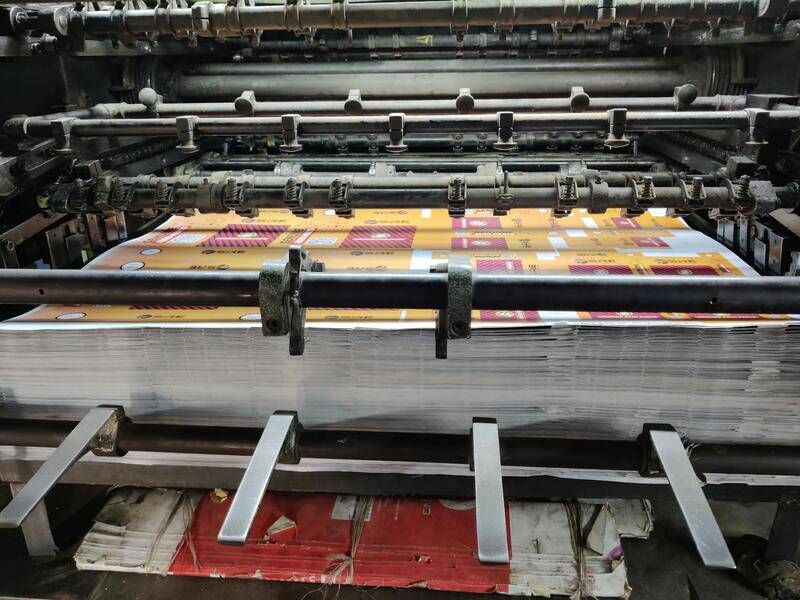
Material Options for Banners
Selecting the appropriate material is essential for durability and visual quality. Vinyl is the most common choice, offering weather resistance, flexibility, and affordability. Matte or gloss finishes are available, each affecting the visual tone of the print. Mesh materials are excellent for outdoor banners where wind resistance is needed, as they allow airflow to prevent tearing. Fabric banners, typically made from polyester, are chosen for their vibrant color retention and high-end appearance, suitable for indoor use or special events.
Other material considerations include thickness, weight, and the ability to withstand UV exposure. Thicker options provide extra durability, while lighter materials are portable and easier to handle. Specialty materials like textured fabrics or reflective surfaces can enhance visual appeal and functionality in specific contexts.
Choosing the Right Printing Techniques
High-quality printing is vital to produce vibrant, sharp images that effectively convey your message. Digital printing is the standard method for banners, offering quick turnaround times and detailed results. For large-scale or special effects, solvent and eco-solvent printing provide durable, weather-resistant finishes with rich color depth. Screen printing might be used for simple designs or large quantities, especially when spot colors are involved.
UV printing adds a layer of protection, making banners resistant to fading and scratches, which is ideal for outdoor use. Dye-sublimation is particularly suitable for fabric banners, delivering vibrant colors and a smooth finish. Selecting the appropriate printing method depends on your budget, desired visual quality, and environmental exposure.

Steps to Place an Banner Order
The process begins with determining your banner specifications, including size, material, design, and quantity. Provide detailed artwork or collaborate with designers to create a compelling layout. Once the design draft is ready, review proof samples to ensure correctness in colors, fonts, and overall appearance. Approve the proof before proceeding to production to avoid costly errors.
After approval, submit your order through the printing provider’s platform, ensuring all details are accurately entered. Confirm payment, delivery address, and preferred delivery timeline. It’s advisable to maintain communication with the printing team to monitor progress, especially for large or complex orders. Allow enough lead time for production, quality checks, and shipping, particularly for outdoor or large-format banners. Arrange for installation once the banner arrives to ensure optimal visibility and safety.