Understanding Banner Printing Costs
When planning to produce a banner, understanding the factors that influence its printing cost is essential for effective budgeting and achieving the desired visual impact. Several elements come into play, including the size of the banner, the material selected, and the complexity of the design. Each of these components contributes to the overall expense, and being aware of them allows for informed decisions that balance quality with affordability.
Size of the Banner
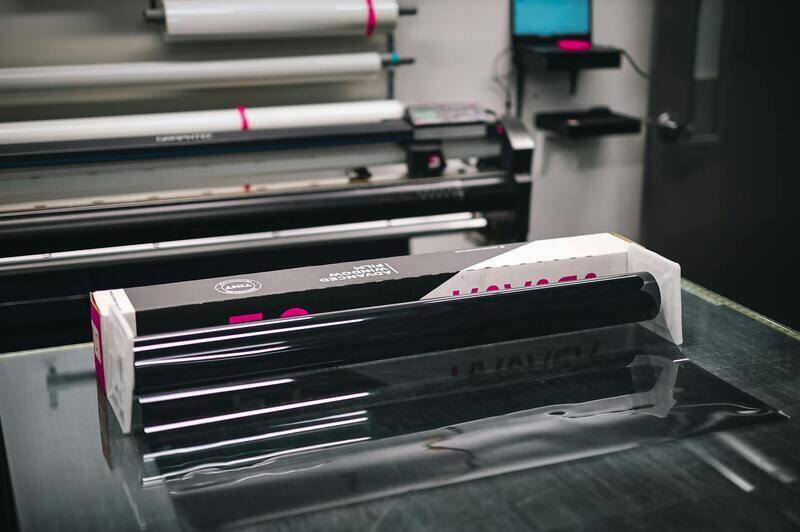
The dimensions of the banner significantly impact the cost. Larger banners require more material and printer capacity, which naturally increases expenses. Common sizes such as 2x4 feet or 3x6 feet serve different purposes, from small promotional displays to large-scale event backdrops. When selecting size, consider the intended visibility and space constraints, as these aspects influence production costs. Larger banners will inevitably incur higher costs due to increased material usage and the need for specialized printing equipment capable of handling oversized formats.
Material Choices and Their Effect on Cost
The printing material, or substrate, is a critical determinant of cost, with options ranging from vinyl and mesh to fabric and lightweight PVC. Each material offers unique benefits such as durability, weather resistance, and visual appeal. Vinyl banners are popular for outdoor use due to their resilience and affordability, while fabric banners provide a premium feel but tend to be more expensive. The quality and thickness of the material directly affect the price, making material selection an essential step in balancing budget and performance.
Design Complexity and Production Techniques
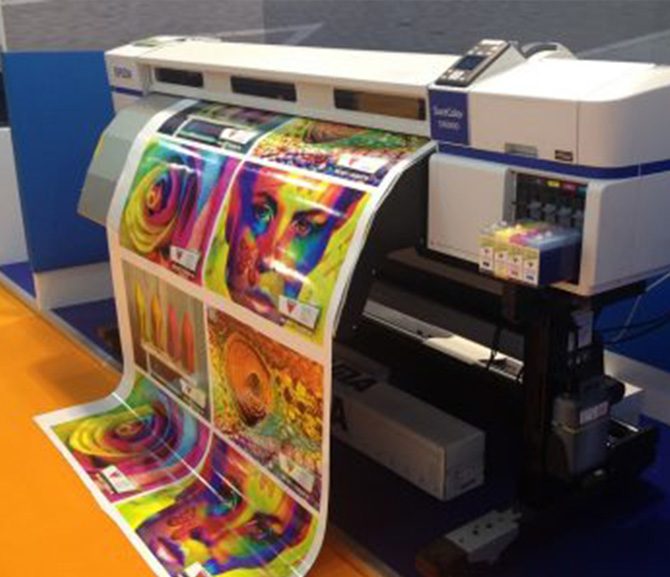
The intricacy of the banner design influences printing costs, especially when detailed graphics, vibrant color gradients, or large quantities of text are involved. High-resolution images and complex layouts may require advanced printing technologies, such as UV printing or dye-sublimation, which can increase manufacturing expenses. Conversely, simpler designs with minimal colors tend to be more cost-effective. Additionally, the printing process itself—whether digital, screen, or sublimation—plays a role in the final pricing. Selecting appropriate techniques aligned with the design complexity helps to control costs without compromising quality.
Understanding Banner Printing Costs
When assessing the expenses associated with banner printing, it is vital to consider various technical and material factors that influence the overall pricing. The size of the banner is a fundamental consideration, as larger formats demand more raw materials and often necessitate specialized machinery to ensure high-resolution printing without distortion or compromise in quality. While standard sizes like 2x4 ft or 3x6 ft are widely used, custom dimensions tailored to specific marketing needs can significantly affect costs, especially if the dimensions push the limits of standard printing equipment.
Material selection is another key determinant. Vinyl remains the most popular choice for outdoor advertising due to its durability and weather resistance, providing an excellent balance between cost and longevity. Mesh banners, with their breathable fabric, are suitable for windy environments but tend to be slightly more expensive because of their specialized weave. Fabric banners, often made from polyester or other textiles, offer a high-end look but come with a higher price tag, largely due to the higher quality materials and printing techniques involved. Lightweight PVC materials are also common for indoor displays where cost efficiency is prioritized, but they may lack the durability needed for extended outdoor exposure.
In addition to material choice, design complexity plays a pivotal role. Simple designs with minimal colors and straightforward graphics are less costly as they require fewer printing passes and less ink, minimizing both material and labor costs. Conversely, intricate designs with detailed graphics, the use of multiple colors, or gradient effects increase printing complexity, often requiring advanced equipment and longer production times. Techniques such as UV printing or dye sublimation are employed to achieve high-detail visuals but come with higher operational costs. These methods ensure vibrant colors and durability but should be chosen judiciously to match project budgets and desired visual impact.
Additional Factors Impacting Banner Printing Cost
- Quantity of Banners: Printing in bulk typically reduces the unit cost due to economies of scale, whereas smaller orders may carry higher per-unit costs.
- Finishing and Mounting Options: The addition of grommets, hems, pole pockets, or lamination adds to the total expense but also enhances durability and ease of installation.
- Turnaround Time: Rush orders often incur premium charges as they require expedited production and transportation.
- Edge Quality and Reinforcements: Reinforced edges or specialized finishing techniques improve longevity but will increase overall costs.
Understanding these aspects allows for more informed decisions when planning for your banner project, ensuring a balance between quality, durability, and cost efficiency while aligning with your campaign objectives.
Average Price Range for Banner Printing in Singapore
The typical cost of banner printing in Singapore varies depending on size, material, and design complexity. For standard sizes such as 2x4 ft vinyl banners, prices generally range from SGD 50 to SGD 150 each for basic prints. Larger or custom-sized banners, especially those utilizing premium materials or detailed graphics, can cost SGD 200 to SGD 500 or more per piece. Bulk ordering and streamlined finishing options can lower the overall unit cost, making it more feasible for large-scale advertising campaigns. It is advisable to request detailed quotes from multiple service providers to compare offerings and ensure the chosen option aligns with your budget and quality expectations.
Tips to Optimize Banner Printing Cost
- Prioritize essential design elements to keep printing process straightforward.
- Choose standard sizes where possible to take advantage of cost efficiencies.
- Select durable yet economical materials like vinyl for outdoor banners.
- Combine multiple banners into a single order to benefit from volume discounts.
- Plan your campaign timeline to avoid rush fees that add unnecessary costs.
- Utilize simple finishing techniques unless advanced reinforcement is needed for longevity.
Choosing the Right Printing Service
When selecting a banner printing provider, consider their experience, equipment quality, material options, and customer reviews. A reputable provider like expressprintingsi.com offers transparent pricing, a wide range of materials, and expertise in handling complex and large-format banners. Ensuring the service provider adheres to high standards of quality control reduces the likelihood of costly reprints or design reworks, ultimately helping you stay within budget while achieving the desired visual impact.
Materials Used in Banner Printing
Selecting the appropriate material for banner printing plays a pivotal role in determining the overall cost and longevity of your advertising display. Common materials include vinyl, mesh, fabric, and polyester, each with distinct characteristics that influence pricing.
Vinyl is the most widely used material for outdoor banners due to its durability, weather resistance, and affordability. Its cost efficiency makes it a popular choice for large-scale campaigns requiring frequent replacements or temporary signage. Standard vinyl banners are generally cost-effective, typically ranging between SGD 10 to SGD 30 per square meter, depending on quality and thickness.

Mesh fabric is ideal for large banners that need to withstand strong winds. Its perforated design reduces wind resistance, making it suitable for high-exposure outdoor settings. Although slightly more complex to produce, mesh banners tend to be priced similarly to vinyl but can provide enhanced resilience, especially in challenging weather conditions.
Fabric banners are premium options often used indoors or for special events due to their elegant appearance and texture. The cost for fabric banners is generally higher, often ranging from SGD 25 to SGD 50 per square meter, owing to the premium materials and printing methods involved.
The choice of material directly impacts not just the initial printing cost but also the need for specialized finishing, maintenance, and storage. While vinyl remains the most cost-effective for outdoor applications, investing in premium fabrics can be advantageous for branding that demands a sophisticated appearance. When budgeting, it’s essential to balance material costs against expected durability and visual impact to optimize overall advertising effectiveness.
Design Complexity and Printing Techniques
The intricacy of your banner design and the printing method employed significantly influence how much you'll invest. Simple designs with limited colors and minimal details are more economical, as they require less time and fewer resources. Conversely, banners featuring detailed graphics, gradient effects, or multiple colors necessitate advanced printing techniques such as digital, solvent, or eco-solvent printing, which can increase costs.
For designs with complex artwork, it’s advisable to prepare high-resolution files and work closely with the printing provider to understand the associated costs. Techniques like dye sublimation are suited for fabric banners and tend to enhance color vibrancy but come at a higher price point. Additionally, finishing processes such as hemming, pole pockets, or reinforced edges contribute to the final expense but improve the banner's durability and presentation quality.
Accurately estimating the printing cost involves evaluating both design complexity and the chosen production method. Collaborating with seasoned printers can help in selecting suitable techniques that balance quality and budget efficiently.
Additional Factors Impacting Banner Printing Cost
Beyond size, materials, and design intricacy, several other considerations can significantly influence the overall expense of banner printing. These factors should be carefully evaluated to ensure an optimal balance between quality and budget.
- Quantity of Banners: Printing in bulk often reduces the per-unit cost due to economies of scale. Companies that require multiple banners for an event or ongoing campaign benefit from volume discounts, which can lead to substantial savings.
- Finish and Reinforcements: Adding finishing touches like hemming, grommets, pole pockets, or reinforced edges enhances durability and ease of installation. These extra features incur additional costs but extend the banner’s lifespan, ultimately providing better value.
- Color Options and Printing Complexity: Multicolor and high-detail images require advanced printing techniques, which tend to be more expensive than single-color or limited-color options. Opting for fewer colors or simplified designs can help control costs without compromising essential branding elements.
- Production Speed and Delivery: Urgent orders often attract premium charges. Selecting a standard lead time and planning ahead can help avoid rush fees, ensuring more economical options for your banner printing.
- Environmental and Eco-friendly Options: Using recycled or sustainable materials may involve a slight premium but reflects responsible business practices. These options can enhance brand reputation and appeal to environmentally conscious audiences.

Additional Factors Impacting Banner Printing Cost
Beyond size, material, and design complexity, several additional elements can influence the overall expense of banner printing. Specific modifications and special requests can significantly alter the final price, and it is essential to understand these to manage budgeting effectively.
Material Thickness and Durability
The thickness and weight of the banner material play a crucial role in determining cost. Thicker, heavier materials such as vinyl or mesh are more durable and suited for outdoor use but typically command higher prices compared to standard PVC or fabric options. This increased durability ensures better resistance to environmental factors like wind, rain, and UV exposure, thus providing better long-term value but at an added initial cost.
Finish and Special Coatings
Finishing options such as gloss, matte coatings, or protective laminates enhance the visual appeal and longevity of banners. For instance, matte finishes help reduce glare, making banners easier to read from various angles, while gloss coatings can make colors appear more vibrant. Special coatings also protect the print from scratches, UV fading, and moisture. These enhancements often involve additional charges but contribute to a more polished appearance and extended lifespan of the banner.
Reinforced Edges and Additional Reinforcements
For banners intended for frequent handling or outdoor exposure, reinforcements such as reinforced hems, grommets, or pole pockets are recommended. These features improve the structural integrity of the banner and make installation easier across different surfaces. While these enhancements increase production costs, they significantly reduce the risk of tearing or damage, ultimately saving money through prolonged usability.
Custom Requests and Special Features
Custom design elements such as intricate die-cut shapes, unique finishes, or specific mounting options can add to the overall banner printing cost. Certain special requests might require proprietary printing techniques or additional setup, which come with additional charges. Understanding these extra costs upfront allows for better planning and ensures the final product aligns with both quality expectations and budget constraints.
By carefully considering these additional factors, clients can make informed decisions that balance expenditure with desired durability and presentation quality, ensuring their investment in banner printing delivers maximum impact without unforeseen expenses.
Understanding Banner Printing Costs
Determining the overall expense for banner printing involves evaluating multiple key elements that influence the final price. These include factors such as the size of the banner, chosen material, design intricacies, and additional finishing options. By assessing each component meticulously, clients can better understand how costs accumulate and identify opportunities for cost-effective choices that do not compromise quality.
Material Selection and Durability
One of the primary drivers of banner printing costs is the material used. Options typically range from budget-friendly vinyl or mesh banners to premium fabrics or rigid substrates. PVC vinyl is often the most economical choice, suitable for short-term campaigns and indoor displays. In contrast, heavy-duty materials like blockout vinyl or weather-resistant fabrics are more appropriate for outdoor signage, offering enhanced durability against environmental factors such as wind, UV rays, and moisture.
Size and Coverage Area
The physical dimensions of the banner directly impact production costs. Larger banners require more material, extended printing time, and potentially more complex handling, all of which contribute to higher costs. Standard sizes like 2x4 feet or 3x6 feet are usually more affordable, while custom sizes tailored to specific needs can significantly increase expenses due to dedicated setup processes.
Quantity and Bulk Orders
Order volume plays a crucial role in pricing. Typically, printing multiple banners simultaneously yields a lower cost per unit, benefiting from economies of scale. Bulk orders often allow for discounted rates, making large-scale campaigns more budget-friendly. Conversely, small, single-print runs may incur higher unit costs since setup and material preparation are allocated over fewer units.
Design and Color Complexity
The intricacy of your banner’s design can affect the printing cost. Simple, text-based banners are usually less expensive, whereas banners with detailed graphics, gradients, or colour gradients necessitate more advanced printing techniques and higher ink consumption. Ensuring your artwork is optimized for printing can help minimize additional charges derived from complex designs.
Printing Technology and Techniques
Advanced printing methods such as solvent or latex printing offer high-resolution, vibrant images suitable for professional advertising. These techniques might have higher initial costs but result in superior durability and visual impact. Conversely, basic UV or screen printing options may be more budget-conscious but limited in colour range or image detail.
Staying informed about these cost-driving factors helps in making strategic decisions. For instance, opting for standard sizes, selecting appropriate materials for your environmental conditions, and simplifying designs can reduce expenses without sacrificing effectiveness. Budget-conscious clients should also collaborate closely with printing providers to explore options that balance quality and affordability.
Understanding Banner Printing Costs
When assessing the expenses related to banner printing, it is crucial to consider a range of factors beyond the basic price per square foot. These include the choice of materials, the complexity of the design, the specific printing techniques employed, and additional services that may be required. Properly understanding these elements enables businesses to make informed decisions, ensuring that their investment results in a banner that effectively communicates their message while fitting within their budget.
Common Banner Sizes and Their Pricing
Standard banner sizes can vary significantly, affecting overall costs. For instance, a typical 2ft x 4ft banner might be more affordable for short-term or indoor applications, whereas larger banners such as 4ft x 10ft or 8ft x 20ft are more suitable for outdoor advertising but come with increased material and printing expenses. Custom sizes, though often more expensive due to tailored production, may be necessary for specific campaigns or branding requirements. When planning your budget, it’s essential to select a size that balances visibility with cost-efficiency. Many printing providers offer cost estimates based on standard dimensions, which can serve as a baseline for evaluating different options.
Materials Used in Banner Printing
The choice of materials has a direct impact on both the durability and cost of a banner. Common materials include vinyl, mesh, fabric, and flex face, each suited for specific environments and purposes. Vinyl banners are popular for their durability and resistance to weather conditions, making them ideal for outdoor use, but tend to be more expensive than fabric options suitable for indoor display. Mesh banners, with their perforated surface, allow wind passage, reducing strain and cost for larger outdoor banners. The thickness and quality of the material, along with any lamination or coating applied, will influence the final price. Investing in high-quality, weather-resistant materials may increase initial costs but can lead to longer-lasting displays, reducing the need for frequent replacements.
Design Complexity and Printing Techniques
The intricacy of a banner’s design significantly influences the production expenses. Simple, straightforward designs with minimal colours are generally less costly, as they require fewer printing passes and less ink. Conversely, banners featuring detailed graphics, multiple colours, gradients, or photographic images necessitate advanced printing techniques such as solvent or latex printing, which can be more expensive. These methods produce sharper images and vibrant colours but involve higher setup costs. Moreover, complex designs may require extra pre-press work, color calibration, and proofing to ensure accurate reproduction—factors that contribute to overall costs.
Additional Factors Impacting Banner Printing Cost
Several auxiliary elements can influence the final price of banner production. These include the turnaround time; expedited services often incur premium charges. Finishing processes such as hemming, grommets, pole pockets, or reinforced edges add to the expense but enhance durability and ease of installation. Environmental considerations, like the use of eco-friendly inks or materials, may also affect costs. Furthermore, if custom artwork or professional graphic design services are required, these will contribute to the overall expenditure. A comprehensive understanding of these factors allows for proper budgeting and ensures that the final product aligns with campaign goals and financial parameters.

Factors Influencing Final Banner Printing Costs in Singapore
When planning for banner printing projects, understanding the factors that contribute to the overall cost is essential for effective budgeting. Besides the basic size and material choice, several auxiliary elements can significantly influence the final price. These include the urgency of production, finishing specifications, environmentally friendly options, and the level of customization involved.
Turnaround Time and Urgency
Orders requiring rapid turnaround often carry additional fees. Expedited services may involve prioritizing production schedules, allocating extra resources, and working outside standard operating hours. Clients should communicate specific timeframes early in the process to obtain accurate price estimates. Planning well in advance allows for more cost-effective options by avoiding rush charges.
Finishings and Additional Enhancements
- Grommets and Eyelets: These are metal rings attached to the banner's edges, facilitating easy hanging and installation. Adding grommets generally incurs a minimal additional cost but enhances practicality.
- Hem and Reinforced Edges: Seams sewn around the banner perimeter prevent fraying and increase durability, especially for outdoor banners.
- Pole Pockets: Allows the banner to slide onto poles, simplifying setup and removal, particularly for large or outdoor banners.
- Double-Sided Printing: Essential for banners viewed from both directions, doubling the printing costs but increasing visibility.
Eco-Friendly Printing Options
Incorporating environmentally friendly inks and materials, such as water-based inks or recycled substrates, can elevate production costs. However, these options support sustainable practices and often appeal to environmentally conscious clients. Banner printers offering eco-friendly solutions usually provide detailed options and pricing, allowing clients to select a package that aligns with their values and budget.
Custom Artwork and Design Services
If clients lack the in-house capability to produce eye-catching designs, professional graphic design services can be sourced through the printer. These services include layout, image retouching, and color calibration to ensure the final banner meets marketing standards. Though additional, investing in professional design can significantly enhance the banner’s impact, justifying the extra expenditure.

Additional Cost Management Strategies
To optimize budget allocation for banner printing, clients should consider the following strategies:
- Request Detailed Quotes: Obtain multiple quotations to compare offerings, ensuring transparency in pricing for materials, finishes, and delivery.
- Plan for Seasonal Promotions: Book your printing services during off-peak periods to benefit from discounts and more flexible scheduling.
- Limit Excessive Customization: Focus on essential customizations to reduce unnecessary expenses while maintaining effectiveness.
- Use Standard Sizes and Materials: Opt for popular sizes and materials that are cost-effective without compromising visibility and durability.
Investing in Quality for Cost-Effectiveness
While initial costs are important, choosing a quality printing service ensures durable and vibrant banners that withstand environmental factors. Higher-quality materials and printing techniques may have a higher upfront expense but result in longer-lasting banners with better visual impact, reducing the need for frequent replacements and adjustments.