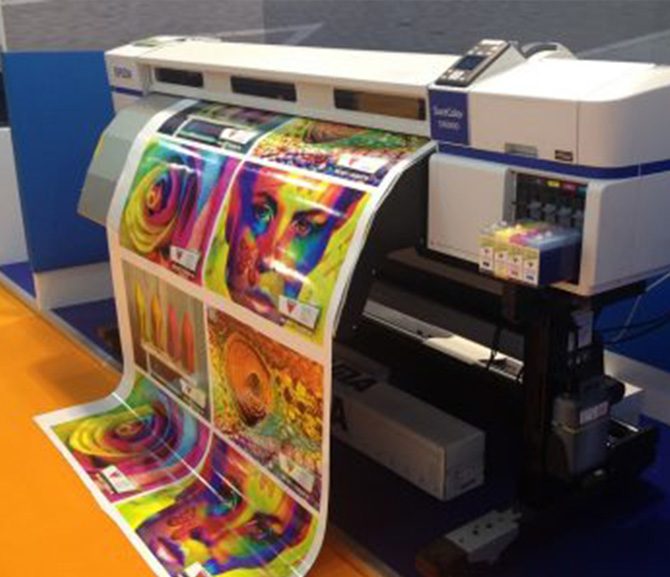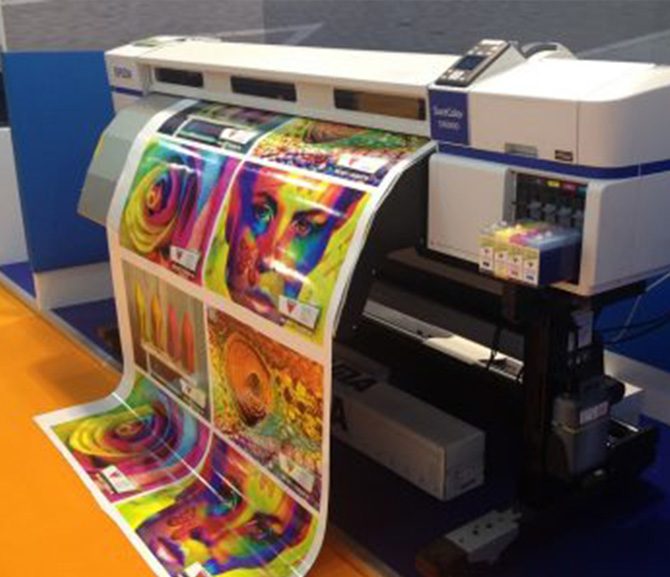
Turning up in person is still the fastest route
Uploading a file and waiting for a confirmation email works well when you have days. When you have hours, walking in beats it, because everything that would take an email exchange happens in one conversation and your job goes onto the machine while you are standing there.
Walking in unprepared, though, is slower than not coming at all. The counter cannot fix a file you did not bring, and a busy shop at four in the afternoon has a queue of people in the same position. A little preparation turns a two hour visit into twenty minutes.
What to bring
- The file on a USB drive and in your email. Two routes, because drives fail and office networks block attachments at the worst moment
- A PDF, plus the original if you have it. The PDF is what gets printed; the original is what makes a last-minute correction possible
- A printed sample if one exists. For a reprint or a colour match, a physical example settles in seconds what a description cannot
- Your phone, charged. Approvals, transfers and a call to whoever has the final say all happen on it
- Payment ready. Rush jobs are often payment on collection, and a card that needs an authorisation call is a delay you do not want
- The exact quantity and finished size, decided before you arrive rather than debated at the counter
If someone else has to approve the job, bring their number and warn them you will be calling. Waiting for a manager to reply to an email is the single most common reason a walk-in job misses its own deadline.
What the counter will ask you
The questions are always roughly the same, and having the answers ready is most of the speed.
When do you need it? Give a real time, not "as soon as possible". A shop can plan around 5pm today. It cannot plan around urgency.
How many? Round numbers price better and print faster than an oddly specific quantity.
What size, on what paper? If you do not know, say what the item is for and let them recommend from stock. Asking for a paper that has to be ordered in is how a same-day job becomes a Thursday job.
Single or double sided, and what finish? Lamination adds time. On a genuine rush, dropping it is often the difference between today and tomorrow.
Collect or deliver? Collecting is faster and it also means you see the job before it travels.

How the queue actually works
Print shops do not run first come, first served in the way a food counter does. Jobs are batched by machine and by material, so a small digital job that matches what is already loaded can jump ahead of a large one waiting on a stock change. That is why the person after you sometimes leaves first, and it is not favouritism.
It also means flexibility is worth real time. If your poster can be A2 rather than an unusual size, or on the stock already in the machine rather than a different weight, ask whether that speeds things up. Frequently it does, by an hour or more.
Timing your visit helps as much as anything. Mid-morning is usually the quietest window in a busy shop. The hour before a cut-off is the worst, because everyone who left it late arrives at once and the cut-off does not move for any of them.
Checking before you leave the shop
Look at the first printed copy before the rest run. Almost every shop will show you one, and thirty seconds spent on it prevents the reprint that will not fit in the schedule.
Check the things that are hard to see on a screen: the spelling of names, phone numbers digit by digit, dates, and whether anything important sits too close to the trim. On a double-sided piece, check the second side is the right way up relative to the first, which is the classic error on a rushed job and one nobody notices until the whole run is cut.
For a colour-critical item, look at it in daylight near the door rather than under the shop lighting. Then, once the run is done, count the boxes before you carry them out.
What the rush premium is paying for
Express work costs more, and it is worth understanding why before deciding whether to pay it. The surcharge is not a fee for hurrying. It covers the cost of interrupting a schedule: a machine stopped and re-set for your job, another customer's work pushed back, and often staff time outside normal hours.
That has a practical consequence. The premium is largest when the shop is busiest, because the disruption is greatest then. The same job squeezed into a quiet Tuesday morning may carry little or no surcharge at all. If your deadline has any flexibility, asking when the cheapest slot is can save more than negotiating ever will.
It also explains why some rush requests are declined outright rather than priced high. A job that would need a stock change, a die or a laminator running a different film is not slow because nobody is trying. It is slow because the setup exists regardless of urgency.
Payment on a rush job is usually taken up front or on collection. That is not distrust; it is that a same-day job leaves no time for an account approval process. Have a card or a transfer ready, and if your company requires a purchase order, generate it before you arrive rather than discovering at the counter that finance has gone home.
What can and cannot be done in an hour
Setting expectations honestly saves everyone's afternoon.
Realistic within an hour or two: name cards on a held stock, A4 and A3 colour documents, simple binding, posters up to A1, roll-up banner graphics where the hardware is in stock, laminated single items.
Realistic within the same day: larger poster runs, folded leaflets on stock paper, short-run booklets with wire binding, small format signage.
Not realistic same day, whatever anyone promises: anything needing a custom die, foil or embossing, thick perfect-bound documents, jobs on paper that has to be ordered, and large format work needing outdoor-grade laminate and curing time.
Where a deadline cannot be met as specified, ask what version of the job can be. A simpler finish, a smaller size, or a partial quantity now with the remainder tomorrow will usually get you through the event. Our article on when express printing is worth the premium goes through where that trade-off makes sense.
If you cannot get there
Send the file with the same information you would have given at the counter: deadline as a time, quantity, size, stock, finish, and whether you are collecting. Put your phone number in the message and answer it, because a rush job that raises a question and gets silence sits still.
Our same-day printing cut-off times article sets out when a file has to arrive to come back the same day, and the same-day printing checklist covers the file itself. If the job is already produced and something has gone wrong with it, emergency reprint triage is the place to start.
The express printing services page lists what we hold in stock and can run immediately. Call before you set off if the job is unusual, and we will tell you whether to come in or send it.